Why Your Baby Needs A High Chair Footrest (And Easy DIY Fixes)
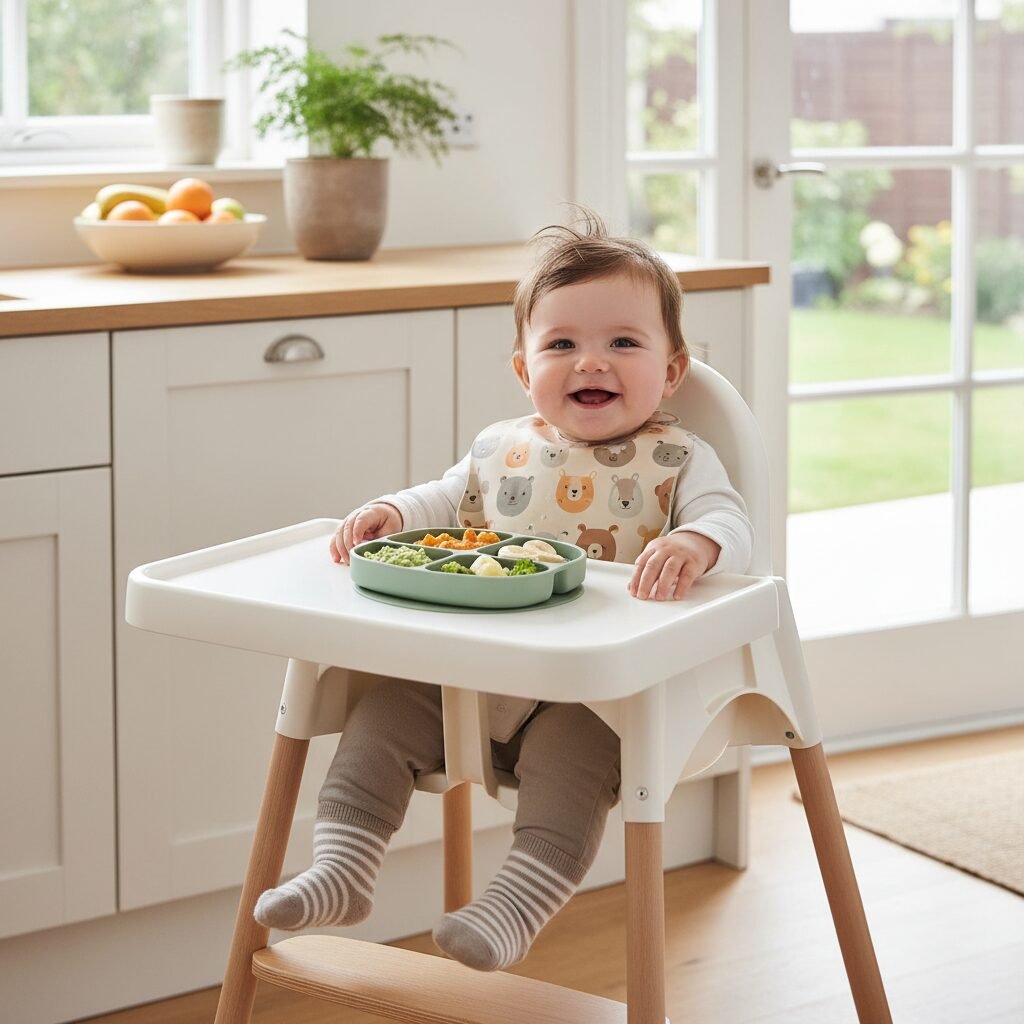
Welcome to the wonderful, messy, and exciting world of starting solids! You’ve picked out the perfect high chair, stocked up on tiny spoons, and pureed more sweet potatoes than you ever thought possible. As you place your little one in their throne for their first culinary adventures, you’re focused on their hands, their mouth, and that adorable bib. But have you ever stopped to look down at their feet?
If you see those cute little legs dangling in mid-air, you might be missing a simple but crucial piece of the puzzle for successful mealtimes. It’s a high chair footrest! It might seem like a minor detail, but as a pediatric nurse and lactation consultant, I can tell you it’s a total game-changer. Proper foot support isn’t a luxury feature; it’s essential for your baby’s stability, safety, comfort, and even their ability to chew and swallow effectively.
Don’t worry, this doesn’t mean you need to rush out and buy a new, expensive high chair. In this guide, we’ll explore the surprising science behind why your baby needs a footrest and walk you through several easy, budget-friendly DIY fixes. Let’s make every meal a happy, safe, and comfortable experience for your little eater!
The ‘Why’: How Proper Foot Support Transforms Mealtimes
The ‘Why’: How Proper Foot Support Transforms Mealtimes
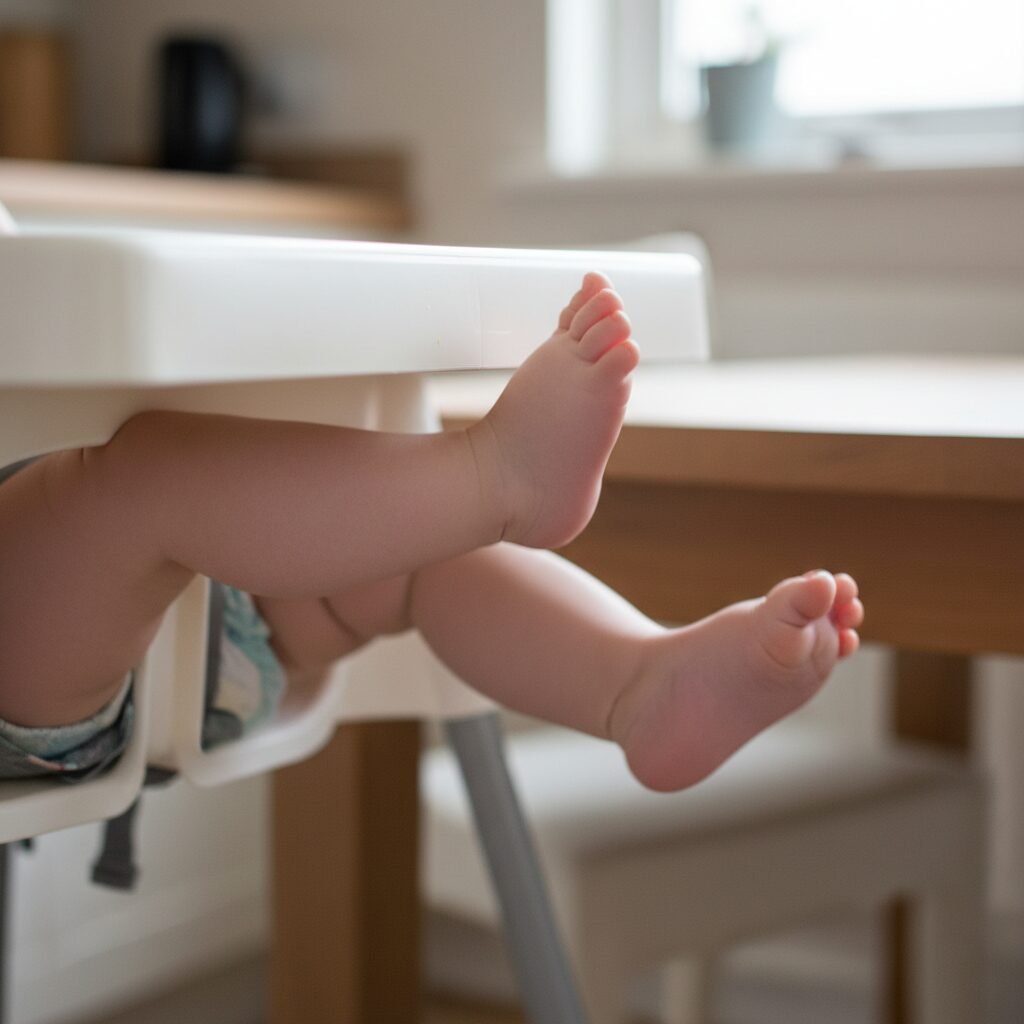
Imagine sitting on a tall bar stool for a 30-minute meal, with your feet just dangling. You’d probably start wiggling, trying to wrap your feet around the stool legs, or shifting your weight. You’d be distracted and a little uncomfortable, right? Your body would be working hard just to stay stable, taking focus away from your food. This is exactly what your baby experiences in a high chair without a footrest.
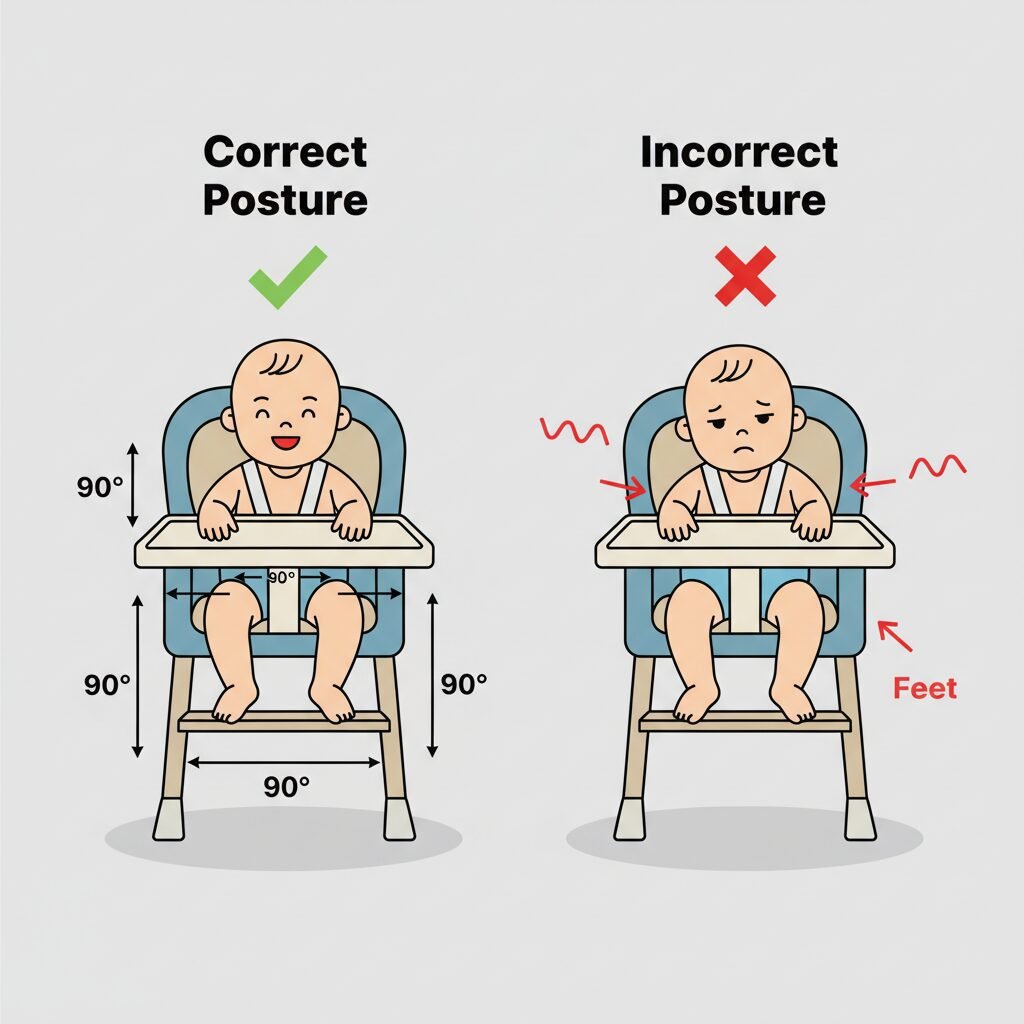
The key concept here is postural stability. For optimal function, we all—babies included—need a stable base of support. The gold standard for seated posture is often called the 90-90-90 rule: a 90-degree angle at the hips, a 90-degree angle at the knees, and a 90-degree angle at the ankles with feet flat on a surface. When a baby has this support, their body can relax, freeing up physical and mental energy to focus on the complex task of learning to eat.
Key Benefits of a High Chair Footrest:
- Enhanced Safety and Reduced Choking Risk: This is the big one. A stable core is directly linked to safer swallowing. When your baby isn’t using all their energy to keep their torso upright, they have better control over the muscles in their mouth and throat. This allows for a more coordinated chew and a stronger, more effective swallow. It also means they can manage a gag or cough more efficiently if a piece of food goes astray, significantly reducing the risk of choking.
- Improved Concentration and Focus: A comfortable, supported baby is a focused baby. Without the constant distraction of trying to find stability, your little one can direct their attention to the food on their tray. They can better concentrate on exploring textures, practicing their pincer grasp, and learning to use utensils, making mealtimes a richer learning experience.
- Better Oral Motor Skill Development: Chewing is a complex skill that requires precise jaw movements. A stable body provides the anchor for these fine motor movements of the jaw, tongue, and lips. Think of it like trying to write on a wobbly table versus a sturdy one. The stability from the feet travels all the way up the body, allowing for more efficient and effective chewing patterns.
- Increased Comfort for Happier Mealtimes: Simply put, it’s more comfortable! When your baby feels secure, they’re more likely to be happy and content in their high chair. This can extend the duration of mealtimes, preventing them from getting fussy and wanting out after just a few minutes. It turns feeding from a potentially stressful event into a positive family bonding experience.
Remember, providing foot support isn’t about spoiling your baby; it’s about giving them the foundational stability they need to eat safely and learn effectively. It sets the stage for a positive relationship with food right from the start.
Is Your High Chair Working Against You? Signs to Watch For
Is Your High Chair Working Against You? Signs to Watch For
Many popular and perfectly safe high chairs don’t come with an adjustable footrest. It’s a common design oversight! So, how can you tell if your baby is struggling with a lack of foot support? They’ll often show you through their body language. Pay close attention during your next mealtime and see if you notice any of these tell-tale signs:
- The Wiggle Worm: Is your baby constantly squirming, shifting, or repositioning themselves in the seat? This is often their body’s attempt to find a more stable and comfortable position.
- Slumping and Sliding: Without their feet to anchor them, babies may slump to one side, slide down in the seat, or lean heavily against the tray for support. This poor posture makes eating much more difficult.
- Bracing Their Feet: You might notice your baby trying to find their own footrest by pushing their feet against the high chair legs, your legs, or even the table.
- Tucking Legs Up: Some babies will tuck one or both feet up underneath their bottom, trying to create a more stable base for themselves.
- Short Mealtime Tolerance: Does your baby get fussy and want out of the high chair after only 5-10 minutes, even if they still seem hungry? Discomfort from an unstable posture is a very common reason for this.
- Difficulty with Fine Motor Skills: If your baby seems clumsy when trying to pick up small pieces of food, it might not be their pincer grasp. When the brain is focused on maintaining core stability, it has fewer resources to dedicate to fine motor tasks like self-feeding.
If you’re nodding your head to one or more of these points, don’t feel bad! This is incredibly common. The good news is that it’s an easy problem to solve. Recognizing the issue is the first step, and the fix is just around the corner.
Easy & Budget-Friendly DIY High Chair Footrest Hacks
Easy & Budget-Friendly DIY High Chair Footrest Hacks
Ready to give your little one the support they need? You don’t need to be a DIY expert or spend a lot of money. Most of these solutions use items you might already have around the house or can pick up for a few dollars. Here are a few of my favorite go-to methods, perfect for popular chairs like the IKEA Antilop or similar models.
The 5-Minute Fix: Pool Noodle & Bungee Cords
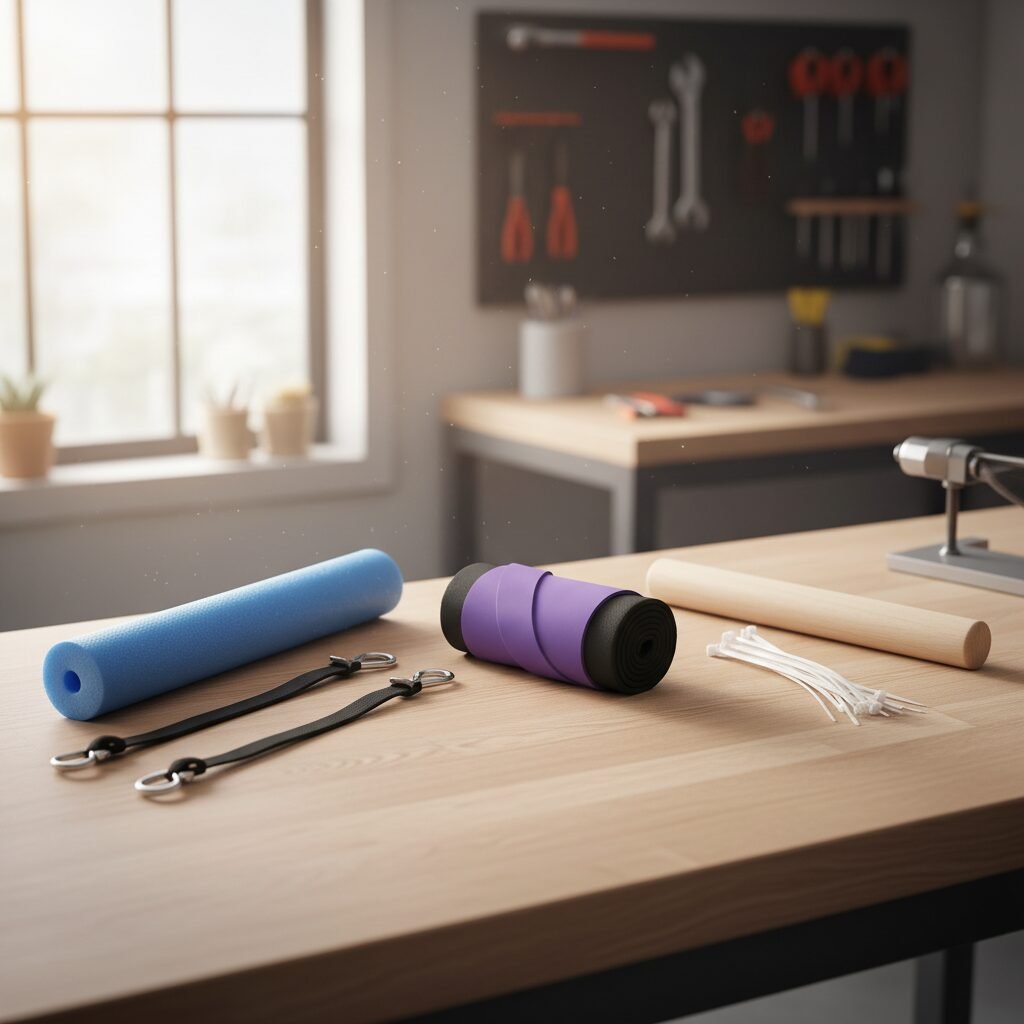
This is the quickest and easiest solution. Simply cut a pool noodle to fit between the two front legs of the high chair. Use two strong bungee cords or thick, sturdy rubber bands to strap it tightly in place at the height your baby needs. Voilà! Instant footrest.
The Super Sturdy Wrap: Heavy-Duty Resistance Band
A heavy-duty loop-style resistance band is a fantastic option. Just stretch the band and wrap it around the two front legs of the high chair multiple times. The tension of the band creates a surprisingly firm and stable platform for your baby’s feet. It’s also easy to adjust up or down as they grow.
The Semi-Permanent Solution: Wooden Dowel & Zip Ties
For a more solid, long-term solution, head to the hardware store. Get a simple wooden dowel and have it cut to the width between the high chair legs. Then, use several heavy-duty zip ties on each side to secure it firmly to the legs. Make sure to trim the ends of the zip ties smoothly. This creates a very stable, custom-fit footrest.
To help you decide, here’s a quick comparison of these simple DIY methods:
| DIY Method | Materials Needed | Approx. Cost | Pros | Cons |
|---|---|---|---|---|
| Pool Noodle/Yoga Block | Pool noodle or yoga block, bungee cords or strong bands | $5 – $10 | Extremely easy, no tools, very fast setup. | Can slip over time, may need frequent readjustment. |
| Resistance Band | Heavy-duty loop resistance band | $10 – $15 | Very secure, easy to adjust height, provides good sensory feedback. | Requires a band with the right size and tension. |
| Wooden Dowel | Wooden dowel, heavy-duty zip ties, saw (optional) | $5 – $15 | Extremely stable and durable, feels like a built-in part. | Requires measuring and cutting, less easily adjustable. |
Remember to always adjust the height so your baby’s knees are at a comfortable 90-degree bend when their feet are resting flat.
Safety First: A Quick Checklist for Your DIY Creation
Safety First: A Quick Checklist for Your DIY Creation
As with any baby-related project, safety is the number one priority. While these DIY solutions are simple, it’s crucial to ensure they are installed correctly and securely to prevent any accidents. Before you let your little one test out their new footrest, run through this quick safety check.
Important Safety Reminder: A footrest can provide a platform for a baby to push up on. It is absolutely essential that you ALWAYS use the high chair’s safety harness and buckle your child in securely for every single meal. Never, ever leave your baby unattended in their high chair, even for a second.
Use this checklist to double-check your handiwork:
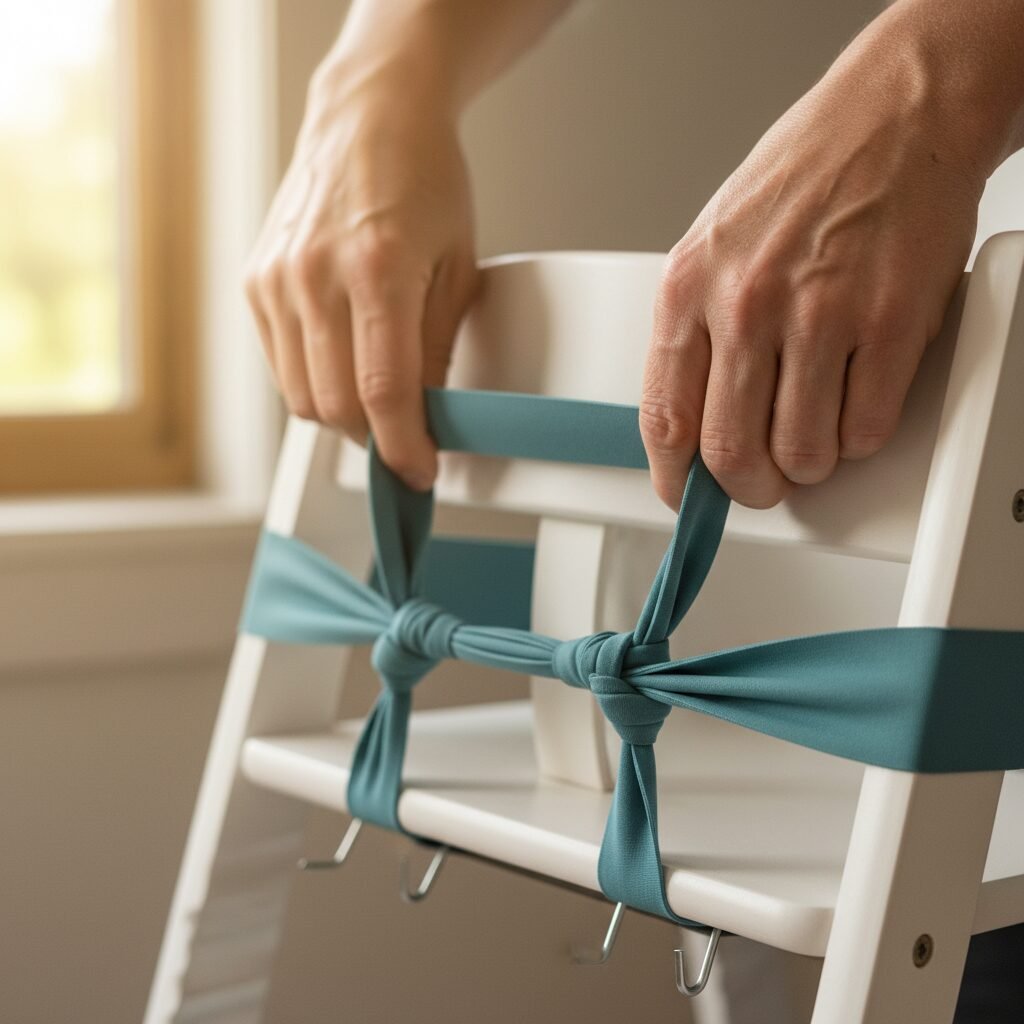
- Give It a Good Shake: Once installed, push, pull, and wiggle the footrest vigorously. Does it stay firmly in place? It needs to be strong enough to withstand your baby’s most enthusiastic kicks.
- Check for Stability: Make sure your addition hasn’t made the high chair itself unstable or top-heavy. The chair should still sit flat and securely on the floor.
- No Sharp Edges or Pinch Points: Run your hands over the entire setup. If you used a wooden dowel, ensure it’s sanded smooth. If you used zip ties, make sure the cut ends are flush and not sharp. Check that there are no spots where little fingers or toes could get pinched.
- Confirm the Correct Height: Place your baby in the chair and check their posture. Their feet should rest flat on the surface with their knees bent at about a 90-degree angle. Adjust as needed for the perfect fit.
- Perform Regular Maintenance Checks: Make it a habit to quickly check the footrest before each use. Bands can lose tension and ties can loosen over time. A quick jiggle is all it takes to ensure it’s still safe and secure.
By taking these few extra moments to prioritize safety, you can feel confident that you’ve created a comfortable and secure mealtime environment for your baby.
Conclusion
And there you have it! The simple, often-overlooked high chair footrest is truly one of the best-kept secrets for a smoother journey into starting solids. It’s not just about comfort; it’s a fundamental tool that enhances your baby’s safety, improves their focus, and supports the physical skills they need to become confident, happy eaters.
We’ve seen how a stable base can reduce choking risks, lengthen mealtime tolerance, and allow your baby to concentrate on the delicious food in front of them. Most importantly, you now know that you don’t need a top-of-the-line high chair to provide this essential support. With a little creativity and a few simple materials, you can easily upgrade your existing chair and create the perfect, ergonomic setup for your little one.
So go ahead, give one of these DIY hacks a try. Your baby’s happy, supported feet will thank you, and you can feel proud knowing you’ve created an even safer and more positive environment for them to explore the wonderful world of food. Happy feeding!