
What To Pack For The First Pediatrician Visit (Don’t Forget This)
Hello, new parents! Congratulations on your beautiful new arrival. I’m a pediatric nurse and lactation consultant, and I’ve spent decades helping families just like yours navigate these exciting, and sometimes overwhelming, first few weeks. One of the first big outings you’ll take is to the pediatrician’s office. It’s a milestone! But it can also feel a little daunting. What do you bring? What if you forget something important? Take a deep breath. You’re doing great, and I’m here to help.
Think of this first visit as your initial meeting with a key member of your parenting team. It’s a time for a thorough check-up for your baby and a fantastic opportunity for you to get answers to all those questions swirling in your head. The key to making it a calm and positive experience is simple: preparation. Having everything you need packed and ready to go will lift a huge weight off your shoulders, allowing you to focus on what truly matters—your baby and the valuable advice you’re about to receive. This guide is your ultimate checklist, broken down into simple categories, so you can walk into that office with confidence. Let’s get you packed!
The Absolute Essentials: Paperwork & Information
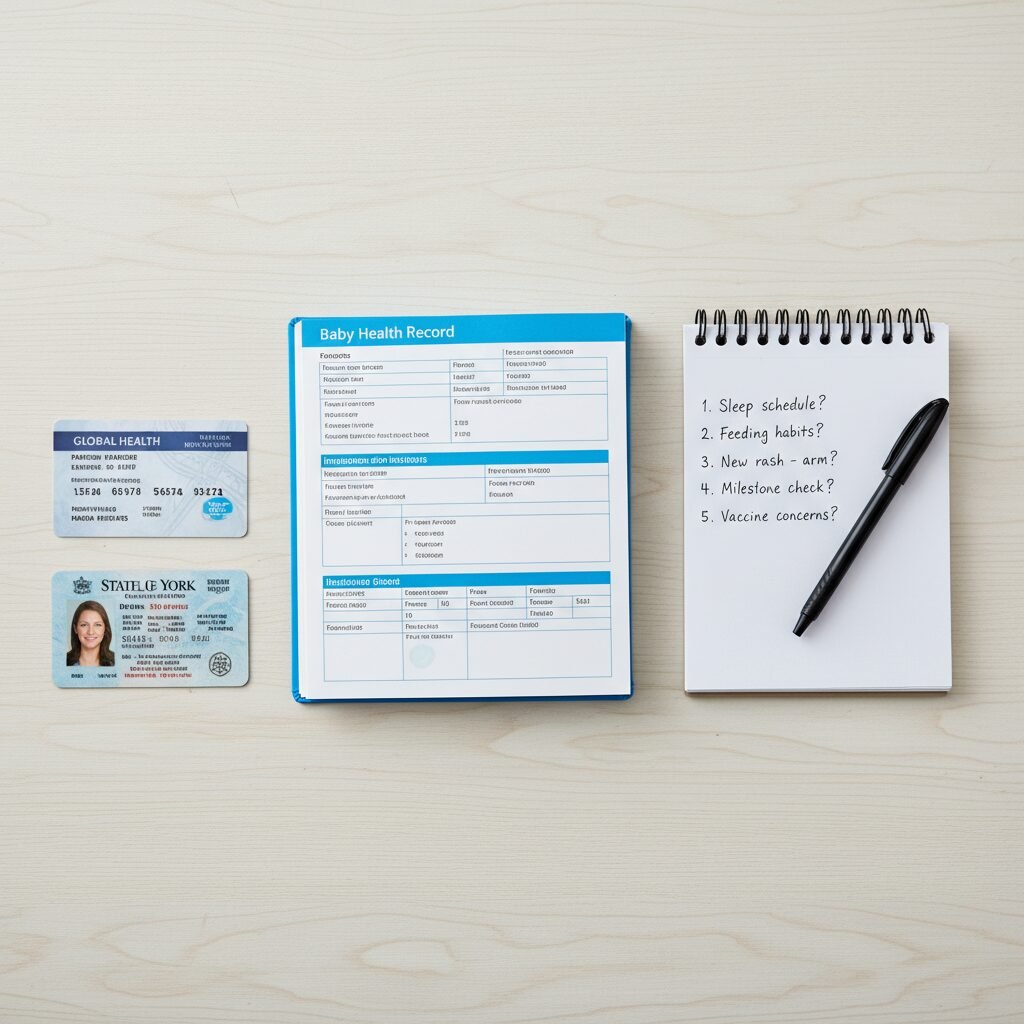
Okay, let’s start with the non-negotiables. This is the stuff you absolutely cannot forget. The administrative side of things might seem tedious, but having it all in order will make your check-in process a thousand times smoother. I recommend getting a dedicated folder or a large Ziploc bag to keep all these documents together in your diaper bag. It’s a simple trick that saves you from frantically digging around while juggling a baby carrier.
Your Must-Have Document Checklist:
- Your Insurance Card & Photo ID: The front desk will need to make copies of your insurance card and likely your driver’s license for their records. Have them easily accessible.
- Hospital Discharge Paperwork: This is so important! The papers you received from the hospital when you left contain vital information for your pediatrician, including your baby’s birth weight, length, any complications during birth, hearing screen results, and information about their first vaccinations (like the Hepatitis B shot).
- Baby’s Health Records: If you were given a baby book or a health record folder at the hospital, bring it! This is where the doctor will record today’s measurements and vaccination info, creating a lifelong health history for your child.
- Completed Office Forms: Many pediatric offices allow you to download and fill out new patient forms from their website beforehand. Do this! Filling out paperwork at home, where you can think clearly, is far less stressful than trying to do it in a waiting room with a fussy newborn.
The Most Important Item to Bring: Your Questions!
In the sleep-deprived haze of new parenthood, it’s easy to forget the very things you were desperate to ask. For days leading up to the appointment, keep a running list on your phone or in a small notebook. No question is too small or silly! Trust me, the pediatrician has heard it all.
A Nurse’s Tip: Write down everything! Questions about feeding (How much? How often?), sleeping (Is this much normal?), pooping (So. Many. Colors!), and your own recovery are all fair game. This is your dedicated time to get expert, personalized advice.
Diaper Bag Dream Team: What to Pack for Baby’s Comfort
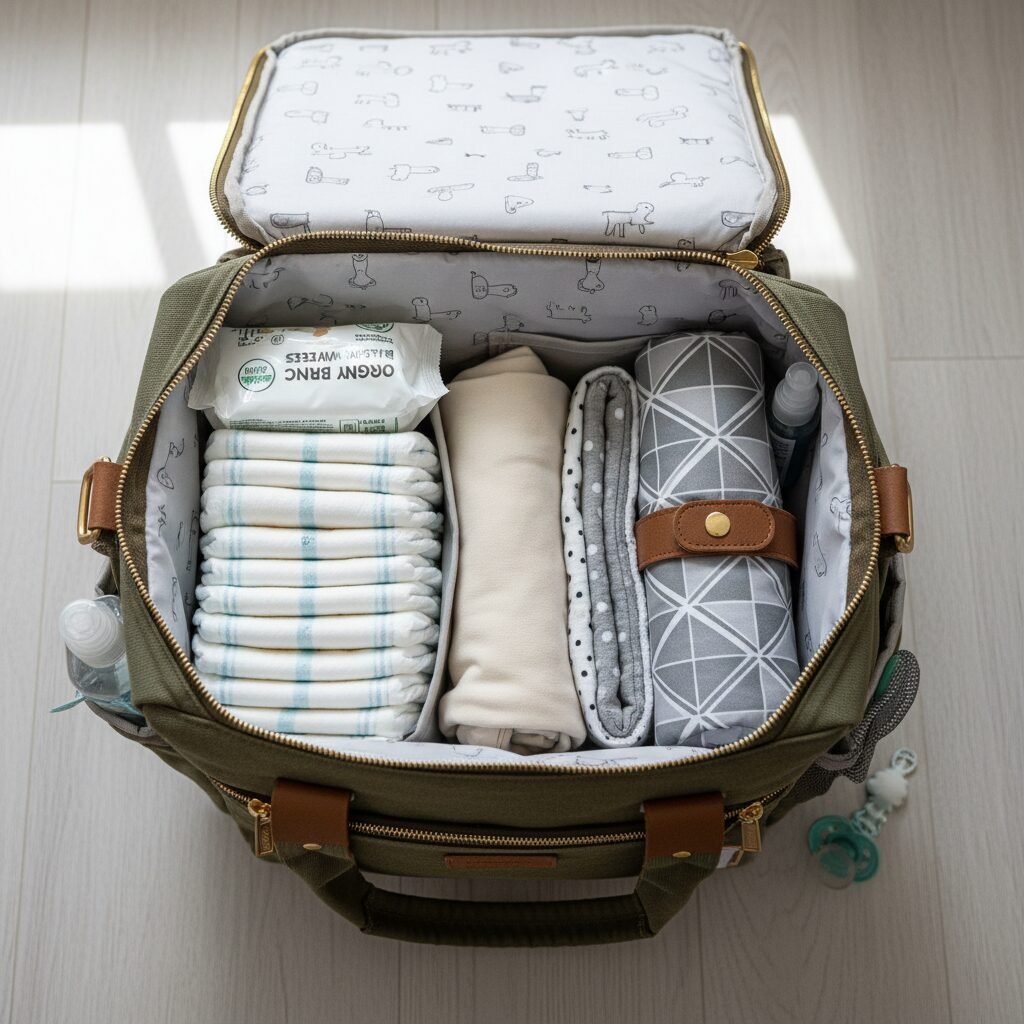
Now for the fun part—packing for your little VIP! The goal here is to be prepared for anything, from a diaper blowout to a sudden case of the hiccups. A well-stocked diaper bag is your best friend for any outing, and the doctor’s office is no exception. You might be there longer than you expect, so it’s always better to have too much than not enough.
The Diapering Essentials:
- Diapers: This is a rookie mistake I see all the time. Pack more diapers than you think you’ll need. My rule of thumb is one diaper for every hour you plan to be out, plus at least two extras. So for a two-hour trip, bring four or five diapers. You won’t regret it.
- Wipes: A travel-sized pack is perfect. Wipes are multi-purpose heroes—good for diaper changes, sticky hands (yours!), and small spit-ups.
- Diaper Cream: Bring a small tube of your preferred diaper rash cream.
- Portable Changing Pad: While most offices have changing tables, they can be cold and hard. Having your own clean, soft surface is a nice touch for your baby’s comfort and your peace of mind.
- A ‘Wet Bag’ or Plastic Bag: For soiled clothes! If a blowout happens (and it will, eventually), you’ll need a designated spot to quarantine the messy outfit.
Comfort and Clothing:
- A Full Change of Clothes (or Two!): A simple, soft sleeper is perfect. Spit-up and diaper leaks are practically a rite of passage. Having a backup outfit prevents a small mishap from turning into a major stressor.
- Burp Cloths: Pack at least two. They’re indispensable for feedings, spit-up, and wiping drool.
- Pacifiers: If your baby takes one, bring a couple of clean ones in a case. They can be a lifesaver for calming a fussy baby during the exam or while waiting.
- A Familiar Swaddle or Blanket: A blanket from home carries a familiar scent and can provide immense comfort to a baby in a new, strange environment. It’s also great for keeping them warm.
Feeding on the Go: Nourishment for Your Newborn

Newborns have tiny tummies and eat around the clock. Their schedule doesn’t pause for appointments! A hungry baby is a cranky baby, so being prepared to feed them is non-negotiable. Whether you’re breastfeeding, formula-feeding, or pumping, here’s what you need to have on hand.
For Breastfeeding Mothers:
Your needs are relatively simple, which is a huge perk! But a few items can make the experience more comfortable. Your pediatrician’s office is a breastfeeding-friendly space, and they will be happy to provide a private room if you ask. Don’t hesitate!
- A Nursing Cover: If you prefer privacy while feeding in the waiting room or exam room, a cover can help you feel more relaxed.
- Breast Pads: Leaks can happen anytime, especially when you hear another baby cry! Tuck a few disposable or reusable pads into your bra before you leave.
- A Water Bottle for You: Breastfeeding is thirsty work! Staying hydrated is crucial for your milk supply and your own well-being. Pack a large water bottle for yourself.
For Formula or Bottle-Feeding Parents:
Bottle-feeding requires a bit more gear, but with a little planning, it’s a breeze.
- Bottles and Formula: Bring at least one extra feeding’s worth of formula. The easiest way is to pre-fill your bottles with the correct amount of water and bring your pre-measured formula in a separate dispenser. This way, you can mix it just before feeding to ensure it’s fresh.
- Ready-to-Feed Formula: For ultimate convenience and peace of mind, I always suggest packing a small, sealed bottle of ready-to-feed formula. It’s a fantastic backup in case of spills or unexpected delays.
Safety Warning: Never prop a bottle for your baby. Always hold your baby and the bottle during feedings to prevent choking and to encourage bonding.
Dressing for Success (and Easy Access!)
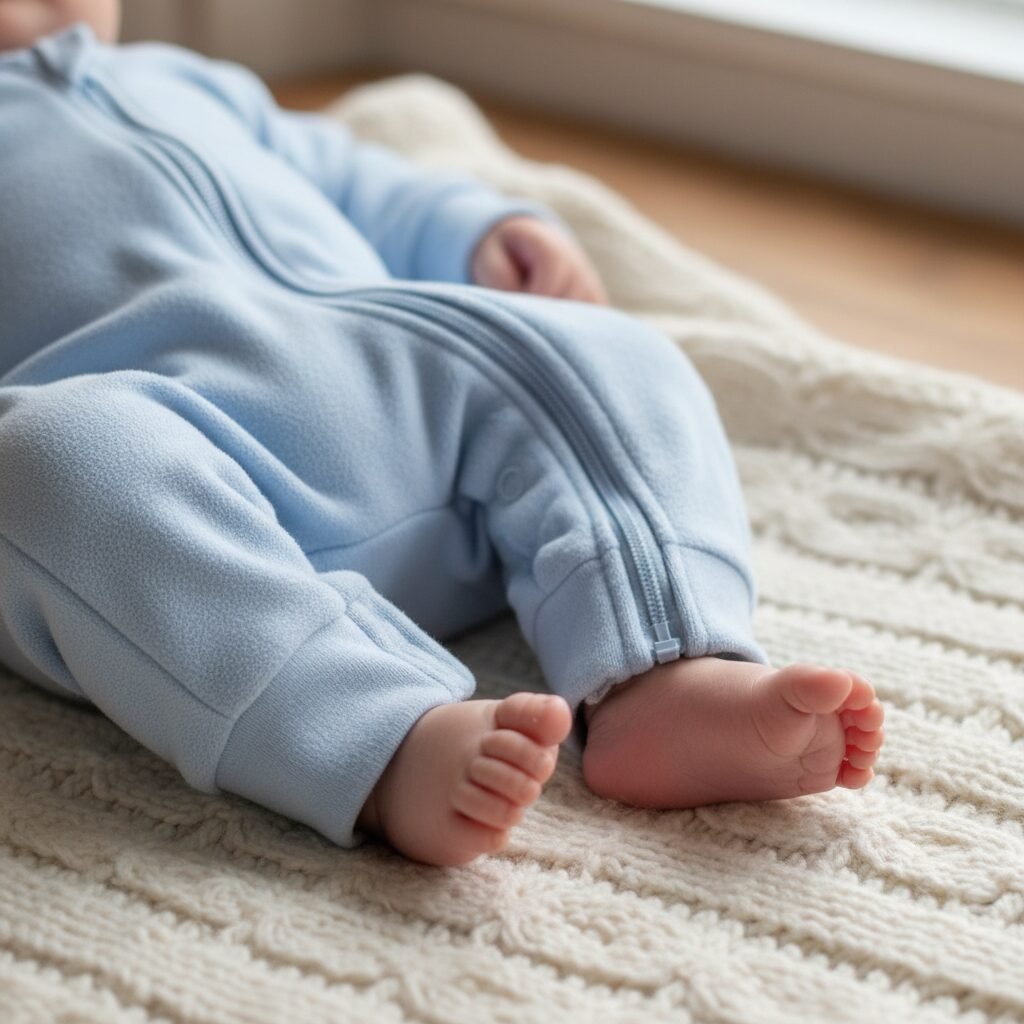
What your baby wears to the appointment actually matters more than you might think! The doctor will need to do a full-body check, which means your baby will need to be undressed down to their diaper. Choosing the right outfit can make this process quick and easy, keeping your little one from getting too cold or fussy.
The Golden Rules of Doctor’s Visit Attire:
- Layers are Your Friend: Doctor’s offices can be unpredictably hot or cold. Dress your baby in light layers—like a short-sleeved bodysuit with a zip-up sleeper over it. This allows you to easily adjust for their comfort.
- Prioritize Easy-Off, Easy-On: This is not the time for that adorable but complicated 10-button outfit. Opt for clothing with snaps or zippers down the front. Sleepers that zip from the bottom up are fantastic because you can undress their torso for the exam while keeping their legs and feet warm.
- Avoid Anything That Goes Over the Head: Many babies dislike having clothes pulled over their heads. Kimono-style tops or front-snapping onesies are a great choice to minimize fuss.
- Bring a Warm Blanket: A cozy blanket is a must-have. You can wrap your baby in it while you wait and use it to keep them warm on the exam table once they’re undressed. It’s a simple comfort that makes a big difference.
Remember, the goal is function over fashion for this particular outing. A comfortable baby is a happy baby, which makes for a much smoother visit for everyone involved.
Don’t Forget Yourself! What Mom & Dad Need

Amidst all the planning for the baby, it’s so easy for parents to forget their own needs. But you’re a crucial part of this equation! A comfortable, calm parent helps create a calm baby. Taking a few moments to pack some things for yourself is an act of self-care that will pay off.
- Snacks and Water: We talked about water for breastfeeding moms, but it’s important for everyone. And a snack is a must! A granola bar, some nuts, or a piece of fruit can be a lifesaver if the appointment runs long or you’re feeling drained.
- A Phone Charger or Power Bank: Your phone is your connection to the outside world, a camera for capturing memories, and a place to jot down notes. A low battery is the last thing you want to worry about.
- Something to Do: You might have some downtime in the waiting room. While you’ll probably spend most of it gazing at your baby, having a book, podcast, or magazine can be a nice distraction.
- Your Notebook and Pen: Remember that list of questions? Bring it, and be ready to write down the answers! The doctor will give you a lot of information about feeding, milestones, and what to expect next. Writing it down ensures you’ll remember it all later.
- A Partner or Support Person: If possible, bring your partner or a trusted friend. Having an extra set of hands to hold the baby, manage the diaper bag, and another set of ears to hear the doctor’s advice is incredibly helpful. It turns the visit from a solo mission into a team effort.
Taking care of yourself isn’t selfish; it’s essential. When you’re nourished, hydrated, and supported, you’re better equipped to handle whatever the day—and parenthood—throws at you.
Conclusion
You did it! You’re all packed and ready for your baby’s first big outing. See? It’s not so scary when you break it down. Remember, the goal of this first pediatrician visit isn’t just to weigh and measure your baby; it’s to build a relationship with a healthcare provider who will be your partner for years to come. By being prepared, you free yourself up to be present, to ask your questions, and to soak in all the expert advice.
Don’t strive for perfection. If the baby cries, it’s okay. If you forget to ask one of your questions, you can always call the nurse’s line later. Give yourself grace. You are learning, and you are doing an amazing job. Welcome to parenthood—you’ve got this!