Tiny Twin Nursery? 8 Genius Layouts That Fit Two Cribs Perfectly
Welcome, soon-to-be parents of twins! First, let’s just take a deep breath together. You are about to embark on the most incredible, love-filled, and beautifully chaotic journey. I can still remember the looks on the faces of new twin parents I’ve worked with—a mix of pure joy and a tiny hint of panic, especially when they look at the small spare room that’s destined to become a nursery for two.
If you’re currently staring at your future nursery and wondering how you’ll ever fit two cribs, a changing table, and everything else without it feeling like a cluttered closet, you’ve come to the right place. For years, I’ve helped families optimize their spaces, and I’m here to tell you that a small room is not a limitation; it’s an invitation to get creative! We’re going to turn that cozy nook into a serene, safe, and super-functional haven for your babies. Forget the stress—let’s have some fun designing the perfect first room for your dynamic duo.
Maximizing Every Inch: Smart Strategies Before You Start
Before we start moving imaginary furniture around, let’s talk about the foundational principles of designing a small nursery. These tips are the secret sauce to making any layout work harder for you. Think of this as your prep work—the smart decisions you make now will save you space and sanity later!
Embrace Multi-Functional Marvels
In a tiny nursery, every piece of furniture should earn its keep, and ideally, do more than one job. This is the number one rule of small-space living! Look for:
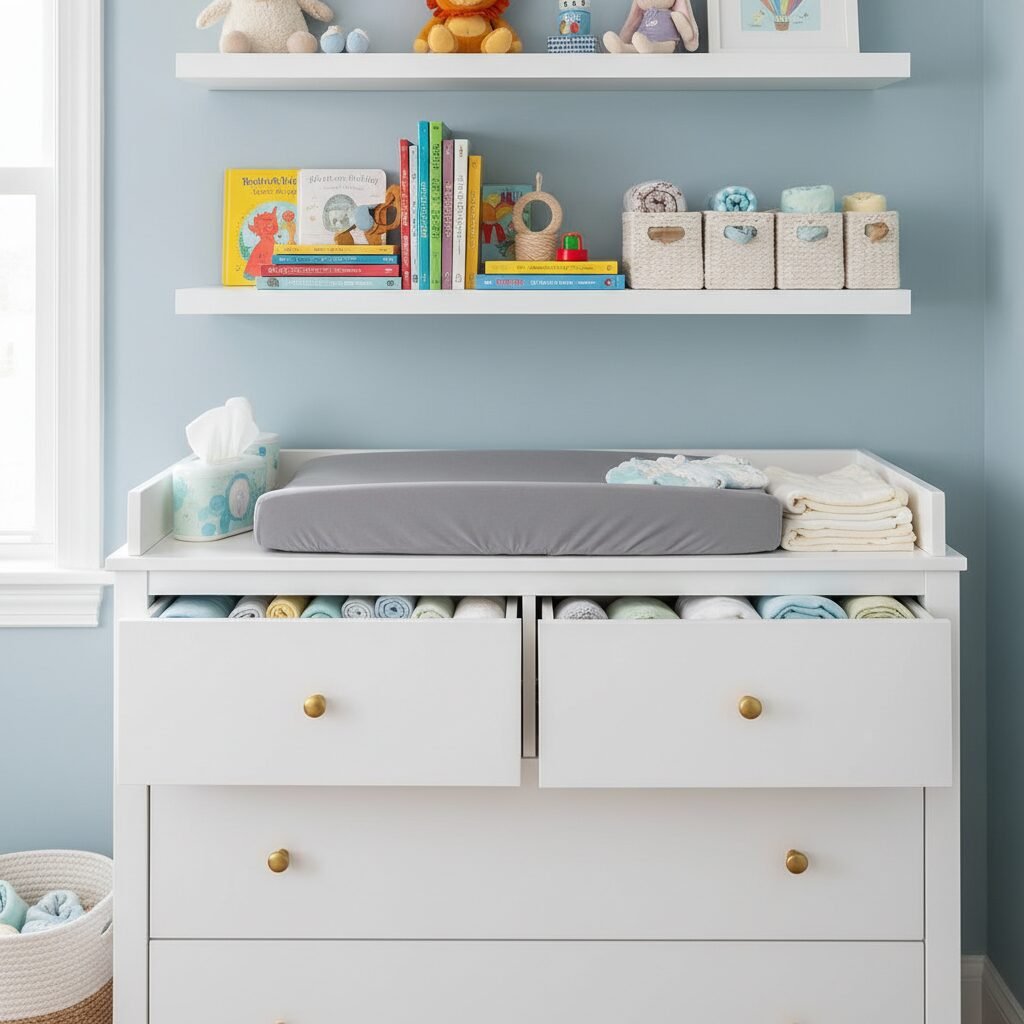
- A Dresser-Changer Combo: Instead of a separate changing table and a dresser, get a sturdy, low dresser and place a changing pad securely on top. Voila! You have storage and a changing station in one footprint.
- Cribs with Built-in Storage: Many modern cribs come with drawers underneath. This is prime real estate for storing extra sheets, sleep sacks, and blankets, freeing up closet or dresser space.
- Storage Ottomans: A small, soft ottoman can be a footrest for your glider and a secret storage spot for toys or books.
Go Vertical! Think Up, Not Out
When you can’t expand horizontally, the only way to go is up. Using your wall space is a game-changer for reducing floor clutter.
- Floating Shelves: Install sturdy floating shelves above the dresser or in a corner to hold books, monitors, and cute decor. Just be sure they are well out of baby’s reach and not directly over a crib.
- Tall, Narrow Bookcases: A slender bookcase secured to the wall can hold an incredible amount of supplies. Use baskets and bins to keep it looking tidy.
- Wall-Mounted Organizers: Think hanging canvas pockets or pegboard systems for organizing diapers, wipes, and creams near the changing station.
The Mini Crib Miracle
Did you know cribs come in different sizes? While standard cribs are fantastic, mini cribs can be the perfect solution for a tiny twin nursery. They are smaller, lighter, and often more affordable. Don’t worry, they are held to the same safety standards as full-size cribs and can typically be used until your child is about two years old or ready to transition to a toddler bed. Switching to mini cribs can magically free up several square feet, making many more layouts possible.
The 8 Genius Layouts: Finding Your Perfect Fit

Alright, it’s time for the main event! Let’s explore eight different ways to arrange two cribs in a small room. I recommend grabbing a tape measure and maybe even using some painter’s tape on the floor to map out the dimensions of your cribs and other furniture. This will help you visualize the space and the flow of the room.
Here’s a quick comparison of the most common layout styles to get you started:
| Layout Style | Best For… | Key Pro | Key Con |
|---|---|---|---|
| Side-by-Side | Square or wide rooms | Easy access to both babies | Takes up the entire longest wall |
| L-Shape | Corner spaces, square rooms | Opens up the center of the room | One crib is harder to access |
| End-to-End | Long, narrow rooms | Maximizes a single wall efficiently | Can feel a bit like a dormitory |
| Opposing Walls | Rooms with two usable walls | Gives each baby their own ‘zone’ | Can make the room feel narrow |
1. The Side-by-Side Classic
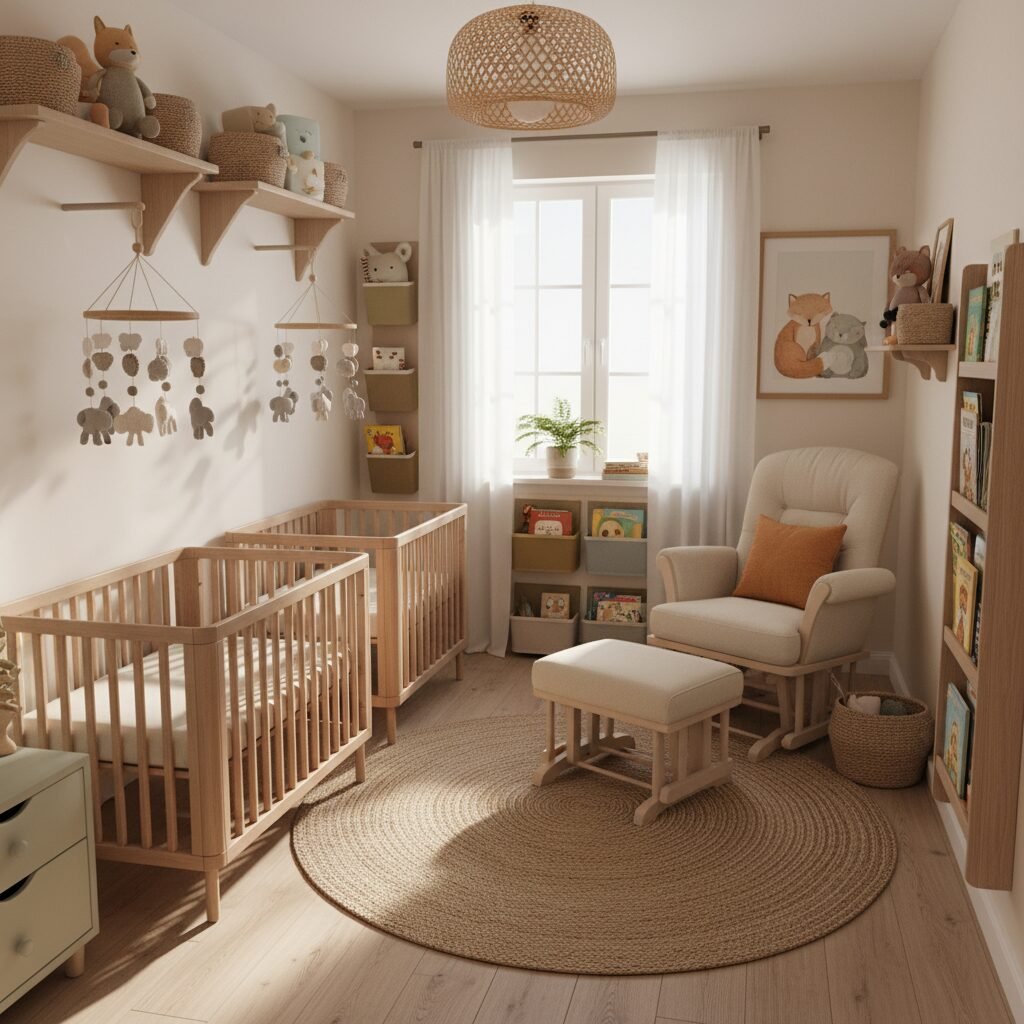
This is the layout most people picture first. The two cribs are placed parallel to each other along the longest, uninterrupted wall in the nursery. It’s simple, symmetrical, and effective. There should be at least a few inches of space between the cribs for airflow and so little hands can’t reach each other once they get more mobile.
2. The L-Shape Corner Solution
Place the cribs in an ‘L’ formation, with the head of each crib against a different wall in the same corner. This layout is fantastic for opening up the center of the room, leaving more floor space for a play mat or for you to move around. It creates a cozy little corner for the babies.
3. The End-to-End for Narrow Rooms
If your nursery is more of a long rectangle, this layout is your best friend. Place both cribs end-to-end along one of the long walls. This leaves the entire opposite wall free for a dresser, glider, and storage, creating a very clear and functional traffic path down the middle of the room.
4. The Opposing Walls Zone
In this layout, you place one crib against one wall and the second crib directly across from it against the opposite wall. This works well in rooms that have a bit more width. It gives each baby their own distinct space and can be great for creating two slightly different mini-zones within the room.
5. The Center Stage Statement
Feeling bold? In a room that’s closer to a square, you can place the two cribs back-to-back (or with a small gap) in the center of the room. This creates a circular flow around the cribs and zones the rest of the room around them. The dresser can go on one wall, the glider on another. It’s an unconventional but surprisingly efficient use of space.
6. The Diagonal Dynamic
For a truly unique look that can sometimes unlock awkward spaces, try placing each crib diagonally in opposite corners of the room. This can break up the boxy feel of a small room and create interesting triangular spaces behind the cribs for a tall plant (out of reach!) or a narrow storage unit.
7. The Alcove Advantage
If your room has a nook, an alcove, or even a dormer window, use it! Tucking one crib into that dedicated space can make the rest of the room feel much larger. The second crib can then be placed on the main wall, freeing up significant floor space.
8. The ‘One Wall Wonder’ Integrated Layout
This is the ultimate space-saving strategy. Arrange all your main furniture—the two cribs and the dresser/changing station—along a single wall. You might have a crib, then the dresser, then the second crib. This keeps three walls of the room completely open, making the space feel expansive and uncluttered.
Safety First: A Twin Nursery Checklist

No matter which beautiful layout you choose, safety is, and always will be, the top priority. A well-designed nursery is a safe nursery. As you arrange your furniture, please keep these non-negotiable safety rules in mind. From one caregiver to another, this is the most important part.
Safety Warning: Always follow the ABCs of safe sleep: Babies should sleep Alone in their crib, on their Back, and in a safe Crib with a firm mattress and no soft bedding, bumpers, or toys.
Crib Placement is Key
- Away from Windows: Cribs should never be placed directly under a window. Cords from blinds or curtains pose a serious strangulation hazard. There’s also the risk of drafts and falls.
- Clear of Cords: Keep cribs away from any electrical outlets, baby monitor cords, or lamps. Babies are surprisingly good at grabbing things!
- No Wall Hangings Above: Avoid hanging heavy picture frames, mirrors, or shelves directly over any part of the cribs.
Furniture and Room Safety
- Anchor Everything: Secure all heavy furniture—dressers, bookcases, changing tables—to the wall using anti-tip straps. This is a critical step to prevent furniture from toppling over.
- Check for Recalls: Before you buy or assemble any gear, especially cribs, do a quick search on the Consumer Product Safety Commission (CPSC) website to ensure it hasn’t been recalled.
- Install Safety Devices: Use outlet covers, and if you have older windows, install window guards to prevent them from opening more than a few inches.
Conclusion
There you have it! Creating a nursery for two in a small space doesn’t have to be a puzzle with missing pieces. With a little bit of planning and a dash of creativity, you can design a room that is not only beautiful and serene but also incredibly functional for you and your babies.
Remember, the ‘perfect’ nursery isn’t about having the biggest room or the most expensive furniture. It’s about creating a safe, loving, and organized environment where you can comfortably care for your little ones. Whether you choose the classic Side-by-Side or the clever L-Shape, the best layout is the one that works for your family and your space.
Congratulations again on this incredible double blessing. You are building a cozy nest for your twins, and you’re going to do an amazing job. Trust your instincts, have fun with the process, and get ready for twice the love, twice the cuddles, and twice the joy.