Throw These Out! 5 Gentle Baby Lotions That Actually Contain Harmful Chemicals
Hello, new parent! Welcome to one of the most beautiful and, let’s be honest, overwhelming journeys of your life. If you’ve ever stood in the baby care aisle, staring at a wall of lotions, creams, and oils, feeling a mix of confusion and anxiety, please know you are not alone. Every parent wants the absolute best for their little one, and that starts with the products we put on their brand-new, oh-so-delicate skin.
A baby’s skin is a marvel, but it’s also incredibly vulnerable. It’s thinner, more porous, and less oily than our adult skin, which means it absorbs substances much more easily. This is wonderful when it comes to absorbing nourishing moisture, but it’s also why we have to be extra vigilant about potentially harmful ingredients.
The trouble is, marketing can be incredibly misleading. Words like ‘gentle,’ ‘hypoallergenic,’ ‘natural,’ and ‘dermatologist-tested’ are plastered on bottles to reassure us. But what do they actually mean? Often, not as much as we think. In my decades as a pediatric nurse, I’ve seen too many little ones with rashes and irritation from products that were supposed to be safe. That’s why we’re going to pull back the curtain today. This isn’t about fear; it’s about empowerment. Together, we’ll learn how to spot the red flags and make confident choices for your baby’s skin health.
The ‘Gentle’ Myth: Why Marketing Labels Can Be Misleading
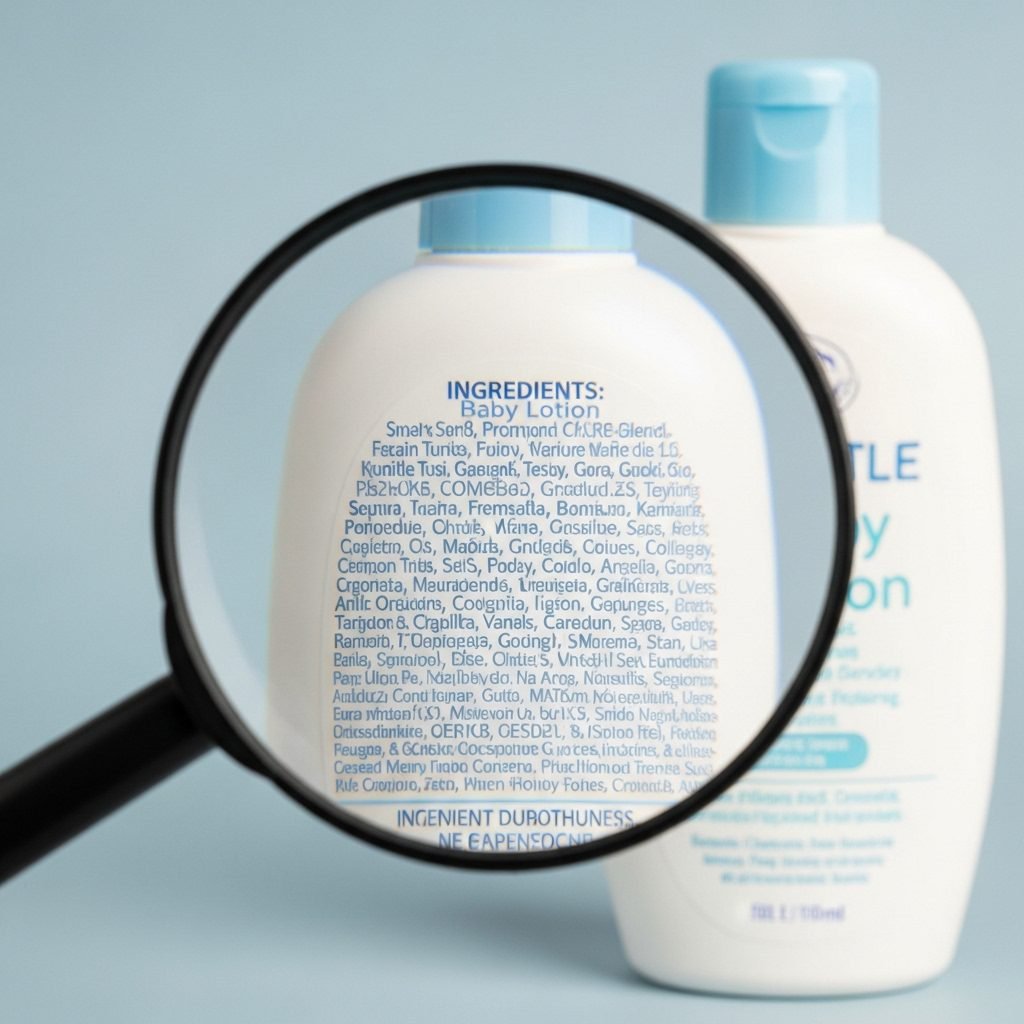
Let’s start by becoming label detectives. The front of the bottle is designed to sell you a feeling—peace, purity, and safety. The real story, however, is on the back, in the tiny print of the ingredients list.
Understanding Common Buzzwords
Brands use specific language to make you feel secure in your purchase, but these terms often lack strict, regulated definitions. Here’s what you should know:
- Hypoallergenic: This is probably the most common term you’ll see. It simply means the product is less likely to cause an allergic reaction. It does not mean it’s allergy-proof. Manufacturers aren’t required to meet any government standards to make this claim. A product can be labeled ‘hypoallergenic’ and still contain fragrance, parabens, or other common irritants.
- Dermatologist-Tested: This sounds official, right? It means a dermatologist has, at some point, been involved in testing the product, usually for skin irritation. However, it doesn’t tell you the results of the test, how many people it was tested on, or whether the dermatologist would actually recommend it for a newborn.
- Natural or All-Natural: This is a big one. The term ‘natural’ isn’t regulated by the FDA for cosmetics. A product can contain ingredients derived from natural sources but still be heavily processed or mixed with synthetic chemicals. Always look for specific certifications if you want truly natural products.
- Gentle: This is purely a marketing term. It has no scientific or medical definition. What one company considers ‘gentle’ might be very different from another.
A Nurse’s Tip: Your best tool is the ingredient list. Ignore the pretty pictures and soothing words on the front. Flip the bottle over and become familiar with the real contents. If the list is a mile long and filled with words you can’t pronounce, it’s worth a closer look.
The goal isn’t to become a chemist overnight. It’s about recognizing a few key players that have no business being in your baby’s lotion. In the next section, we’ll create a simple watchlist of these ingredients so you can spot them with confidence.
The Chemical Culprits: Your Ingredient Watchlist
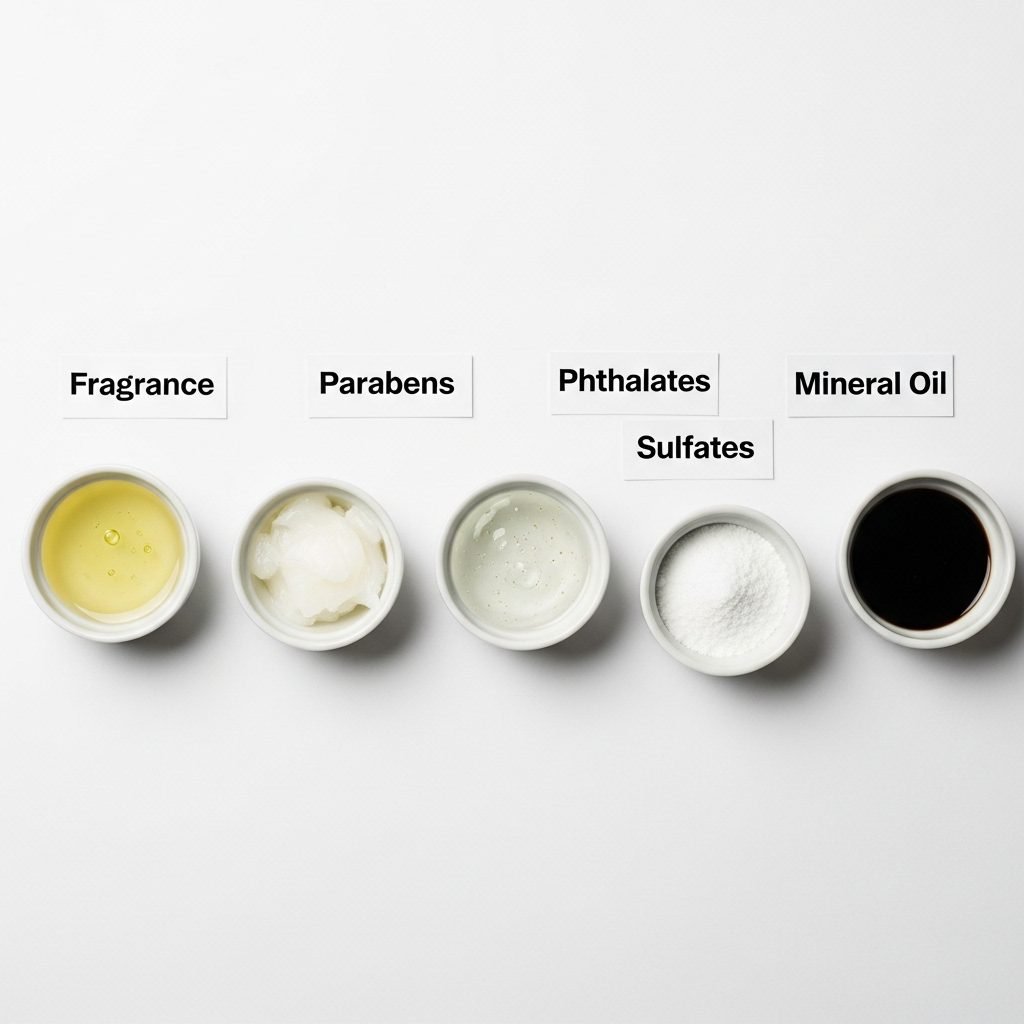
Okay, it’s time to name names. Don’t let this list intimidate you! Think of it as your cheat sheet for scanning labels. Once you know what to look for, you’ll be able to spot these ingredients in seconds. These are some of the most common offenders found in baby products, even those marketed for sensitive skin.
| Chemical/Ingredient | Commonly Listed As | Why It’s a Concern for Babies |
|---|---|---|
| Synthetic Fragrance | Fragrance, Parfum, Perfume | This is a major red flag. ‘Fragrance’ is a catch-all term that can hide hundreds of different chemicals, including phthalates. These proprietary blends are not required to be disclosed. They are one of the most common causes of skin irritation, allergic reactions, and can even trigger respiratory issues in sensitive infants. |
| Parabens | Methylparaben, Propylparaben, Butylparaben, Ethylparaben | Parabens are preservatives used to prevent the growth of bacteria and mold. The concern is that they can mimic estrogen in the body, potentially disrupting the endocrine system. While research is ongoing, a baby’s developing system is particularly vulnerable, and it’s wise to avoid them. |
| Phthalates | Often hidden in ‘Fragrance’; sometimes listed as DEP, DBP, DEHP | Phthalates are chemicals used to make plastics more flexible and to help fragrances last longer. Like parabens, they are known endocrine disruptors and have been linked to developmental concerns. Since they are usually hidden under the ‘fragrance’ umbrella, avoiding all synthetic fragrances is the easiest way to avoid phthalates. |
| Phenoxyethanol | Phenoxyethanol | This is another common preservative used as an alternative to parabens, even in some ‘natural’ products. While considered safer in low concentrations for adults, it has been linked to skin allergies like eczema and can be a nervous system depressant in infants if ingested (for example, if used in a nipple cream). |
| Mineral Oil & Petroleum | Mineral Oil, Petrolatum, Paraffinum Liquidum | These are byproducts of petroleum refining. They create a seal over the skin, which can feel moisturizing, but it doesn’t actually provide any nutrients. More importantly, this barrier can trap moisture and bacteria, clog pores, and interfere with the skin’s natural ability to breathe. There’s also a risk of contamination with toxic hydrocarbons. |
Remember, you’re the gatekeeper for what goes on your baby’s skin. Keeping this short list in mind will make navigating that crowded aisle so much easier.
The ‘Gentle’ Imposters: 5 Types of Lotions to Avoid
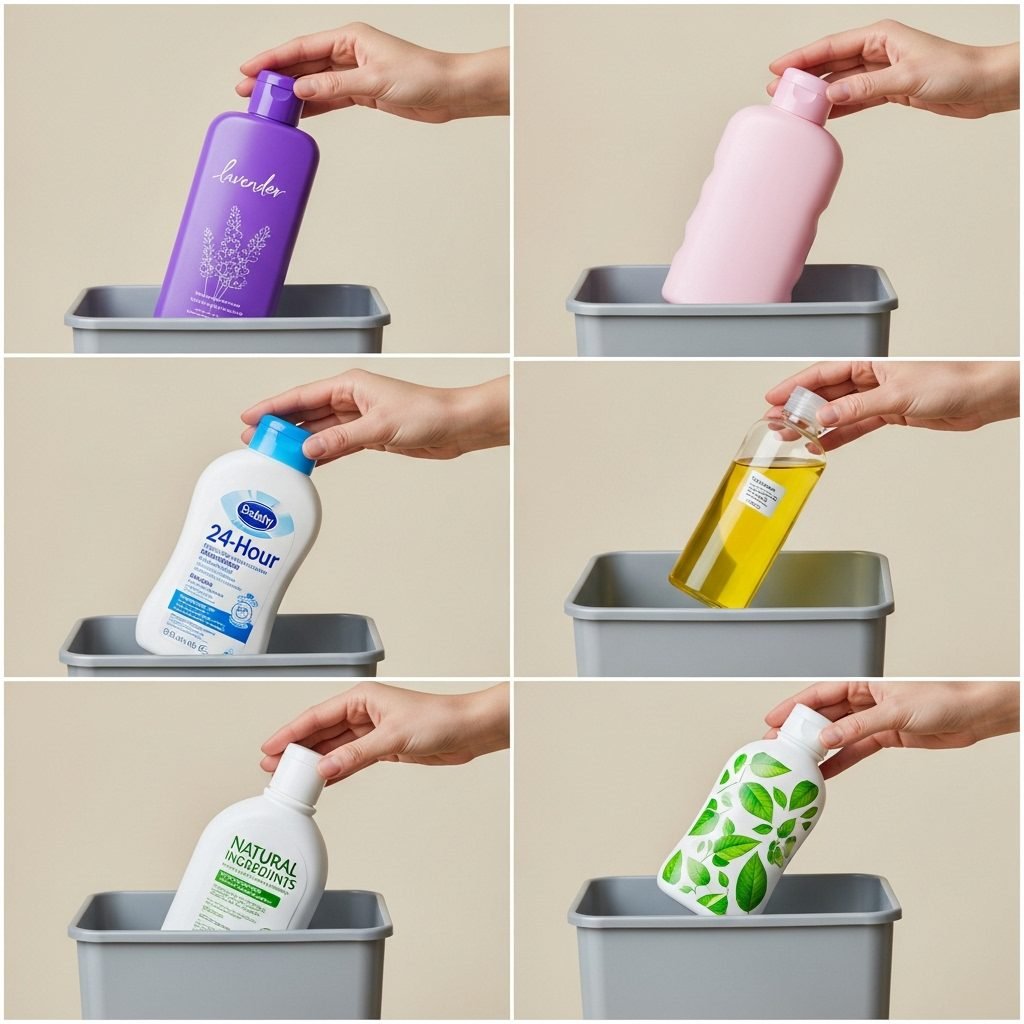
Now that you’re armed with your watchlist, let’s talk about the products on the shelf. The title of this article is ‘Throw These Out,’ and while I don’t want to cause panic, I do want you to feel confident in re-evaluating what’s in your nursery. Instead of naming specific brands (which can change their formulas), let’s identify five types of lotions that commonly contain these concerning ingredients.
1. The Heavily-Fragranced ‘Calming Lavender’ Lotion
Oh, this one is so tempting! The promise of a calm, sleepy baby is powerful. But that strong ‘lavender’ or ‘chamomile’ scent is almost always a synthetic fragrance blend. As we learned, ‘parfum’ or ‘fragrance’ on the label can hide a cocktail of chemicals, including phthalates. True lavender essential oil has a much softer scent. If the lotion smells more like a candle or air freshener, it’s a sign to put it back on the shelf. The fragrance itself is a top allergen for delicate skin.
2. The ‘Classic Pink’ Silky-Smooth Lotion
You know the one. It’s been around for generations and has a signature scent and a silky, almost slippery feel. This texture often comes from silicones like Dimethicone. While not on our top-five watchlist, silicones act like a plastic wrap on the skin. They give a temporary feeling of smoothness but can trap sweat, bacteria, and dead skin cells, potentially worsening conditions like baby acne or heat rash. It’s a cosmetic ingredient that offers no real nourishment.
3. The ‘Long-Lasting Moisture’ Lotion with Parabens
Any product that boasts ’24-hour moisture’ needs powerful preservatives to keep it stable for that long. This is where you’ll often find a combination of parabens (like methylparaben or propylparaben). Companies use them because they are cheap and effective at preventing bacterial growth. But given the concerns about endocrine disruption, especially in a tiny, developing body, the risk simply isn’t worth it when so many paraben-free alternatives exist.
4. The ‘Pure & Simple’ Baby Oil
For decades, parents were told to slather their babies in baby oil. But what is it? Most traditional baby oil is simply 100% mineral oil with added fragrance. As we discussed, mineral oil is a petroleum byproduct. It’s an occlusive, meaning it creates a barrier but offers zero vitamins or fatty acids to actually nourish the skin. It can interfere with the skin’s own oil production and clog pores. For true, nourishing moisture, you’re much better off with plant-based oils like coconut, jojoba, or sunflower seed oil.
5. The ‘Natural-Looking’ Lotion with Hidden Preservatives
This is the trickiest one. You’ll see a bottle with earthy tones, pictures of leaves, and words like ‘botanical.’ You check for parabens and phthalates, and they’re not there—great! But then you look closer and find Phenoxyethanol. Many ‘greener’ brands use this as their preservative of choice. While it’s a step up from parabens, it’s still a synthetic chemical that is a known skin irritant for many babies and is restricted in cosmetics in some countries. It’s a reminder to read the entire label, not just look for the most common culprits.
What to Look For: Building a Truly Gentle Skincare Routine
Okay, we’ve talked a lot about what to avoid. Let’s shift gears and focus on the good stuff! Choosing safe, effective products is actually very simple when you know what to look for. Here’s how to build a skincare routine you can feel wonderful about.
Your New Shopping Checklist:
- A Short, Recognizable Ingredient List: This is your number one rule. If the list is short and filled with things you can actually pronounce (like Butyrospermum Parkii (Shea) Butter or Calendula Officinalis Flower Extract), you’re on the right track.
- Truly Fragrance-Free: Look for the words ‘fragrance-free’ on the label, which is a regulated term meaning no fragrances have been added. Be wary of ‘unscented,’ which can mean that a chemical has been added to mask the natural scent of the ingredients. For a newborn, no scent is the best scent.
- Nourishing, Plant-Based Ingredients: Look for lotions and creams built on a base of healthy, food-grade oils and butters. Excellent choices include: Shea butter, cocoa butter, coconut oil, jojoba oil, sunflower seed oil, and avocado oil. Ingredients like calendula and chamomile (the actual extracts, not synthetic fragrance) are wonderfully soothing for irritated skin.
- Look for Third-Party Certifications: To cut through the marketing noise, look for seals from trusted organizations. The EWG Verified mark means the product avoids the Environmental Working Group’s chemicals of concern. The USDA Organic seal means the product contains at least 95% organic ingredients, which prohibits synthetic preservatives and fragrances.
Tips for a Happy Skin Routine
- Less is More: A newborn’s skin has a natural protective barrier called the vernix. You don’t need to lotion them head-to-toe every day. Focus on dry patches, and remember that a little goes a long way.
- Always Patch Test: Even the most natural ingredient can cause a reaction in a sensitive baby. Before using a new product, apply a tiny amount to a small spot on your baby’s arm or leg and wait 24 hours to see if any redness or irritation develops.
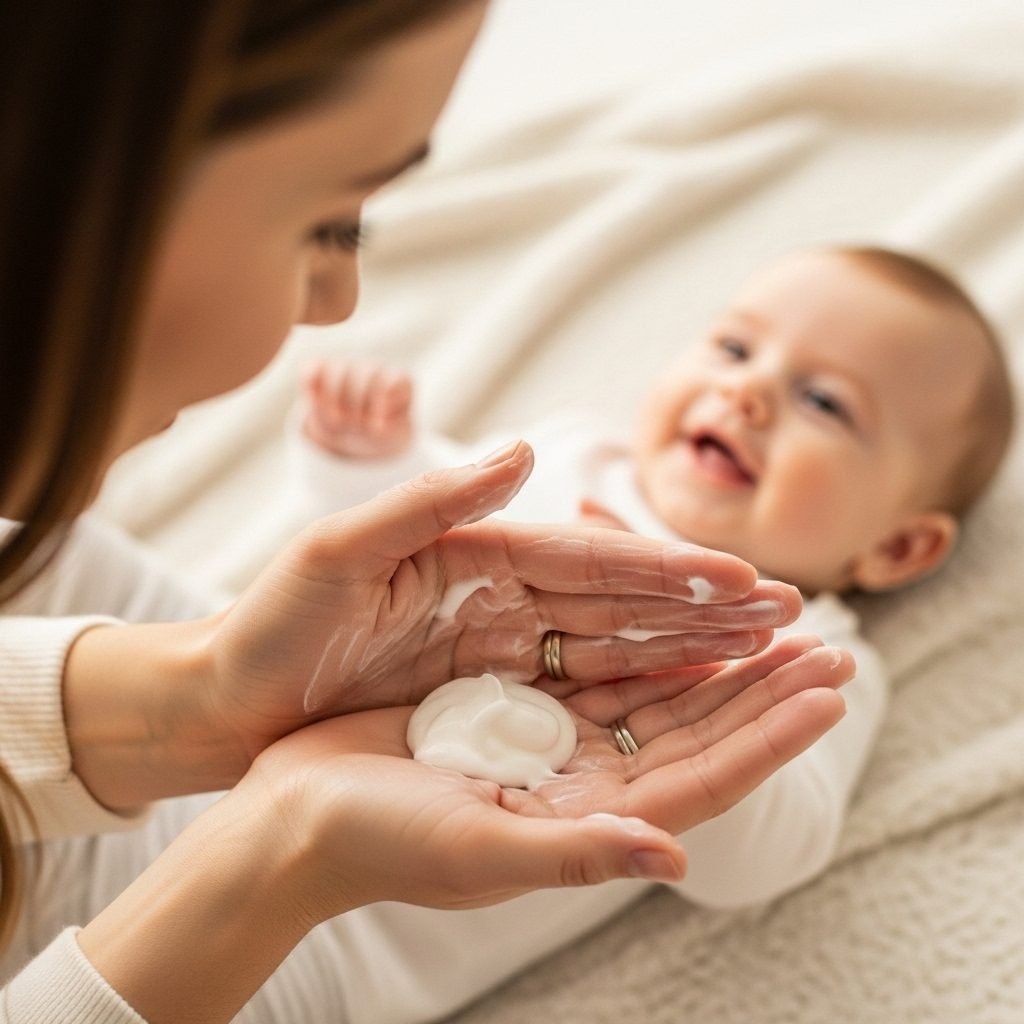
- Warm it Up: Lotion can be cold and shocking to a baby! Warm a small amount between your hands before applying it. This turns lotion time into a lovely, bonding massage moment.
Remember This: You are your baby’s expert. You know their skin better than anyone. Trust your instincts. If a product seems to be causing even mild irritation, stop using it. Simple, clean, and minimal is always the safest path for newborn skin.
Conclusion
My dear new parent, I know that was a lot of information. Please don’t let it overwhelm you or make you feel guilty about products you may have already used. Every single one of us is learning as we go. The goal of this guide isn’t to add another worry to your plate, but to remove one. By learning to read an ingredient label and spot a few key chemicals, you’ve gained a superpower.
You can now walk into any store with confidence, tune out the confusing marketing claims, and choose products that will truly nourish and protect your baby’s perfect skin. You don’t need a dozen different products or expensive, fancy creams. You just need simple, clean ingredients and the loving touch that only you can provide.
You are doing an incredible job. Navigating the world of baby care is complex, but you are thoughtful, you are careful, and you are more than capable of making the best choices for your little one. Trust that instinct, and enjoy every soft, sweet-smelling cuddle. You’ve got this.