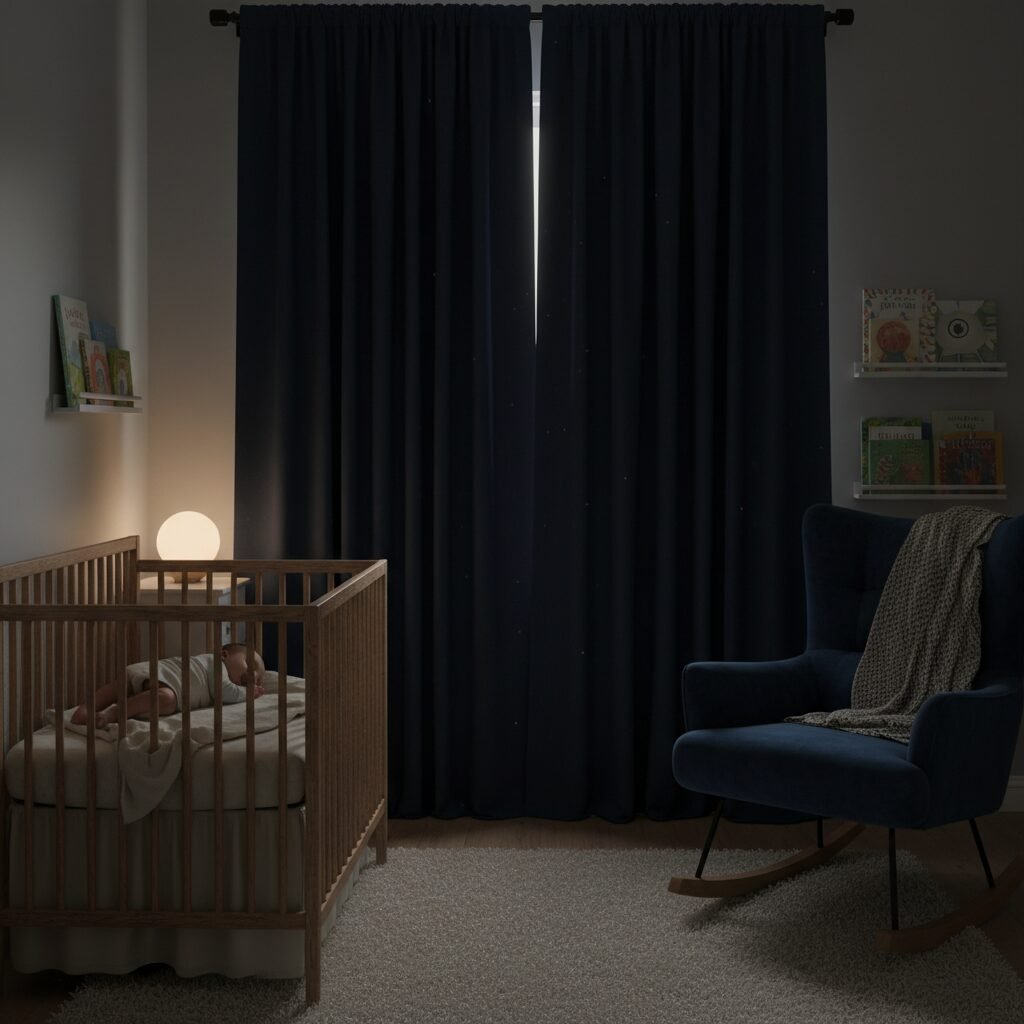
The Sleep Hack You Missed: Best Blackout Solutions for Nurseries
Hello, sweet, tired parents. I see you. I’ve been there, rocking a baby in the pre-dawn hours, wondering if you’ll ever sleep a full night again. As a pediatric nurse and lactation consultant, I’ve sat with countless families just like yours, all searching for that one magic trick to unlock better sleep. While there’s no single magic bullet, I’m here to share a secret that comes incredibly close. It’s not a complicated schedule or a fancy gadget. It’s darkness. Pure, uninterrupted, pitch-black darkness.
You might have heard about blackout curtains, but many parents underestimate just how powerful this tool is. It’s not just about blocking that pesky streetlight; it’s about working with your baby’s biology to regulate their internal clock. This isn’t just a hack; it’s a foundational element of healthy sleep hygiene. So, let’s dim the lights, get cozy, and talk about how to turn your nursery into the ultimate sleep sanctuary. I promise, by the end of this guide, you’ll see the light… by blocking it out completely!
The ‘Why’ Behind the Darkness: A Peek into Your Baby’s Sleep Science
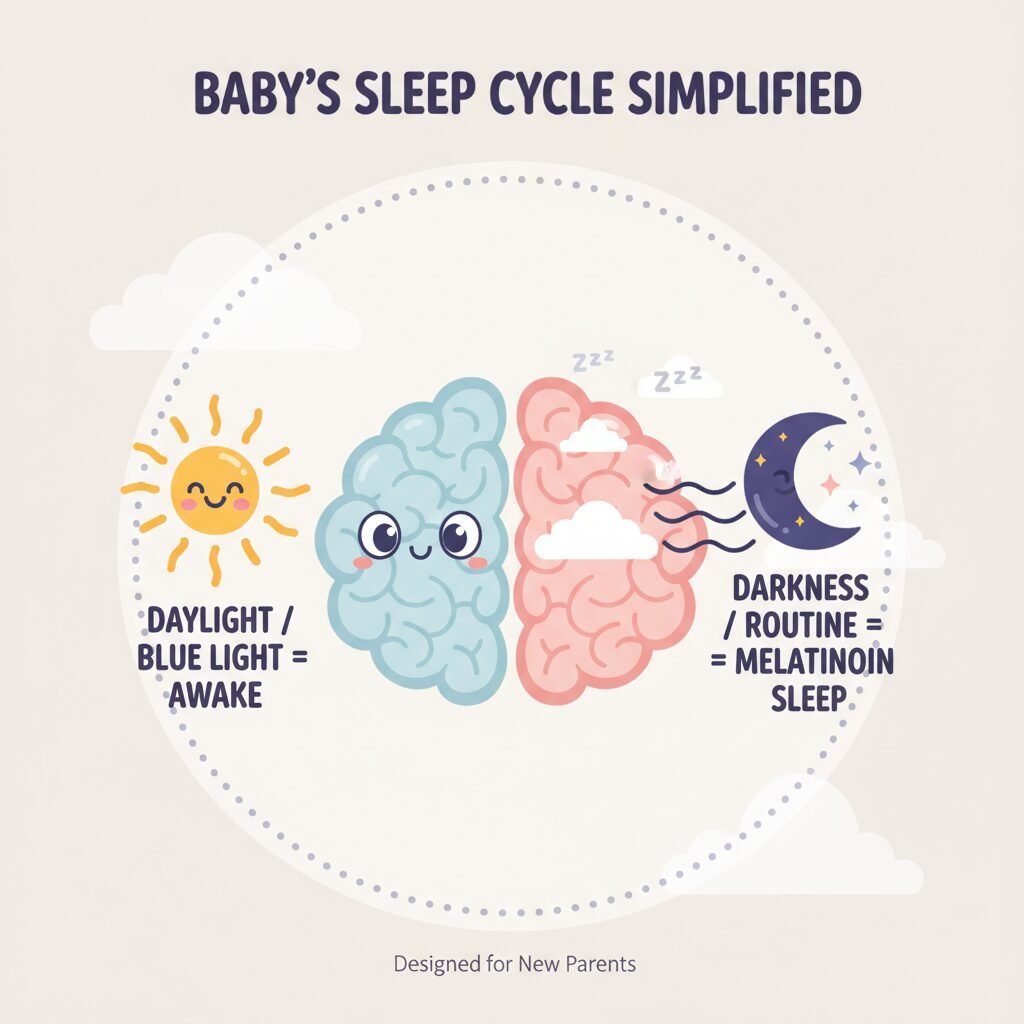
Before we dive into product recommendations, let’s chat about the science, because understanding why this works is so empowering. Your baby wasn’t born with a 24-hour internal clock like yours. This clock, called the circadian rhythm, develops over the first few months of life, and its biggest cue is light and darkness.
Here’s how it works:
- Melatonin Magic: The hormone that makes us feel sleepy is called melatonin. Our brains produce it in response to darkness. For a newborn, this production is still getting organized. Exposing them to bright light during the day and ensuring absolute darkness at night helps their brain learn the difference between ‘awake time’ and ‘sleep time’. Even a small amount of light from a hallway, a phone screen, or a crack in the door can be enough to signal to their sensitive system that it’s time to be alert.
- Sleep Cycles Explained: Babies have shorter sleep cycles than adults, and they spend more time in lighter stages of sleep. This means they are more easily aroused. When they transition between sleep cycles, a sliver of morning light can be just enough to pull them fully awake, ending a nap prematurely or starting the day at 5 AM. A truly dark room removes that stimulation, helping them connect those sleep cycles for longer, more restorative stretches of sleep.
Think of it this way: For nine months, your baby’s world was dark and muffled. A pitch-black room doesn’t feel scary to them; it feels familiar, safe, and calming. It mimics the womb, signaling that it’s time to rest.
By creating a cave-like environment, you are giving your baby’s developing brain the clearest possible signal that it’s time for sleep. This isn’t about tricking your baby; it’s about providing the optimal biological conditions for them to do what they need to do: sleep, grow, and develop.
Choosing Your Darkness: What to Look for in a Blackout Solution
Okay, so you’re convinced! But a quick search for ‘blackout solutions’ can feel overwhelming. They are not all created equal. Let’s break down the essential features to look for to ensure you get your money’s worth and create the perfect dark space.
Key Features to Consider:
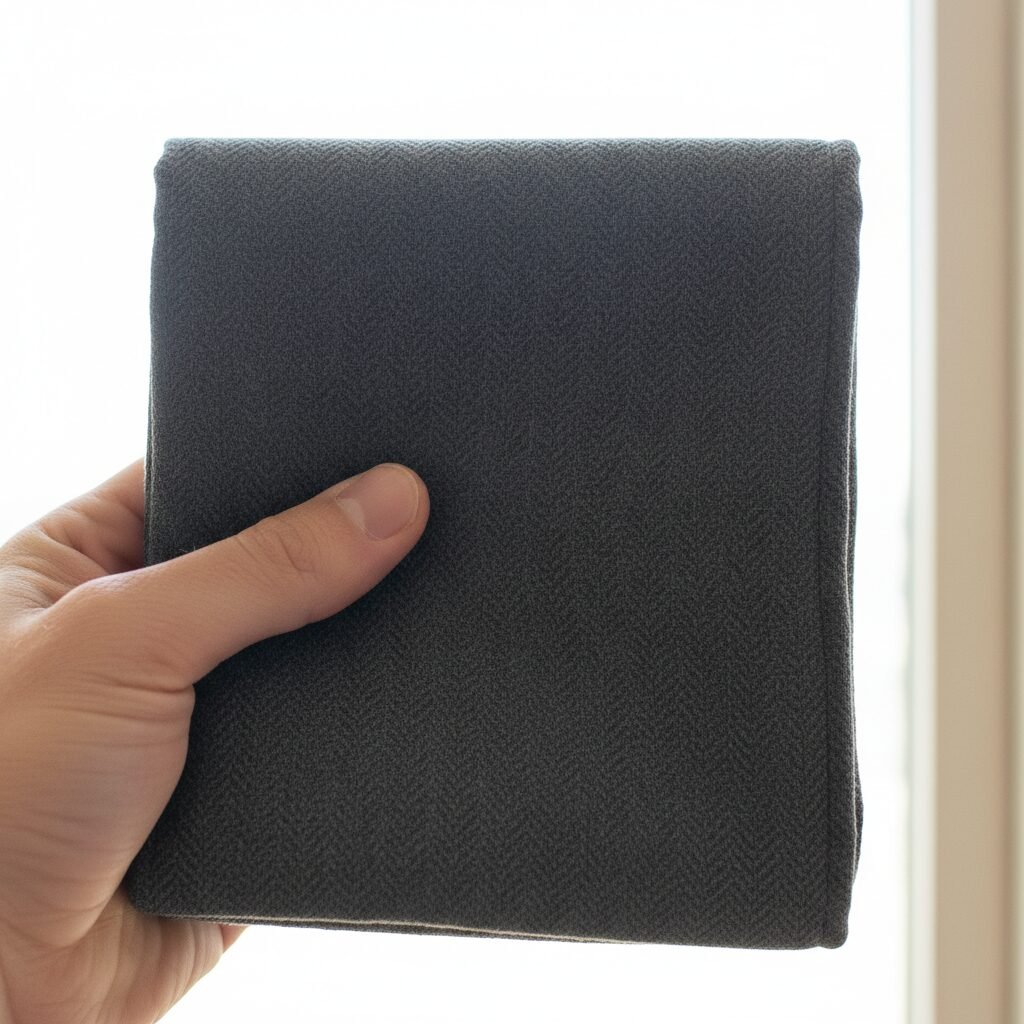
- True 100% Blackout: Don’t be fooled by ‘room darkening’ labels. You want true ‘blackout’ capability. This means the material itself should be completely opaque. Often, these are multi-layered fabrics with a black or dark lining. A good test? Hold it up to a bright light or window in the store. If you see pinpricks of light, it’s not a true blackout material.
- Material & Extra Benefits: The best blackout solutions offer more than just darkness. Look for thermal-insulated materials. These can help keep the nursery cooler in the summer and warmer in the winter, which not only helps with your energy bill but also maintains a comfortable sleep temperature for your baby. Some materials also have noise-dampening properties, an added bonus for blocking out neighborhood sounds.
- Safety is Non-Negotiable: This is my top priority as a pediatric nurse. For any window treatment in a child’s room, cordless is the only option. Cords from blinds and shades are a serious strangulation hazard. Look for products certified as ‘Best for Kids’ or those with a cordless lift mechanism. If you choose curtains, ensure the rod is mounted securely into studs and that the curtains are not so long that a mobile baby could pull on them from the crib.
- Coverage and Light Gaps: The best blackout fabric in the world won’t work if light leaks in from the sides, top, or bottom. For curtains, consider a wrap-around curtain rod that allows the curtain to curve back to the wall, eliminating side gaps. For shades, an inside mount can look clean, but an outside mount that overlaps the window frame by a few inches will block more light.
- Ease of Installation and Use: As a new parent, you don’t have time for a complicated DIY project. Look for solutions with clear instructions and minimal hardware. Think about daily use, too. A smooth, easy-to-operate system is crucial when you have a baby in your arms.
The Ultimate Blackout Showdown: Curtains vs. Shades vs. Quick Fixes
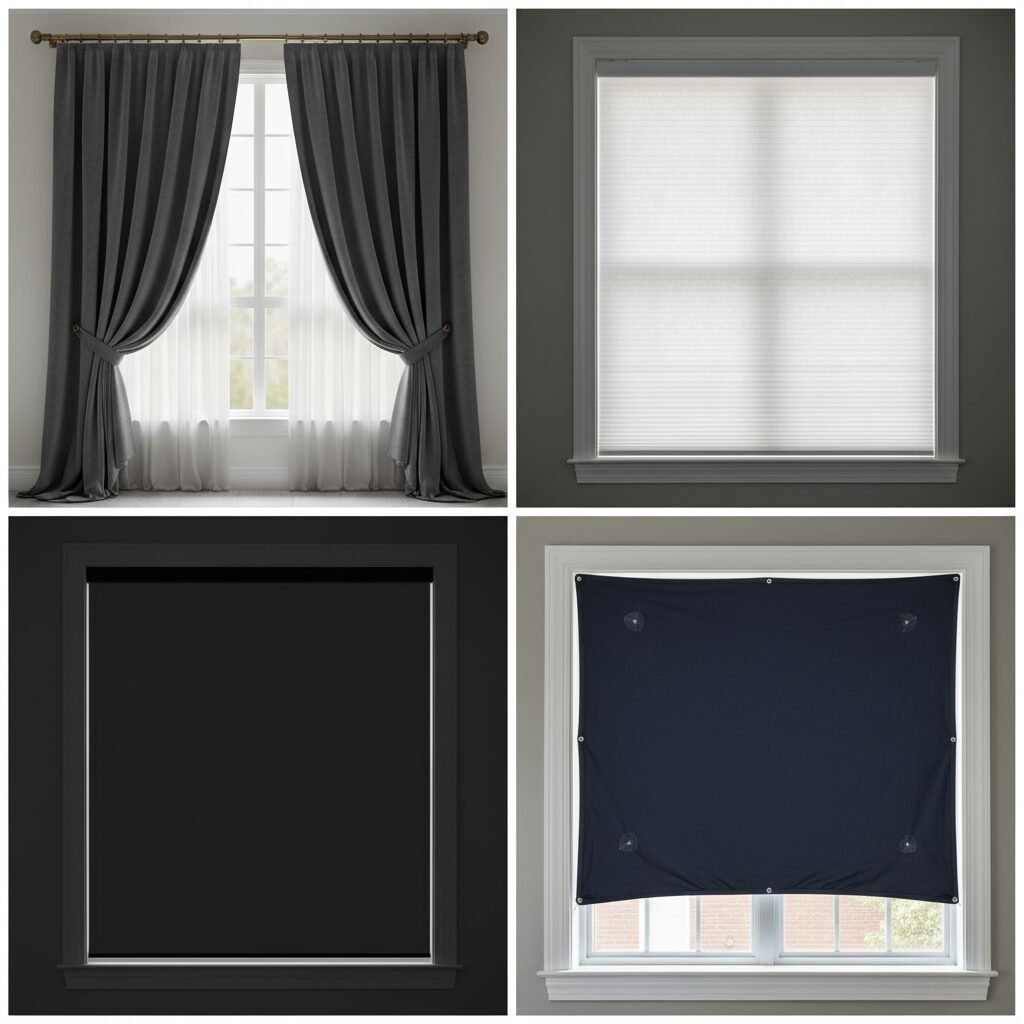
Now for the fun part! Let’s compare the most popular options to help you find the perfect fit for your nursery, budget, and lifestyle. Each has its pros and cons, and the ‘best’ one is truly what works for your family.
Option 1: Classic Blackout Curtains
These are often the go-to for many parents. They consist of fabric panels hung from a rod. They offer a huge variety of styles and colors to match any nursery decor. The key is to get high-quality, multi-layered curtains and pair them with a wrap-around rod for maximum effectiveness.
Option 2: Sleek Blackout Shades & Blinds
These offer a more modern, streamlined look. They fit inside or outside the window frame and operate on a roller or cellular system. Cellular (or honeycomb) shades are fantastic because their unique pocketed design traps air, providing excellent insulation and sound dampening in addition to blocking light. Always, always choose a cordless model.
Option 3: The Quick & Budget-Friendly Fixes
Sometimes you need a solution that’s fast, cheap, or temporary. This is where window films and portable shades shine. Static cling blackout film is essentially a vinyl sheet you cut to size and apply directly to the glass with water. It’s incredibly effective but not easily removable for daytime light. Portable paper or fabric shades are often peel-and-stick or use suction cups, making them perfect for travel or for renters who can’t install permanent fixtures.
To make it easier, here’s a side-by-side comparison:
| Feature | Blackout Curtains | Blackout Cellular Shades | Blackout Window Film | Portable Shades |
|---|---|---|---|---|
| Light Blocking | Excellent (with a wrap-around rod) | Excellent (especially with side tracks) | Superior (no gaps on the glass) | Good to Excellent (depends on fit) |
| Installation | Moderate (requires drilling, mounting rod) | Moderate (requires drilling, mounting brackets) | Easy (cut to size, apply with water) | Easiest (suction cups or peel-and-stick) |
| Cost | $$ – $$$ | $$$ – $$$$ | $ | $ – $$ |
| Aesthetics | Very high (many styles/colors) | High (clean, modern look) | Low (utilitarian look) | Low to Medium |
| Portability | No | No | No | Yes (perfect for travel) |
| Insulation/Noise | Good to Excellent | Excellent | Minimal | Minimal to Good |
| Best For | Permanent nurseries, style-conscious parents | Permanent nurseries, energy efficiency | Renters, budget-conscious, irregular window shapes | Travel, temporary situations, renters |
Safety First! Creating a Dark and Secure Sleep Haven
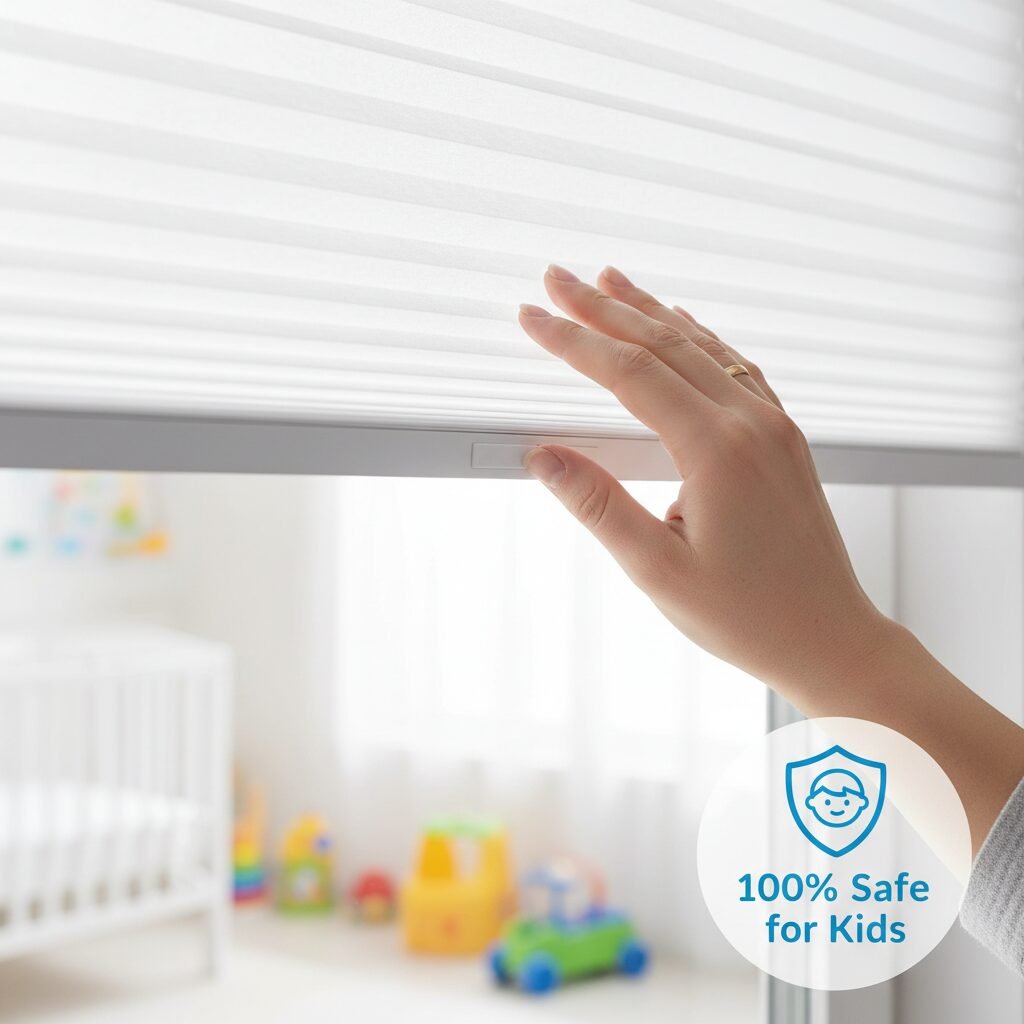
We’ve touched on safety, but it’s so important that it deserves its own section. Creating a dark room is wonderful, but creating a safe room is the absolute priority. Please keep these points top of mind.
The Cordless Mandate
I cannot stress this enough. According to the U.S. Consumer Product Safety Commission, corded window coverings are one of the top hidden hazards in the home. Babies and young children can become entangled in pull cords, continuous loop cords, and even the inner cords of some blinds. It happens silently and in seconds.
Safety Warning: Please, choose only cordless window coverings for any room where a child will be. If you have existing corded blinds, you can get free retrofit kits from the Window Covering Safety Council, but replacement with a cordless product is the safest long-term solution.
Secure Installation
Whether you’re installing a curtain rod or a shade bracket, make sure it is mounted securely. Use wall anchors if you can’t screw directly into a wall stud. A poorly installed rod could be pulled down by a curious toddler. Also, ensure the crib is placed away from the window, so your baby cannot reach the curtains or shades once they are able to pull themselves up.
Temperature Regulation
A common concern is whether a blackout solution will make the room too hot, especially in the summer. This is a valid question! High-quality thermal blackout curtains actually do the opposite—they reflect heat and keep the room cooler. However, you should always monitor the room’s temperature. The ideal sleep temperature for a baby is between 68-72°F (20-22°C). A simple indoor thermometer or a feature on your baby monitor can help you keep an eye on it. Ensure the room has good air circulation and dress your baby appropriately for the room’s temperature, not the season outside.
Beyond the Blackout: Completing Your Perfect Sleep Environment
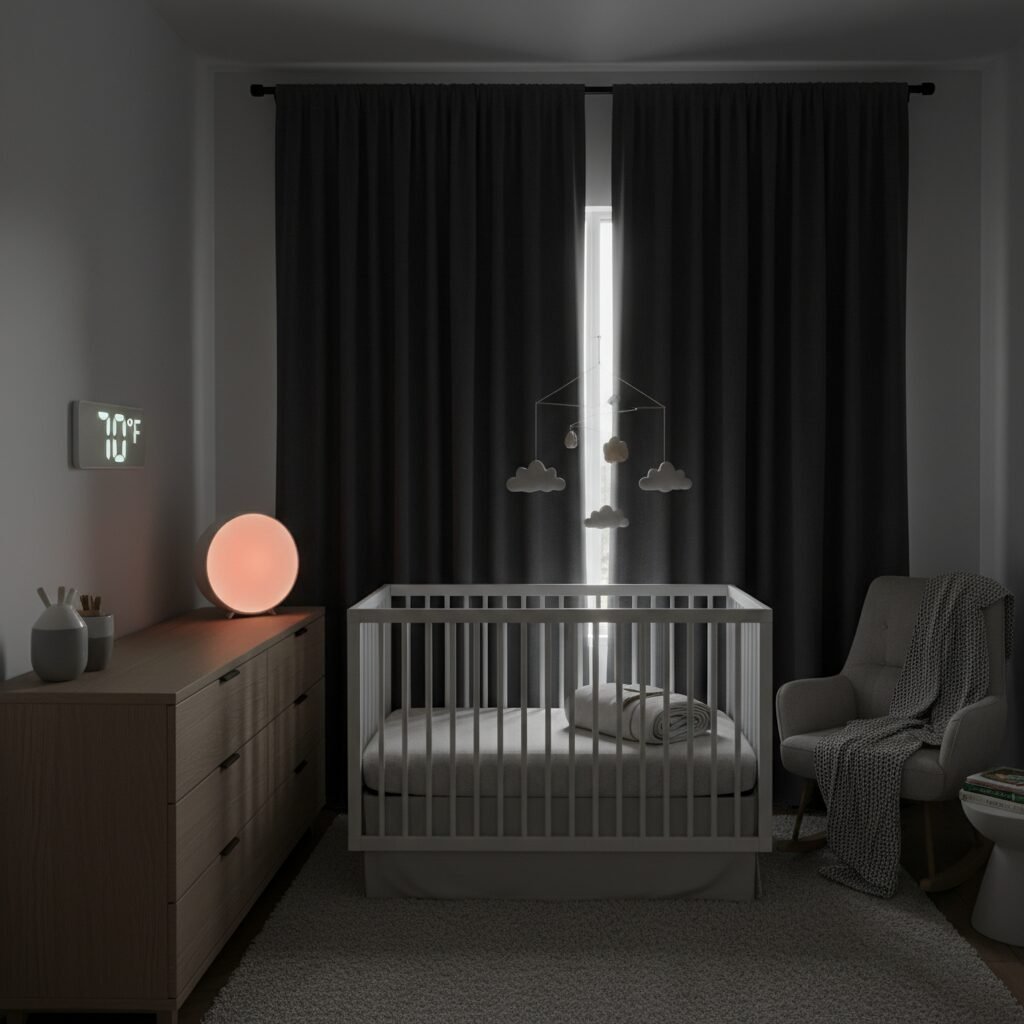
A pitch-black room is your superpower, but it works best as part of a team of sleep-promoting strategies. Once you’ve handled the light, consider these other elements to create a comprehensive sleep haven that cues your baby for rest.
The Power of White Noise
Remember that muffled, whooshing soundscape of the womb? A white noise machine recreates that comforting environment. It doesn’t just soothe your baby; it also helps to mask abrupt household noises (the dog barking, the doorbell ringing, a sibling shouting) that can startle a baby out of a light sleep. Look for a machine that produces a continuous, deep sound, like static, rain, or a fan, rather than intermittent sounds like ocean waves or music which can be stimulating.
Keep it Cool
As we mentioned in the safety section, temperature is key. A room that is too warm can not only disrupt sleep but also increase the risk of SIDS. A cool, comfortable room is best. Dress your baby in light, breathable layers, and use a sleep sack instead of loose blankets in the crib.
A Predictable Bedtime Routine
Babies thrive on routine. A simple, calming sequence of events before every sleep period (naps and nighttime) signals to their body and brain that sleep is coming. This doesn’t need to be long or complicated! A great routine might look like this:
- A warm bath
- A gentle baby massage with lotion
- Putting on pajamas and a sleep sack
- A final feeding in the dimly lit nursery
- A short story or a lullaby
- A cuddle and a kiss before placing them in their crib awake but drowsy
When you draw your amazing new blackout curtains or lower the shades as one of the first steps in this routine, it becomes a powerful visual cue that the day is winding down and sleep is near. By layering these sensory cues—darkness, white noise, a familiar routine—you create an irresistible invitation to sleep for your little one.
Conclusion
My dear new parents, navigating the world of baby sleep can feel like you’re lost in the woods at night. But I hope you now see that creating literal darkness is one of the most effective compasses you can have. It’s a simple change that respects your baby’s biology and gives them the best possible environment to develop healthy sleep habits for years to come.
Don’t get bogged down by finding the ‘perfect’ product. Whether you choose elegant curtains, sleek shades, or a simple window film, the goal is the same: a dark, cool, safe, and quiet space. Start there. You are doing an incredible job, and you and your baby both deserve restful sleep. This is one tool that can truly help you get there. Sweet dreams to you and your little one!