
The Scary Truth About American Baby Formula (And Why Moms Choose European)
Stepping into the world of parenthood is like navigating a beautiful, chaotic maze. And one of the most confusing, emotionally charged parts of that maze is feeding your baby. If you’ve found yourself late at night, phone in hand, searching for answers about baby formula, please know you are in the right place, and you are not alone. The whispers in parenting groups and the headlines you see can be alarming, especially those about the differences between American and European formulas.
As a pediatric nurse and lactation consultant, my goal is to quiet the noise and replace fear with facts. Let’s take a deep breath together. The truth is, formula sold in the United States is regulated by the FDA and is designed to be a safe source of nutrition. The conversation we’re about to have isn’t about shaming any choice, because a fed baby is a happy baby. It’s about empowerment. It’s about understanding the subtle but significant differences in philosophy, ingredients, and regulations that lead many American parents to seek out European brands. Let’s walk through this together, step by step, so you can feel confident and peaceful about whatever you choose for your family.
The Foundation of Formula: Why Regulations Matter So Much
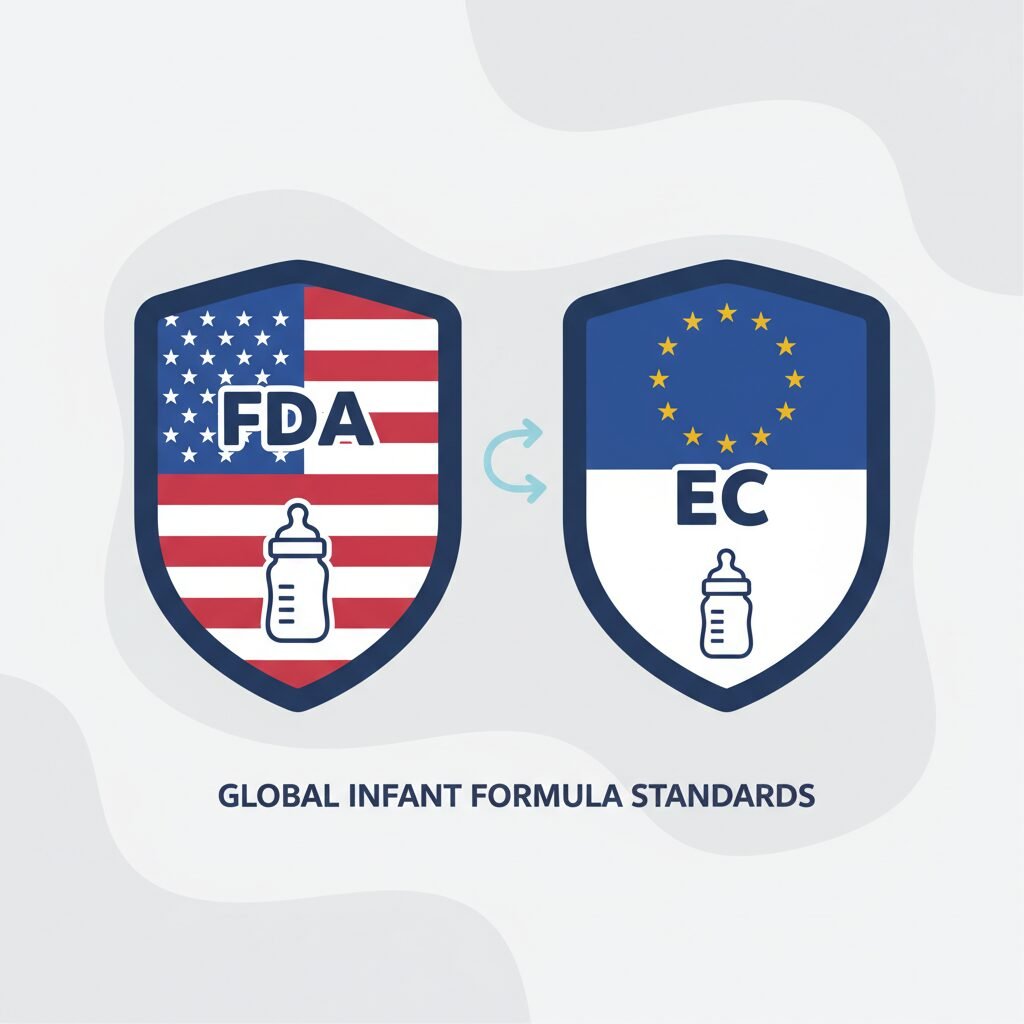
Before we dive into ingredients, let’s talk about the rule-makers. In the United States, the Food and Drug Administration (FDA) is the sheriff in town. They operate under the Infant Formula Act of 1980, which sets minimum requirements for 29 essential nutrients. In Europe, the European Commission sets the standards, and they tend to operate under a different philosophy known as the ‘precautionary principle.’
What does that mean in simple terms? The FDA’s approach is generally: a substance is considered safe until proven otherwise, and they set minimum nutritional baselines. The EU’s approach is often: a substance or process must be proven safe before it can be widely used, and their regulations are often more specific and restrictive. Think of it as the difference between a list of ‘must-haves’ versus a detailed recipe with both ‘must-haves’ and a list of ‘never-evers’.
Rest assured, both systems are designed with your baby’s safety as the top priority. Our goal today isn’t to create panic, but to empower you with knowledge about why these different approaches result in different-looking ingredient lists.
This foundational difference in regulatory philosophy is the root of almost every other difference we’ll discuss, from the types of sugars used to the inclusion of beneficial extras like probiotics.
Decoding the Label: A Side-by-Side Ingredient Comparison
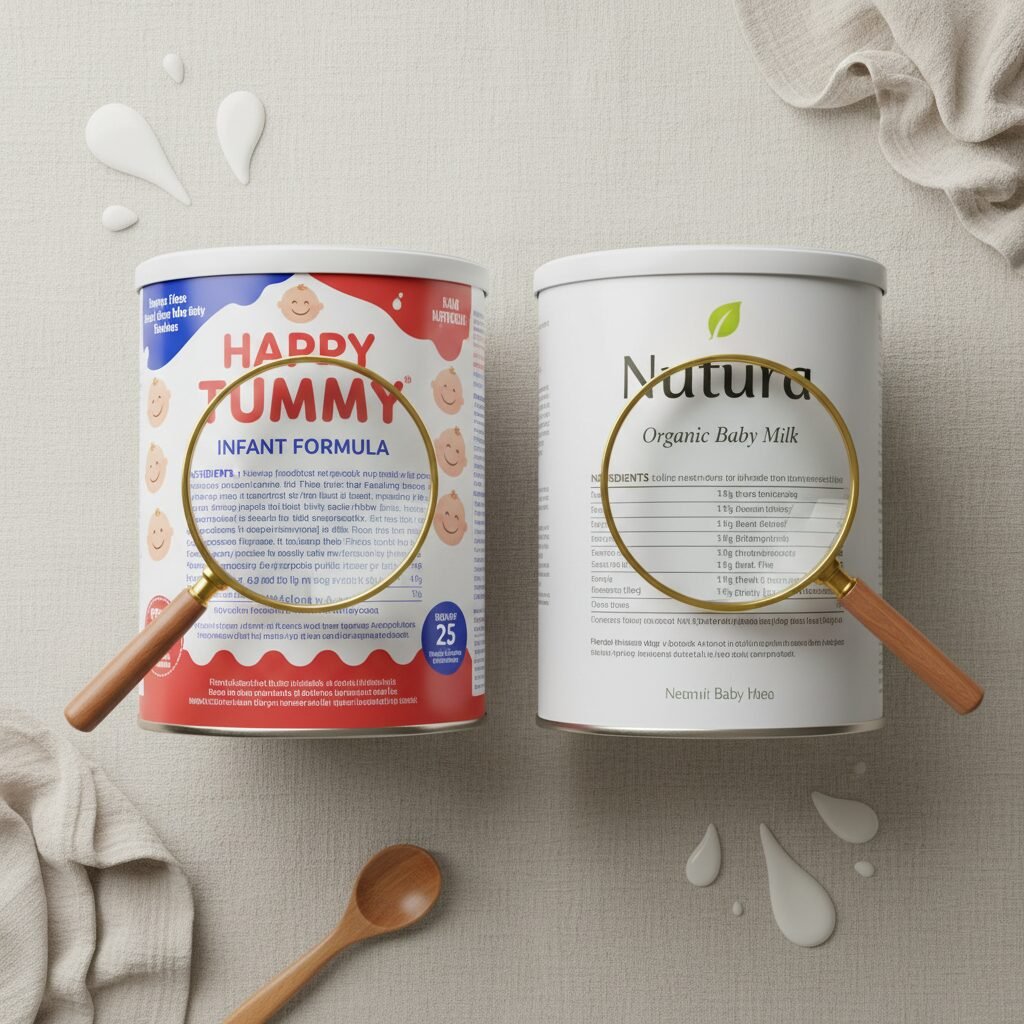
This is where the differences become crystal clear. Let’s put on our detective hats and look at what’s actually inside the can. While both US and EU formulas provide the necessary proteins, fats, and carbs, the source of those nutrients can vary significantly.
Carbohydrates: The Energy Source
The main carbohydrate in breast milk is lactose. It’s the gold standard. European regulations mandate that at least 50% of the carbohydrates in infant formula must come from lactose. In contrast, many standard American formulas use a variety of other sweeteners, including corn syrup solids, maltodextrin, and sucrose (table sugar). While these are safe and provide energy, they are not what’s found in breast milk and can be a concern for parents wanting to avoid processed sugars.
Fats: Building a Healthy Brain
Both US and EU formulas now require DHA and ARA, crucial omega fatty acids for brain and eye development. However, the EU goes a step further by specifying a minimum required amount of DHA, ensuring a consistent level across all brands.
Proteins: Whey and Casein Ratios
Breast milk has a whey-to-casein protein ratio that changes as your baby grows, starting with a higher whey content which is easier to digest. Many European ‘Stage 1’ formulas are designed to mimic this high-whey ratio. American formulas can vary more widely and may not always prioritize this specific ratio in their standard infant products.
Here’s a simple table to break down the key differences:
| Ingredient/Regulation | American (FDA) Standards | European (EU) Standards |
|---|---|---|
| Primary Carbohydrate | Lactose, corn syrup solids, sucrose, and maltodextrin are all common. No minimum lactose requirement. | Must be at least 50% lactose-based. Sucrose is banned in standard infant formula. |
| DHA (Omega-3) | Required since 2022, but no minimum level is specified by the FDA. | Required with specific minimum and maximum levels (20-50 mg/100kcal) to ensure efficacy. |
| Iron Levels | A wider acceptable range. Some formulas have higher iron levels which can sometimes lead to constipation in sensitive babies. | A more tightly controlled and often lower iron range, which can be gentler on a newborn’s digestive system. |
| Probiotics/Prebiotics | Allowed as optional additions, but not required or standardized. | Prebiotics (like GOS/FOS) are very commonly included to mimic human milk oligosaccharides and support gut health. |
| Genetically Modified Organisms (GMOs) | Permitted in non-organic formulas. | Strictly regulated. European organic formulas (like HiPP and Holle) are produced without GMOs. |
Understanding the ‘Staging’ System: Nutrition Tailored to Age
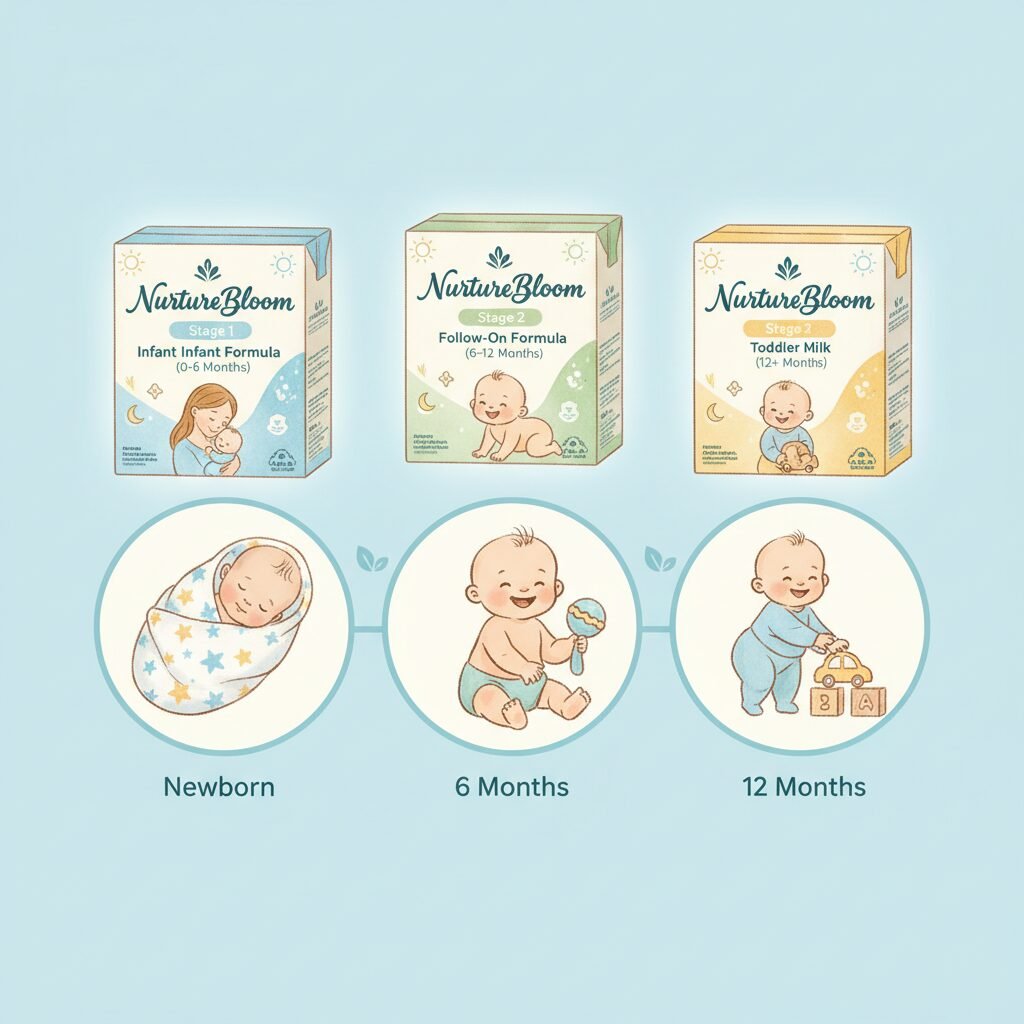
One of the most appreciated features of European formulas is the ‘staging’ system. Instead of a ‘one-size-fits-all’ approach for the first year, European brands tailor their nutrition to a baby’s developmental stage. This makes perfect sense, as the nutritional needs of a 2-week-old are very different from those of an 8-month-old who is also eating solid foods.
While not every brand is identical, the stages generally follow this pattern:
- Stage PRE/Stage 1 (0-6 months): This is for newborns and young infants. It’s designed to be the closest possible imitation of breast milk. It typically uses only lactose as the carbohydrate and has a higher whey-to-casein protein ratio for easier digestion.
- Stage 2 (6-12 months): This is a follow-on formula for babies who are sitting up, starting solids, and becoming more active. It often includes more iron to complement a diet that now includes solid foods and may contain a different protein ratio or additional starches to help keep a busier baby feeling full longer.
- Stage 3 & 4 (12+ months): These are often called ‘toddler milks’ and are formulated for the nutritional needs of children over one year old.
This staged approach allows parents to provide nutrition that evolves with their child. Many American brands offer a single ‘Infant’ formula intended for the entire first year, which, while nutritionally complete, doesn’t offer the same level of tailored development.
The Practical Side: Sourcing, Safety, and Cost Considerations

So, you’re intrigued by European formula. Now comes the practical part. How do you get it, and is it safe to do so? This is a crucial step to get right.
Is it Legal and Safe to Import?
It’s important to know that European formulas are not technically FDA-approved for sale by U.S. retailers, often due to labeling and administrative requirements rather than nutritional deficits. However, parents are generally permitted to import formula for personal use. The recent formula shortages have even led the FDA to temporarily allow certain European formulas to be sold in the US, acknowledging their safety and quality.
Safety First: The biggest risk is not the formula itself, but where you buy it from. Always purchase from a reputable, well-reviewed third-party vendor that specializes in importing baby formula. Avoid marketplaces like eBay, Amazon, or unknown sellers, as you risk receiving a counterfeit product, a can that has been stored improperly (exposing it to extreme temperatures), or one that is expired.
Navigating the Cost and Preparation
There’s no sugarcoating it: European formula is typically more expensive than its American counterpart due to import fees and shipping costs. Buying in bulk from a trusted supplier can help reduce the per-can cost. Also, be prepared for a small learning curve. European formulas list measurements in milliliters (ml) and use grams for powder, not ounces and packed scoops. You’ll need to follow the directions on the box precisely, which might mean using a kitchen scale or converting measurements carefully. Many parents find that a small price to pay for peace of mind.
Conclusion
Making a decision about how to feed your baby is deeply personal. Whether you choose an American formula off the shelf at your local store or decide to source a European brand, what matters most is that your baby is safe, loved, and nourished. The ‘scary truth’ isn’t that American formula is bad, but that parents often feel they lack the full story to make a truly informed choice.
The key takeaways are that European formulas often prioritize lactose as the main carbohydrate, adhere to stricter ingredient regulations based on the precautionary principle, and offer a staging system that adapts to your baby’s age. If these aspects resonate with you and fit within your family’s budget and lifestyle, it may be a wonderful option. If not, there are many excellent, safe, and nutritious American formulas available.
Please, release any guilt or pressure you might be feeling. You are a fantastic parent, and your dedication to researching this topic is a beautiful testament to your love. Talk with your pediatrician, listen to your gut, and above all, trust that you are making the best possible choice for your precious little one.