The Rotavirus Warning: Why You Must Wash Hands Differently After the 2-Month Shot
Congratulations, you’ve made it to the two-month mark! This is such a special time, filled with gummy smiles, sweet coos, and the amazing feeling of settling into your new role as a parent. This milestone also brings your baby’s next well-child visit, which includes their first major round of vaccinations. It’s a huge step in protecting your little one from serious illnesses, and you should feel proud for giving them this powerful shield.
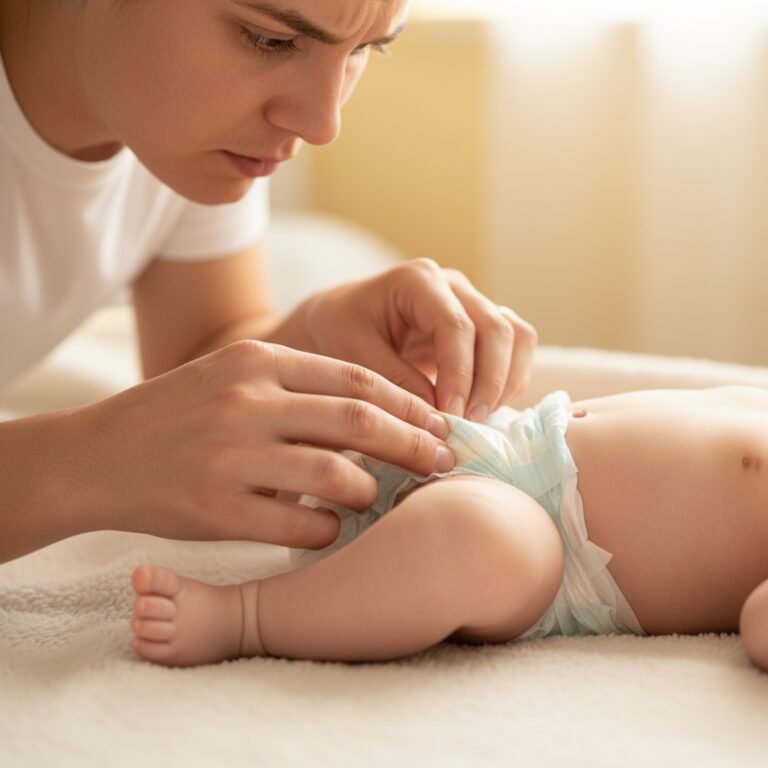
Among the shots and drops, there’s one that’s a little different from the others: the rotavirus vaccine. It’s not an injection; it’s given as oral drops. And it’s a ‘live attenuated’ vaccine, which sounds a bit intimidating, but I promise it’s not. It just means we need to make a small, temporary adjustment to one of our most frequent parenting tasks: diaper changes. For the next couple of weeks, the way you wash your hands will be more important than ever. Don’t worry, it’s simple! Let’s walk through what this means, why it matters, and how to keep your whole family safe and healthy.
First, What Exactly is Rotavirus (And Why We Vaccinate Against It)?

Before we get into the handwashing details, let’s talk about why this vaccine is on the schedule in the first place. Rotavirus is a very contagious virus that causes gastroenteritis, which is a fancy term for a nasty stomach and intestinal bug. For adults, it might mean a miserable couple of days. But for babies and young children, it can be truly dangerous.
Imagine severe, watery diarrhea, constant vomiting, fever, and abdominal pain all hitting your tiny baby at once. The biggest risk with rotavirus isn’t the virus itself, but the severe dehydration it can cause, often leading to hospitalizations for IV fluids. Before the vaccine became a routine part of infant care in 2006, rotavirus was the leading cause of severe diarrhea among infants and young children in the United States, sending tens of thousands of babies to the hospital each year.
The rotavirus vaccine has been a game-changer. It has drastically reduced hospitalizations and saved countless little ones from this awful illness. So, when your baby gets those little drops, you’re giving them powerful, proven protection. It’s one of the most effective things we can do to ensure they stay healthy and out of the hospital.
The ‘Live’ Vaccine Twist: What ‘Virus Shedding’ Really Means
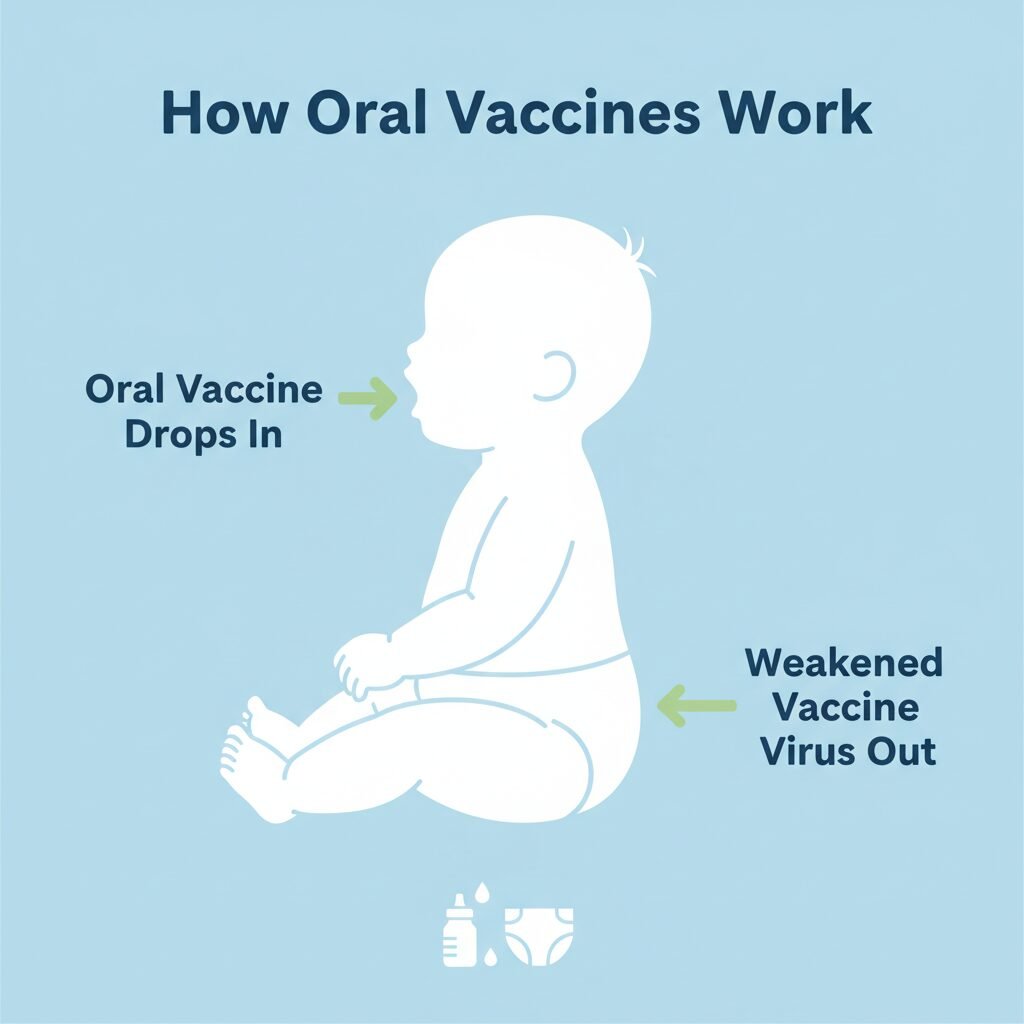
Okay, let’s tackle the term ‘live vaccine.’ It sounds a little scary, but it’s a common and safe technology. ‘Live attenuated’ means the vaccine contains a much-weakened version of the living virus. It’s been engineered in a lab to be so feeble that it can’t cause illness in a healthy person. However, it’s just strong enough to teach your baby’s immune system how to recognize and fight off the real, dangerous rotavirus if they ever encounter it.
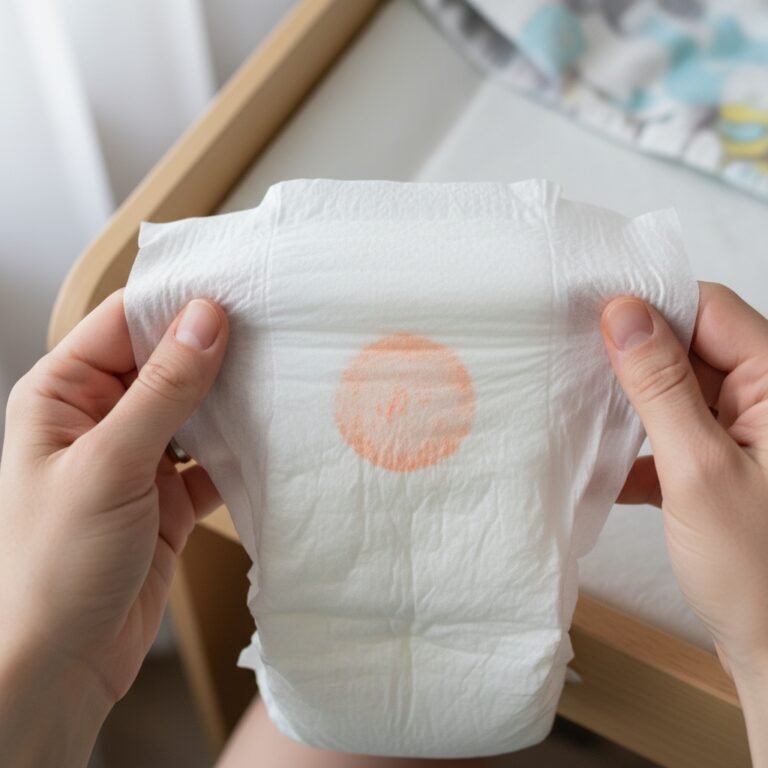
Because the vaccine contains this weakened virus, your baby’s body will process it through their digestive system. For about a week or two after vaccination, they can ‘shed’ these weakened vaccine virus particles in their stool. This is a completely normal and expected part of how the vaccine works.
This is important: The risk of a healthy person getting sick from the vaccine virus in the stool is very, very low. The virus is incredibly weak. However, the goal is always 100% safety, so we take simple precautions to eliminate even that tiny risk, especially for vulnerable people in your household.
Think of it like this: your baby’s diaper is temporarily a ‘training ground’ for their immune system, and we just need to handle the cleanup with a little extra care.
Your New Handwashing Rules: Why Soap and Water Are Non-Negotiable
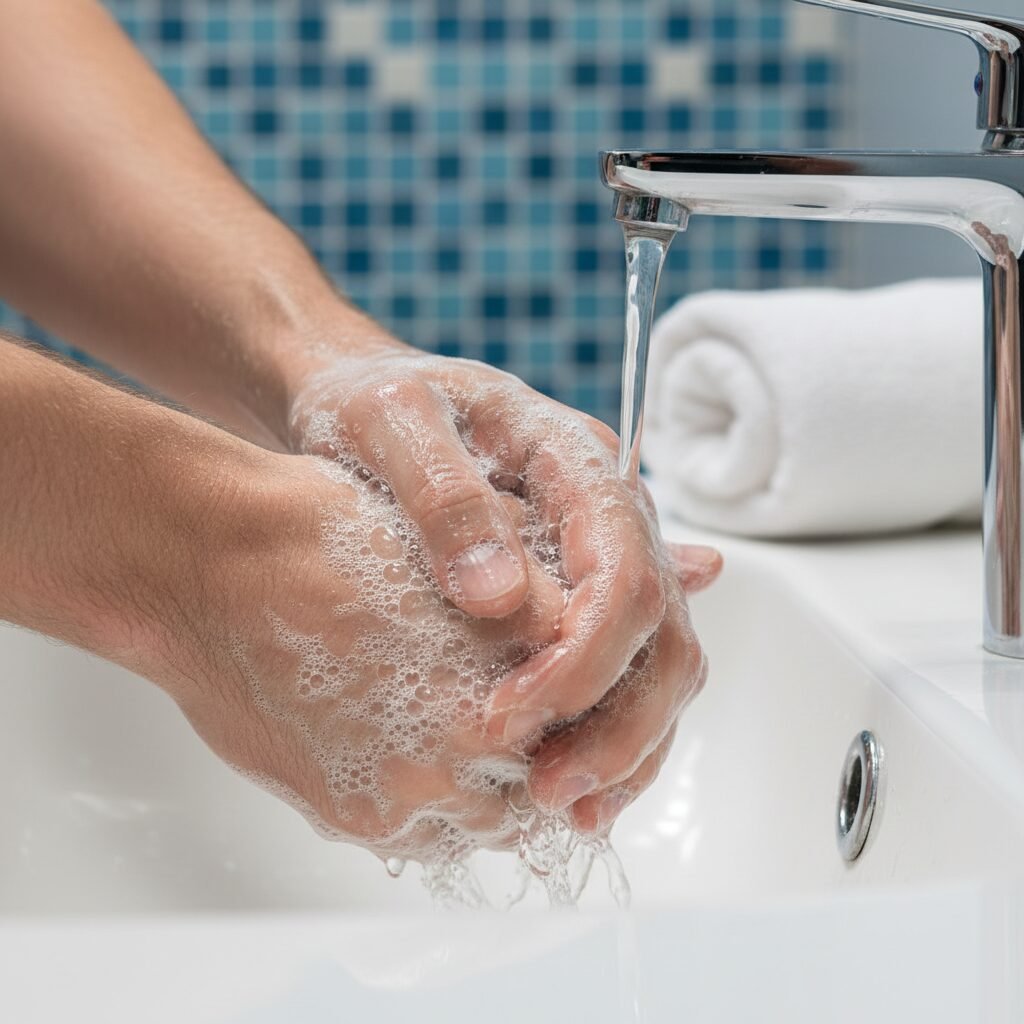
Here’s the most important takeaway: for the next two weeks, hand sanitizer is not enough after a diaper change. Rotavirus, even the weakened vaccine version, is a ‘non-enveloped’ virus. This means it doesn’t have a fatty outer layer that alcohol-based sanitizers can easily break down. To get rid of it, you need the mechanical action of friction combined with soap and water.
The Correct Handwashing Technique
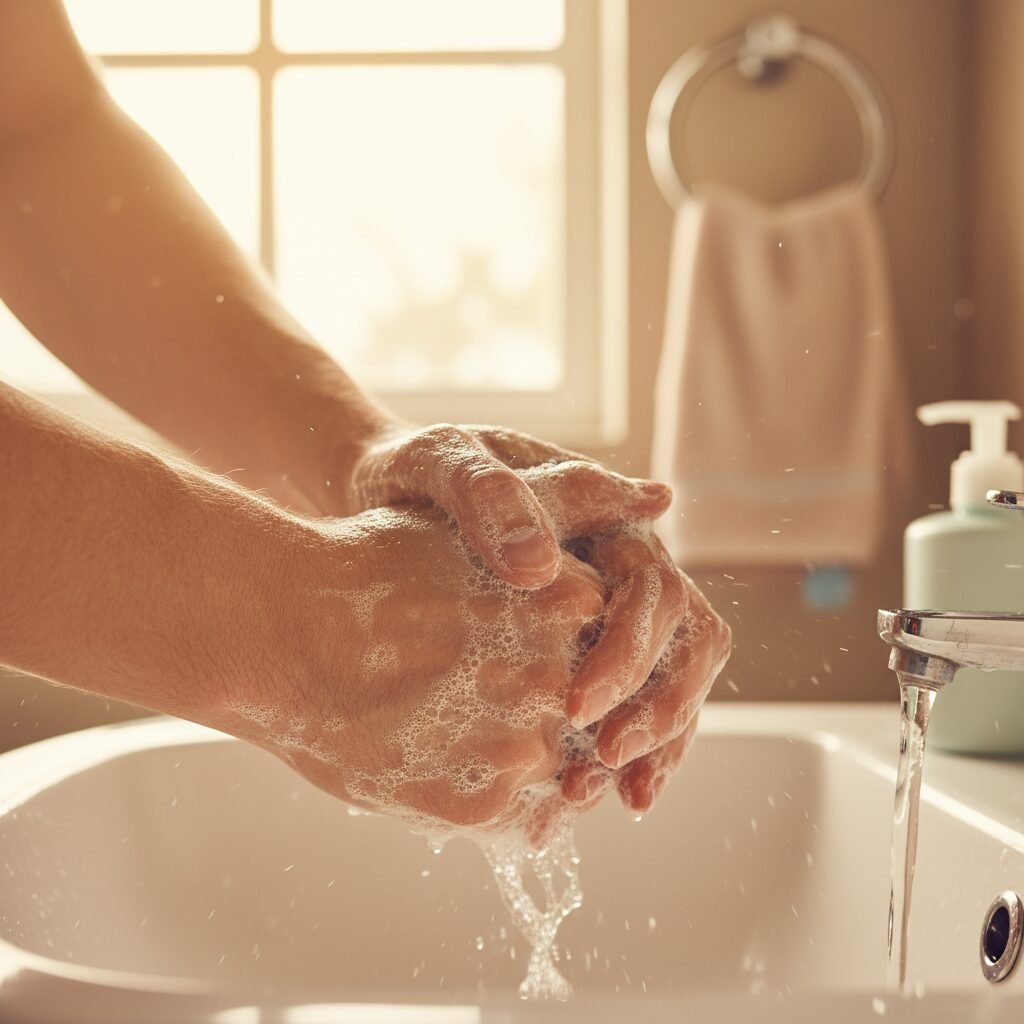
This isn’t just a quick rinse. We’re talking about a thorough, deliberate scrub. Follow these steps every single time:
- Wet: Use clean, running water (warm or cold, the temperature doesn’t matter).
- Lather: Apply a good amount of soap and lather up by rubbing your hands together. Make sure to get the backs of your hands, between your fingers, and especially under your fingernails, where germs love to hide.
- Scrub: This is the key step. Scrub for a minimum of 20 seconds. A great trick is to sing the ‘Happy Birthday’ song from beginning to end, twice. Don’t rush it!
- Rinse: Rinse your hands well under clean, running water to wash all the soap and germs away.
- Dry: Use a clean towel or air dry them.
When to Wash (The ‘Always’ List)
For the next couple of weeks, be extra vigilant. Wash your hands thoroughly using the method above in these situations:
- Every single time you change your baby’s diaper. No exceptions.
- After you handle the dirty diaper or soiled clothing.
- Before you prepare a bottle or any food for yourself or others.
- Before you feed your baby (bottle or breast).
- After using the restroom yourself.
By making this your routine, you’re creating a bubble of safety around your baby and your entire family.
Protecting the Whole Household: Special Considerations

While the risk is low for everyone, it’s wise to think about who in your home might be more vulnerable. The main group to consider are individuals who are immunocompromised. This could be a family member undergoing cancer treatment, someone with an autoimmune disease on certain medications, or a person with a primary immunodeficiency disorder. Their immune systems may not be strong enough to handle even the weakened vaccine virus.
Our Safety Plan:
- Best Case: If possible, have someone else in the household who is not immunocompromised handle all diaper changes for about two weeks after the vaccine is given.
- If That’s Not Possible: If an immunocompromised person must change the diapers, they need to be extremely diligent about the 20-second soap-and-water handwashing technique described above. No cutting corners. They should also avoid touching their mouth, nose, or eyes after a diaper change until their hands are thoroughly washed.
What about everyone else? For healthy older siblings, pregnant parents, and other family members, the standard, excellent handwashing routine is perfectly sufficient to keep them safe. The key is consistency for everyone in the house!
What to Expect: Normal Vaccine Reactions vs. When to Call the Doctor

It’s completely normal to worry about how your baby will feel after their shots. Most babies handle the rotavirus vaccine with no issues at all, but some might have mild, temporary reactions as their body builds immunity. It’s helpful to know what’s normal and what warrants a call to your pediatrician.
| Normal & Mild Reactions (Usually Last 1-3 Days) | Signs to Call Your Doctor About (Rare) |
|---|---|
| Slight fussiness or being more irritable than usual. | Signs of dehydration: fewer than 6 wet diapers in 24 hours, no tears when crying, sunken eyes, or a sunken soft spot on their head. |
| A low-grade fever (under 100.4°F / 38°C). | Constant or forceful vomiting (not just spit-up). |
| Mild, temporary diarrhea or looser stools than normal. | Blood or mucus in the stool. |
| Mild, temporary vomiting or more spit-up than usual. | Any signs of a rare but serious condition called intussusception. |
A Special Note on Intussusception
Safety First: Intussusception is a very rare type of bowel blockage that has been associated with the rotavirus vaccine, though the risk is extremely small (about 1 in 100,000). The signs are distinct: sudden, intense bouts of crying where your baby pulls their legs up to their chest, followed by periods of being okay. A key sign can also be stool mixed with blood and mucus, sometimes called ‘currant jelly’ stool. If you see these specific symptoms, call your doctor or seek medical care immediately. It’s treatable, but early intervention is critical. Again, this is very, very rare, but it’s important to be aware.
Trust your instincts. You know your baby best. If something feels off or you’re worried, a call to your pediatrician’s office is always the right choice. They are there to support you.
Conclusion
You’re doing an amazing job navigating these early months of parenthood! Getting your baby vaccinated is one of the most important things you can do to protect them, and understanding the little details, like how to handle handwashing after the rotavirus vaccine, is just another sign of what a thoughtful and caring parent you are. This small change in your routine is temporary, but the protection you’re giving your child will last a lifetime. Remember: the vaccine is a lifesaver, virus shedding is normal, and good old-fashioned soap and water is your best friend. Keep up the great work!