

The Real Cost of Year One: A Free Monthly Baby Budget Spreadsheet
Welcome to parenthood! It’s a wild, wonderful ride filled with more love than you ever thought possible… and more expenses than you probably budgeted for. If you’ve found yourself staring at a tiny pair of socks that costs more than your lunch and wondering, “How are we going to afford all of this?!”—take a deep breath. You are in the right place, and you are definitely not alone.
The financial side of having a baby can feel overwhelming, but knowledge is power. Our goal here isn’t to scare you with big numbers, but to empower you with a realistic, month-by-month guide to what you can expect. We’ll walk you through the costs, from the big one-time purchases to the recurring monthly expenses that sneak up on you. And the best part? We’ve created a free, downloadable Monthly Baby Budget Spreadsheet just for you. Think of it as your financial best friend for the next 12 months, helping you track, plan, and feel totally in control. Let’s do this together!
The Nesting Phase: Big-Ticket Items Before Baby Arrives
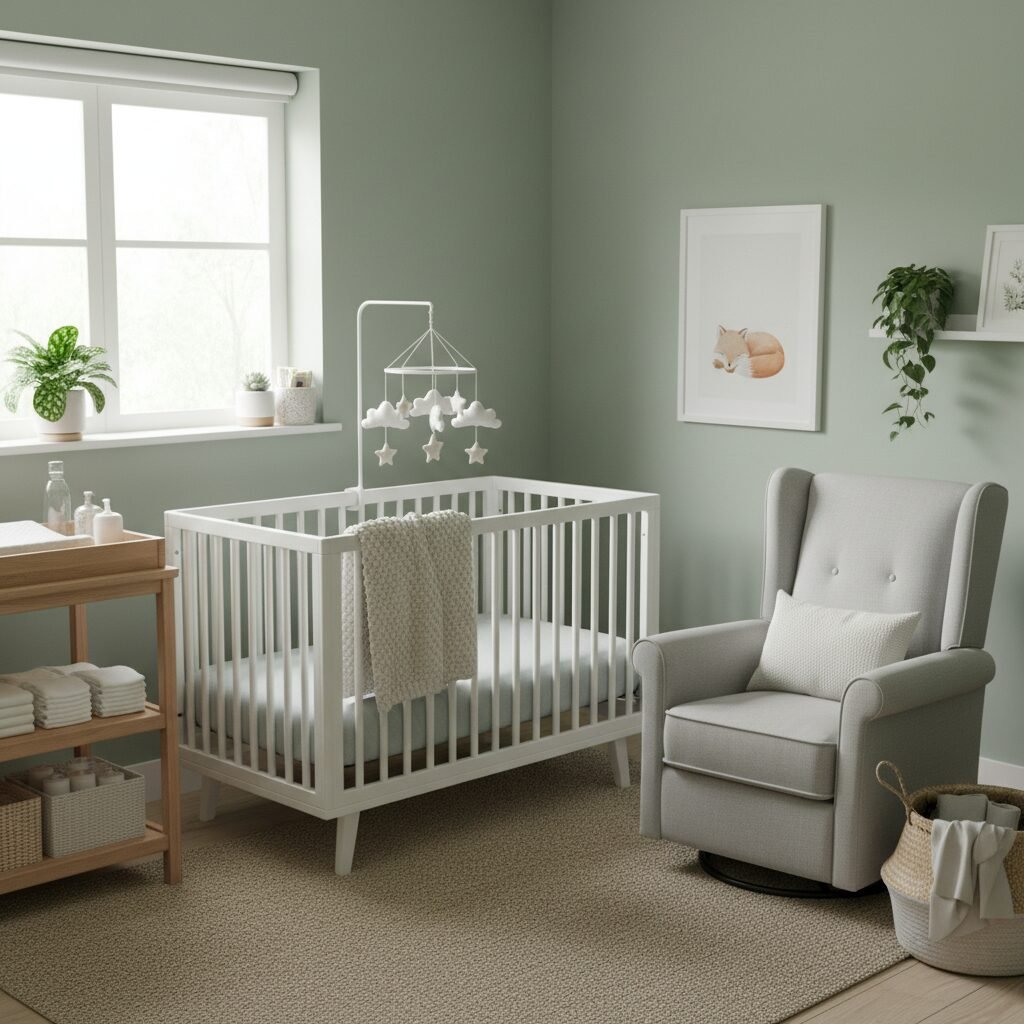
Before your little one even makes their grand entrance, the spending begins. This is often where the largest one-time costs occur. It’s exciting to set up the nursery and buy all the gear, but it can also add up quickly. The key here is to differentiate between needs and wants.
Your baby truly needs a safe place to sleep, a safe way to travel in a car, some basic clothes, and a way to eat. Everything else is a bonus! Here’s a checklist of common upfront expenses:
Nursery & Sleep Essentials:
- Crib, bassinet, or co-sleeper: A safe sleep space is non-negotiable.
- Crib mattress: Ensure it’s firm, flat, and fits the crib perfectly with no gaps.
- Changing table or pad: You can use a dedicated table or a changing pad secured to a dresser.
- Rocking chair or glider: Not a must-have for everyone, but a lifesaver for many during late-night feedings.
- Baby monitor: Video or audio, depending on your preference and budget.
Travel & Gear:
- Infant car seat: This is the one item you absolutely cannot leave the hospital without.
- Stroller: Consider a travel system that clicks into your car seat for ease.
- Baby carrier or wrap: A fantastic way to be hands-free while keeping your baby close.
- Diaper bag: You’ll need something to haul all the essentials when you’re on the go.
A Friendly Word on Saving: Don’t be afraid of hand-me-downs or gently used items from trusted sources! Friends and family often love to pass on gear. However, always buy car seats new. Safety standards change, and plastic can degrade over time. You can never be 100% sure of a used seat’s history.
Baby showers and registry completion discounts can be a huge help in offsetting these initial costs. Plan ahead and prioritize the big-ticket safety items first.
Months 1-3: The Fourth Trimester Tally
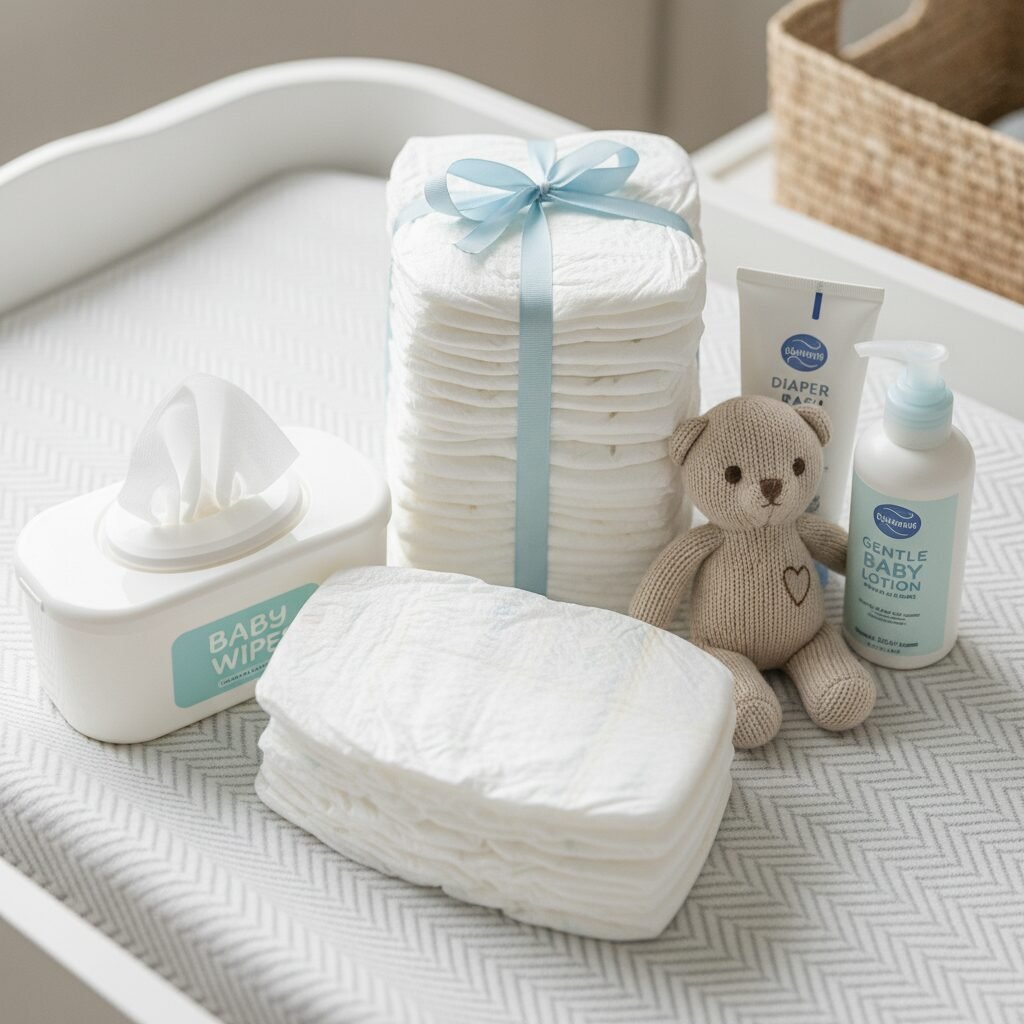
You’re home! The first three months, often called the “fourth trimester,” are all about survival, snuggles, and an astonishing number of diapers. The costs during this period are less about big gear and more about consumables—the things you’ll buy over and over again.
Your life will revolve around a cycle of feeding, sleeping, and changing. Here’s where your money will likely go:
- Diapers & Wipes: Newborns can go through 10-12 diapers a day. That’s over 300 diapers in the first month alone! Whether you choose disposable or cloth, this will be a significant recurring cost.
- Feeding Supplies: If you’re formula-feeding, the cost of formula will be your biggest expense here. If you’re breastfeeding, you might have costs for a breast pump (check if your insurance covers it!), milk storage bags, nursing bras, and nipple cream. You may also want to budget for a visit with a lactation consultant.
- Postpartum Care for Mom: Don’t forget about you! You’ll need supplies like pads, witch hazel, and comfortable clothing as you recover.
- Health & Grooming: Think baby soap, lotion, a baby nail file, and a rectal thermometer.
Here’s a sample breakdown of what monthly costs could look like. Remember, these are just estimates!
| Category | Estimated Monthly Cost (Low End) | Estimated Monthly Cost (High End) |
|---|---|---|
| Diapers & Wipes | $70 | $120 |
| Formula | $0 (if exclusively breastfeeding) | $250+ |
| Breastfeeding Supplies | $15 | $50 |
| Clothing & Burp Cloths | $25 | $75 |
| Health & Grooming | $10 | $30 |
| Total Estimated Range | $120 | $525+ |
This is a great time to start using your budget spreadsheet to track your actual spending versus your estimates. You’ll quickly see where your money is going and can adjust as needed.
Months 4-6: Finding Your Groove (and New Expenses!)

By now, you’re hopefully settling into some sort of routine. Your baby is becoming more interactive, smiling, and maybe even rolling over! As they grow, their needs—and your shopping list—will change.
Introducing Solid Foods:
Around 4 to 6 months, your pediatrician may give you the green light to introduce solid foods. This opens up a whole new category of expenses:
- High Chair: A safe, easy-to-clean high chair is a must.
- Bibs & Spoons: You’ll want silicone or plastic bibs with a pocket to catch dropped food, and soft-tipped spoons for your baby’s gums.
- Baby Food: Whether you make your own purees (which can be cheaper but requires time and equipment like a blender) or buy pre-made jars and pouches, this will be a new line item in your grocery budget.
Growth Spurts & Gear Upgrades:
Your baby is growing like a weed! This is when you’ll likely pack away the newborn-sized clothes for good.
- Larger Clothing: You’ll be buying the next size up (or two) in onesies, sleepers, and pants.
- Developmental Toys: As your baby becomes more engaged, you might invest in things like an activity center, play mat, or age-appropriate toys that encourage motor skills.
- Convertible Car Seat: Many babies outgrow their infant car seat by height or weight during this period. A convertible car seat that can switch from rear-facing to forward-facing is a significant but necessary purchase that will last for years.
This is a fun stage full of exciting firsts, from their first taste of sweet potato to their first real belly laugh. Tracking your expenses helps ensure you can enjoy these moments without financial stress.
Months 7-12: Crawling, Cruising, and Costing
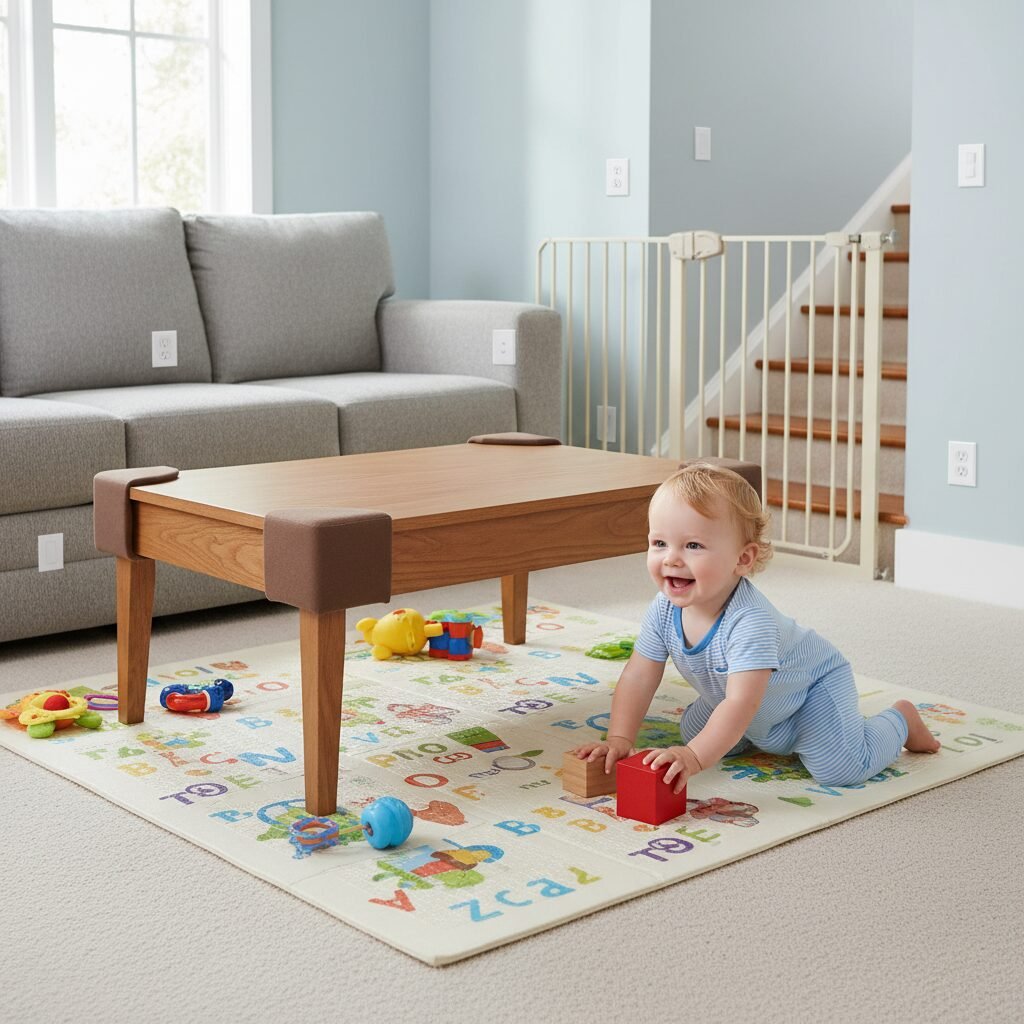
Get ready, because your baby is on the move! This phase is marked by incredible developmental leaps as your little one learns to crawl, pull up, and maybe even take their first steps. With this new mobility comes a new set of costs focused on safety and enrichment.
Baby-Proofing Your Home:
Once your baby is mobile, your home becomes an obstacle course. Baby-proofing is an essential expense to keep them safe.
- Safety Gates: For stairs and rooms you want to keep off-limits.
- Outlet Covers: A simple but crucial purchase.
- Cabinet & Drawer Locks: Especially for kitchens and bathrooms where cleaning supplies are stored.
- Furniture Anchors: To prevent dressers, bookcases, and TVs from tipping over.
- Corner Guards: For sharp coffee table corners.
Food, Diapers, and More:
Your baby is eating more and moving more, which impacts your recurring costs.
- Food: They’ll be eating more table foods and trying a wider variety of textures. Your grocery bill will continue to climb.
- Diapers & Clothes: Mobile babies mean more potential for messes! You may find yourself doing more laundry and going through diapers just as quickly. You might also need to buy their first pair of soft-soled shoes.
- Classes & Activities: Many parents explore parent-and-baby classes like swim lessons, music class, or gym time during this period. These are wonderful for socialization and development but can add a significant monthly cost.
This is also when hidden costs, like a slight increase in your utility bills from more laundry and running the dishwasher more often, can start to become noticeable. It all adds up, which is why tracking is so valuable!
Beyond the Gear: Planning for Healthcare, Childcare, and Your Future

Some of the biggest costs in your baby’s first year aren’t things you can buy at a store. These “invisible” expenses are crucial to plan for and can have the largest impact on your family’s finances. It’s easy to focus on diapers and cribs, but overlooking these can cause major stress down the road.
Healthcare Costs:
Even with good insurance, healthcare isn’t free. You’ll need to budget for:
- Insurance Premiums: Adding a dependent to your health insurance plan will increase your monthly premium. Get a quote from your HR department as soon as possible.
- Co-pays & Deductibles: Your baby will have frequent well-child visits in the first year (typically at 1, 2, 4, 6, 9, and 12 months). You’ll be responsible for co-pays for each visit, plus any costs that go toward your deductible.
- Unexpected Sick Visits: Babies get sick. Budget for a few unexpected doctor’s visits for fevers, ear infections, or the common cold.
The Childcare Conundrum:
If both parents plan to return to work, childcare will likely be your single biggest baby-related expense. The cost varies dramatically by location and type of care (daycare center, in-home daycare, nanny), but it can often be as much as a mortgage payment. Start researching options and costs while you are pregnant. Waiting lists can be long and the prices can be shocking if you’re not prepared.
Planning for Their Future:
It might feel ridiculously early, but it’s never too soon to think about the long term.
- Life Insurance: Ensure you and your partner have adequate term life insurance policies. It’s not for you; it’s to protect your child’s future if something happens to you.
- Starting a Savings Account: Consider opening a high-yield savings account or a 529 college savings plan for your baby. Even starting with a small, automatic monthly contribution of $25 or $50 can grow into a significant amount over 18 years thanks to the power of compound interest.
Your Secret Weapon: How to Use the Free Monthly Baby Budget Spreadsheet
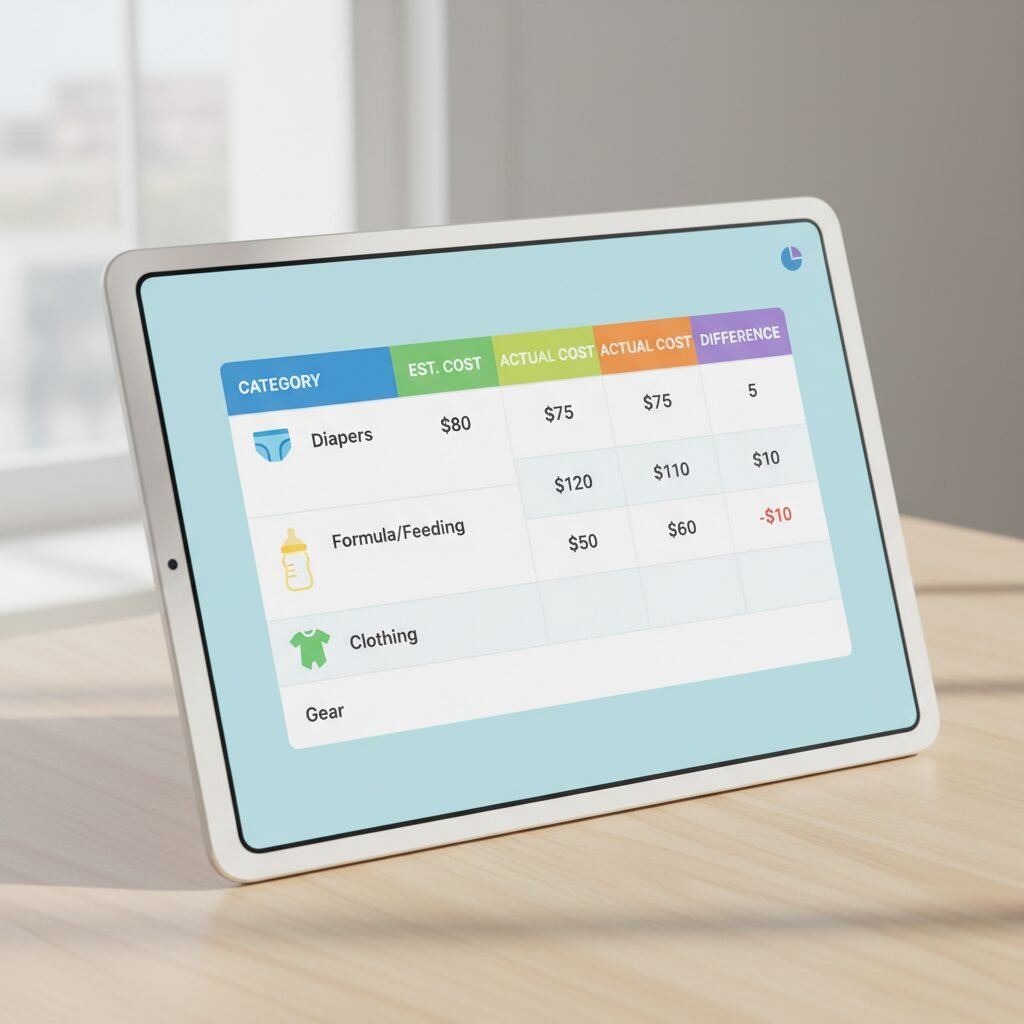
Feeling a bit dizzy from all those numbers? It’s time for the best part: your tool to make it all manageable. We’ve designed a simple, intuitive spreadsheet that you can customize to fit your family’s unique situation. It’s not about restriction; it’s about clarity.
Getting Started is Easy:
- Download Your Copy: Click the link below to access the spreadsheet. You’ll be prompted to make a copy to save to your own Google Drive.
- Familiarize Yourself with the Columns:
- Category: We’ve pre-filled this with common expenses like ‘Diapers,’ ‘Formula/Food,’ ‘Clothing,’ etc. You can add, delete, or change these to match your life!
- Estimated Monthly Cost: This is your planning column. Before the month begins, fill in what you think you’ll spend in each category.
- Actual Monthly Cost: This is your tracking column. Throughout the month, update this with your real spending. Use a free budgeting app or just check your bank statements.
- Difference: This column will automatically calculate whether you were over or under budget. No judgment! It’s just data to help you plan better for the next month.
- Notes: A space to jot down anything important, like “Bought 3 months of diapers during a sale” or “Paid for baby swim class.”
- Customize, Customize, Customize: The first tab is a template. Duplicate this tab for each month of your baby’s first year. Your budget in Month 2 will look different from your budget in Month 9, and that’s okay! This tool is flexible.
Remember: This spreadsheet is a guide, not a report card. The goal is to replace financial anxiety with financial awareness. Seeing where your money goes is the first step to making it work for you.
By the end of the year, you’ll not only have a healthy, happy one-year-old, but you’ll also have an incredible handle on your new family finances. You’ve got this!
Conclusion
Whew! That was a lot, wasn’t it? The first year of your baby’s life is a whirlwind of change, growth, and love. It’s also a year of significant financial adjustment. By breaking it down and planning ahead, you can navigate the costs with confidence and focus on what truly matters: enjoying every precious moment with your new baby.
Remember, every family’s budget is different. There is no “right” amount to spend. Whether you’re buying brand new, accepting hand-me-downs, or getting creative with DIY solutions, you are doing an amazing job. The most important things you can give your baby—love, security, and time—don’t cost a thing.
Don’t forget to download your free Monthly Baby Budget Spreadsheet. It’s your first step toward a less stressful, more empowered financial journey into parenthood. Welcome to the club—it’s the best one in the world.