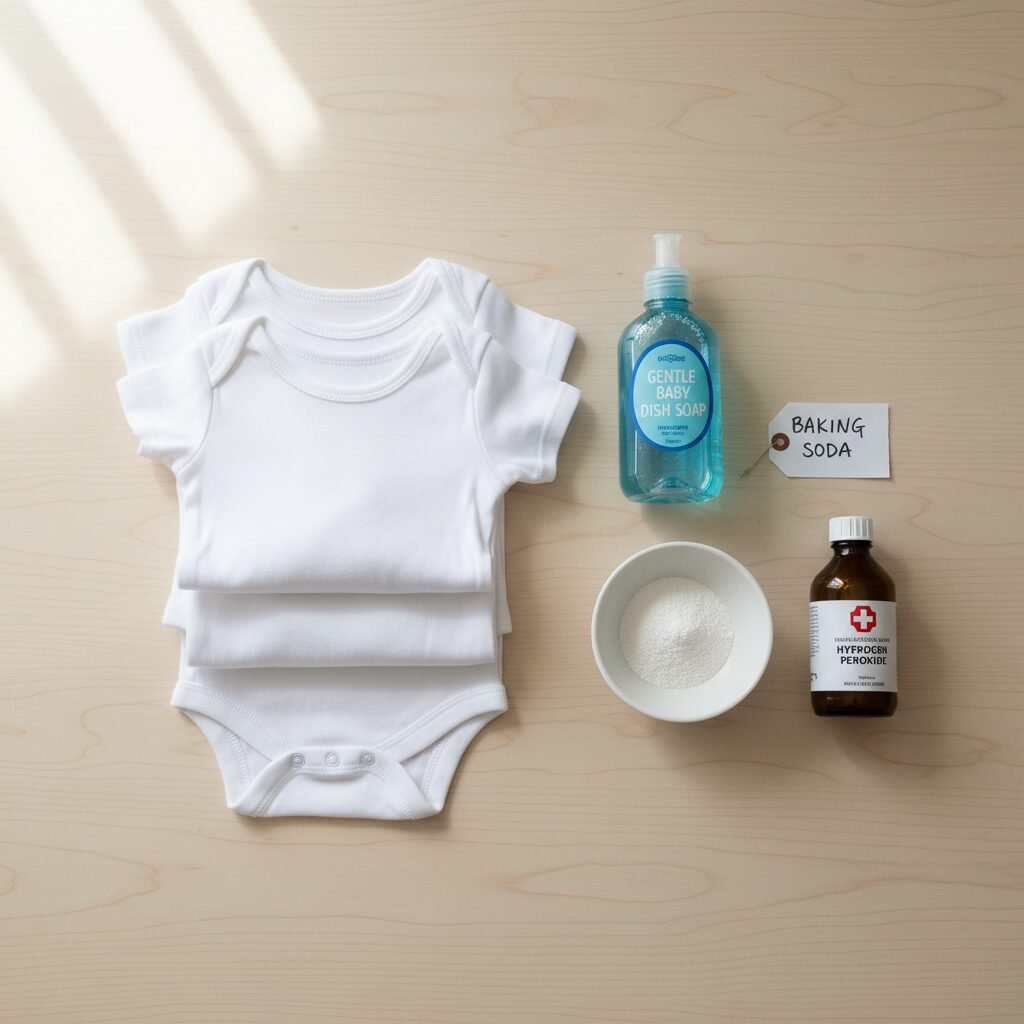
The Only 3 Ingredients You Need to Remove Old Poop Stains From Onesies
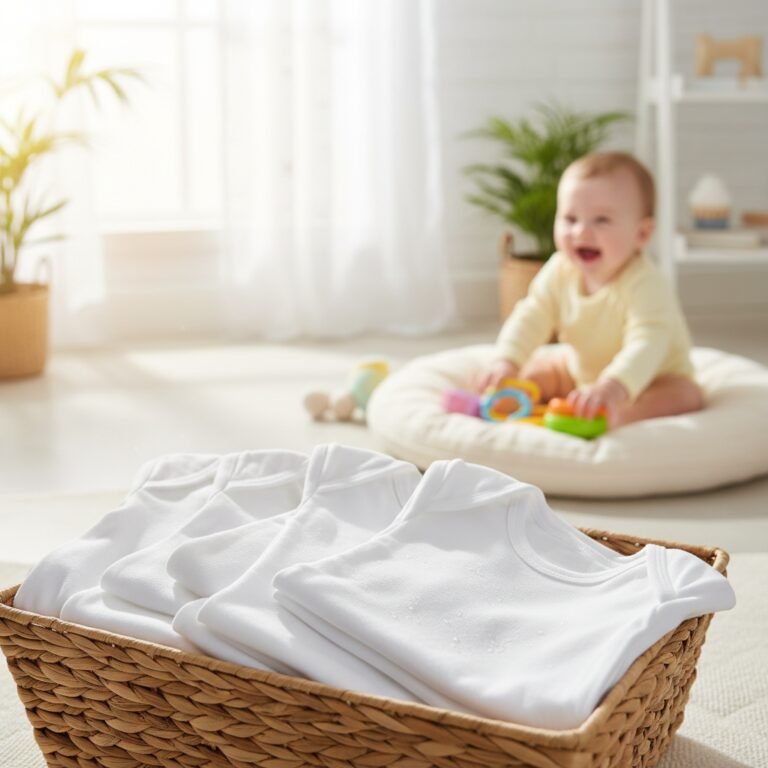
Hey there, new parent. Let’s talk about something we’ve all experienced: the dreaded ‘poonami.’ You’ve just changed your little one into their cutest, most pristine white onesie. You turn your back for a second, and… it’s happened. A blowout of epic proportions has left a stain that looks like it’s there to stay. Before you sadly relegate another adorable outfit to the ‘rag pile,’ take a deep breath. I’m here to tell you a little secret from my decades as a pediatric nurse: you can defeat even the most stubborn, set-in poop stains. And the best part? The solution is probably already in your kitchen and bathroom.
Forget expensive, chemical-laden stain removers. We’re going to tackle this with just three simple, safe, and incredibly effective ingredients. This isn’t magic, it’s just a little bit of science and a whole lot of laundry love. Get ready to reclaim those onesies and become a stain-busting champion. Let’s dive in!
Meet Your Stain-Fighting Superheroes: The Magic Trio
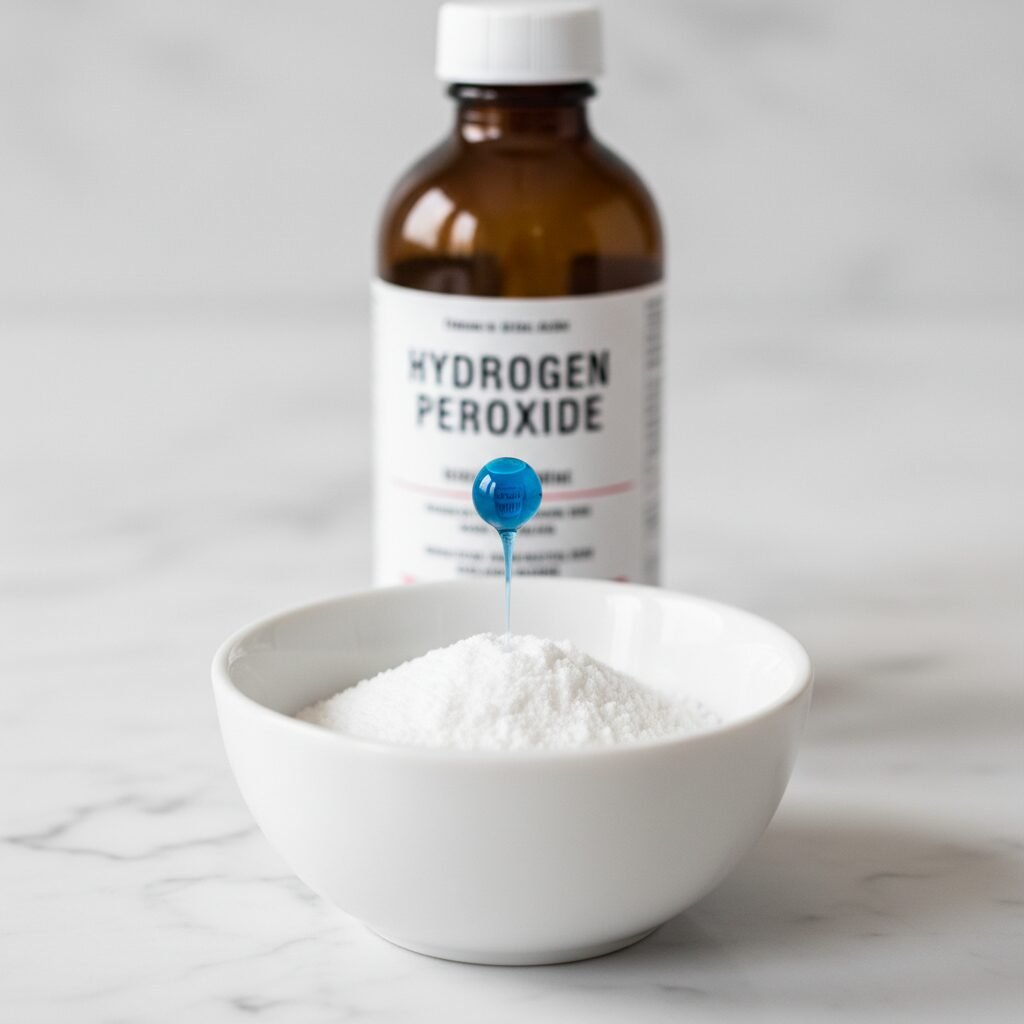
So, what are these miracle ingredients? You’ll be happy to know they are simple, affordable, and multi-purpose household staples. Let’s break down our team of stain-fighters and understand why they work so well together.
1. Dawn Dish Soap (The Original Blue Kind)
You know how it’s famous for cutting through grease on your dishes (and helping wildlife in oil spills)? Well, that same power works wonders on baby poop, especially from breastfed babies, which can be oily. The surfactants in the soap break down the fatty and greasy components of the stain, lifting them from the fabric fibers. It’s the essential first line of attack.
2. Baking Soda
This is your gentle, yet effective, scrubber and deodorizer. When mixed into a paste, baking soda provides a mild abrasive action that helps to physically lift the stain particles without damaging the delicate fabric of a onesie. Plus, it’s a natural deodorizer, so it helps to neutralize any lingering odors that the stain might have left behind. It’s a true powerhouse in the laundry room.
3. Hydrogen Peroxide (3% Solution)
This is the secret weapon for brightening. Hydrogen peroxide is a type of oxygen-based bleach. Unlike chlorine bleach, it’s color-safe on most fabrics (though we’ll talk about spot-testing later!). It works by releasing oxygen atoms that break the chemical bonds of the chromophores (the part of a molecule that gives it color). In simple terms, it chemically breaks down the yellow and brown pigments in the stain, making them colorless. It’s fantastic for organic stains like poop, blood, and spit-up.
A Quick Safety Note: While these ingredients are generally safe, always keep them out of reach of children. Never mix hydrogen peroxide with vinegar or chlorine bleach, as it can create dangerous gases. Our simple trio is all you need!
The Ultimate Step-by-Step Guide to a Spotless Onesie
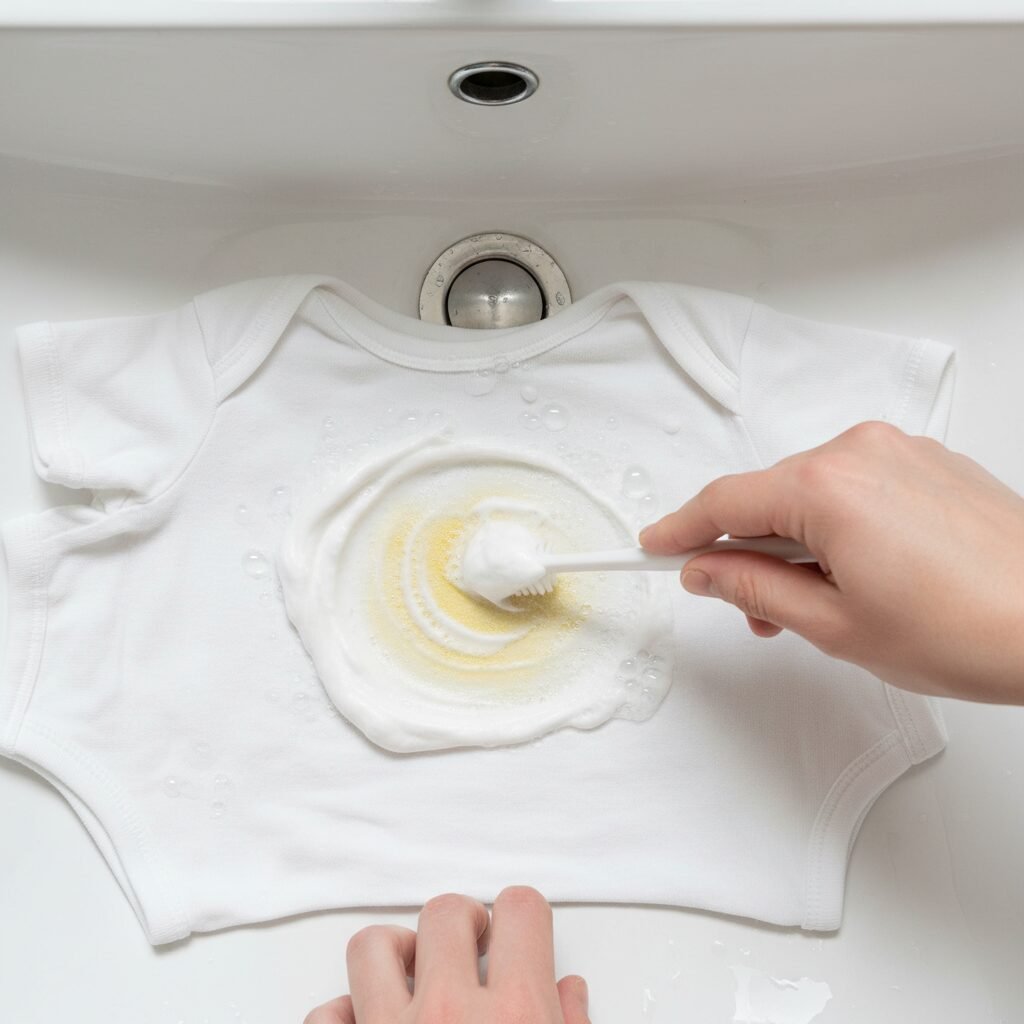
Alright, it’s time for action. Grab your stained onesie (yes, even that one that’s been sitting in the hamper for a few days) and let’s get to work. Follow these steps precisely, and you’ll be amazed at the results.
- Step 1: Scrape and Rinse. The first step is to remove any… excess. If the stain is fresh, scrape off as much solid material as you can with a baby wipe or a spoon. Then, turn the onesie inside out and rinse the stained area with cold water from the back. Rinsing from the back pushes the stain out of the fabric, rather than deeper into it. Hot water can ‘cook’ the protein in the stain, setting it permanently, so always start with cold!
- Step 2: Mix Your Magic Paste. In a small bowl, mix a little bit of the blue Dawn dish soap and a good amount of baking soda. You want to create a thick paste, about the consistency of toothpaste. There’s no exact recipe; just eyeball it! Then, slowly add a few capfuls of hydrogen peroxide until the paste is bubbly and easily spreadable.
- Step 3: Apply and Gently Scrub. Liberally apply the paste to the entire stained area, front and back. Use an old, soft-bristled toothbrush (a baby toothbrush works perfectly!) or your fingers to gently work the paste into the fibers of the fabric. You’ll see it start to foam and bubble – that’s the peroxide working its magic!
- Step 4: Let It Sit and Wait. This is the most crucial step. You need to give the ingredients time to work. Lay the onesie flat in a sink or basin and let the paste sit for at least an hour. For really old, set-in stains, you might want to leave it overnight. Don’t worry, the solution won’t harm the fabric.
- Step 5: Wash as Usual. After it has had time to sit, you can launder the onesie as you normally would. For an extra boost, wash it on the warmest setting the fabric will allow (check the care tag). Before you toss it in the dryer, inspect the stained area. If any hint of the stain remains, repeat the process.
Important: Do NOT put the onesie in the dryer until the stain is completely gone! The heat from the dryer will set any remaining stain, making it nearly impossible to remove. Air drying is always the safest bet until you’re sure it’s clean.
DIY vs. Store-Bought: What’s the Best Choice for You?
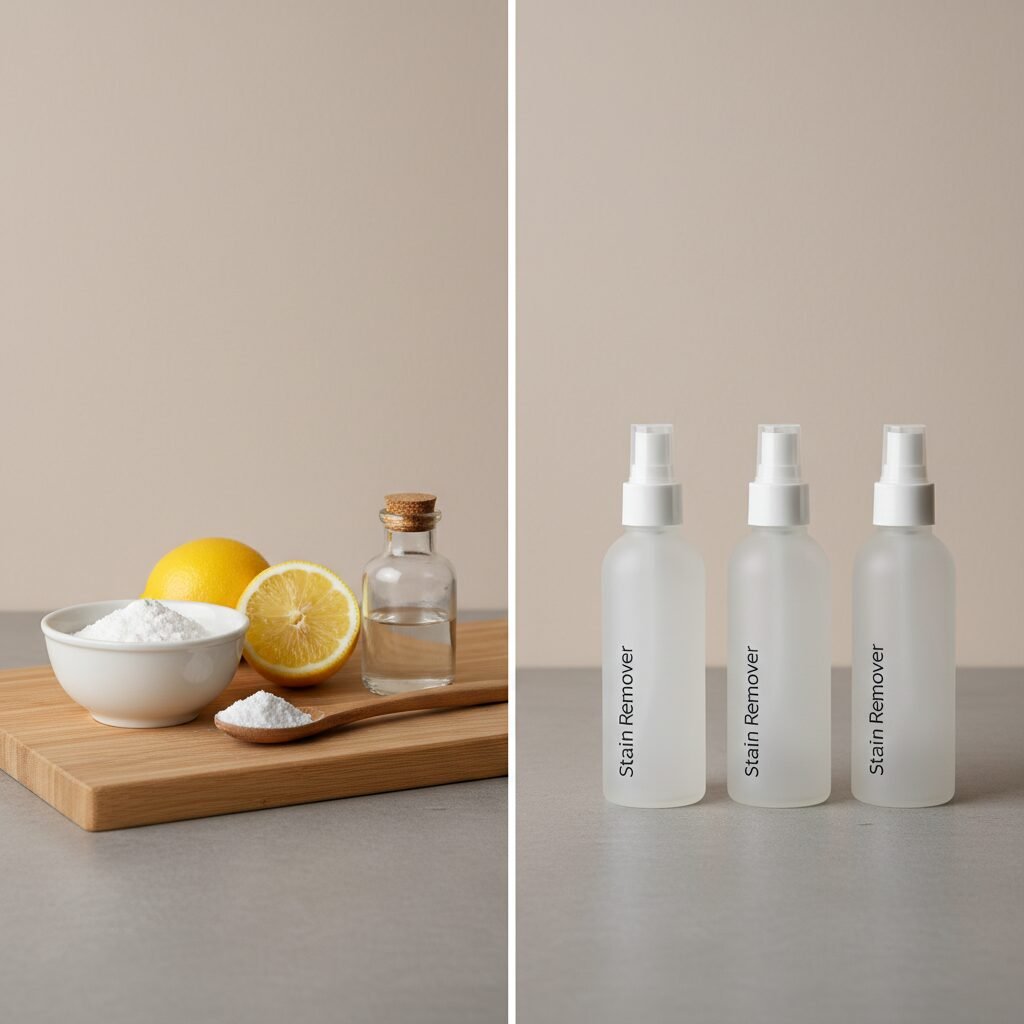
You might be wondering, ‘Why go through this trouble when I can just buy a spray bottle of stain remover?’ It’s a valid question! Both options have their place. Let’s compare them so you can make the best choice for your family.
The main advantages of our 3-ingredient DIY solution are cost, safety, and effectiveness on organic stains. You’re using common household items, avoiding harsh chemicals and fragrances that could irritate your baby’s sensitive skin. However, commercial removers offer convenience. Here’s a quick breakdown:
| Feature | DIY 3-Ingredient Solution | Commercial Stain Removers |
|---|---|---|
| Cost | Extremely low. Ingredients cost pennies per use. | Moderate. Can be pricey, especially for ‘baby-specific’ brands. |
| Ingredients | Simple, recognizable, and non-toxic (Dish Soap, Baking Soda, Hydrogen Peroxide). | Complex chemical formulas, may contain enzymes, solvents, and fragrances. |
| Effectiveness | Exceptionally effective on organic stains like poop, spit-up, and blood. | Varies by brand. Often enzyme-based formulas are also very effective. |
| Baby’s Skin | Very gentle. Unlikely to cause skin irritation. | Can contain fragrances or residues that may irritate sensitive skin. |
| Convenience | Requires a few minutes of mixing and application. | Very convenient. Just spray and wash. |
| Best For | Parents who prefer natural solutions, have babies with sensitive skin, or want a budget-friendly option. | Parents who prioritize speed and convenience and don’t have sensitive skin concerns. |
Ultimately, there’s no right or wrong answer. Many parents (myself included!) keep both on hand. The DIY paste is my go-to for catastrophic blowouts and set-in stains, while a convenient spray might be used for smaller, everyday spit-up spots.
Advanced Tactics: Tackling Super-Stains and Protecting Delicates

Sometimes, you encounter a stain that just won’t quit. Or maybe you’re dealing with a delicate fabric and you’re nervous about causing damage. Don’t worry, I have a few pro tips for these special situations.
For the Stubborn, Set-In Stain
If you’ve tried the paste method once and a faint shadow of the stain remains, it’s time to bring in the biggest gun in the natural stain-fighting arsenal: the sun. After applying the paste and washing the onesie, lay it out in direct sunlight while it’s still damp. The UV rays from the sun act as a natural bleach and are incredibly effective at getting rid of that last little bit of yellowing. It’s like magic! You can even spritz the area with a little lemon juice for an extra whitening boost before sunning it.
For Delicate or Colored Fabrics
While hydrogen peroxide is generally color-safe, it’s always wise to be cautious with bright colors or delicate materials like bamboo or merino wool. Before you treat a large, noticeable area, perform a spot test. Apply a tiny amount of the paste to an inconspicuous area, like an inside seam or the hem. Let it sit for about 30 minutes, then rinse it off. If there’s no color change, you’re good to go! For very delicate fabrics, you might want to skip the toothbrush and just use your finger to gently dab the paste on.
What About Formula Stains?
Formula-fed baby poop can sometimes leave a slightly different, more greasy type of stain. The good news is that this method works beautifully on it, too! The Dawn dish soap is the key player here, as it’s specifically designed to break down those fats and oils found in formula.
The Best Offense is a Good Defense: Preventing the Dreaded Blowout
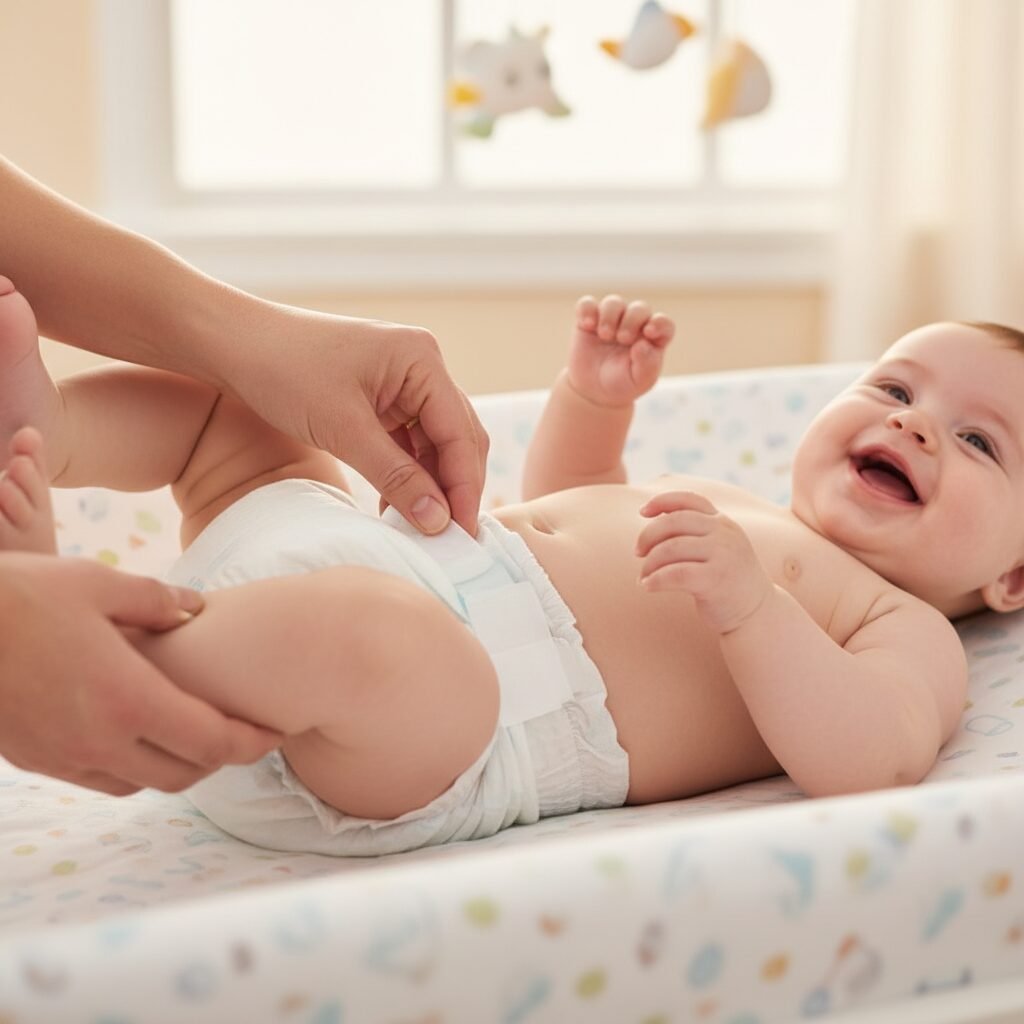
While it’s great to know how to remove a poop stain, it’s even better to avoid one in the first place! Of course, blowouts are a rite of passage for every parent, and some are simply unavoidable. But you can take a few steps to minimize the frequency and severity of these laundry disasters.
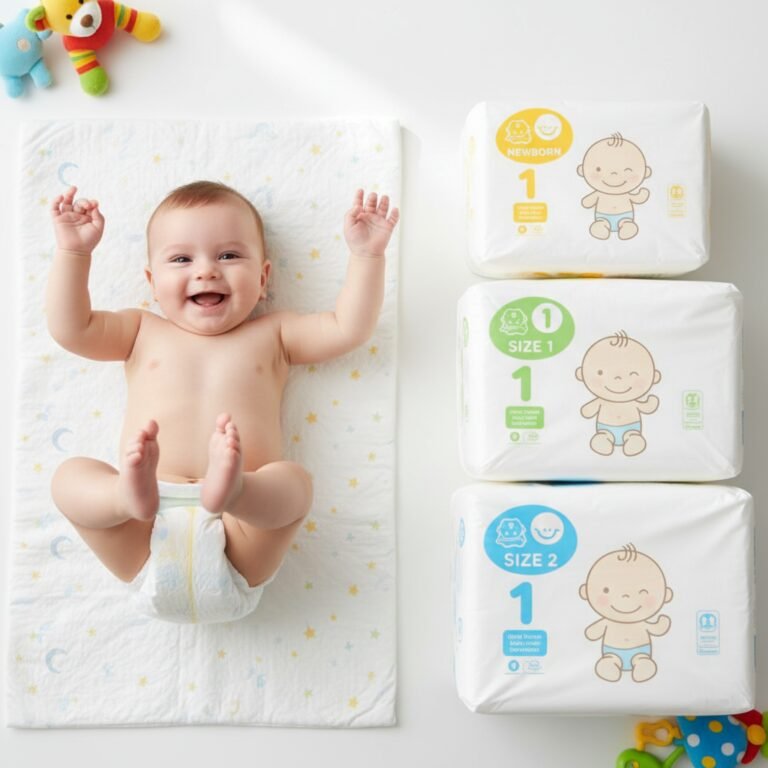
- Check Your Diaper Fit: This is the number one cause of blowouts. A diaper that’s too small or too big will have gaps at the legs or waist. Make sure the leg cuffs are flared out, not tucked in, and that you can fit two fingers comfortably under the waistband. Don’t be afraid to go up a size if you’re consistently having leaks.
- Point it Down: For baby boys, make sure to point his penis down inside the diaper before closing it up. This helps direct the stream of pee downwards and can prevent leaks out of the top of the waistband.
- Consider a Different Diaper Brand: Not all diapers are created equal, and not all diapers fit every baby’s body shape. If you’re having constant blowouts with one brand, don’t hesitate to try another. Some brands are wider, some are longer, and you might find one that provides a more secure fit for your little one.
- Double Up for Long Trips: If you’re heading out for a long car ride or a situation where a quick change isn’t possible, some parents swear by putting a slightly larger diaper cover or a bigger size diaper over the regular one. It’s an extra layer of protection for peace of mind.
By being proactive, you can hopefully spend less time scrubbing and more time snuggling. But when the inevitable happens, you’re now fully equipped to handle it!
Conclusion
And there you have it! The simple, three-ingredient secret to saving your baby’s clothes from even the most terrifying poop stains. Being a new parent is a beautiful, messy, and often overwhelming journey. Laundry should be the last thing you’re stressing about. By using a little dish soap, baking soda, and hydrogen peroxide, you can tackle stains with confidence, save money, and use a solution that’s gentle on your baby’s skin and their adorable clothes.
So next time you’re faced with a stained onesie, don’t despair. Just remember your new superpowers, mix up your magic paste, and let science do the hard work. Embrace the mess, cherish the moments, and know that you’ve got this. Happy stain-busting!