The No-Tears Guide To Newborn Circumcision Care And Healing Stages
Hello, new parents. Take a deep breath. Bringing your little one home is a whirlwind of joy, love, and a million questions. If your son has been circumcised, caring for the area can feel like one of the most daunting tasks on your list. It’s completely normal to feel a little nervous—you want to do everything perfectly for your tiny, precious baby. As a pediatric nurse and lactation consultant, I’ve held the hands of countless parents in your exact position. I’m here to hold yours, too.
This guide is designed to be your calm, clear companion through the circumcision healing process. We’ll walk through it together, step-by-step, from the first diaper change at home to the fully healed stage. We’ll cover what’s normal, what’s not, and how to keep your baby comfortable. My goal is to replace your worry with confidence, so you can focus on what truly matters: soaking in every sweet newborn snuggle. You’ve got this.
Right After the Procedure: Your First 24-48 Hours of Care
The first day or two after the circumcision are the most intensive when it comes to care, but the steps are simple and manageable. Your primary goals are to keep the area clean, prevent infection, and protect it from friction from the diaper. Your doctor or the hospital staff will give you specific instructions, which you should always follow, but here is what you can generally expect.
The Diapering Routine
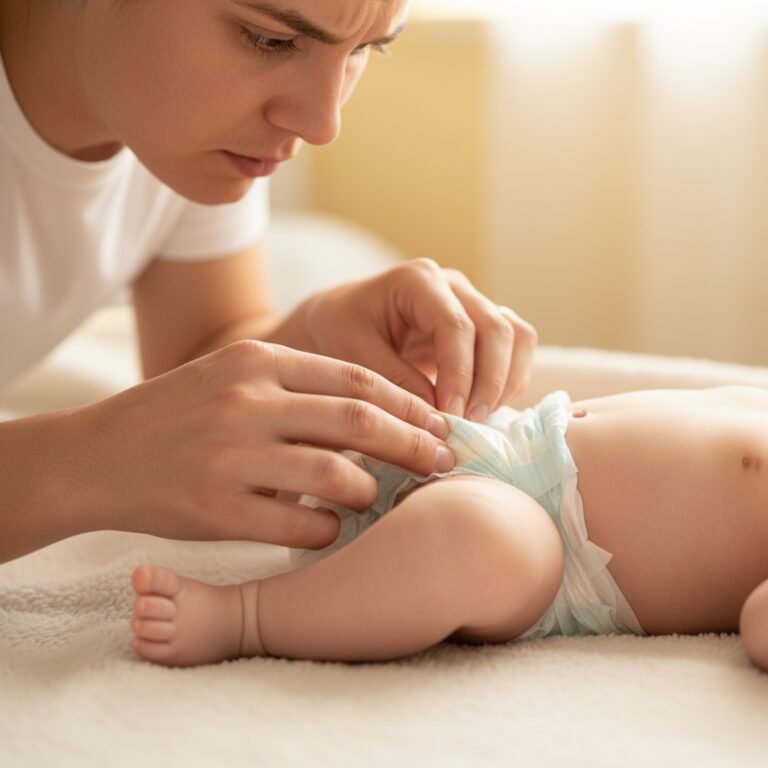
Every single diaper change will involve a few extra, gentle steps. Prepare your changing station ahead of time so you have everything within arm’s reach.
- Wash Your Hands: Always start with clean hands to prevent introducing any germs to the sensitive area.
- Gently Clean the Area: You don’t need to scrub! For the first few days, avoid using baby wipes directly on the penis. Instead, use a soft washcloth with warm water to gently clean around the area. Let it air dry for a moment or pat it very gently with a clean, soft cloth.
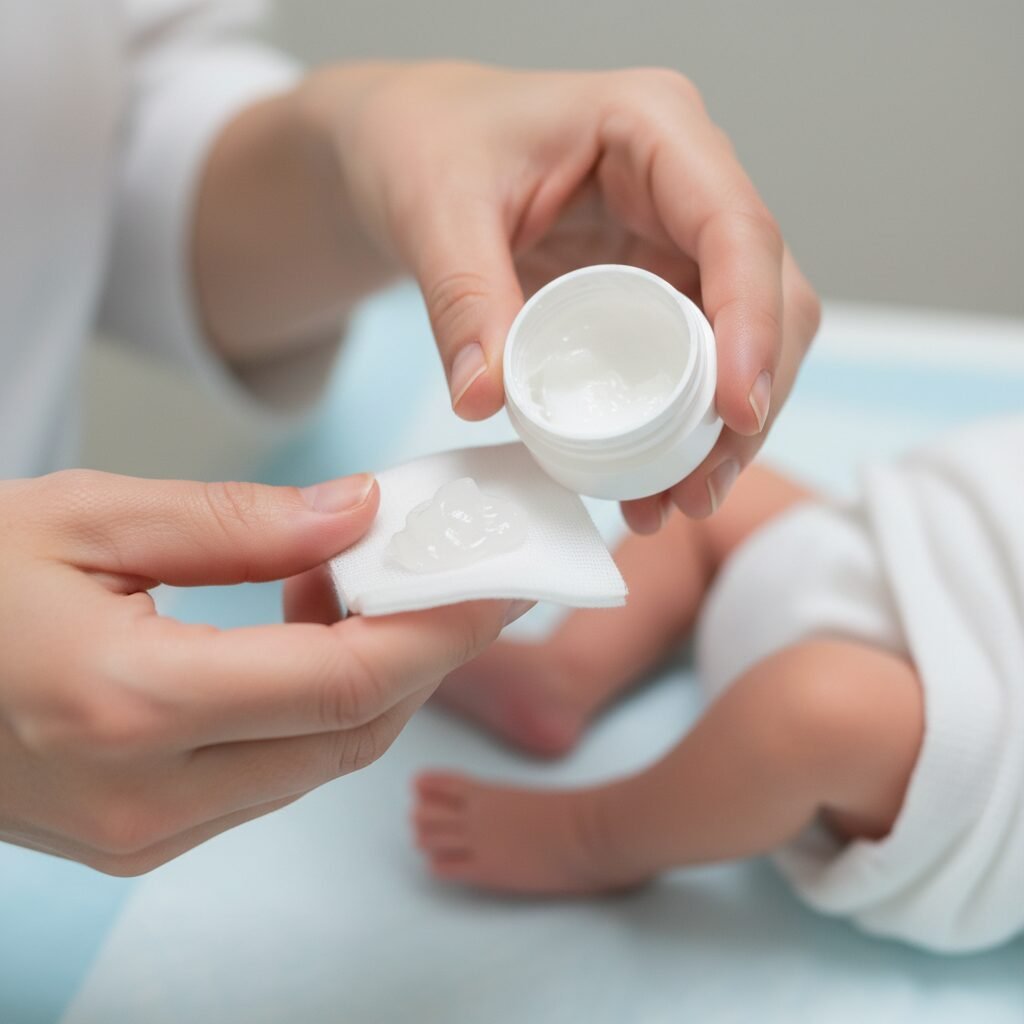
- Apply Protective Ointment: This is the most important step. Your doctor will likely recommend using petroleum jelly (like Vaseline) or an antibiotic ointment. Apply a generous amount—about the size of a dime—to the tip of the penis. This prevents the healing skin from sticking to the diaper, which would be painful and could disrupt healing when you remove it.
- Use Gauze (If Recommended): Some doctors recommend placing a small square of sterile gauze, coated with petroleum jelly, directly over the penis for the first 24-48 hours. Others do not. Follow your provider’s specific advice on this. If you use gauze, you’ll replace it with a fresh, lubricated piece at each diaper change.
- Fasten the Diaper Loosely: When you put on the new diaper, make sure it’s not too snug. You want to allow for some air circulation and avoid putting pressure on the healing area. Point the penis down inside the diaper to help prevent urine from spraying upwards.
Pain and Comfort
It’s normal for your baby to be fussy, irritable, or sleepier than usual for the first day. The local anesthetic used during the procedure will wear off, and he will likely feel some discomfort. Cuddles, skin-to-skin contact, and frequent feedings can work wonders for comfort. If your doctor has approved it, you may be able to give a weight-appropriate dose of infant acetaminophen, but never give your baby any medication without explicit instructions from your pediatrician.
A Gentle Reminder: Your baby can sense your stress. Try to stay calm and confident during diaper changes. Your gentle touch and soothing voice are powerful tools for comfort.
A Visual Guide: The Day-by-Day Healing Stages

One of the biggest sources of anxiety for parents is not knowing what the healing process is supposed to look like. You might peek into the diaper and wonder, “Is that normal?” Let’s break down the typical timeline, which usually takes about 7 to 14 days in total.
Days 1-3: The Raw and Red Stage
Immediately after the procedure and for the next couple of days, the tip of the penis will look very red, swollen, and raw. You might see small spots of blood on the diaper or gauze—this is perfectly normal. The key is that it should be oozing or spotting, not actively bleeding. The swelling should start to go down after the first day.
Days 3-7: The Yellow Scab (Granulation Tissue) Stage
This is the stage that sends most parents into a panic, but it’s a crucial and completely normal part of healing! You will start to see a soft, yellowish, moist film or patches forming on the head of the penis. This is not pus or a sign of infection. It is called granulation tissue, which is the body’s natural way of building new skin. It might look a bit like a scab, but it’s wetter. Do not try to wipe it or pick it off! Continue your routine of gentle cleaning and applying ointment. Wiping it away would be like picking a scab off a scraped knee—it disrupts the healing process.
Days 7-14: The Final Healing Stage
During the second week, the granulation tissue will gradually disappear, and the scab (if one formed) will fall off on its own. The skin underneath will be pink and sensitive-looking, but it is healed. The swelling should be completely gone. You can typically stop using the petroleum jelly and gauze once the area is no longer raw or sticking to the diaper, usually around 7-10 days, but check with your doctor. The penis might still look a little red or have varying skin tones for a few weeks or months, which is also normal.
| Healing Phase | Typical Timeframe | What You’ll See | Care Instructions |
|---|---|---|---|
| Initial Healing | Days 1-3 | Redness, swelling, small spots of blood. | Apply ointment/gauze at every diaper change. Clean gently with water. |
| Granulation | Days 3-7 | Yellowish, moist patches or film (NOT pus). | Continue applying ointment. DO NOT wipe off the yellow tissue. |
| Final Healing | Days 7-14 | Yellow tissue disappears, scab falls off. Skin is pink. | Continue ointment until no longer raw. Can likely stop gauze. |
Comfort and Cleanliness: Diapering, Bathing, and Soothing

Beyond the specific care of the circumcision site, your overall goal is to keep your baby comfortable and the area clean to promote healing. Here are some practical tips for daily life during these two weeks.
Bathing Basics
You’ll need to stick to sponge baths for the first week or so, until the circumcision is well on its way to healing (and often, until the umbilical cord stump has fallen off as well). Submerging the area in water could introduce bacteria and delay healing.
- Sponge Baths Only: Use a warm, damp washcloth to clean your baby’s body, avoiding the penis.
- Cleaning the Genital Area: You can let a little warm water run over the penis from a clean cloth or peri bottle, but don’t scrub it. Gently pat the area dry with a separate, clean cloth.
- First Tub Bath: Once your pediatrician gives you the green light (usually after about a week or when the site is no longer raw), you can give your baby his first real bath. Keep it short and use a mild, fragrance-free baby soap.
Diapering Dos and Don’ts
Diapering is the main event when it comes to circumcision care. A few simple tricks can make a big difference in your baby’s comfort.
- DO use a generous amount of petroleum jelly. You can’t really use too much. It creates a vital barrier.
- DO fasten the diaper loosely to avoid pressure and friction.
- DO change diapers frequently and as soon as they are wet or soiled to prevent irritation from urine and stool.
- DON’T use baby wipes with alcohol or fragrance directly on the healing area. Stick to water and a soft cloth or sensitive, water-based wipes on the surrounding skin only.
- DON’T panic if a little stool gets on the area. Clean it off as gently as you can with warm water and reapply the ointment.
Red Flags: Recognizing Signs of Infection and When to Call the Doctor

Your parental instincts are your best guide. If something feels wrong, it is always, always okay to call your pediatrician’s office. They expect calls from new parents and would much rather you call and have it be nothing than have you wait and worry. That said, it helps to know the specific signs that warrant an immediate phone call. Complications are rare, but it’s important to be vigilant.
Safety First: Trust your gut. Never hesitate to contact your pediatrician if you are concerned about your baby’s healing, comfort, or overall health. There is no such thing as a silly question when it comes to your newborn.
Call Your Doctor Immediately If You Notice:
- A Fever: A rectal temperature of 100.4°F (38°C) or higher in a newborn is always a reason to call the doctor right away.
- Signs of Spreading Infection: This includes significant, worsening redness or swelling that spreads up the shaft of the penis, or red streaks leading from the penis. The area might also feel warm to the touch.
- Foul-Smelling Discharge: Remember that yellowish granulation tissue is normal. True pus, a sign of infection, is different. It is usually greenish, has a bad odor, and is more liquid.
- Persistent Bleeding: A few drops of blood in the diaper in the first day is normal. Active, continuous bleeding that soaks through a diaper is not. Apply gentle pressure with a sterile gauze pad for a few minutes; if it doesn’t stop, call your doctor or seek immediate care.
- Problems with Urination: Your baby should produce a wet diaper within 12 hours of the circumcision. If he seems to be in pain while trying to urinate or is not urinating at all, you need to call the doctor immediately.
- The Plastibell Ring Doesn’t Fall Off: If the Plastibell method was used, the plastic ring should fall off on its own within about 5 to 12 days. If it remains after two weeks or appears to have slipped down the shaft of the penis, contact your doctor.
Again, these complications are not common. With simple, consistent care, the vast majority of newborns heal quickly and without any issues. Knowing these signs just equips you to be the best possible advocate for your baby’s health.
Conclusion
Navigating newborn care can feel like a huge responsibility, but you are more than capable. Caring for a circumcision is a short-term task that mostly requires gentleness, cleanliness, and a good supply of petroleum jelly. Remember the key stages: initial redness and swelling is normal, and the yellowish film that appears a few days later is a positive sign of healing, not an infection. By keeping the area clean and protected, you are giving your son’s body the perfect environment to heal beautifully.
Most importantly, give yourself grace. You are learning, and you are doing a great job. Trust your instincts, don’t hesitate to reach out for help, and spend the rest of your time breathing in that incredible new baby smell. These early days fly by, and soon this will just be a distant memory. You’ve got this, and you’re a wonderful parent.