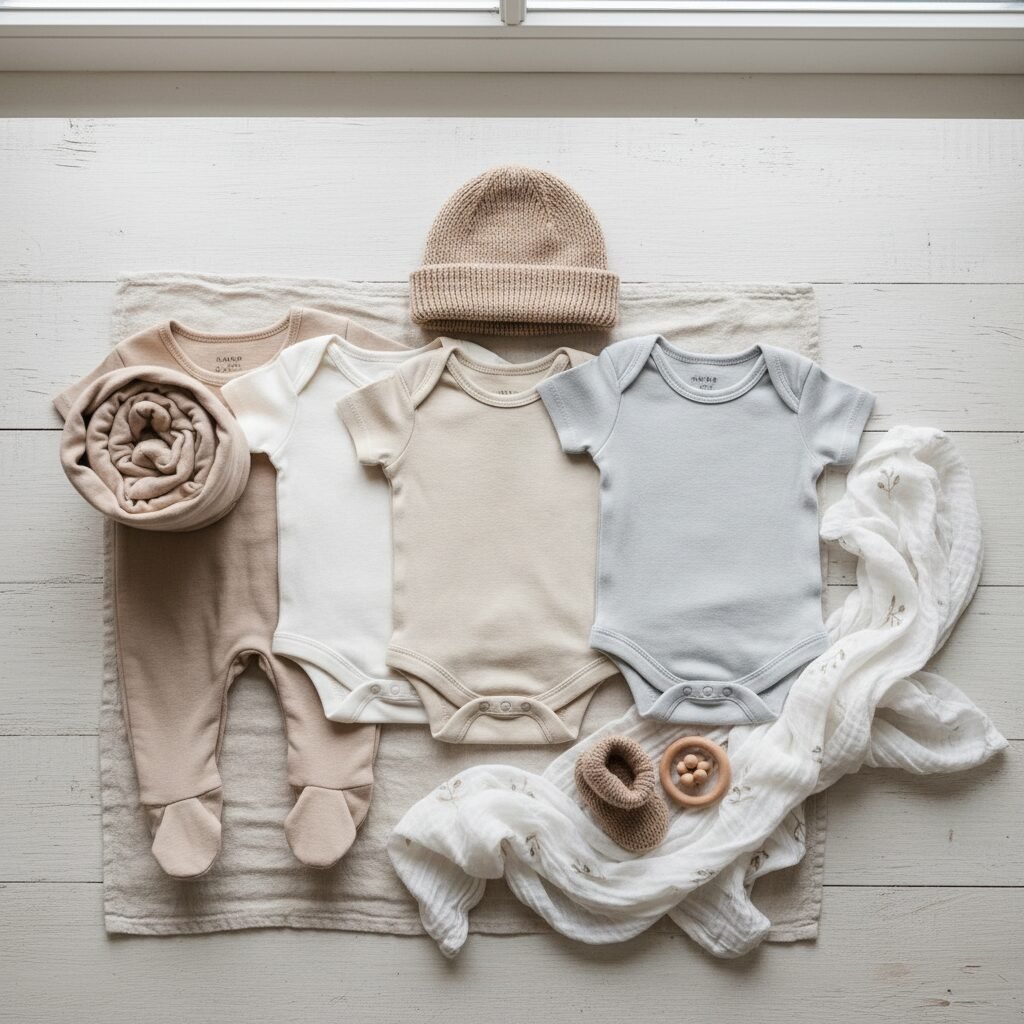
The Minimalist Newborn Capsule Wardrobe: Everything You Actually Need
Hey there, new parent! Take a deep breath. I know that as you get closer to your due date, the urge to ‘nest’ and prepare can feel like a tidal wave. You walk into a baby store or scroll online, and you’re bombarded with a million adorable, tiny outfits. It’s easy to think you need them all. But as a pediatric nurse who has seen thousands of new families, I’m here to let you in on a little secret: you don’t.
Welcome to the wonderful, stress-free world of the newborn capsule wardrobe. The idea is simple: curate a small collection of essential, high-quality, and versatile clothing items that you can mix and match. This isn’t about deprivation; it’s about simplification. It means less decision fatigue during those blurry newborn days, less laundry piling up, more money in your pocket, and more focus on what truly matters—cuddling that sweet new baby of yours. Let’s walk through exactly what you need, and just as importantly, what you can confidently skip.
What Exactly is a Newborn Capsule Wardrobe?
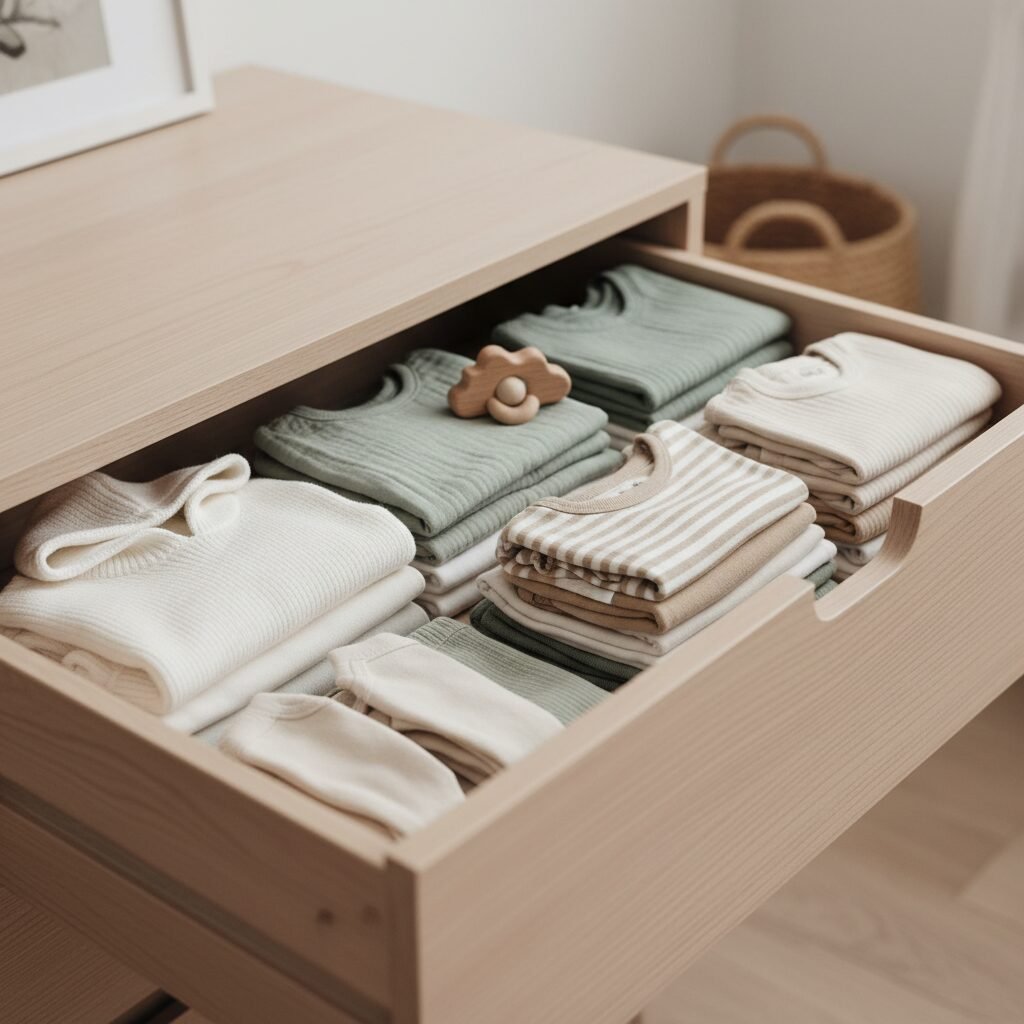
Think of it as your baby’s first ‘uniform,’ but way cuter! A capsule wardrobe is a concept borrowed from the fashion world, focused on having a limited collection of items that complement each other. For a newborn, this means choosing pieces that are practical, comfortable, and easy to layer. Instead of a dresser overflowing with clothes your baby might only wear once, you’ll have a thoughtful selection that covers all their needs.
The Benefits of Going Minimalist
- Less Stress: When every item works together, getting your baby dressed is quick and thoughtless—a huge win when you’re sleep-deprived.
- Reduced Laundry: Fewer clothes mean a smaller, more manageable laundry pile. You’ll be doing laundry frequently anyway, so you don’t need a massive stash.
- Saves Money: Babies grow at an astonishing rate. By buying only the essentials, you avoid wasting money on outfits they’ll outgrow in a few weeks.
- Higher Quality: With a smaller list, you can often afford to invest in better quality pieces made from softer, more durable, and baby-safe materials like organic cotton.
- More Sustainable: Buying less is inherently better for the environment. It’s a simple way to reduce consumption and waste.
Remember, your baby’s comfort is the number one priority. They need to be warm, safe, and cozy. They don’t need a different outfit for every day of the week.
The Core Components: Your Ultimate Minimalist Checklist
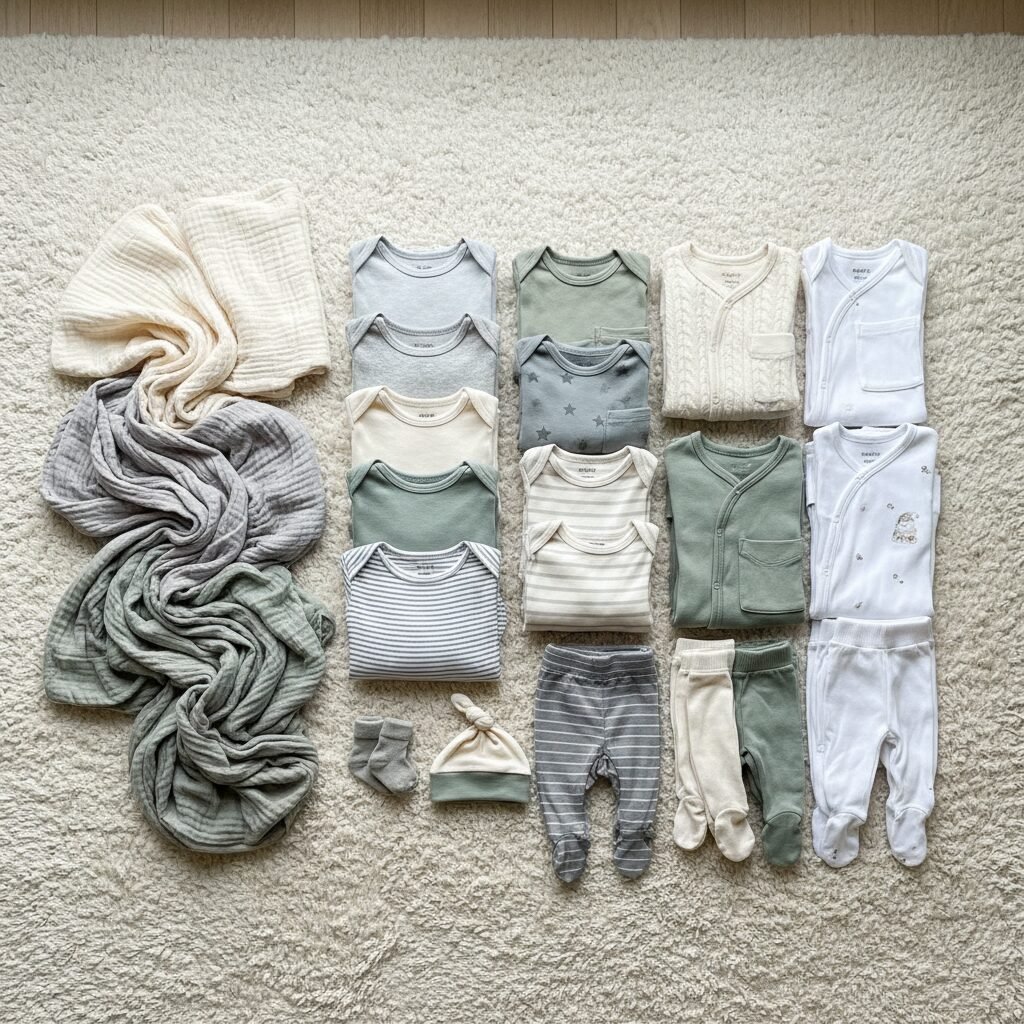
Alright, let’s get down to the nitty-gritty. This is the foundation of your baby’s wardrobe. The quantities suggested are a starting point—you might need one or two more or less depending on how often you plan to do laundry. My advice? Start with this list and see how it goes. You can always add an item later if you truly find you need it.
Bodysuits (aka Onesies)
These are the MVPs of baby clothing. They are the base layer for everything. Look for ones with envelope-style necks (to easily pull them down over the body after a blowout) and snaps at the crotch for easy diaper changes. You’ll want a mix of short-sleeve and long-sleeve, depending on the season.
Sleepers (Footie Pajamas)
Your newborn will spend the majority of their time sleeping, so comfortable sleepers are a must. For the ultimate convenience, always choose sleepers with zippers. Trust me, you will not want to be fumbling with a dozen snaps during a 3 AM diaper change. Two-way zippers that zip from the top and bottom are a game-changer.
Pants or Leggings
A few pairs of soft, stretchy pants are perfect for layering over a bodysuit for extra warmth or for a trip out of the house. Look for comfortable waistbands that won’t dig into your baby’s sensitive tummy.
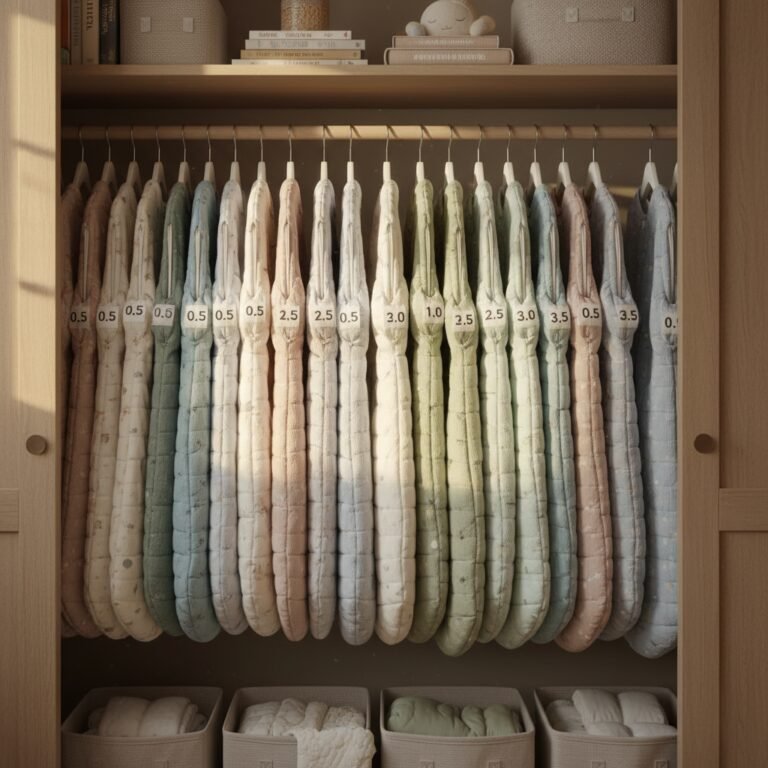
Swaddles & Sleep Sacks
While not technically clothing, these are essential for sleep. Swaddling helps newborns feel secure and can prevent their startle reflex from waking them up. As they get older, a sleep sack (wearable blanket) is a safe alternative to loose blankets in the crib. Many parents love the swaddles with velcro or zippers for ease of use.
Outerwear & Accessories
This category is highly dependent on your climate and the season your baby is born in. A baby born in Minnesota in January will need more than a baby born in Florida in July. Use your judgment!
| Clothing Item | Recommended Quantity | Pro Tip |
|---|---|---|
| Bodysuits (Onesies) | 7-10 (mix of long/short sleeve) | Choose side-snap or kimono-style for the first week to avoid irritating the umbilical cord stump. |
| Sleepers (Zippered Footies) | 5-7 | Two-way zippers are your best friend for middle-of-the-night changes. |
| Pants / Leggings | 3-5 pairs | Look for soft, stretchy waistbands. Footed pants can be a great 2-in-1 option. |
| Swaddles | 3-4 | Muslin swaddles are versatile, but velcro or zippered swaddles are easier for tired parents. |
| Wearable Blankets / Sleep Sacks | 2-3 | Essential for safe sleep once your baby starts to roll over and can no longer be swaddled. |
| Socks or Booties | 5-7 pairs | Babies’ feet get cold easily! Make sure they stay on without being too tight. |
| Soft Hats / Beanies | 2-3 | Important for regulating body temperature, especially in the first few days and when outdoors. |
| Weather-Appropriate Outerwear | 1-2 items (as needed) | This could be a fleece bunting, a warm snowsuit for winter, or a light jacket/cardigan for fall. |
Fabric Matters: Choosing What’s Best for Baby’s Skin
A newborn’s skin is incredibly delicate and sensitive. It’s thinner and more porous than our own, which means it can be easily irritated by rough fabrics or harsh chemicals. When building your capsule wardrobe, prioritizing the right materials is just as important as the items themselves.
Top Fabric Choices for Newborns:
- Organic Cotton: This is the gold standard for a reason. It’s soft, breathable, and grown without the use of harmful pesticides and chemicals, making it gentle on sensitive skin and better for the environment.
- Bamboo Viscose: Incredibly soft and silky, bamboo is also thermo-regulating, meaning it helps keep your baby cool when it’s hot and warm when it’s cool. It’s a fantastic, buttery-soft option.
- Muslin: Typically made from cotton, muslin is a very lightweight and breathable fabric. It’s perfect for swaddles and lightweight blankets, especially in warmer climates.
- Fleece or Wool (for Outerwear): For cold weather, natural fibers like wool are excellent for warmth and breathability. Fleece (often polyester) is a common and effective option for bunting or warm sleepers, but shouldn’t be placed directly against the skin if your baby is prone to eczema.
Safety Tip: Look for clothing with certifications like GOTS (Global Organic Textile Standard) or OEKO-TEX, which ensure the fabric has been tested and found free from a long list of harmful substances.
Sizing and Season: Smart Strategies for a Growing Baby
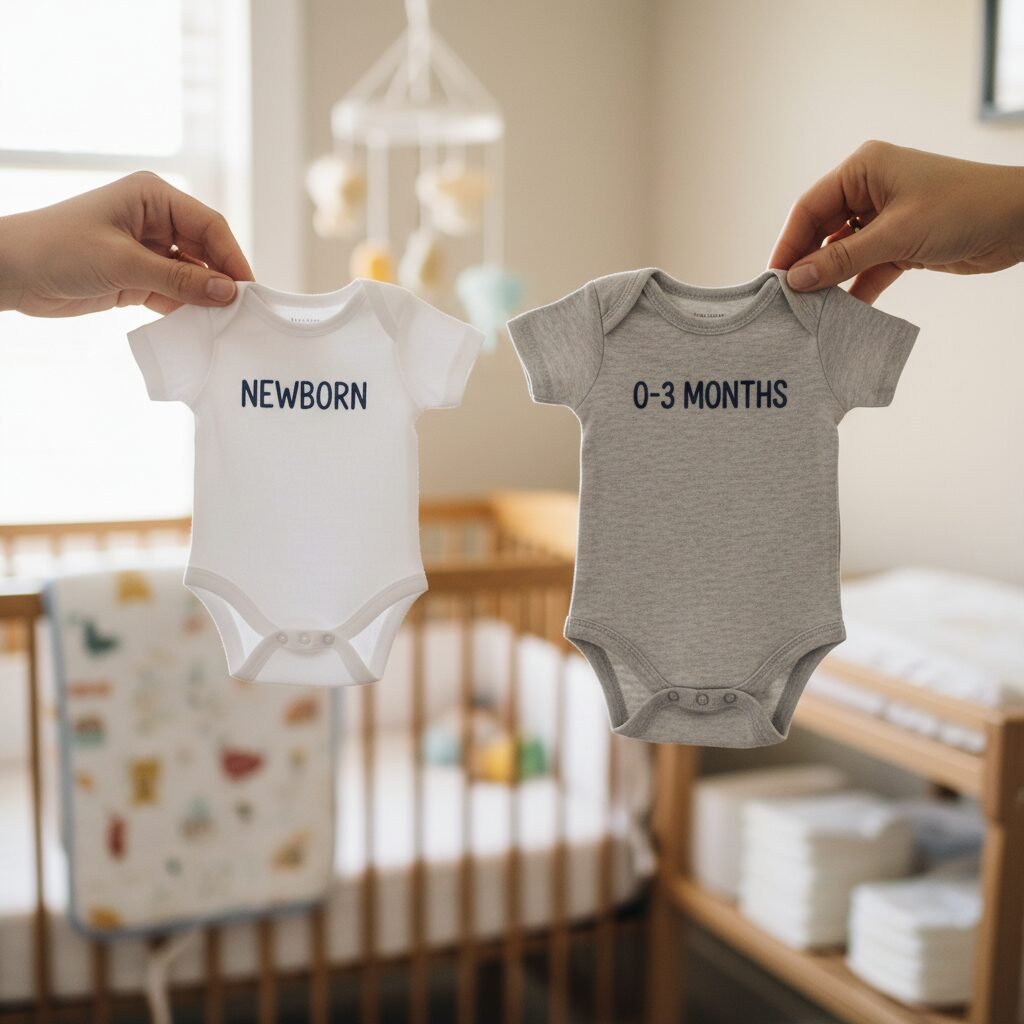
It feels impossible to know what size to buy when your baby isn’t even here yet! And they grow so, so fast. Here are a few strategies to help you buy smart and avoid having a drawer full of clothes that never get worn.
The Sizing Dilemma
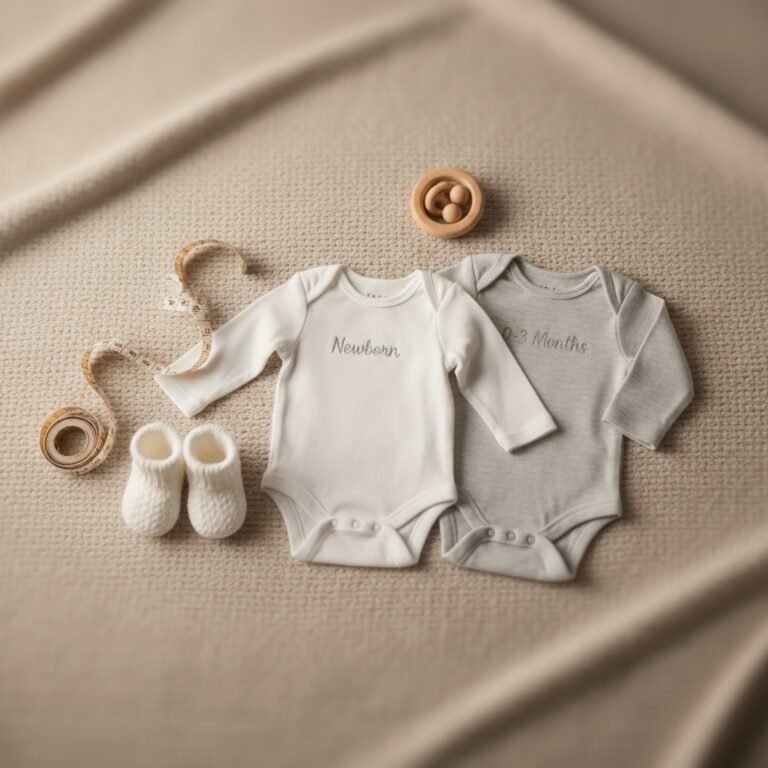
Baby clothing sizes can be inconsistent between brands. A ‘Newborn’ size in one brand might be the same as ‘0-3 Months’ in another. Here’s a general rule of thumb:
- Newborn (NB) Size: This size is typically for babies between 5-8 pounds. Some babies are born bigger than this and skip it entirely! My advice is to have just a handful of items in this size—maybe 3-4 onesies and 3 sleepers. Don’t take the tags off until the baby arrives.
- 0-3 Months Size: This is where you should focus most of your initial purchases. It will fit an average-sized newborn with some room to grow, and for smaller babies, they’ll grow into it within a few weeks. It offers much more longevity than the NB size.
Planning for the Seasons
Think about what the weather will be like during the first three months of your baby’s life.
- Winter Baby? Focus on long-sleeved bodysuits, fleece sleepers, and make sure you have a warm bunting or car seat cover for outings. Wool socks and warm hats are a must.
- Summer Baby? You’ll want more short-sleeved bodysuits. Lightweight cotton or muslin sleepers are perfect. A sun hat is essential for any time spent outdoors.
- Spring/Fall Baby? This is all about layers! A mix of short and long-sleeved bodysuits, pants, and a few light cardigans or jackets will give you the flexibility you need for fluctuating temperatures.
The beauty of a capsule wardrobe is that it’s easy to adapt. As the seasons change or your baby grows, you can simply swap out a few pieces rather than overhauling their entire wardrobe.
Conclusion
See? It’s not so scary! Building a minimalist newborn wardrobe is one of the kindest things you can do for your future self. It frees you from the clutter and constant decision-making, allowing you to pour your energy into bonding with your beautiful new baby. You can rest easy knowing you have everything you truly need: comfortable, practical, and safe clothing to keep your little one cozy.
Remember, more stuff doesn’t equal more love. Your baby needs your presence more than they need a closet full of presents. So embrace the simplicity, enjoy the extra cuddles, and congratulations on this incredible journey. You’ve got this.