

The ‘Milk Neck’ Cure: How to Treat and Prevent Gross Neck Fold Rashes
You’re enjoying a quiet moment, snuggling your precious newborn and breathing in that intoxicating new-baby smell. But then, you catch a whiff of something else… something a bit funky, sour, and cheesy. You gently tilt your baby’s head back and there it is: a red, irritated rash hiding in those adorable, chubby neck folds. Welcome to the club, new parent! You’ve just discovered ‘milk neck.’
Don’t panic! As a pediatric nurse and lactation consultant, I can tell you that this is one of the most common, and thankfully, most treatable issues I see in new babies. It’s not a sign of poor hygiene or bad parenting; it’s simply a side effect of being a delightfully chubby, slightly dribbly baby. This guide is your complete resource for understanding, treating, and preventing that pesky neck gunk, all with a gentle and reassuring approach. Let’s get those sweet neck rolls clean, comfortable, and smelling like a baby again!
What Exactly Is ‘Milk Neck’ and Why Does It Happen?

First things first, let’s demystify this common condition. ‘Milk neck’ isn’t a formal medical term, but it’s the perfect description for what parents see: irritation caused by milk getting trapped in a baby’s neck folds. It’s a form of intertrigo, which is just a fancy word for a rash that occurs in a skin fold.
So, what’s the recipe for this funky rash? It’s a simple combination of three things:
- Chubby Neck Folds: Newborns and young infants have the most adorable, squishy neck rolls. They have short necks and less head control, which means those folds are often pressed together, creating a perfect little pocket.
- Moisture: During feeding (whether breast or bottle), milk often dribbles down your baby’s chin and straight into those neck folds. Add in some spit-up, drool, and even sweat, and you have a constantly damp environment.
- Lack of Airflow: Because the skin is folded over on itself, there’s very little air circulating to dry out the moisture. This warm, damp, dark environment is the ideal breeding ground for irritation and bacteria.
When moisture and friction hang out together in those folds, the delicate skin breaks down, becomes red, and can develop that characteristic sour-milk or cheesy odor. It’s essentially a mild skin irritation caused by trapped moisture, much like diaper rash. It’s incredibly common and, in most cases, very simple to manage at home.
Spotting the Signs: Is It Milk Neck or Something Else?
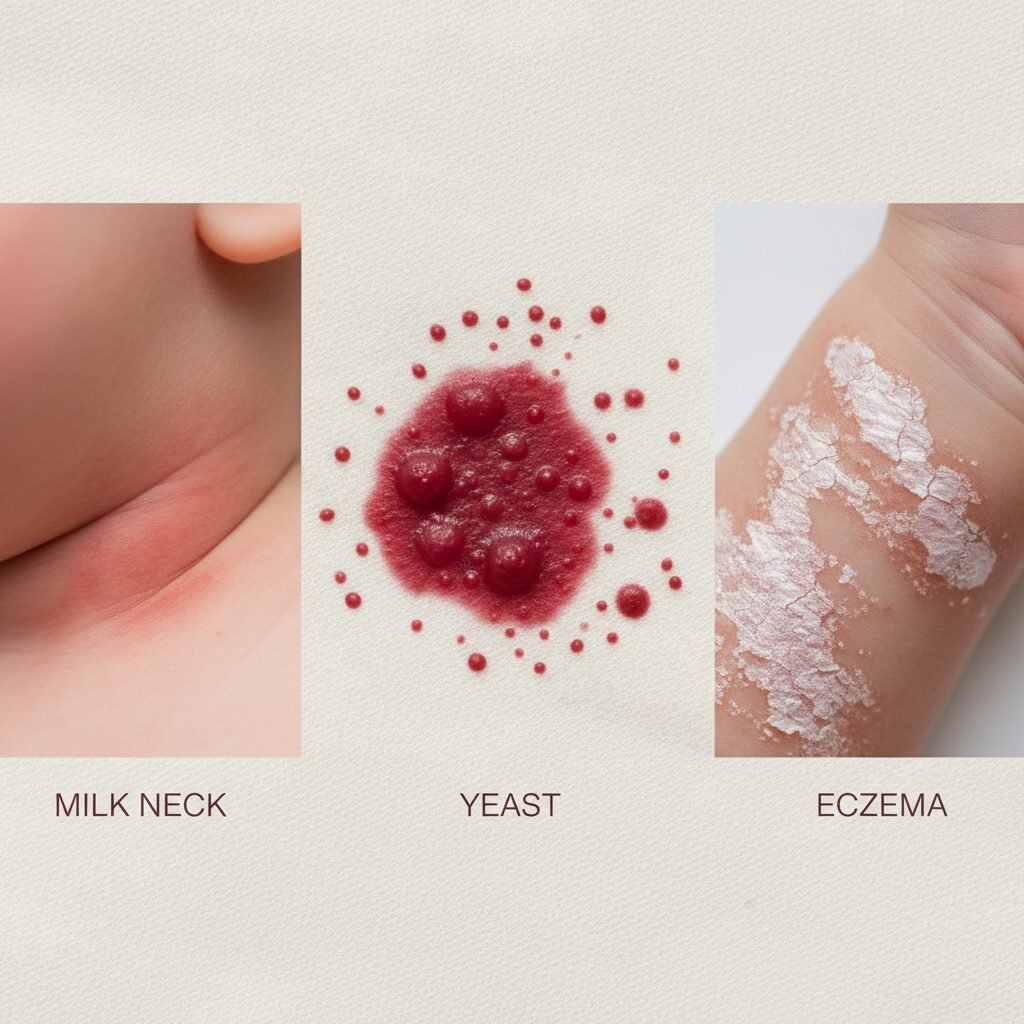
Before you start treatment, it’s important to be sure you’re actually dealing with milk neck. While it’s usually straightforward, a few other skin conditions can look similar. Being able to tell the difference will help you treat it correctly and know when it’s time to call the doctor.
Common Symptoms of Milk Neck:
- Redness: You’ll see pink or red skin specifically within the neck creases. The surrounding skin is usually clear.
- Slightly Raw or Weepy Skin: In more pronounced cases, the skin might look shiny, raw, or a little weepy.
- A Distinct Odor: This is the classic sign! The area often has a sour, cheesy, or yeasty smell due to the trapped moisture and bacteria.
- Discomfort: Your baby might seem bothered when you touch the area or try to clean it.
It’s crucial to differentiate this simple irritation from a yeast infection (candida) or eczema, which require different treatments.
| Condition | Appearance | Location | Key Differentiator |
|---|---|---|---|
| Milk Neck (Intertrigo) | Mild to moderate redness, raw skin contained within the fold. | Primarily in the neck folds, but can occur in armpit or thigh creases. | The classic ‘cheesy’ or sour-milk smell. Clears up quickly with simple cleaning and drying. |
| Yeast Infection (Candida) | Bright, beefy red rash, often with small red bumps or pimples (satellite lesions) spreading outside the main crease. | Starts in the fold but spreads outward. Can also appear in the diaper area. | Doesn’t improve with just cleaning and drying. Often requires an antifungal cream prescribed by a doctor. |
| Eczema (Atopic Dermatitis) | Dry, scaly, flaky patches that can be very itchy. May look less ‘raw’ and more ‘crusted’. | Can appear in neck folds, but also common on cheeks, scalp, and joints (elbows, knees). | Tends to be a chronic condition related to allergies or sensitivities, not just trapped moisture. Often requires special moisturizers. |
A Gentle Reminder: When in doubt, a quick call or visit to your pediatrician is always the best course of action. It’s better to get a clear diagnosis than to try treatments that might not work or could make things worse.
The Gentle ‘Milk Neck’ Cure: Your At-Home Treatment Plan
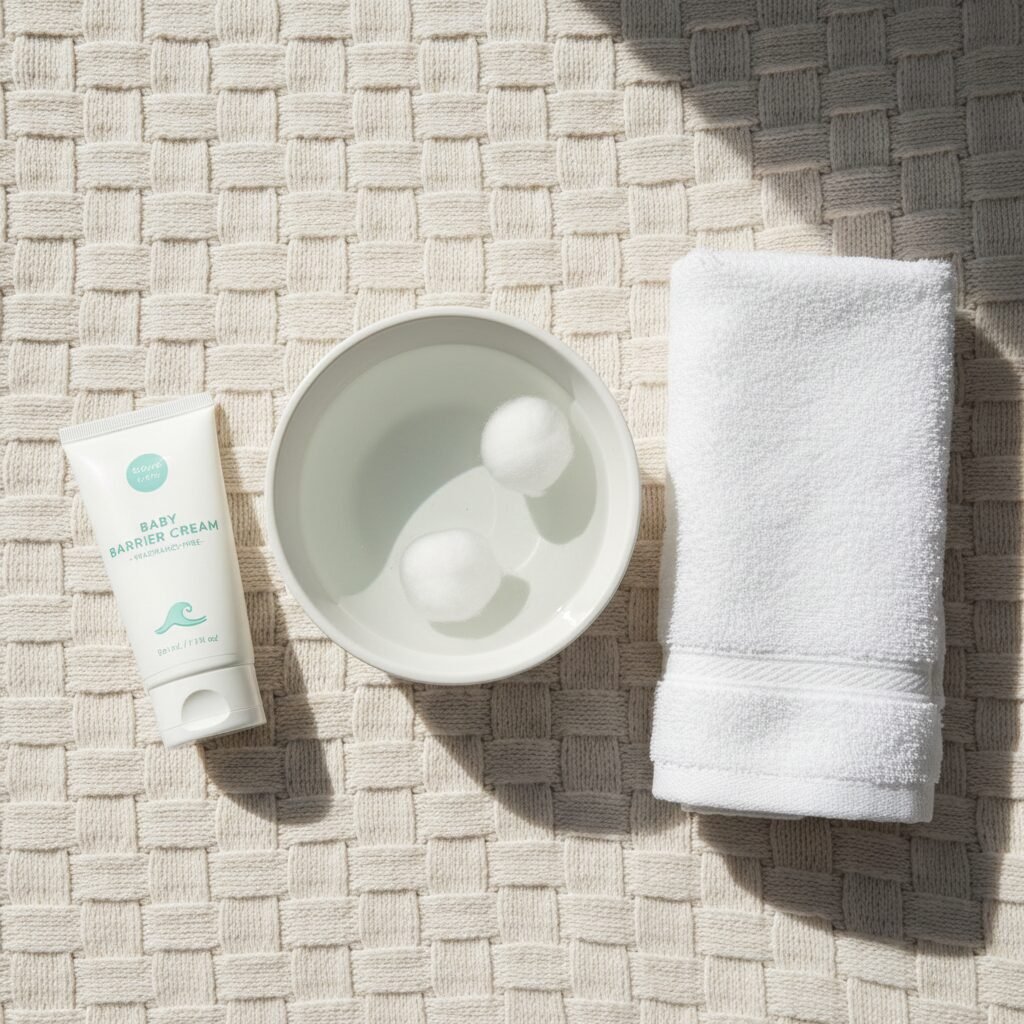
Okay, so you’ve confirmed it’s milk neck. Now for the ‘cure’! The good news is that treatment is all about a simple, consistent routine of cleaning and drying. Your mantra should be: Clean, Dry, and Protect.
Step-by-Step Treatment Guide:
- Gather Your Supplies: You’ll need a soft washcloth (or cotton balls), a bowl of warm water, and a clean, dry, and very soft towel. For now, skip the soap unless the area is very grimy, as soap can be drying.
- Gentle Cleaning: At least twice a day (bathtime and one other time, like midday), lay your baby down comfortably. Gently tilt their head back to expose the neck folds. This can be a two-person job at first! Dip the soft cloth in warm water, wring it out, and very carefully wipe away any gunk or residue from the creases. Be thorough but extremely gentle—no scrubbing!
- Thorough Drying: This is the most critical step! Use a clean, dry towel to pat the area completely dry. Don’t rub, as that can cause more irritation. Make sure you get deep into every fold. You can even use a cool setting on your hairdryer (held at a safe distance) for a few seconds to ensure it’s bone dry.
- Create a Barrier (Optional): Once the area is clean and completely dry, you can apply a very thin layer of a barrier cream. This helps protect the skin from moisture.
Safety First! Avoid using powders like cornstarch or talcum powder. Babies can inhale the fine particles, which can be dangerous for their lungs. Stick to creams or ointments.
What Creams Are Safe to Use?
If you choose to use a barrier, opt for something simple and fragrance-free. A thin layer of a diaper rash cream containing zinc oxide can work well. You can also use a simple petroleum jelly or a natural, lanolin-free nipple cream. The goal is to create a moisture-proof barrier. Always apply a very thin layer—more is not better here!
Prevention Is Key: Keeping Those Neck Folds Clean and Dry

Once you’ve cleared up the existing rash, you’ll want to keep it from coming back. Prevention is all about managing moisture and making neck checks a regular part of your routine. It might sound like a lot, but these small habits will quickly become second nature.
Daily Prevention Strategies:
- Bibs Are Your Best Friend: Use soft, absorbent bibs during every single feeding. A good bib catches the dribbles before they ever reach the neck. Change the bib as soon as it gets damp. A bandana-style bib can be great for catching drool throughout the day, too.
- Post-Feeding Wipe-Down: After every feed, make it a habit to do a quick, gentle wipe of your baby’s chin and neck with a soft, damp cloth, followed by a thorough pat-dry. This five-second task makes a huge difference.
- Master the ‘Tummy Time’ Position: Regular, supervised tummy time is not only great for your baby’s muscle development but also helps air out those neck folds. As they lift their head, the creases naturally open up and get some much-needed air.
- Bathtime Diligence: During bath time, make a special point to clean inside the neck folds. Let your baby recline in the water so their neck naturally extends, making it easier to get in there. And remember our mantra: pat completely dry afterward!
- Choose Breathable Clothing: Opt for clothing with open necklines made from natural, breathable fabrics like cotton. Avoid tight collars or synthetic fabrics that can trap heat and moisture.
By incorporating these simple steps into your daily care, you can effectively keep moisture at bay and prevent milk neck from becoming a recurring problem. It’s all about staying one step ahead of the dribbles!
When to Call the Pediatrician

While most cases of milk neck are easily handled at home, it’s just as important to know the signs that indicate you need professional medical advice. Your intuition as a parent is powerful, so if you feel like something isn’t right, never hesitate to call your doctor. Trust your gut!
Here are some specific red flags that warrant a call to your pediatrician:
- The Rash Is Spreading: If the redness is moving outside of the neck folds and onto the chest, back, or face, it’s time to get it checked out.
- It’s Not Improving: If you’ve been diligent with the ‘Clean and Dry’ routine for 2-3 days and the rash is getting worse instead of better, there might be something else going on, like a yeast or bacterial infection.
- You See Blisters, Pimples, or Pus: Any sign of open sores, yellowish crusting, or pimple-like bumps (especially those ‘satellite’ spots we mentioned) requires a doctor’s evaluation.
- The Skin is Cracked or Bleeding: If the irritation has progressed to the point of breaking the skin, it’s important to have a doctor look at it to prevent infection.
- Your Baby Has a Fever: A rash accompanied by a fever (100.4°F or higher in a newborn) is always a reason to call the doctor immediately.
- Your Baby Seems to be in Pain: If your little one is unusually fussy, crying inconsolably, or seems to be in significant pain when you touch the area, it’s best to seek medical advice.
Remember, your pediatrician is your partner in your baby’s health. They are there to help, not to judge. A quick phone call can provide peace of mind and ensure your baby gets the right treatment if needed.
Conclusion
Navigating the world of newborn care can feel like a series of unexpected challenges, and ‘milk neck’ is definitely one of them. But as you’ve learned, this smelly, red rash is far more common and treatable than it is scary. By sticking to a simple routine of gentle cleaning, thorough drying, and proactive prevention, you can easily manage and prevent it.
Those adorable neck rolls are a temporary and precious part of babyhood. Give them the little bit of extra attention they need, and don’t forget to give yourself grace. You are doing an amazing job learning your baby’s needs. So take a deep breath, tackle those neck folds with confidence, and get back to enjoying all the sweet, non-cheesy-smelling snuggles.