

The ‘I Love You’ Massage Technique for Instant Infant Gas Relief
Hey there, new parent. I see you. It’s 2 AM, the house is quiet, but your little one is anything but. That heart-wrenching cry, the tiny legs scrunching up, the tense little body… it’s the unmistakable sign of infant gas. It can make you feel so helpless, right? You’d do anything to take their discomfort away. Well, what if I told you that you have a superpower right in your own two hands? My name is [Your Name], and as a pediatric nurse and lactation consultant, I’ve shared this one trick with thousands of exhausted parents, and it works like magic. It’s called the ‘I Love You’ massage. It’s more than just a technique; it’s a conversation with your baby’s body, a way to provide instant relief, and a beautiful way to deepen your bond. Let’s walk through this simple, loving method together, so you can turn those gassy cries into peaceful sighs.
Why Is My Baby So Gassy? Understanding Your Little One’s Tummy
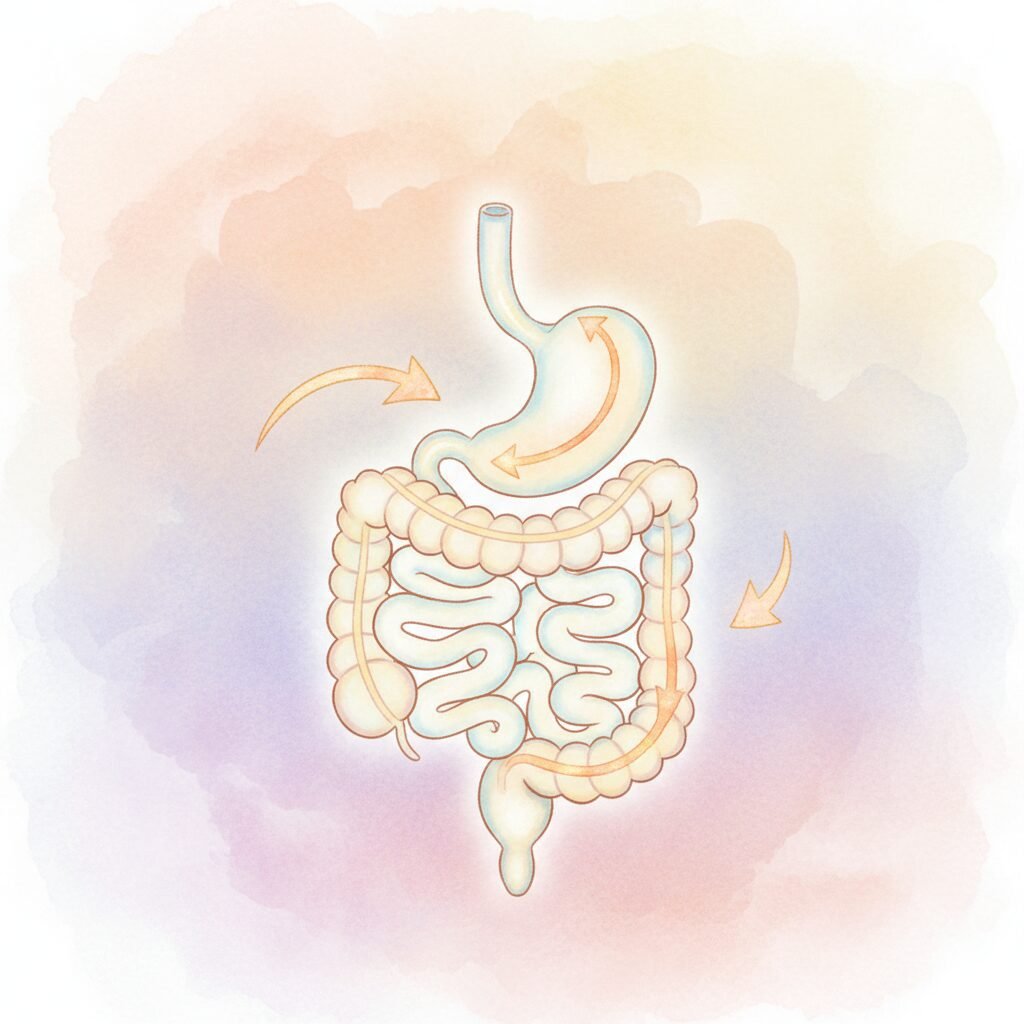
Before we learn the ‘how,’ let’s quickly touch on the ‘why.’ It can be reassuring to know that having a gassy baby is incredibly common and usually not a sign that you’re doing anything wrong. Their tiny digestive systems are brand new and still learning how to work efficiently. Here are a few common culprits behind those tummy bubbles:
- Immature Digestive System: Your baby’s intestines are still developing the coordinated muscle contractions needed to move food and gas along smoothly. Sometimes, things just get a little ‘stuck.’
- Swallowing Air: This is a big one! Babies can swallow a surprising amount of air during feeding, whether from the breast or a bottle. A frantic latch, a fast milk flow, or even crying can cause them to gulp down air, which then gets trapped in their belly.
- Digestion: The very process of breaking down lactose (the sugar in breast milk and formula) naturally produces gas. For some babies, this process is just a bit more, well, bubbly.
Understanding these reasons can help you feel less stressed and more empowered. Your baby isn’t in pain because of something you did; their body is just figuring things out, and you’re here to help them along. The ‘I Love You’ massage is a perfect tool for this, as it physically helps move that trapped air and stool through the intestines in the right direction.
Creating a Calm Oasis: Setting the Scene for a Soothing Massage

The magic of this massage isn’t just in the strokes; it’s in the atmosphere you create. A calm baby (and a calm you!) will get the most benefit. Rushing through it when your baby is screaming their lungs out might not be effective. Think of this as a special ritual for you and your little one.
When is the best time?
Timing is key. Avoid doing this massage immediately after a feed. A full belly is not a happy belly to have pushed on. The ideal window is about 30-45 minutes after a feeding or right before their next one when they are calm but not yet ‘hangry.’ A great time to incorporate it is as part of your daily routine, like after a bath or during a diaper change.
What you’ll need:
- A comfortable surface: Lay your baby on their back on a soft but firm surface, like a changing pad on the floor or a blanket on your bed.
- A warm room: Babies get cold easily, especially with their tummy exposed. Make sure the room is a comfortable temperature.
- Massage Oil (Optional but recommended): Using a small amount of baby-safe, edible oil (like coconut or sunflower oil) can help your hands glide smoothly and prevent skin irritation. Always do a small patch test on your baby’s skin first to check for any reaction.
Before you begin, take a few deep breaths yourself. Your baby can sense your energy. Rub the oil between your hands to warm it up, make eye contact with your baby, and smile. Tell them, in a soft voice, ‘I’m going to help your tummy feel better.’ This loving intention sets the stage for success.
The ‘I Love You’ Massage: A Step-by-Step Guide

Alright, it’s time for the main event! Remember, we are tracing the path of your baby’s colon to help move gas along. From your perspective, looking down at your baby, you will be tracing the letters on their tummy. The strokes should be firm enough to engage their belly, but always gentle. Pay close attention to your baby’s cues; if they seem uncomfortable, stop and give them a cuddle.
-
The ‘I’ Stroke
Start on your baby’s left side (your right). Place your flattened fingers at the base of their rib cage and gently stroke straight down to the top of their hip. This is the ‘I.’ This stroke moves waste and gas down the final part of the colon. Repeat this motion 6-8 times, softly saying ‘I…’ with each stroke.
-
The ‘L’ Stroke
Now for the ‘L.’ This is a two-part motion. Start on your baby’s right side (your left) at their rib cage. Stroke your hand across their belly, from right to left, just above their belly button. Then, without lifting your hand, continue down their left side to their hip. This traces an upside-down ‘L’ on their tummy. Repeat 6-8 times, saying ‘love…’ with each full motion. This stroke moves everything across and down.
-
The ‘U’ Stroke
Finally, the ‘U.’ This is the big one that covers the entire path. Start down on your baby’s right side (your left) near their hip. Gently stroke up towards their ribs, then across their tummy above the belly button, and finally down their left side to their hip. This traces a large, upside-down ‘U’ on their tummy. Repeat this 6-8 times, saying ‘you…’ with each full sweep.
After completing a few rounds of ‘I,’ ‘L,’ and ‘U,’ you can bring your baby’s knees gently up to their chest and hold for about 30 seconds, then release. This ‘potty pose’ can help release any gas you’ve just moved along. You might be surprised by an audible ‘toot’ or two—the sweet sound of success!
More Gentle Gas-Busting Techniques to Try

The ‘I Love You’ massage is fantastic, but it’s always good to have a few more tricks up your sleeve! Gas relief is often about combining a few different approaches to see what works best for your baby on any given day. Here are some other parent-tested, nurse-approved methods:
| Technique | How It Works | Best Time to Use |
|---|---|---|
| Bicycle Legs | Gently moving your baby’s legs in a bicycling motion helps to manually compress the abdomen and stimulate the intestines, pushing gas out. | During a diaper change or playtime when they are on their back and happy. |
| Tummy Time | Supervised tummy time puts gentle pressure on the belly, which can help relieve gas. It also strengthens neck and core muscles! | When your baby is awake and alert, for short periods (2-3 minutes) several times a day. Never when sleepy. |
| Expert Burping | Ensuring you get a good burp after each feeding (and even during, if needed) prevents air from ever getting trapped in the first place. Try different positions like over-the-shoulder or sitting up on your lap. | Immediately after and sometimes during feedings. |
| The ‘Colic Carry’ | Also known as the ‘football hold.’ Lay your baby tummy-down along your forearm, with their head supported in your hand. The pressure on their belly is soothing and can help release gas. | When your baby is fussy and needs both comfort and gas relief. Great for walking around the house. |
A Quick Note on Gripe Water & Gas Drops: Many parents ask about over-the-counter remedies. While some find them helpful, the evidence is mixed. Always, always check with your pediatrician before giving your baby any supplements or medications, even if they are labeled as ‘natural.’
When to Call the Doctor: Recognizing Red Flags

As a healthcare professional, my most important job is to help you know when a situation is normal and when it’s time to seek professional advice. While standard gassiness and fussiness are a rite of passage for most newborns, certain symptoms can indicate something more serious is going on. Your intuition as a parent is powerful, so trust it. If you feel like something is wrong, it is never a bother to call your pediatrician’s office.
Please reach out to your doctor if your baby’s gassiness is accompanied by any of the following:
- Fever: A rectal temperature of 100.4°F (38°C) or higher in a newborn is always a reason to call the doctor immediately.
- Changes in Stool: Any signs of blood, mucus, or stools that are hard pellets (constipation) or watery (diarrhea).
- Vomiting: We’re not talking about a little spit-up. If your baby is forcefully (projectile) vomiting, or if the vomit is green or yellow, it’s time to call.
- Extreme Irritability: Crying that is inconsolable for hours on end and seems different from their usual fussy cry.
- Poor Weight Gain: If your baby isn’t gaining weight appropriately, it could signal that digestive issues are interfering with their nutrition.
- Refusal to Feed: Pushing away the breast or bottle consistently and seeming to be in pain when trying to eat.
Safety First: Trust your gut. You know your baby best. A quick phone call can provide immense peace of mind or get your baby the help they need. Don’t hesitate to make that call.
Conclusion
Navigating the challenges of a new baby can feel overwhelming, especially when they’re uncomfortable. But you are not helpless. Techniques like the ‘I Love You’ massage are about so much more than just pushing out a few gas bubbles. They are about connection. They are about you, the parent, being the source of comfort and relief for your child. It’s a tangible way to say, ‘I’m here, I hear you, and I will help you.’ Every gentle stroke, every soothing word, builds a foundation of trust and love that will last a lifetime. So next time you hear that familiar gassy cry, take a deep breath, warm your hands, and remember the power you have to soothe your baby. You’ve got this.