
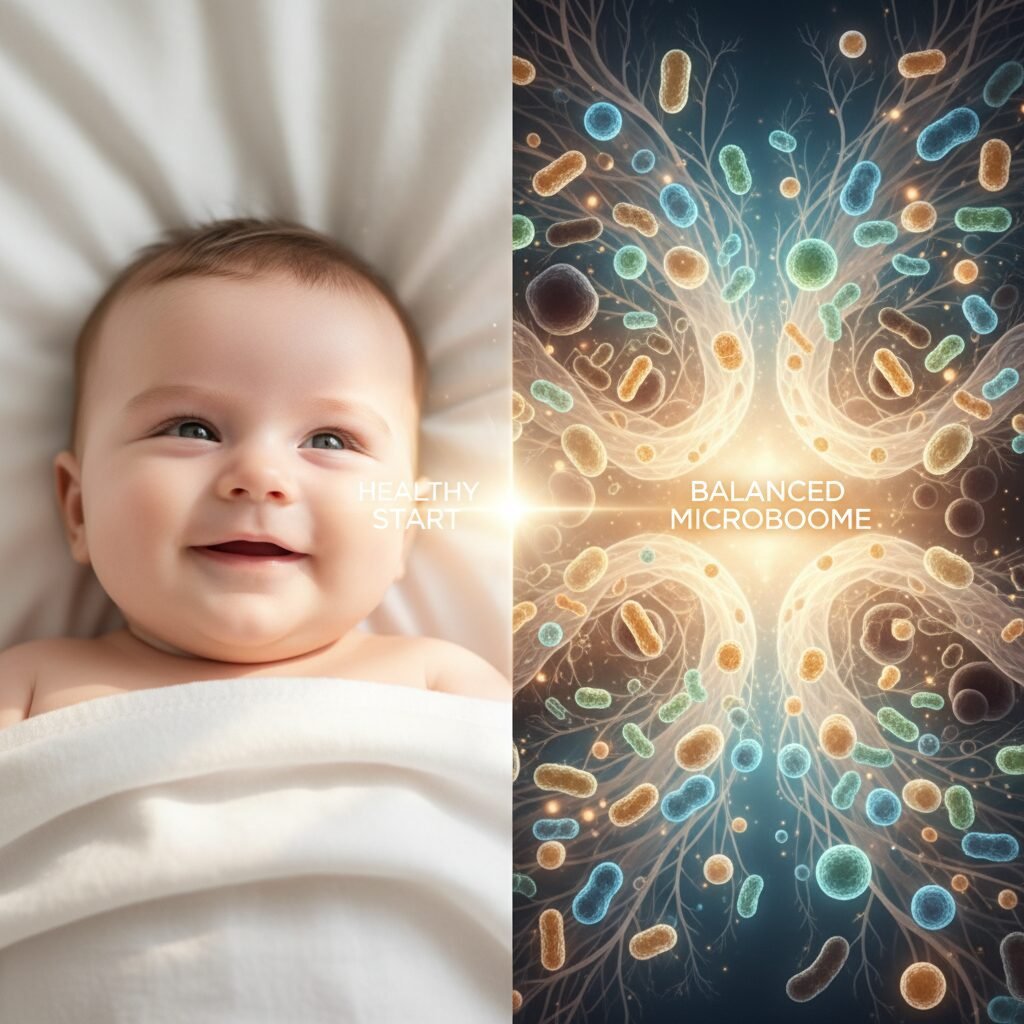
The Gut-Skin Connection: Can Probiotics Finally Cure Baby Eczema?
Seeing your precious little one struggle with the constant itch and discomfort of eczema is one of the toughest things a new parent can go through. You’ve tried every cream, lotion, and gentle soap on the shelf, and yet those angry red patches persist. It can feel frustrating, isolating, and downright heartbreaking. But what if I told you that the secret to soothing your baby’s skin might not be found in a topical cream, but deep within their tiny tummy?
Hello, I’m a pediatric nurse and lactation consultant, and I’ve spent decades helping families navigate these very challenges. Over the years, a fascinating new area of science has emerged that’s changing how we think about conditions like eczema: the gut-skin connection. It’s the idea that a healthy, balanced gut can lead to healthy, calm skin. And at the heart of this connection are tiny helpers called probiotics.
In this guide, we’re going to walk through this topic together, friend to friend. We’ll break down the science in a simple, easy-to-understand way, explore what the research says about probiotics for baby eczema, and give you the practical, evidence-based information you need to feel empowered. Let’s dive in and explore this promising path to relief for your baby.
Decoding Baby Eczema: More Than Just a Rash

What Exactly Is Baby Eczema?
Before we talk solutions, let’s get on the same page about what we’re dealing with. The official term for baby eczema is usually atopic dermatitis. It’s an inflammatory skin condition that causes the skin’s barrier to become weak and ‘leaky.’ Think of your skin as a brick wall that keeps moisture in and irritants out. With eczema, there are gaps in the mortar, allowing moisture to escape (leading to dryness) and allergens or irritants to get in (leading to inflammation and itching).
You’ll typically see it as:
- Dry, scaly patches of skin
- Red, inflamed areas
- Intense itching, which can make your baby fussy and disrupt sleep
- In infants, it often appears on the cheeks, forehead, scalp, and the outside of their arms and legs.
Please hear this: Eczema is incredibly common in babies, affecting as many as 1 in 5 infants. It is not a reflection of your parenting or the cleanliness of your home. It’s a complex condition with strong genetic links.
For years, we’ve focused on external triggers—things like harsh soaps, scratchy fabrics, and certain food allergens. And while these are absolutely important pieces of the puzzle, they don’t tell the whole story. To get a fuller picture, we need to look inside.
Your Baby’s Tummy: The Secret Command Center for Skin Health
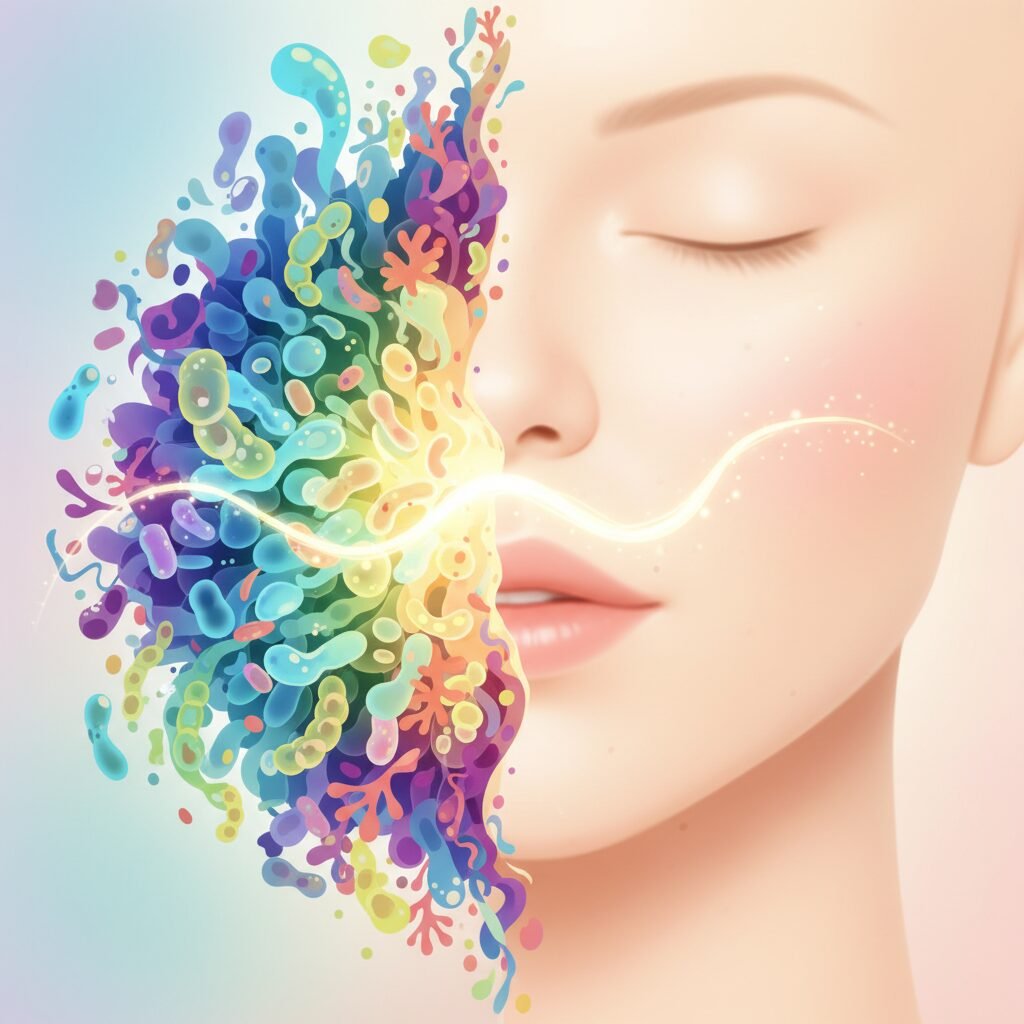
The Gut-Skin Axis: A Superhighway of Communication
Imagine your baby’s gut as a bustling, vibrant garden. This garden is home to trillions of microorganisms—bacteria, fungi, and viruses—collectively known as the gut microbiome. When this garden is in balance, with lots of diverse, ‘friendly’ plants (good bacteria), it helps with everything from digesting milk to building a strong immune system.
A baby’s microbiome starts developing the moment they’re born, influenced by delivery method (vaginal vs. C-section), their diet (breast milk vs. formula), and their environment. This early period is a critical window for establishing a healthy foundation.
So, how does this tummy garden affect the skin? Through something called the gut-skin axis. It’s a constant, two-way communication system between the gut and the skin. When the gut microbiome is out of balance (a state called dysbiosis), it can send out inflammatory signals that travel through the bloodstream. These signals can trigger or worsen inflammation elsewhere in the body—including the skin, showing up as an eczema flare-up.
Essentially, an unhappy gut can lead to unhappy skin. This is why scientists and doctors are now so interested in strategies that support a healthy gut microbiome from the very beginning.
Probiotics to the Rescue? The Evidence on Calming Angry Skin
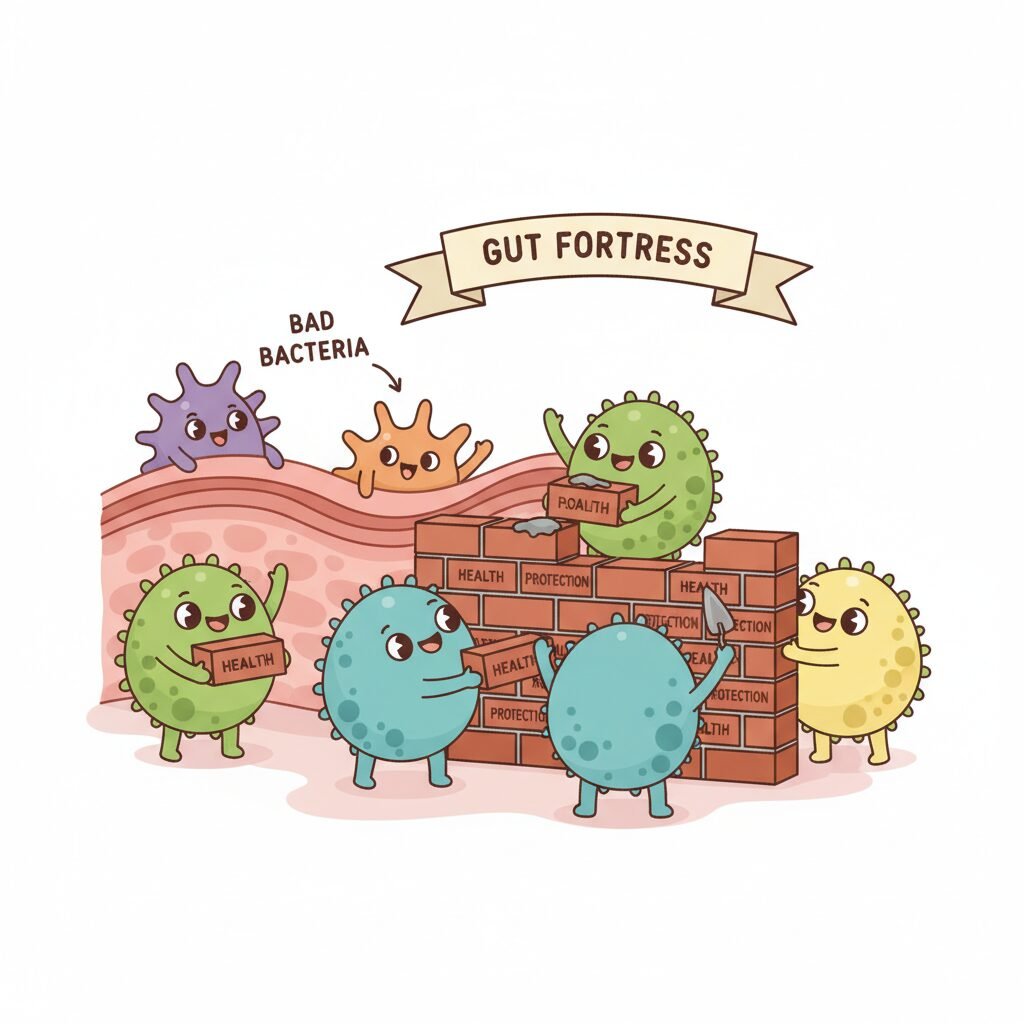
What the Science Says About Probiotics and Eczema
This is the million-dollar question, isn’t it? Can giving your baby these ‘good bacteria’ actually make a difference? Let’s look at the evidence.
Probiotics are live microorganisms that, when you take enough of them, provide a health benefit. For eczema, the theory is that they work in a few key ways:
- They strengthen the gut wall: Probiotics help patch up the ‘mortar’ in the gut lining, making it less leaky and preventing inflammatory substances from escaping into the bloodstream.
- They balance the immune system: A healthy microbiome helps train the immune system not to overreact to harmless things, which is a core problem in allergic conditions like eczema.
- They crowd out ‘bad’ bacteria: By taking up space and resources, good bacteria make it harder for inflammation-causing microbes to thrive.
Several studies have explored this, with some promising results. Research has often focused on specific strains, most notably Lactobacillus rhamnosus GG (LGG) and various species of Bifidobacterium. Some studies suggest that giving these probiotics to mothers during late pregnancy and to their babies in the first few months of life may help prevent the development of eczema, especially in high-risk families.
The evidence for treating existing eczema is a bit more mixed. Some children see significant improvement, while others see little to no change. It seems to depend on the specific probiotic strain used, the dosage, and the individual child’s unique microbiome.
The bottom line from the research community is this: Probiotics are a safe and promising area of study for eczema management, but they aren’t a guaranteed ‘cure.’ Think of them as one potential tool in your toolkit, not a magic wand.
Navigating the Probiotic Aisle: A Parent’s Practical Guide

How to Choose and Use Probiotics Safely
If you and your pediatrician decide that trying probiotics is a good next step, the supplement aisle can feel overwhelming. Here’s how to navigate it.
Step 1: Talk to Your Doctor First!
This is the most important step. Always, always consult your pediatrician or a pediatric allergist before giving your baby any new supplement, including probiotics. They can help you determine if it’s appropriate for your child, recommend specific strains, and ensure you’re using a safe dosage.
Step 2: Know What to Look For
- Strain Specificity: Don’t just look for ‘probiotic.’ Look for the specific strains that have been studied for eczema, like Lactobacillus rhamnosus GG or Bifidobacterium lactis. The label should clearly state the full strain name.
- CFU Count: CFU stands for ‘Colony-Forming Units,’ which is the measure of live microbes. Dosages for infants in studies typically range from 3 to 10 billion CFUs per day, but your doctor will guide you on this.
- Formulation: For babies, probiotics most often come in liquid drops or a powder that can be mixed into a bottle.
Step 3: How to Administer Probiotics
Giving probiotics is usually simple. You can add the powder or drops to a bottle of cool or lukewarm expressed breast milk or formula. Never add it to hot liquid, as this can kill the live bacteria. For breastfed babies, you can also place the drops directly on your nipple just before a feeding or put them on a clean finger for your baby to suck off.
| Probiotic Form | Best For | How to Use |
|---|---|---|
| Liquid Drops | Breastfed and bottle-fed infants | Place on nipple, pacifier, or mix into a lukewarm bottle. Very easy to dose. |
| Powder Sachets | Bottle-fed infants or babies eating solids | Mix into a lukewarm bottle or stir into cool foods like yogurt or applesauce. |
Creating a Comfort Plan: More Ways to Soothe Your Baby’s Skin
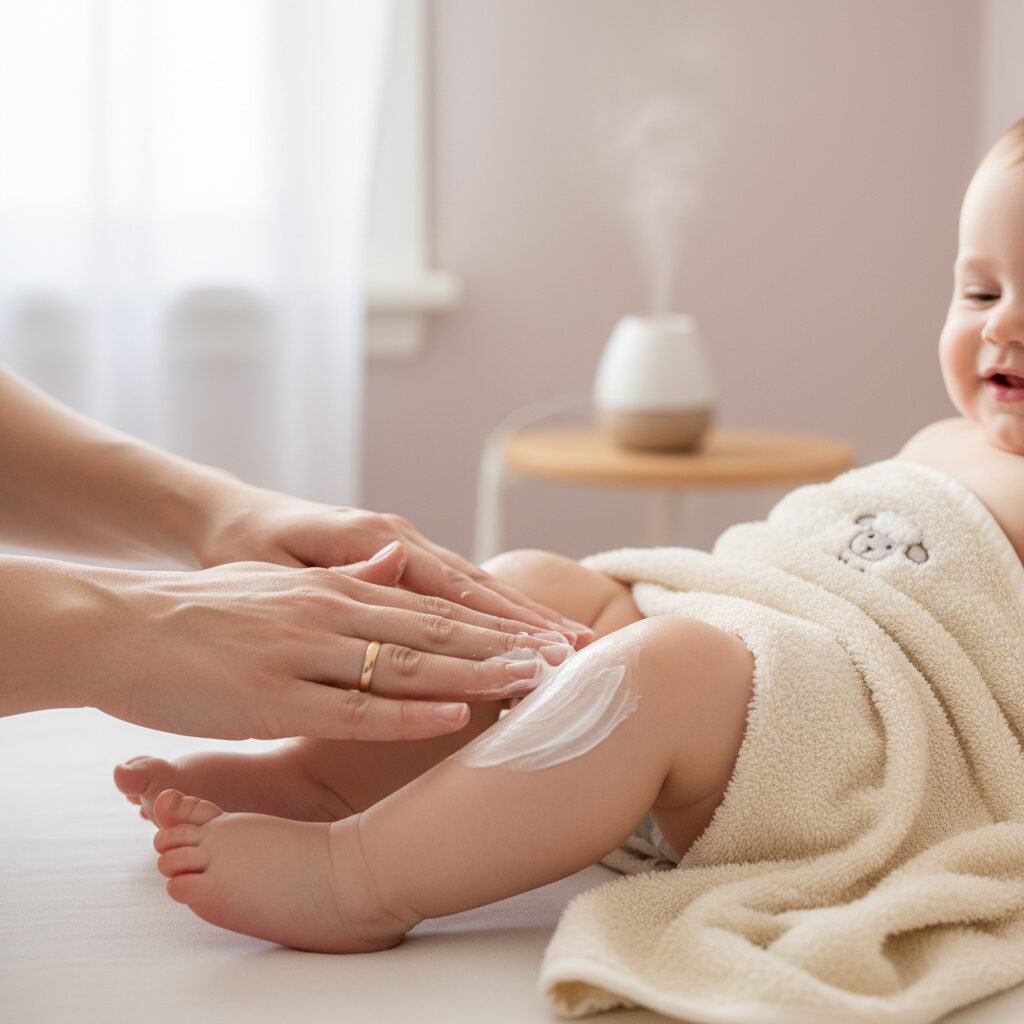
Beyond Probiotics: A Holistic Approach to Eczema Care
Remember, probiotics are just one part of a comprehensive eczema management plan. True relief often comes from combining several strategies to keep your baby’s skin calm, hydrated, and protected. Think of it as building a fortress of comfort around your little one.
The Cornerstones of Eczema Care:
- Moisturize, Moisturize, Moisturize: This is non-negotiable. Use a thick, fragrance-free cream or ointment (not a thin lotion) and apply it liberally all over your baby’s body at least twice a day, especially right after a bath.
- Practice the ‘Soak and Seal’: Give your baby a short (5-10 minute) bath in lukewarm water with a gentle, soap-free cleanser. Immediately after, pat them gently dry with a soft towel, leaving the skin slightly damp. Then, within 3 minutes, ‘seal’ in that moisture by applying their thick moisturizer.
- Choose Soft Fabrics: Dress your baby in soft, breathable fabrics like 100% cotton. Avoid wool and synthetic fabrics that can be scratchy and trap heat.
- Keep Nails Short: Trim your baby’s fingernails regularly to minimize skin damage from scratching. Baby mittens can also be a lifesaver, especially at night.
- Identify Triggers: Pay attention to what might be causing flare-ups. Common culprits include laundry detergents with fragrance, pet dander, dust mites, and sometimes, food allergens. Work with your doctor if you suspect a food allergy.
Combining these external skincare strategies with internal gut support from probiotics can create a powerful, multi-pronged approach to managing your baby’s eczema and bringing them lasting comfort.
Conclusion
Navigating the world of baby eczema can feel like a lonely and difficult journey. But I hope you now feel a renewed sense of hope and empowerment. The link between your baby’s gut health and their skin is a powerful one, and supporting their microbiome with tools like probiotics is a gentle, promising strategy that is gaining more and more scientific support.
Remember to view probiotics as one helpful player on a larger team. Combine this internal approach with consistent, gentle skincare, and most importantly, always partner with your child’s healthcare provider. You are your baby’s best advocate. Trust your instincts, be patient with the process, and know that by seeking out this information, you are already doing an amazing job. Relief is possible, and you’re on the right path to finding it.