

The Exact Newborn Sleep Schedule That Saved My Sanity (Week-by-Week Guide)
Hey there, new parent. Take a deep breath. I see you. I see the coffee you reheated three times, the spit-up on your shoulder you haven’t had a chance to change, and the overwhelming mix of love and exhaustion in your eyes. My name is Sarah, and as a pediatric nurse and lactation consultant for over 20 years, I’ve sat with thousands of parents just like you. The number one thing they ask me about? Sleep.
Forget rigid, cry-it-out schedules. The newborn phase isn’t about forcing a routine; it’s about understanding your baby’s biological needs and gently guiding them toward a predictable rhythm. This isn’t a magic wand, but it is a roadmap. It’s the week-by-week guide that has helped countless families (and me!) find pockets of peace and predictability in the beautiful chaos of the first three months. Let’s walk this path together and find the sanity-saving schedule that works for your family.
Understanding Your Newborn’s Sleep: The ‘Why’ Behind the Waking
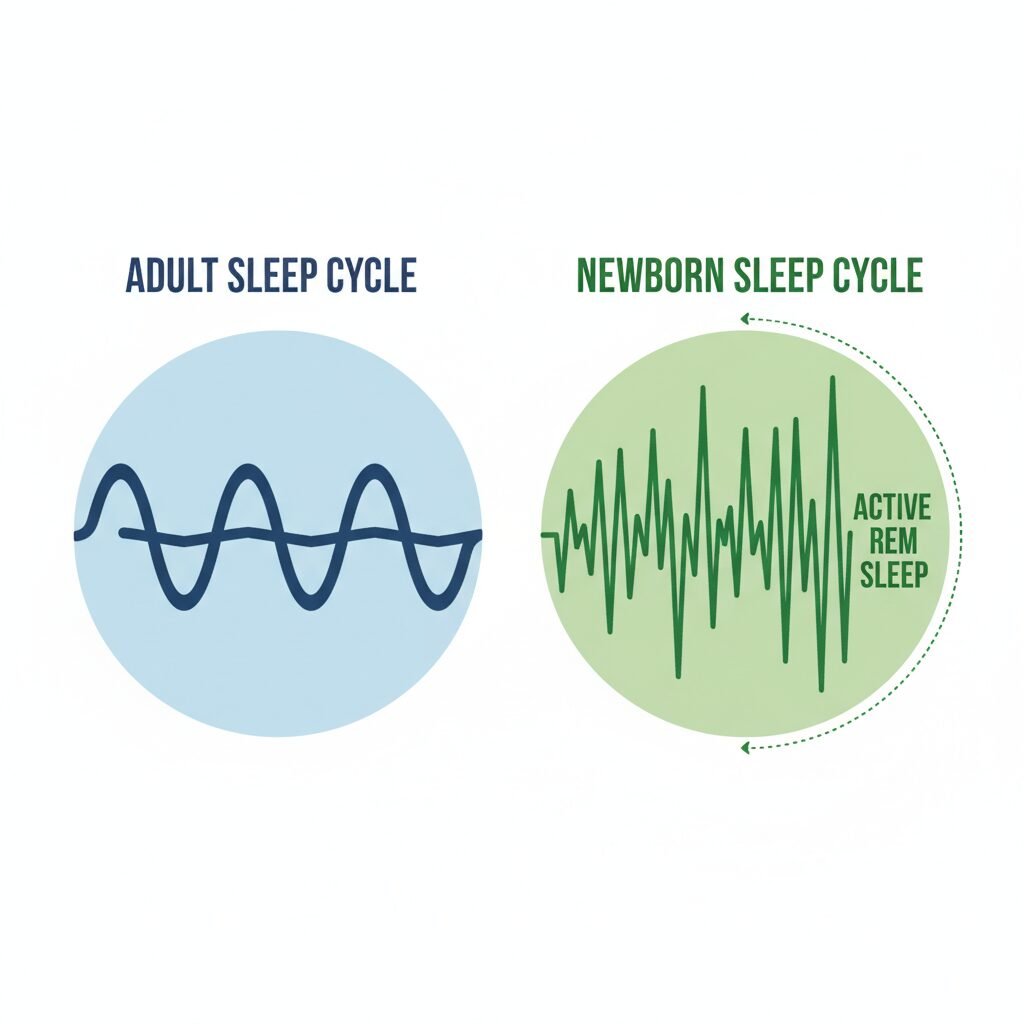
Before we dive into the weeks, let’s cover the basics. Knowing why your baby sleeps the way they do is the first step to improving it.
Newborn Sleep is… Different
Unlike adults, newborns have very short sleep cycles, lasting only about 45-60 minutes. They also spend about half their sleep time in REM (Rapid Eye Movement) sleep, which is a much lighter, more active state. This is why you might see them twitch, smile, or grunt in their sleep! This design is brilliant for survival—it allows them to wake easily if they are hungry, cold, or need comfort.
Day & Night Confusion is Real
Your baby just spent nine months in a dark, cozy womb where day and night didn’t exist. It can take several weeks for their internal clock (circadian rhythm) to sync up with the outside world. Our job is to gently teach them the difference.
The Magic of Wake Windows
A ‘wake window’ is simply the amount of time your baby can comfortably stay awake between naps. In the beginning, this is an incredibly short period. An overtired baby is a wired baby, making it much harder for them to fall and stay asleep. Watching the clock for these windows is more important than trying to stick to a rigid nap time.
A Critical Safety Note: Always place your baby on their back to sleep, in a bare crib, bassinet, or play yard with a firm mattress and a fitted sheet. Remove all blankets, pillows, bumpers, and soft toys. This is the ABC of Safe Sleep: Alone on their Back in a Crib.
Weeks 1-2: The ‘Fourth Trimester’ Fog & Survival Mode

Welcome to the deep end! These first two weeks are all about survival, healing, and bonding. There is no schedule. Let me repeat: there is no schedule.
Your only goals right now are to feed the baby, sleep when you can, and snuggle as much as possible. Your newborn’s stomach is tiny, the size of a cherry, so they need to eat frequently—typically every 1.5 to 3 hours, around the clock. Their wake windows are only about 30-45 minutes. Often, by the time a feeding and diaper change are done, it’s already time for them to go back to sleep!
What to Focus On:
- Feed on Demand: Watch for hunger cues like rooting, lip smacking, and bringing hands to their mouth. Don’t wait for crying!
- Day/Night Differentiation: During the day, keep lights on, make normal household noise, and interact with your baby during wake times. At night, keep the lights dim, interactions minimal and quiet, and only change the diaper if necessary.
- Master the Swaddle: A snug swaddle can help mimic the womb and calm the Moro (startle) reflex that often wakes babies up.
A ‘Typical’ 24 Hours (Don’t Live By This!)
| Time | Activity | Notes |
|---|---|---|
| 7:00 AM | Wake & Feed | Start the day with light and a full feeding. |
| 7:45 AM | Nap | Yes, they’re asleep again already! |
| 9:30 AM | Wake & Feed | Diaper change, feed, maybe a little ‘tummy time’ on your chest. |
| 10:15 AM | Nap | And back to sleep. See the pattern? |
| 12:00 PM | Wake & Feed | This cycle repeats all day. |
| … | Repeat Cycle | Expect 8-12+ feedings in 24 hours. |
| 10:00 PM | Feed & ‘Bedtime’ | Start quieting the house down. Dim lights. |
| 11:30 PM | Wake & Feed | Likely first night waking. |
| 2:00 AM | Wake & Feed | Keep it dark, quiet, and boring. |
| 4:30 AM | Wake & Feed | Almost there! |
Weeks 3-6: Gentle Rhythms and Spotting Sleep Cues

You’re starting to get the hang of this! Around this time, you might notice the fog lifting slightly and the first glimmers of a pattern emerging.
Your baby is becoming more aware of their surroundings, and their wake windows are stretching a bit, now closer to 45-60 minutes. This is the perfect time to introduce a very simple, calming bedtime routine. Consistency is key here. It doesn’t need to be long or complicated; a 15-20 minute routine signals to your baby that sleep is coming.
Building a Bedtime Routine:
- A Warm Bath: Not every night, but it can be a wonderfully relaxing cue.
- Baby Massage: A gentle lotion massage can be calming and great for bonding.
- Pajamas & Swaddle: Get them cozy and secure for the night.
- A Full Feeding: Offer a good, full feeding in a dim, quiet room.
- A Song or Story: Your voice is the most soothing sound to them.
Spotting Sleepy Cues
Learning your baby’s unique ‘I’m tired’ signals is a superpower. Get them down for a nap at the first sign of sleepiness, before they become overtired. Look for:
- Yawning (the most obvious one!)
- Staring off into space (the ‘thousand-yard stare’)
- Rubbing eyes or ears
- Redness around the eyebrows
- Becoming fussy or less engaged
| Age | Wake Window | Total Sleep | Naps |
|---|---|---|---|
| Weeks 3-4 | 45-60 minutes | 15-17 hours | Variable, short naps are common. |
| Weeks 5-6 | 60-75 minutes | 15-16 hours | Naps may start to consolidate slightly. |
Weeks 7-9: The Magic of Longer Stretches (Hello, 4-Hour Sleep!)
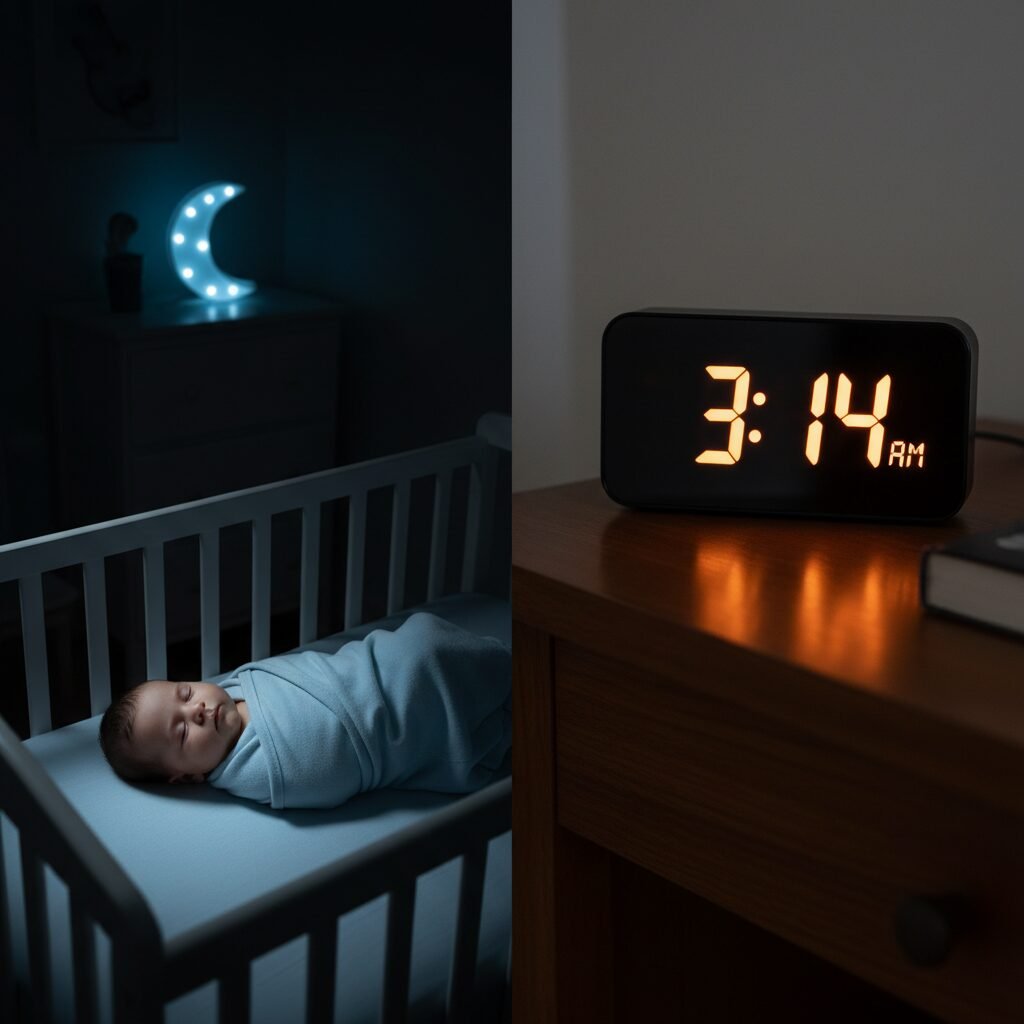
Hold onto your hats, because this is often when the magic starts to happen. Many babies, though not all, will start giving you one longer stretch of sleep at night.
A four or even five-hour stretch can feel like a full eight hours to an exhausted parent! This is a sign that their circadian rhythm is maturing. Their wake windows are now expanding to a more manageable 60-90 minutes. You might even be able to get a few things done while they’re awake!
How to Encourage Longer Night Stretches:
- Be Consistent: Your simple bedtime routine is more important than ever. It’s the anchor of their day.
- Tank Them Up: Consider a ‘dream feed’ right before you go to bed. Gently rouse your baby (without fully waking them) to offer one more feeding around 10 or 11 PM. This can sometimes top them off and get you that longer stretch.
- Manage Daytime Sleep: While you should never wake a sleeping baby (usually!), you might want to consider capping any single nap at 2-2.5 hours. This helps ensure they’re getting enough calories during the day and saving their long sleep for nighttime.
Remember, growth spurts and developmental leaps can temporarily throw sleep for a loop. If your baby suddenly starts waking more frequently, it’s likely temporary. Stay consistent, offer extra feeds and cuddles, and they’ll get back on track.
Weeks 10-12: Towards a Predictable Schedule and Your Sanity

You’ve made it to the three-month mark! By now, things should be feeling much more predictable. You’re not just surviving; you’re starting to thrive.
Your baby’s day/night confusion is likely gone, and a more distinct pattern of 3-4 naps per day is emerging. Wake windows are around 75-100 minutes. You can probably anticipate when your baby will be hungry and when they’ll be tired. This is the rhythm you’ve been working so hard to establish!
A Sample Schedule for a 12-Week-Old:
| Time | Activity |
|---|---|
| 7:00 AM | Wake, Feed, Play |
| 8:30 AM | Nap 1 (often 1.5-2 hours) |
| 10:30 AM | Wake, Feed, Play |
| 12:00 PM | Nap 2 (often 1-1.5 hours) |
| 1:30 PM | Wake, Feed, Play |
| 3:00 PM | Nap 3 (Catnap, often 30-45 mins) |
| 3:45 PM | Wake, Feed, Play |
| 5:15 PM | Nap 4 (Optional Catnap) |
| 6:30 PM | Start Bedtime Routine (Bath, Massage) |
| 7:00 PM | Final Feed of the night |
| 7:30 PM | Asleep for the night |
| 10:30 PM | Optional Dream Feed |
| 2:00 AM – 4:00 AM | 1-2 Night Feedings are still normal |
What if my baby only takes short naps?
The 30-45 minute ‘catnap’ is the bane of many parents’ existence! It happens when a baby can’t connect their sleep cycles. This is developmentally normal. Try to stay consistent. As they get older, most babies will naturally start taking longer, more restorative naps. For now, just follow their sleepy cues and wake windows.
Your Sleep SOS Kit: Troubleshooting Common Newborn Sleep Hurdles

Even with the best routine, you’ll hit bumps in the road. Here’s a quick guide for common issues.
‘My baby fights the swaddle!’
Some babies are little escape artists! Make sure the swaddle is snug around their torso but loose at the hips for healthy development. If they truly hate having their arms pinned down, try a sleep sack that allows for arms-out sleeping.
‘What about gas and reflux?’
Discomfort from gas or reflux can wreck sleep. Be sure to burp your baby thoroughly after each feed. For reflux, try holding them upright for 20-30 minutes after they eat. If you’re concerned, always chat with your pediatrician.
‘The Witching Hour is real!’
That late afternoon/early evening period of intense fussiness is tough. It’s very common! Sometimes, babies are overstimulated from the day. Try taking them into a dark, quiet room, use a white noise machine, and do some skin-to-skin contact. A change of scenery, like a walk outside, can also work wonders.
‘Is my baby getting enough to eat?’
This is a constant worry for new parents. The best indicators are weight gain and wet/dirty diapers. A newborn should have at least 6-8 wet diapers a day. If you have any concerns about intake, especially if you’re breastfeeding, please see a lactation consultant or your pediatrician. Peace of mind is priceless.
Conclusion
You did it. You’ve navigated the first three months. Look at the incredible, thriving little human you’ve nurtured, and look at the capable, resilient parent you’ve become. This guide is just that—a guide. The most important expert on your baby is you. Trust your instincts. If a schedule feels off, adjust it. If your baby needs extra cuddles instead of a nap in the crib, give them. Progress isn’t a straight line; there will be good nights and tough nights, and that’s okay.
You are doing an amazing job. Be kind to yourself, accept help when it’s offered, and remember that this intense season is temporary. Soon enough, you’ll be sleeping in longer stretches, too. You’ve got this.