Stop Using Chemicals: The Best DIY Floor Cleaner for Crawling Babies
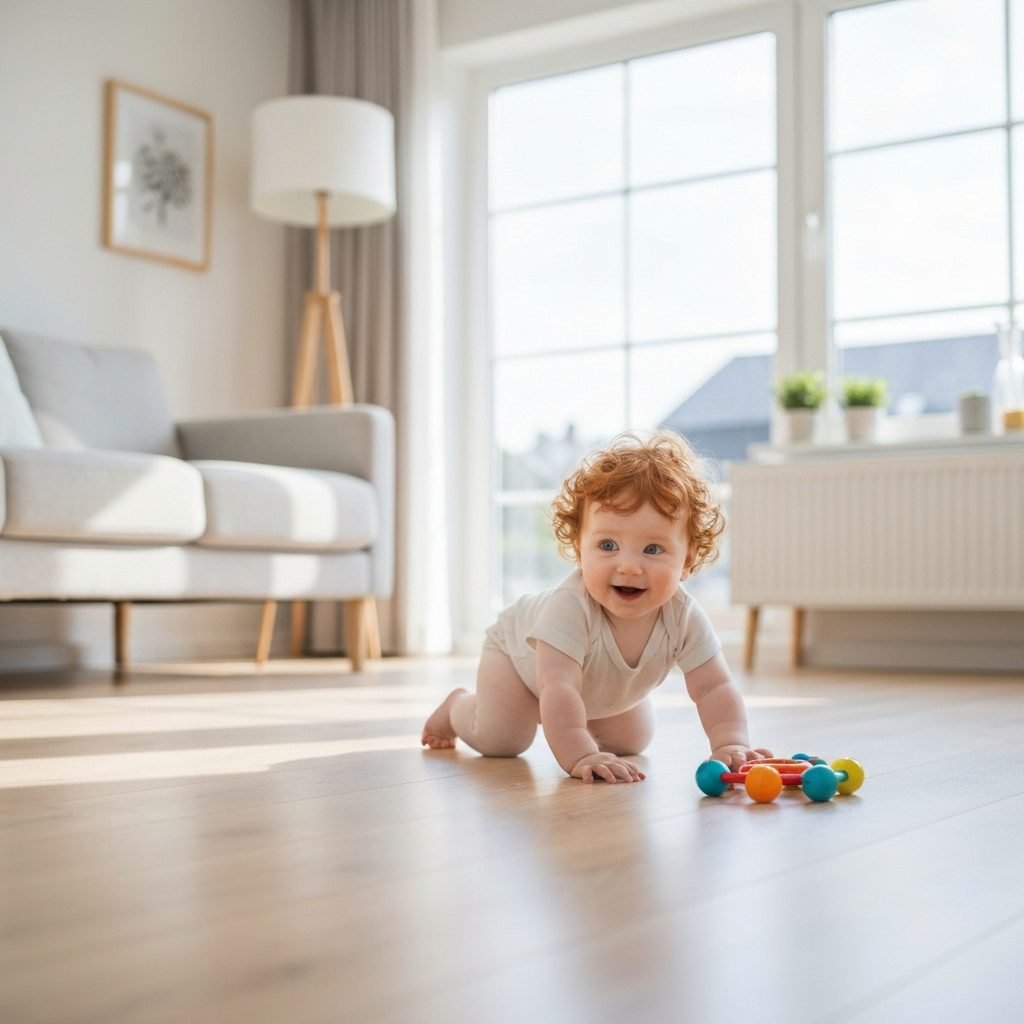
Hey there, amazing new parent! Welcome to one of the most exciting (and slightly terrifying) stages of your baby’s first year: the great crawl. Suddenly, the world is their oyster, and the floor is their vast, explorable ocean. It’s a joy to watch them gain independence, but it also opens up a whole new world of worries. As your little one scoots, rolls, and drags themselves across every inch of your home, one question probably pops into your head a dozen times a day: ‘Is this floor clean enough… and more importantly, is it safe?’
If you’ve found yourself staring at the ingredients list on your conventional floor cleaner, feeling a wave of uncertainty, you are not alone. We’re all programmed to want our homes to be sparkling clean and germ-free for our babies. But what if the very products we use to clean are leaving behind a residue of harsh chemicals that our precious explorers are touching, breathing, and even tasting? It’s a classic parenting dilemma. The good news? You don’t have to choose between a clean home and a safe one. This guide is your friendly, reassuring resource for ditching the chemical-laden cleaners for good. We’re going to walk you through why it matters, what to avoid, and best of all, how to whip up your own incredibly effective, wonderfully simple, and 100% baby-safe floor cleaner using ingredients you probably already have in your pantry. Let’s get you back to enjoying those adorable crawling moments, with total peace of mind.
The ‘Lick-Everything’ Phase: Why Your Floors Are a Big Deal Now
Before your baby was mobile, the floor was just… the floor. Now? It’s their playground, their racetrack, and their personal taste-testing laboratory. To truly understand why a baby-safe floor cleaner is so important, let’s get down on their level—literally—and see the world from a crawler’s perspective.
Constant Contact, Constant Exploration
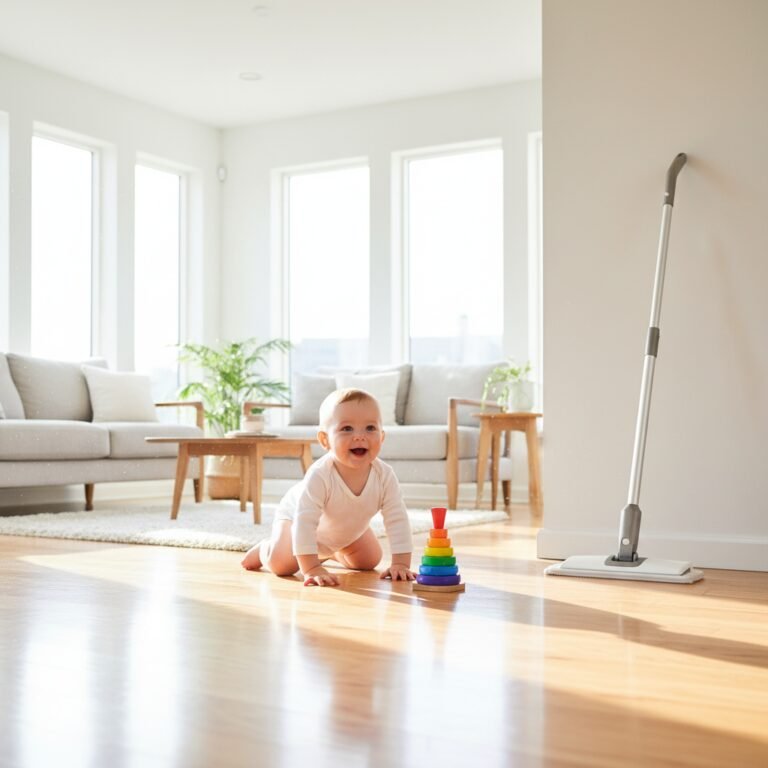
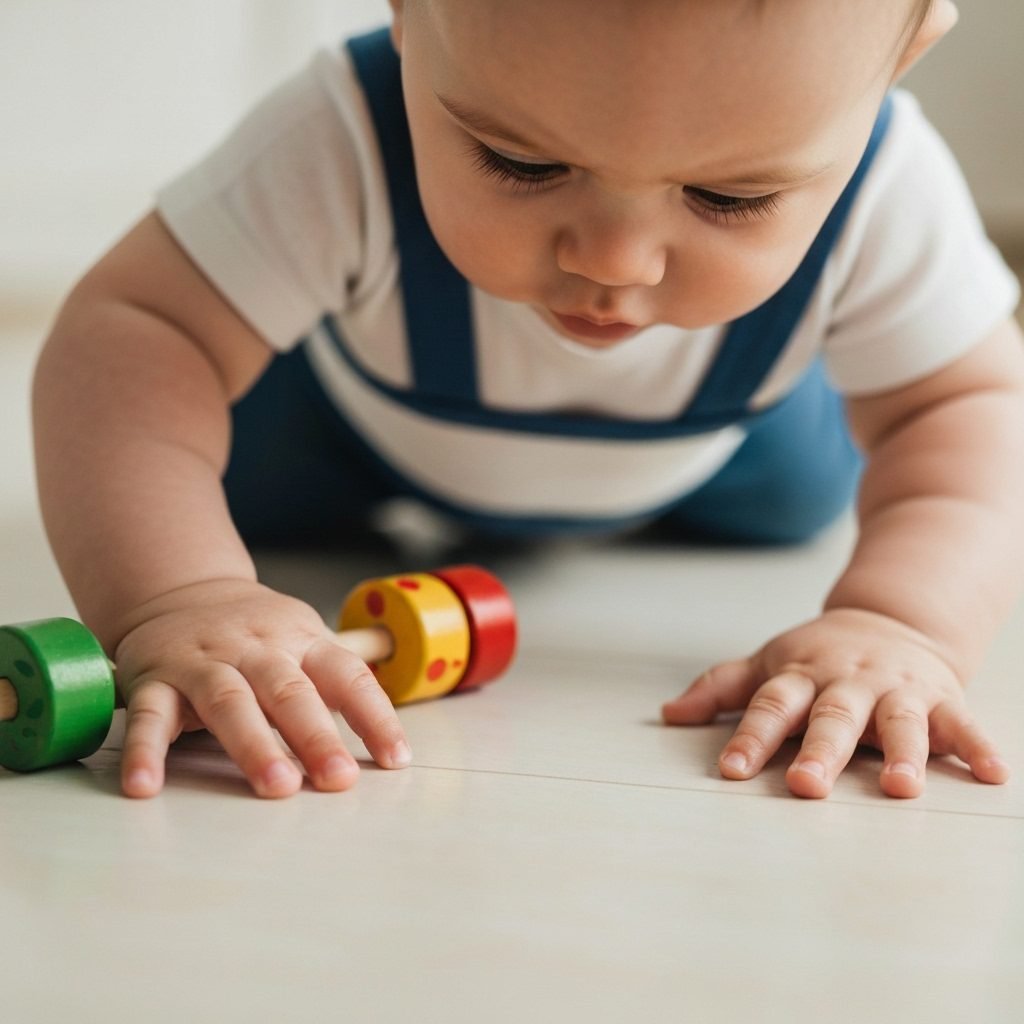
Think about how much time your baby spends on the floor each day. They aren’t just passing through; they’re living there. Their soft, delicate skin—which is thinner and more absorbent than ours—is in constant contact with the floor’s surface. Their hands press down, their knees scoot across, and their little bellies might even slide along as they perfect their army crawl. Every surface they touch is a potential source of absorption.
Then there’s the famous ‘hand-to-mouth’ reflex. One second, their palm is flat on the laminate; the next, those same fingers are in their mouth. A toy that was on the floor is now being gleefully chewed on. This is a completely normal and essential part of their development, as they learn about textures and objects. However, it also means that any chemical residue left behind by cleaners has a direct route into their system. Studies have shown that infants can have significantly higher exposure to chemicals found in household dust and on surfaces simply because of this exploratory behavior. Their breathing zone is also just inches from the floor, meaning they inhale any lingering fumes or particles more directly than adults do.
A Quick Thought: Imagine you spent your entire day with your face and hands pressed against the floor. You’d want to be absolutely certain that what you were touching and breathing was safe, right? That’s the daily reality for our crawling babies.
This isn’t about creating a sterile, bubble-wrapped environment. A little dirt is good for the immune system! This is about controlling the unseen hazards. It’s about consciously removing the harsh, synthetic chemicals from their immediate environment and replacing them with gentle, natural alternatives that clean effectively without posing a risk to their developing bodies. By making this simple switch, you’re not just cleaning your floors; you’re curating a safer space for them to thrive and explore freely.
Unpacking the Problem: What’s Really in Your Store-Bought Cleaner?
Walking down the cleaning aisle can be overwhelming. The labels are bright, and the promises are big: ‘Kills 99.9% of germs!’, ‘Leaves a streak-free shine!’, ‘Fresh lemon scent!’. But when you turn the bottle around, the ingredient list can look like a foreign language. Many common, effective-sounding ingredients are precisely the ones we want to keep away from our little ones. Let’s gently pull back the curtain on a few of the most common culprits.
The Usual Suspects in Commercial Cleaners:
- Phthalates: Often hiding under the generic term ‘fragrance,’ phthalates are chemicals used to make scents last longer. That ‘spring rain’ or ‘lemon orchard’ smell that lingers for hours? That’s often phthalates at work. They are known endocrine disruptors, which means they can interfere with the body’s hormones. For developing babies, this is a significant concern.
- Ammonia: A very common cleaning agent known for its streak-free finish on glass and shiny floors. However, it’s a powerful irritant. Its fumes can irritate the eyes, nose, throat, and lungs, which is especially harsh on a baby’s small, developing respiratory system.
- Chlorine Bleach: A powerful disinfectant, for sure. But it’s also highly corrosive and reactive. When mixed with other cleaners (like ammonia—a huge no-no!), it can create toxic chloramine gas. Even on its own, the fumes can be harsh, and direct contact can cause skin burns or irritation.
- Quaternary Ammonium Compounds (QUATs or QACs): These are common disinfectant chemicals found in products labeled ‘antibacterial.’ While they kill germs, they are also known to be skin irritants and can contribute to the problem of antibiotic-resistant bacteria. Some studies have even linked them to asthma.
- 2-Butoxyethanol: A solvent that gives many cleaners their characteristic sweet smell. It’s a known irritant that can cause sore throats when inhaled and, in high concentrations, can contribute to more severe issues like liver and kidney damage.
The issue isn’t just a single exposure. It’s the cumulative effect. A little bit of residue here, some lingering fumes there—it all adds up in the small, enclosed environment of a home. Opting for a DIY solution isn’t about being paranoid; it’s about being proactive. It’s about knowing exactly what’s going onto your floors and, consequently, into your baby’s environment. When you can count the ingredients on one hand and pronounce all of them, you reclaim control and create a truly clean and healthy space.
Your Simple, Non-Toxic Cleaning Arsenal
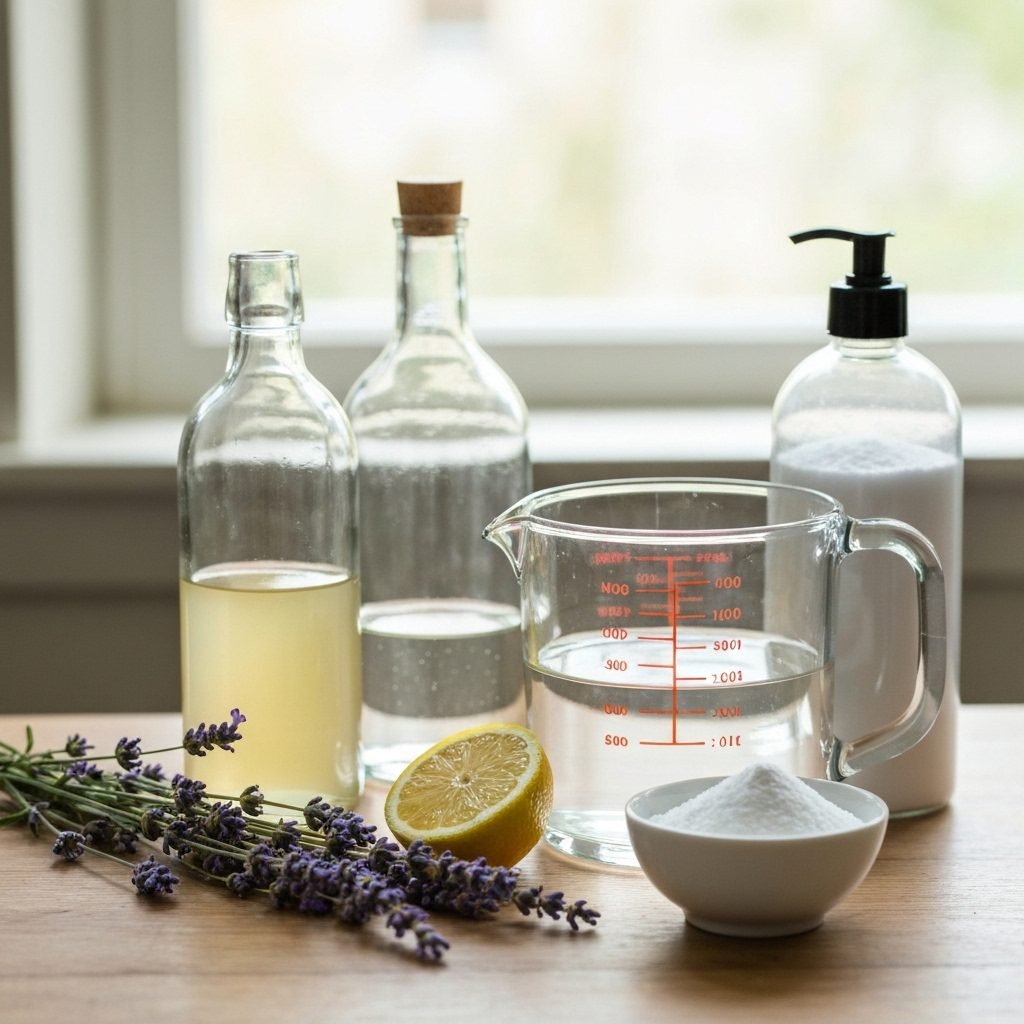
Ready for the best part? Creating a powerful, baby-safe cleaning solution doesn’t require a special shopping trip or a degree in chemistry. The most effective ingredients are probably sitting in your kitchen right now. They are simple, inexpensive, and have been trusted for generations for a reason—they work!
Meet Your All-Star Ingredients:
- Distilled White Vinegar: This is the undisputed MVP of natural cleaning. The acetic acid in vinegar is a fantastic natural disinfectant that effortlessly cuts through grease, grime, and soap scum. It also helps to neutralize odors instead of just covering them up. Don’t worry about the smell—it disappears completely once it dries.
- Distilled Water: Why distilled? Regular tap water contains minerals that can leave behind streaks or a cloudy residue on your floors. Using distilled water ensures a crystal-clear, streak-free finish every time.
- Unscented Castile Soap: Made from vegetable oils, castile soap is a gentle, non-toxic soap that cleans beautifully. A tiny amount is all you need to lift away dirt and grime, especially on floors that need a little more than just a vinegar-water rinse. Dr. Bronner’s is a popular and trusted brand.
- Baking Soda: For sticky spots or tougher messes, baking soda is your go-to. It acts as a mild abrasive that can scrub away stuck-on gunk without scratching your floors. It’s also a fantastic natural deodorizer.
A Note on Essential Oils
Many DIY recipes suggest adding essential oils for a pleasant scent. While this can be a lovely touch, we need to be extra cautious when a baby is in the house. Some essential oils can be irritating to their sensitive systems.
Safety First: If you choose to use essential oils, opt for gentle, baby-safe options like Lavender, Chamomile, or Lemon. Use them very sparingly—just 2-3 drops per gallon of water is plenty. Always ensure the room is well-ventilated during and after cleaning, and never apply essential oils directly to your baby’s skin.
That’s it! With these four or five simple items, you have everything you need to tackle any floor in your house, from the kitchen tiles to the hardwood in the living room. You’re ready to mix, mop, and let your baby roam freely and safely.
Mix It Up: The Best Baby-Safe Recipes for Every Floor

Now it’s time to play chemist! Below are tried-and-true recipes tailored for the most common types of flooring. The key is to use the right solution for your specific surface to ensure a great clean without causing any damage. A good rule of thumb is to always test a new cleaning solution on a small, inconspicuous area first.
For all recipes, simply combine the ingredients in a bucket or a spray mop reservoir, and swirl gently to mix. No vigorous shaking needed!
| Floor Type | Recipe Ingredients | Instructions & Notes |
|---|---|---|
| Sealed Hardwood, Laminate, & Vinyl |
|
This is the workhorse recipe for most hard floors. The vinegar cleans and disinfects without leaving a film. It’s crucial that your hardwood floors are sealed; vinegar can damage unfinished or waxed wood. For mopping, wring out your mop until it’s just damp, not soaking wet. |
| Ceramic & Porcelain Tile |
|
Tile can handle a slightly stronger vinegar solution. If your tile floors are extra grimy (hello, kitchen spills!), adding a small amount of castile soap will help lift the dirt. If you use soap, it’s a good idea to do a second pass with just a vinegar/water solution to prevent any residue. |
| Natural Stone (Granite, Marble, Travertine) |
|
IMPORTANT: Do NOT use vinegar on natural stone! The acid can etch and dull the surface over time. A very gentle, pH-neutral solution is best. A few drops of castile soap in water is often all you need. Always rinse with plain water afterward to remove any soap residue. |
| Tough, Sticky Spot Treatment (All Floor Types) |
|
Make a paste with baking soda and water. Apply it directly to the sticky spot (dried baby food, anyone?) and let it sit for a few minutes. Then, gently scrub with a soft cloth or sponge. Wipe clean with a damp cloth. This works wonders and won’t scratch your floors. |
Pro Tips for Maintaining a Crumb-Free, Chemical-Free Zone

Making your own cleaner is a huge step, but a few smart habits can make your job even easier and your home even healthier. Think of these as your support system for keeping that crawling zone clean and safe with less effort.
-
Embrace the ‘Shoes Off at the Door’ Rule
This is one of the single most effective things you can do. The bottoms of our shoes track in everything from dirt and pesticides to lead dust and bacteria. Creating a designated shoe zone right by the entrance prevents these from being tracked all over your baby’s play area. A cute sign and a simple shoe rack can make it an easy habit for the whole family and guests to adopt.
-
Vacuum or Sweep First, Mop Second
It might seem like an extra step, but it’s a crucial one. Mopping a floor that’s covered in crumbs, dust bunnies, and hair just turns it all into a muddy mess that you push around. A quick pass with a good vacuum (ideally one with a HEPA filter) or a microfiber sweeper will pick up all the loose debris, allowing your DIY cleaner to focus on what it does best: disinfecting and shining the surface.
-
Tackle Spills and Messes ASAP
When you have a baby, spills are a fact of life. Pureed peas, dribbled milk, the classic tipped-over cup—it’s a daily occurrence. The key is to spot-clean them as soon as they happen. A simple spray bottle of your all-purpose vinegar-water solution and a microfiber cloth are perfect for this. Wiping them up while they’re fresh prevents them from becoming sticky, crusty messes that require heavy-duty scrubbing later.
-
Choose the Right Mop
Your cleaner is only as good as the tool you apply it with. A microfiber flat-head mop is your best friend. The microfiber pads are excellent at grabbing and holding onto dirt rather than just pushing it around. Plus, they are reusable—just toss them in the washing machine. This is far more effective and eco-friendly than disposable wet pads, which often come pre-loaded with the very chemicals you’re trying to avoid.
-
Let in the Fresh Air
Never underestimate the power of opening a window. Good ventilation helps to cycle out any stale indoor air, reduce the concentration of airborne irritants, and naturally freshen your home. Even on chilly days, opening the windows for just 5-10 minutes can make a huge difference in your home’s air quality.
By incorporating these simple habits, you’ll find that ‘deep cleaning’ days are fewer and farther between. Your home will stay consistently cleaner, meaning less work for you and a safer, healthier space for your baby to explore every day.
Conclusion
There you have it! You are now fully equipped with the knowledge and the recipes to create a home that is both sparkling clean and perfectly safe for your little explorer. It’s amazing how a few simple, inexpensive ingredients can provide such powerful peace of mind, isn’t it? By choosing to go the DIY route, you’ve taken a beautiful step towards creating a healthier, non-toxic environment for your entire family.
Remember, this journey of parenthood is filled with a million choices. This is one you can feel incredibly good about. Every time you see your baby happily crawling across the floor, you can smile knowing that the surface beneath them is clean, safe, and free from harsh chemicals. You’re not just mopping the floor; you’re protecting your precious little one in one of the most meaningful ways possible. Give yourself a pat on the back—you’re doing an amazing job.