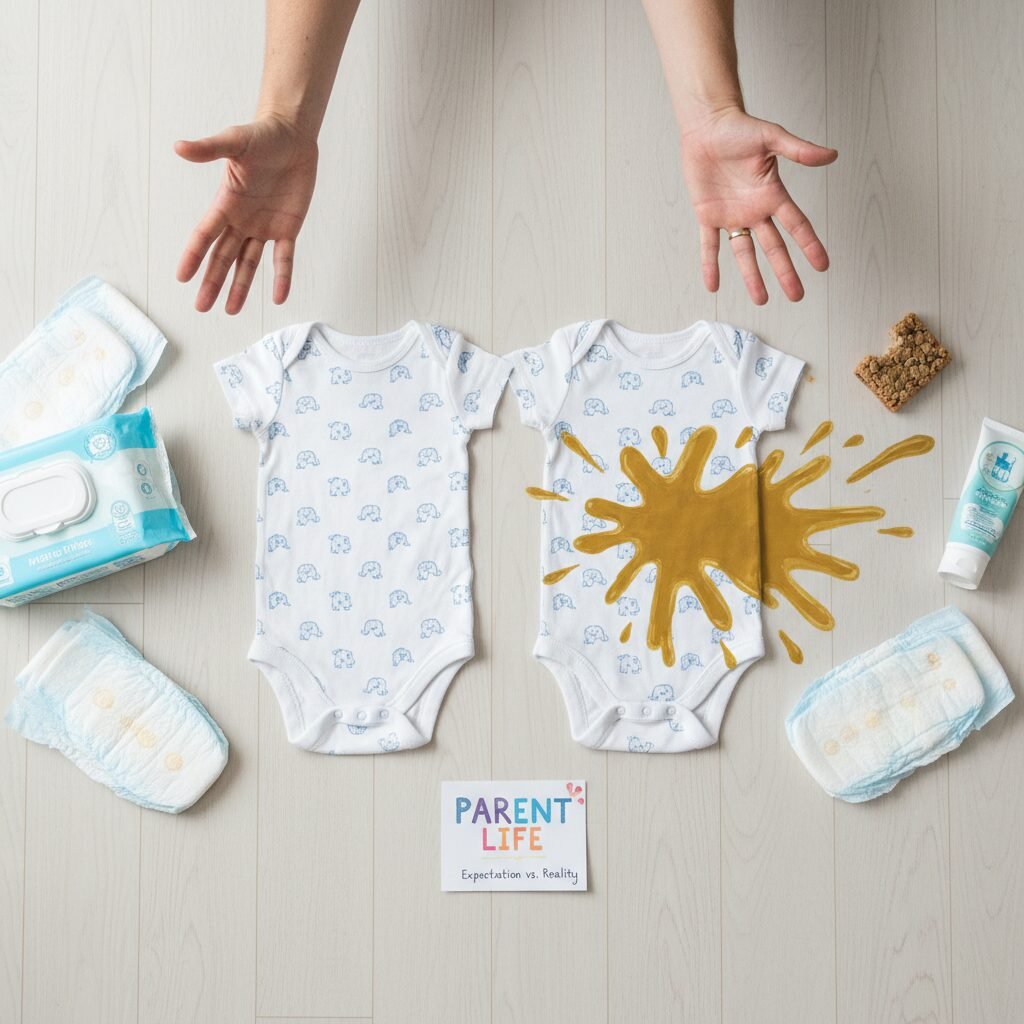
Stop the Poopsplosion! 7 Diaper Hacks to Prevent Blowouts Forever
You’ve just dressed your baby in the most adorable, pristine white onesie you own. It’s picture day, or maybe you’re just heading out to finally see other adults. You strap your little one into the car seat, feeling accomplished. And then you hear it. That unmistakable, volcanic rumble, followed by a suspicious silence. Your heart sinks. You know, without even looking, that the Poopsplosion has occurred. We’ve all been there. That up-the-back, down-the-legs, all-over-everything diaper blowout is a messy, frustrating, and unfortunately common rite of passage for new parents.
But what if I told you it doesn’t have to be a daily disaster? Hello, I’m a pediatric nurse and lactation consultant, and over the past few decades, I’ve seen more than my fair share of diaper blowouts. I’ve also learned exactly what causes them and, more importantly, how to prevent them. It’s not about magic; it’s about technique. Forget doing endless loads of laundry and sacrificing cute outfits to the diaper gods. I’m here to share seven simple, effective diaper hacks that will help you contain the mess and keep blowouts at bay. Let’s get you back to enjoying those sweet baby snuggles, stain-free!
First, Understanding the Anatomy of a Poopsplosion
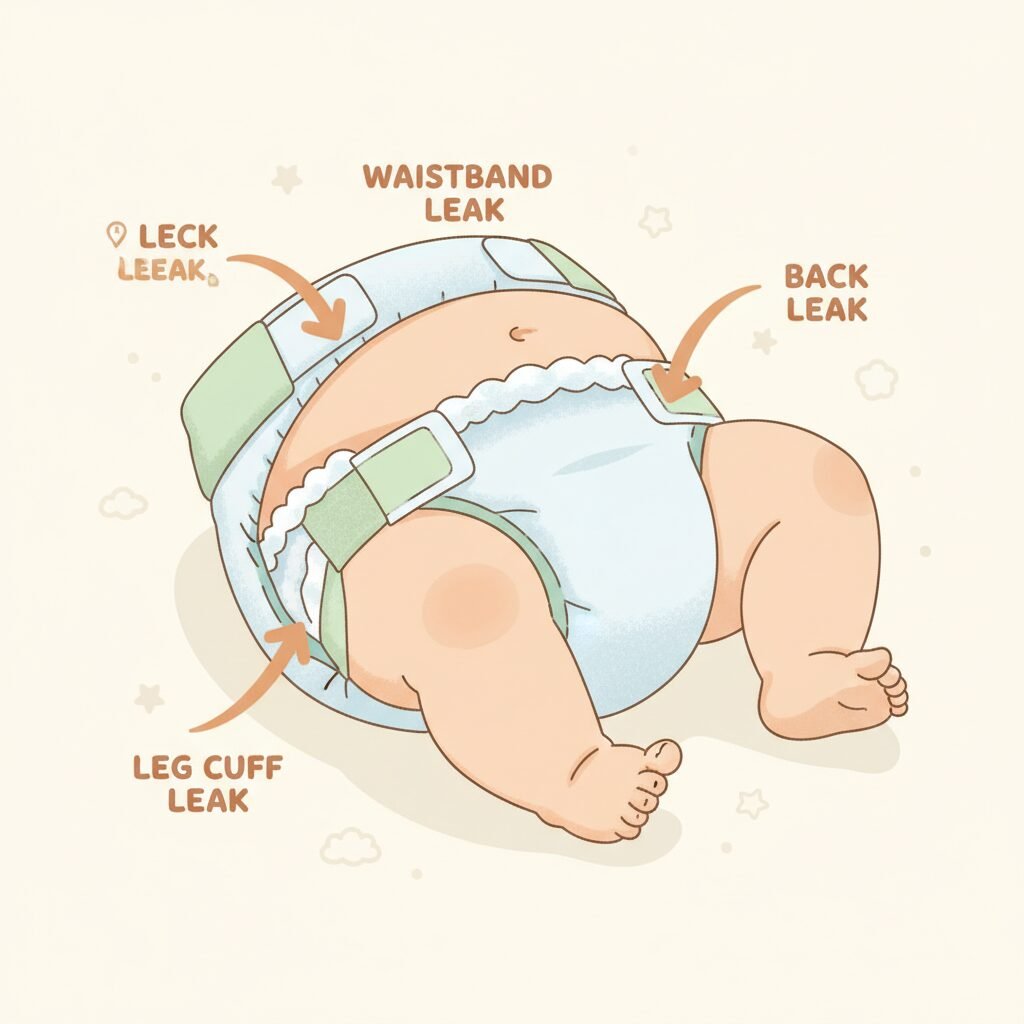
Before we dive into the hacks, it helps to understand why these epic messes happen in the first place. A diaper blowout is really a perfect storm of three factors: your baby’s physiology, the diaper’s limitations, and simple physics.
What’s Going On In There?
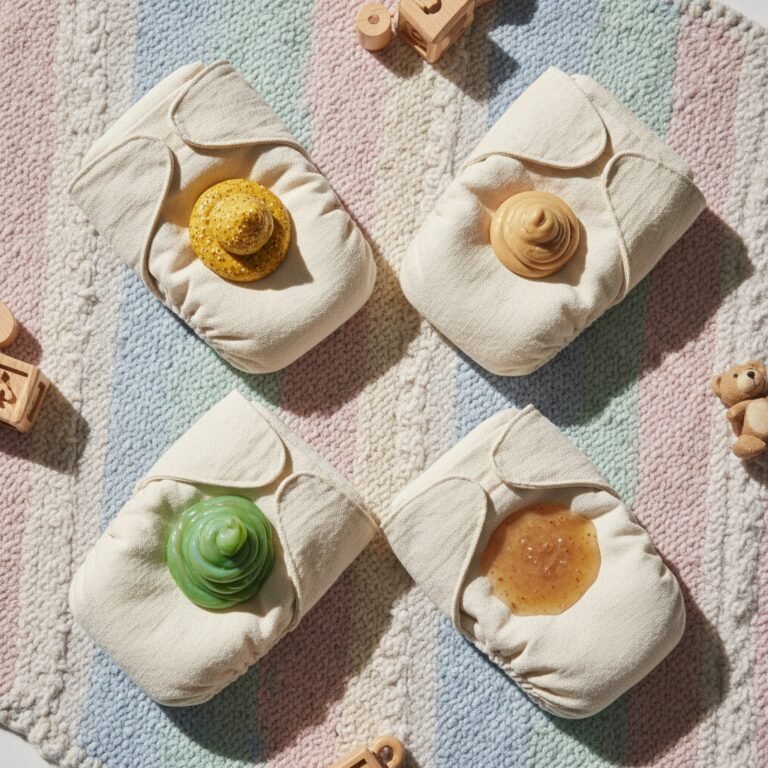
Newborn poop, especially for breastfed babies, is notoriously liquidy. It’s often yellow, seedy, and has the consistency of mustard and cottage cheese mixed together (a lovely image, I know!). This liquid nature means it can easily escape any small gap. On top of that, babies have very weak abdominal and core muscles. When they bear down to poop, the force is explosive and uncontrolled, sending everything shooting outwards with surprising velocity. It’s not their fault; it’s just how their tiny bodies work.
Common Culprits for Leaks:
- The Wrong Size: A diaper that’s too small won’t have enough absorbent material or coverage. A diaper that’s too big will have gaps around the legs and waist, creating perfect escape routes.
- Poor Fit: Even the right size diaper won’t work if it’s not put on correctly. Gaps are the enemy!
- Bad Timing: Sometimes, the diaper is already nearing capacity with pee when the poop arrives, leaving no room for the sudden onslaught.
Understanding these causes is the first step. It’s not just bad luck; it’s a series of preventable events. Now, let’s get to the solutions that will make you a diapering black belt.
Hack #1: Master the Diaper Size and Brand
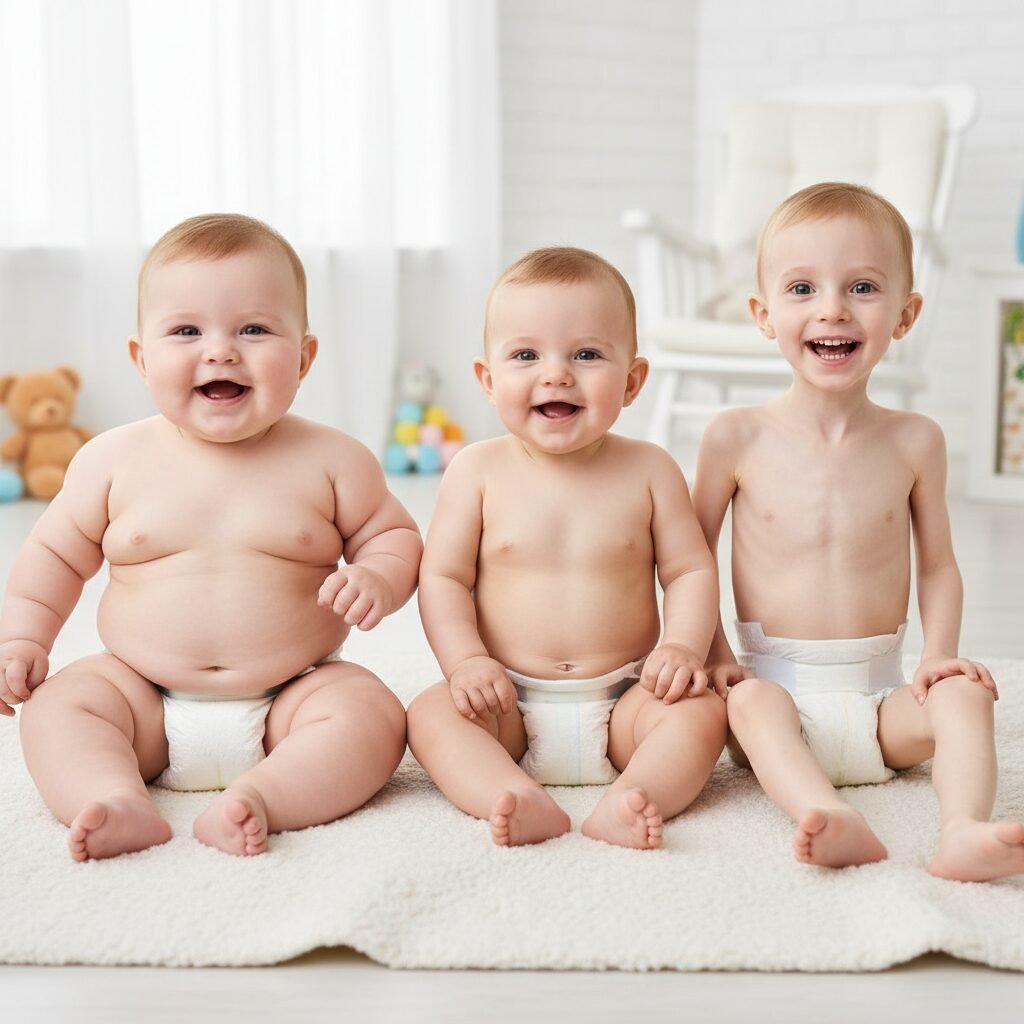
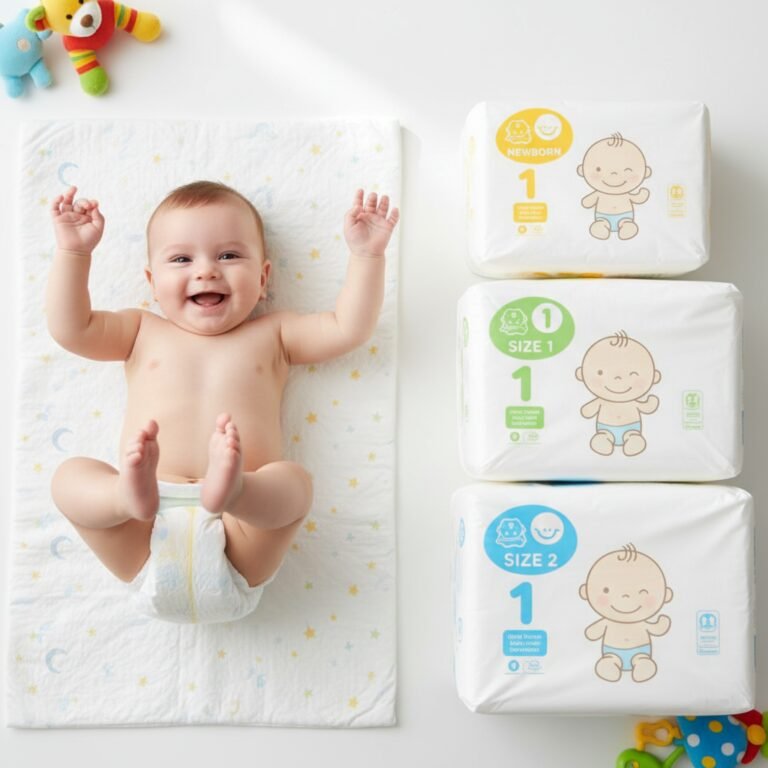
This might sound obvious, but I can’t tell you how many parents I’ve seen struggling with blowouts simply because they’re using the wrong size diaper. It’s the single most important factor in blowout prevention. The weight ranges on the box are a guideline, not a strict rule. Your baby’s unique body shape is just as important.
Finding the Perfect Fit:
A well-fitting diaper should be snug, but not tight. You should be able to comfortably fit two fingers under the waistband. The diaper should come up to, or just below, your baby’s belly button. If you see red marks on your baby’s thighs or belly, the diaper is likely too small. If you’re consistently seeing gaps around the legs and waist, it’s probably too big. Don’t be afraid to size up, even if your baby hasn’t quite hit the next weight bracket on the box. A little extra absorbency and coverage can make all the difference.
Not All Diapers Are Created Equal
Just like jeans, different diaper brands fit differently. Some are better for long, lean babies, while others are perfect for babies with chunky, Michelin-man thighs. Don’t feel locked into one brand. If you’re having persistent leaks, buy a small pack of a different brand and see if it works better for your baby’s body type. It can be a game of trial and error, but finding that perfect brand for your baby’s shape is a massive win.
| Diaper Size | Average Weight Range (lbs) | Signs It’s Too Small |
|---|---|---|
| Newborn (N) | Up to 10 lbs | Tabs don’t reach the center, red marks, not covering their bottom. |
| Size 1 | 8 – 14 lbs | Frequent leaks, struggling to fasten tabs, feels tight. |
| Size 2 | 12 – 18 lbs | Sits low on the waist, red marks on thighs, tabs are far apart. |
| Size 3 | 16 – 28 lbs | You’re experiencing consistent blowouts despite a good fit technique. |
Hack #2: The ‘Ruffles Out, Waistband Snug’ Technique
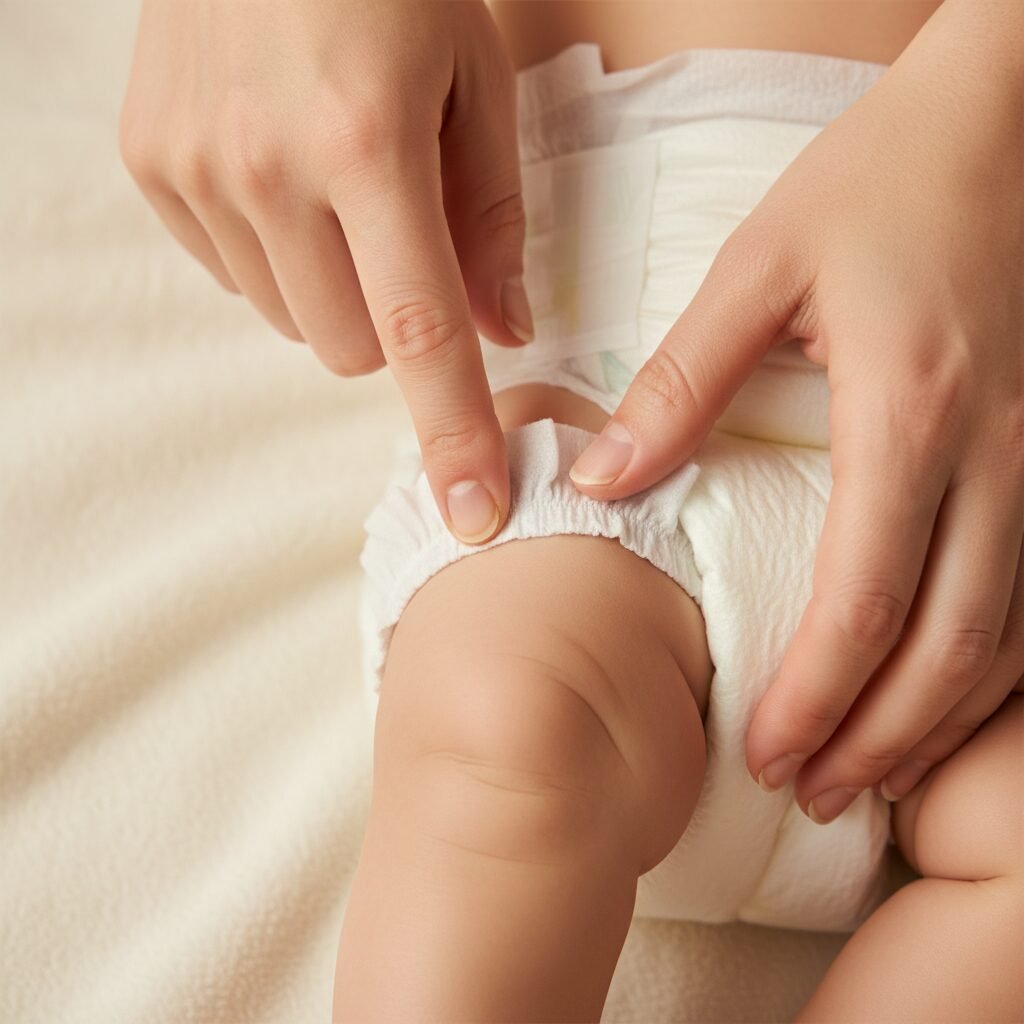
Once you have the right size, the application is everything. A sloppy diaper change is an open invitation for a poopsplosion. Take an extra 10 seconds to follow these steps, and I promise you’ll see a dramatic reduction in leaks.
- Open and Prep: Open the clean diaper and fan out the leg cuffs (the ruffly bits) before you even slide it under the baby.
- Lift and Place: Gently lift your baby’s legs and bottom and slide the clean diaper underneath, ensuring the back half is high enough to reach their waist.
- Secure the Tabs: Pull the front panel up flat against their tummy, just below the belly button. Bring the fastener tabs around and secure them symmetrically on the landing strip on the front. They should be snug, not so tight that they dig in. Remember the two-finger rule for the waistband!
- The Magic Step – Point the Ruffles OUT: This is the step everyone forgets! The double gussets or ‘ruffles’ around the leg openings are your primary line of defense. Run your finger all the way around each leg opening to make sure those ruffles are pointing outward, not tucked in. If they’re tucked in, you’ve created a direct chute for poop to escape.
A Nurse’s Tip: Think of the ruffles as a second barrier. The inner gusset hugs the leg, and the outer ruffle catches anything that might escape. If the ruffle is tucked in, it can’t do its job!
Hack #3: For Baby Boys, Point It Down!
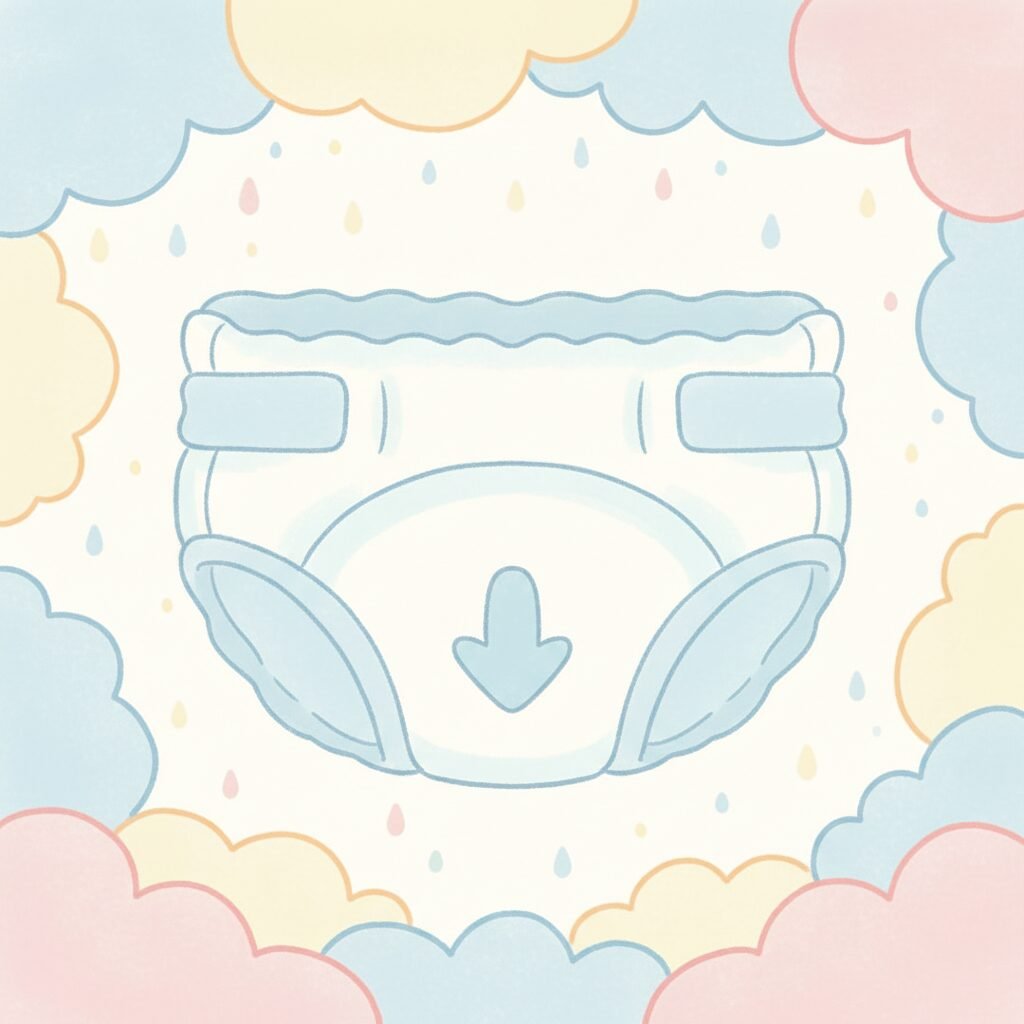
This hack is short, sweet, and surprisingly effective, but only applies to about half of you! When you’re diapering a baby boy, gravity can be your friend or your enemy. After you’ve secured the diaper but before you’ve sealed it up completely, make sure to gently point his penis downwards inside the diaper.
Why does this matter? If it’s pointing up or to the side, pee is likely to shoot straight towards the waistband or leg gaps, quickly overwhelming the absorbent material in that area. This can lead to frustrating leaks out the top of the diaper, especially when he’s lying on his back. By pointing it down, you’re directing the stream into the most absorbent part of the diaper, maximizing its effectiveness and preventing those sneaky upward leaks. It’s a tiny adjustment that can save you a middle-of-the-night outfit change.
Hack #4: Add a Blowout-Blocking Reinforcement
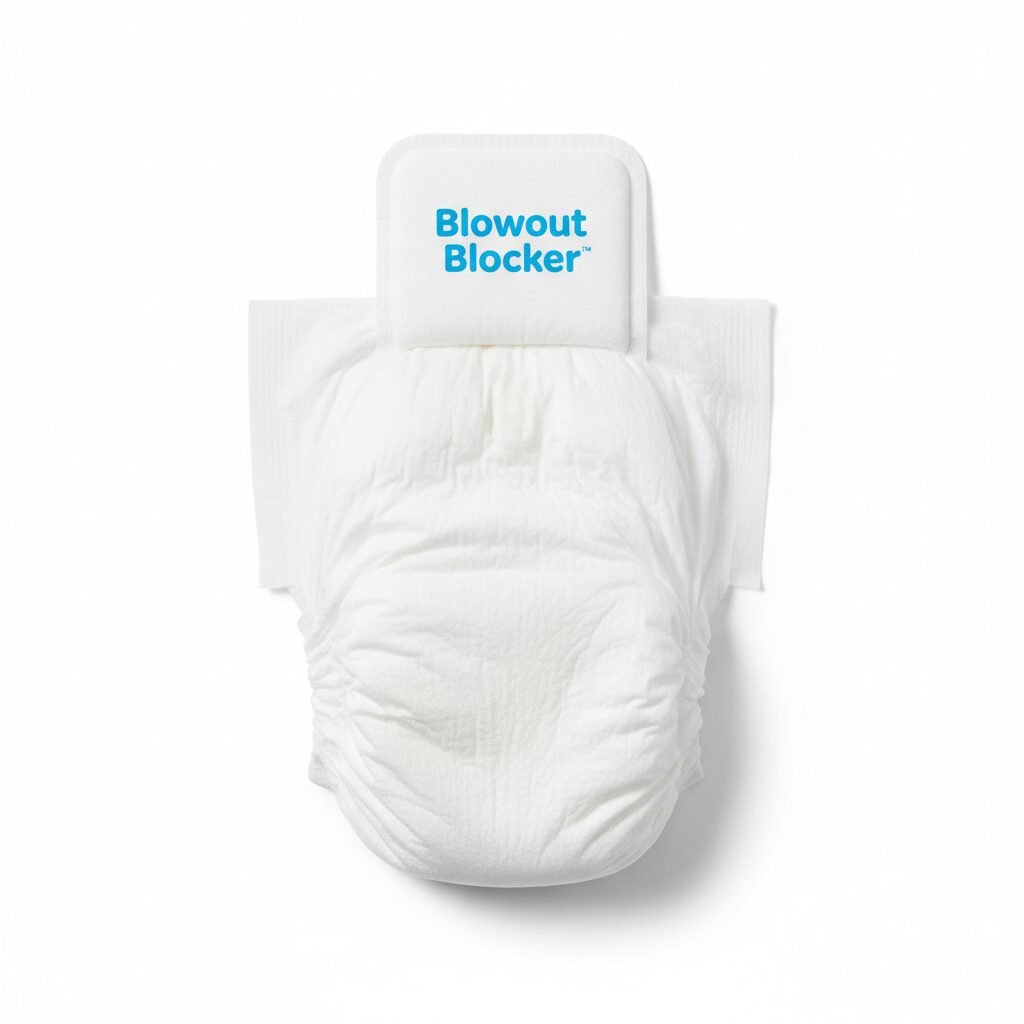
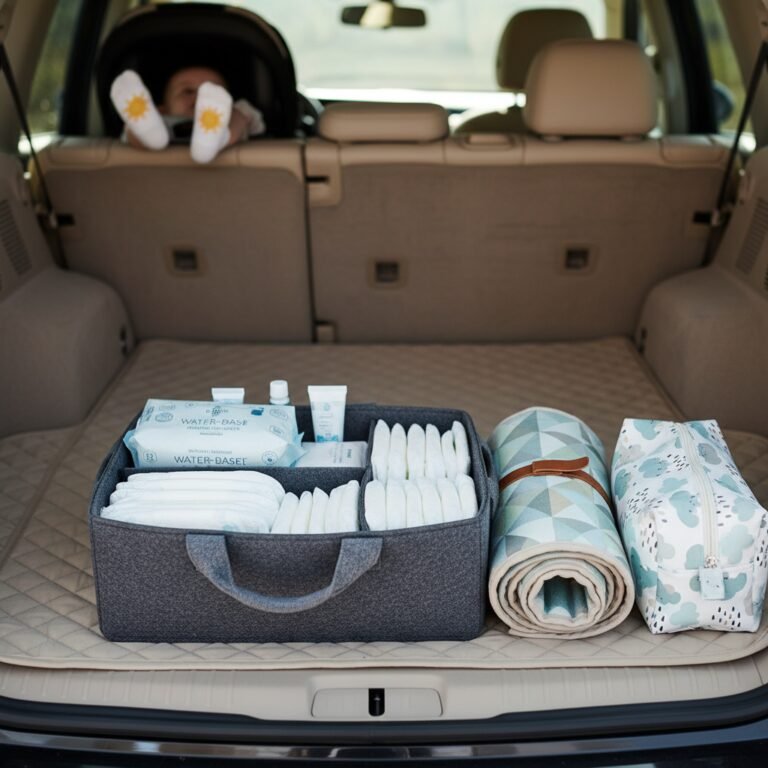
Sometimes, despite your best efforts, you have a baby who is just a professional blowout artist. For these situations, or for times you absolutely cannot risk a mess (like a long car ride or a fancy event), it’s time to call in reinforcements. There are products specifically designed to act as a diaper extension or booster.
Think of them as an extra line of defense. Products like ‘Blowout Blockers’ are essentially a soft, absorbent pad that you tuck into the back of the diaper’s waistband, creating a much taller barrier to stop those infamous up-the-back explosions. Others, often called ‘Sposie Pads’ or booster pads, are placed inside the diaper to add a significant amount of extra absorbency for both pee and poop. They can be a total lifesaver, turning a potentially catastrophic poop into a well-contained event. While you might not need them for every single diaper change, keeping a few on hand for critical moments can provide incredible peace of mind.
Hack #5: Timing is Everything – The Post-Feed Diaper Check

Have you ever noticed that your baby often poops right after they eat? It’s not a coincidence! This is thanks to the gastrocolic reflex. In simple terms, when milk enters the stomach, it sends a signal to the intestines to get moving and make room, which often results in a bowel movement.
You can use this natural reflex to your advantage. Instead of changing your baby right before a feed, try waiting until about 5-20 minutes after they finish. This is prime poop time. By changing them after the reflex has done its thing, you’re putting them in a fresh, empty diaper that’s fully equipped to handle whatever comes next. This is especially useful before placing them in a car seat, bouncer, or swing, as the scrunched-up position in these devices can put extra pressure on a full diaper, making a blowout more likely. A quick check or change after a feed is a proactive strategy that can prevent a world of mess.
Hack #6: The Onesie Escape Hatch (For When Disaster Strikes)
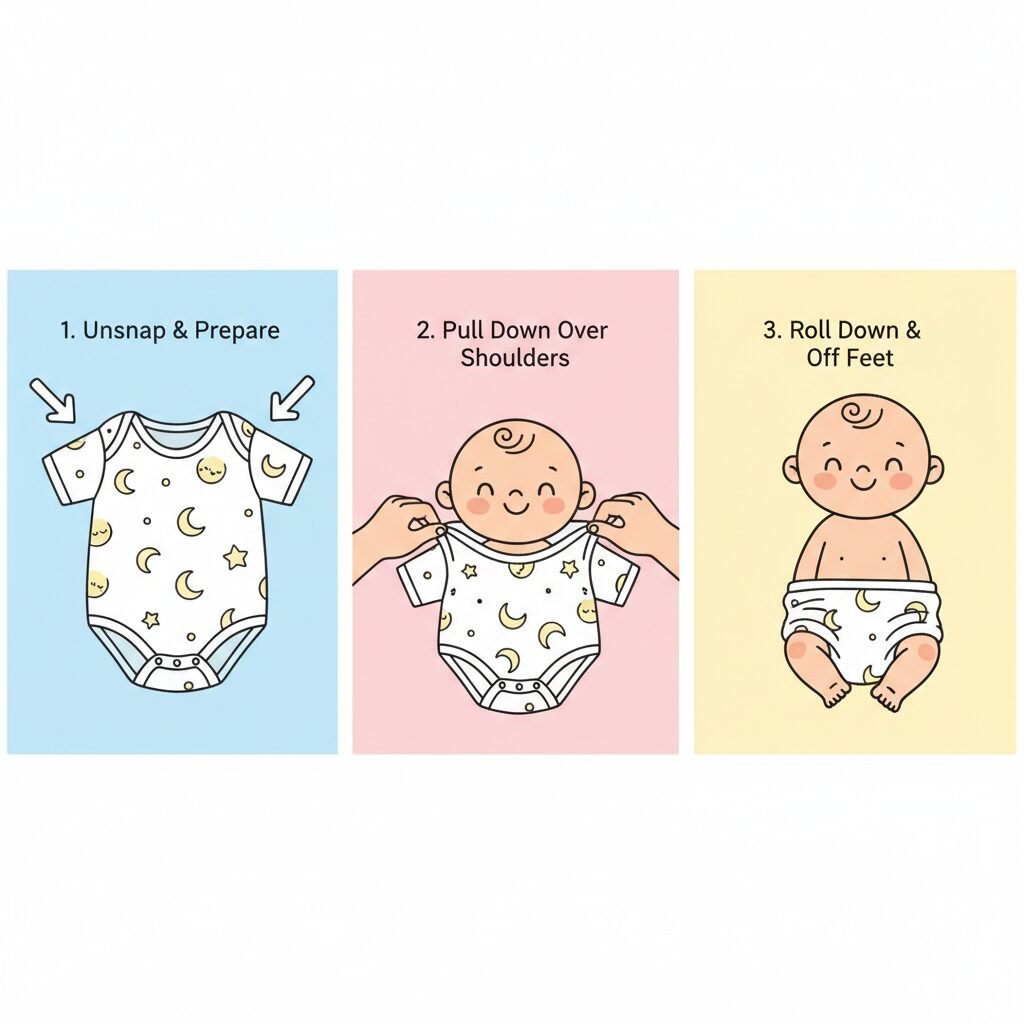
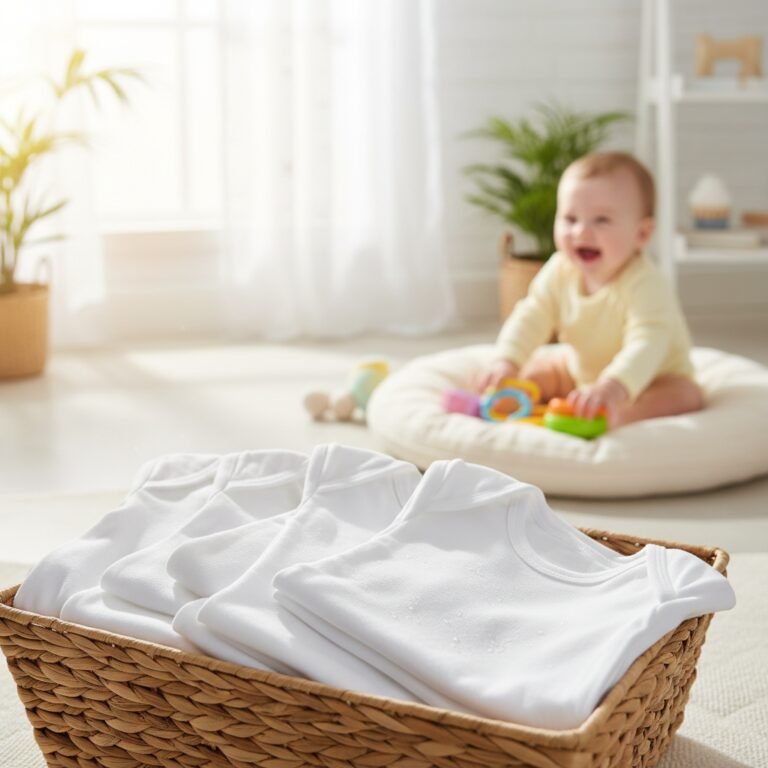
Okay, this last one isn’t a prevention hack, but it is an absolutely essential cleanup hack for when a blowout inevitably happens. Trying to pull a poop-covered onesie up over your baby’s head is a recipe for an even bigger mess (and a very unhappy baby). But there’s a secret feature on almost every baby onesie designed for this exact scenario!
Look at the shoulders of the onesie. See those little envelope-like folds? They aren’t just for style! They’re called lap shoulders, and they allow the neck opening to stretch wide enough to pull the entire onesie down over your baby’s shoulders and body.
The Downward Roll Technique:
- Lay your baby down on a changing mat.
- Unsnap the crotch of the soiled onesie.
- Gently take one of your baby’s arms out.
- Instead of pulling up, peel the fabric at the lap-shoulder outward, over your baby’s shoulder.
- Repeat on the other side.
- Now you can smoothly roll the entire soiled onesie down their body and off their feet.
Voila! The mess is contained below the neck, and your baby’s hair and face are perfectly clean. This trick is a true game-changer that every new parent needs to know.
Conclusion
There you have it—seven tried-and-true hacks from a nurse who has seen it all. Dealing with diaper blowouts is one of the less glamorous parts of parenting, but it doesn’t have to be a constant battle. By ensuring the right size and fit, using a few simple techniques, and knowing the tricks for easy cleanup, you can significantly cut down on the laundry and the stress.
Please remember to be kind to yourself. A blowout will happen now and then, and it is not a reflection of your parenting skills. It’s just part of the journey. Laugh it off, clean it up, and snuggle that sweet baby. You’re doing an amazing job, and now you have a few more tools in your toolkit to conquer parenthood, one clean onesie at a time. You’ve got this!