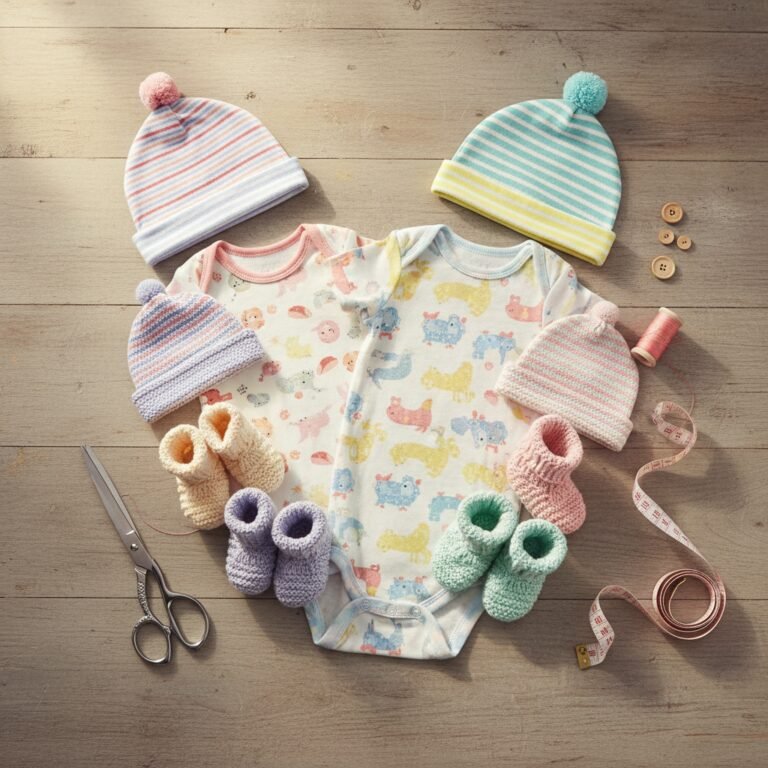

Stop the Itch! The Safest Laundry Detergents for Sensitive Newborn Skin
Hello, new parents! Welcome to this beautiful, chaotic, and utterly wonderful journey. I’m a pediatric nurse and lactation consultant, and I’ve spent decades helping families navigate these precious early days. One of the topics that comes up surprisingly often in my clinic is laundry. It sounds simple, right? But when you’re staring at a tiny onesie, you suddenly realize that everything touching your baby’s skin matters. And that includes the detergent used to wash their clothes.
Your baby’s skin is brand new, incredibly soft, and far more delicate than ours. It can react to things we wouldn’t even notice, leading to dryness, redness, and that dreaded itchy rash. It’s heartbreaking to see your little one uncomfortable! The good news is that preventing this kind of irritation is often as simple as choosing the right laundry detergent. But the aisle is packed with options, all shouting about being ‘gentle’ or ‘for baby.’ How do you know what’s truly safe? Don’t worry, I’m here to hold your hand through it. We’re going to break it all down, step-by-step, so you can feel confident and keep your baby’s skin as soft and healthy as nature intended.
Why Your Newborn’s Skin Needs Extra TLC

Before we dive into the detergent aisle, let’s talk about why your baby’s skin is so unique. Understanding the science behind it can make your choices feel less like guesswork and more like informed parenting. Think of your skin as a seasoned brick wall—strong, protective, and well-developed. A newborn’s skin, in contrast, is like a freshly built wall where the mortar is still setting.
The Acid Mantle is Still Developing
On the surface of our skin is a very thin, protective film called the acid mantle. It’s a crucial barrier that fights off bacteria, viruses, and other irritants. In newborns, this barrier is still forming and is much weaker than an adult’s. Using harsh, alkaline detergents can strip away this delicate layer, leaving their skin vulnerable to dryness and irritation.
It’s Thinner and More Permeable
A baby’s skin is significantly thinner than ours. This means that substances that come into contact with it can be absorbed more easily into their system. This is why we worry so much about the ingredients in lotions, soaps, and, yes, laundry detergents. The residue left on clothes can be a constant source of exposure to potentially irritating chemicals.
A Gentle Reminder: It’s not your fault if your baby develops a rash! Skin sensitivity is incredibly common. Our goal is simply to remove potential triggers to keep them as comfortable as possible.
Because of this incredible sensitivity, babies are more prone to conditions like contact dermatitis (rashes caused by direct contact with an irritant) and eczema. While laundry detergent isn’t always the cause, it’s one of the easiest and most important factors to control. By choosing a gentle, non-irritating formula, you’re helping to protect that brand-new skin barrier as it grows stronger every day.
Decoding the Detergent Aisle: The Good, The Bad, and The Itchy

Walking down the laundry aisle can feel like an assault on the senses—bright colors, strong smells, and bold claims. Let’s cut through the noise. When you’re shopping for your baby, you’re essentially a detective looking for clues on the ingredient list. Here’s your cheat sheet for what to look for and what to run from.
The ‘Yes, Please!’ List: What to Look For
These are the green flags on a detergent bottle. The more of these you see, the better.
- Hypoallergenic: This is a key term, but be aware it isn’t regulated by the FDA. It generally means the manufacturer has tried to create a product with minimal potential for allergic reactions. It’s a good starting point.
- Fragrance-Free: This is non-negotiable. ‘Fragrance’ or ‘parfum’ on a label can hide a cocktail of hundreds of chemicals, which are among the most common causes of skin irritation. Don’t be fooled by ‘unscented’—that often means a chemical has been added to mask the detergent’s natural smell. You want fragrance-free.
- Dye-Free: Those bright blue or green liquids? They’re colored with synthetic dyes that serve no cleaning purpose and can be potent skin irritants. Look for detergents that are clear or milky-white. The label will often say ‘Free & Clear’ or ‘Dye-Free.’
- Plant-Based or Plant-Derived: These detergents use enzymes and surfactants derived from natural sources like coconut or corn instead of petroleum. They are often much gentler on the skin and the environment.
- Pediatrician or Dermatologist-Tested: This adds a layer of reassurance that the product has been reviewed by experts for its suitability for sensitive skin.
The ‘No, Thank You!’ List: What to Avoid
If you see these ingredients on the label, put the bottle back on the shelf.
- Fragrances & Perfumes: As mentioned above, this is the number one offender for sensitive skin.
- Dyes: Completely unnecessary for cleaning and a common cause of contact dermatitis.
- Optical Brighteners: These chemicals are designed to make clothes appear whiter by coating them in a substance that reflects light. They don’t actually make clothes cleaner and leave a chemical residue that can cause serious irritation.
- Sulfates (SLS/SLES): Sodium Lauryl Sulfate and Sodium Laureth Sulfate are harsh foaming agents that can strip natural oils from the skin, leading to dryness and irritation.
- Phosphates & Phthalates: These are harsh chemicals that are bad for your baby’s skin and the environment. Most major brands have phased them out, but it’s always good to check.
- Chlorine Bleach: Extremely harsh and can cause severe skin and respiratory irritation.
Liquid vs. Powder vs. Pods: A Gentle Comparison
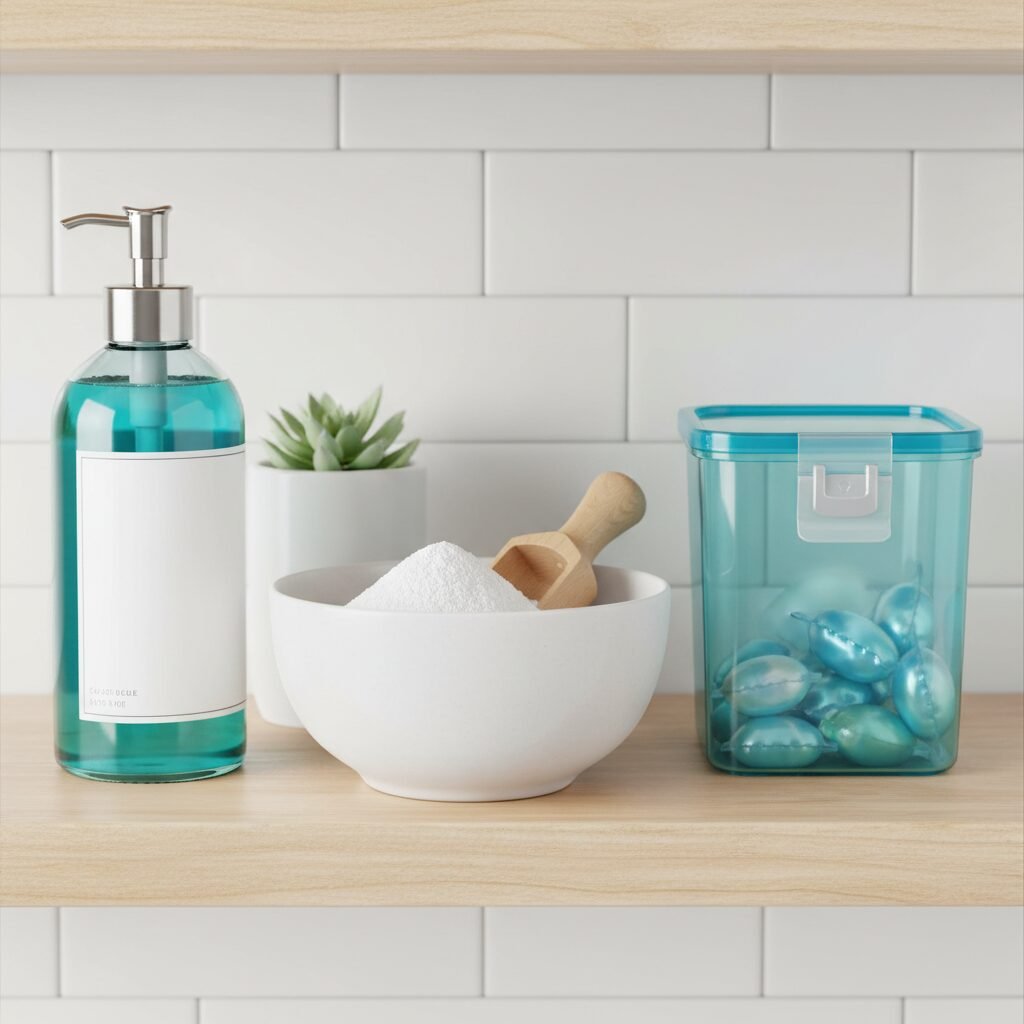
Once you know what ingredients to look for, you have to choose a format. Does it really matter if you use a liquid, a powder, or a pod? For sensitive skin, it can. Each has its pros and cons, especially when it comes to residue left on fabrics.
The biggest concern is how well the detergent dissolves. Any undissolved particles can get trapped in the fibers of your baby’s clothes and blankets, leading to constant contact with their skin. Here’s a quick breakdown to help you decide.
| Detergent Type | Pros for Baby | Cons for Baby |
|---|---|---|
| Liquid | Dissolves very well in all water temperatures (hot or cold), meaning less risk of residue. Easy to pre-treat stains. | Can be easy to overuse, which can lead to buildup on clothes if not rinsed properly. |
| Powder | Often more affordable and comes in eco-friendlier packaging. Can be very effective on tough stains like mud. | May not dissolve completely in cold water, potentially leaving behind gritty residue that can irritate skin. |
| Pods/Packs | Perfectly pre-measured, so there’s no risk of using too much detergent. Convenient and mess-free. |
|
My Professional Recommendation: For newborns, a high-quality, fragrance-free liquid detergent is often the safest bet. It dissolves easily, reducing the risk of residue, and you can control the amount you use. If you wash primarily in warm or hot water, a powder can be a good, economical choice, but always check for any undissolved clumps before you put clothes in the dryer.
Your Gentle Laundry Routine: Tips for Happy Baby Skin

Choosing the right detergent is step one. Step two is adopting a laundry routine that keeps your baby’s comfort and safety at the forefront. These simple habits can make a huge difference!
1. Wash Everything Before Baby Wears It
This is a big one! New clothes, blankets, and sheets are often treated with chemicals like formaldehyde to keep them looking crisp in the store. They’ve also been handled by many people. Always run them through a wash cycle with your baby-safe detergent before they touch your little one’s skin.
2. Consider an Extra Rinse Cycle
If your baby has particularly sensitive skin or you’re concerned about residue, using your washing machine’s ‘extra rinse’ setting is a fantastic idea. It helps ensure every last bit of detergent is washed away, leaving nothing behind to irritate the skin.
3. Don’t Overdo the Detergent
More soap does not mean cleaner clothes! In fact, using too much detergent is a primary cause of residue buildup. Those tiny baby clothes don’t need a full capful. Read the instructions on your detergent and consider using slightly less than the recommended amount for a small load.
4. To Separate or Not to Separate?
Many parents wonder if they need to do ‘baby only’ laundry loads. In the beginning, it’s not a bad idea. It ensures their clothes are only washed in the gentle detergent and aren’t picking up residue from the rest of the family’s clothes. However, if your entire family uses a fragrance-free, dye-free detergent, it’s perfectly safe to wash everyone’s clothes together. It can save you a lot of time and energy!
5. Tackling Tough Stains (The Safe Way)
Babies are masters of staining! From spit-up to the dreaded diaper blowout, you’ll face some laundry challenges. Instead of reaching for harsh conventional stain removers, try these gentler methods:
- For Protein Stains (Spit-up, Poop): Scrape off any solids. Rinse the stain immediately with cold water (hot water can set the stain). Gently rub a drop of your baby-safe liquid detergent into the spot before washing.
- Sun Bleaching: For stubborn yellow stains on white cottons, the sun is your best friend! After washing, lay the damp item in direct sunlight. The UV rays are a natural and effective stain remover and whitener. It works like magic!
Conclusion
My dear new parents, I know you have a million things to worry about. Please don’t let laundry be one of them. Choosing a safe detergent is a small act of love that has a big impact on your baby’s daily comfort. Remember the key takeaways: look for fragrance-free, dye-free, and plant-based formulas, and avoid harsh chemicals like optical brighteners and sulfates. A simple liquid detergent and an extra rinse cycle can work wonders.
You are doing an incredible job. Every decision you make, from feeding to burping to washing their tiny socks, comes from a place of deep love. Trust your instincts, be kind to yourself, and never hesitate to ask for help. Your baby is so lucky to have you. Now, go enjoy those sweet, clean-laundry snuggles—you’ve earned them!