Stop The Itch: Best And Worst Fabrics For Sensitive Newborn Skin
Welcome to parenthood! It’s a world filled with incredible joy, tiny socks, and… a surprising number of questions about things you never thought you’d Google at 3 a.m. One of the most common concerns I hear from new parents is about their baby’s skin. It’s so soft, so new, and so, so sensitive. You might notice little rashes, dry patches, or redness and wonder, “Am I doing something wrong?”
Let me reassure you: you are doing an amazing job. A newborn’s skin is simply different from ours. It’s a work in progress, learning to protect itself from the outside world. And one of the biggest things it comes into contact with every single day is fabric. From their little onesie to their swaddle blanket, the materials you choose can make a huge difference in their comfort.
Think of this as your friendly guide to navigating the clothing aisle. We’re going to cut through the confusion, talk about which fabrics are your baby’s best friends, which ones are best left on the shelf, and share some simple laundry tips that can help stop the itch before it starts. Let’s wrap your baby in comfort, together.
Understanding Your Newborn’s Delicate Skin Barrier
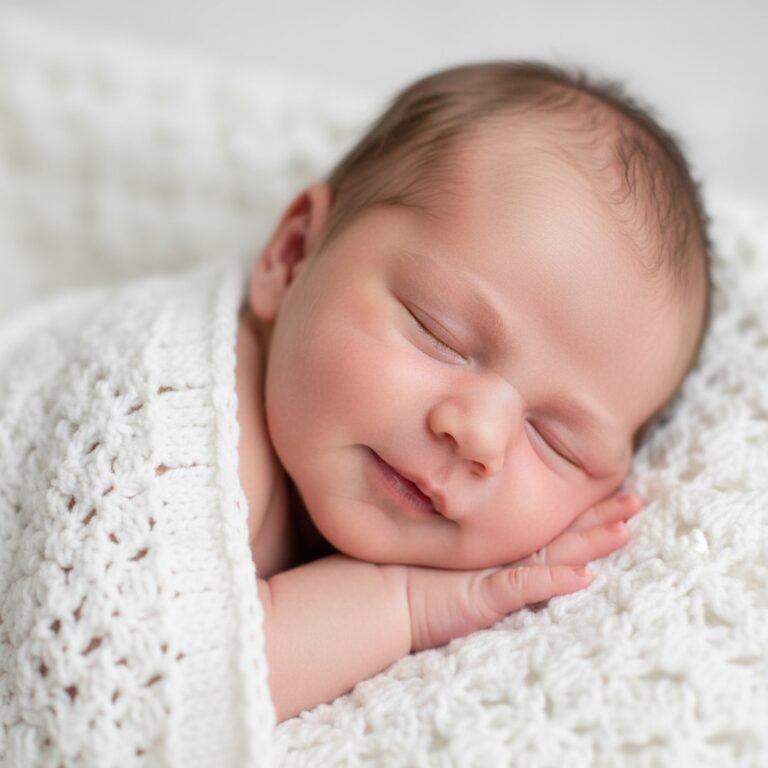
Why Is My Baby’s Skin So Sensitive?
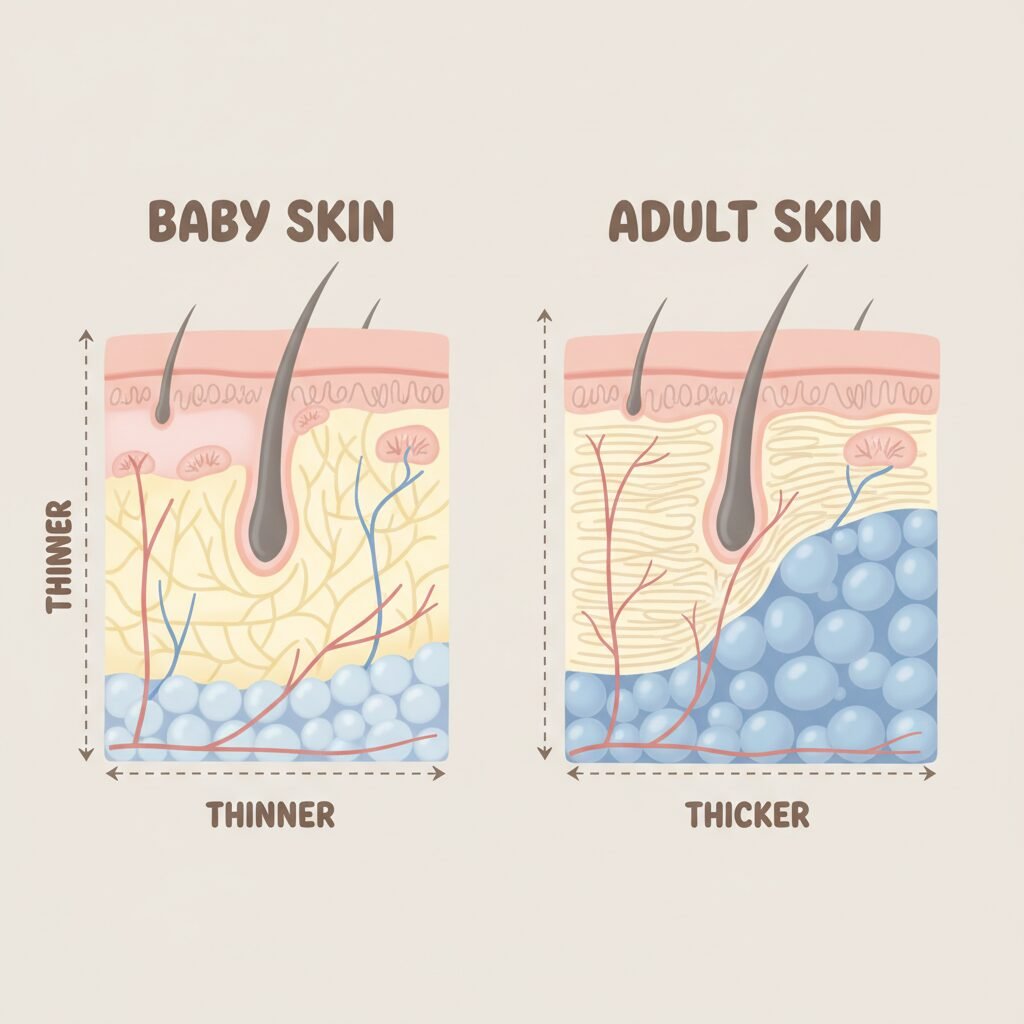
Before we dive into the fabrics themselves, let’s take a quick peek at the science behind that baby-soft skin. Understanding the ‘why’ makes choosing the ‘what’ so much easier. A newborn’s skin is structurally different from an adult’s. Here’s how:
- It’s Thinner: The outermost layer of the skin, the epidermis, is significantly thinner and has fewer layers of cells. This means it’s less of a fortress against irritants, allergens, and moisture loss.
- The Skin Barrier is Immature: A healthy skin barrier (or ‘acid mantle’) is crucial for keeping moisture in and irritants out. In newborns, this barrier is still developing and is more permeable, making it prone to dryness and irritation.
- Higher Surface Area to Body Weight Ratio: Babies have a larger skin surface area relative to their weight. This means that any substance applied to their skin—or any irritant from their clothing—is absorbed more readily and can have a greater effect.
- Less Melanin: Newborns have less melanin, the pigment that helps protect the skin from UV radiation. While this is more of a sun-safety issue, it speaks to the overall vulnerability of their new skin.
Because of these factors, conditions like contact dermatitis (rashes from something touching the skin), eczema, and general dryness are very common. The good news is that by making conscious choices, especially with fabrics, you can provide a gentle, protective environment that supports their developing skin barrier.
A Gentle Reminder: A little bit of redness or a few baby pimples are often normal! But if a rash is widespread, painful, or accompanied by a fever, it’s always best to check in with your pediatrician.
The Fabric Hall of Fame: Skin-Loving Champions
The Best, Softest, and Safest Fabrics for Your Baby
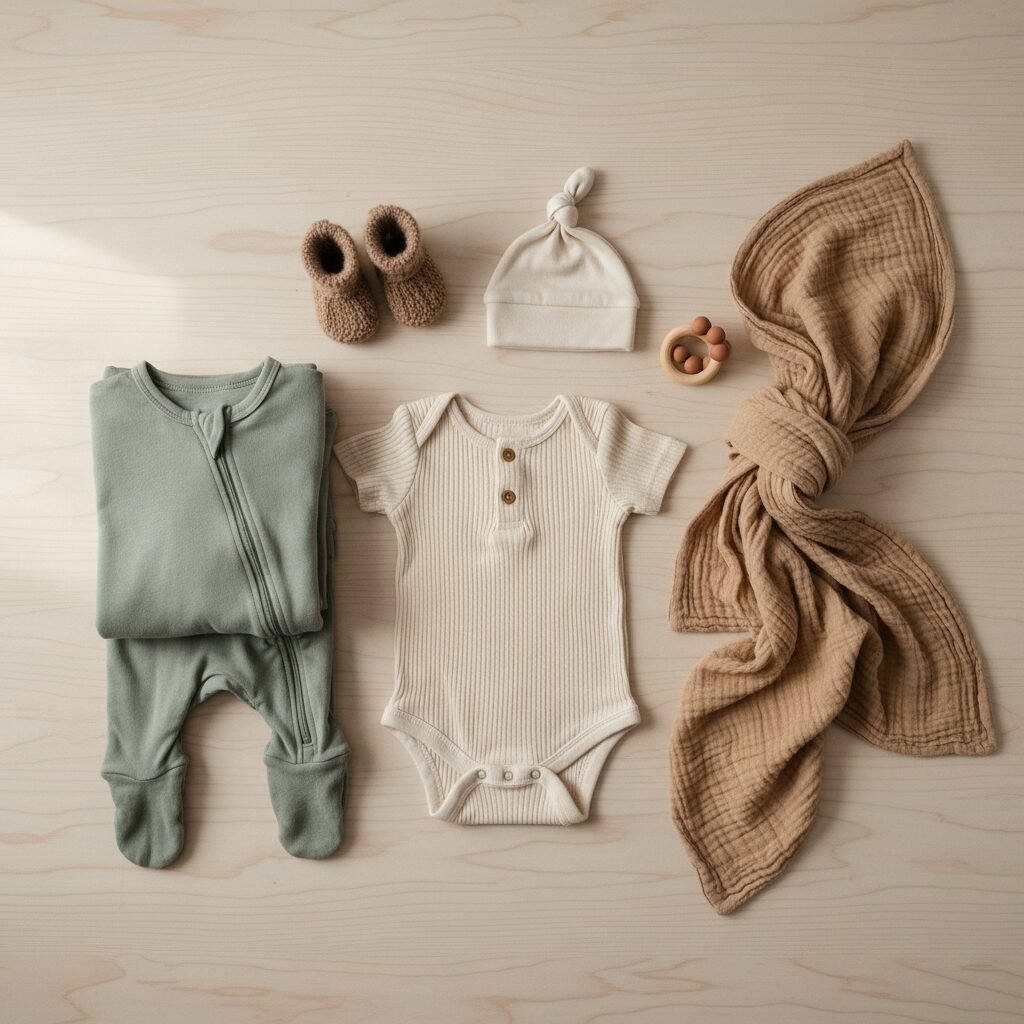
Now for the fun part! Let’s talk about the fabrics you want to fill your baby’s drawers with. These materials are known for their softness, breathability, and gentle touch. They are the undisputed champions of comfort.
Organic Cotton
If there’s one fabric to rule them all, it’s organic cotton. It’s soft, absorbent, and breathable. But the ‘organic’ part is key. It means the cotton was grown without the use of synthetic pesticides and fertilizers, and the fabric was processed without harsh chemicals, bleaches, or dyes that can linger and irritate sensitive skin. It’s the gold standard for a reason.
Bamboo Rayon/Viscose
Bamboo fabric is a dream. It’s incredibly soft—often compared to silk—and has fantastic properties. It’s thermal-regulating, meaning it helps keep your baby cool in the summer and warm in the winter. It’s also highly absorbent and wicks moisture away from the skin, which is great for preventing irritation from sweat or drool. Look for viscose/rayon derived from bamboo that is processed in a closed-loop system (like Lyocell) for a more eco-friendly choice.
Muslin
A long-time favorite for swaddles, and for good reason! Muslin is a lightweight, finely-woven cotton fabric. Its signature open weave makes it exceptionally breathable, which helps reduce the risk of overheating—a critical safety concern for newborns. It gets softer with every wash, becoming a cherished comfort item.
Linen
Linen is a natural fiber made from the flax plant. It’s known for being durable, absorbent, and breathable. While it can feel a bit crisp at first, it softens beautifully over time. It’s a fantastic choice for warmer climates as it allows for excellent airflow.
Here’s a quick-glance table to help you compare these top contenders:
| Fabric | Key Benefits | Best For |
|---|---|---|
| Organic Cotton | Hypoallergenic, breathable, soft, free of harsh chemicals. | Everyday wear (onesies, sleepers), bedding. |
| Bamboo Rayon | Silky soft, moisture-wicking, thermal-regulating. | Sleepers, swaddles, clothing for babies with very dry skin. |
| Muslin | Extremely breathable, lightweight, gets softer with each wash. | Swaddle blankets, burp cloths, lightweight summer clothing. |
| Linen | Durable, highly breathable, naturally antibacterial. | Warm weather outfits, special occasion wear. |
The Fabric Hall of Shame: Irritants to Avoid
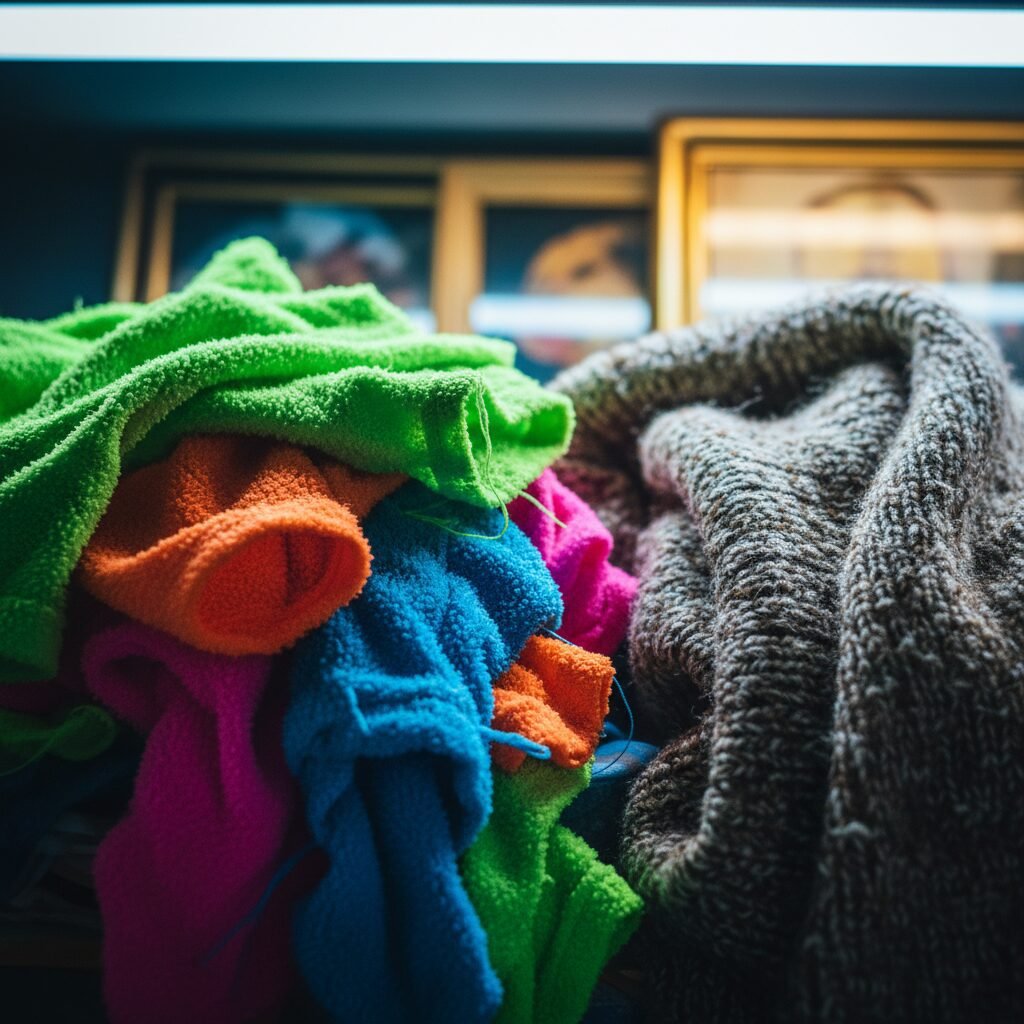
Fabrics to Approach with Caution (Or Avoid Altogether)
Just as some fabrics are heroes, others can be villains for sensitive skin. These materials can trap heat, cause friction, or contain chemicals that lead to discomfort and rashes. Here’s what to look out for.
Synthetic Fabrics (Polyester, Nylon, Rayon)
While common and often inexpensive, synthetics are essentially plastics. They are not breathable and can trap heat and sweat against your baby’s skin, creating a perfect environment for heat rash and irritation. Some fleece sleepers are made of polyester; while they feel soft, they can cause overheating. If you use them, ensure the baby is in a cool room and has only a light layer underneath.
Coarse Wool
Wool is a natural fiber and a fantastic insulator, but it can be very itchy and irritating for many babies (and adults!). The coarse fibers can prickle the skin and trigger a reaction, especially in babies prone to eczema. If you want the warmth of wool, look for ultra-fine merino wool, which is much softer, or use wool as an outer layer that doesn’t have direct contact with the skin.
Non-Organic Cotton
Regular cotton might seem like a safe bet, but conventionally grown cotton is one of the most heavily sprayed crops in the world. The fabrics are then often processed with harsh chemicals, formaldehyde resins (to prevent wrinkling), and chemical dyes. While many of these are washed out, residues can remain and cause skin reactions.
Safety First: Always be wary of clothing labeled ‘flame-retardant.’ While this sounds like a safety feature, the chemicals used to treat these fabrics (especially on synthetic sleepwear) can be very harsh on a baby’s skin. Opt for snug-fitting cotton sleepwear instead, which is naturally more flame-resistant without the need for added chemicals.
The Secret Weapon: A Sensitive Skin Laundry Routine
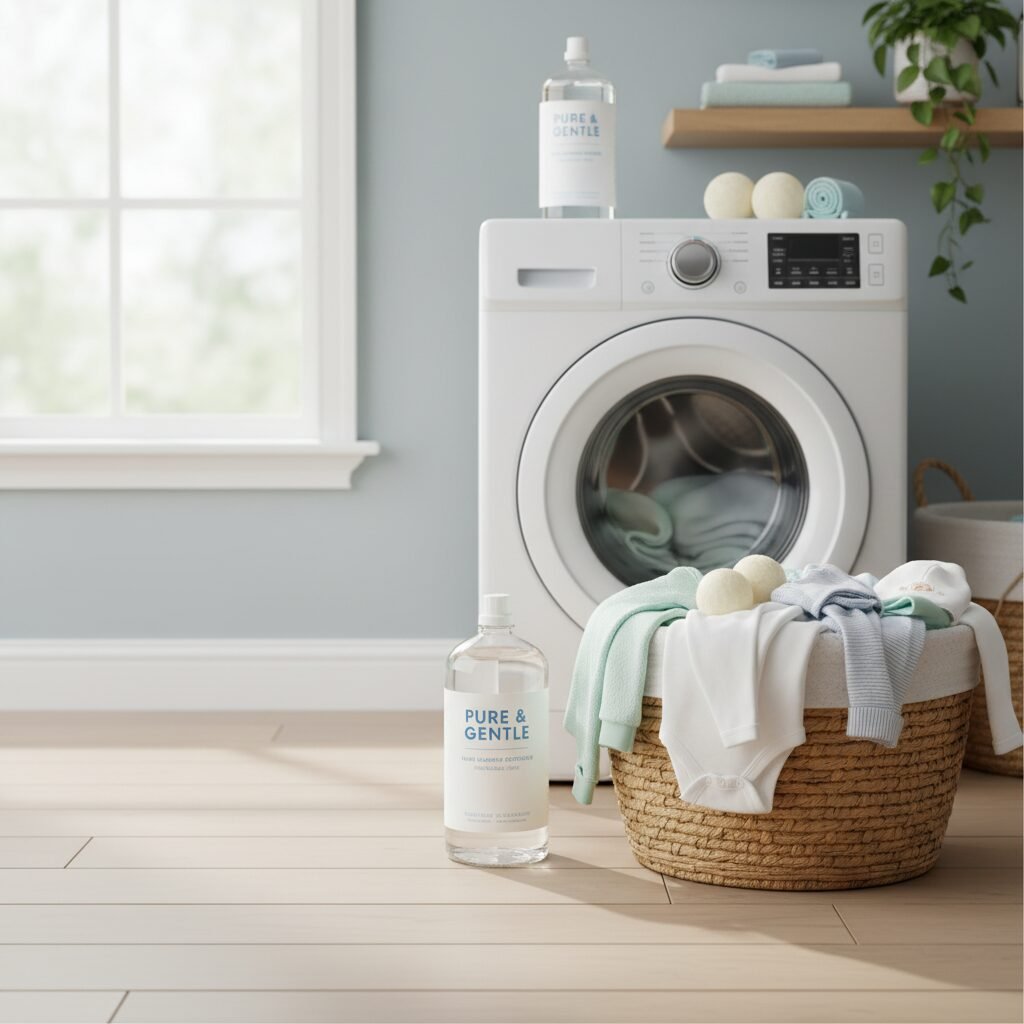
It’s Not Just the Fabric—It’s How You Wash It
You could buy the most beautiful organic cotton onesie, but if you wash it with the wrong detergent, you could still end up with an unhappy, itchy baby. Your laundry routine is a critical piece of the puzzle.
Choose Your Detergent Wisely
Look for detergents that are specifically formulated for sensitive skin. This means they should be:
- Fragrance-Free: ‘Fragrance’ is a catch-all term that can hide hundreds of potential chemical irritants. Always choose ‘fragrance-free’ over ‘unscented,’ as unscented products can use masking fragrances.
- Dye-Free: The dyes that make detergents blue or green serve no cleaning purpose and are common skin irritants. Opt for clear or white liquids or powders.
- Hypoallergenic: While not a regulated term, it generally indicates the product is formulated to be less likely to cause an allergic reaction.
Wash Everything Before Use
This is a non-negotiable step! New clothes, blankets, and bedding have been handled by many people and can be covered in dust, sizing chemicals, and other residues from the manufacturing process. A good wash will remove these potential irritants before they ever touch your baby’s skin.
Skip the Fabric Softener and Dryer Sheets
These products work by coating fabrics with a layer of chemicals to make them feel soft and reduce static. That chemical residue is left directly on the clothing and can easily irritate your baby’s skin. If you want to soften clothes naturally, try adding a half-cup of white vinegar to the rinse cycle or using wool dryer balls in the dryer. They work wonders!
Consider an Extra Rinse
If your baby’s skin is particularly sensitive, using the ‘extra rinse’ setting on your washing machine can be a game-changer. It helps ensure that all detergent residue is thoroughly washed away, leaving nothing behind but clean, soft fabric.
Conclusion
Navigating the world of newborn care can feel like you’re constantly trying to decode a secret language. But when it comes to their skin, the message is simple: keep it gentle, keep it clean, and keep it breathable. By choosing soft, natural fabrics and adopting a skin-friendly laundry routine, you are doing more than just preventing a rash—you are wrapping your baby in love and comfort.
Don’t strive for perfection. You’ll get gifted a polyester outfit, or you’ll need to use a different detergent in a pinch, and that’s okay. The goal is to make informed choices most of the time. Trust your instincts. If a fabric feels rough to you, it will feel even rougher to your baby. You’ve got this, and you’re already on your way to becoming an expert in your own baby’s needs. Enjoy all the soft, sweet snuggles!