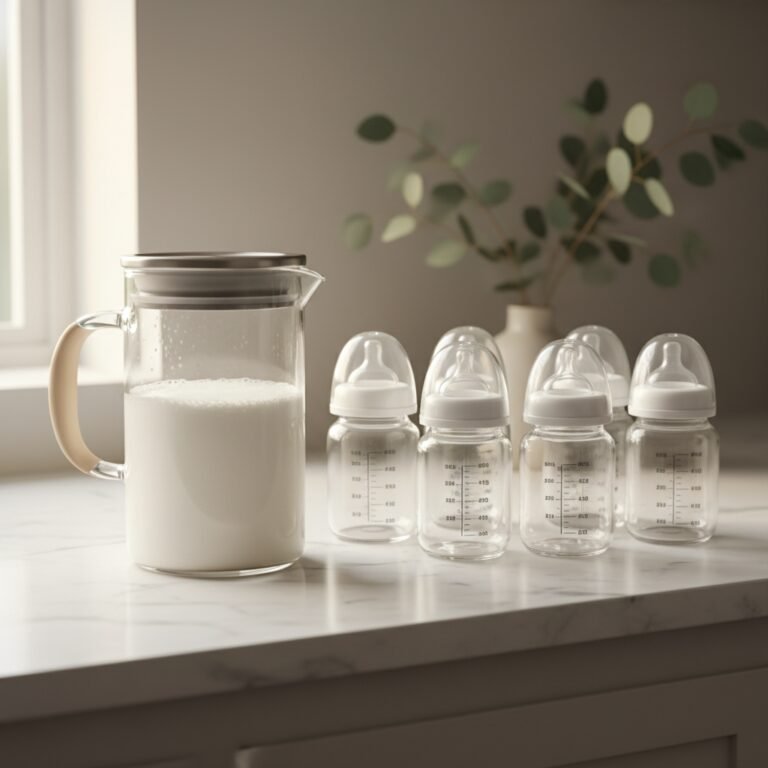

Stop Shaking the Bottle! Why Swirling Prevents Newborn Gas Pain
You’re up for a 2 a.m. feeding, bleary-eyed but full of love. You measure the water, scoop the formula, and then do what you’ve seen a million times: you give that bottle a vigorous, energetic shake to mix it all up. A few minutes into the feeding, the fussing starts. Then comes the squirming, the legs pulling up to the chest, and the heart-wrenching cries of a gassy, uncomfortable baby. Sound familiar? As a pediatric nurse and lactation consultant, I’ve seen this exact scenario play out with countless loving, well-meaning parents. You’re doing everything you can, but you might be accidentally creating the very problem you’re trying to solve. The good news is, the solution is incredibly simple. It’s time to stop shaking the bottle. In this guide, we’ll explore the science behind why shaking creates a bubble bonanza in your baby’s tummy and how a gentle, simple swirl can be the game-changer you and your little one need for peaceful, happy feedings.
The Bubble Trouble: Why Shaking Your Baby’s Bottle Creates a Gas-Fest

It seems like the most logical way to mix formula, right? A good shake ensures there are no clumps. But what we can’t easily see is the microscopic chaos we’re creating inside that bottle. When you shake formula powder and water together, you’re forcefully injecting air into the liquid. This process, called aeration, creates thousands of tiny air bubbles that get trapped in the milk.
Understanding Micro-Bubbles
Unlike the big bubbles you might see on top that eventually pop, these are stubborn micro-bubbles suspended throughout the liquid. Think about shaking a can of soda—you know what happens when you open it. While a bottle of formula won’t explode, that same principle of trapped gas is at play. When your baby drinks the foamy milk, they swallow all of those tiny air bubbles along with it. A newborn’s digestive system is brand new and incredibly sensitive. It’s not equipped to handle this extra air efficiently. The bubbles accumulate in their tiny stomach and intestines, leading to pressure, bloating, and painful gas that they struggle to pass.
A Nurse’s Tip: Think of it this way: Every bubble you create by shaking is a potential pocket of pain for your baby’s tummy. Our goal is to dissolve the powder, not whip it into a froth.
These air bubbles can also trick you into thinking your baby is full before they actually are, as the air takes up precious space in their stomach. This can lead to them waking up hungry sooner, disrupting feeding and sleeping schedules. The simple act of swirling, however, changes everything.
Master the Gentle Swirl: Your Step-by-Step Guide to a Gas-Free Bottle

Ready to transform your bottle-making routine? The swirl is a gentle, effective technique that mixes the formula perfectly without creating that gassy foam. It might take a few seconds longer than a frantic shake, but the peaceful feeding that follows is more than worth it. Follow these simple steps to become a swirling pro.
- Water First, Always: Pour the desired amount of warm (not hot) water into the clean bottle first. Adding powder to an empty bottle can cause it to clump at the bottom.
- Add the Powder: Scoop the correct amount of formula powder and add it to the water.
- Cap It Securely: Make sure the nipple, collar, and cap are all screwed on properly to prevent any leaks.
- The Initial Roll: To get things started, hold the bottle upright between the palms of your hands and roll it back and forth gently for about 10-15 seconds. This helps break up any initial clumps without introducing air.
- Begin the Swirl: Now, hold the bottle by its base and gently swirl it in a slow, circular motion. Imagine you are swirling a glass of fine wine. Watch as the powder dissolves into the water, creating a smooth, consistent liquid. Continue until all the powder is gone.
- Check for Clumps & Temperature: Give the bottle a final tilt to ensure there are no clumps left. Test a few drops on the inside of your wrist to make sure the temperature is comfortably lukewarm before feeding your baby.
That’s it! You’ve successfully prepared a bottle that’s much kinder to your baby’s developing digestive system. You’ll immediately notice the difference: the milk looks smoother, calmer, and has virtually no foam on top.
Your Anti-Gas Toolkit: More Expert Tips for Comfortable Feedings

While swirling is a huge step towards a happier tummy, it’s one piece of the puzzle. You can combine this technique with other strategies to create a comprehensive anti-gas plan for your little one. Here are some of my go-to tips for new parents.
Paced Bottle Feeding: Let Your Baby Set the Rhythm
This technique mimics the flow of breastfeeding and gives your baby more control over the feeding. Hold your baby in a more upright position and hold the bottle horizontally to the floor. This way, milk only flows when your baby actively sucks. Encourage frequent pauses by tilting the bottle down, allowing them to catch their breath and preventing them from gulping air along with their milk.
Choosing the Right Gear: Bottles and Nipples Matter
The market is flooded with ‘anti-colic’ bottles, and for good reason. Many are designed with special vents or systems that reduce the amount of air your baby swallows. Look for bottles with internal vents, drop-in liners, or angled tops. Equally important is the nipple flow rate. A nipple that’s too fast can cause your baby to gag and gulp air. One that’s too slow can cause them to suck harder, also taking in air. Start with the slowest flow (usually labeled ‘newborn’ or ‘level 1’) and watch your baby’s cues to see if it’s the right fit.
Burping Like a Pro: Techniques That Actually Work
Burping helps release any air that was swallowed during the feeding. It’s best to burp your baby every 2-3 ounces, or when they naturally pause. There’s more than one way to get a good burp, so try a few to see what your baby prefers.
| Burping Position | How to Do It | Best For |
|---|---|---|
| Over the Shoulder | The classic hold. Place a burp cloth on your shoulder, hold your baby high up so their tummy presses gently against your shoulder, and pat or rub their back. | Most newborns; provides a feeling of security. |
| Sitting on Your Lap | Sit your baby on your lap facing away from you. Use one hand to support their chest and head (cradling their chin in your palm, not throat), lean them slightly forward, and pat their back with your other hand. | Babies with good head control or who spit up a lot in the shoulder position. |
| Lying Across Your Lap | Lay your baby tummy-down across your knees. Ensure their head is higher than their chest. Gently rub or pat their back. The gentle pressure on their tummy can help release gas. | Very gassy babies; the pressure can feel soothing. |
Listening to Your Baby: When to Call the Pediatrician

It’s essential to remember that some gas, fussiness, and spit-up are perfectly normal parts of being a new baby. The techniques in this article are designed to help with that common, everyday gas. However, sometimes excessive crying or discomfort can be a sign of something more. Your parental intuition is your most powerful tool, and you should never hesitate to reach out to your pediatrician if you’re concerned.
Be on the lookout for symptoms that go beyond typical gassiness. It’s time to make a call if you notice:
- Inconsolable Crying: Crying that lasts for more than three hours a day, more than three days a week, for more than three weeks (the rule of 3s for colic).
- Feeding Issues: Consistently refusing to eat, or seeming to be in pain during or after every feeding.
- Vomiting: More than just a little spit-up. We’re talking about forceful, projectile vomiting.
- Stool Changes: Any signs of blood or mucus in the stool, or if your baby is experiencing severe constipation or diarrhea.
- Weight Gain Concerns: If your baby is not gaining weight appropriately or is losing weight.
- Other Signs of Illness: A fever, lethargy, or any other sign that your baby just doesn’t seem like themselves.
A Critical Reminder: You are the expert on your baby. If something feels wrong, it’s always worth a phone call. Your peace of mind is paramount, and your pediatrician is your partner in ensuring your baby is healthy and thriving.
These symptoms could indicate issues like reflux (GERD), a milk protein allergy, or other medical conditions that require a doctor’s diagnosis and care plan. Trust your gut and advocate for your little one.
Conclusion
Being a new parent is a journey of learning and love, and navigating the world of newborn care can feel overwhelming. But sometimes, the most profound changes come from the smallest adjustments. Swapping a vigorous shake for a gentle swirl is one of those simple shifts that can make a world of difference, transforming stressful, tear-filled feedings into peaceful moments of connection. Remember to be patient with yourself and your baby as you try these new techniques. You are doing an amazing job. By being mindful of how you prepare your baby’s bottle and listening to their cues, you are providing the comforting, loving care they need to grow and thrive. Here’s to happier tummies and more peaceful nights for you both!