Stop! Never Use Q-Tips: How To Clean Newborn Ears Safely
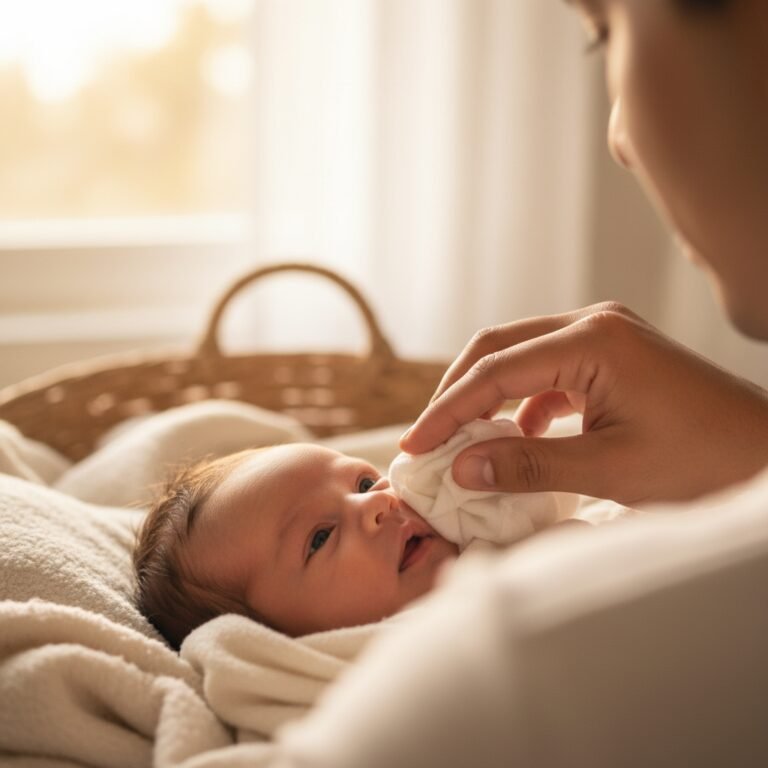
Hey there, new parent. Welcome to one of the many surprising little worries of parenthood: your baby’s ears. You notice a bit of yellow, flaky stuff and your first instinct might be to reach for that familiar bathroom staple—the cotton swab. Please, take a deep breath and put it down. I’m here to tell you, with all the warmth and reassurance of a nurse who has seen it all, that you must never use a Q-tip or any other object inside your newborn’s tiny, delicate ear canal.
It feels counterintuitive, doesn’t it? We’re taught that cleaning is good! But when it comes to infant ears, less is truly more. That little bit of wax is not only normal, it’s beneficial. Trying to ‘clean’ it out can do much more harm than good. In this guide, we’ll walk through exactly why cotton swabs are off-limits, what’s really going on inside those adorable little ears, and the super simple, completely safe way to keep them clean. Let’s do this together.
Why Cotton Swabs Are a Big No-No for Tiny Ears

Why Cotton Swabs Are a Big No-No for Tiny Ears
Let’s get right to the heart of it. That box of cotton swabs might even have a warning on it about not inserting it into the ear canal, and that warning is there for very good reasons, especially for a newborn. A baby’s ear canal is incredibly small and delicate, and the eardrum is much closer to the surface than in an adult.
The Dangers Are Real
Using a cotton swab, or anything similar, inside your baby’s ear can lead to some serious problems:
- Impacting the Wax: Instead of removing wax, a swab acts like a ramrod, pushing the wax deeper into the ear canal. This can create a blockage, leading to discomfort, hearing issues, and even dizziness.
- Risk of Perforation: A sudden wiggle from your baby (and trust me, they will wiggle!) could cause the swab to go too deep, potentially perforating the eardrum. This is extremely painful and can lead to hearing loss and infection.
- Irritation and Infection: The skin inside the ear canal is very thin and sensitive. Scraping it with a cotton swab can cause tiny cuts, opening the door for painful infections like swimmer’s ear.
A Critical Safety Warning: Never insert anything—not a cotton swab, a finger, or any tool—into your baby’s ear canal. The risk of permanent damage is simply not worth it.
Think of it this way: you’re trying to solve a problem that doesn’t actually exist, and in the process, you could create a very real one. The best approach starts with understanding that baby earwax is not the enemy.
Understanding Your Baby’s Earwax: Friend, Not Foe!
Understanding Your Baby’s Earwax: Friend, Not Foe!
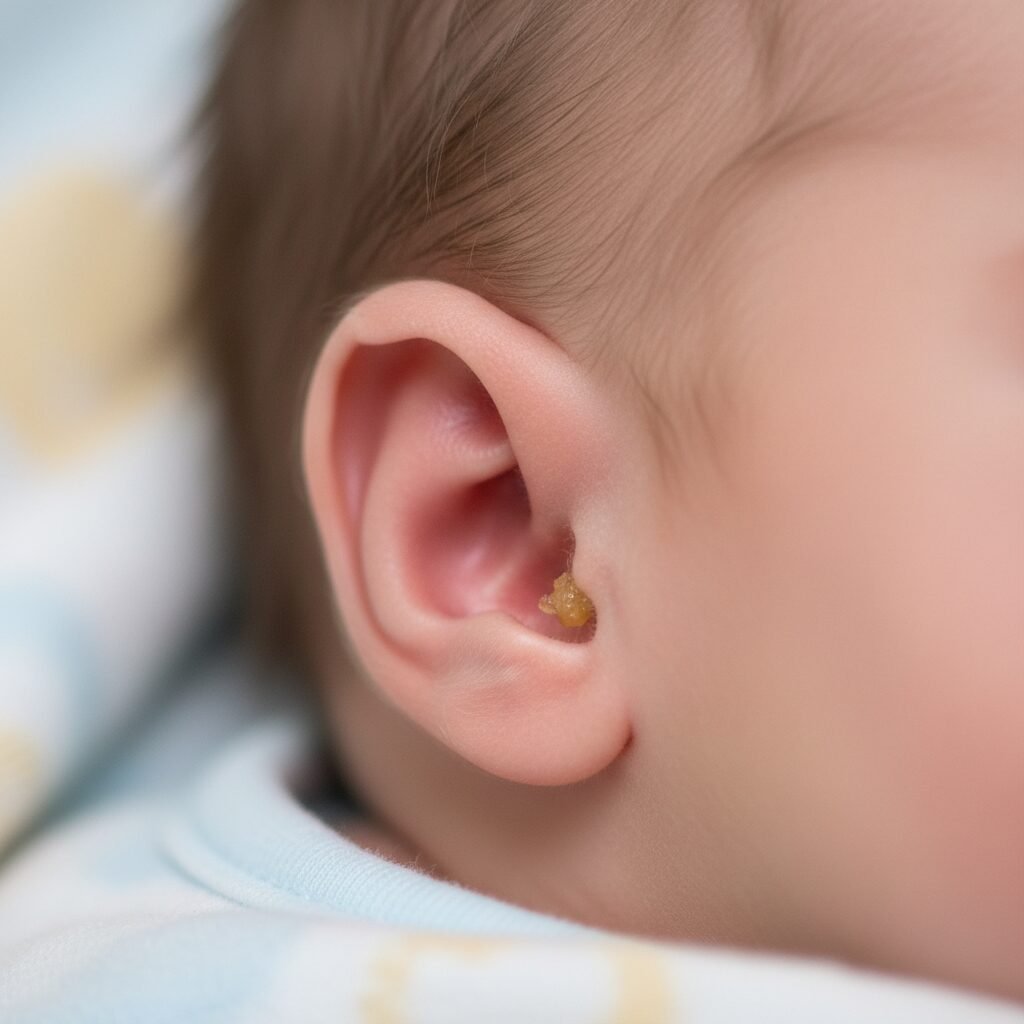
We’ve been conditioned to see earwax as something dirty that needs to be removed, but it’s time for a little re-education! Medically known as cerumen, earwax is a natural, healthy, and protective substance produced by the body. It’s not a sign of poor hygiene; it’s a sign that your baby’s ears are working exactly as they should.
The Superpowers of Earwax
Your baby’s earwax is a little superhero working hard to protect them. Here’s what it does:
- It’s a Natural Moisturizer: Earwax lubricates the skin inside the ear canal, preventing it from becoming dry and itchy.
- It’s a Debris Trap: It has a sticky consistency that traps dust, dirt, and other tiny particles, stopping them from traveling deeper into the ear.
- It Has Antibacterial Properties: Studies have shown that earwax contains special enzymes that help prevent bacteria and fungi from growing, reducing the risk of infection.
The Self-Cleaning Oven Analogy
The best part? Ears are self-cleaning! Think of the ear canal like a tiny conveyor belt. New wax is produced deep inside, and as it dries, the natural movements of your baby’s jaw—from crying, feeding, and babbling—slowly move the old wax and any trapped debris outward. Eventually, it reaches the outer ear, where it flakes off or can be gently wiped away. You don’t need to go digging for it; the body does the work for you!
The Safe & Simple Bath Time Method: Your Step-by-Step Guide

The Safe & Simple Bath Time Method: Your Step-by-Step Guide
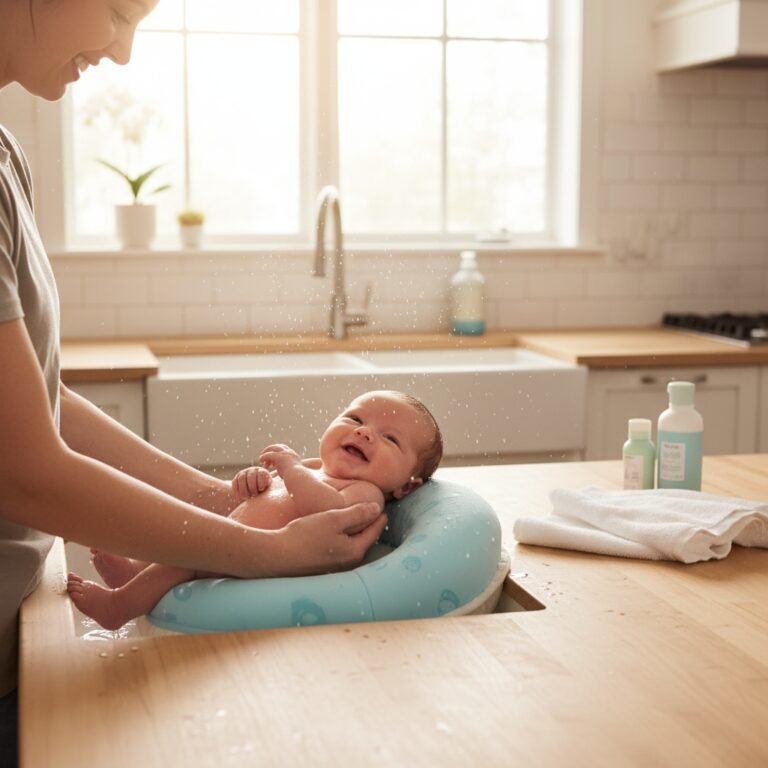
Okay, so you know not to use Q-tips and that wax is a good thing. But what about when you see a little crusty buildup on the outside of the ear? That’s what you can clean! And the best time to do it is during or right after a bath when their skin is warm and soft. It’s incredibly simple.
Step 1: Gather Your Supplies
You don’t need a special kit. All you need is:
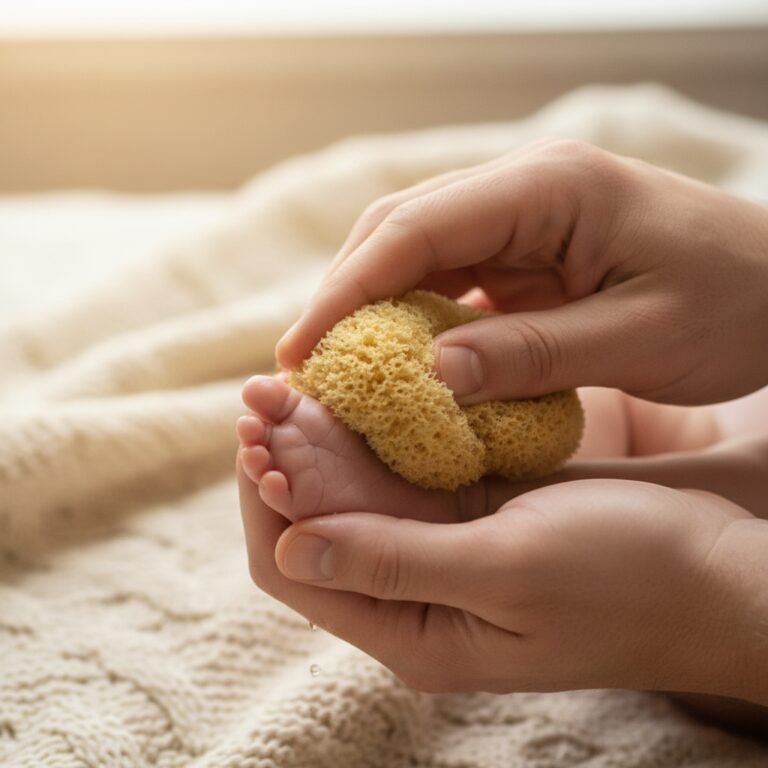
- A soft baby washcloth or a cotton ball
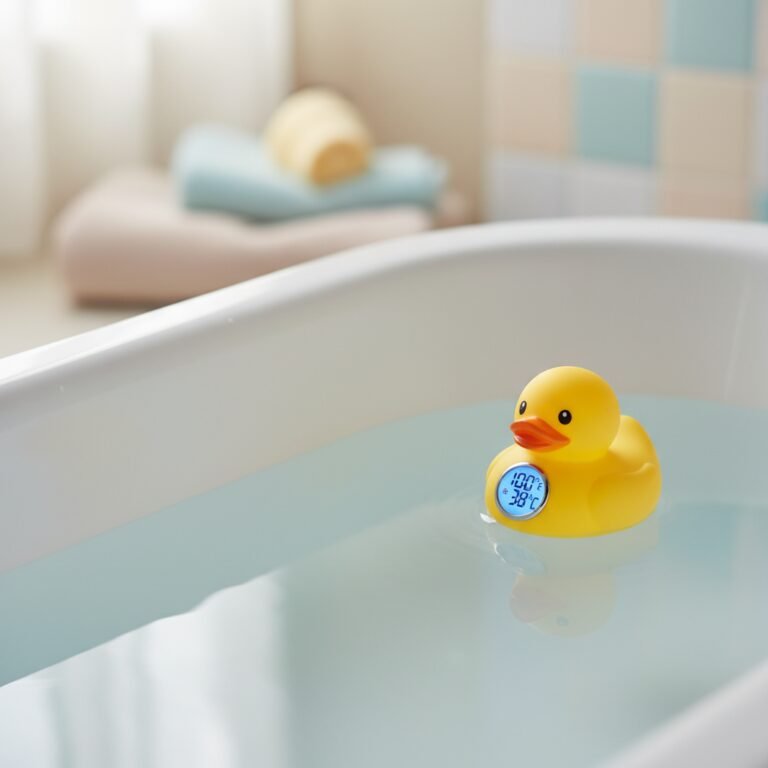
- A bowl of warm (not hot!) water
Step 2: The Gentle Wipe-Down
Here’s the entire process, step by step. It’ll take you less than a minute.
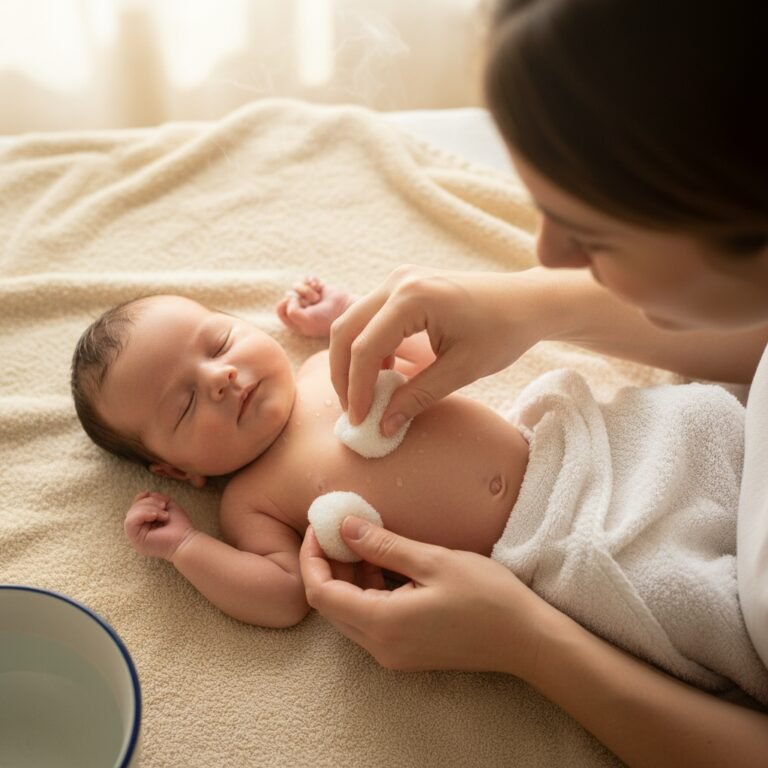
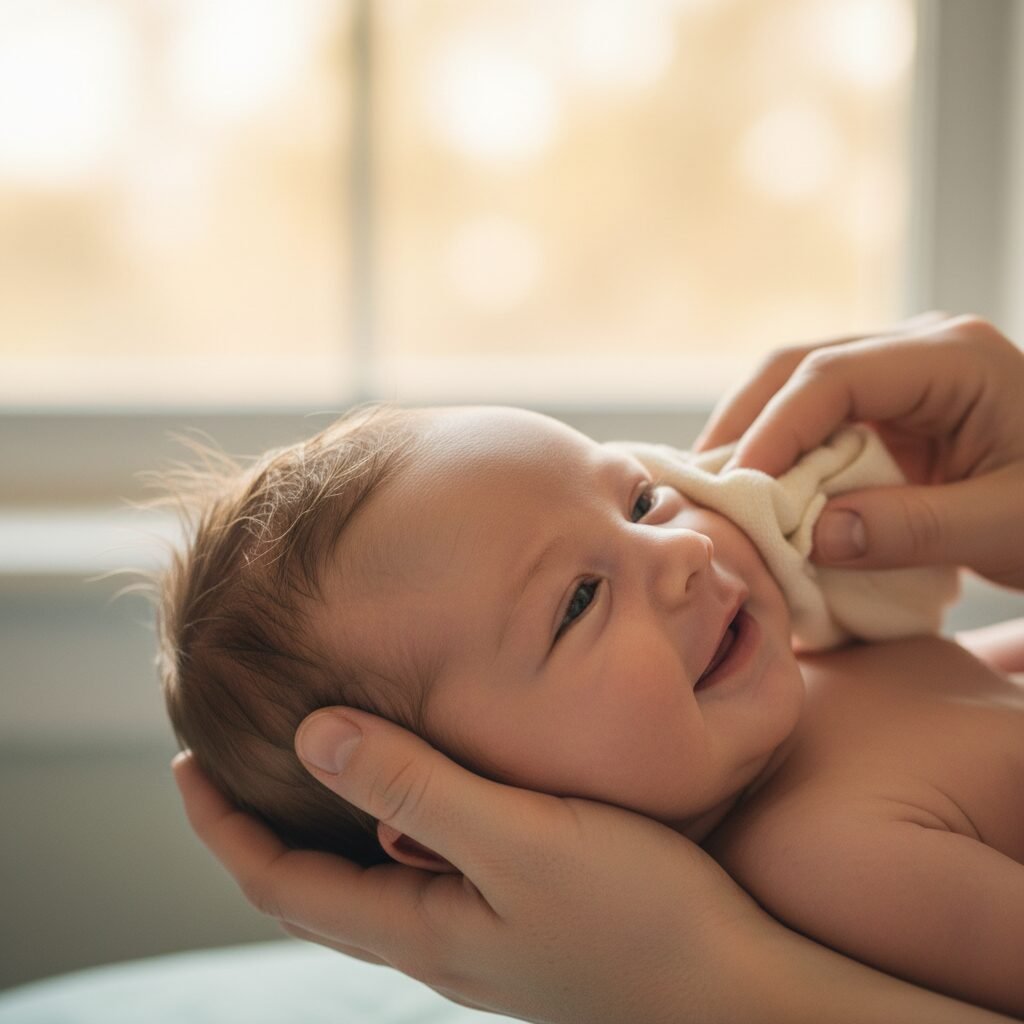
- Dip the washcloth or cotton ball in the warm water and wring it out thoroughly. You want it damp, not dripping.
- Gently wipe around the outside of your baby’s ear.
- Clean behind the ear, where milk can sometimes dribble and hide.
- Carefully wipe all the outer folds and crevices of the ear that you can see.
- That’s it! You’re done. Dry the area with a soft, clean towel.
To make it even clearer, here’s a simple breakdown of what to do and what to avoid.
| DOs | DON’Ts |
|---|---|
| Use a soft, damp washcloth. | Never use a cotton swab (Q-tip). |
| Clean only the outer parts of the ear. | Never insert anything into the ear canal. |
| Wipe behind the ears. | Never use ear drops unless prescribed by a doctor. |
| Make it part of your bath routine. | Never try to dig out or remove visible wax from the canal. |
Red Flags: When to Call Your Pediatrician

Red Flags: When to Call Your Pediatrician
Your parental instincts are powerful, so trust them. While a little bit of visible wax is perfectly normal, there are certain signs that might indicate an issue like an ear infection or a significant blockage. It’s always best to err on the side of caution and give your pediatrician’s office a call if you notice any of the following:
Signs to Watch For
- Foul-smelling or colored drainage: Yellow or green fluid, or any foul-smelling discharge coming from the ear canal, is a definite reason to call the doctor. Clear fluid after a head injury requires immediate medical attention.
- Tugging or pulling at the ears: While sometimes just a sign of self-soothing or teething, persistent ear-pulling, especially when combined with other symptoms, can signal ear pain.
- Unusual irritability or crying: If your baby is fussier than usual, cries when lying down, or seems to be in pain, it could be related to an ear issue.
- Fever: A fever (typically over 100.4°F or 38°C rectally for a newborn) accompanying any of these other signs warrants a call to your pediatrician.
- Not responding to sounds: If you have concerns that your baby isn’t reacting to noises as they should, mention it to your doctor. It could be a sign of fluid or wax buildup affecting their hearing.
- Balance issues: In older babies who are starting to sit or crawl, trouble with balance can sometimes be linked to inner ear problems.
Remember, you are your baby’s best advocate. It is never a bother to call your pediatrician with a concern. They are there to help you and ensure your little one is healthy and happy.
Your doctor has special tools to look safely inside your baby’s ear and can determine if there’s an infection or a blockage that needs professional attention. They can safely remove impacted wax or prescribe medication if needed.
Conclusion
And there you have it. Cleaning your baby’s ears is probably one of the simplest tasks on your very long list of parenting duties. It’s more about what not to do than what you need to do. Let’s quickly recap the most important points:
- Embrace the Wax: Earwax is a natural, protective, and self-cleaning substance. It’s your friend!
- Ditch the Swabs: Cotton swabs are dangerous and can cause impaction, irritation, and even eardrum damage. Keep them out of the ear canal.
- Keep it Simple: A warm, damp washcloth on the outside of the ear is all you need.
- Trust Your Gut: You know your baby best. If something seems off—like signs of pain, fever, or drainage—don’t hesitate to call your pediatrician.
You’ve got this. Navigating the world of newborn care can feel like learning a whole new language, but you’re doing an amazing job. By being gentle and informed, you’re keeping your sweet baby safe, healthy, and comfortable. Now you can check ‘worry about baby’s ears’ right off your list.