
Stop Gas Instantly: The Paced Bottle Feeding Method Every Mom Needs To Know
Is there anything more stressful than a feeding that ends in tears — both yours and your baby’s? You prepare the bottle with love, settle in for a snuggle, but minutes later, your little one is squirming, crying, and clearly uncomfortable. That post-bottle fussiness, often caused by painful gas, can make you feel helpless. You might be wondering, ‘Am I doing something wrong? Is it the formula? Is it the bottle?’
Take a deep breath, you’re doing a great job. The answer might not be in what you’re feeding, but how you’re feeding. Welcome to the world of paced bottle feeding, a game-changing technique that puts your baby in the driver’s seat. It’s a simple, intuitive method designed to mimic the natural rhythm of breastfeeding. By slowing things down and letting your baby lead the way, you can dramatically reduce air intake, prevent overfeeding, and turn feeding time from a stressful event into the sweet, bonding experience it’s meant to be. Let’s walk through this gentle approach together, step by step.
Decoding the Magic: What Exactly Is Paced Bottle Feeding?
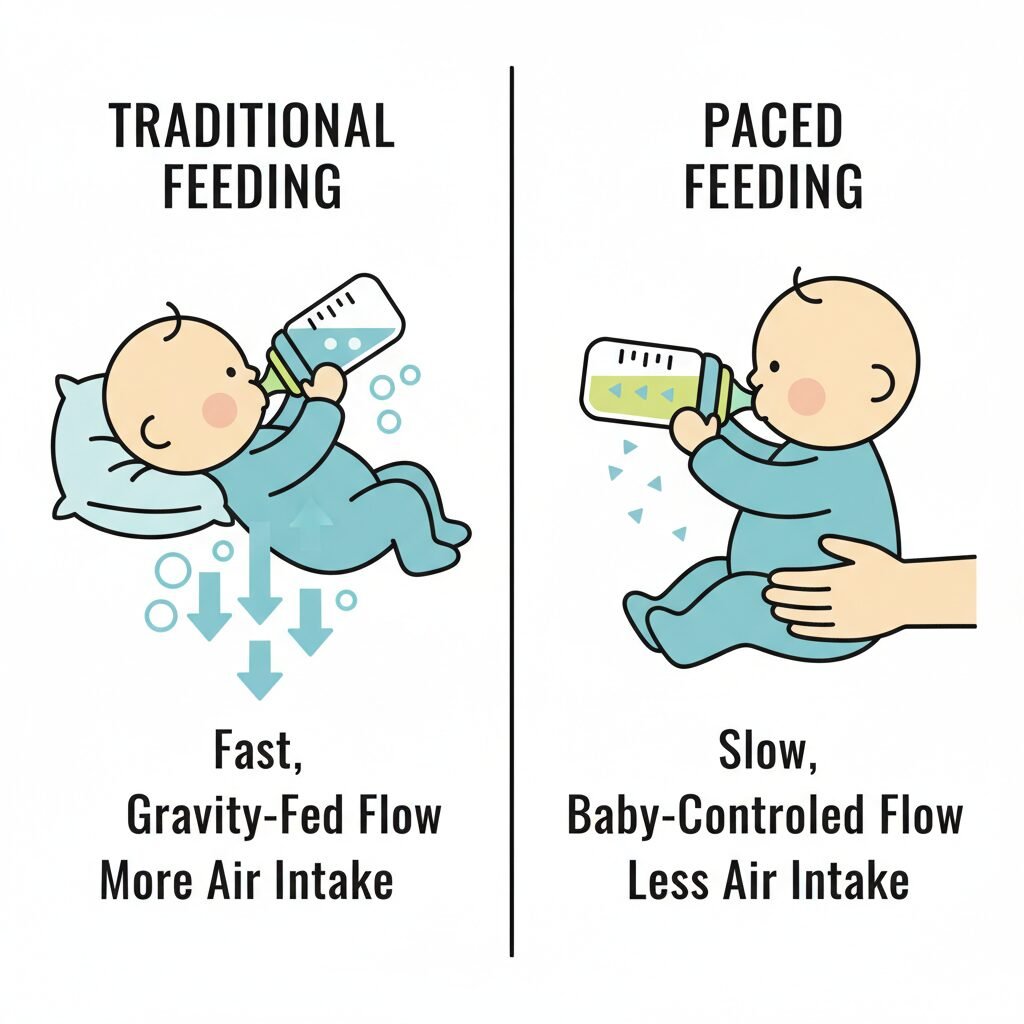
So, what’s all the buzz about? At its core, paced bottle feeding is a method of bottle-feeding that lets the baby control the pace and flow of milk, much like they would at the breast. Think about it: when a baby breastfeeds, they have to actively suck to get milk to flow. They take pauses, breathe, and decide when they’re ready for more. It’s a beautiful, responsive dance between mom and baby.
Traditional bottle feeding can sometimes be more like a one-way street. When you tilt a bottle upside down, gravity takes over, and milk flows out whether the baby is actively sucking or not. To keep up, a baby might gulp quickly, swallowing a lot of air in the process. This can lead to a whole host of uncomfortable issues. Paced feeding flips the script by putting control back where it belongs: with your baby.
Key Benefits of a Slower Pace
Adopting this method isn’t just about reducing gas. It has a ripple effect that benefits your baby in several wonderful ways:
- Reduces Gas, Spit-Up, and Colic Symptoms: By swallowing less air, your baby’s tummy is much happier. This is the number one reason parents switch to this method and see almost immediate results.
- Prevents Overfeeding: It takes about 20 minutes for the brain to register fullness. When babies drink too fast, they can easily consume more milk than they need before their body signals that they’re full. Paced feeding gives their brain time to catch up, helping them learn to recognize their own fullness cues.
- Supports the Breast-to-Bottle Transition: If you’re combination feeding or planning to return to work, this method is a lifesaver. Because the flow is slower and requires more work from the baby, it prevents them from developing a ‘flow preference’ for the fast and easy bottle, making it easier to switch between breast and bottle.
- Strengthens Your Bond: This method requires you to be present and attentive to your baby’s cues. This responsive interaction deepens your connection and builds trust. It turns feeding into an active, shared experience rather than a passive task.
Gearing Up for Success: Choosing the Right Bottle and Nipple
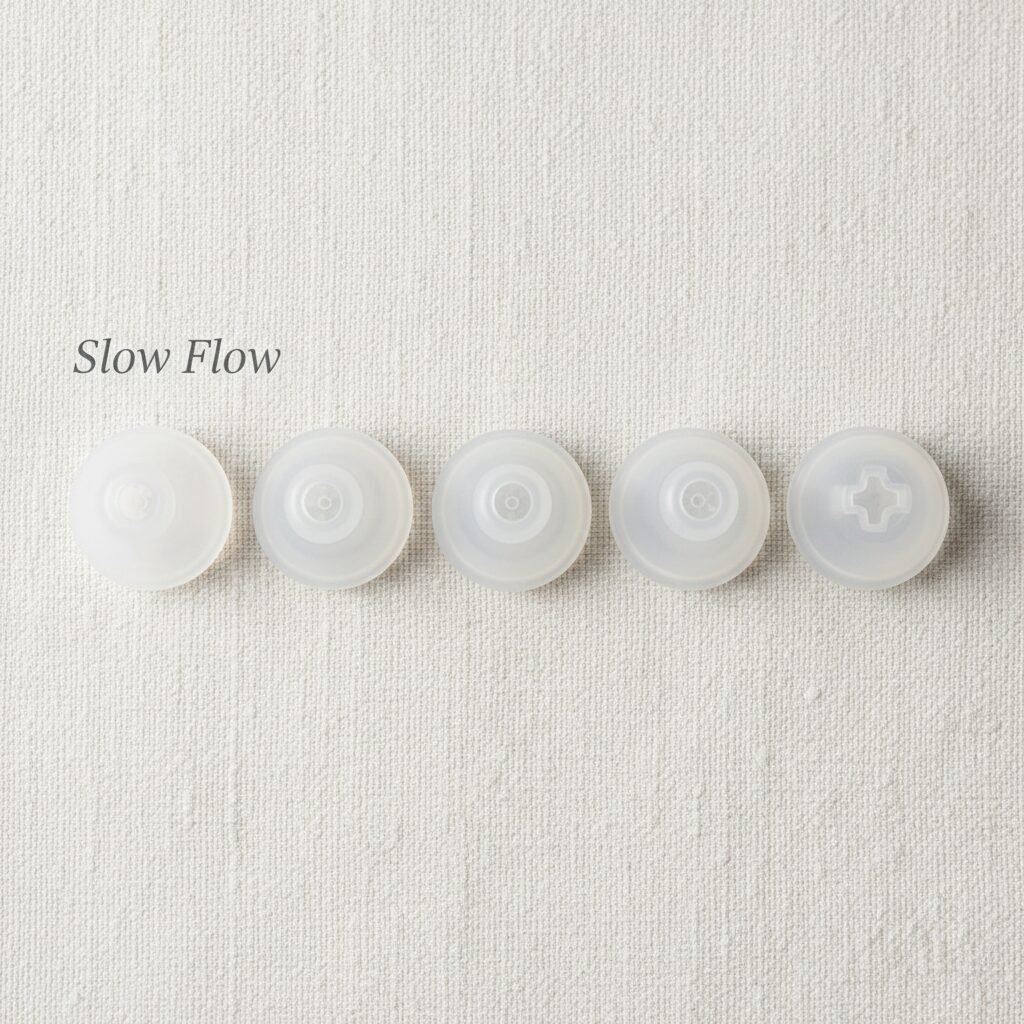
You might be thinking, ‘Great, another thing I need to buy!’ But here’s the good news: you probably don’t need a special, expensive ‘paced feeding’ bottle. The magic isn’t in the bottle itself, but in the nipple you use and how you hold it. The single most important piece of gear is a slow-flow nipple.
Most bottle sets come with a variety of nipple sizes, often labeled by ‘level’ or ‘stage’ (e.g., Level 1, 0m+). For paced feeding, you want to stick with the slowest flow nipple your baby will accept, regardless of their age. The goal is for a bottle feed to take roughly 15-20 minutes — similar to a breastfeeding session. If your baby is finishing a bottle in five minutes, the flow is too fast.
Remember, the age recommendations on nipple packaging are just suggestions. Your baby’s cues are the most reliable guide. A 4-month-old can still be perfectly happy and better off with a newborn or slow-flow nipple!
While any bottle works, some parents find that bottles with a wide base can help encourage a deep latch, similar to the one they use at the breast. But don’t stress about finding the ‘perfect’ bottle. Start with what you have, get the slowest flow nipple available for that brand, and focus on your technique.
| Nipple Level | Typical Age Range | Why You’d Use It |
|---|---|---|
| Preemie / Ultra-Slow Flow | Premature infants or newborns | The slowest flow available, ideal for babies who need extra help controlling the flow. |
| Level 1 / Slow Flow / Newborn | 0-3 Months | This is the ideal starting point for all babies using paced feeding. Many babies never need to move up from this level. |
| Level 2 / Medium Flow | 3-6 Months | Consider this only if your baby is showing clear signs of frustration with the slow flow (like collapsing the nipple or taking a very long time to feed) and not just adjusting. |
| Level 3+ / Fast Flow | 6+ Months | Generally not recommended for paced feeding, as the flow can become too fast to control, defeating the purpose of the method. |
Your Step-by-Step Guide to a Happier Tummy
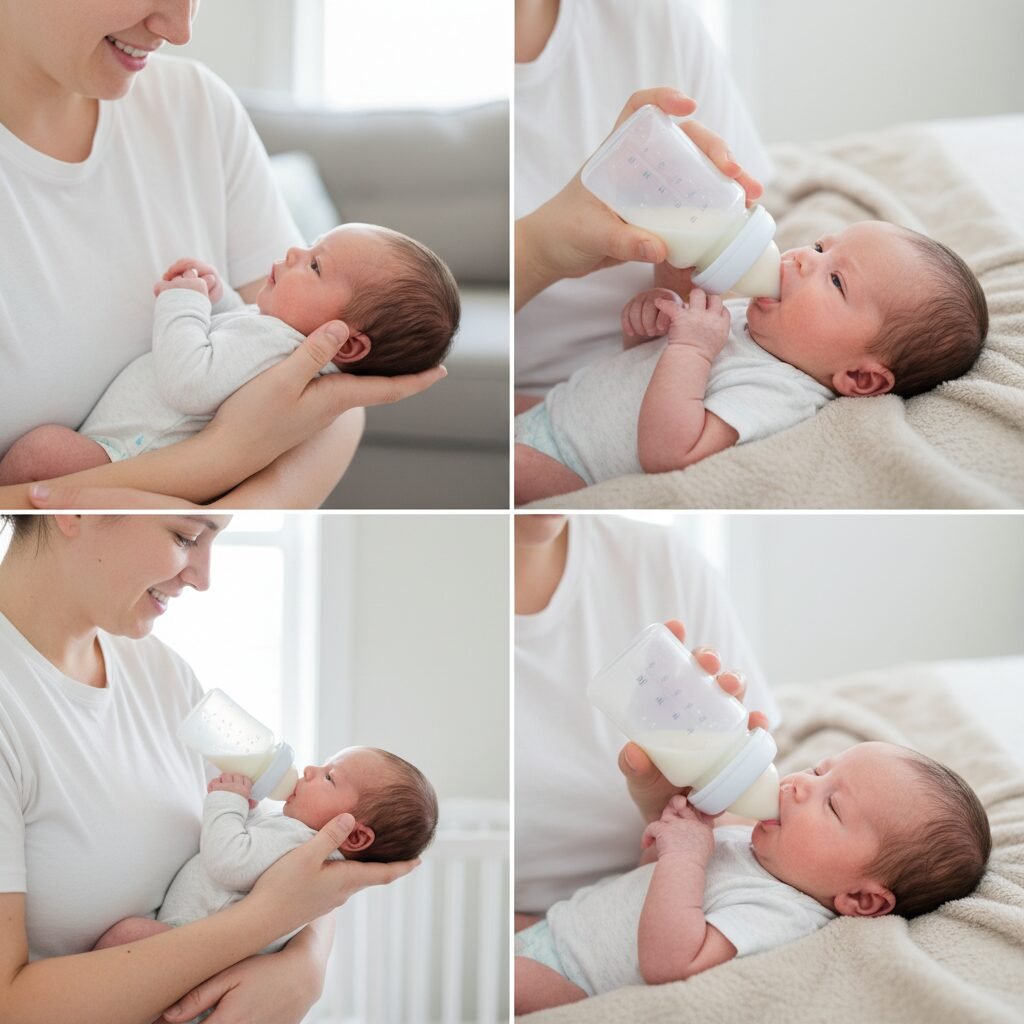
Alright, you’ve got your bottle and your slow-flow nipple. Now it’s time for the main event! Find a comfortable spot, take a deep breath, and let’s walk through the process. It might feel a little awkward at first, but you and your baby will be pros in no time.
-
Positioning is Key
Hold your baby in a supported, semi-upright position. They should be sitting up more than they are lying down. You can nestle them in the crook of your arm, but make sure their head is higher than their stomach. This position gives them more control and allows gravity to assist with digestion, not just with chugging milk.
-
Invite, Don’t Force
Instead of pushing the nipple into your baby’s mouth, invite them to take it. Gently tickle their upper lip with the tip of the nipple. This will stimulate their rooting reflex, and they’ll open their mouth wide. Wait for that big, wide ‘gape’ before letting them draw the nipple in. This ensures a deeper, more comfortable latch.
-
Hold the Bottle Horizontally
This is the most important step! Once the baby has latched, bring the bottle to a horizontal position, parallel to the floor. Tilt it just enough so that the very tip of the nipple is filled with milk. The rest of the nipple should be empty. This simple change stops the free-flow of milk and requires your baby to actively suck to get their meal, just like at the breast.
-
Watch and Listen for Cues
Pay close attention to your baby. You’ll see them get into a rhythm of sucking and swallowing. You might hear little ‘kah’ sounds as they breathe. This is active, engaged feeding. They are in control.
-
Take Frequent Breaks
After about 20-30 seconds of continuous drinking (or whenever your baby naturally pauses), it’s time for a break. Gently tip the bottle downward so the milk flows back out of the nipple, but keep the nipple in their mouth. This allows your baby to catch their breath and rest without feeling like they have to keep drinking to stop the flow. This is the ‘paced’ part of the feed!
-
Let Them Resume
Your baby will tell you when they’re ready for more. They’ll start sucking on the empty nipple again. When they do, simply tilt the bottle back to the horizontal position to refill the nipple tip and let them continue. Repeat this cycle of drinking and pausing throughout the feed.
-
Switch It Up
Halfway through the feed, consider switching your baby to your other arm. This mimics breastfeeding, where a baby switches sides. It helps with their eye development and prevents them from developing a preference for turning their head to one side.
-
Know When to Stop
One of the biggest benefits of paced feeding is learning to trust your baby’s fullness cues. They are finished when they start turning their head away, closing their mouth, pushing the nipple out with their tongue, or getting sleepy and relaxed. It’s crucial to end the feed when they give these signals, even if there is still milk left in the bottle. You are teaching them to listen to their body, a skill that will last a lifetime.
Common Questions & Gentle Solutions

As you start this new journey, questions will naturally come up. Here are some common concerns and reassuring answers to help you navigate them.
‘My baby seems frustrated and is fussing with the slow flow. What should I do?’
It’s a common worry! First, ensure the nipple isn’t clogged and that you are tilting it just enough to fill the tip. Sometimes, what we interpret as frustration is actually the baby adjusting to a new way of eating. They’re used to the milk flowing freely, and now they have to work for it. Give it a few days. Often, this ‘frustration’ is actually a sign that they are getting full and are naturally slowing down. Stick with it, and they’ll likely adjust quickly.
‘How long is a paced bottle feed supposed to take?’
A good target is 15-20 minutes. If a feed is consistently taking 30-40 minutes and your baby seems exhausted, you might consider trying the next nipple level up. Conversely, if your baby is still finishing a bottle in 5-7 minutes, you need to be more diligent about holding the bottle horizontally and initiating those breaks every 20-30 seconds.
‘My partner/grandma/daycare provider thinks this is too complicated. How can I get them on board?’
This is a big one! The best way to explain it is to focus on the ‘why.’ Say something like, ‘We’re trying this new method called paced feeding to help with the baby’s gas and reflux. It’s more like breastfeeding and lets the baby control the flow.’ You can even send them a link to this article or a video demonstrating the technique. Frame it as being ‘responsive’ or ‘baby-led,’ which helps others understand the loving intention behind it.
‘Is it really okay to not make my baby finish the bottle?’
Absolutely! It’s more than okay; it’s one of the primary goals. We want to empower our babies to listen to their hunger and fullness cues. Forcing a baby to finish a bottle can teach them to override those signals, which can contribute to feeding issues down the line. Trust your baby. They are the only one who knows how hungry they are. It can be hard to let go of the ’empty plate club’ mentality, but it’s one of the best gifts you can give your child.
A Final Word of Reassurance: Be patient and gentle with yourself and your baby. Learning a new skill takes time. There will be feeds that feel clumsy, and that’s okay. Every single feed is a new opportunity to practice and connect. You’re not aiming for perfection; you’re aiming for a responsive, comfortable, and loving experience.
Conclusion
Paced bottle feeding is more than just a technique; it’s a philosophy. It’s about shifting the focus from quantity and speed to connection and responsiveness. By simply changing the angle of a bottle and tuning into your baby’s subtle cues, you can transform feeding time. You can give your little one the gift of a comfortable tummy, teach them to trust their own body, and build a beautiful foundation of communication and trust between you.
Remember the key takeaways: hold your baby upright, keep the bottle horizontal, and take frequent breaks. Most importantly, watch your baby, not the ounces in the bottle. You are your baby’s expert. You know them best. By choosing to feed them this way, you are honoring their needs and your own instincts.
You’ve got this. Every feed is a new chance to bond, to nourish, and to show your baby that you are there, listening. Happy feeding!