Stop! Do Not Soak Car Seat Straps (Do This Instead)
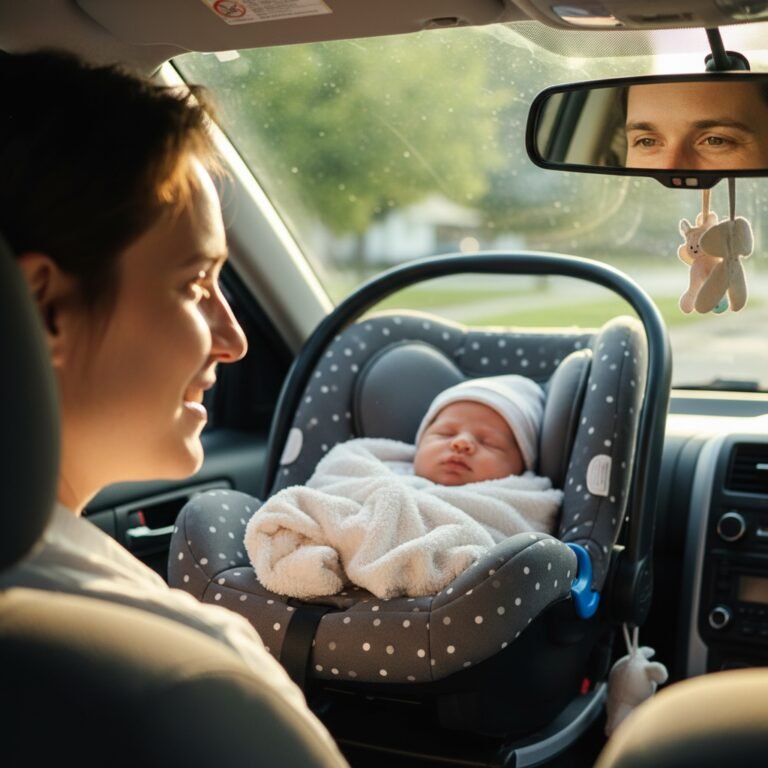
Hey there, new parent. Let’s talk about a scene you probably know all too well: the car seat catastrophe. One minute you’re driving along, enjoying a rare moment of quiet, and the next, you hear a suspicious noise from the back. You glance in the mirror to see the aftermath of a diaper blowout, a projectile spit-up, or a snack-time experiment gone horribly wrong. Your beautiful car seat now looks like a modern art project, and the smell… well, let’s not even go there.
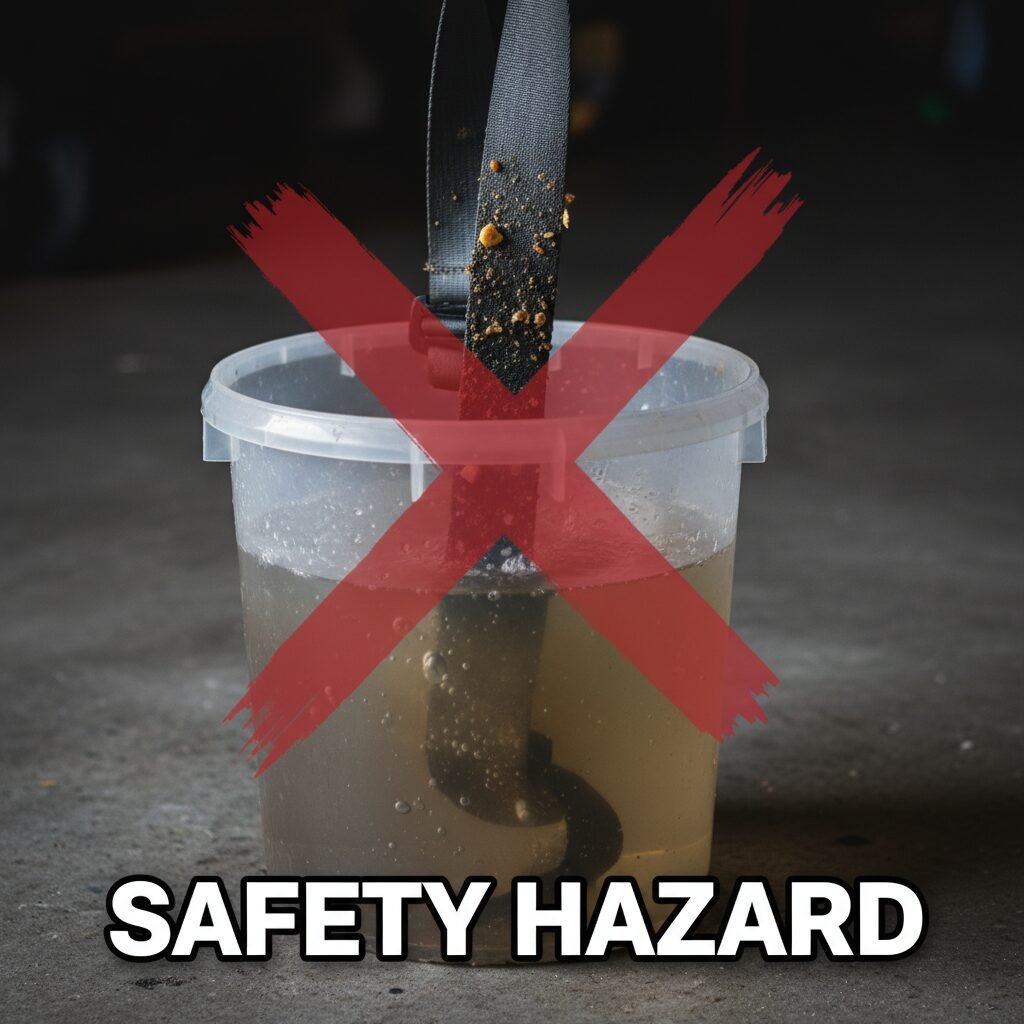
Your first instinct, and it’s a good one, is to clean it. Thoroughly. You unbuckle your little one, get them cleaned up, and then turn your attention to the seat. You strip off the cover, and then you see them: the grimy, sticky, and frankly disgusting harness straps. The urge to toss them into a bucket of hot, soapy water and let them soak into oblivion is overwhelming. It seems like the only way to truly get them clean.
But I’m here to tell you, as a pediatric nurse and a certified Child Passenger Safety Technician (CPST), please, please do not do that. Soaking, machine washing, or using harsh chemicals on your car seat straps could be one of the most dangerous cleaning mistakes you can make. It’s a well-intentioned error that can have devastating consequences. Don’t worry, I’m not here to scare you, but to empower you. We’ll walk through exactly why this is so critical, and then I’ll give you the simple, safe, and manufacturer-approved method to get those straps clean without compromising your child’s safety.
The Hidden Danger: Why You Must Never Soak or Machine Wash Car Seat Straps
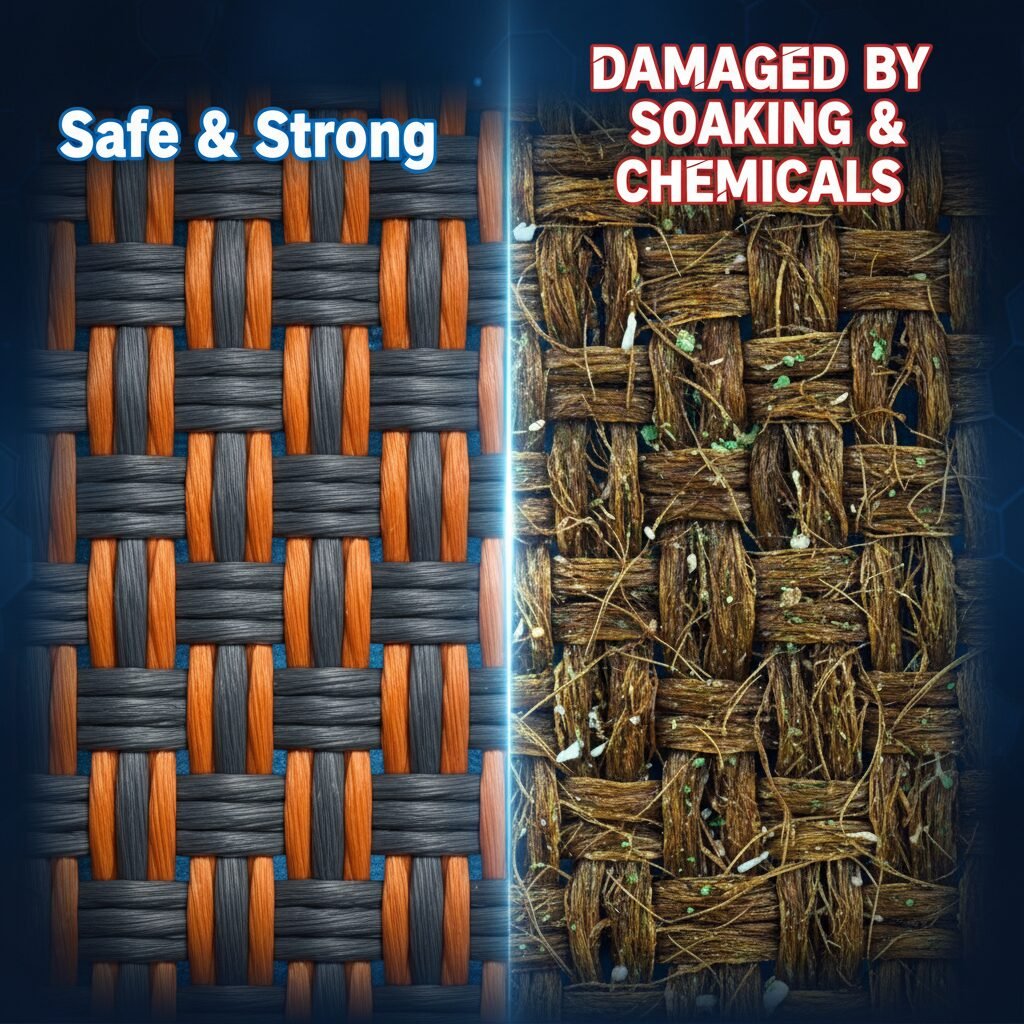
It seems counterintuitive, right? We soak stained clothes and scrub dirty floors. How can submerging a strap in water be so bad? The answer lies in the science of safety and the very material the straps are made from.
Car seat harness straps are not like the straps on a backpack or a high chair. They are a highly engineered piece of safety equipment, meticulously designed to perform a life-saving job in the event of a crash. They are typically made of a specific type of webbing with incredibly strong, tightly woven fibers.
The Science of a Crash
During a collision, immense forces are exerted on your child’s body. The harness straps are the primary system that restrains your child and distributes those forces across the strongest parts of their body (shoulders, hips). To do this effectively, the webbing is designed to have a very specific, controlled amount of ‘give’ or stretch. This slight stretch helps to absorb some of the crash energy, slowing your child’s deceleration and reducing the impact on their delicate body. It’s a crucial feature you can’t even see.
How Soaking Destroys Safety
When you submerge these straps in water for an extended period (soaking) or subject them to the harsh agitation and high heat of a washing machine, you are actively damaging this life-saving technology:
- Fiber Degradation: Water and detergents, especially harsh ones like bleach, vinegar, or even some ‘gentle’ fabric softeners, penetrate the webbing and begin to break down the tightly woven fibers. This weakens the overall integrity of the strap. Think of it like a strong rope that starts to fray from the inside out. It might look fine on the surface, but its strength is severely compromised.
- Altering the Stretch: The cleaning process can strip the fibers of their natural properties, causing them to either lose their controlled stretch and become brittle, or stretch too much. If they become brittle, they could snap under the force of a crash. If they become too elastic, they won’t properly restrain your child, who could then make contact with hard parts of the car’s interior.
- Removing Fire Retardants: Car seats are treated with flame retardants to meet federal safety standards. Soaking and aggressive washing can strip these chemicals away, reducing the seat’s ability to resist fire.
A Critical Warning: In the event of a crash, a compromised harness can fail catastrophically. It may stretch excessively or even snap, failing to properly restrain your child. This is a hidden danger because the strap may look perfectly fine to the naked eye after cleaning. You won’t know it has failed until the moment you need it most.
Your car seat manufacturer has spent millions of dollars on research and crash testing to ensure every component works perfectly. Trust their guidance. If the manual explicitly says not to soak the straps, there is a critical, life-saving reason for it.
The Safe & Approved Car Seat Strap Cleaning Method: A Step-by-Step Guide
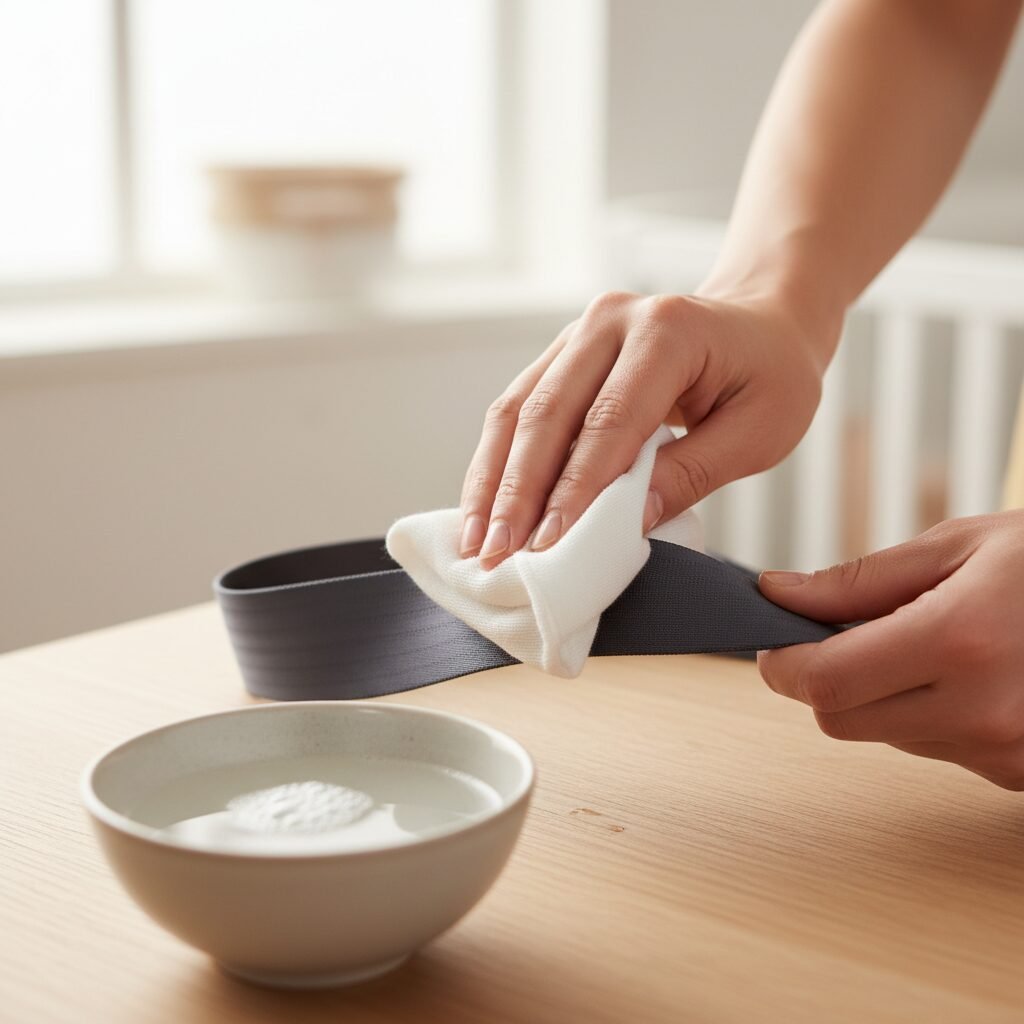
Okay, so we know what not to do. Now for the good news: cleaning those straps safely is actually quite simple! It just requires a little patience and the right technique. This method is often called ‘surface washing,’ and it’s the gold standard recommended by nearly all car seat manufacturers.
Before You Begin: Check Your Manual!
Your car seat’s manual is your ultimate guide. While the method below is generally universal, your specific model might have a unique recommendation. Always, always, always check the manual first. If you’ve lost it, you can almost always find a digital version on the manufacturer’s website.
A Step-by-Step Guide to Surface Washing Straps
- Gather Your Gentle Supplies: You don’t need a fancy kit. All you need is a bowl of lukewarm water, a mild soap (like Castile soap, a clear dish soap like blue Dawn, or even your baby’s own gentle wash), and a few soft cloths or baby washcloths. Avoid any harsh detergents, bleach, or vinegar.
- Remove Surface Debris: If there are dried-on chunks of food or dirt, gently scrape them off with your fingernail or a soft brush. You can also use a vacuum with a hose attachment to get any loose crumbs out of the crevices.
- Mix Your Solution: Put a very small amount of your mild soap into the bowl of warm water and swish it around. You want a very diluted, gentle solution—not a thick, sudsy bubble bath.
- Wipe, Don’t Saturate: Dip a washcloth in the soapy water and wring it out thoroughly. You want it to be damp, not dripping wet. Gently wipe down the entire length of the straps, front and back. Focus on the soiled areas, using a gentle scrubbing motion.
- Tackle Stubborn Spots: For really tough, sticky spots, you can apply a tiny bit more pressure or use a soft-bristled toothbrush (a baby toothbrush works perfectly!) to gently work on the area. The key is to be gentle and not to oversaturate the webbing with water.
- ‘Rinse’ the Straps: Empty your bowl and refill it with clean, plain water. Take a new, clean cloth, get it damp with the plain water, and wring it out well. Wipe down the straps again to remove any soap residue.
- Air Dry Completely: This is a crucial step. Let the straps air dry completely. You can hang them over the side of the car seat or position them so air can circulate around them. Do not use a hairdryer or any other heat source, as this can damage the fibers. Before you buckle your child back in, make sure the straps are 100% dry to prevent mildew from forming.
And that’s it! You’ve successfully cleaned the straps without compromising their safety. It may not feel as ‘deeply clean’ as a soak, but you can rest assured that you’ve prioritized your child’s safety above all else.
Tackling the Rest of the Car Seat: Cleaning the Buckle, Cover, and Base
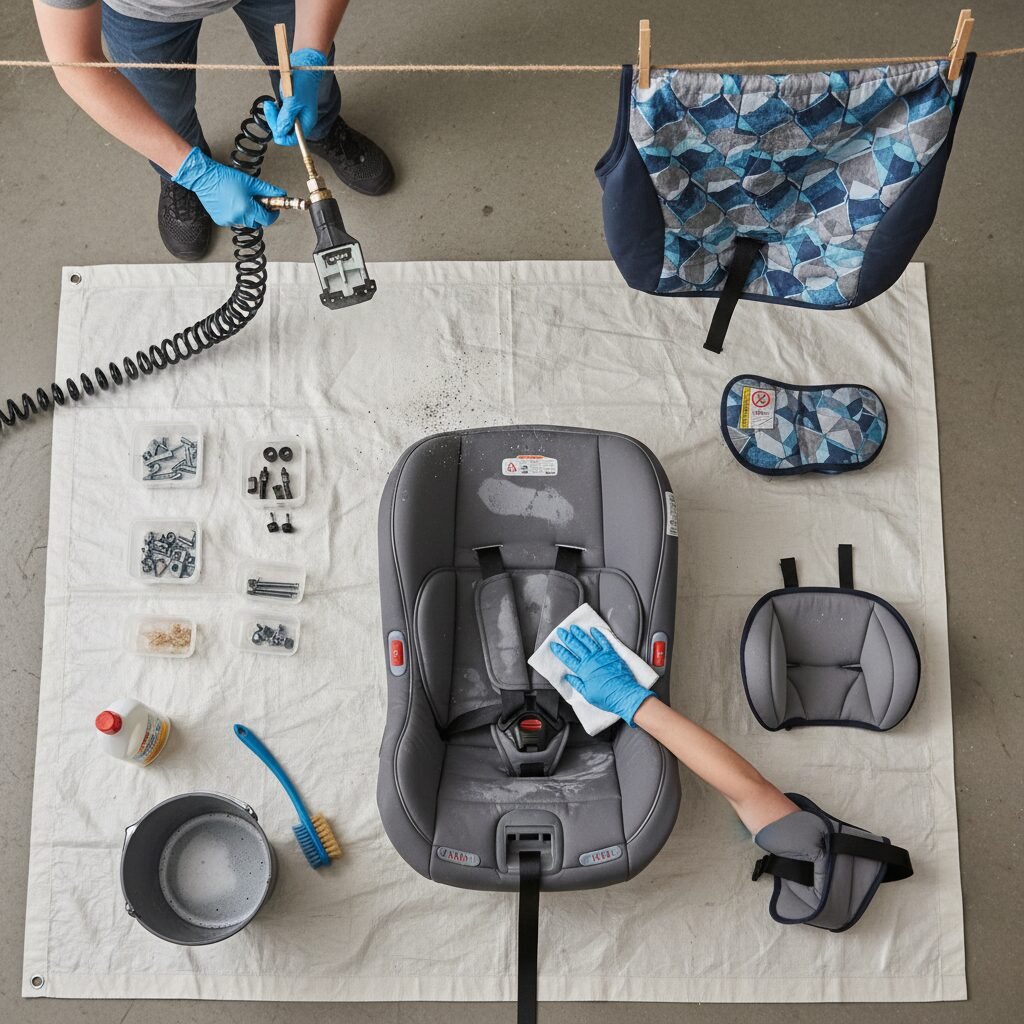
While the straps are the most sensitive part, the rest of the car seat needs love too! A clean car seat is not just about aesthetics; it’s also about function. A crumb-filled buckle might not latch properly, which is a major safety issue.
The Buckle
The buckle is another component you should never soak or lubricate. Gunk, juice, and crumbs can get inside the mechanism and prevent it from latching securely or unlatching smoothly.
- Cleaning Technique: Take a cup of warm water. Hold the buckle upside down and swish only the metal prongs around in the water. Be careful not to get the attached webbing strap wet. Press the red release button several times while it’s in the water to dislodge any debris. After swishing, use a can of compressed air to blow out any remaining crumbs and water from inside the mechanism. Towel dry and then let it air dry completely. You should hear a distinct ‘click’ when you re-buckle it. If you don’t, or if it feels sticky, call the car seat manufacturer immediately.
The Fabric Cover
Most car seat covers are designed to be removed for cleaning. Again, your manual is your best friend here.
- Machine Washing: Many covers can be machine washed. The manual will specify the exact settings, but it’s usually on a gentle or delicate cycle with cold water and a mild detergent.
- Air Drying: Almost all manufacturers recommend air-drying the cover. Putting it in the dryer can cause it to shrink or damage the backing, which could affect how it fits on the seat and its fire-retardant properties. Hang it over a drying rack or clothesline until it’s completely dry.
The Plastic Shell and Base
This is the easiest part! Simply use a damp cloth and a mild soap solution (the same one you used for the straps) to wipe down all the plastic components of the seat and the base. Use a cotton swab or a small brush to get into the nooks and crannies. Wipe it down with a cloth dampened with plain water to rinse, and then dry it with a towel or let it air dry.
When is a Car Seat Beyond Cleaning? Recognizing Signs of Critical Damage
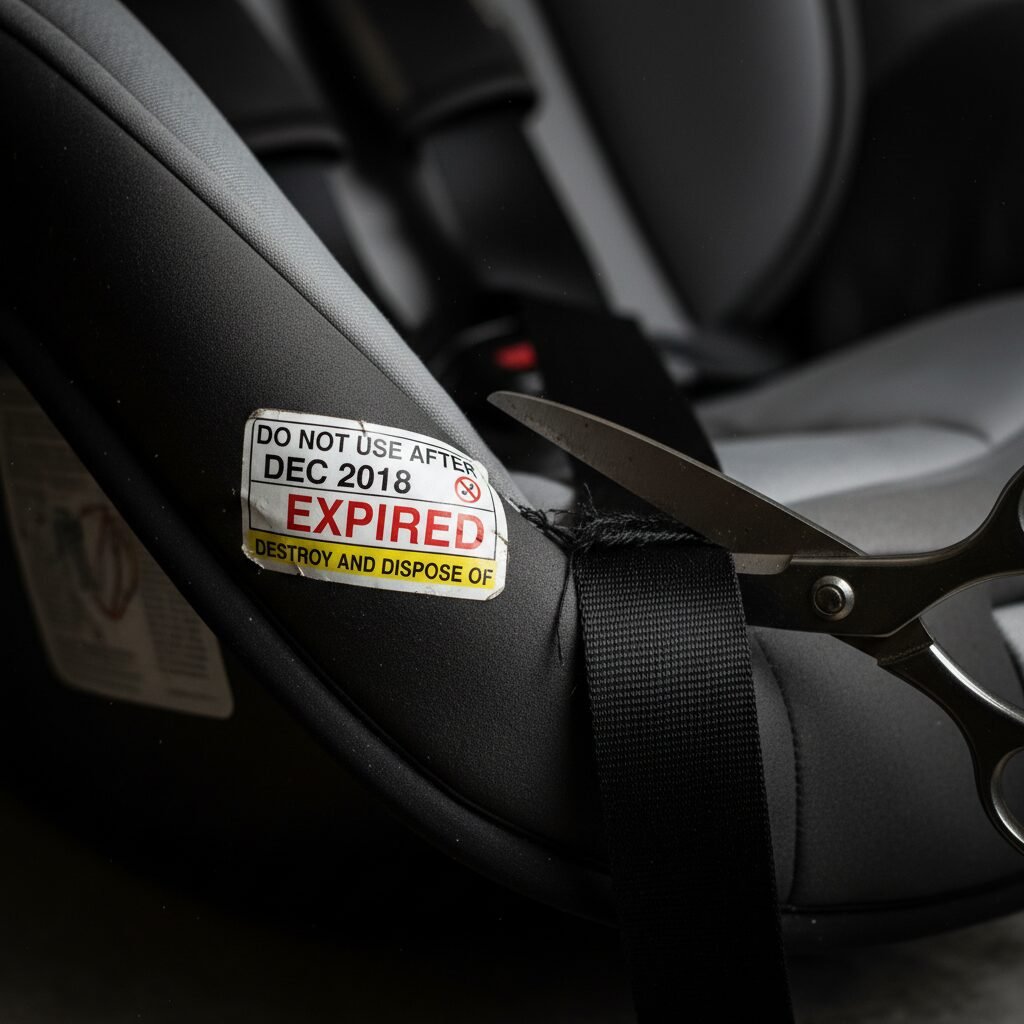
Sometimes, a mess is more than just a mess. There are certain situations where cleaning is not enough, and for your child’s safety, the car seat or its parts must be replaced. It can be hard to say goodbye to an expensive piece of gear, but no price is worth risking your child’s life.
You should immediately replace your car seat or contact the manufacturer for replacement parts if you notice any of the following:
| Type of Damage | Why It’s Unsafe | What to Do |
|---|---|---|
| Frayed or Cut Straps | Any visible fraying, thinning, or cuts in the webbing indicate that the strap’s integrity is compromised and it will not perform correctly in a crash. | Contact the manufacturer for replacement straps. Do not use the seat until they are replaced. |
| Mold or Mildew | Mold that has penetrated deep into the harness straps or the seat foam cannot be safely and completely removed. Mold spores can also be a significant health hazard for your child. | The car seat should be replaced. The health and safety risks are too high. |
| Chemical Contamination | If the straps have been saturated with harsh chemicals like bleach, solvents, or gasoline, the fibers are likely permanently damaged. | The car seat should be replaced immediately. |
| Involvement in a Crash | After any moderate to severe crash (and even some minor ones), the car seat should be replaced. It may have unseen stress fractures or damage. | Follow NHTSA and manufacturer guidelines. Most recommend replacement after any crash. |
| Expired Car Seat | Plastics degrade and safety standards change over time. Every car seat has an expiration date printed on it for a reason. | Properly dispose of the seat by cutting the straps and marking it as ‘EXPIRED’ so no one else can use it. |
The Golden Rule of Car Seat Safety: When in doubt, throw it out (or call the manufacturer). Your child’s safety is always the top priority. Never take a chance on a potentially damaged car seat.
Proactive Tips to Keep Your Car Seat Cleaner, Longer
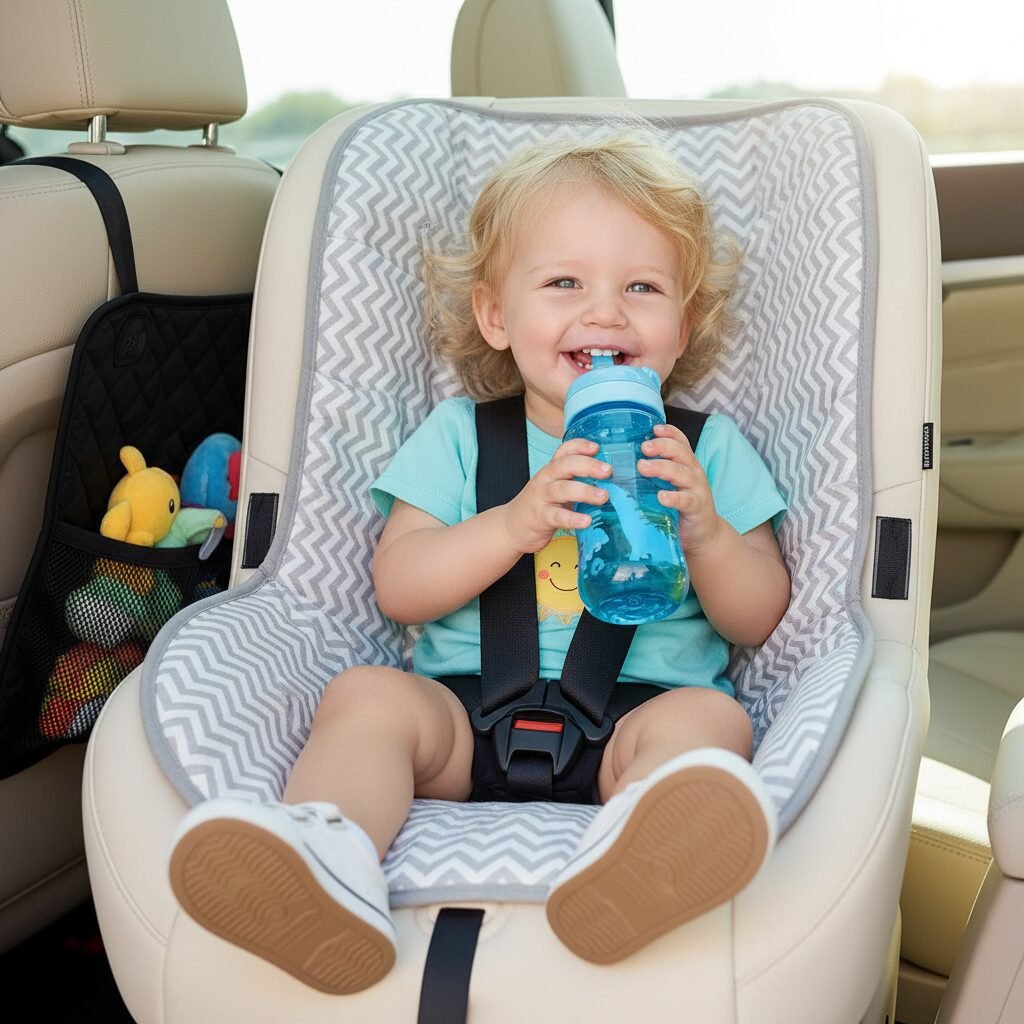
An ounce of prevention is worth a pound of cure, especially when it comes to car seat messes! While you can’t prevent every spill, a few simple habits can dramatically reduce the frequency and severity of your car seat cleaning sessions.
- Use Approved Liners: Some car seat manufacturers sell liners specifically designed and crash-tested for their seats. These can provide a washable barrier without interfering with safety. Warning: Never use a third-party liner, insert, or cover that is not made or approved by your car seat’s manufacturer, as it can interfere with the harness’s performance.
- Establish a ‘Water Only’ Rule: Milk, juice, and other sugary drinks are not only sticky and hard to clean but can also attract pests and grow bacteria. Making the car a ‘water only’ zone for your little one can prevent a world of sticky messes.
- Choose Car-Friendly Snacks: If snacks in the car are a must, opt for less messy choices. Puffs, freeze-dried yogurt melts, or small pieces of fruit in a snack catcher are much better options than crumbly crackers, sticky fruit snacks, or chocolate.
- Perform Quick Wipe-Downs: After a trip, do a quick 20-second scan. See a few crumbs? Vacuum them up. A small spill? Wipe it with a baby wipe before it has a chance to set in. This regular maintenance is much easier than a full deep clean.
- Invest in a Kick Mat: For forward-facing kids, a kick mat that hangs on the back of the front seat can save your upholstery from muddy, wet shoes. It’s an inexpensive way to keep your car, and by extension the area around the car seat, much cleaner.
By building these small habits, you can keep the car seat a cleaner, safer, and more pleasant space for your most precious passenger.
Conclusion
Navigating the world of baby gear can feel like a full-time job, and you’re already doing the most important job in the world. It’s completely understandable why the instinct to deep clean a car seat would lead you to soaking the straps. But now you have the knowledge to protect your child from this hidden danger.
Remember the key takeaway: Never soak, machine wash, or use harsh chemicals on your car seat harness straps. A simple surface wash with mild soap and water is all you need to clean them safely and effectively. Your car seat is the most important piece of safety equipment you’ll buy for your child, and maintaining its integrity is just as crucial as installing it correctly.
You’ve got this. You’re doing an amazing job of learning and adapting to protect your little one. Taking these few extra minutes to clean their car seat the right way is a powerful act of love that helps ensure their safety on every single ride.