

Newborn Weight Loss Panic: What Is Actually Normal In The First 7 Days?
You’ve just been through the marathon of childbirth, and you’re finally holding your perfect, tiny human. You’re counting their fingers and toes, marveling at their every little squeak. Then, during a check-up, you hear the words: ‘Your baby has lost some weight.’ For many new parents, those words trigger instant panic. Did I do something wrong? Is my baby not getting enough to eat?
Take a deep, calming breath. My name is [Nurse’s Name], and as a pediatric nurse and lactation consultant who has held the hands of thousands of new parents, I want to tell you something important: initial weight loss in newborns is not only common, it’s completely normal and expected. It’s a natural part of their transition from the womb to the world. This article is your reassuring guide. We’re going to unpack the ‘why’ behind this weight loss, look at the actual numbers that pediatricians consider normal, and give you practical, stress-free ways to support your baby as they begin their journey of growth.
The Great Fluid Flush: Why Weight Loss is a Normal First Step
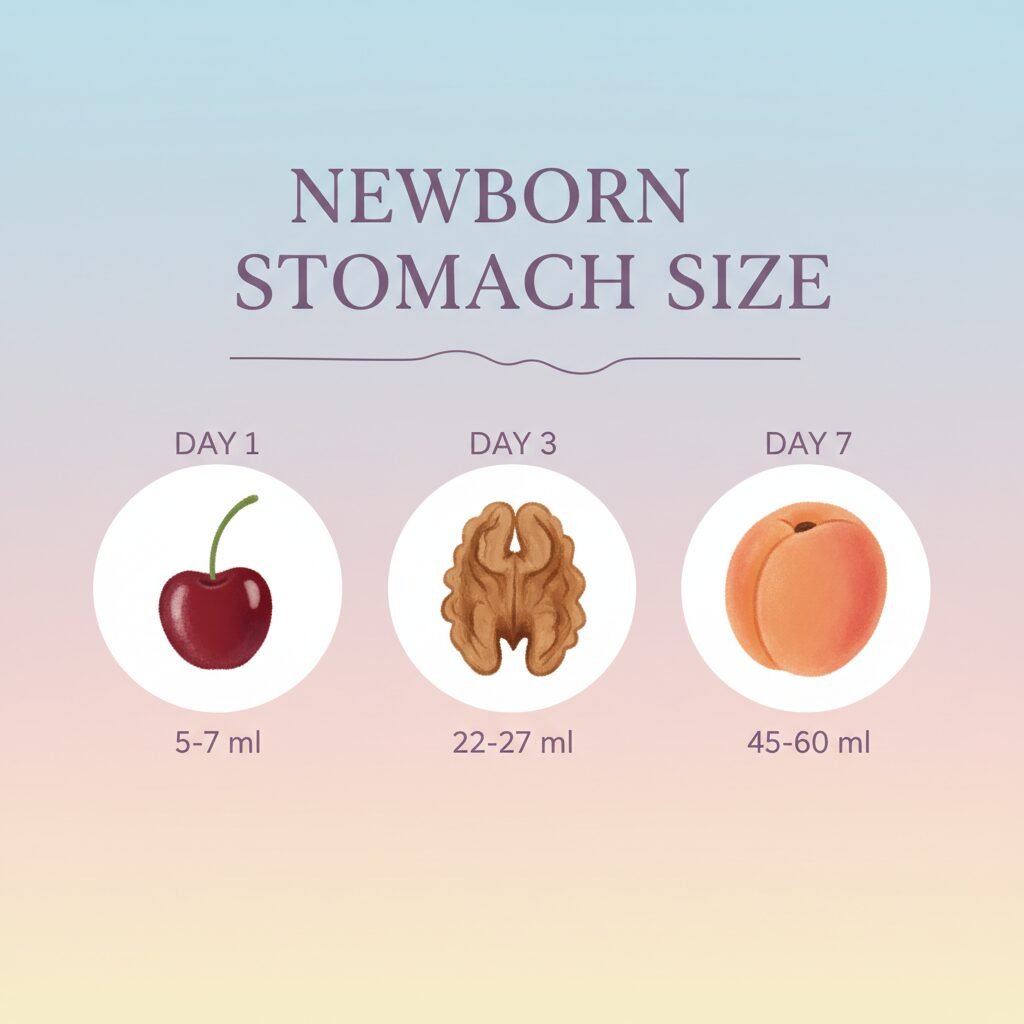
It feels counterintuitive, doesn’t it? A baby is born, and the first thing they do is lose weight. But there’s a very logical, physiological reason for this that has nothing to do with a lack of nutrition. Think of your baby in the womb, floating comfortably in amniotic fluid. They carry extra fluid in their tissues to help them through labor and the first few days of life. Once they’re born, they no longer need this excess fluid.
What’s happening inside that tiny body?
- Fluid Loss: In the first few days, your baby will be busy passing urine and their first bowel movements, called meconium. Meconium is a dark, tarry substance that filled their intestines in the womb. Clearing all of this out naturally results in a drop on the scale.
- Tiny Tummies: A newborn’s stomach is incredibly small at first. On day one, it’s about the size of a cherry and can only hold about 5-7 ml (a teaspoon!) at a time. It’s perfectly designed to digest your first milk, colostrum, which is packed with nutrients and antibodies in a small, concentrated volume.
- Learning a New Skill: Eating is a brand-new skill! Your baby has to learn how to coordinate sucking, swallowing, and breathing all at once. It’s a complex process, and it takes them a little time to get efficient at it.
Remember this: The initial weight drop is primarily water weight, not a loss of substance. It’s a sign that your baby’s body is adapting beautifully to life outside the womb.
Decoding the Scale: What’s a Normal Percentage of Weight Loss?

Okay, so we know some weight loss is normal. But how much is ‘normal’? This is where healthcare providers stop looking at ounces and start talking about percentages. We compare the baby’s current weight to their birth weight to get a percentage of loss. This helps us get a standardized view, whether a baby was born at 6 pounds or 9 pounds.
The General Guidelines:
- Formula-Fed Babies: A weight loss of up to 5-7% of their birth weight in the first 3-4 days is considered normal.
- Breastfed Babies: It’s normal to see a slightly higher percentage of weight loss, up to 10%. This is often because the mother’s mature milk typically ‘comes in’ between days 3 and 5, so the baby is living on that super-concentrated (but low-volume) colostrum for the first few days.
Let’s look at what this actually means with some examples:
| Birth Weight | Normal Weight Loss (up to 10%) | Weight at Lowest Point |
|---|---|---|
| 6 lbs 8 oz (104 oz) | 10.4 oz | 5 lbs 13.6 oz |
| 7 lbs 12 oz (124 oz) | 12.4 oz | 6 lbs 15.6 oz |
| 8 lbs 10 oz (138 oz) | 13.8 oz | 7 lbs 12.2 oz |
The Timeline for Regaining Weight
The weight loss journey has a predictable timeline. Most babies will stop losing weight around day 3 to 5. From there, they should start to gain weight steadily. The major milestone we look for is a return to their birth weight by about 10 to 14 days of life. Once they hit that mark, you can expect a gain of about a half-ounce to one ounce per day for the next few months.
Fueling the Growth: Your Guide to Supporting Healthy Weight Gain

Seeing the numbers is one thing, but as a parent, you want to know what you can do. Your role isn’t to stress about the scale, but to focus on one thing: feeding your baby. Providing nourishment and comfort is the most important job you have right now. Whether you are breastfeeding or formula-feeding, the key is responsive feeding—following your baby’s cues.
Tips for Breastfeeding Parents
Breastfeeding is a dance you and your baby learn together. Be patient with yourselves! The best way to establish a good milk supply and ensure your baby is getting enough is to feed frequently.
- Feed on Demand: This means feeding your baby whenever they show hunger cues. Don’t wait for frantic crying! Look for early cues like rooting (turning their head and opening their mouth), smacking their lips, or bringing their hands to their face.
- Aim for 8-12 Feeds in 24 Hours: In the early days, you might need to wake a sleepy baby to feed at least every 2-3 hours during the day and every 3-4 hours at night to ensure they’re getting enough opportunities to eat.
- Focus on the Latch: A deep, comfortable latch is crucial for milk transfer. If you’re experiencing pain, or hearing lots of clicking sounds, reach out to a lactation consultant. They can be a lifesaver!
Tips for Formula-Feeding Parents
Responsive feeding is just as important with a bottle. It helps your baby regulate their own appetite and prevents overfeeding.
- Paced Bottle Feeding: Hold the baby in a more upright position and hold the bottle horizontally to the floor. This lets the baby control the flow of milk, rather than letting gravity do the work. Let them take pauses and stop when they seem full.
- Follow Hunger and Fullness Cues: Don’t try to force your baby to finish every last drop in the bottle. If they turn their head away, push the nipple out with their tongue, or fall into a deep sleep, they’re likely done for now.
The Ultimate Proof: Tracking Diaper Output
More important than the number on the scale from day to day is what’s coming out the other end! A well-hydrated, well-fed baby will produce a predictable number of wet and dirty diapers. This is your best at-home tool for knowing things are on track.
| Day of Life | Minimum Wet Diapers | Minimum Dirty Diapers (Stools) |
|---|---|---|
| Day 1 | 1+ | 1+ (black, tarry meconium) |
| Day 2 | 2+ | 2+ (dark greenish-black) |
| Day 3 | 3+ | 3+ (greener/looser) |
| Day 4 | 4+ | 3+ (turning yellowish) |
| Day 5+ | 6-8+ (pale urine) | 3+ (yellow, seedy, and loose) |
Beyond the Numbers: Red Flags That Warrant a Call to Your Pediatrician

While a little weight loss is normal, it’s also important to know the signs that might indicate a problem. Your pediatrician is your partner in this journey, and they want you to call if you’re concerned. Trust your parental instincts—they are powerful!
Please reach out to your baby’s doctor or seek medical care if you notice any of the following:
- Excessive Weight Loss: The weight loss is greater than 10-12% of the baby’s birth weight. Your provider will be tracking this closely at your first few appointments.
- Delayed Regain: Your baby is not starting to gain weight by day 5 of life or is not back to their birth weight by two weeks old.
- Signs of Dehydration: This is the most critical thing to watch for. Signs include:
- Fewer wet diapers than the chart above suggests (especially fewer than 6 wet diapers in a 24-hour period after day 5).
- Urine that is dark yellow or has reddish-orange ‘brick dust’ specks in the diaper.
- A sunken ‘soft spot’ (fontanelle) on the top of their head.
- A dry mouth or no tears when they cry.
- Extreme Lethargy or Sleepiness: Your baby is consistently too sleepy to wake up for feedings, even with stimulation like undressing them or tickling their feet. They seem floppy or have a weak cry.
- Signs of Jaundice: A yellowing of the skin or the whites of the eyes that is getting worse instead of better. A little jaundice is common, but significant or worsening jaundice needs to be evaluated.
A Reassuring Note on Safety: Do not hesitate to call your pediatrician’s office, even if it’s after hours. Their job is to support you and ensure your baby is safe. There is no such thing as a ‘silly question’ when it comes to your newborn’s health.
Conclusion
Navigating the first week with a new baby is a whirlwind of emotions, and seeing that number on the scale go down can certainly be one of the more stressful moments. But now you know that this initial weight loss is a normal, healthy, and predictable part of your baby’s grand entrance into the world. It’s their body’s clever way of adjusting to a whole new environment.
Focus on those beautiful feeding cues, snuggle your baby close, and watch for those tell-tale wet and dirty diapers. You are learning about your baby, and they are learning about you. Be gentle with yourself during this process. You have all the strength and instinct you need to care for your little one. And for everything else, you have a team—your partner, your family, and your pediatrician—ready to support you. You’ve got this.