

Is Your Wallet Ready? The Real Cost of Baby’s First Year (Hidden Expenses Revealed)
Hey there, amazing new parents! Welcome to one of the most exciting, love-filled, and… let’s be honest, expensive journeys of your life. If you’ve found yourself staring at your bank account with wide eyes, wondering how a tiny human can possibly require so much stuff, take a deep breath. You are in the right place, and you are definitely not alone. For decades, I’ve held the hands of parents just like you, and I can tell you that feeling a little financial anxiety is as normal as a 2 a.m. feeding.
The internet is full of scary numbers that can make your head spin. But our goal here isn’t to scare you; it’s to prepare you. We’re going to pull back the curtain on the real costs of a baby’s first year, shining a light on those sneaky hidden expenses that often get overlooked in the excitement of picking out nursery themes. Think of me as your friendly financial guide for this new adventure. We’ll break it all down, find ways to save, and help you create a realistic budget that lets you focus on what truly matters: soaking up every precious moment with your new little one. Ready? Let’s talk numbers, strategy, and how to make it all work.
The Big Nursery Reveal: Gearing Up with One-Time Costs

This is the fun part, right? Designing the nursery, picking out the stroller, and testing car seats. These are the big, upfront investments that everyone budgets for. But even here, costs can escalate quickly. Let’s look at the essentials versus the nice-to-haves.
The Absolute Must-Haves
These are the non-negotiable items you’ll need from day one. Safety is the number one priority, especially for these products.
- Safe Sleep Space: This could be a crib, bassinet, or play-yard with a bassinet insert. The key is a firm, flat surface with no soft bedding, bumpers, or toys. Expect to spend: $150 – $500.
- Infant Car Seat: You literally can’t leave the hospital without one. Do your research on safety ratings. Crucial safety tip: It’s highly recommended to buy a car seat new. You never know the history of a used car seat—it could have been in an accident or be expired. Expect to spend: $200 – $400.
- Stroller: From simple umbrella strollers to full travel systems that click in with your car seat, the options are endless. Think about your lifestyle. Do you live in the city and need something lightweight? Or in the suburbs needing something rugged for walks? Expect to spend: $200 – $1,000+.
The ‘Almost’ Essentials & Hidden Gear Costs
Beyond the big three, a whole world of gear awaits. This is where hidden costs start to creep in.
- Changing Station: This doesn’t have to be a dedicated changing table. A waterproof pad on top of a sturdy dresser works perfectly and saves money and space. Cost: $20 for a pad vs. $150+ for a table.
- Baby Carrier/Sling: A lifesaver for keeping your hands free while comforting a fussy baby. Cost: $50 – $200.
- Activity Gear: Things like a swing, bouncer, or play mat. You probably don’t need all three! Maybe borrow one from a friend to see what your baby likes before you buy. Cost: $75 – $150 per item.
- The Hidden Cost: The ‘upgrades’ and accessories. The special infant insert for the stroller, the extra car seat base for a second car, the waterproof mattress protectors for the crib—these small things add up to hundreds of dollars quickly.
My advice? Start with the absolute must-haves. You can always buy the other items as you discover a real need for them. Your baby’s needs are simple at first: to be fed, warm, safe, and loved.
The Daily Grind: Decoding Recurring Expenses like Diapers and Feeding

If the one-time costs are a sprint, the recurring expenses are a marathon. This is where consistent monthly budgeting becomes your best friend. Diapers, wipes, and feeding supplies will be a significant part of your budget for the next couple of years.
The Great Diaper Debate
A newborn can go through 10-12 diapers a day. Yes, you read that right! That’s over 300 diapers in the first month alone. The cost varies wildly between store brands and premium brands, and whether you choose disposable or cloth.
- Disposable Diapers: The ultimate in convenience. Costs average around $0.20 to $0.40 per diaper. That’s roughly $70-$80 per month.
- Cloth Diapers: A higher upfront investment ($300-$600 for a full stash) but can save money in the long run. Don’t forget the hidden costs: higher water and electricity bills for washing, plus special detergents.
The Cost of a Full Tummy
How you choose to feed your baby will have a major impact on your budget. It’s a deeply personal choice, and there’s no right or wrong way. Let’s break down the finances of each.
- Exclusively Breastfeeding: Often touted as ‘free’, but there are associated costs. You might need a breast pump (many are covered by insurance, but not all), milk storage bags, nursing bras, nipple cream, and potentially lactation consultant visits if you need support.
- Formula Feeding: This is one of the most significant recurring costs. A baby can drink 24-32 ounces of formula a day. Depending on the brand (generic vs. name-brand vs. specialty), this can be a huge expense.
- Combination Feeding: Many families do a mix of both, which can help manage costs while providing flexibility.
Here’s a sample breakdown of potential monthly feeding and diapering costs:
| Expense Category | Low-End Monthly Estimate (Store Brands/Breastfeeding) | High-End Monthly Estimate (Premium Brands/Formula) |
|---|---|---|
| Disposable Diapers & Wipes | $75 | $120 |
| Breastfeeding Supplies (spread over a year) | $30 (for bags, pads, etc.) | $50+ (if including pump rental/specialist fees) |
| Formula | $0 | $150 – $400+ (for specialty formulas) |
| Monthly Total Estimate | ~$105 | ~$270 – $520+ |
As you can see, the range is enormous. The key is to research your options and make a choice that works for your family’s health, lifestyle, and budget.
Healthy Baby, Healthy Wallet? Navigating Healthcare Costs

This is, without a doubt, one of the biggest ‘hidden’ cost categories for new parents. Even with good health insurance, the expenses can be surprising. Planning for them is essential to avoid being caught off guard.
Before Baby Arrives
Don’t forget that you’ll need to add your baby to your health insurance plan within 30 days of their birth. This will almost certainly increase your monthly premium. Call your insurance provider during pregnancy to understand the cost difference and the process for adding a dependent.
Well-Child Visits & Vaccinations
Your baby will see their pediatrician a lot in the first year—typically at 1 week, 1 month, 2 months, 4 months, 6 months, 9 months, and 12 months. Most insurance plans cover these well-child visits and standard vaccinations at 100% as preventative care. However, you’ll still be responsible for your copay for each visit.
The Unexpected Sick Visits
Babies get sick. It’s a fact of life as their immune systems develop. A simple cold can lead to a doctor’s visit to rule out anything more serious. Ear infections, fevers, and mystery rashes are common. Each of these ‘sick visits’ will likely come with a copay. You might also have costs for:
- Prescriptions: Antibiotics for an ear infection, special creams for eczema, etc.
- Over-the-Counter (OTC) Meds: Infant Tylenol or Motrin, gas drops, saline spray, and a good thermometer are nursery essentials. These small purchases add up.
- Specialist Visits: If your baby needs to see a specialist like a dermatologist, cardiologist, or physical therapist, you’ll be looking at additional copays and potential coinsurance costs.
Budgeting for Healthcare
A good rule of thumb is to set aside a specific amount each month in a ‘baby healthcare’ fund. Check your insurance plan’s ‘out-of-pocket maximum’. This is the most you would have to pay for covered services in a plan year. While you hope you never reach it, knowing that number can help you prepare for a worst-case scenario. Many parents find a Health Savings Account (HSA) or Flexible Spending Account (FSA) to be invaluable for managing these costs with pre-tax dollars.
The Growth Spurt Surprise: Clothing, Childcare, and Other Hidden Costs
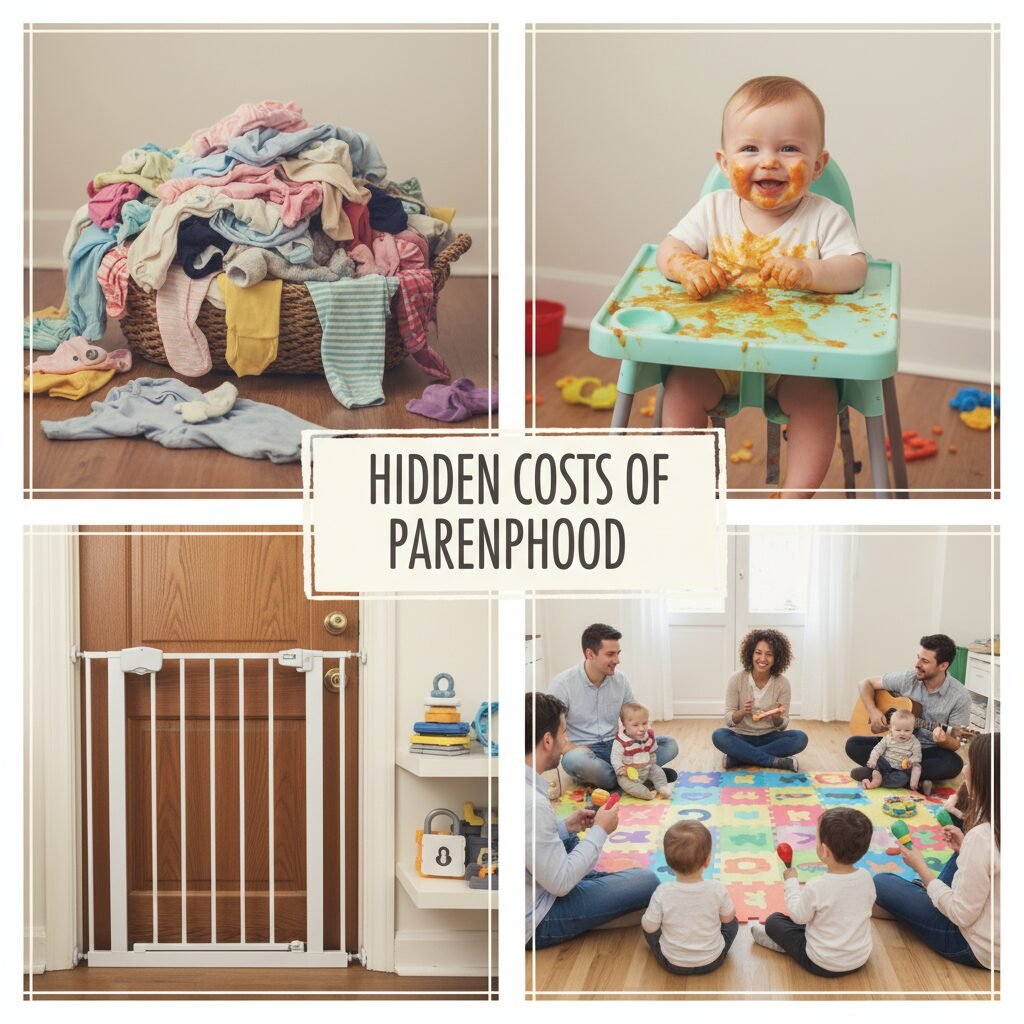
You’ve budgeted for the crib, the car seat, and the diapers. You feel prepared. Then, suddenly, your baby is three months old and none of their newborn clothes fit. Welcome to the world of ongoing, often unexpected, expenses!
The Ever-Expanding Wardrobe
Babies grow at an astonishing rate. You’ll be buying new clothes every 2-3 months for the entire first year. And it’s not just onesies. You’ll need sleep sacks, socks, seasonal outerwear, and special occasion outfits. The hidden cost here is the sheer volume and frequency of these purchases.
Childcare: The Budget Game-Changer
For many families, this is the single largest expense of the first year, often costing more than a mortgage or rent payment. The costs vary dramatically by location and type:
- Daycare Center: Often the most affordable option, but can still range from $800 to over $2,500 per month.
- In-Home Daycare: A smaller, home-based setting that is typically less expensive than a center.
- Nanny: The most expensive option, offering one-on-one care in your home. Costs can be $20-$35+ per hour.
- Hidden Costs of Childcare: Many centers have registration fees, supply fees, and require you to provide all diapers, wipes, and formula.
A Word of Advice: Get on daycare waiting lists while you are pregnant. In many areas, the wait can be a year or longer, and you want to have options secured long before you need them.
The ‘Little Things’ That Add Up Big
These are the expenses that pop up and make you say, “Oh, right, we need that too!”
- Feeding Solids: Around 6 months, you’ll need a high chair, baby spoons, bowls, bibs, and sippy cups. Plus, your grocery bill will increase.
- Baby Proofing: Outlet covers, cabinet locks, baby gates. A necessary expense for a mobile baby that can easily cost $100-$200.
- Classes & Activities: ‘Mommy and Me’ yoga, swim lessons, music class. These are wonderful for development and socialization but come with fees.
- Increased Utility Bills: More laundry, running the dishwasher more often, and keeping the house at a comfortable temperature for a baby will all show up on your monthly bills.
- Professional Photos: Those adorable newborn photoshoots are a special splurge for many, but they can cost several hundred dollars.
Keeping a miscellaneous category in your budget is key to absorbing these costs without stress.
Smart Savings for Savvy Parents: How to Trim the Budget

Okay, we’ve laid out all the costs, and it might feel like a lot. But here’s the good news: there are SO many ways to be a resourceful and savvy parent without compromising on safety or quality. It’s all about being intentional with your spending.
Embrace the Secondhand Market (Safely!)
Babies use things for such a short period that you can find high-quality, gently used items for a fraction of the retail price.
- What to Buy Used: Clothing, play mats, bouncers (with cleanable covers), high chairs, and books are fantastic secondhand finds.
- What to ALWAYS Buy New: Car seats (their safety history is unknown) and crib mattresses (for hygiene and safety reasons). Be cautious with used cribs; ensure they meet current safety standards, which change frequently.
- Where to Look: Facebook Marketplace, local parent groups, Once Upon A Child, and Goodwill are great resources.
Build a Smart Baby Registry
Your friends and family want to celebrate you! Guide them toward what you actually need. Don’t be shy about adding practical items.
- Think Beyond Gear: Add a ‘diaper fund’ or gift cards to your registry. Ask for contributions toward a big-ticket item like a stroller.
- Registry Perks: Most registries (like on Amazon or Target) offer a ‘completion discount’ of 10-15% off remaining items after your shower, which is a great way to save on things you didn’t receive.
More Pro-Tips for Saving
- Sign Up for Subscriptions: Services like Amazon’s Subscribe & Save can offer significant discounts on diapers and wipes delivered right to your door. Just watch the pricing to ensure it stays competitive.
- Accept Hand-Me-Downs: Humbly and gratefully accept offers of clothes, toys, and gear from friends and family whose children have outgrown them. It’s sustainable and saves a ton of money!
- Cook Your Own Baby Food: When your baby starts solids, steaming and pureeing your own fruits and vegetables is incredibly simple and much cheaper than buying jars and pouches.
- Utilize the Library: Instead of buying dozens of board books, take advantage of your local library’s children’s section for an endless, free supply of new stories.
Being frugal doesn’t mean being cheap. It means being smart with your resources so you can allocate them to what matters most.
Conclusion
Whew! We’ve covered a lot of ground, from the big-ticket items to the tiny, hidden expenses that can catch you by surprise. If your head is spinning a little, that’s okay. The goal isn’t to have a perfect, down-to-the-penny budget from day one, but to have a realistic picture and a flexible plan.
Remember, you don’t need every gadget and gizmo marketed to new parents. Your baby needs a safe place to sleep, a full tummy, a clean diaper, and an abundance of your love and attention. Those last two things are completely free and are, by far, the most important things you will ever provide.
Be kind to yourself during this transition. Create your budget, look for ways to save, and then give yourself the grace to adjust as you go. You are about to embark on the most rewarding journey, and while it comes with a price tag, the returns—in the form of gummy smiles, sleepy cuddles, and belly laughs—are absolutely priceless. You’ve got this.