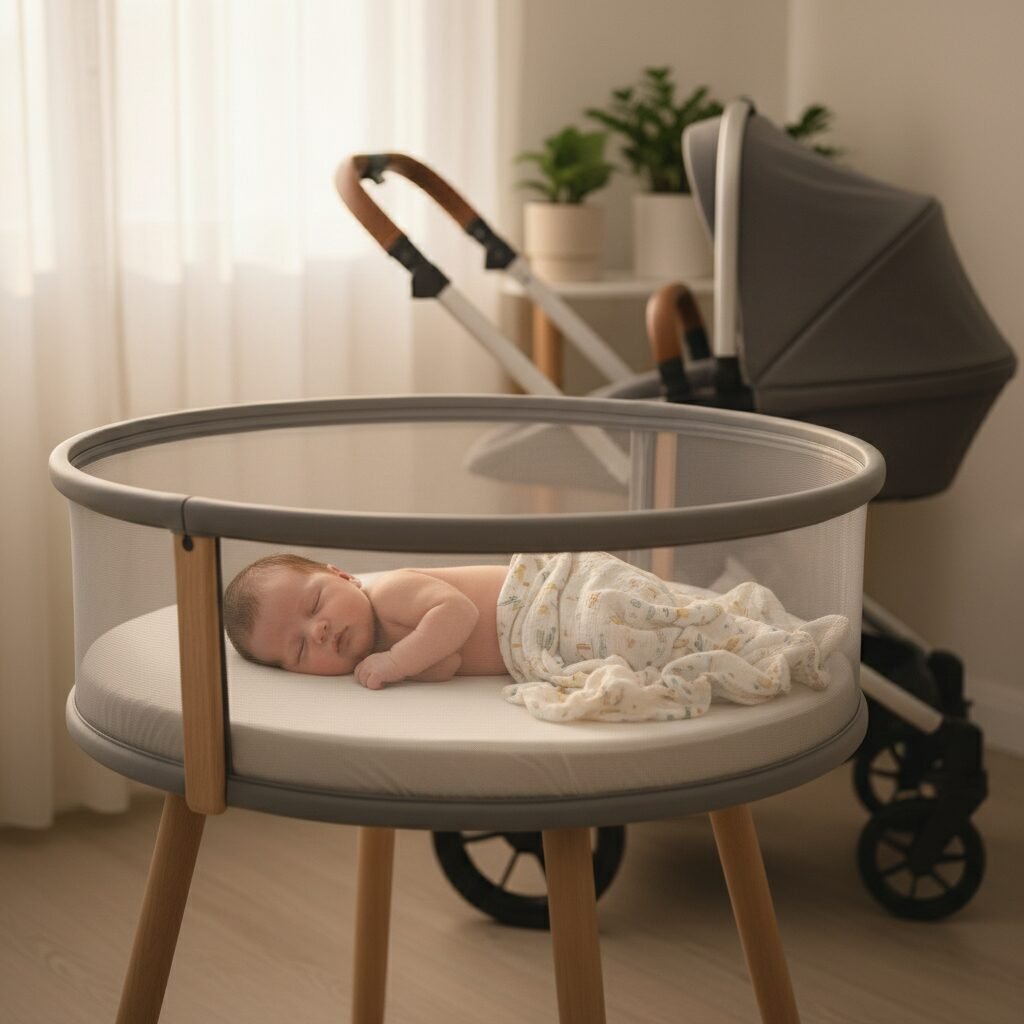
Is Your Stroller Bassinet Actually Safe For Overnight Sleep?
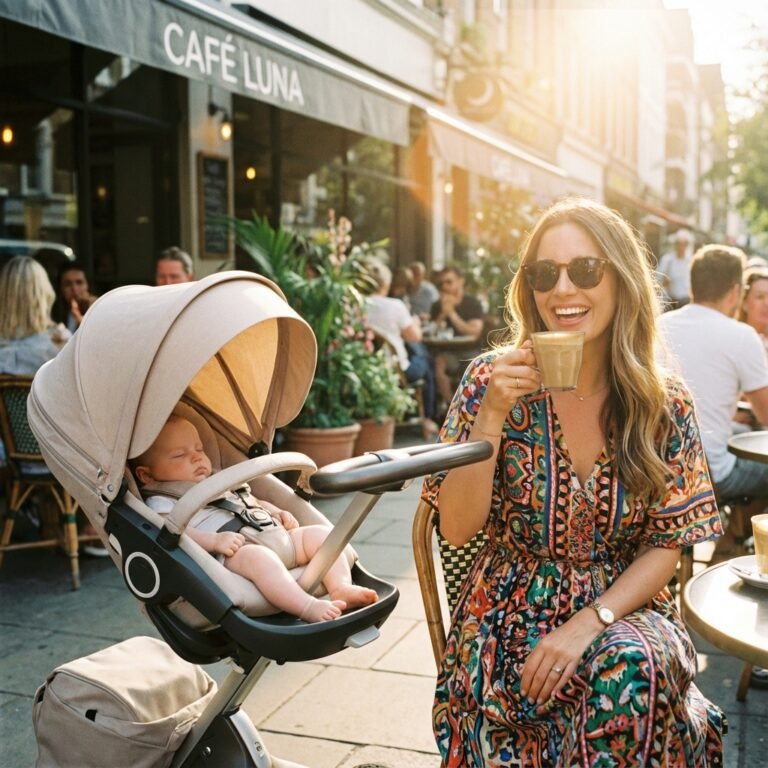
Hey there, new parent. I see you. You’re navigating this incredible, overwhelming, beautiful new world with your baby. You’ve got the car seat, the diapers, the tiny socks that always seem to disappear, and that amazing stroller system you spent weeks researching. It even came with a cozy bassinet attachment, perfect for walks in the park and naps on the go. And that’s when the question pops into your head, probably at 3 AM: ‘Could my baby just sleep in this tonight?’
It’s a completely logical question! It’s convenient, your baby seems comfortable in it, and it would save space and money. As a pediatric nurse and lactation consultant who has supported thousands of new families, this is one of the most common questions I hear. You want what’s best and safest for your little one, and figuring out the rules of baby gear can feel like learning a new language.
So let’s chat, parent to parent (with my nurse hat on, of course). We’re going to dive deep into this topic, sort through the marketing jargon, and get a clear, confident answer. My goal isn’t to add to your worry list, but to empower you with the knowledge to create the safest sleep environment for your precious baby, every single time.
What’s the Real Difference? Stroller Bassinets vs. Overnight Sleepers

At first glance, a stroller bassinet and a standalone bassinet approved for overnight sleep look pretty similar. They’re both small, cozy, and designed for newborns. But the differences, while subtle, are critically important when it comes to unsupervised, overnight sleep. Think of it like this: your comfy sneakers are great for walking around all day, but you wouldn’t wear them for a marathon. Different designs for different purposes.
The U.S. Consumer Product Safety Commission (CPSC) has strict standards for products intended for infant sleep. Products marketed for overnight sleep, like cribs and bassinets, must meet these stringent requirements for things like mattress firmness, breathability, and structural integrity. Most stroller bassinets are classified as ‘stroller accessories’ and don’t have to meet these same sleep-specific standards. Let’s break it down side-by-side.
| Feature | Typical Stroller Bassinet | Overnight Sleep-Rated Bassinet |
|---|---|---|
| Safety Certification | Meets stroller safety standards (e.g., ASTM F833). Usually not tested or certified for overnight sleep. | Must meet specific bassinet safety standards (e.g., ASTM F2194 in the US), which are much stricter for sleep. |
| Mattress | Often thinner, softer, and more padded for comfort during a bumpy ride. May not be perfectly flat. | Firm, flat, and thin (no more than 1.5 inches thick). This is a critical factor in reducing the risk of SIDS and suffocation. |
| Side Panels & Breathability | May be made of plush, non-breathable fabrics for warmth and style. Sides might be lower. | Sides are typically made of breathable mesh to allow for air circulation and prevent suffocation if a baby turns their face towards the side. |
| Base & Stability | Designed to click into a stroller frame. When placed on the floor, it may be unstable or rock unintentionally. | Has a wide, stable, and secure stand designed specifically to prevent tipping over. |
| Intended Use | Supervised naps while on the go. | Unsupervised overnight sleep. |
Seeing it laid out like this makes the distinction much clearer, doesn’t it? The features that make a stroller bassinet cozy for a walk are the very same features that can pose a risk for long, unsupervised stretches of sleep.
The ‘Why’ Behind the Warning: Unpacking the Safety Risks
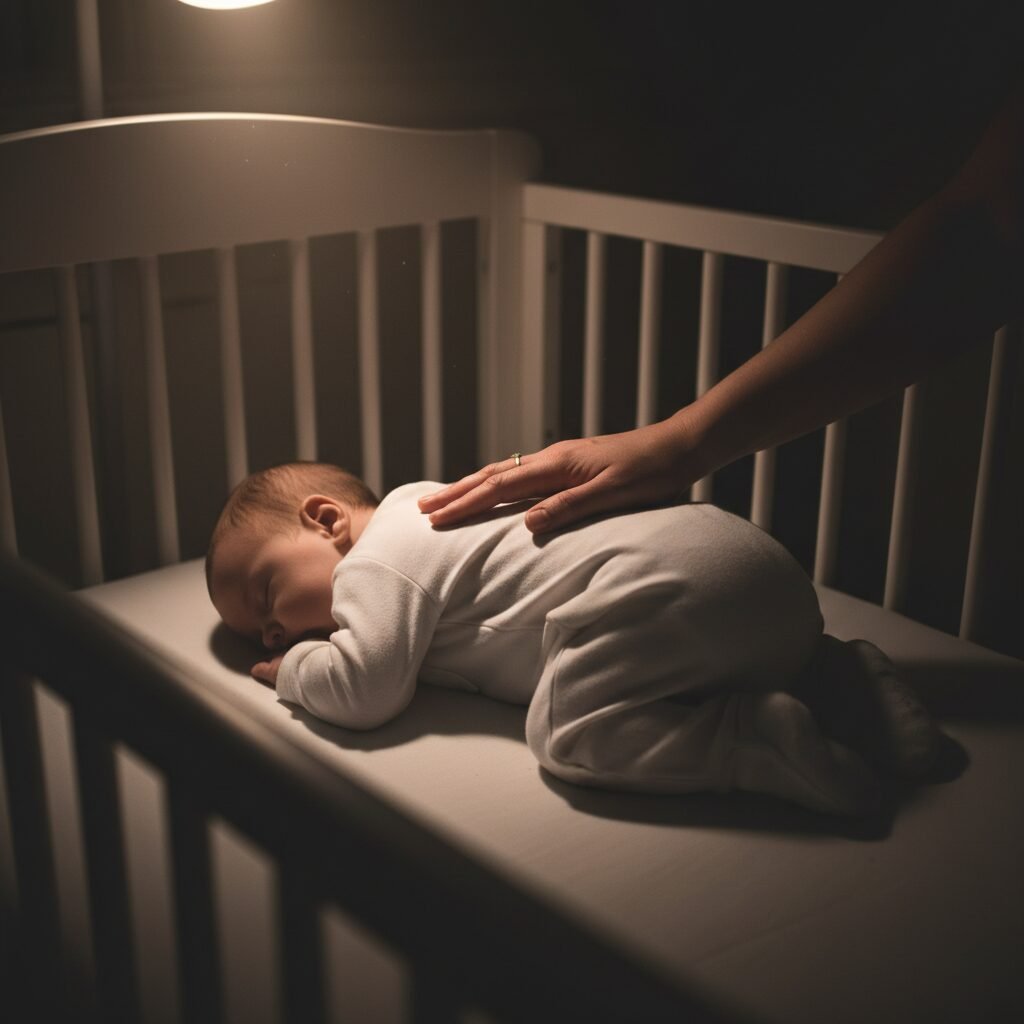
Okay, so we know they’re different, but what are the actual risks we’re talking about? Understanding the ‘why’ is so important because it helps solidify these safety rules in our sleep-deprived brains. This all comes back to creating an environment that drastically reduces the risk of SIDS (Sudden Infant Death Syndrome) and other sleep-related infant deaths.
The American Academy of Pediatrics (AAP) has spent decades researching this, and their recommendations are the gold standard for infant sleep safety. Their guidelines form the simple but powerful mantra: the ABCs of Safe Sleep.
- A – Alone: Your baby should be alone in their sleep space. No blankets, no pillows, no bumpers, no stuffed animals.
- B – Back: Your baby should always be placed on their back to sleep, for every sleep, until they are 1 year old.
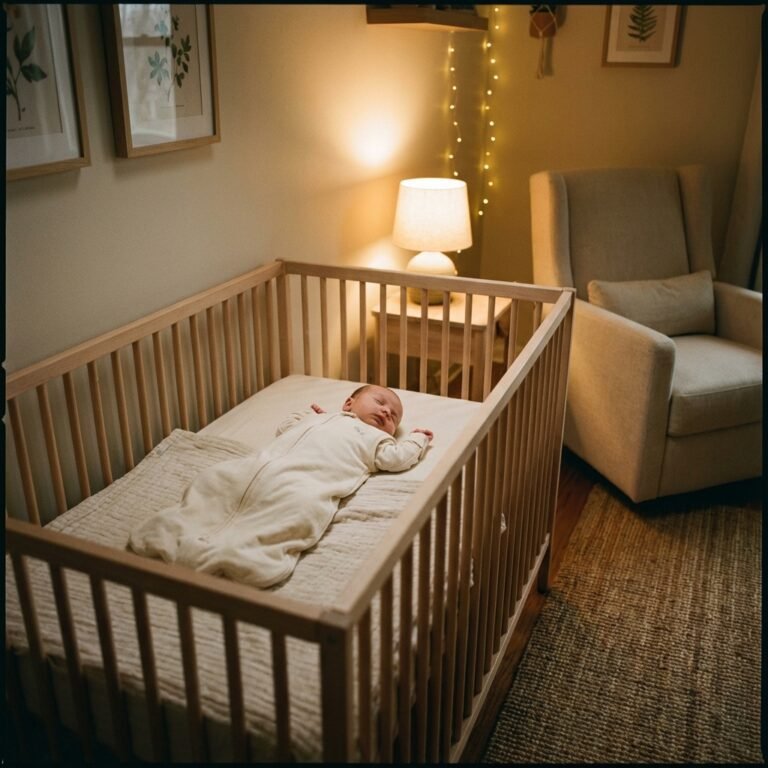
- C – Crib: Your baby should sleep in a crib, bassinet, or playard that meets current CPSC safety standards.
Using a non-approved stroller bassinet for overnight sleep can unfortunately compromise these ABCs.
Key Risk Factors:
- Soft Surfaces & Positional Asphyxiation: The mattresses in stroller bassinets are often softer than what’s recommended. A soft mattress can conform to a baby’s head, creating a pocket of trapped air (carbon dioxide) if they roll over, or it can cause their chin to tuck to their chest, obstructing their airway. This is known as positional asphyxiation, and it’s a silent danger.
- Lack of Breathability: Those beautiful, upholstered sides on many stroller bassinets might look chic, but if they aren’t made of breathable mesh, they pose a suffocation risk. If your baby wiggles and presses their face against the side, they need to be able to breathe freely.
- Potential for Tipping: A stroller bassinet is designed to be secure when locked into its stroller frame. Placed on its own on the floor, it may not be perfectly stable. An accidental bump in the night from a parent, a sibling, or even a pet could potentially tip it.
A Gentle but Firm Warning: Please remember, a baby sleeping is not the same as an adult sleeping. They lack the head control and strength to move themselves out of a dangerous position. A safe, flat, firm surface is not just a recommendation; it’s a life-saving necessity.
Becoming a Safety Detective: How to Check if Your Gear is Sleep-Approved
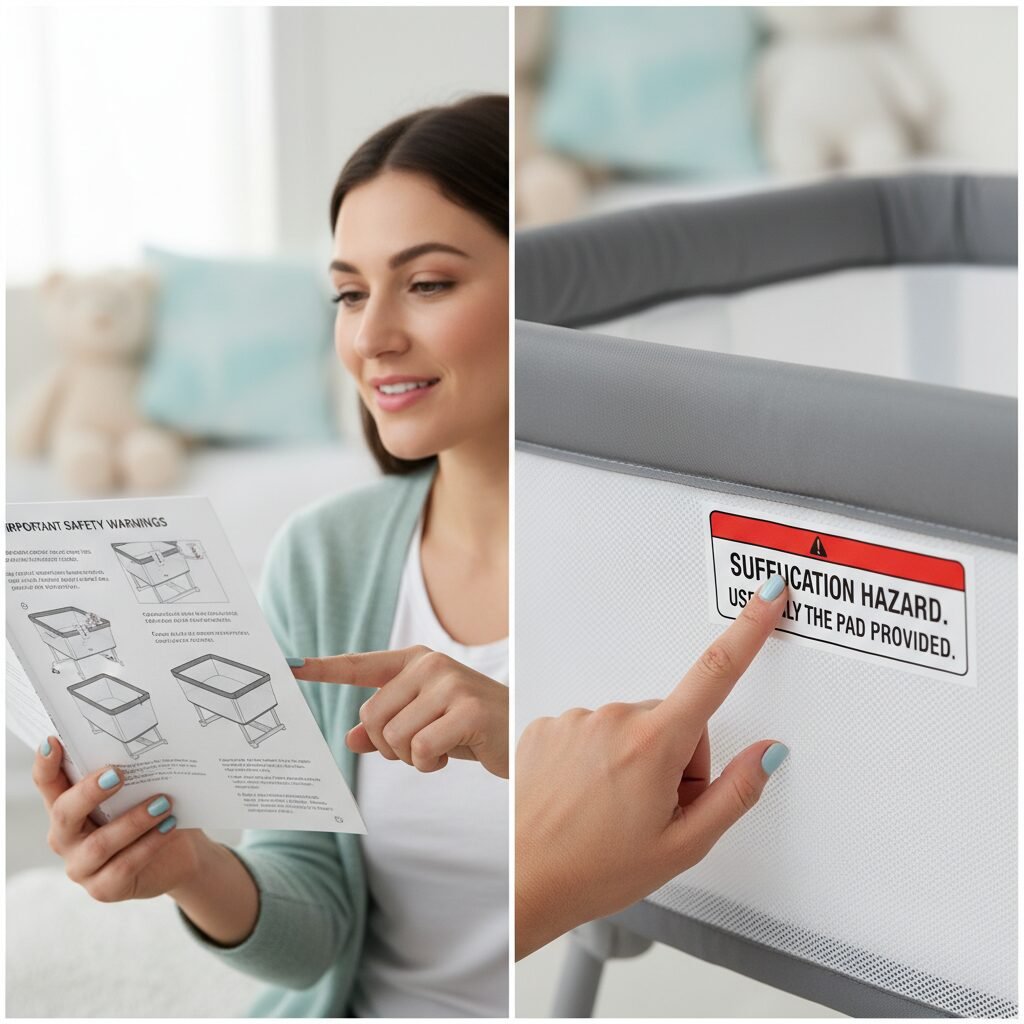
Now for the good news! You don’t have to guess. Manufacturers who have gone through the rigorous testing to have their product certified for overnight sleep will be proud to tell you about it. You just need to know where to look. It’s time to put on your detective hat!
Your Clue Checklist:
- Read the Manual: I know, I know. Who reads the manual? But when it comes to baby gear, it’s your most important tool. Dig it out or look it up online. Use the search function (Ctrl+F) and type in ‘sleep’, ‘overnight’, or ‘unsupervised’. The manufacturer must state the product’s intended use. If it says ‘for supervised naps only’ or ‘not for overnight sleep’, that’s your definitive answer.
- Check the Product Tags: Look for a warning label directly on the bassinet itself. These labels are required by law and will often state the sleep guidelines clearly.
- Look for the Magic Words: On the manufacturer’s website or the product’s box, look for phrases like “Approved for overnight sleep” or “Meets ASTM F2194 bassinet safety standards.” If they don’t say it, they haven’t met the standard.
- Beware of Vague Language: Some brands might use phrases like “sleep solution” or “perfect for napping.” This is marketing language, not a safety certification. Unless it explicitly says “overnight sleep” and references the CPSC or ASTM standards, assume it is not safe for that purpose.
There are a few stroller brands that do offer bassinet attachments that are certified for overnight sleep. They are the exception, not the rule. These companies have invested in the extra design and testing, and they will state it very clearly. If you have one of these, that’s fantastic! Just be sure to use it with the specific, approved stand that it comes with for added stability, if required.
Creating a Safe Sleep Haven: Great Alternatives for Home & On-the-Go
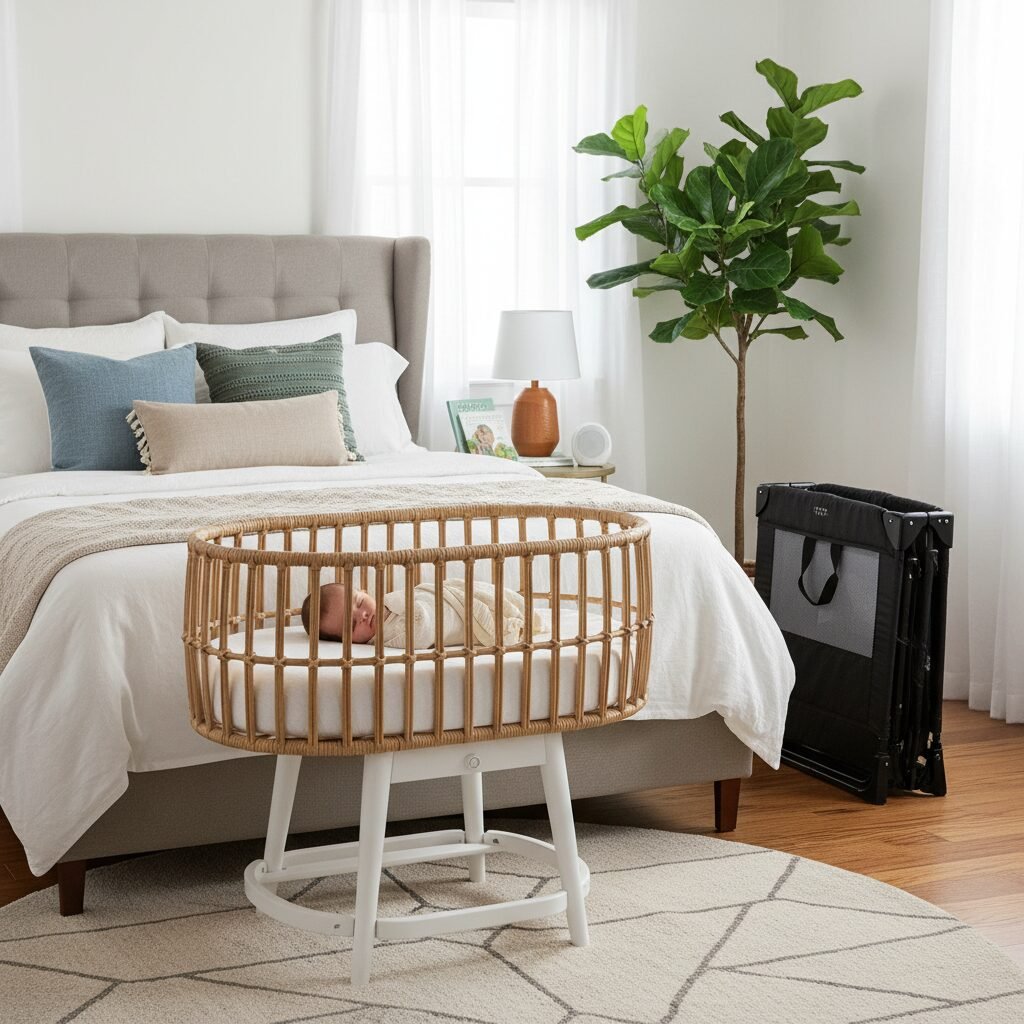
So, if the stroller bassinet is out for overnight sleep, what are your best options? The great news is there are plenty of wonderful, safe, and convenient choices to fit every family’s budget and lifestyle. Creating a safe sleep haven is one of the most loving things you can do.
Safe Sleep Setups for Your Home:
- Standalone Bassinets: These are the classic choice. They are designed specifically for safe newborn sleep, meeting all the required standards. They have a small footprint, making them perfect for keeping your baby close to your bed in those early months, as recommended by the AAP.
- Bedside Sleepers: These are a type of bassinet designed to sit right next to your bed, often with a side that lowers for easier access to your baby. Crucially, for safety, it must attach securely to your bed frame to prevent any gaps from forming between your mattress and the sleeper.
- Playards (or Pack ‘n Plays): A playard is one of the most versatile pieces of baby gear you can own! Most models come with a bassinet insert that sits at the top level. This insert is a firm, flat, and safe space for your newborn to sleep. Once they outgrow it, you can use the lower level of the playard as a safe sleep and play space for months to come.
For Travel and Trips to Grandma’s:
The versatility of a playard makes it the number one choice for travel. It’s a familiar space for your baby and is designed to be a safe sleep environment. There are also many ‘travel cribs’ on the market that are lightweight, easy to set up, and meet all safety standards. Never be tempted to use pillows or soft bedding to create a makeshift bed for your baby when you’re away from home. A dedicated, safe travel option is a must-have.
Investing in a separate, dedicated sleep space might feel like just one more thing to buy, but the peace of mind it provides is truly priceless.
Conclusion
Navigating the world of baby gear can feel like a full-time job, but you’re already doing the most important thing: asking questions and seeking out safe solutions for your baby. So, let’s circle back to our big question: Is your stroller bassinet safe for overnight sleep? For the vast majority of products, the answer is a clear and simple no.
While they are an absolute lifesaver for supervised, on-the-go naps, they typically lack the key safety features required for unsupervised overnight sleep. Remember to always prioritize a firm, flat surface and breathable sides, as outlined in the ABCs of Safe Sleep.
Please don’t ever feel guilty for not knowing. There is no rulebook handed to you when you leave the hospital! Every question you ask, every label you read, and every choice you make with safety in mind is a testament to what a wonderful, caring parent you are. Trust your instincts, lean on trusted resources, and enjoy every precious, fleeting moment. You’ve got this.