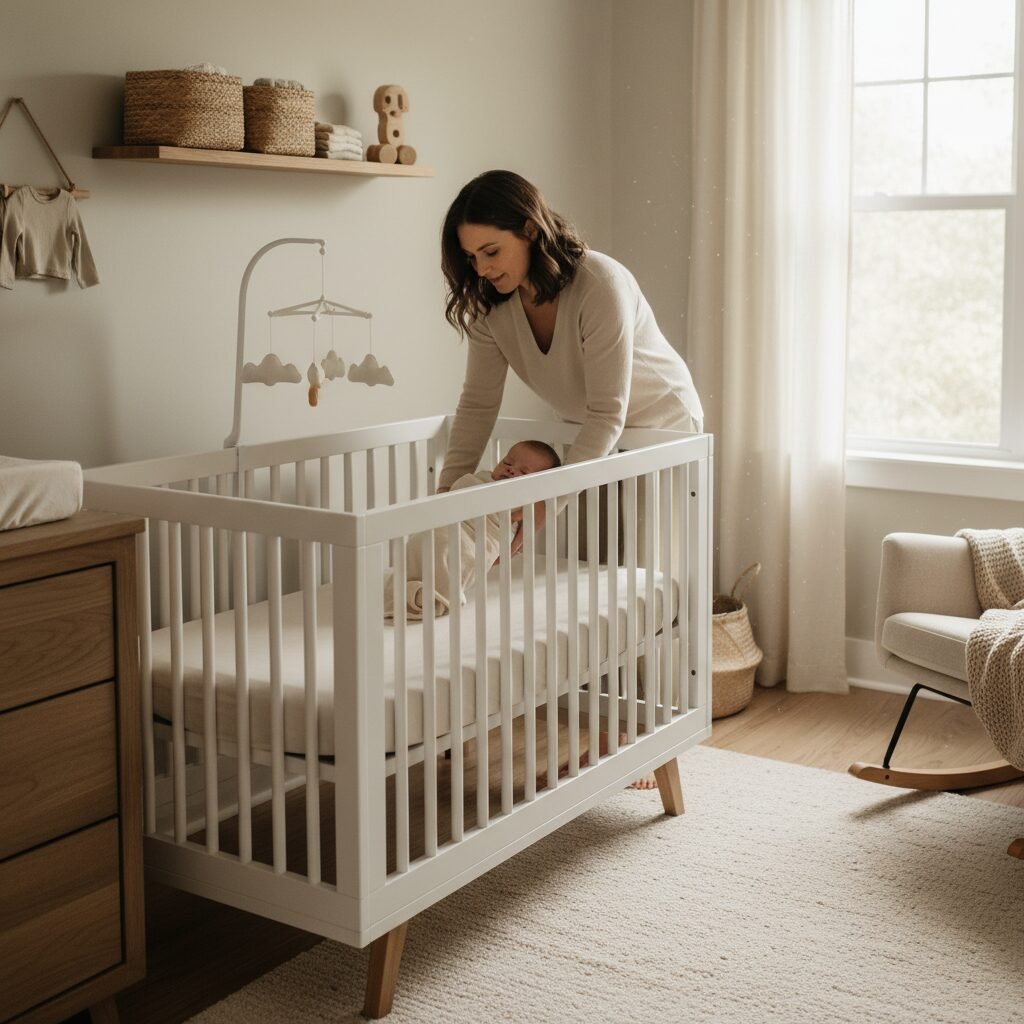
Is Your Nursery Safe? How To Check For Dangerous Baby Gear Recalls
Hey there, new and soon-to-be parents! Welcome to one of the most exciting (and let’s be honest, slightly overwhelming) parts of your journey: setting up the nursery. You’ve picked out the perfect color scheme, assembled the crib, and folded tiny onesies with so much love. But amidst all the joy, a little voice might be whispering, ‘Is all of this stuff… safe?’
My name is [Your Name], and I’ve spent decades as a pediatric nurse and lactation consultant, holding the hands of countless parents just like you. I’ve seen the worry in your eyes, and I’m here to tell you that it’s completely normal. You want the absolute best for your baby, and that includes a safe environment. The world of baby products is vast, and news about recalls can feel scary. But I want to reframe that for you. Recalls aren’t there to frighten you; they are a safety net designed to protect your precious little one.
In this guide, we’re going to walk through this together, step-by-step. I’ll show you exactly how to become your own family’s safety expert, how to easily check for recalls without the stress, and how to create a nursery that is not only beautiful but a true safe haven. Let’s trade that anxiety for empowerment. You’ve got this!
The ‘Why’ Behind Baby Product Recalls: A Gentle Explanation
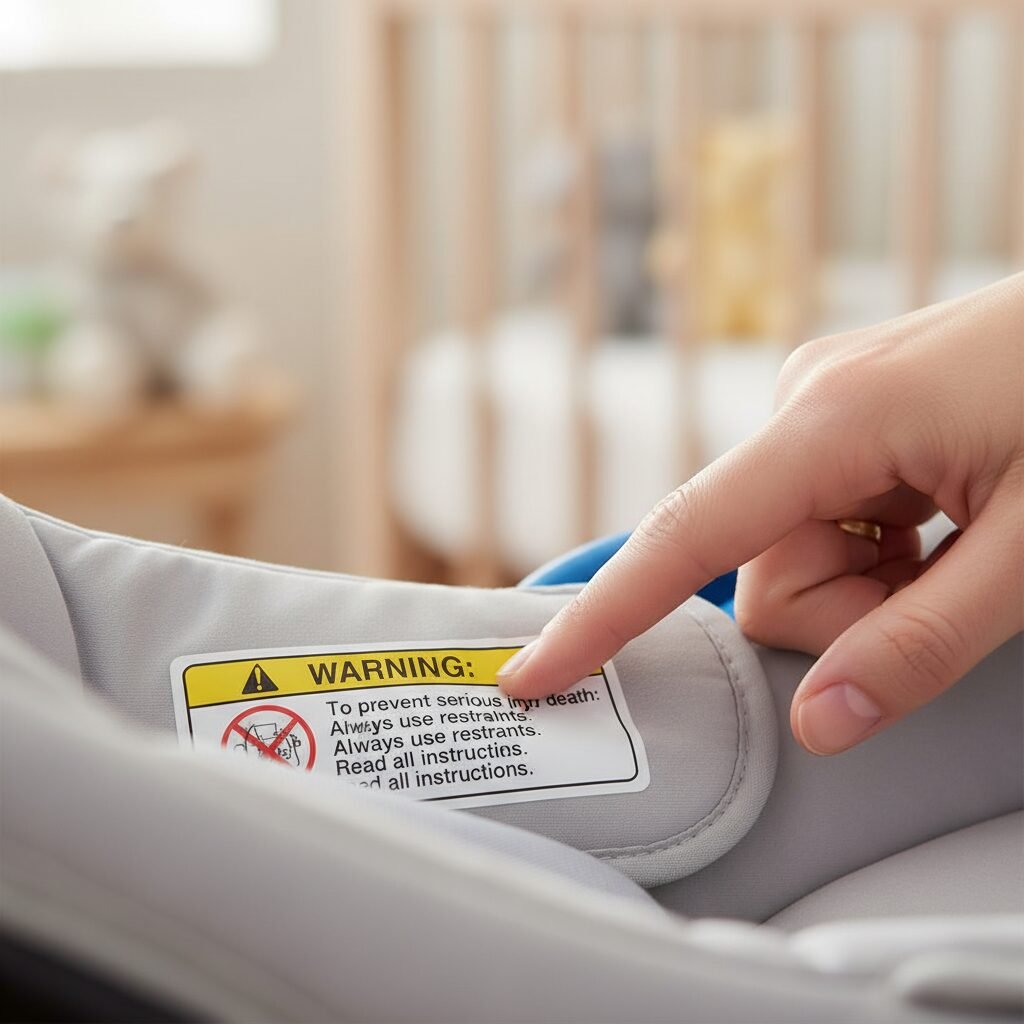
First things first, let’s take a deep breath. Hearing the word ‘recall’ can send a shiver down any parent’s spine. It often conjures images of danger and corporate negligence. While serious issues are at the heart of recalls, understanding why they happen can transform fear into informed caution.
A product recall is a corrective action taken by a company to address a safety issue. It’s a sign that the system is working to protect consumers, especially our most vulnerable little ones. Think of it as a crucial update for your baby’s gear. Here are the most common reasons a product might be recalled:
- Design Flaws: Sometimes, a product that seems brilliant in theory reveals a hazard in real-world use. A classic example is the inclined sleeper. For years, they were popular, but later data showed they increased the risk of infant suffocation. This led to widespread recalls and new federal safety standards.
- Manufacturing Errors: An error on the assembly line can lead to big problems. Maybe a batch of high chairs was made with screws that come loose, or a set of cribs has slats that are spaced too far apart, creating an entrapment hazard.
- Failure to Meet New Standards: Safety standards are constantly evolving as we learn more about child development and injury prevention. A product that was considered safe five years ago might not meet today’s stricter guidelines. Drop-side cribs are a perfect example; they were once the norm but are now banned from being sold in the U.S. due to numerous tragedies.
- Contamination or Material Hazards: This is common with items your baby might put in their mouth. A batch of teething toys might be found to contain lead paint, or a bottle sanitizer might have a component that can overheat and melt.
A Reassuring Thought: A recall doesn’t mean you made a bad choice as a parent. It means that a company is being held accountable, and you now have the information you need to keep your baby safe. It’s a proactive measure, not a personal failure.
So, instead of panicking, let’s see this process for what it is: a powerful tool. Knowing how to check for recalls puts you in the driver’s seat of your baby’s safety.
Your Recall-Checking Toolkit: A Simple How-To Guide
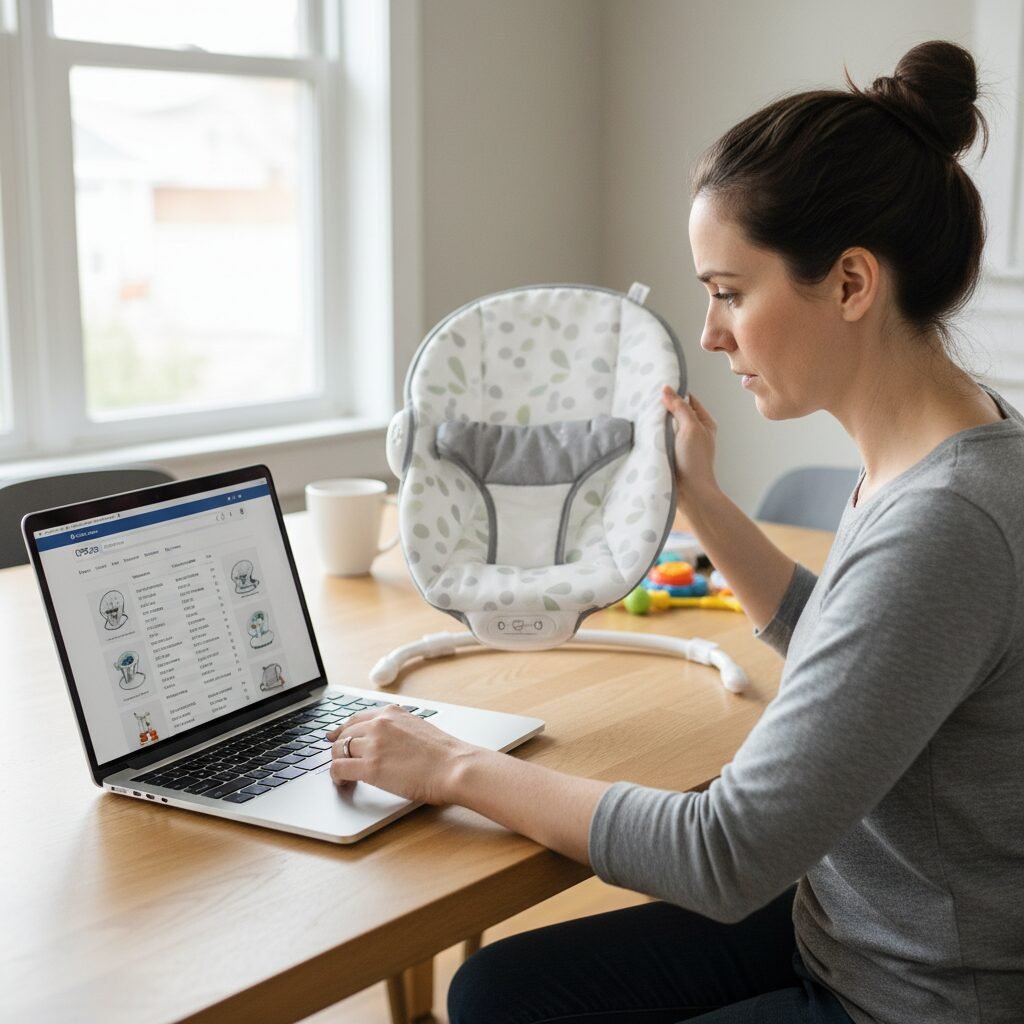
Alright, let’s get practical! You don’t need a special degree or a detective’s license to check on your baby’s gear. All you need is a few minutes and an internet connection. Here is your simple, step-by-step guide to becoming a recall-checking pro.
Step 1: Gather Your Product Information
Before you can search, you need to know what you’re looking for. Grab the piece of baby gear in question and look for a small sticker or plate. You’ll typically find it on the back, bottom, or an inconspicuous side. You’re looking for:
- Brand Name (e.g., Graco, Fisher-Price)
- Product Name (e.g., ‘Snuggle ‘n Play’ Bassinet)
- Model Number
- Manufacture Date
Pro Tip: Take a quick photo of this label with your phone! It’s much easier than lugging a car seat to your computer. Create a folder in your phone’s photo gallery called ‘Baby Gear Info’ to keep everything organized.
Step 2: Visit the Official Safety Websites
Don’t rely on social media posts or forwarded emails, which can be inaccurate or outdated. Go directly to the source. The primary resource in the United States is the Consumer Product Safety Commission (CPSC).
- For the U.S.: CPSC.gov/Recalls
- For Canada: Recalls and safety alerts from Health Canada
Bookmark these sites on your computer or phone for easy access.
Step 3: Search the Database
Once you’re on the website, you’ll see a search bar. Type in the product name or brand. If you get too many results, use the model number to narrow it down. The search will pull up any official recalls associated with that product. The recall notice will include photos, the dates the product was sold, the specific hazard, and what you should do next.
Step 4: Sign Up for Proactive Alerts
Who has time to manually check for recalls every week? Nobody! Make it easy on yourself and sign up for email alerts from the CPSC. You can choose to receive all recall alerts or just those related to children’s products. This way, the safety information comes directly to you.
A Crucial Warning About Second-Hand Items: Hand-me-downs and thrift store finds can be a lifesaver for the family budget, but they require extra diligence. Never, ever use a second-hand car seat, as you can’t know its accident history. For items like cribs, strollers, and high chairs, it is essential to perform a recall check before using them. Safety standards change, and you want to ensure that older gear is still considered safe today.
Nursery Hotspots: Common Items on the Recall Radar
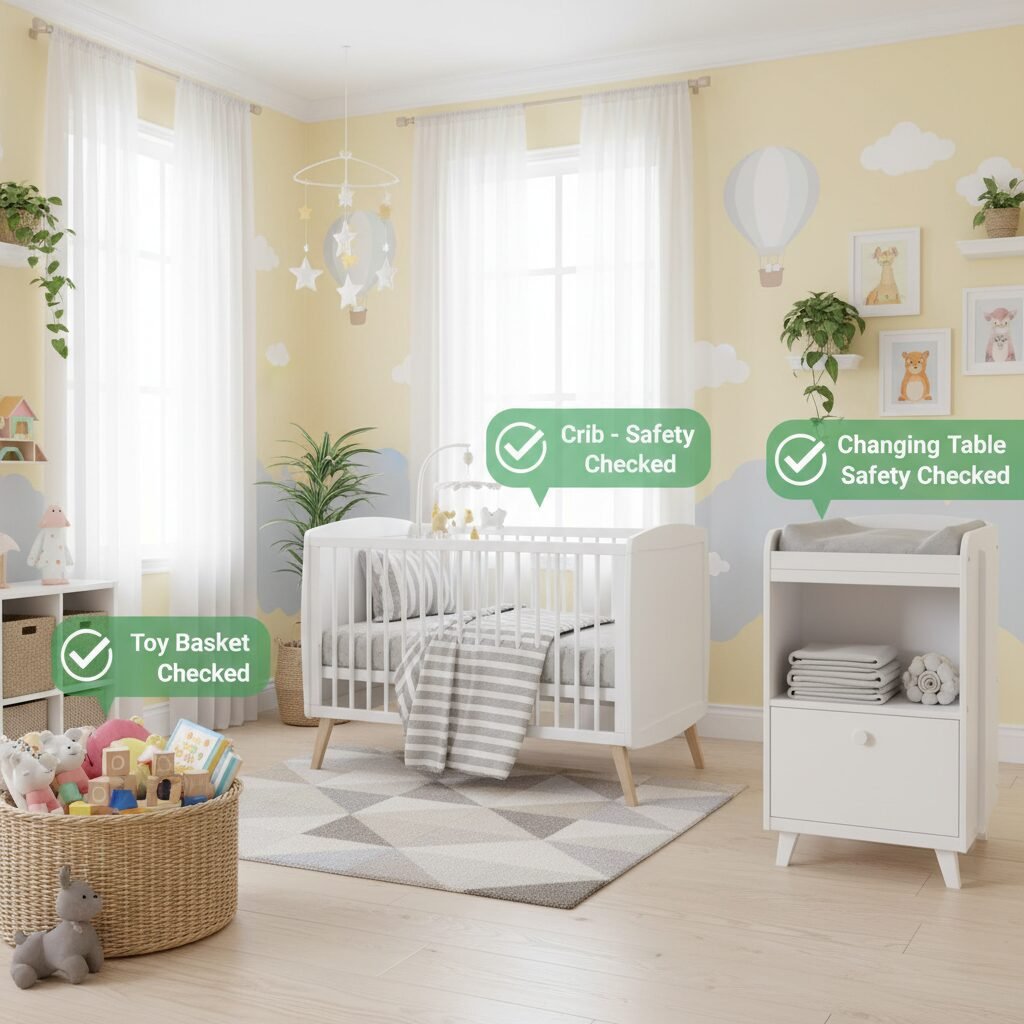
While any product can theoretically be recalled, history shows us that certain categories of baby gear are more prone to safety issues. This isn’t to say these items are inherently dangerous, but they are complex products where small flaws can have big consequences. Here are the key areas in your nursery to double-check.
This table highlights some common items, the typical hazards associated with them, and what a ‘safe’ version looks like. Use it as a quick reference guide for your nursery scan.
| Nursery Item | Common Recall Hazard(s) | What to Look For in a Safe Product |
|---|---|---|
| Cribs | Drop-sides that detach, slat spacing that is too wide (entrapment), hardware failure, decorative cutouts. | Fixed sides (drop-side cribs are banned in the US), slats no more than 2 3/8 inches apart, a snug-fitting mattress, and no missing or broken hardware. |
| Bassinets & Sleepers | Inclined sleeping surfaces (suffocation risk), instability (tipping hazard), non-breathable sides. | A completely flat and firm sleep surface. The product should meet the latest CPSC safety standards for bassinets. Avoid any product that holds the baby at an incline. |
| Changing Tables | Lack of safety straps or barriers, instability or wobbliness that could lead to collapse. | A sturdy frame, a guardrail on all four sides, and a safety strap to secure the baby. Always anchor it to the wall. |
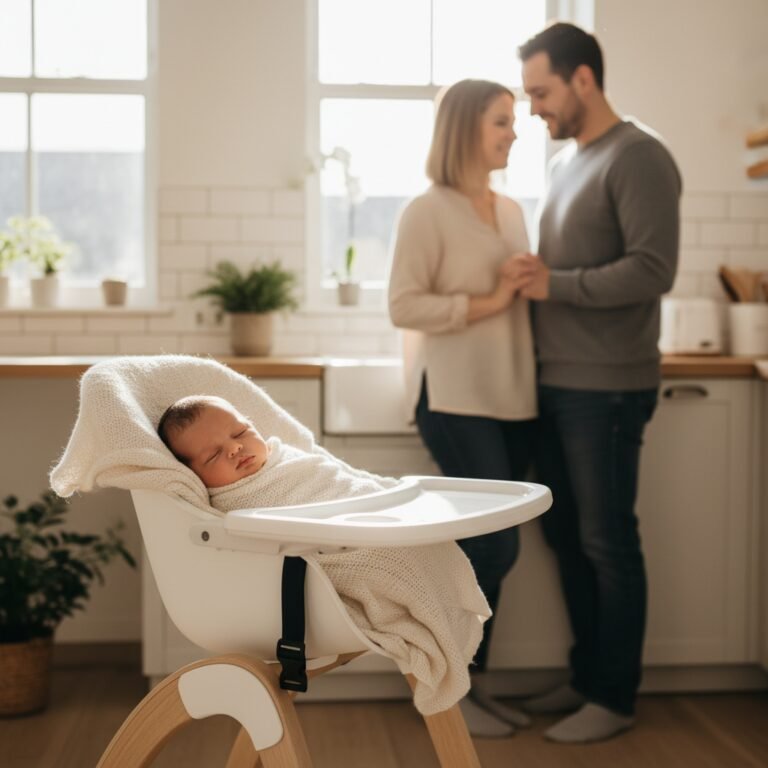
| High Chairs | Loose straps or buckles, legs that are not stable, trays that can dislodge easily. | A wide, stable base that can’t be easily tipped. A five-point harness is ideal. The tray should lock securely in place. |
| Rockers & Gliders | Pinch points in the gliding mechanism that can injure small fingers, instability. | Mechanisms that are covered or designed to prevent pinching. A solid, sturdy base that doesn’t wobble during movement. |
| Toys | Small parts that are a choking hazard, lead paint or other toxic materials, magnets that can be swallowed. | Toys that are age-appropriate. Check for sturdy construction with no small, detachable parts for babies and toddlers. Look for ‘non-toxic’ labels. |
Creating Your Safe Haven: A Room-by-Room Safety Checklist
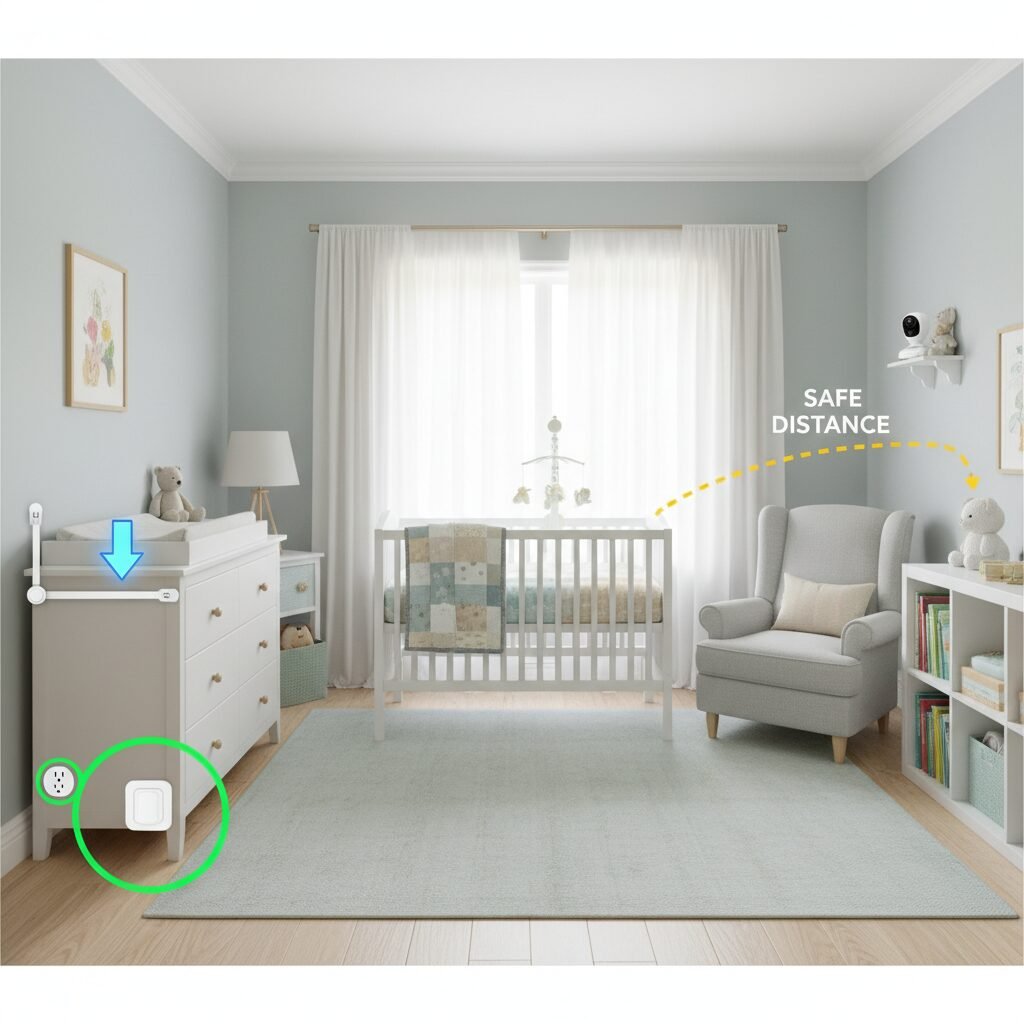
Beyond specific product recalls, general nursery setup is the foundation of a safe environment. Think of yourself as the ‘Chief Safety Officer’ for this special room. Let’s walk through a checklist to ensure every corner is a cozy and secure space for your baby to sleep, play, and grow.
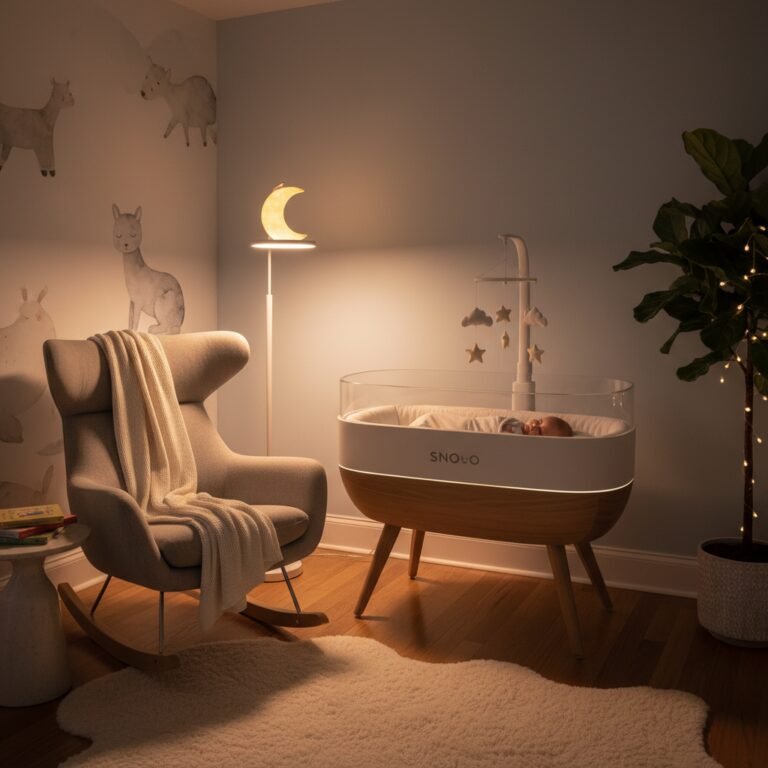
The Sleep Space: Crib & Bassinet
- A Bare Crib is Best: This is the golden rule of safe sleep. The crib should contain only a firm mattress that fits snugly (no gaps!) and a fitted sheet. That’s it. No bumpers, no blankets, no pillows, no stuffed animals. These items pose a suffocation risk.
- The ABCs of Safe Sleep: Your baby should always sleep Alone, on their Back, in a safe Crib or bassinet.
- Location, Location, Location: Position the crib away from windows, blinds, and drapery cords, which are strangulation hazards. Also, avoid placing it near radiators or vents.
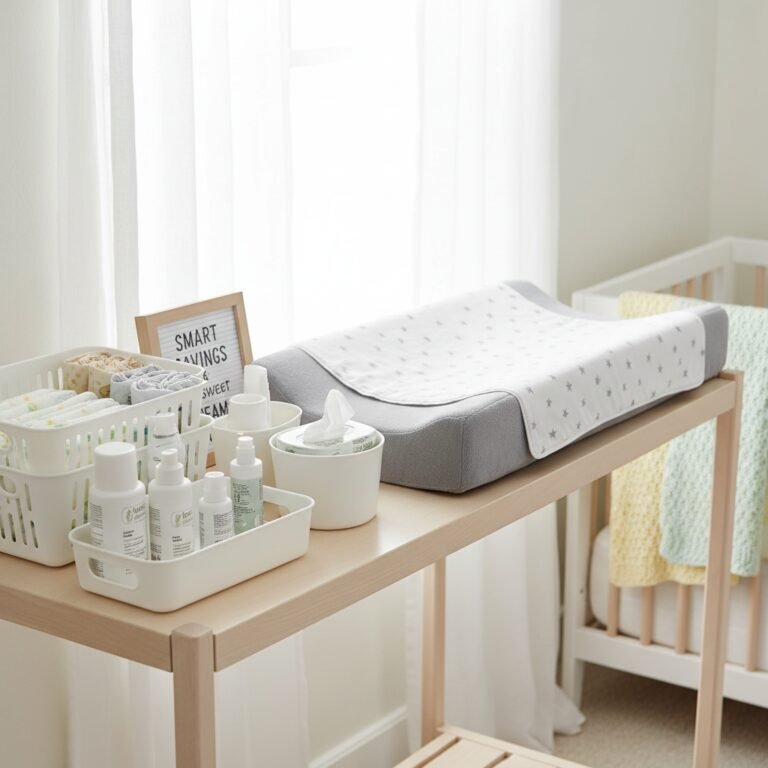
The Changing Station
- Stay Within Arm’s Reach: Organize diapers, wipes, and creams so you can reach them without ever taking a hand off your baby. Even a newborn can wiggle and roll unexpectedly.
- Use the Strap: Always use the safety strap on the changing pad, but never rely on it completely. Your hand is the best safety device.
- Anchor It: Like all heavy furniture, your changing table (or dresser used as one) must be securely anchored to the wall to prevent it from tipping over.
Furniture & Windows
- Anchor All Heavy Furniture: I’m repeating this because it’s so important! Dressers, bookshelves, and toy chests are major tipping hazards. Use furniture anchors or straps to secure them to the wall.
- Window Cord Safety: Cordless window coverings are the safest choice. If you have cords, they must be cut short and secured high up and out of reach.
- Window Guards: If the nursery is on an upper floor, install window guards or stops that prevent the window from opening more than four inches.
General Room Safety
- Cover Electrical Outlets: Use sliding outlet covers or box covers, which are safer and harder for little fingers to remove than the simple plastic plugs.
- Secure Cords: Keep monitor cords, sound machine cords, and lamp cords at least three feet away from the crib and ensure they are secured to the wall or bundled neatly.
- Install Smoke & Carbon Monoxide Detectors: Have a working smoke and CO detector in or near the nursery. Test them monthly!
My Gentle Reminder: Creating a safe nursery isn’t about creating a sterile, empty box. It’s about making thoughtful choices that allow for a beautiful, warm, and loving environment where the biggest risks have been removed. You are creating a space where you can relax and enjoy your baby, knowing they are protected.
Oops, It’s Recalled! Your Calm and Clear Action Plan

So you did your due diligence, searched the CPSC database, and your heart just did a little flip-flop. You found a match. The baby swing your aunt bought you is on the recall list. First of all, don’t panic! You found it, and that’s a win. Now, you just need to take a few simple, calm steps.
- Stop Using the Product Immediately. This is non-negotiable. Even if the issue seems minor or you haven’t had any problems with it, take it out of rotation right away. Put it in the garage, the basement, or somewhere your baby cannot access it.
- Read the Recall Notice Carefully. The official notice on the CPSC website will tell you everything you need to know. It will describe the hazard in detail and, most importantly, explain the ‘remedy’. The remedy is what the company is offering to do to fix the problem. It usually falls into one of three categories:
- A Repair Kit: The company will send you a free kit with parts and instructions to fix the issue.
- A Replacement: The company will send you a new, safer version of the product.
- A Refund: The company will offer you a full or partial refund for the product.
- Contact the Manufacturer. The recall notice will provide a toll-free number or a website for you to contact the company. Follow their instructions to claim your remedy. Have your product’s model number and manufacture date handy when you call or fill out the form.
- Dispose of the Product Properly (If Instructed). Sometimes, a product is too dangerous to be fixed and the company will instruct you to destroy it so no one else can use it. This prevents someone from finding it on the curb and unknowingly putting another child at risk. The recall notice will give you specific instructions on how to do this.
Finding a recalled item can be jarring, but remember: you are an amazing parent for catching it. You’ve successfully navigated the safety system and protected your child. That’s something to be proud of!
Conclusion
Whew, we’ve covered a lot of ground! From understanding the ‘why’ behind recalls to creating a step-by-step safety checklist for your nursery, you are now equipped with the knowledge to make confident choices for your family. Remember, this isn’t about achieving an impossible standard of ‘perfection’. It’s about being informed, proactive, and giving yourself grace.
The most important safety feature in any nursery is a loving, attentive parent—and that’s you. Checking for recalls and anchoring the furniture are simply acts of love. They are the practical things we do to translate our deep love and protective instincts into a safe physical space for our children.
So take this information, use it to create your family’s cozy haven, and then let go of the worry. You’re doing a fantastic job. Trust your instincts, enjoy these precious moments, and know that you are more than capable of providing the safe, nurturing home your baby deserves. You’ve got this, truly.