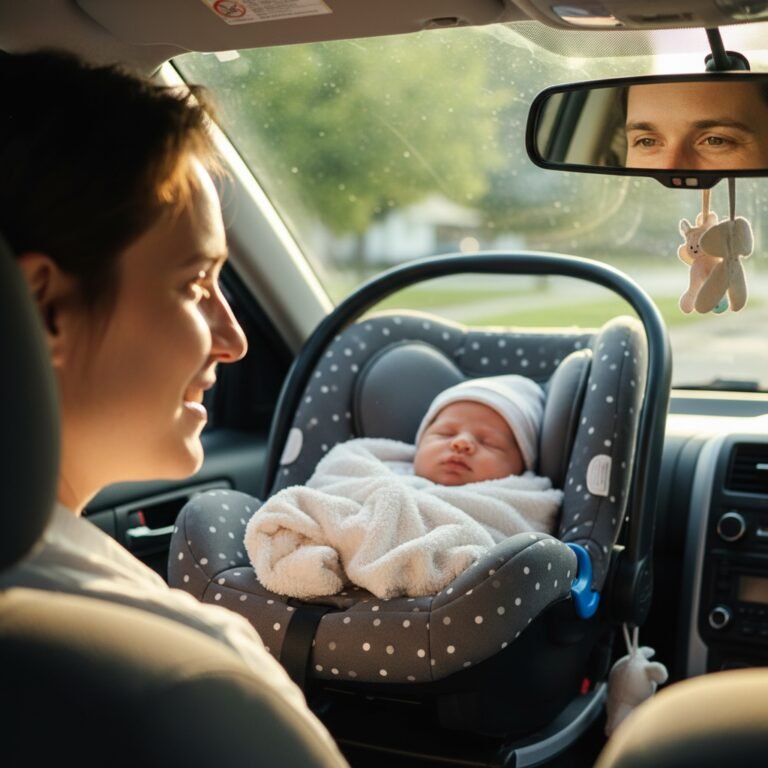
Is Your Newborn’s Car Seat Angle Safe? The ‘Chin to Chest’ Danger Check
Bringing your tiny, precious newborn home from the hospital is a moment filled with a dizzying mix of joy, love, and a healthy dose of terror. Suddenly, you’re in charge of this fragile little human, and every decision feels monumental. Of all the new-parent anxieties, one of the biggest culprits is the infant car seat. It looks complicated, the straps are confusing, and the manual is thicker than a novel. You just want to know: is my baby safe?
As a pediatric nurse and lactation consultant, I’ve helped thousands of new parents navigate these exact fears. And there’s one car seat danger that is critically important but often misunderstood: the ‘chin to chest’ position. It sounds simple, but this slump can have serious consequences for a newborn’s ability to breathe. Don’t worry, though. We’re going to walk through this together. This guide will empower you with the knowledge to confidently check your car seat’s angle, ensure your baby has a clear airway, and make every car ride a safe one. You’ve got this.
Understanding the ‘Chin to Chest’ Risk: What is Positional Asphyxia?
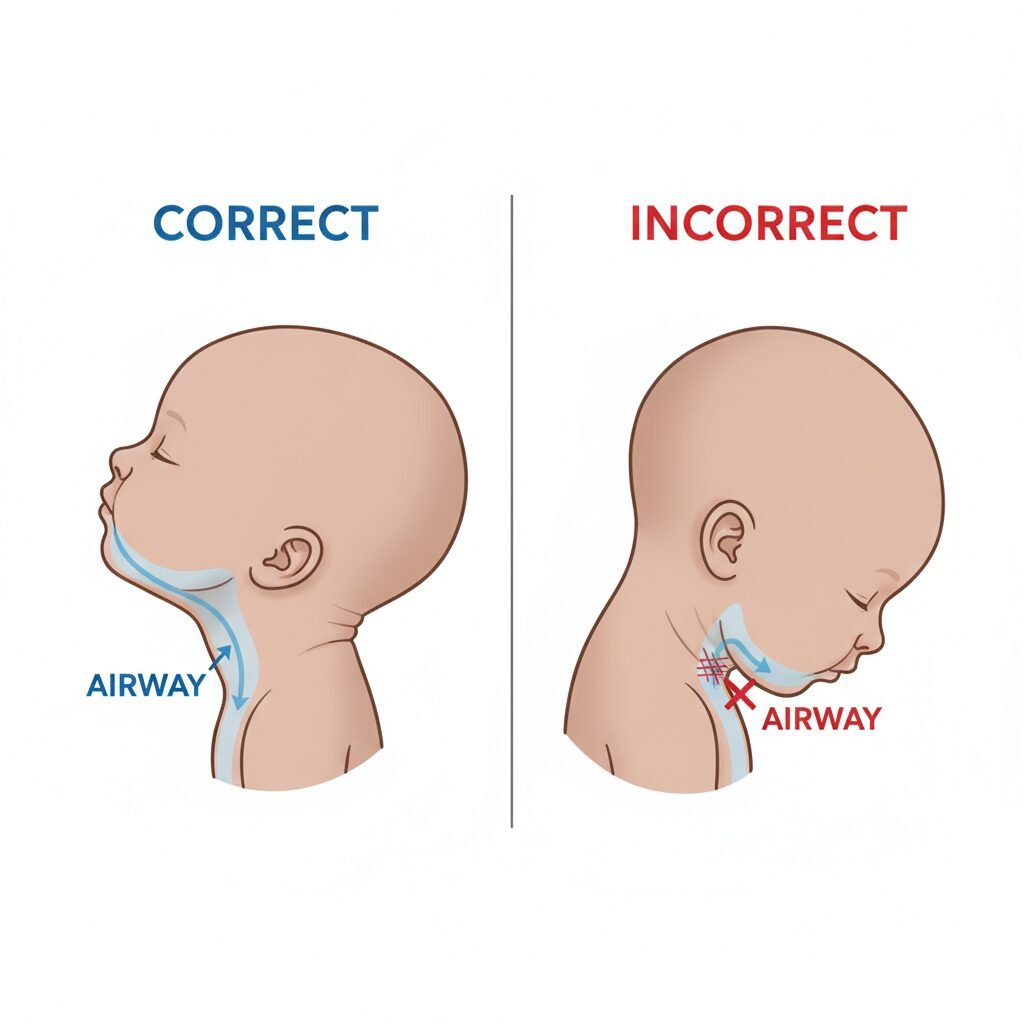
Let’s start with the ‘why’ behind this check. It sounds a bit scary, but understanding the science will make you feel so much more in control. The term ‘positional asphyxia’ simply means a person can’t get enough air to breathe because of the position their body is in.
For a newborn, this is a particular risk for a few key reasons:
- Heavy Heads, Weak Necks: A newborn’s head makes up about 25% of their total body weight! Combine that with very underdeveloped neck muscles, and you have a recipe for a ‘floppy’ head that they can’t control or lift on their own.
- Tiny, Soft Airways: Your baby’s trachea (their windpipe) is incredibly small and flexible, about the diameter of a drinking straw. It’s not rigid like an adult’s.
Now, picture what happens in an overly upright car seat. Gravity pulls that heavy head forward, causing their chin to drop down and press against their chest. This seemingly innocent slump can bend their soft airway like a kinked garden hose, restricting or even blocking the flow of oxygen. Because they don’t have the strength to lift their head back up, they can’t fix the problem themselves. This is the silent danger we are working to prevent. It’s not about a crash; it’s about safe breathing during a normal drive to the grocery store.
Safety First: A newborn should never be left to sleep in a car seat outside of the car. The angle is only correct when the seat is locked into its base in the vehicle. A seat placed on the floor is too upright and increases the risk of the chin-to-chest slump.
Your Step-by-Step Guide to the Car Seat Angle & Fit Check
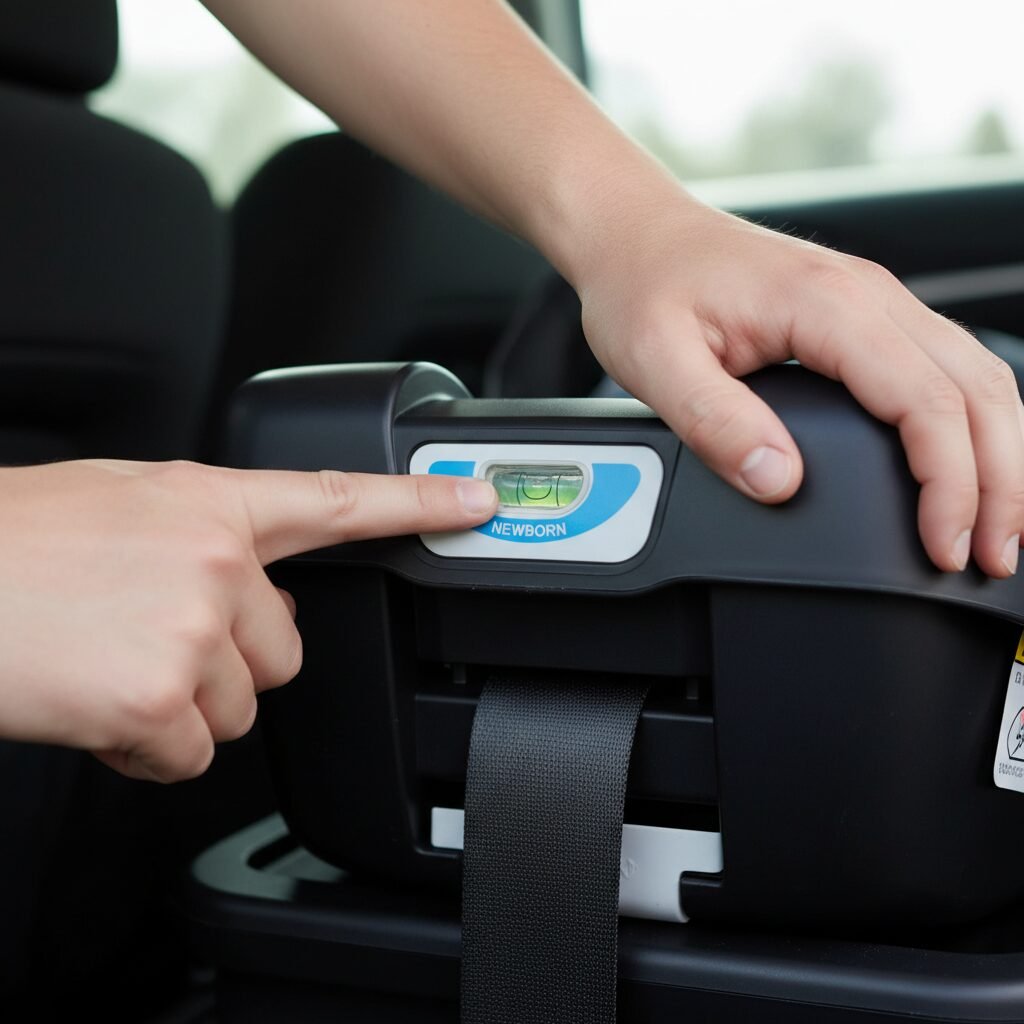
Okay, let’s get hands-on! Checking the angle and fit isn’t a one-time thing; it’s a quick check you should do every single time you put your baby in the seat. It will become second nature in no time.
Step 1: Install the Car Seat Correctly (Without Baby)
Before you even think about putting your baby in, make sure the seat itself is installed correctly. Your car seat has a recline indicator—it might be a bubble level, a colored line, or a dial. This is your best friend! Your goal is to get that indicator in the correct newborn range, which is typically between a 30 and 45-degree angle. If the angle is too steep (too upright), you’ll need to adjust it. Many cars have sloped seats that make this tricky. You might need to use a tightly rolled towel or a pool noodle under the base of the car seat to achieve the right recline. Always refer to your car seat manual for specific instructions.
Step 2: Place Baby in the Seat
Gently place your baby in the seat. Their bottom and back should be flat against the car seat. Don’t leave any space or slouching. If your seat came with a special newborn insert, make sure it’s being used correctly according to the manual.
Step 3: The ‘Chin to Chest’ Check
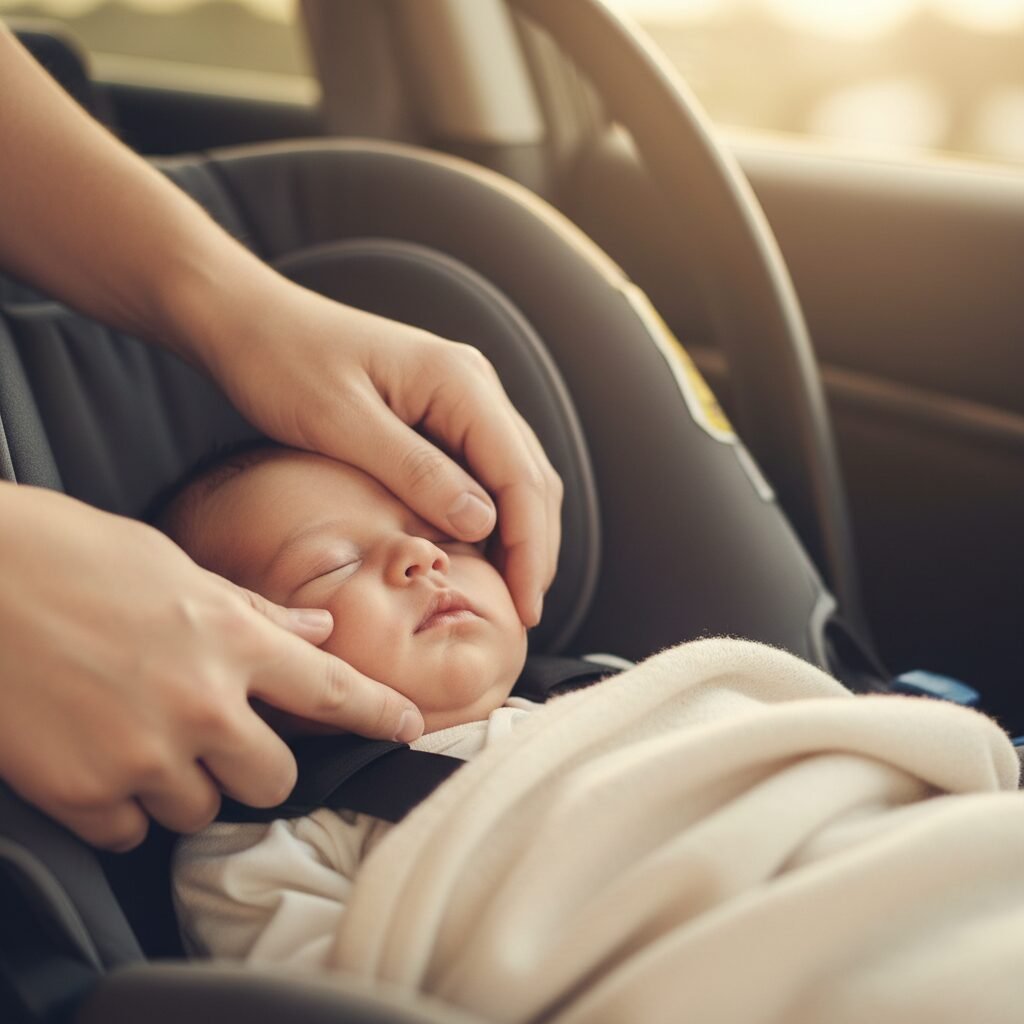
This is the moment of truth. Look at your baby from the side. Can you fit one to two fingers comfortably between their chin and their chest? If you can, the airway is likely nice and open. If their chin is tucked right down, you need to gently reposition them. Tilt their head back slightly so there is a clear space. Sometimes this means you need to re-evaluate the entire recline angle of the seat itself.
Step 4: The Harness and Chest Clip
We’ll go into more detail on this next, but for now, buckle the harness and secure the chest clip. The chest clip should be at armpit level. A clip that’s too low can allow the baby to slouch down, and one that’s too high can press on their neck.
| Safe Positioning (The Goal) | Unsafe Positioning (The Risk) |
|---|---|
| Back and bottom are flat against the seat. | Baby is slouched, with a curved back. |
| You can fit 1-2 fingers between chin and chest. | Chin is touching or pressed into the chest. |
| Head is tilted back slightly or centered. | Head is flopped forward. |
| Recline indicator is in the correct newborn zone. | Seat is too upright. |
Beyond the Angle: Mastering the Harness and Straps
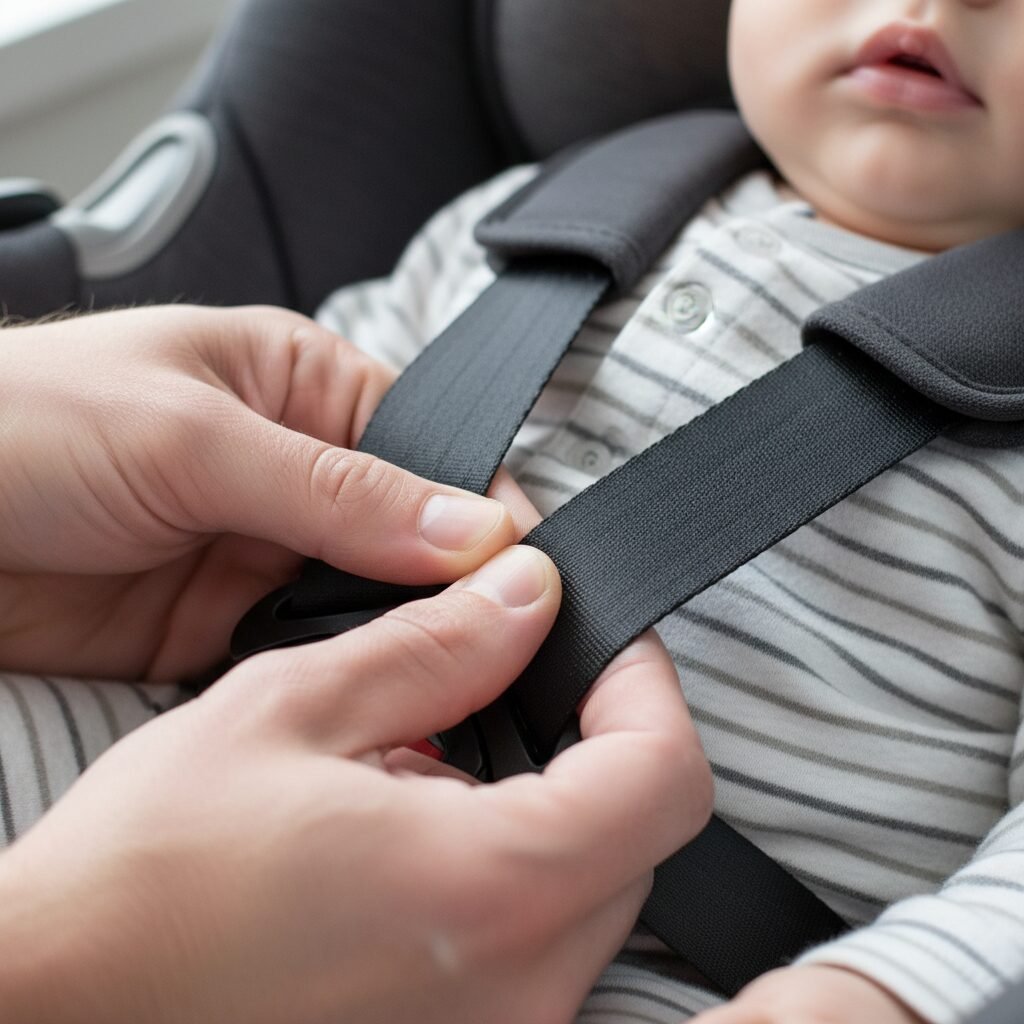
A perfect angle can be undone by a poor harness fit. These two things work together to create a safe little cocoon for your baby. Let’s make sure you’re a harness pro.
Harness Strap Height
For a rear-facing infant, the harness straps must come from slots that are at or just below their shoulders. If the straps are coming from above their shoulders, it allows too much upward movement in a crash and can also contribute to slouching during a regular ride. As your baby grows, you’ll need to move these straps up.
The Pinch Test
How tight is tight enough? We don’t want to squish them, but loose straps are incredibly dangerous. Once you’ve buckled your baby in, try to pinch the harness strap webbing horizontally at their collarbone. If you can grab a pinch of the strap, it’s too loose. Tighten the straps until your fingers just slide off the webbing when you try to pinch it. That’s the perfect snug fit.
Chest Clip Position
This little piece of plastic has a huge job. The chest clip’s only purpose is to position the harness straps correctly over the baby’s shoulders. The proper place for it is at armpit level. A clip that has slid down to their belly can allow the straps to slip off their shoulders, which could be catastrophic in a crash. Check it every time.
The Bulky Clothing Rule
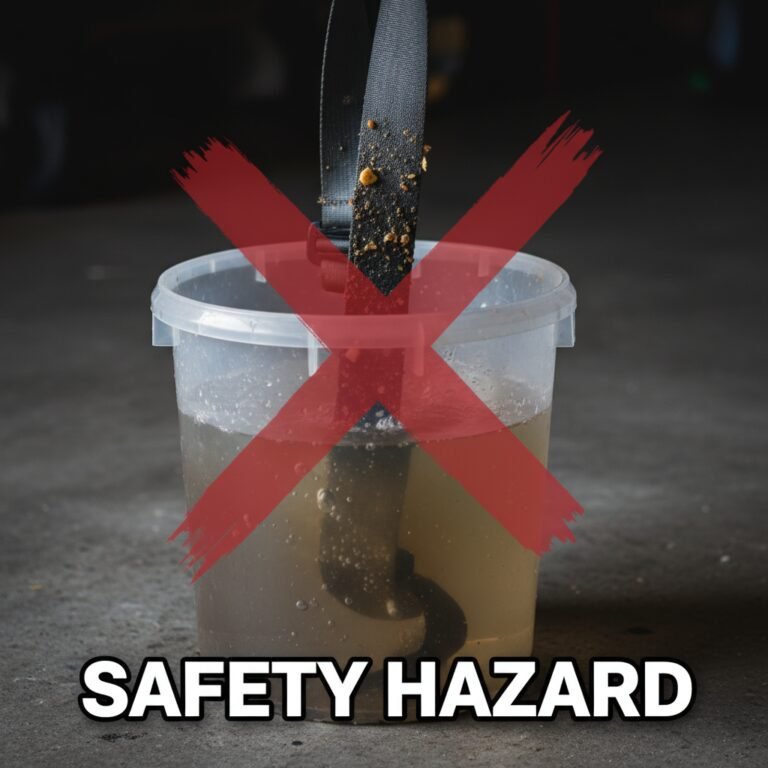
This is a big one, especially for babies born in colder climates. Never, ever put your baby in a car seat wearing a puffy winter coat, snowsuit, or thick fleece bunting. In a crash, the puffy material compresses, creating a huge gap between your baby and the harness. This can lead to the baby being ejected from the seat. Instead, dress your baby in thin layers. Buckle them in snugly, and then place a blanket or a car-seat-safe poncho over them *after* they are fully secured.
The Dangers of Aftermarket Car Seat Products

When you’re a new parent, you are bombarded with ads for products that promise to make your life easier or your baby more comfortable. You’ll see adorable, plush head inserts, strap covers, and bunting bags in every baby store. They look so soft and cozy, and it seems like a great way to stop your baby’s head from slumping, right? Wrong.
Anything that did not come in the box with your car seat has not been crash-tested with your car seat. These products are called ‘aftermarket products,’ and they can be incredibly dangerous. Here’s why:
- They Interfere with Fit: A thick, plush insert can create space between your baby’s back and the seat, preventing a snug harness fit. It can also push your baby’s head forward, worsening the chin-to-chest problem you’re trying to solve.
- They Are Not Flame Retardant: Car seats must meet strict federal flammability standards. That cute Etsy insert does not.
- They Void Your Warranty: If you are in a crash and are using an aftermarket product, the car seat manufacturer is no longer liable because the seat was not being used according to their tested instructions.
The only items that are safe to use are the ones that came with your seat or are sold by the manufacturer specifically for your seat model. If your baby’s head is slumping, the solution is to fix the recline angle, not to add pillows.
A Critical Warning: If it didn’t come in the car seat box, it doesn’t belong in the car seat. This includes head supports, strap covers, bunting bags that go behind the baby, and toys that attach to the seat. Your baby’s safety is more important than any accessory.
Special Considerations for Preemies and Smaller Babies

If your baby was born prematurely or had a low birth weight, their risk of breathing complications from poor positioning is even higher. Their muscles are less developed, and their respiratory systems can be more fragile.
Because of this, most hospitals will not let you take a premature or low birth weight baby home without them first passing a ‘Car Seat Tolerance Test,’ sometimes called a ‘Car Seat Challenge.’ What does this involve? A nurse or respiratory therapist will have you bring your infant car seat to the hospital. They will place your baby in the seat, strapped in correctly, and monitor them for a period of time, usually 90 minutes to two hours (the length of a typical car ride). They will watch your baby’s heart rate, breathing, and oxygen saturation levels to make sure they can maintain stable vital signs while in a semi-reclined position.
If your baby does not pass the test (for example, if their oxygen levels dip or their heart rate slows), it does not mean you can’t take them home. It means the current setup isn’t right for them. The medical team will work with you to find a solution. This might involve trying a different car seat, using special inserts provided by the manufacturer, or in some cases, using a special car bed that allows the baby to lie completely flat for travel. Always follow the specific advice of your pediatrician and the hospital staff. They are your partners in keeping your tiny miracle safe.
Conclusion
Deep breath. You did it. We’ve covered a lot of information that might have seemed intimidating at first, but now you are armed with the knowledge to protect your little one. The ‘chin to chest’ check isn’t about adding one more thing to your list of worries; it’s about giving you a simple, powerful tool to eliminate a risk. It’s a quick glance and a gentle adjustment that makes all the difference.
Remember the key takeaways: ensure the car seat is reclined to the proper 30-45 degree angle, always check for at least a finger’s width of space between your baby’s chin and chest, and only use accessories that came with your seat. Trust your instincts, but also trust the safety features of your car seat. They were designed by experts to protect your most precious cargo. You are your baby’s best advocate and their safest ride. You’ve got this, and you’re doing a great job.