
Is Your Baby Overstimulated? 5 Subtle Signs Most Parents Miss
Welcome to parenthood! It’s this incredible, beautiful, and sometimes utterly baffling journey. You’ve prepared for so much, from midnight feedings to diaper gymnastics, but one of the trickiest parts is learning your baby’s unique language. They can’t tell you, “Hey, that flashing toy and the dog barking is a bit much for me right now!” Instead, they communicate through subtle cues. And one of the most common, yet misunderstood, states is overstimulation.
So, what is it? In simple terms, overstimulation happens when a baby’s developing nervous system gets overwhelmed by more sensory input—sights, sounds, smells, touch—than it can handle. Think of it like trying to listen to five podcasts at once while someone tickles you. It would be too much! For a baby, even a loving family gathering or a trip to the grocery store can be the equivalent of a rock concert.
Recognizing the signs isn’t just about stopping a crying spell. It’s about understanding your baby’s needs on a deeper level, building trust, and helping them feel safe and secure in their new world. The good news? You are the expert on your baby, and I’m here to help you tune into their frequency. Let’s decode those subtle signals together and explore the five signs of overstimulation that most parents miss.
First, What Is Overstimulation, Really? A Peek Inside Your Baby’s Brain

Before we jump into the signs, let’s take a moment to appreciate the miracle that is your baby’s brain. It’s growing at an astonishing rate, forming millions of new neural connections every single second. But here’s the key: the part of the brain responsible for filtering out unnecessary information—the part that lets you ignore the hum of the refrigerator—is still very much under construction.
This means your baby takes everything in. The light from the window, the texture of their blanket, the sound of your voice, the scent of your laundry detergent, the feeling of a tag on their onesie… it all comes flooding in without a filter. For short periods, this is fantastic! It’s how they learn about the world. But when the input becomes too intense, too fast, or lasts for too long, their system can’t process it all. The result is a sensory traffic jam that triggers their fight-or-flight response.
Healthy Stimulation vs. Overstimulation
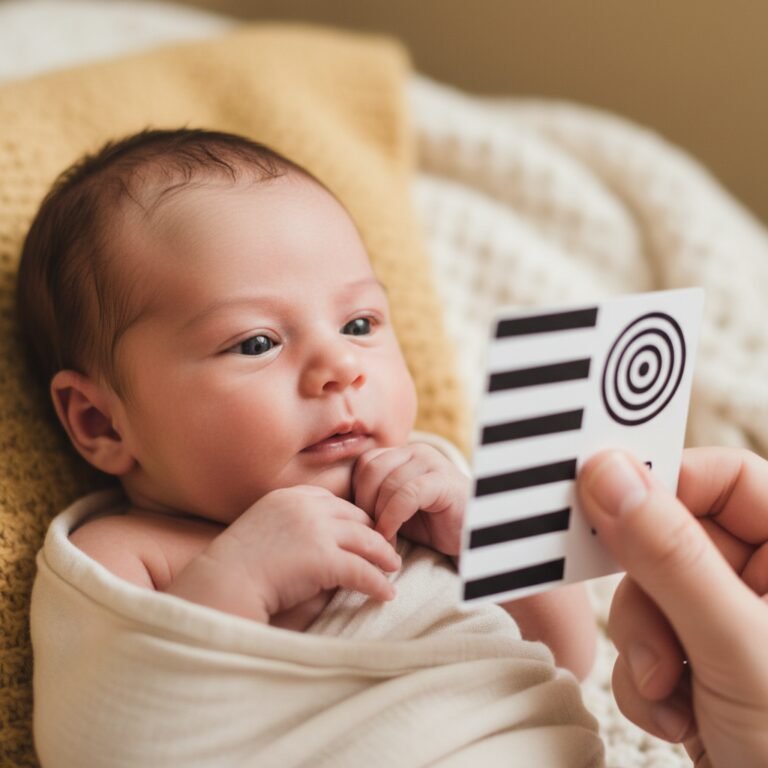
It’s a delicate balance. Healthy stimulation is crucial for development. Talking to your baby, showing them a high-contrast card, or gentle tummy time are all wonderful ways to engage them. The difference lies in the baby’s response and the environment’s intensity.
- Healthy Stimulation: The baby is engaged, cooing, making eye contact, and seems calm and curious. They are learning and processing in a relaxed state.
- Overstimulation: The baby starts showing signs of distress. Their system has shifted from ‘learning mode’ to ‘overwhelmed mode’.
A Gentle Reminder: An overstimulated baby is not a reflection of your parenting. It happens to every baby and every parent. It’s simply a sign that your little one needs a break from the hustle and bustle to reset.
Understanding this biological reality can help shift your perspective from, “Why is my baby so fussy?” to, “What can I do to help my baby feel more comfortable right now?” It’s a powerful change that fosters a more responsive and confident parenting style.
Sign #1: The ‘Thousand-Yard Stare’ (Averting Their Gaze)

This is one of the earliest and most subtle cues, and it’s pure genius on your baby’s part. When the world becomes too much, they try to shut some of it out. They will actively turn their head away from you, a toy, or the television. They might stare intently at a blank wall or the ceiling. This isn’t a sign of rudeness or boredom—it’s a desperate attempt to reduce sensory input.
Parents often misinterpret this as their baby losing interest in playtime. You might be dangling their favorite colorful rattle, and suddenly, they just look away. The instinct is to try and re-engage them, bringing the toy back into their line of sight. But what your baby is actually communicating is, “I need a break, please.”
What to Look For:
- Active Head Turning: They deliberately move their head to break eye contact with a person or object.
- Glassy or ‘Zoned-Out’ Eyes: Their focus goes soft, and they seem to be looking right through everything.
- Fixation on Something ‘Boring’: They might become intensely interested in a ceiling fan or a plain patch of carpet. This is them finding a low-stimulation focal point to calm their system.
When you see this sign, honor it. Think of it as your baby politely saying, “That’s enough for now.” Instead of trying to win back their attention, follow their lead. Gently pause the interaction, dim the lights, or simply hold them quietly. This teaches them that you understand their signals and that you are their safe space.
Sign #2: Sudden Physical Tension (Clenched Fists & Stiff Limbs)

A newborn’s movements can seem random and jerky, but as you get to know your baby, you’ll start to see patterns. One of the most telling signs of mounting stress is a sudden increase in physical tension. Their body literally stiffens up in response to being overwhelmed.
While newborns often have their hands in little fists, a stress-fist is different. It’s tighter, and often accompanied by other signs of tension. Their arms and legs might go rigid or move in a frantic, disorganized way. You might also notice them arching their back, as if trying to get away from the source of the stimulation.
Differentiating from Normal Reflexes:
It’s important not to confuse this with the Moro (or startle) reflex, where a baby flings their arms out wide and then brings them back in after being startled by a loud noise or sudden movement. The tension of overstimulation is more sustained. It’s a state of being, not a momentary reaction.
What to Look For:
- Tightly Clenched Fists: Look for white knuckles and tension that seems to run up their arms.
- Stiff, ‘Plank-like’ Body: Their whole body might feel rigid when you pick them up.
- Arching Back: A classic sign of discomfort and a desire to escape.
- Frantic, Jerky Movements: Their limbs might flail about without any smooth, clear purpose.
When you notice this physical tension, think of it as your baby’s body screaming for a break. This is a great time to introduce calming touch. Swaddling can be incredibly effective, as it provides a feeling of secure, consistent pressure that counters that frantic, disorganized feeling.
Sign #3: Autonomic Signals (Sudden Hiccups, Sneezing, or Yawning)

This one is tricky because, of course, babies hiccup, sneeze, and yawn for perfectly normal reasons! A hiccup can just be a hiccup. However, when these actions appear suddenly in the middle of a stimulating activity and seem out of context, they can be what are called “autonomic signals.”
These are involuntary physical responses that the body uses to try and regulate or reset a nervous system that’s gone haywire. It’s a bit like when an adult nervously fiddles with their hair or jiggles their leg during a stressful meeting. For a baby, these signals are a sign that their system is struggling to cope.
The Context is Key:
Imagine you’re at a family birthday party. The music is playing, people are talking loudly, and several relatives are taking turns holding the baby. Suddenly, your little one lets out a big yawn, followed by a bout of hiccups. They just woke up from a nap, so the yawn isn’t likely from sleepiness. This is their body’s SOS signal.
What to Look For:
- Yawning: When they are not due for a nap. It’s a stressed yawn, not a sleepy one.
- Hiccups: A sudden, intense bout that starts during a period of high activity.
- Sneezing: Multiple sneezes in a row when there are no other signs of a cold or allergies.
- Other Signs: Some babies might also get blotchy skin or start to look pale.
Safety Note: While these are common signs of overstimulation, always trust your parental gut. If sneezing is accompanied by a runny nose or cough, or if changes in skin color are persistent, it’s always best to check in with your pediatrician.
When you see these signals, think of them as your baby’s internal system flashing a yellow warning light. It’s the perfect time to gracefully exit the situation and find a quieter space before the fussing begins.
Signs #4 & #5: The Meltdown Phase – Frantic Crying & Feeding Difficulties

If the earlier, more subtle cues are missed, a baby’s nervous system will hit its breaking point. This is when you see the more obvious, distressing signs that are often just labeled as “a fussy baby.” By this stage, your baby has gone from trying to cope to being completely overwhelmed.
Sign #4: The Frantic, High-Pitched Cry
This is not your baby’s typical “I’m hungry” or “I have a wet diaper” cry. The cry of an overstimulated baby is often higher-pitched, more frantic, and sounds almost panicked. It can seem to come out of nowhere and is often very difficult to soothe. This is their final, loudest signal that they simply cannot take any more input.
Sign #5: Difficulty Latching or Feeding
This is a particularly confusing sign for new parents. Your baby is screaming, so you assume they must be hungry. You offer the breast or bottle, but instead of calming down, they seem to get more upset. They might frantically bob their head, latch on and pull off repeatedly, or refuse to feed altogether. This isn’t them rejecting you or the food. Their system is so disorganized by the sensory overload that they cannot coordinate the complex sequence of sucking, swallowing, and breathing. They are too distressed to eat, even if they are hungry.
Seeing your baby this upset is heartbreaking, but remember: you are their safe harbor. This is the moment to stop everything else and focus entirely on calming and co-regulation.
Your Calm-Down Toolkit: How to Soothe and Prevent Overstimulation

Okay, you’ve identified the signs. Now what? The goal is simple: reduce sensory input and help your baby’s nervous system return to a calm state. Here are some proven techniques that you can use in the moment and as preventative strategies.
Immediate Soothing Techniques
When your baby is in the thick of it, think of recreating the womb: dark, quiet, and snug.
- Change the Scenery: This is step one. Remove your baby from the stimulating environment. Go to a quiet, dimly lit bedroom. If you’re out, find a quiet corner, go to your car, or step outside for some fresh air.
- Swaddle Them Snugly: A tight swaddle provides deep, calming pressure and prevents their flailing limbs from startling them further. It’s like a full-body hug that tells their nervous system, “You’re safe.”
- Use White Noise: A consistent, low-rumbling sound (from a sound machine or a shushing sound you make) can block out jarring noises and is incredibly soothing, as it mimics the sounds of the womb.
- Gentle, Rhythmic Motion: Slow, rhythmic rocking in a rocking chair or swaying back and forth can help regulate their disorganized system. Avoid fast, frantic jiggling, which can be more stimulating.
- Offer Something to Suck On: Sucking is a powerful self-soothing reflex for babies. Offer a pacifier, a clean finger, or the breast/bottle (once they’ve started to calm down a bit).
Proactive Prevention Strategies
The best way to manage overstimulation is to prevent it from happening in the first place.
- Respect Wake Windows: Learn your baby’s age-appropriate wake windows (the amount of time they can comfortably stay awake between naps). An overtired baby is much more susceptible to becoming overstimulated.
- Introduce Things Slowly: When introducing a new toy, activity, or environment, do it for short periods. Let your baby set the pace.
- Create a Calm ‘Home Base’: Make your home, especially the nursery, a low-stimulation zone with soft lighting, calm colors, and minimal background noise.
- Narrate Your Outings: When you’re out, talk to your baby in a calm voice. “We’re at the store now. It’s very bright in here.” Your voice can be a grounding anchor for them in a sea of new sensations.
Conclusion
Learning to read your baby’s unique language is a dance, and it takes time to learn the steps. There will be moments when you miss a cue, and that is perfectly okay. Every single parent has been there. The goal isn’t perfection; it’s connection.
By recognizing these five subtle signs—the averted gaze, the clenched fists, the out-of-place yawn, the frantic cry, and the feeding struggles—you are doing something profound. You are telling your baby, “I see you. I hear you. I understand what you need.” You are becoming their safe space, the calm in their storm.
So be gentle with yourself. Trust your instincts. You know your baby better than anyone else in the world. As you continue to watch and respond, you’ll build a foundation of trust and security that will support your little one as they grow and explore this big, beautiful, and sometimes overwhelming world. You’ve got this.