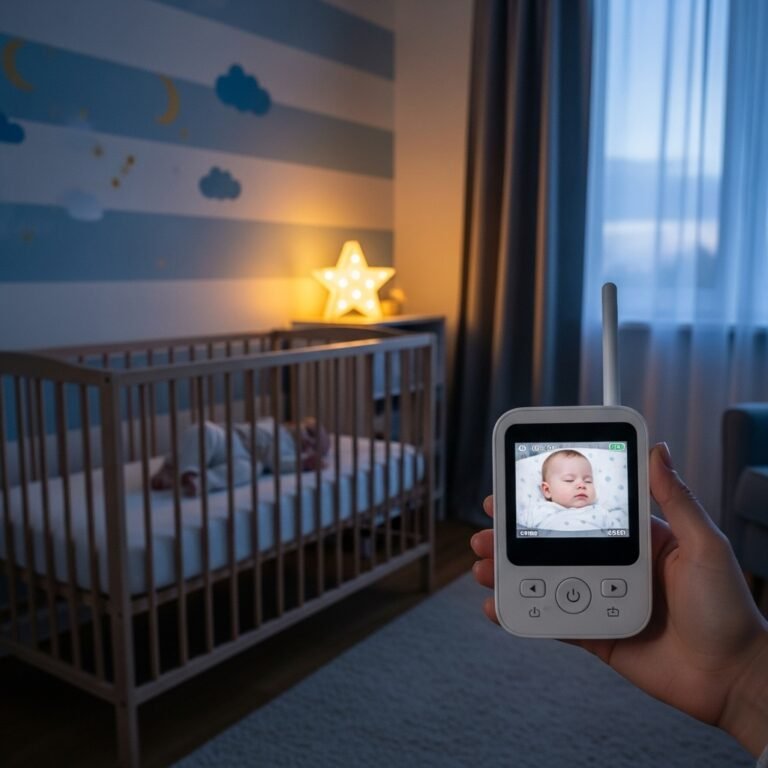

Is Your Baby Monitor Hackable? Why Smart Parents Are Switching Back
Hey there, new parent. You’ve done everything to create the perfect, safe little cocoon for your baby. You picked the safest crib, the softest swaddles, and a baby monitor to give you that much-needed peace of mind. The ability to peek at your sleeping angel on your phone from anywhere feels like a modern parenting superpower, right? But what if that window into your nursery could be opened by someone else? It’s a terrifying thought, and one that’s unfortunately becoming more of a reality. The very device meant to bring you comfort could be a source of serious vulnerability. We get it, the last thing you need is another thing to worry about. So let’s talk about it, parent to parent. In this guide, we’ll gently unpack the risks of hackable baby monitors, explore why many are going back to basics, and give you the tools to make the safest choice for your family.
The Allure of the Smart Monitor: Convenience at Your Fingertips
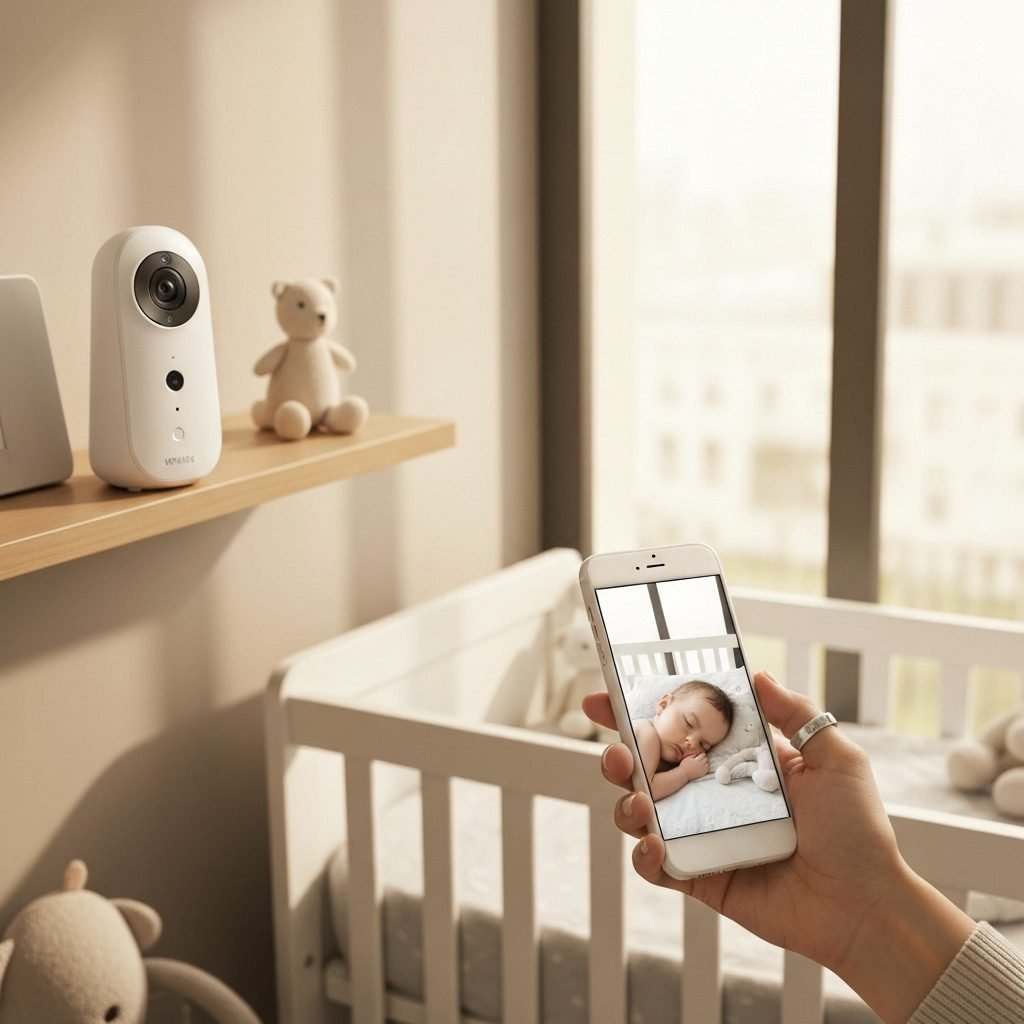
It’s easy to see why Wi-Fi-enabled ‘smart’ baby monitors have become a nursery staple. The features are incredibly appealing, especially when you’re navigating the anxieties of new parenthood. You can check in on your baby from the other room, from the office, or even from a date night, all on the smartphone that’s already in your pocket. The video is often crystal-clear HD, you can pan and tilt the camera remotely, and many models offer two-way talk to soothe your baby with your voice. Some even track sleep patterns, room temperature, and humidity, promising a wealth of data to help you feel in control.
These features promise a constant connection to your little one, offering a digital umbilical cord that feels reassuring. For parents juggling work, other children, and the general chaos of life, this convenience isn’t just a luxury; it feels like a necessity. The marketing is brilliant, painting a picture of a parent who is always present, always aware, and always able to respond at a moment’s notice. But this constant connectivity, the very feature that makes these monitors so attractive, is also their greatest weakness.
The Unseen Risk: How Strangers Can Access Your Nursery
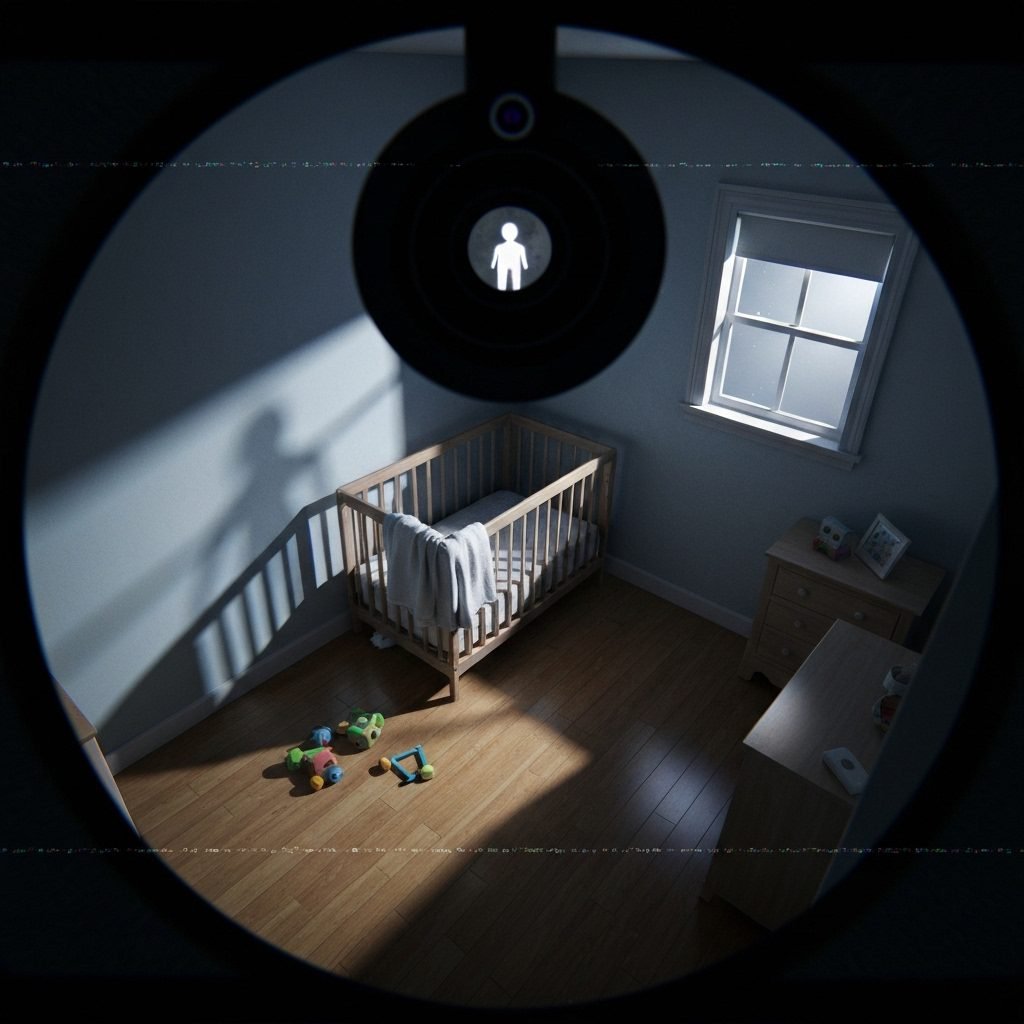
The idea of a stranger watching your child is the stuff of nightmares. With Wi-Fi baby monitors, this risk hinges on one simple fact: anything connected to the internet can potentially be accessed from the internet. Hackers aren’t necessarily super-geniuses from a spy movie; often, they exploit simple security oversights. Here’s how it typically happens:
- Weak or Default Passwords: Many people never change the default username and password that come with their device (like ‘admin’ and ‘password123’). Hackers have lists of these default credentials and can run programs to find vulnerable devices online.
- Unsecured Home Wi-Fi: If your home Wi-Fi network itself isn’t protected with a strong password, anyone within range can potentially access your network and any device connected to it, including your baby monitor.
- Company Data Breaches: Sometimes, the vulnerability isn’t in your home but with the company that makes the monitor. A breach of their servers could expose thousands of users’ login information or create a backdoor into their devices.
- Outdated Firmware: Just like your phone or computer, your monitor’s software (firmware) needs updates. These updates often patch security holes that have been discovered. If you don’t install them, your monitor remains an easy target.
A Gentle Warning: Your peace of mind is paramount. Taking a few extra minutes to secure your devices is one of the most important safety steps you can take in your modern nursery. It’s just as crucial as ensuring the crib is assembled correctly.
It’s Not Just a Movie Plot: Warning Signs of a Compromised Monitor
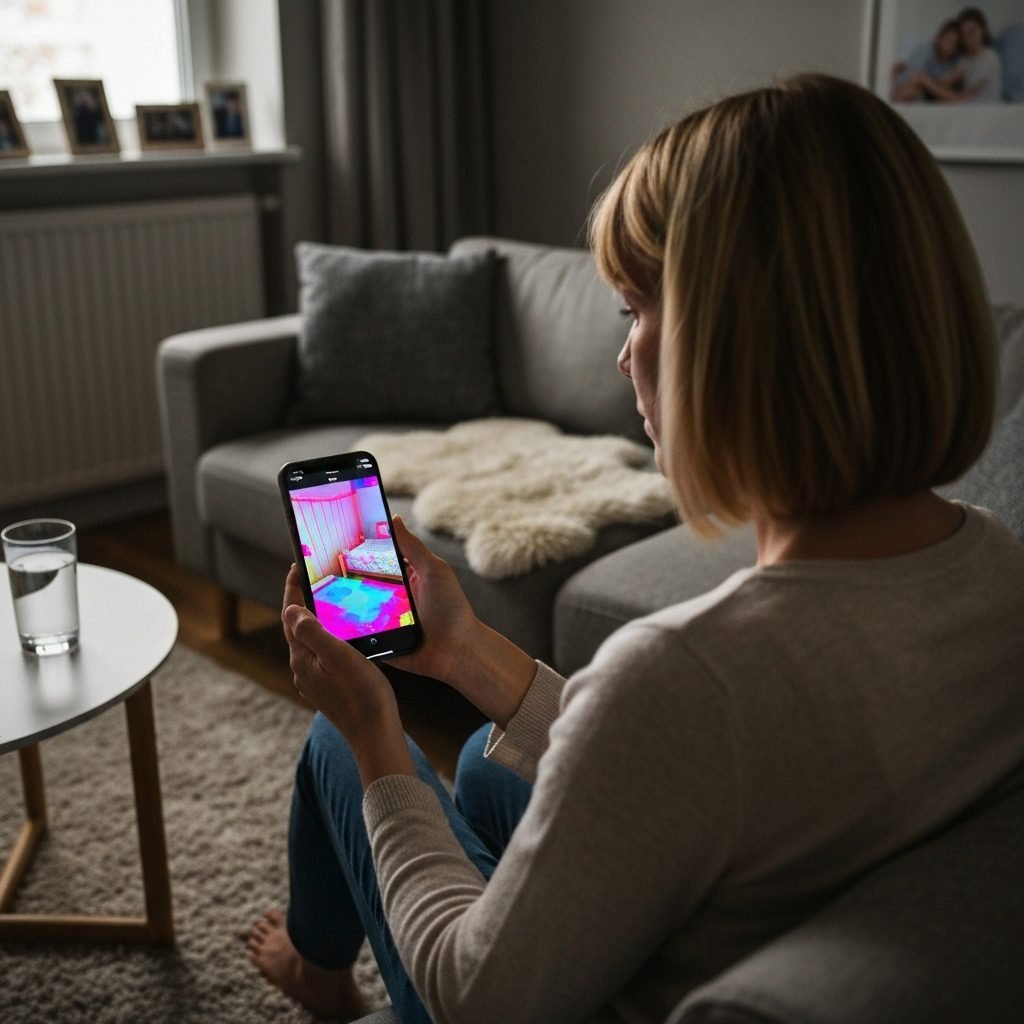
While still rare, stories of hacked baby monitors are unsettlingly real. Parents have reported hearing strange voices talking to their children, seeing the camera pan and tilt on its own, and even hearing music playing through the monitor’s speaker. These incidents are a stark reminder that the threat is not just theoretical. So, how can you tell if your monitor might be compromised? Keep an eye out for these red flags:
- Unfamiliar Voices or Noises: If you hear anything through the monitor that isn’t coming from your baby or the nursery, investigate immediately.
- Camera Moves on Its Own: If your camera has a remote pan-and-tilt feature and you see it moving when no one is controlling it, it’s a major warning sign.
- Settings Change Unexpectedly: Finding that your password, camera name, or other settings have been changed without your knowledge indicates someone else has access.
- LED Light is On When It Shouldn’t Be: If the indicator light that shows the camera is active turns on when you aren’t viewing the feed, it could mean someone else is.
- Unusual Performance: If your monitor app is suddenly slow or your home internet connection is lagging, it could be a sign of unauthorized activity on your network.
If you notice any of these signs, the first step is to immediately unplug the monitor from the power source and the internet. Then, you can begin the process of securing it by resetting it to factory settings and creating a new, highly secure password.
Going ‘Old School’: The Secure Simplicity of Non-Wi-Fi Monitors

Amidst these high-tech fears, a different kind of smart parenting is emerging: switching back to simpler, non-connected technology. Enter the non-Wi-Fi baby monitor. These devices don’t connect to the internet at all. Instead, they use dedicated, closed-circuit radio frequencies to create a direct and private link between the camera (transmitter) and the parent unit (receiver). Think of it like a pair of high-tech walkie-talkies with video.
The most common and secure technologies are:
- DECT (Digital Enhanced Cordless Telecommunications): This technology provides a private, encrypted, and interference-free audio connection.
- FHSS (Frequency-Hopping Spread Spectrum): This is the gold standard for video monitors. The signal constantly and rapidly switches between different frequencies, making it virtually impossible for someone to intercept and view the feed.
The core benefit is simple: If it’s not on the internet, it can’t be hacked over the internet. You trade the ability to check in from work for the near-total assurance that no one else is checking in with you. For many parents, this trade-off is more than worth it for true peace of mind. Let’s compare them side-by-side:
| Feature | Wi-Fi ‘Smart’ Monitor | Non-Wi-Fi (DECT/FHSS) Monitor |
|---|---|---|
| Remote Viewing | Yes, from anywhere with an internet connection. | No, limited to the range of the parent unit (typically 1000 ft). |
| Security Risk | Higher. Vulnerable to internet-based hacking. | Extremely low. Operates on a closed, private signal. |
| Reliance on Wi-Fi | Completely dependent. If your Wi-Fi goes down, the monitor does too. | Independent. Works as long as it has power. |
| Setup Complexity | Can be complex, requiring app installation and network configuration. | Very simple. Just plug in and turn on. |
| Extra Features | Often includes sleep tracking, humidity sensors, cloud recording. | Typically focused on core features: clear video and audio. |
| Best For | Parents who need to monitor from outside the home and are diligent about cybersecurity. | Parents who prioritize security and reliability above all else. |
Your Action Plan: A Security Checklist for Any Monitor
Whether you decide to stick with your smart monitor or opt for a non-Wi-Fi model, you can take control of your family’s digital safety. Here is a straightforward action plan to ensure you have the most secure setup possible.
If You’re Using a Wi-Fi Monitor:
- Create a Fortress-Like Password: This is your first and best line of defense. Don’t use the default password. Create a unique one that is long (at least 12 characters) and includes a mix of upper and lowercase letters, numbers, and symbols. Do not reuse passwords from other accounts.
- Enable Two-Factor Authentication (2FA): If your monitor’s app offers 2FA, turn it on immediately. This means that even if someone steals your password, they won’t be able to log in without a second code, which is usually sent to your phone.
- Keep Your Firmware Updated: Manufacturers release updates to patch security flaws. Check your app regularly for firmware updates for your camera and install them promptly. Consider it routine maintenance, like changing the batteries in a smoke detector.
- Secure Your Home Wi-Fi Network: Your monitor is only as secure as the network it’s on. Make sure your home router has a strong password and uses WPA2 or WPA3 encryption. You can also create a separate ‘guest’ network for your smart devices to keep them isolated from your main computers and phones.
- Register Your Product: While it might seem like just a way to get marketing emails, registering your monitor ensures you’ll be notified by the manufacturer about any recalls or critical security updates.
If You’re Shopping for a New Monitor:
- Prioritize Security Over Features: When reading reviews, look specifically for comments on security. Does the manufacturer have a good track record? Do they require strong passwords and offer 2FA?
- Strongly Consider Non-Wi-Fi Models: If viewing from outside the home isn’t a must-have feature for you, a DECT or FHSS monitor is, by design, the most secure option.
- Research the Brand’s History: Do a quick search for the brand name plus terms like ‘hack,’ ‘vulnerability,’ or ‘data breach.’ Past performance can be a good indicator of their commitment to security.
Conclusion
Choosing a baby monitor can feel like just one more item on an endless list of decisions, but it’s one that sits at the very heart of your peace of mind. The convenience of modern technology is wonderful, but it should never come at the expense of your family’s safety and privacy. You are not being paranoid for asking these questions; you are being a smart, proactive parent. Whether you choose to lock down your Wi-Fi monitor with our security checklist or embrace the secure simplicity of a non-Wi-Fi model, the goal is the same: to be able to close your eyes at night knowing your little one is safe and sound. Trust your instincts, do what feels right for your family, and enjoy that well-deserved peace. You’ve got this.