Is Tap Water Safe? The Truth About Mixing Formula for Newborns
Hey there, new parent. Take a deep breath. You’re standing in your kitchen, probably in the middle of the night, with a crying baby and a simple question that suddenly feels like the most important one in the world: Can I use water from the sink to make this bottle? It’s a question that brings a surprising amount of stress and conflicting advice from friends, family, and the internet. One person says it’s perfectly fine, another insists you must only use expensive ‘nursery water.’ It’s enough to make your sleep-deprived head spin.
As a pediatric nurse and lactation consultant, I’ve sat with countless parents just like you, and I want to reassure you. This isn’t a silly question; it’s a great one. You’re being a careful, conscientious parent. The good news is that the answer isn’t as complicated as it seems. In many cases, tap water is perfectly safe, but—and this is a big ‘but’—there are some crucial things you need to know first. It depends on where you live, the age of your home, and your baby’s specific health needs. This guide will walk you through everything, step-by-step, so you can mix every bottle with peace of mind. Let’s clear up the confusion together.
The Official Scoop: What Pediatricians & Health Organizations Recommend
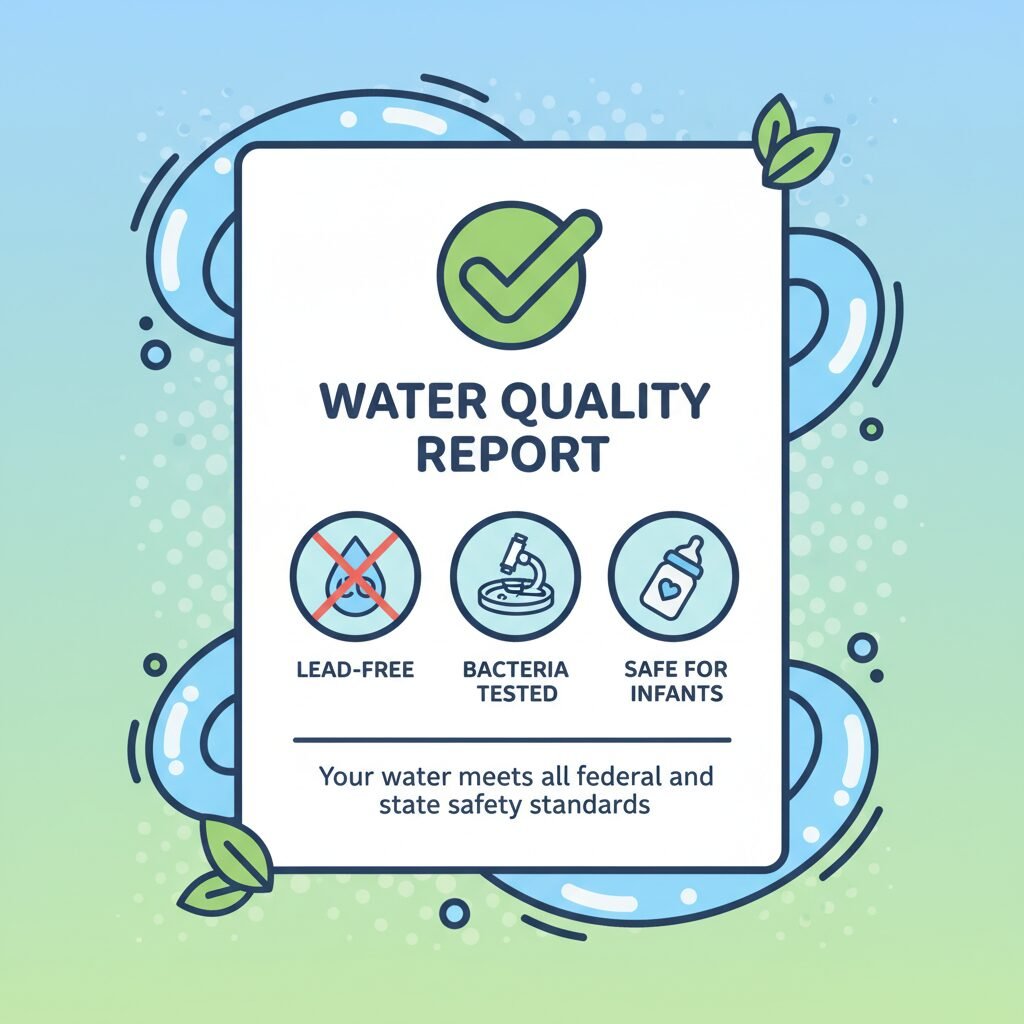
When it comes to your baby’s health, it’s always best to start with the experts. Organizations like the American Academy of Pediatrics (AAP) and the Centers for Disease Control and Prevention (CDC) have clear guidelines on this topic. The general consensus is that, in most developed countries like the United States, water from a municipal tap is considered safe for preparing infant formula.
However, this comes with a few very important caveats. ‘Safe’ means the water supply is regulated and treated to remove most harmful bacteria and pollutants. But it doesn’t account for every variable between the treatment plant and your kitchen faucet. Here are the two main factors the experts want you to consider:
- Potential Contaminants: The primary concern is the potential for contaminants to enter the water after it leaves the treatment facility. The biggest culprit is often lead, which can leach from old pipes in cities or individual homes. Another, less common concern, especially for those on well water, is nitrates.
- Your Baby’s Vulnerability: A newborn’s immune system is still under construction. For the first 2-3 months of life, they are more susceptible to the bacteria and germs that a healthy adult’s body would easily fight off. This is why extra precautions are recommended for very young infants, premature babies, or any baby with a compromised immune system.
So, what’s the first step? Know your water source. Every year, your local water utility is required to provide customers with a Consumer Confidence Report (CCR). You can usually find this on their website or call and ask for a copy. This report is a goldmine of information, telling you exactly what’s in your water and at what levels. It’s your first and best tool for making an informed decision.
A Nurse’s Tip: Don’t just assume your water is fine. Take five minutes to look up your local water report online. It’s an easy, free step that provides invaluable peace of mind.
The Fluoride Factor: Protecting Tiny Teeth Without Overdoing It
Let’s talk about fluoride. You’ve probably heard it’s great for preventing cavities, which is why it’s added to most toothpaste and many municipal water supplies. And that’s true! However, when it comes to babies who get all or most of their nutrition from powdered formula, there’s a small consideration to keep in mind.
Infant formula already contains some fluoride. If you are consistently mixing it with fluoridated tap water, your baby might consume more fluoride than is recommended. The main risk here isn’t a dangerous health problem, but a cosmetic condition called dental fluorosis. This can cause faint white lines or spots to appear on your baby’s permanent teeth as they develop. In most cases, it’s very mild and only noticeable to a dentist.
So, should you panic about fluoride?
Absolutely not. The AAP emphasizes that it is safe to use fluoridated water to mix formula. However, if you’re concerned about the cosmetic risk of fluorosis, there’s a simple solution. You can switch things up! Consider using low-fluoride bottled water for some of your baby’s bottles, alternating with tap water for others. This gives you the best of both worlds—you reduce the total fluoride intake while still giving your baby some of its tooth-protecting benefits.
Bottled water labeled as ‘purified,’ ‘demineralized,’ ‘deionized,’ or ‘distilled’ is low in fluoride. There is also ‘nursery water’ sold specifically for babies, which may or may not have fluoride added back in—be sure to check the label!
Reassurance Corner: Please don’t lose sleep over this. Dental fluorosis is not harmful to your baby’s health. The decision to alternate water types is a personal choice, not a medical necessity for most families.
Beyond Fluoride: Hidden Risks Lurking in Your Pipes
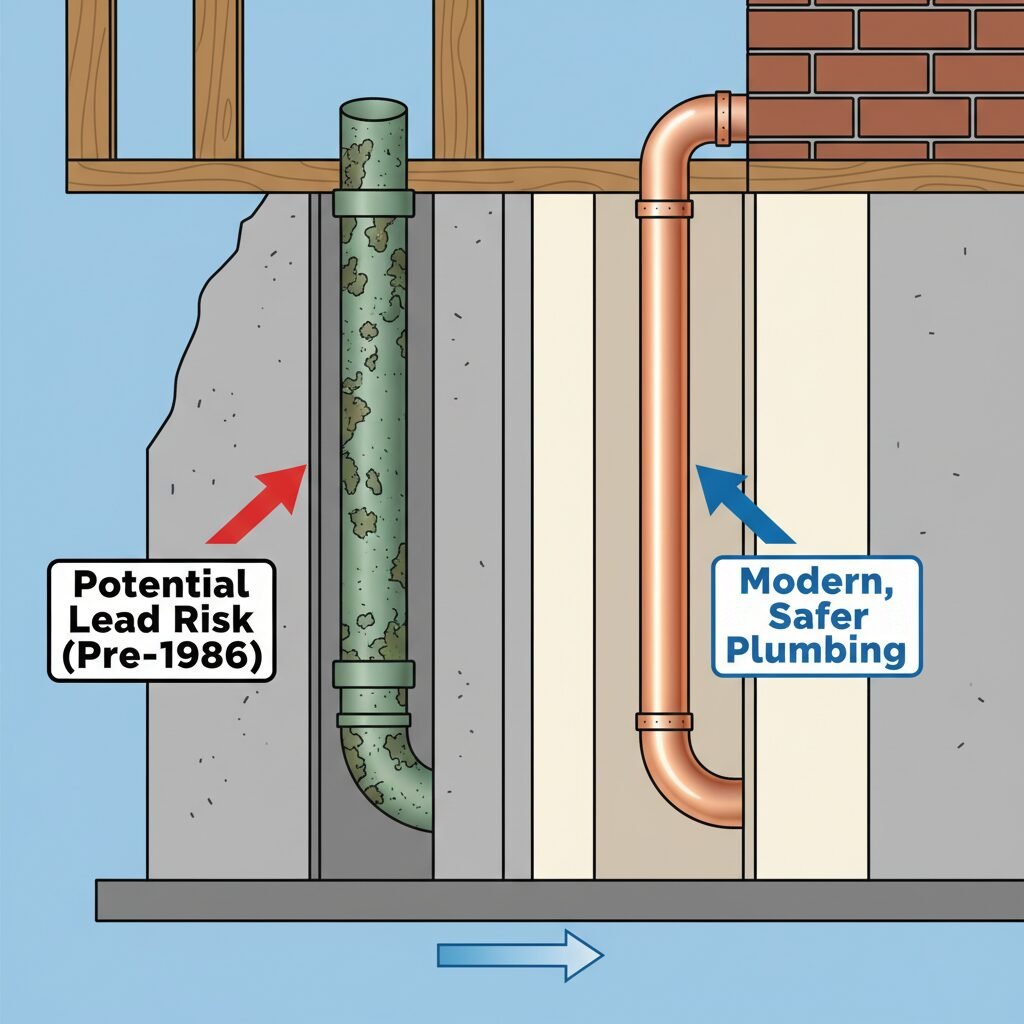
While fluoride is a common topic, the more serious, though less frequent, concerns are contaminants like lead and nitrates. These are the risks we need to take very seriously.
The Threat of Lead
Lead is a potent neurotoxin that is especially dangerous for infants and young children, as it can affect brain development. The most common source of lead in drinking water is from old pipes, faucets, and plumbing fixtures in homes built before 1986. The city’s water can be perfectly lead-free, but it can pick up lead as it travels through your home’s plumbing.
- How to Protect Your Baby: The only way to know for sure if you have lead in your water is to test it. You can buy home test kits or contact your local health department for information on testing.
- Crucial Safety Tip: Always use cold water from the tap for mixing formula, cooking, and drinking. Let the water run for a minute or two before using it, especially in the morning. Hot water is more likely to dissolve lead from pipes.
CRITICAL WARNING: Boiling water does NOT remove lead. In fact, it can increase the lead concentration as some of the water evaporates. If you suspect you have lead in your pipes, do not use tap water for your baby’s formula until it has been tested and deemed safe.
The Concern with Nitrates
Nitrates are chemicals found in fertilizers, manure, and liquid waste. They can get into the water supply, and this is a primary concern for families using private well water. For infants under six months old, ingesting high levels of nitrates can lead to a serious condition called methemoglobinemia, or ‘blue baby syndrome.’ This condition interferes with the blood’s ability to carry oxygen and can be life-threatening.
If you are on a private well, it is absolutely essential to have your water tested for nitrates before using it for your baby. Municipal water supplies are regularly tested for nitrates, so this is less of a concern for city dwellers, but checking your local water report is still a smart move.
Your Step-by-Step Guide to Safe Water for Formula
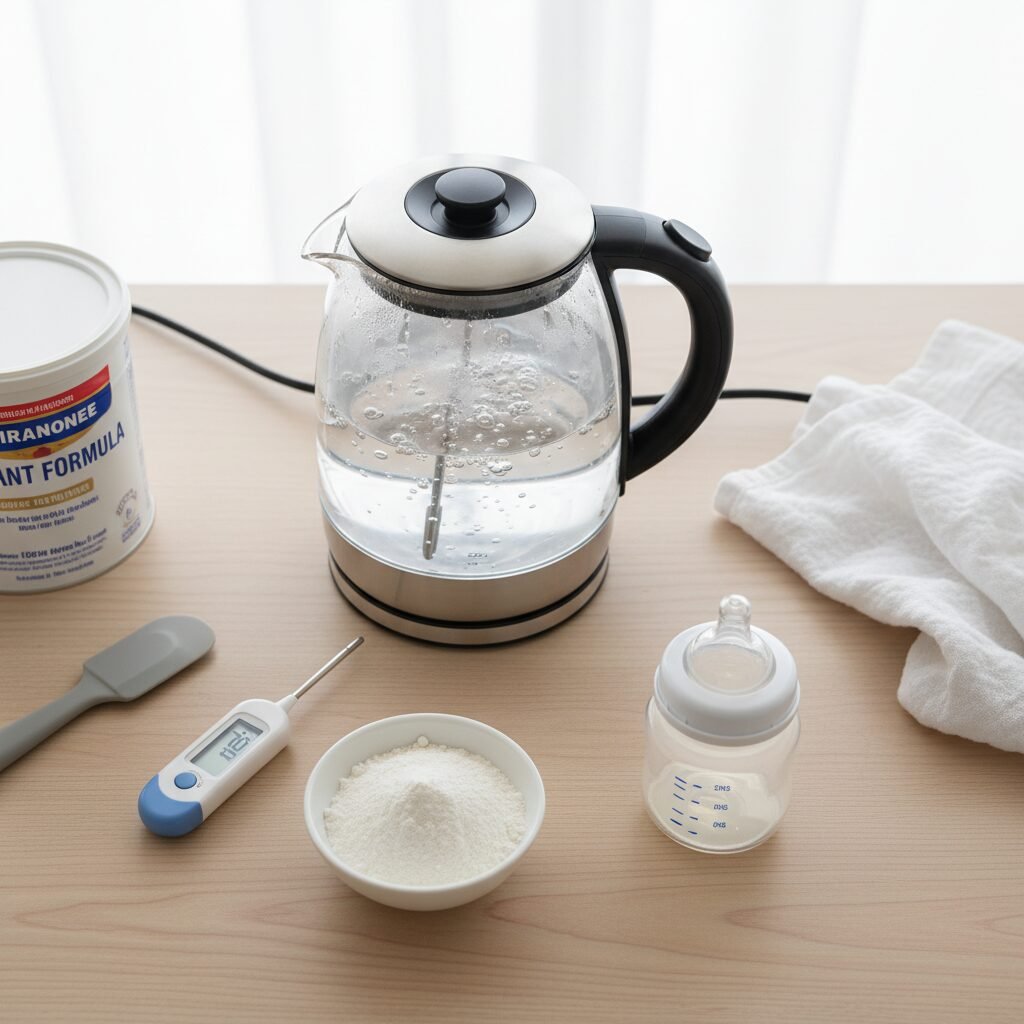
Okay, let’s put all this information into practice. Here is a clear, actionable plan for ensuring the water you use is safe for your precious little one.
Step 1: Investigate Your Water Source
Before you do anything else, find out what’s in your water. If you’re on a municipal supply, search online for ‘[Your City’s Name] Water Quality Report’ or ‘Consumer Confidence Report.’ If you have a private well, contact your local health department to find a certified lab to test your water for, at a minimum, nitrates, coliform bacteria, and lead.
Step 2: Decide if You Need to Boil
Boiling is your best defense against harmful microorganisms. The CDC recommends boiling water for formula preparation for at least the first couple of months of a baby’s life, and especially for premature or medically fragile infants.
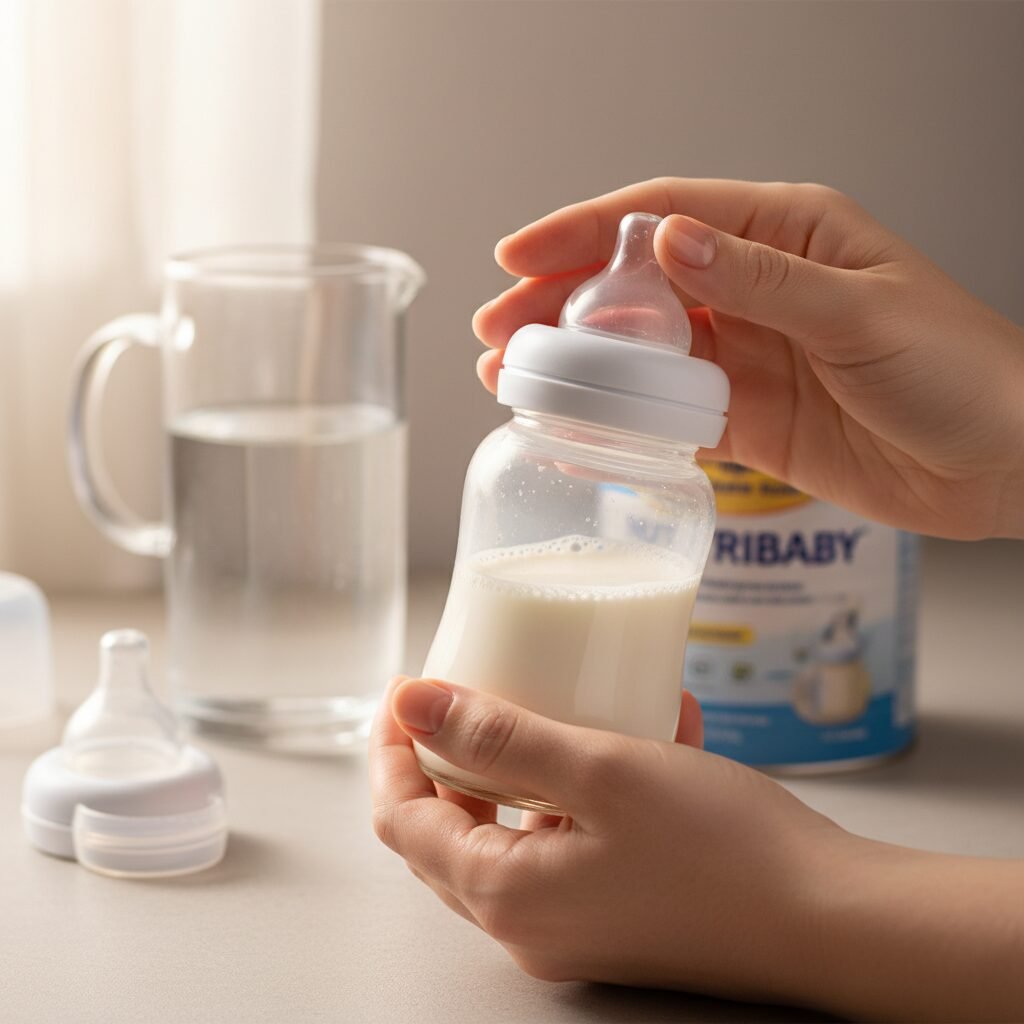
- How to Do It Right: Bring cold tap water to a full, rolling boil for one minute. Then, turn off the heat and let the water cool down to room or body temperature before you mix it with the formula. You can store the boiled water in a clean, covered container in the refrigerator for up to 24 hours.
Safety Warning: Never, ever microwave water to heat it for formula. Microwaving creates uneven ‘hot spots’ in the liquid that can severely burn your baby’s mouth and throat, even if the bottle feels fine on the outside.
Step 3: Compare Your Water Options
Feeling confused about all the choices? This table breaks down the pros and cons of each type of water you can use for formula.
| Water Type | Pros | Cons | Best For |
|---|---|---|---|
| Tap Water (Unboiled) | Convenient, inexpensive, contains fluoride for teeth. | Potential for bacteria (for young infants) or contaminants like lead. | Babies over 2-3 months old in homes with a confirmed safe, lead-free water supply. |
| Boiled Tap Water | Kills harmful bacteria and pathogens, inexpensive. | Requires time to boil and cool. Does not remove lead or nitrates. | Recommended for all newborns under 2-3 months to ensure sterility. |
| Nursery Water | Convenient, sterile until opened, may have added fluoride. | More expensive, creates plastic waste. | Travel, convenience, or if you’re concerned about both contaminants and getting enough fluoride. |
| Purified or Distilled Water | Free of contaminants and minerals, sterile until opened. | Expensive, lacks fluoride, may require adding fluoride supplements later. | Families with known water quality issues (lead, high nitrates) or those who want to avoid fluoride. |
Red Flags: When to Absolutely Avoid Tap Water
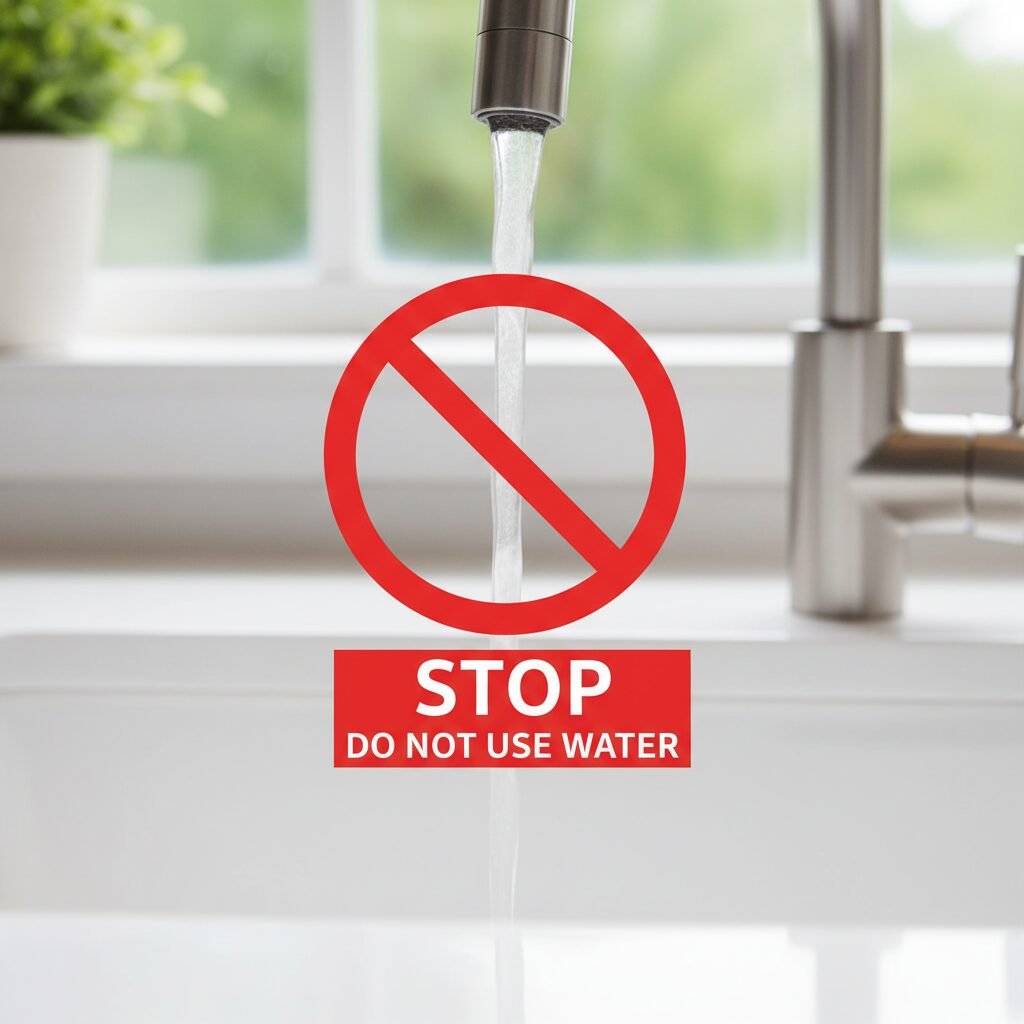
While tap water is often fine, there are specific situations where you should skip the faucet and head straight for a safe, bottled alternative. Think of these as non-negotiable red flags for your baby’s safety.
Do NOT use tap water for your baby’s formula if:
- There is a ‘Boil Water Advisory’ in your area. This means your municipal water has been contaminated. Follow the advisory instructions exactly and use bottled water for your baby until the all-clear is given.
- You use well water that has not been tested. Untested well water is a huge unknown. It must be professionally tested and proven safe before you even consider it for your baby.
- You know or suspect your home has lead pipes. If your home was built before the 1980s and you haven’t had your water tested for lead, assume it is not safe. Use bottled water until you can get a definitive test result.
- You are traveling internationally or to an area with questionable water purity. When in doubt on the road, always use sealed, bottled water.
- Your pediatrician has specifically advised against it. If your baby was born prematurely, has a weakened immune system, or has other specific health concerns, your doctor may recommend using only sterile nursery water or distilled water. Always follow their guidance.
In any of these situations, the safest choice is to use bottled water that is labeled as purified, distilled, or deionized until the issue is resolved.
Conclusion
So, is tap water safe for mixing formula? The answer is a qualified ‘yes.’ For many families, with a little bit of due diligence, it can be a perfectly safe, convenient, and inexpensive option. The key is to be proactive. Take a few minutes to check your local water report, understand the potential risks of your home’s plumbing, and always follow the safety guideline of boiling water for your youngest and most vulnerable infants.
Remember, feeding your baby is a journey, not a test. There is no single ‘right’ way to do it. Whether you choose boiled tap water, nursery water, or purified water, the important thing is that you are making an informed, safe choice. You’re doing the research, asking the right questions, and putting your baby’s well-being first. That’s the definition of a fantastic parent. You’ve got this, and if you ever feel uncertain, your pediatrician is just a phone call away.