
Is It Too Hot? How To Check Baby Bath Water Without A Thermometer
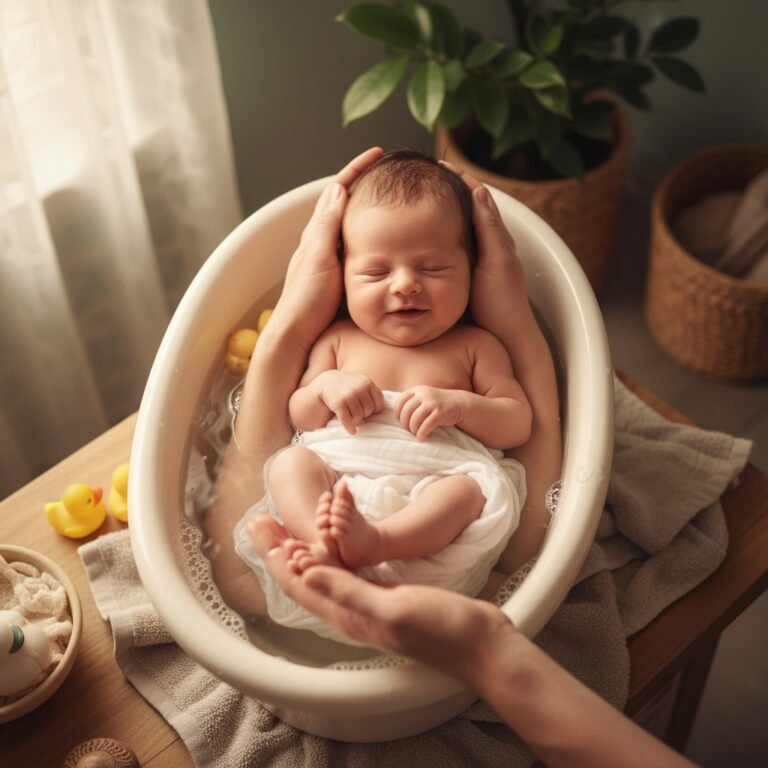
Hey there, new parents. Take a deep breath. I know that bringing a tiny, precious human home comes with a million questions and a healthy dose of worry. One of the most common anxieties I hear from parents in my practice revolves around something that sounds so simple: bath time. You want it to be a sweet, bonding moment, but your mind races… Is the water too hot? Is it too cold? How can I possibly know for sure? First of all, know that you are doing an amazing job just by asking these questions. It shows how much you care. The great news is that you don’t need a fancy digital thermometer to create the perfect, safe bath for your little one. You were actually born with two of the best thermometers right on your own body! In this guide, we’ll walk through everything together, step-by-step. I’ll share the tried-and-true methods that nurses and experienced parents have used for generations to ensure bath water is just right, every single time. Let’s turn that bath time anxiety into bath time bliss.
Why the ‘Just Right’ Temperature Matters So Much
Before we dive into the ‘how,’ let’s talk about the ‘why.’ Understanding the reasons behind being so careful can empower you and make the process feel less like a chore and more like an act of love. A newborn’s skin is incredibly different from ours. It’s brand new, significantly thinner, and far more delicate. This means it’s much more susceptible to the world around it, especially temperature changes.
A Baby’s Sensitive Skin Barrier
Imagine your skin is like a sturdy raincoat, protecting you from the elements. A baby’s skin is more like a thin silk scarf—beautiful and soft, but much less protective. This delicate barrier can’t handle temperature extremes the way our mature skin can. Water that feels pleasantly warm to you could be dangerously hot for your baby, potentially causing discomfort or even burns in a surprisingly short amount of time. The goal temperature for a baby’s bath is around 100°F (or 37-38°C), which is just slightly above normal body temperature. It should feel like a warm, comforting hug, not a hot soak.
The Challenge of Temperature Regulation
Babies, especially newborns, are also not very good at regulating their own body temperature. They can lose body heat up to four times faster than an adult. If the bath water is too cool, their little bodies can get chilled very quickly, which is not only uncomfortable but can also be stressful for their system. Conversely, if the water is too hot, their body temperature can rise too fast. Finding that perfect ‘Goldilocks’ temperature—not too hot, not too cold, but just right—is key to keeping them safe, comfortable, and happy.
A Nurse’s Tip: Think of bath time as creating a little womb-like environment. The water should be warm and soothing, making your baby feel secure and calm, just like they were before they entered this big, new world.
Your Built-In Thermometers: The Wrist and Elbow Test
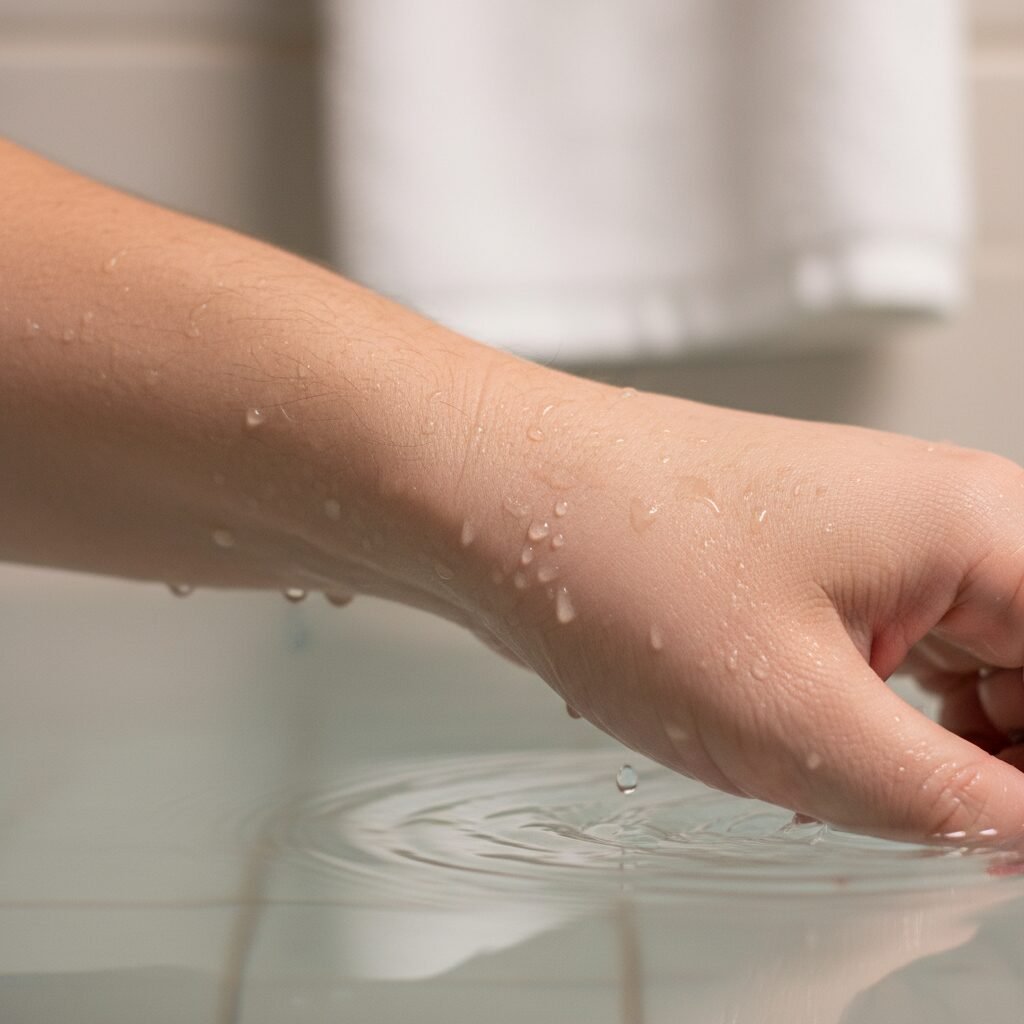
Okay, let’s get to the heart of the matter! This is the technique I teach every new parent, and it’s as reliable as it gets. Your hands are not the best tool for this job because you spend all day touching things, washing them, and exposing them to different temperatures. Your skin there is tougher and less sensitive. The secret lies in using the thinner, more sensitive skin on the inside of your wrist or your elbow.
Method 1: The Inner Wrist Test
This is my personal go-to method. The skin on the inside of your wrist is thin and delicate, much like your baby’s skin. It gives you a much more accurate sense of how the water will feel to them.
- Fill the Tub: Start by adding cold water to the baby tub first, then slowly add hot water. This simple step helps prevent scalding the surface of the tub itself.
- Swirl, Swirl, Swirl: This is a non-negotiable step! Use your whole hand to swirl the water around for at least 10-15 seconds. Hot water can create pockets or ‘hot spots’ that won’t be detected if you just dip a finger in one place. Mixing thoroughly ensures a uniform temperature.
- Dip Your Wrist: Once mixed, dip the inside of your wrist into the water for a few seconds.
- The Feeling You’re Looking For: The water should feel comfortably warm. It should not feel hot. A good rule of thumb is that it should feel neutral—neither hot nor cold. If you can barely feel a temperature difference, you’re likely in the perfect zone. If it feels noticeably hot on your wrist, it is definitely too hot for your baby.
Method 2: The Elbow Dip
Some parents prefer using their elbow, and it works on the same principle. The skin on your elbow is also highly sensitive to temperature.
- Fill and Swirl: Follow the same steps as above to fill the tub and eliminate any hot spots by swirling the water thoroughly.
- Dip Your Elbow: Lower your elbow into the water.
- Check the Temperature: Just like with the wrist test, it should feel pleasantly warm or neutral. If you feel any stinging or redness on your elbow, you need to add more cold water, swirl again, and re-test.
Safety First: Always, always, always test the water before your baby even gets near the tub. Make it the very last thing you do before you pick them up to be undressed for their bath.
Reading Your Baby’s Cues: Signs the Water is Too Hot or Too Cold
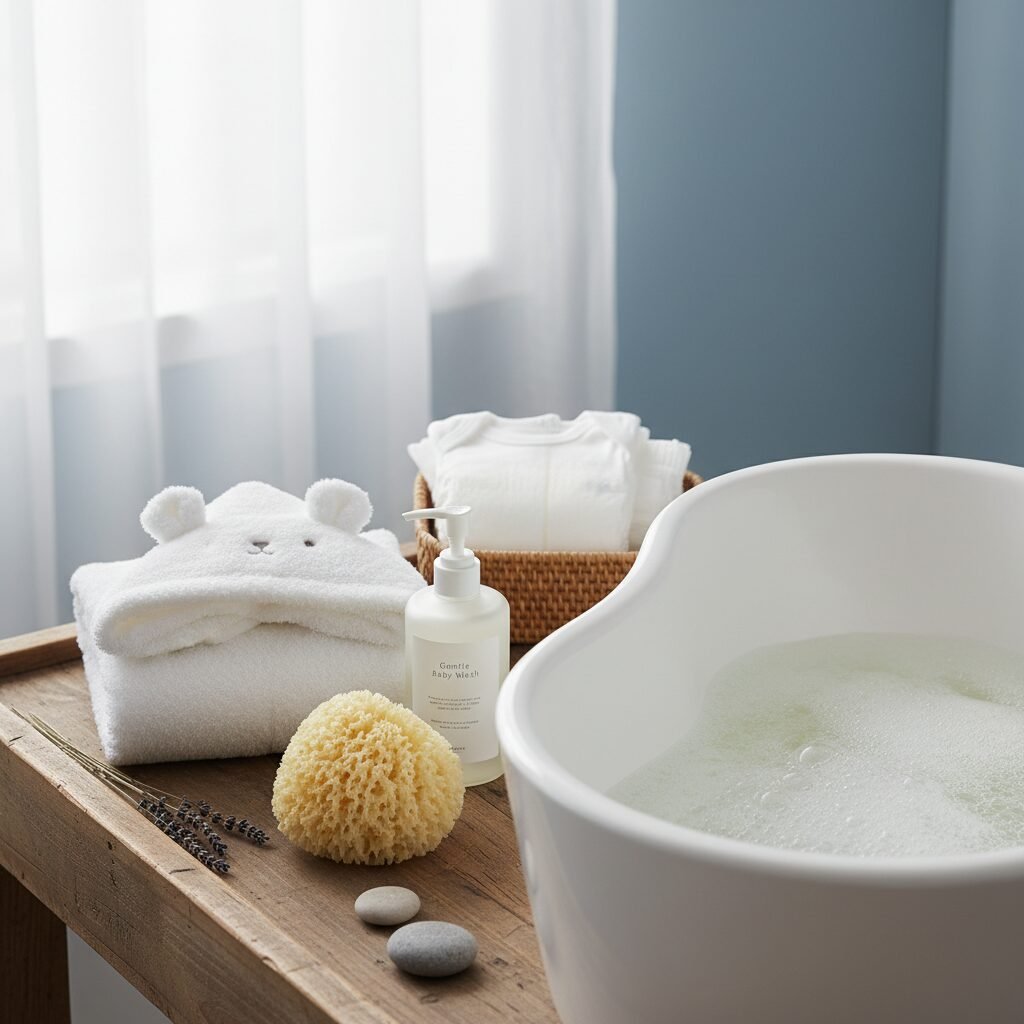
Your baby is an excellent communicator, even if they can’t use words yet! Once you’ve done your wrist or elbow test and believe the temperature is right, their reaction will be the final confirmation. A comfortable baby will often relax, maybe kick their legs gently, and seem content. An uncomfortable baby will let you know immediately.
Signs the Bath Water is Too Hot
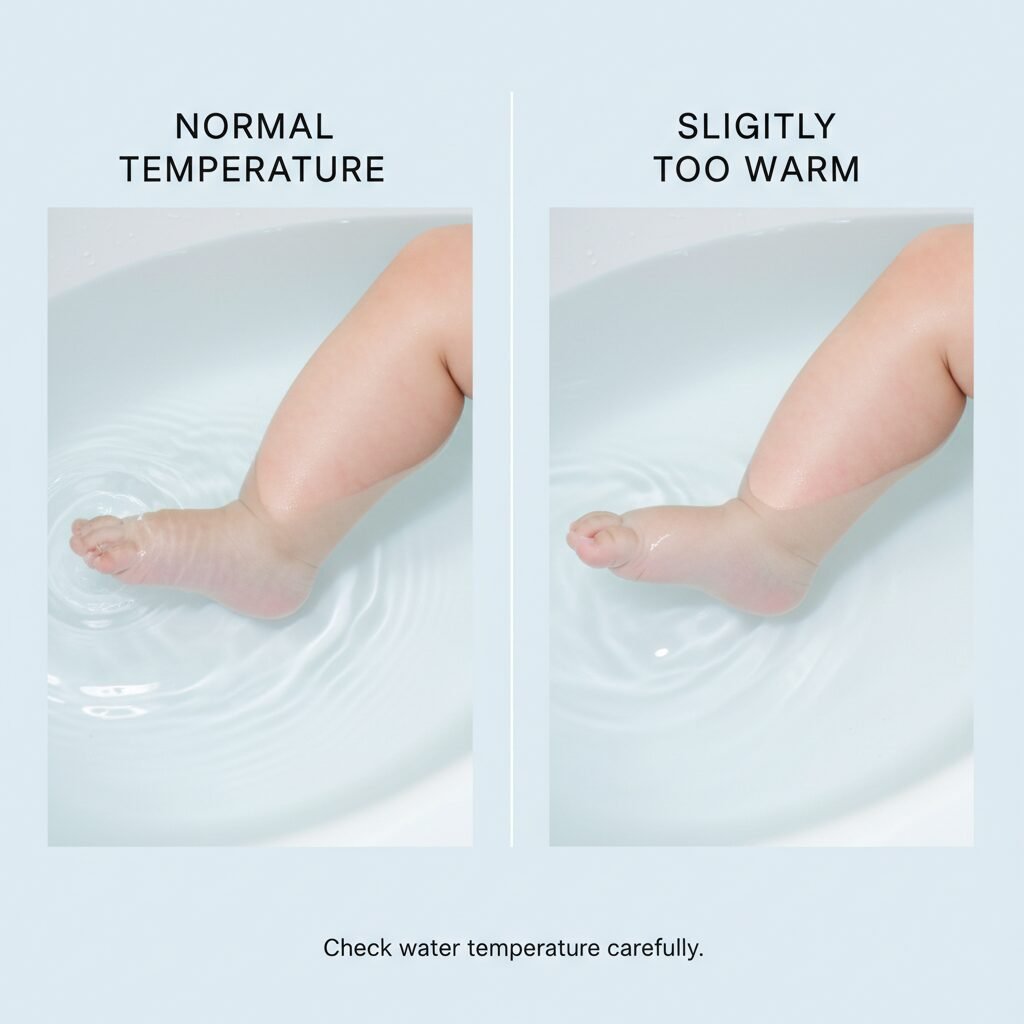
Even if the water felt okay to you, watch your baby closely as you slowly introduce them to the tub, feet first.
- Immediate Crying: This isn’t just a ‘I don’t like baths’ cry. It’s often a sudden, sharp, unhappy cry the moment their skin touches the water.
- Red Skin: Their delicate skin may turn red or flushed very quickly where it’s in contact with the water.
- Trying to Recoil: You might feel them tense up or try to pull their legs away from the water.
If you see any of these signs, take your baby out immediately. There is no harm in ending the bath, calming them down, and trying again after adjusting the water (by adding more cold) or even waiting until the next day.
Signs the Bath Water is Too Cold
A chilly bath is less dangerous than a hot one, but it’s still very unpleasant and can lower your baby’s body temperature.
- Shivering: This is the most obvious sign.
- Blueish Tinge: You might notice a slight blueish color on their lips, hands, or feet.
- Goosebumps: Their skin might get little bumps on it.
- Fussiness: A baby who is cold will often be fussy and unsettled.
If the water is too cold, you can add a bit of warm water, but NEVER when the baby is in the tub. Take your baby out, wrap them in a warm towel, add the warm water, swirl it thoroughly, and re-test it with your wrist or elbow before putting them back in.
Beyond the Water: Creating a Safe and Blissful Bathing Haven
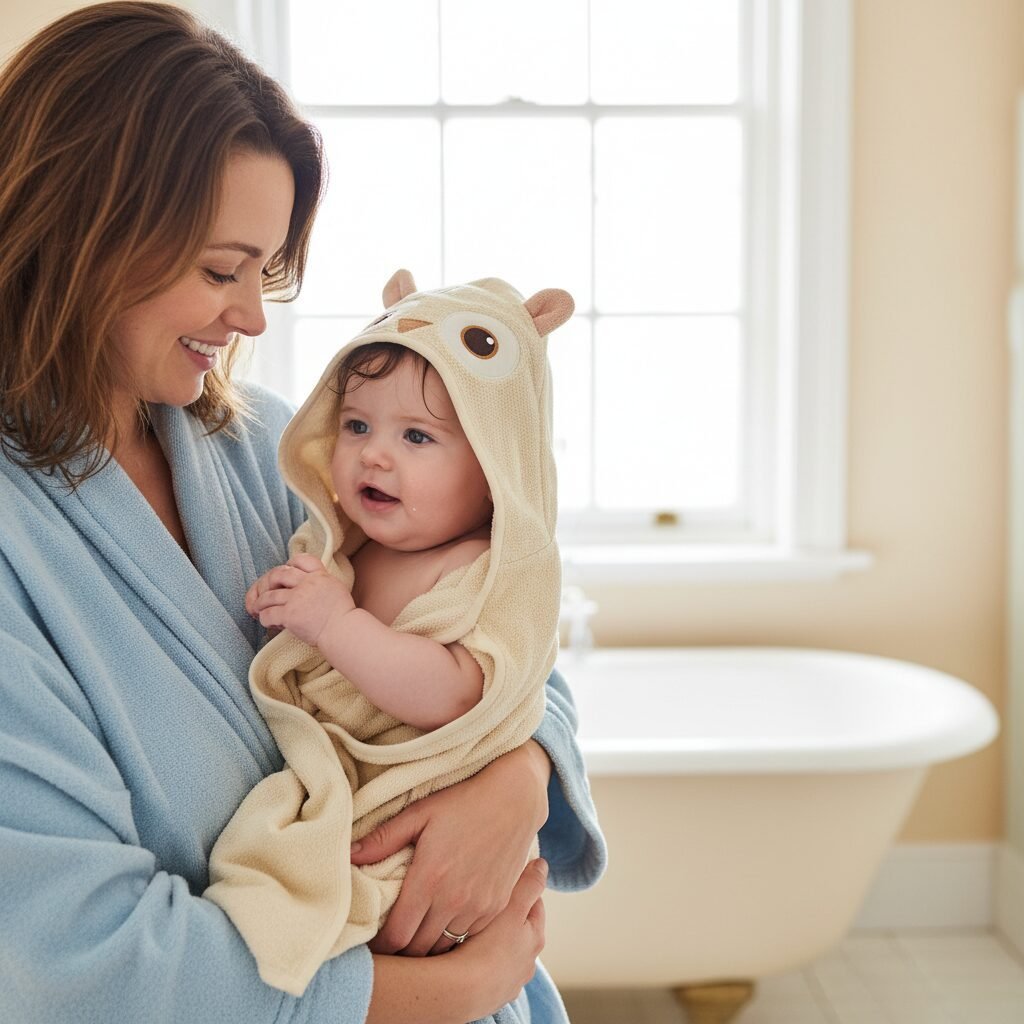
Getting the water temperature right is a huge piece of the puzzle, but creating a truly safe and enjoyable bath experience involves a few more key ingredients. Thinking through the whole process beforehand can transform bath time from a source of stress into one of the most special parts of your day.
Your Pre-Bath Safety Checklist
The golden rule of baby bathing is to never, ever leave your baby unattended in the water, not even for a second. This means having everything you need within arm’s reach *before* you start.
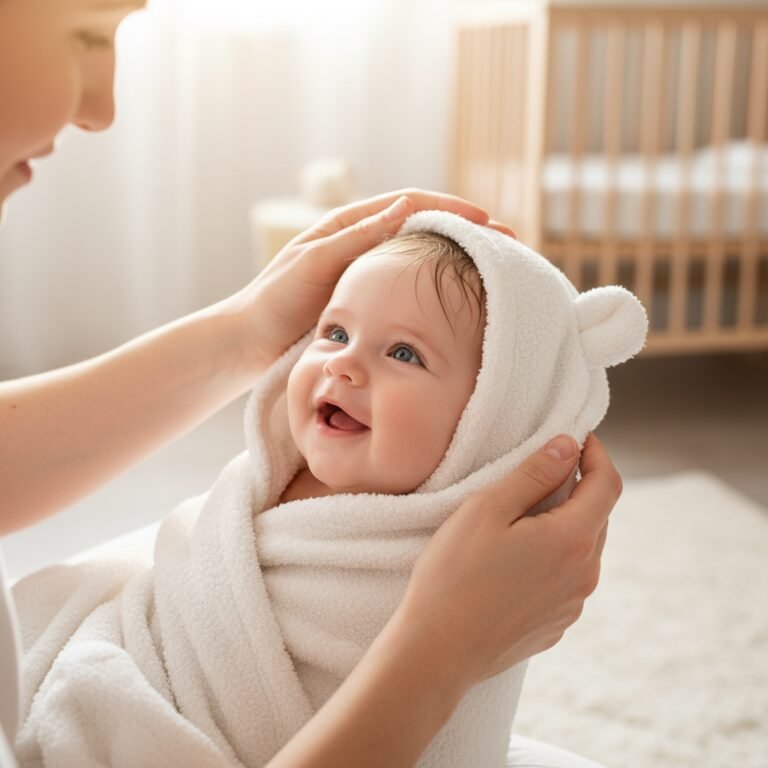
- Gather Your Supplies: Lay out a soft, dry towel (hooded ones are great for keeping their head warm), a clean diaper, clothes, baby wash/shampoo, and a soft washcloth.
- Check the Room Temperature: A warm bathroom (around 75°F or 24°C) will make the transition in and out of the bath much more comfortable for your baby and prevent them from getting chilled.
- Set Your Water Heater: This is a crucial home safety tip. To prevent accidental scalding from any faucet in your home, set your water heater to a maximum of 120°F (49°C).
- Keep One Hand On: Even with only a few inches of water, it’s vital to maintain a secure hold on your baby at all times. Use one hand to support their head and back while using the other to wash them.
What If I Still Want to Use a Bath Thermometer?
Listen, there is absolutely no shame in wanting extra reassurance! If using a bath thermometer gives you peace of mind, then go for it! Peace of mind is priceless in these early parenting days. They are a great tool, especially when you’re just starting out and building your confidence. Look for one that is digital, easy to read, and floats in the water. Many are even designed as cute bath toys. Just remember to still swirl the water before you take a reading to get an accurate temperature for the whole tub. The goal is a reading of around 100°F (37-38°C). You can use the thermometer to confirm what you’re feeling with your wrist or elbow, and over time, you’ll become so attuned to the right temperature that you won’t even need to look.
Conclusion
See? You’ve got this. Checking your baby’s bath water is a skill, and like any new skill, it just takes a little practice to feel like second nature. Trust the incredible sensitivity of your own skin and, most importantly, trust your parental instincts. You know your baby better than anyone. By paying attention to the feel of the water and the cues your baby gives you, you’ll be a bath-time pro in no time. Remember, the goal isn’t just to get your baby clean; it’s to create a moment of connection. A warm, safe bath can soothe a fussy baby, relax them before bedtime, and provide a beautiful sensory experience for you both to share. So go ahead, swirl that water, do the wrist test, and enjoy those precious, splashy moments. You’re doing a wonderful job.