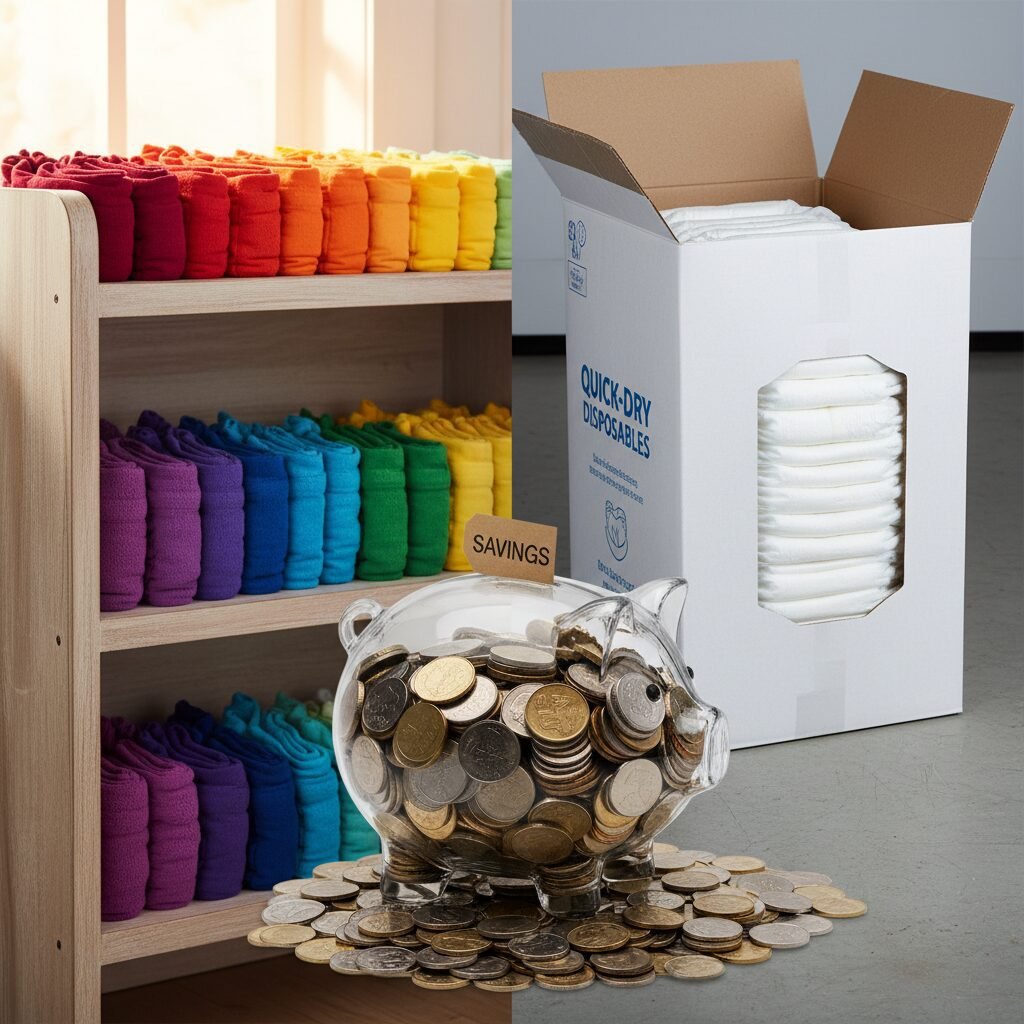
I Calculated the True Cost of Cloth vs. Disposable Diapers (The Results Shocked Me)
Hey there, new parent. Take a deep breath. I know your mind is swimming with questions and decisions, and right near the top of that list is probably: diapers. It feels like a simple choice, but then you go online and it explodes into a full-blown debate: cloth versus disposables. One side talks about saving the planet and thousands of dollars, while the other champions convenience and simplicity. It’s enough to make your sleep-deprived head spin.
As a pediatric nurse and a mom, I’ve seen it all. I’ve talked to hundreds of parents on both sides of the fence. When it was my turn, I decided to put my research hat on and do a deep, honest calculation. I tracked every penny, every load of laundry, and every late-night diaper run. I wanted to know the true cost, beyond the flashy headlines. And honestly? The results shocked me. Forget the assumptions. Let’s walk through the real numbers, the hidden costs, and the lifestyle factors so you can make the best choice for your family, judgment-free.
The Upfront Investment: Setting Up Your Stash
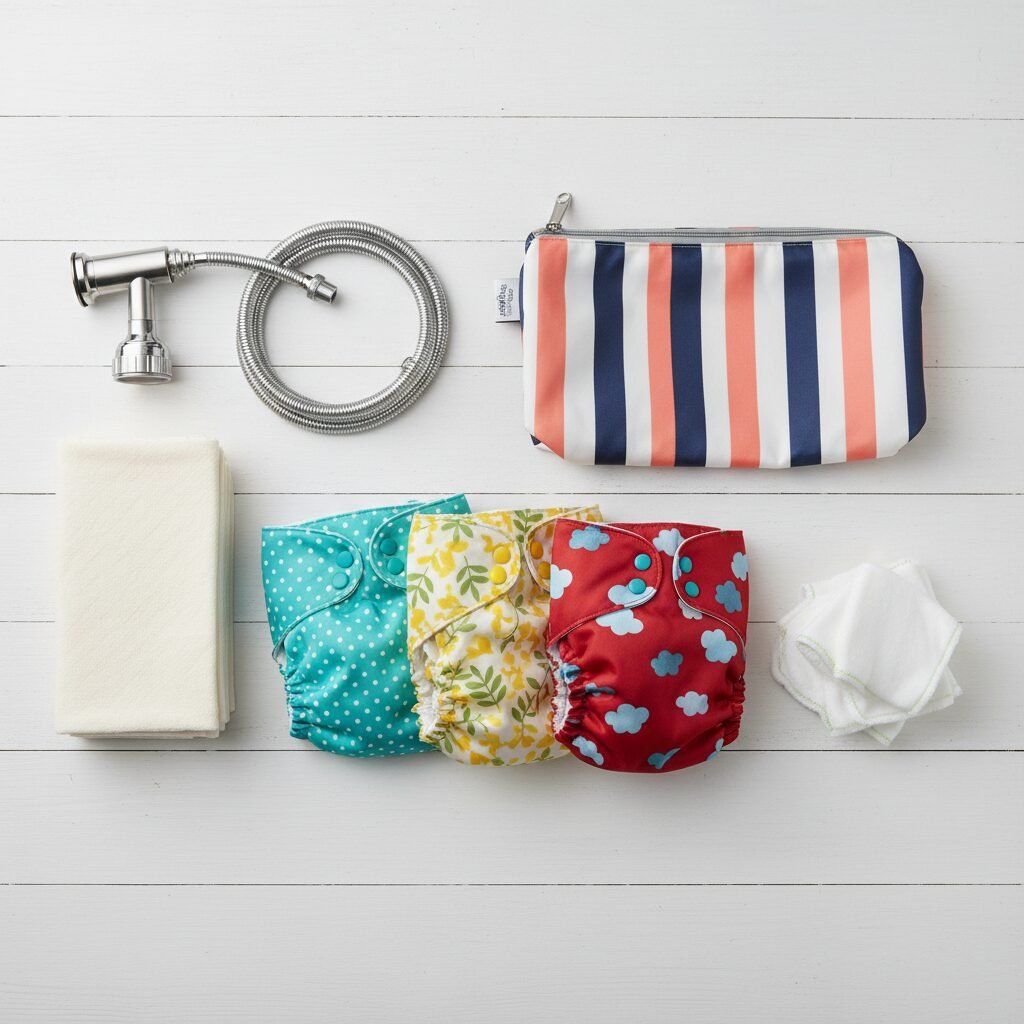
The first thing everyone notices is the sticker shock. Disposables seem cheap on a per-box basis, while cloth requires a significant initial layout. It can feel like a huge financial hurdle when you’re already buying a car seat, a crib, and a thousand other baby essentials. But let’s break down what you actually need to get started with both.
What a ‘Full-Time’ Cloth Diaper Stash Includes
To cloth diaper from birth to potty training, you don’t just need the diapers themselves. Here’s a typical shopping list:
- Diapers: Most parents recommend having 24-36 diapers to wash every 2-3 days. The type you choose (all-in-ones, pockets, prefolds with covers) dramatically affects the cost.
- Wet Bags: You’ll need at least two large ones for the nursery pail and a few smaller ones for the diaper bag.
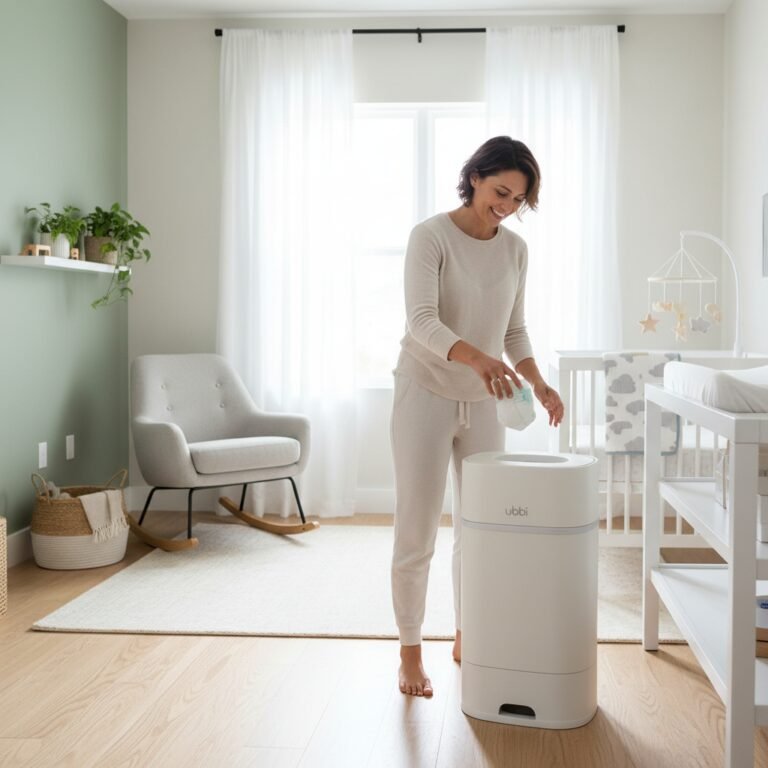
- Diaper Pail: A dedicated pail or liner for your existing trash can to hold the dirties.
- Cloth Wipes: Optional, but many cloth-diapering parents use them to avoid throwing a disposable wipe in with the reusable diaper.
- Diaper Sprayer: A device that attaches to your toilet to rinse solid waste off the diapers before washing. A game-changer!
Comparing the Initial Costs
Let’s put some numbers to it. These are averages, and you can certainly find cheaper (or much more expensive) options, especially if you buy used cloth diapers.
| Item | Estimated Cloth Diaper Cost | Estimated Disposable Diaper Cost |
|---|---|---|
| Initial Diaper Supply | $350 – $700 (for 24-36 diapers, depending on brand/style) | $70 (for a month’s supply, approx. 240 newborn diapers) |
| Accessories | $100 – $150 (pail, 3-4 wet bags, sprayer) | $30 (diaper pail, refills) |
| Wipes | $30 (for a stash of reusable cloth wipes) | $20 (for a month’s supply) |
| Total Upfront Cost | $480 – $880 | $120 |
A Friendly Tip: Don’t let the upfront cost of cloth scare you away! Many brands have sales, and buying used diapers from parent groups is a fantastic way to slash this initial investment in half. Just be sure to properly ‘strip’ and sanitize them before use.
The Long Haul: Calculating the Total Cost Over 2.5 Years
This is where the math gets really interesting. The small, weekly cost of disposables adds up in a huge way, while the initial investment in cloth begins to pay off. For this calculation, we’ll assume a child potty trains around 2.5 years old (or 30 months).
The Unrelenting Cost of Disposables
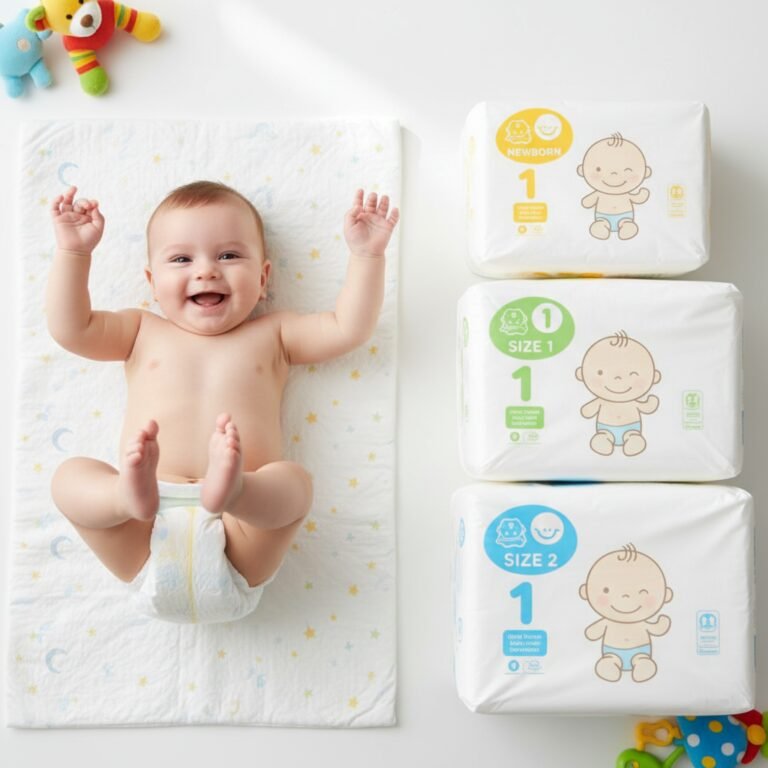
The average baby uses about 8-10 diapers a day in the early months, tapering down to 5-6 as a toddler. A conservative estimate is an average of 7 diapers per day over 2.5 years.
- Total Diapers Used: 7 diapers/day x 365 days x 2.5 years = 6,388 diapers.
- Average Cost: The cost per diaper varies by brand and size, but a good average is about $0.25 per diaper when buying in bulk.
- Total Diaper Cost: 6,388 diapers x $0.25/diaper = $1,597.
- Wipes & Accessories: Let’s add about $20/month for wipes and $5/month for pail refills for 30 months. That’s ($25 x 30) = $750.
So, the total for disposables comes out to roughly $2,347. And this is a conservative estimate!
The ‘Hidden’ Costs of Cloth Diapers
Cloth diapers aren’t free to maintain. You have to factor in the utilities for washing them.
- Laundry: You’ll be doing an extra load of laundry every 2-3 days. Let’s say 3 extra loads per week.
- Water & Electricity: The cost per load varies, but a high-efficiency washer costs about $0.50 – $1.50 per load in water and energy (for washing and drying). Let’s use $1.00 as an average.
- Detergent: You’ll need cloth-safe detergent, which might be slightly more expensive. Let’s budget an extra $10 per month.
- Total Utility Cost: (3 loads/week x 52 weeks x 2.5 years x $1.00/load) + ($10/month x 30 months) = $390 + $300 = $690.
The Final Tally: This Was My Shocking Result
Now let’s put it all together. This is the table that made my jaw drop when I first calculated it for my own family.
| Cost Factor | Total Cloth Diaper Cost (2.5 Years) | Total Disposable Diaper Cost (2.5 Years) |
|---|---|---|
| Initial Investment (Mid-Range) | $680 | $120 (for the first month) |
| Ongoing Supplies (Diapers, Wipes) | $0 (already purchased) | $2,227 (for the remaining 29 months) |
| Utilities / Accessories | $690 | $750 (wipes & pail refills) |
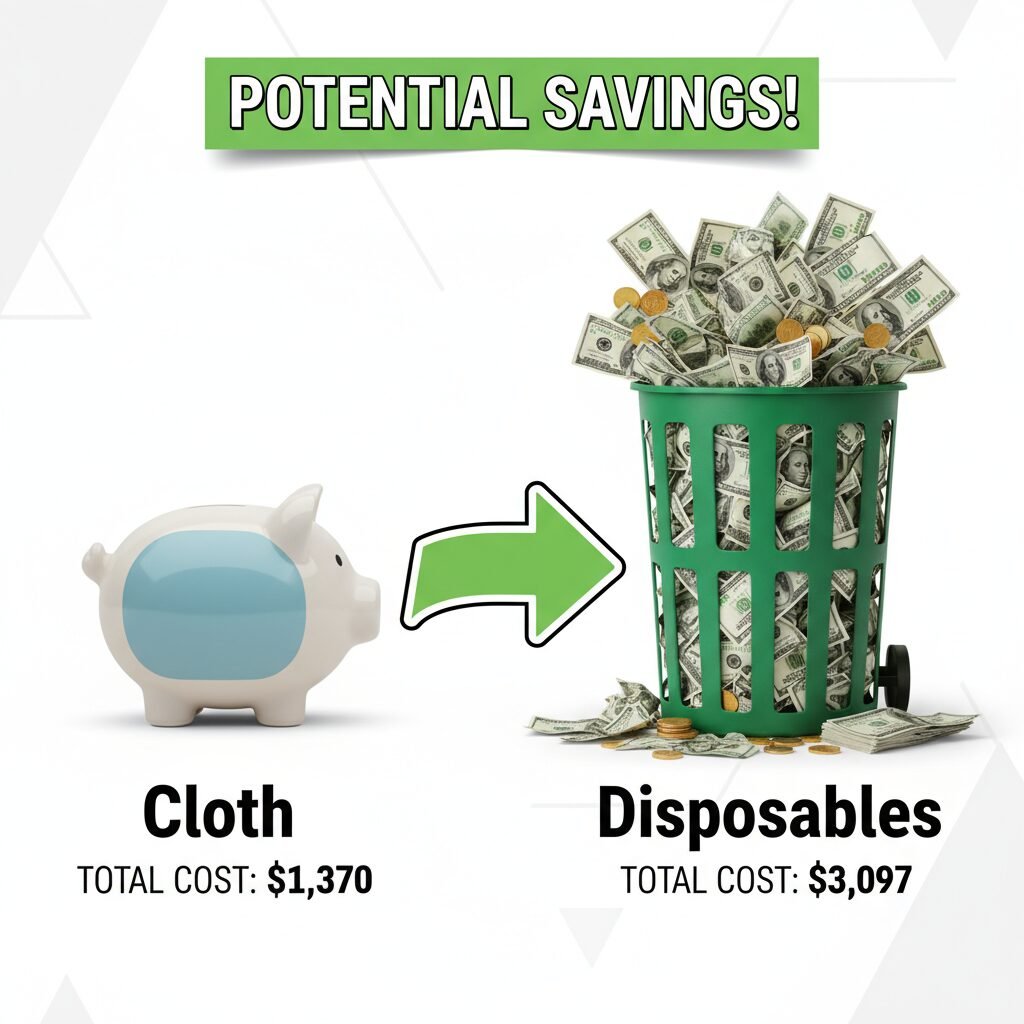
| Grand Total | $1,370 | $3,097 |
The difference was over $1,700! And here’s the kicker: you can use those same cloth diapers for a second or even a third child, making the savings astronomical. Or, you can resell your stash and recoup 40-60% of your initial investment. That was the part that truly shocked me—it wasn’t just cheaper, it was an investment that paid me back.
Beyond the Price Tag: The ‘Cost’ of Your Time & Convenience
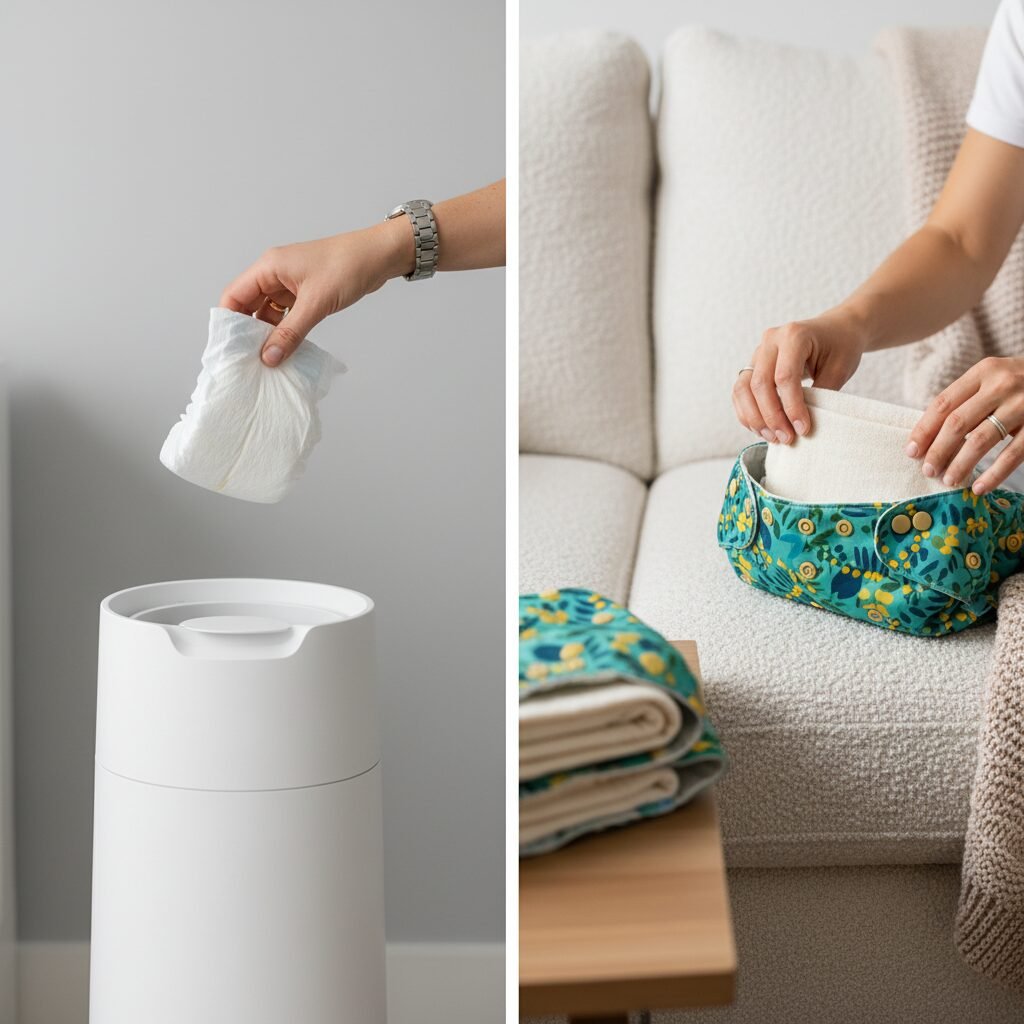
Money is a huge factor, but it’s not the only one. Your time, your sanity, and your daily routine are incredibly valuable, especially as a new parent. This is where the choice becomes less about numbers and more about lifestyle.
The Convenience Factor: Disposables
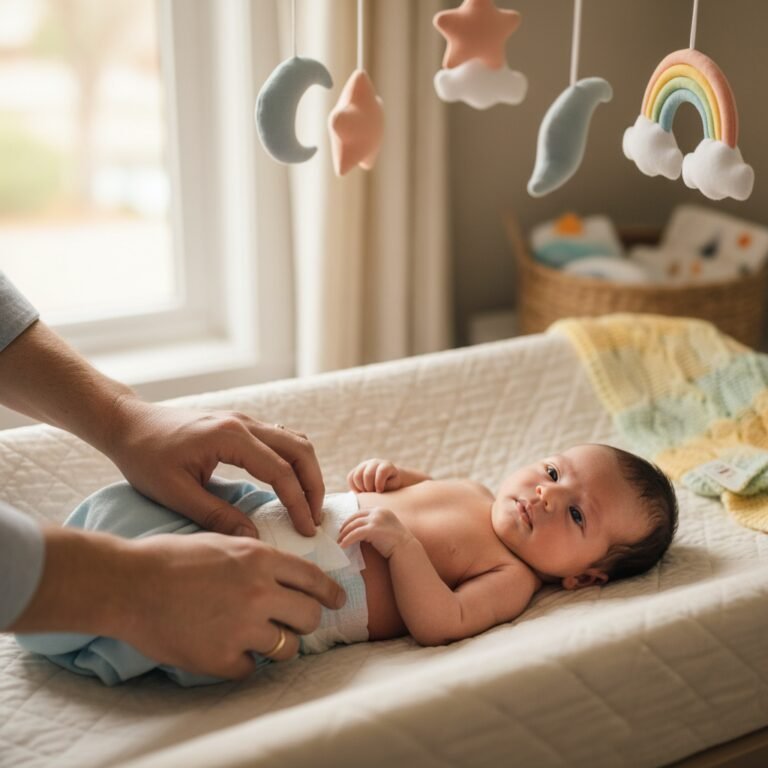
There’s no denying it: disposables are easy. You use it, wrap it up, and toss it. There’s no rinsing, no washing, and no folding. This is a massive plus when you’re traveling, when the baby is with a sitter or at daycare, or when you’re just having one of those days where the thought of an extra load of laundry feels impossible. The mental load is lower; you just have to remember to add diapers to the shopping list.
The Routine Factor: Cloth
Using cloth diapers requires building a new routine. It involves a few extra steps:
- Dealing with the Mess: For exclusively breastfed babies, the diapers can go straight into the wash. Once solids are introduced, you have to rinse or spray the waste into the toilet. This is, for many, the biggest hurdle.
- The Laundry: You’ll be doing a diaper-only load every 2-3 days. It becomes second nature, but it’s still an extra chore on your list.
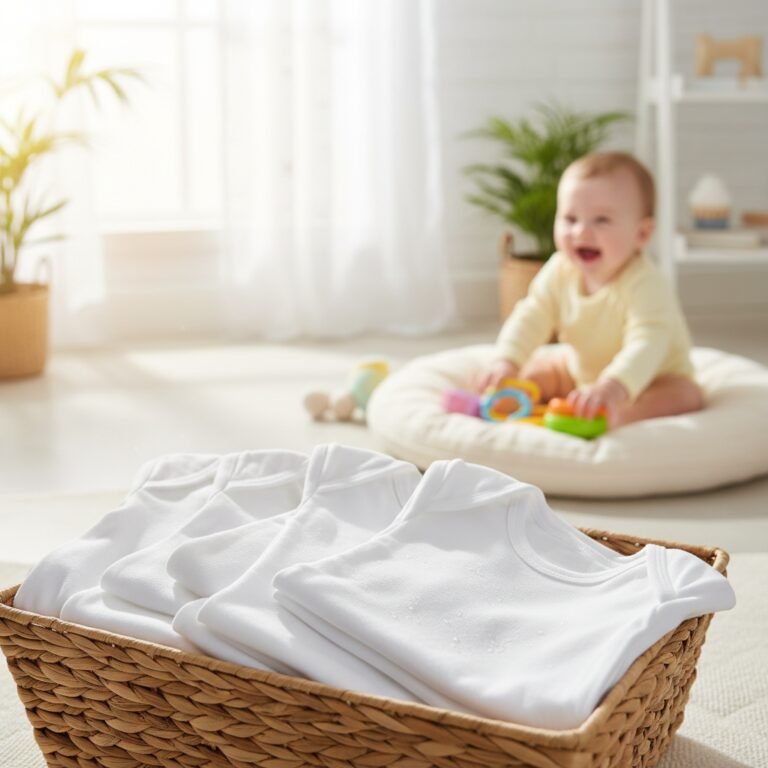
- Stuffing & Folding: Depending on the type of diapers you choose, you may need to spend 10-15 minutes stuffing inserts into pocket diapers or folding prefolds after they’re clean. Many parents find this to be a surprisingly calming, meditative task to do while watching TV.
Safety Warning: Proper washing is crucial for cloth diapers to prevent bacteria buildup and ammonia burns. Always use a strong detergent and follow a wash routine with a pre-rinse/wash and a main hot wash cycle to ensure diapers are fully sanitized.
Ultimately, this comes down to personal preference. Some parents find the rhythm of the cloth routine satisfying, while others find the grab-and-go nature of disposables to be a non-negotiable lifesaver.
The Environmental Equation: What’s the Real Impact?
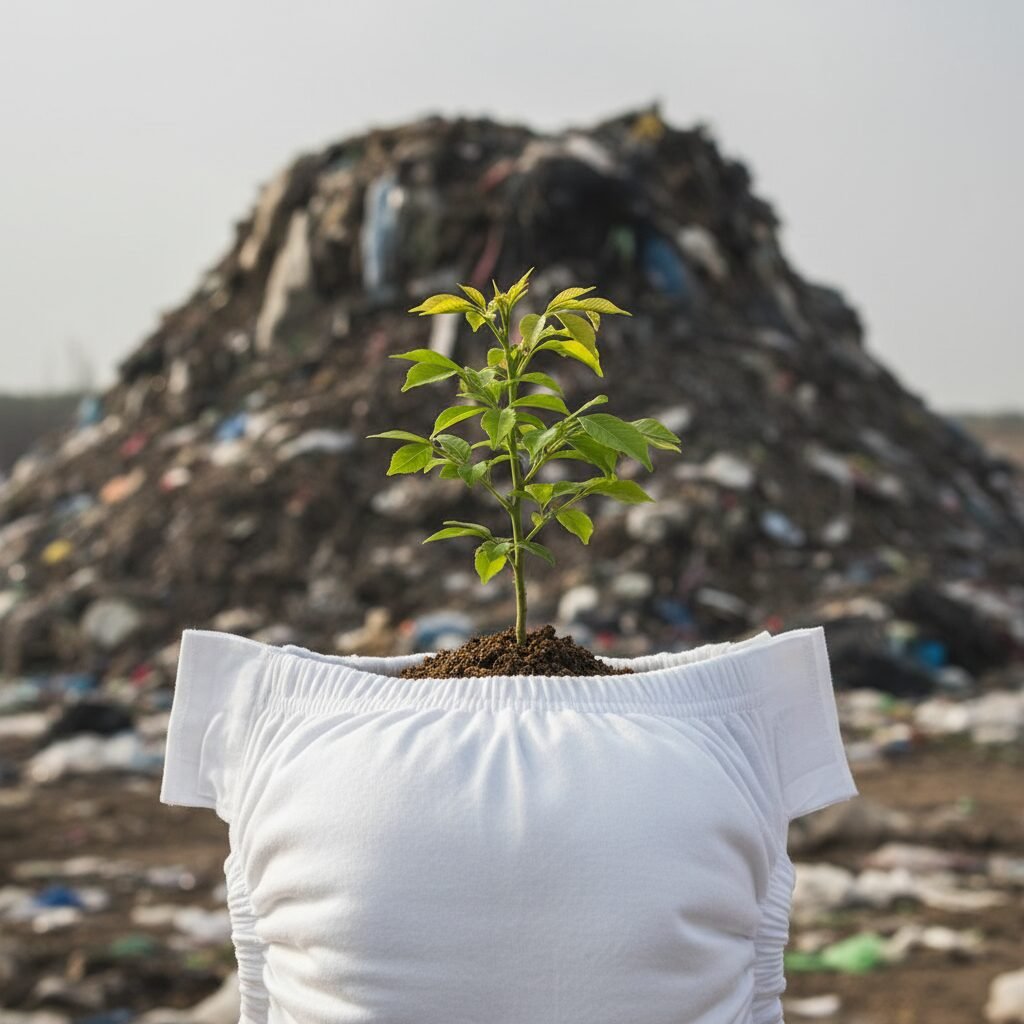
For many families, the environmental impact is just as important as the financial one. Both types of diapers have an environmental footprint, but they are very different in nature.
The Impact of Disposable Diapers
The main issue with disposables is waste. The numbers are staggering. The EPA reports that about 20 billion disposable diapers are added to landfills each year in the U.S. alone, creating about 3.5 million tons of waste. They are the third-largest single consumer item in landfills and take an estimated 500 years to decompose. They also require significant resources—trees, water, and crude oil for their plastic components—to manufacture.
The Impact of Cloth Diapers
Cloth diapers aren’t perfect angels, either. Their biggest environmental impact comes from the resources needed to create and maintain them.
- Manufacturing: Growing cotton (especially non-organic) is a water-intensive process that often involves pesticides.
- Washing: The water, electricity, and detergent used to wash diapers every few days for years adds up. However, using a modern, high-efficiency washing machine, washing in cold or warm water, and line-drying can significantly reduce this impact.
The general consensus among environmental researchers is that while cloth diapers have a higher carbon footprint during their manufacturing and washing phase, their reusability makes them the more sustainable option over the full lifecycle of a child’s diapering years, especially if used for more than one child.
Conclusion
So, what’s the final verdict in the great diaper debate? After running the numbers and living the reality, my shocking conclusion was this: cloth diapering saved my family nearly $2,000 for just one child, and the environmental and time ‘costs’ were far more manageable than I feared.
But I want to be crystal clear: this is not about guilt or pressure. This is about information. The convenience of disposables is a valid and wonderful thing for so many families. A hybrid approach—using cloth at home and disposables when you’re out—is a fantastic compromise. The absolute best choice is the one that keeps your baby clean, safe, and happy, and keeps you, the parent, feeling sane and supported.
Whether you choose the path of reusable cloth or convenient disposables, you are making a great choice for your family. You’ve got this!