
How To Train Your Baby To Nap On The Go (Freedom For Mom!)
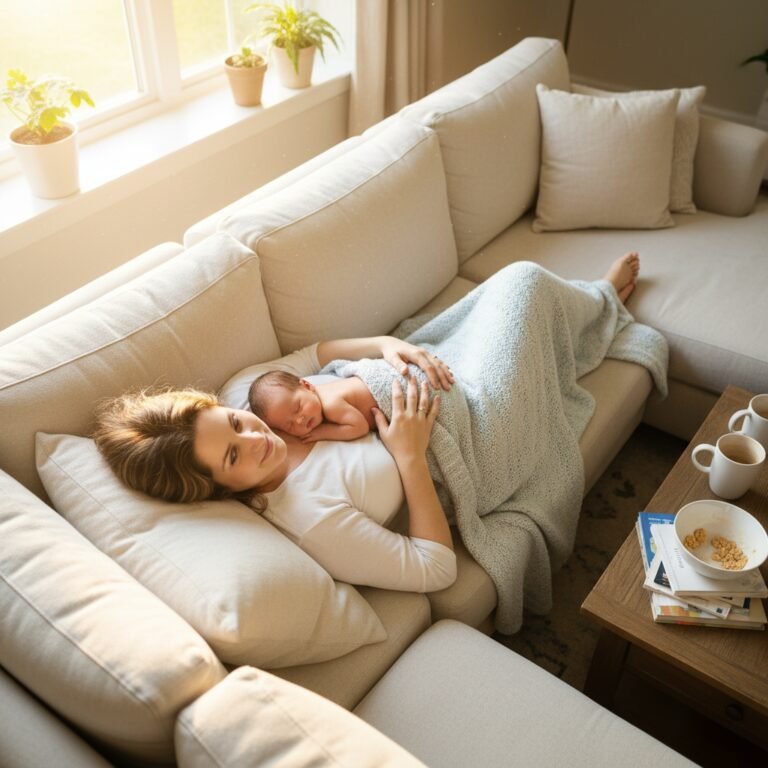
Hey Mama, I see you. You’re scrolling through this article on your phone, probably sitting in a dark room, with the white noise machine humming and your baby finally asleep on your chest or in the crib. You love your little one more than anything, but a tiny part of you feels… trapped. The grocery store run, the coffee date with a friend, even a simple walk in the park feels like a high-stakes logistical nightmare, all revolving around that sacred nap schedule. What if I told you it doesn’t have to be this way? What if you could have both a well-rested baby and your freedom?
As a pediatric nurse and lactation consultant for over two decades, I’ve helped thousands of new parents navigate this exact challenge. The good news is that teaching your baby to be a flexible napper is not only possible, it can be a game-changer for your mental health and well-being. This isn’t about rigid, cry-it-out methods. It’s about understanding your baby’s cues, using the right tools, and building a foundation of trust and predictability that you can take with you anywhere. So, take a deep breath. We’re going to walk through this together, step-by-step, and get you back out into the world.
Laying the Foundation: Solid At-Home Naps First
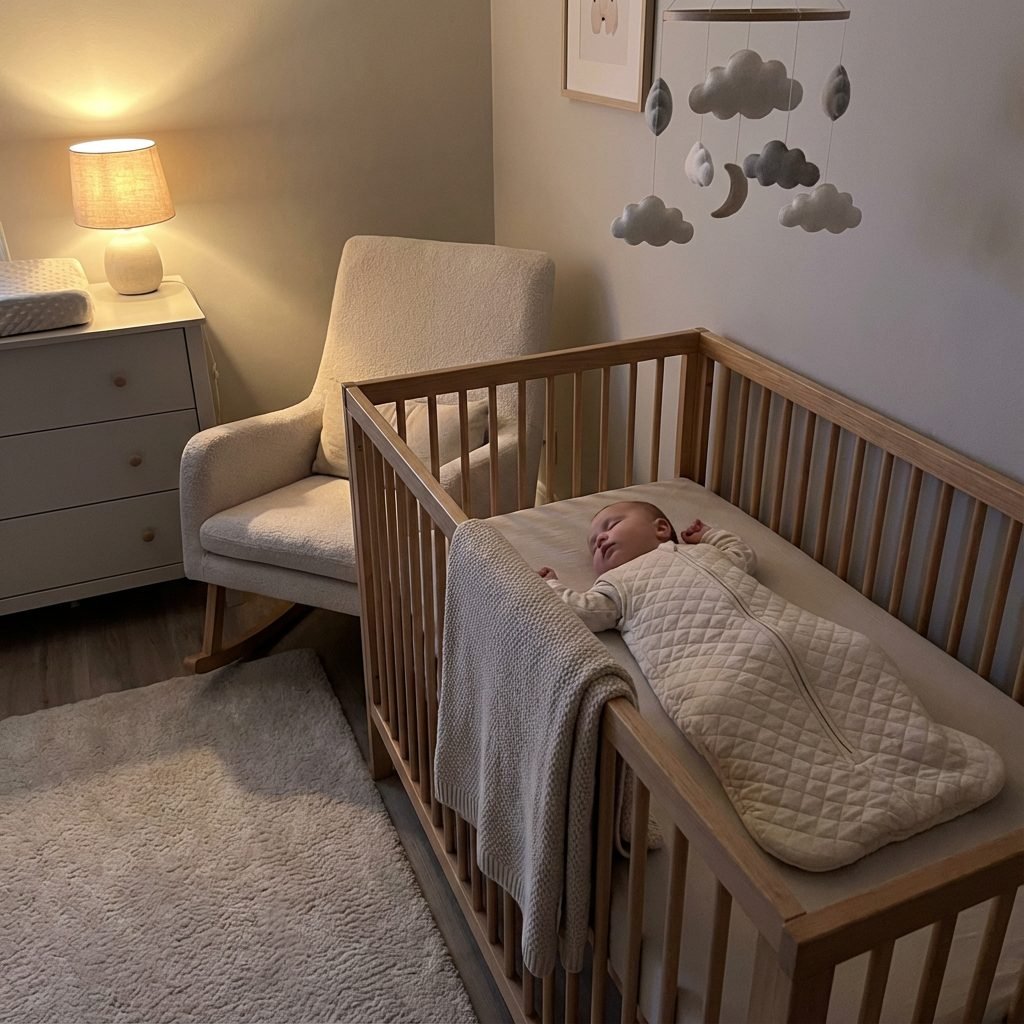
Before we can conquer the world, we need to master our home base. Think of it like this: you wouldn’t run a marathon without training first, right? The same principle applies to on-the-go naps. A baby who has a predictable and consistent nap routine at home is far more likely to adapt to sleeping in a new environment. Their brain and body already know the signals for sleep; we just need to make them portable.
Create a Consistent Mini-Routine
Your baby doesn’t have a watch, but they are masters of routine. A short, predictable pre-nap ritual signals to their brain that it’s time to wind down. This doesn’t need to be long and complicated! A 5-10 minute routine is perfect. It could look something like this:
- Diaper change in a dimly lit room.
- Zip up into a sleep sack (a wearable blanket that signals sleep time).
- Read one short, familiar board book.
- Turn on the white noise machine.
- A final cuddle, a kiss, and a consistent phrase like, “I love you, time for a good sleep.”
The key is consistency. By doing these same steps, in the same order, for every nap at home, you’re building powerful sleep associations. This little routine will become your secret weapon when you take the show on the road.
A Nurse’s Note: Don’t get discouraged if your home naps aren’t ‘perfect’ yet. The goal isn’t a robot baby who sleeps for exactly two hours every time. The goal is a baby who understands the process of winding down for sleep. That’s the foundation we’re building on.
The Gear You Need for Napping Success on the Move
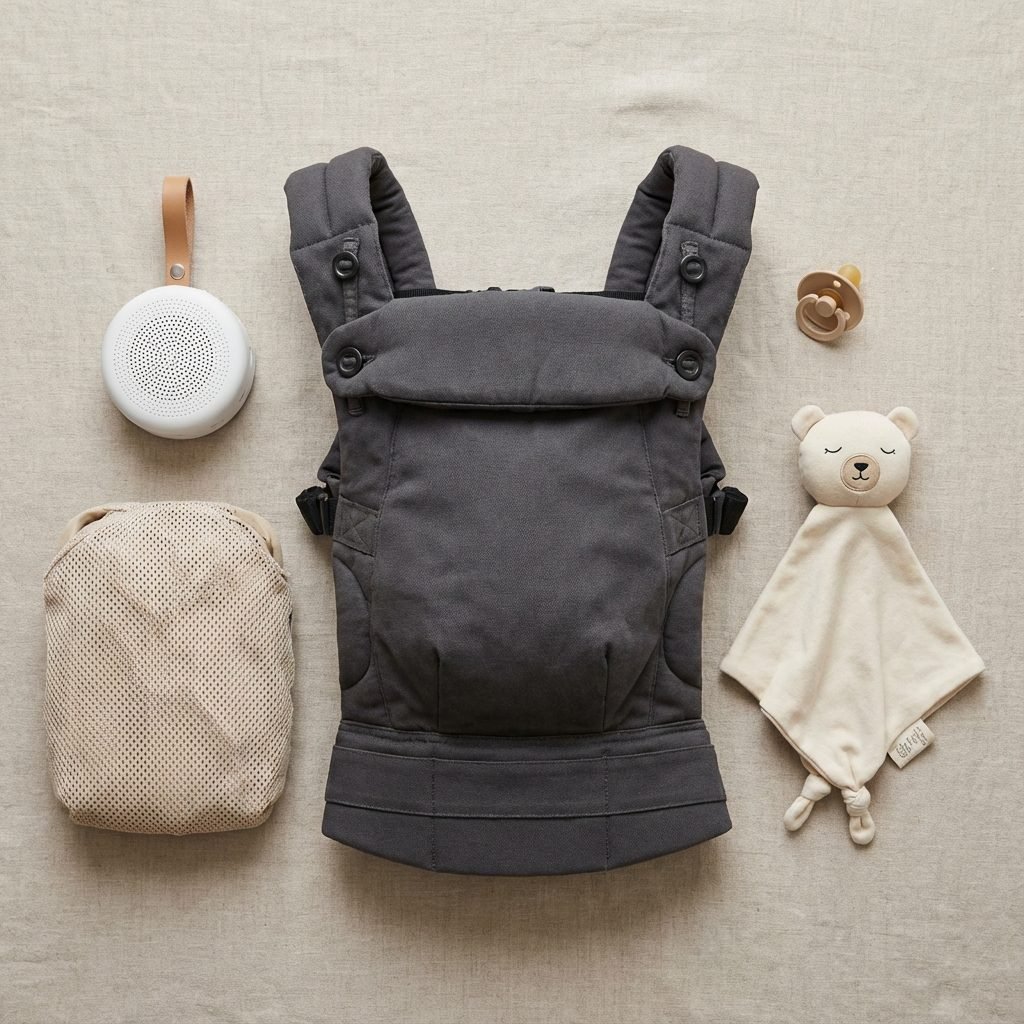
Having the right tools can make all the difference between a successful nap and a public meltdown (from both of you!). You don’t need to buy out the entire baby store, but a few key items will make your life infinitely easier. The two biggest players are your stroller and your baby carrier.
Which one is best? It really depends on your baby’s preference and the situation. Many young babies love the close, womb-like feeling of a carrier, while others prefer the flat, open space of a bassinet stroller. You may need to experiment!
| Nap Gear | Pros | Cons |
|---|---|---|
| Stroller (with bassinet or full recline) |
|
|
| Baby Carrier or Wrap |
|
|
Other Must-Have Items in Your Arsenal:
- A Portable White Noise Machine: This is non-negotiable! The world is a loud, stimulating place. A portable sound machine helps drown out distracting noises and replicates your baby’s sleep environment from home.
- A Stroller Cover: A breathable, dark cover can be a lifesaver for creating a dark, distraction-free zone. Look for one that is specifically designed for strollers with plenty of mesh for airflow.
Safety First! NEVER place a blanket over your baby’s stroller. This can restrict airflow and cause dangerous overheating. Always use a product designed for this purpose with visible mesh panels and check on your baby frequently.
- A Familiar Comfort Item: If your baby has a lovey or pacifier they use for sleep, don’t leave home without it!
Timing is Everything: Reading Cues and Watching the Clock

You can have the best gear and the most solid routine, but if your timing is off, you’re fighting an uphill battle. The secret to a successful on-the-go nap lies in catching your baby’s ‘sleep wave’ at the perfect moment—not too early, and definitely not too late.
Understanding Wake Windows
A ‘wake window’ is simply the amount of time your baby can comfortably stay awake between sleeps. A newborn might only last 45 minutes, while a 6-month-old might be happy for 2-3 hours. Pushing a baby too far past their wake window leads to them becoming overtired. An overtired baby is wired, fussy, and has a much harder time falling asleep and staying asleep. Your goal is to start your on-the-go nap routine before the wake window closes.
| Baby’s Age | Average Wake Window |
|---|---|
| 0-8 Weeks | 45-60 minutes |
| 2-4 Months | 1.5 – 2 hours |
| 4-6 Months | 2 – 2.5 hours |
| 6-9 Months | 2.5 – 3 hours |
Remember, these are just averages! Your baby is the real expert. Which brings us to…
Learning Your Baby’s Sleepy Cues
Your baby will give you subtle (and not-so-subtle) hints that they’re getting tired. Learning to spot these early is your superpower. Look for:
- The Yawn: The most obvious one, but often one of the later cues!
- The Stare: Does your baby start staring off into space with a glazed-over look? That’s a classic sign.
- Eye Rubbing or Ear Pulling: A very common self-soothing gesture when they’re getting sleepy.
- Reduced Activity: They might become quieter and less engaged with their surroundings.
- Getting Fussy: This is a late-stage cue! If you’re waiting for fussiness, you’ve likely missed the ideal window. Aim to start the nap process when you see the earlier, more subtle cues.
Your Step-by-Step Guide to the First On-the-Go Nap
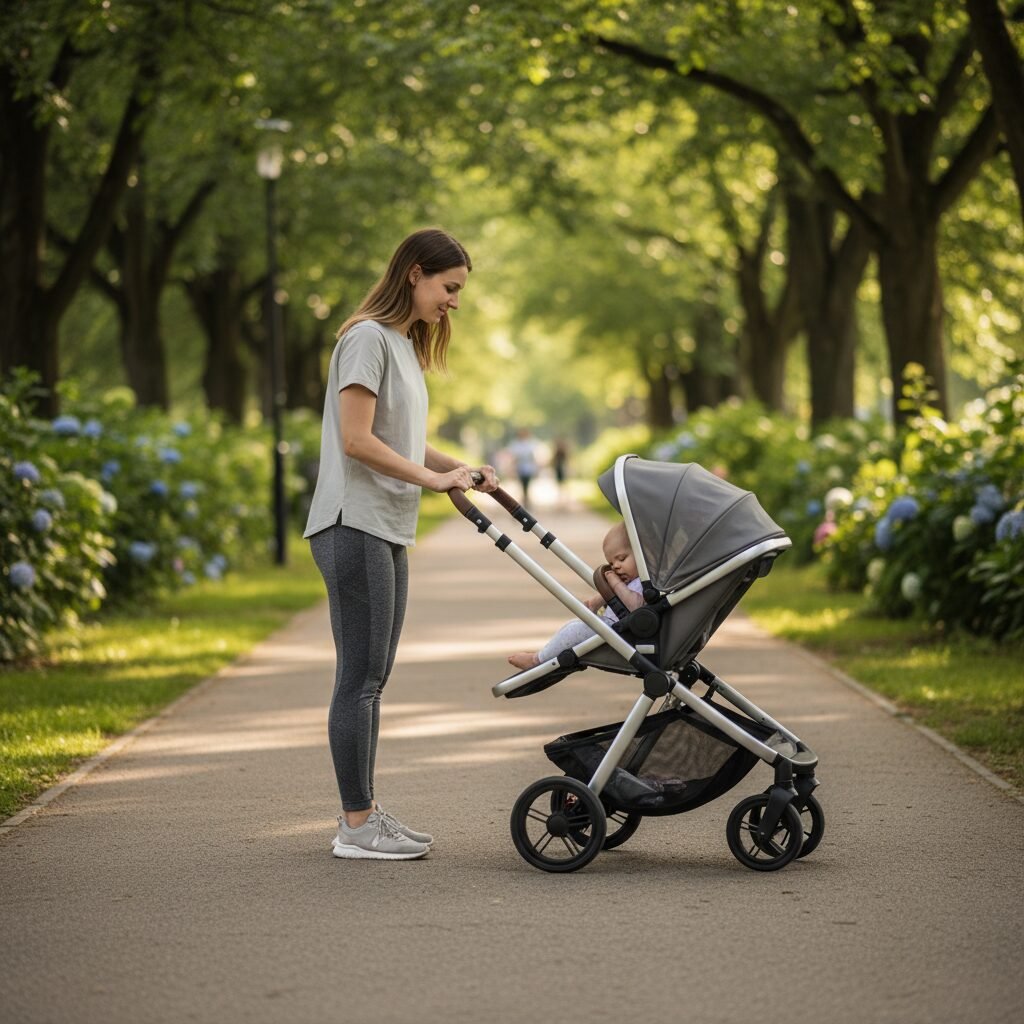
Okay, deep breath. You’ve got your foundation, your gear, and you know your baby’s cues. It’s time for the main event. Remember, the goal for your first few tries is practice, not perfection. Start with something low-stakes, like a walk around the neighborhood, not a fancy restaurant.
- Plan Your Outing Strategically. Look at the clock. If your baby’s wake window is 2 hours, plan to leave the house about 75-90 minutes after they last woke up. This gives you time to get where you’re going before meltdown mode begins.
- Pack Your ‘Nap-on-the-Go’ Kit. Have your stroller/carrier, portable white noise machine, and stroller cover ready to go. Don’t forget the essentials like diapers and wipes, just in case!
- Watch Your Baby, Not Just the Clock. As you approach the end of the wake window, start looking for those sleepy cues. See a yawn? A little eye rub? It’s go-time.
- Recreate Your Mini-Routine. Find a slightly quieter spot if you can. Stop the stroller, and do a condensed version of your home routine. Maybe it’s just zipping up a light sleep sack or swaddle, turning on the white noise machine right next to the stroller, and giving the pacifier. This one-minute ritual tells your baby’s brain, ‘Oh, I know what this means. It’s time for sleep.’
- Initiate Motion. This is the magic ingredient for most on-the-go naps. Start walking with the stroller or carrier. Find a rhythm. Some babies like a brisk pace, others prefer a gentle sway. You’ll figure out what your baby likes. Don’t stop as soon as their eyes close! Keep moving for a solid 10-15 minutes to ensure they’ve transitioned into a deeper stage of sleep.
- Be Patient and Give it Time. It might not happen in two minutes. It might take 10 or even 20 minutes of consistent walking and white noise. Try not to get stressed. Your baby can sense your anxiety. Put in some headphones, listen to a podcast, and just walk.
- Handle the Transfer (Or Don’t!). Once the baby is asleep, you have a choice. You can park the stroller and enjoy your coffee, or you can keep moving. If you do park it, keep the white noise on and try to give the stroller a little jiggle every now and then to help them connect sleep cycles. Don’t feel pressured to transfer them to a crib—the whole point is the on-the-go nap!
Troubleshooting Common On-the-Go Nap Challenges

So, you tried it, and it was a disaster. Or maybe it worked, but it was a super short nap. First of all, congratulations for trying! That’s a huge step. Every attempt is a learning experience. Let’s tackle some of the most common hurdles.
“Help! My baby only slept for 30 minutes!”
Ah, the dreaded ‘crap nap.’ This is incredibly common. A single sleep cycle for a baby is often 30-45 minutes. Napping on the move, with all its subtle sounds and light changes, can make it hard for them to connect to the next sleep cycle. This is okay! A short nap is better than no nap. Sometimes, as they approach the 30-minute mark, you can try re-initiating motion (start walking again) or gently jiggling the stroller to help them bridge that gap. But if they wake up happy, just accept the short nap and adjust the next wake window accordingly.
“My baby is too distracted and just wants to look around.”
The world is so exciting! This is where a good, breathable blackout cover is your best friend. It dramatically reduces visual stimulation, telling your baby’s brain that there’s nothing interesting to see out here, so they might as well sleep. Combining this with white noise creates a wonderful little sensory cocoon, even in a busy mall.
“What if my baby just screams and won’t fall asleep?”
It happens to every single one of us. If you’ve been trying for a solid 20-30 minutes and your baby is getting more and more worked up, it’s okay to call it. Abort the mission. Take your baby out, offer a feed or a cuddle, and just reset. It might mean you have to cut your errand short and head home for a nap in the crib, and that’s fine. The goal is a well-rested baby, not forcing a nap at all costs. Don’t label it a ‘failure.’ It was a ‘practice run.’ You’ll try again tomorrow or the next day.
“I’m worried this will ruin all our hard work on crib naps.”
This is the number one fear I hear from parents, and it’s a valid one. But here’s the reassuring truth: as long as you maintain a balance, you’ll be fine. Aim for the majority of naps to be in the crib, especially in the beginning. Maybe you start with just one on-the-go nap a day, or even just a few a week. Your baby is smart. They will learn that the crib is the primary place for sleep, and the stroller or carrier is the secondary, ‘out and about’ place for sleep. Consistency at home is what maintains that strong foundation.
Conclusion
My dear, brave parent, I hope you’re closing this article feeling empowered, not overwhelmed. Teaching your baby to be a flexible sleeper is a marathon, not a sprint. There will be amazing days when your baby naps for two hours in the stroller while you have a leisurely lunch, and there will be days when the nap just doesn’t happen and you have to go home. Both are normal. Both are part of the process.
The most important things you can give your baby are love, responsiveness, and consistency. And the most important thing you can give yourself is grace. Celebrate the small victories—the 20-minute nap that allowed you to get through the checkout line, the peaceful walk where your baby finally drifted off. This isn’t about achieving perfection; it’s about creating flexibility. It’s about building a life where you can care for your baby’s needs and your own. You’ve got this. Now go enjoy that well-deserved coffee.