
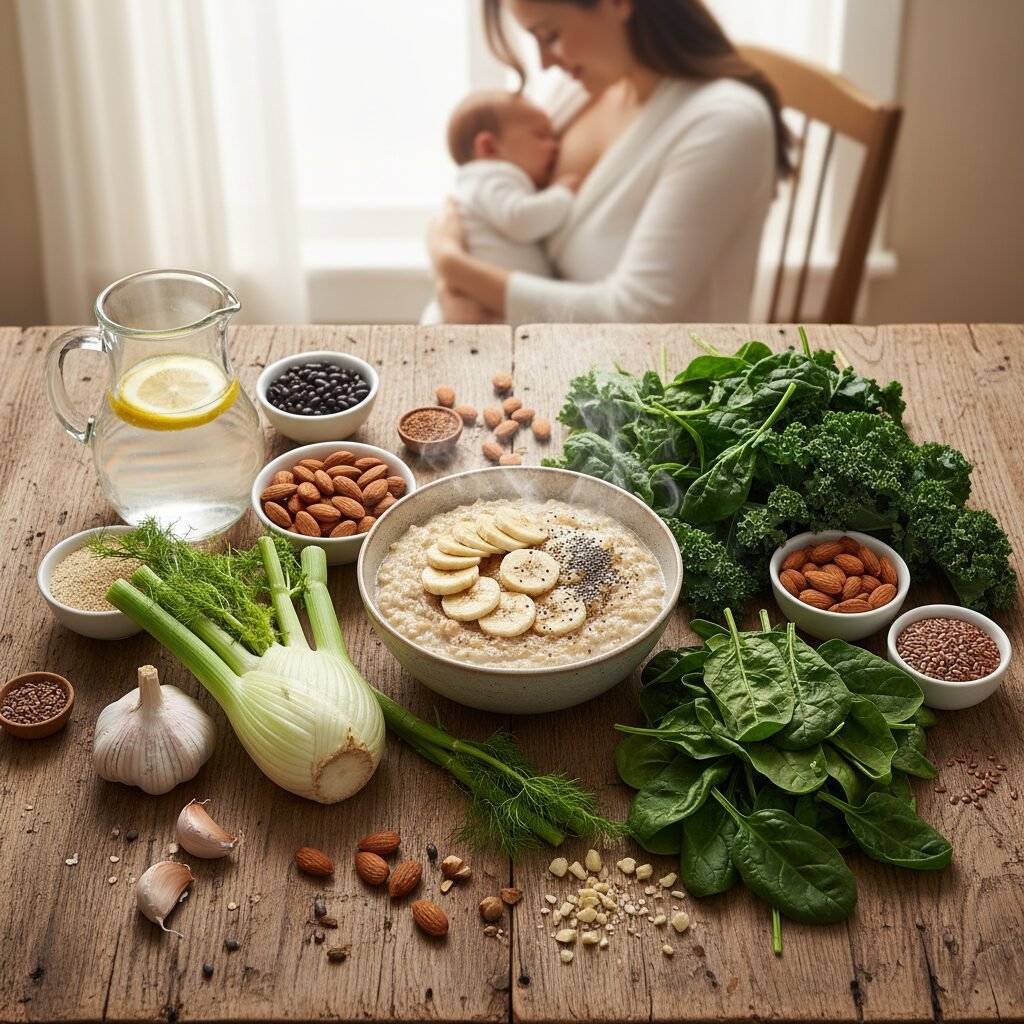
Explosion Of Liquid Gold: 9 Foods That Boost Milk Supply In 24 Hours
Hey there, new mama. Take a deep breath. You’re doing an amazing job. In the whirlwind of newborn life, it’s so common to find yourself anxiously wondering, “Am I making enough milk?” Let me reassure you, this is one of the most frequent concerns I hear from parents, and you are absolutely not alone in feeling this way. Your body has done something incredible, and learning the intricate dance of breastfeeding takes time, patience, and a whole lot of grace.
While the phrase “boost milk supply in 24 hours” can feel like a magic promise, the truth is a little more nuanced. Your milk supply is a finely tuned system based on supply and demand. However, nutrition plays a huge supporting role! Certain foods, often called galactagogues, are packed with the nutrients and properties that can give your body the boost it needs to ramp up production. Think of them as your lactation support team.
In this guide, we’ll walk through the foundational principles of milk supply before diving into 9 delicious and powerful foods that can help you see an increase. Remember, this is about nourishing and supporting your body, not adding another item to your stress list. Let’s get you feeling confident and empowered on your breastfeeding journey!
Before You Eat: The Real Keys to a Bountiful Milk Supply

Before we fill up our grocery carts, let’s have a little heart-to-heart about how milk production really works. Food is a wonderful and powerful supplement, but it’s not the main engine. Your body is running a brilliant supply-and-demand business. The more milk that is effectively removed, the more milk your body gets the signal to make. So, before you focus solely on diet, let’s make sure these fundamentals are in place:
- Frequent & Effective Milk Removal: This is the number one, non-negotiable rule of milk making. Whether you are nursing directly or pumping, aim for 8-12 sessions every 24 hours in the early weeks. Your baby is far more efficient at removing milk than any pump, so if you’re nursing, focus on letting your baby lead the way.
- A Good Latch: A deep, comfortable latch is crucial. It ensures your baby is transferring milk effectively (which signals your body to make more) and prevents nipple pain for you. A good latch shouldn’t hurt! If you’re experiencing pain, pinching, or your nipples look misshapen after a feed, it’s a sign to seek help from a lactation consultant (IBCLC).
- Hydration is Key: You don’t need to drown yourself in water, but you are creating a liquid food source! A simple rule of thumb is to drink to thirst. Keep a large water bottle nearby wherever you typically nurse, and sip throughout the day. If your urine is pale yellow, you’re likely well-hydrated.
- Rest and Reduce Stress (Easier Said Than Done!): I know, I know. Telling a new parent to “get more rest” can feel like a cruel joke. But high levels of the stress hormone cortisol can interfere with lactation. Do what you can to accept help. Let the laundry pile up. A 20-minute nap while someone else holds the baby can be more restorative than you think. Be kind to yourself.
Think of these four pillars as the foundation of your house. The foods we’re about to discuss are the beautiful decorations and reinforcements that make it stronger, but the house can’t stand without its foundation.
The Super 9: Foods to Help Boost Your Liquid Gold
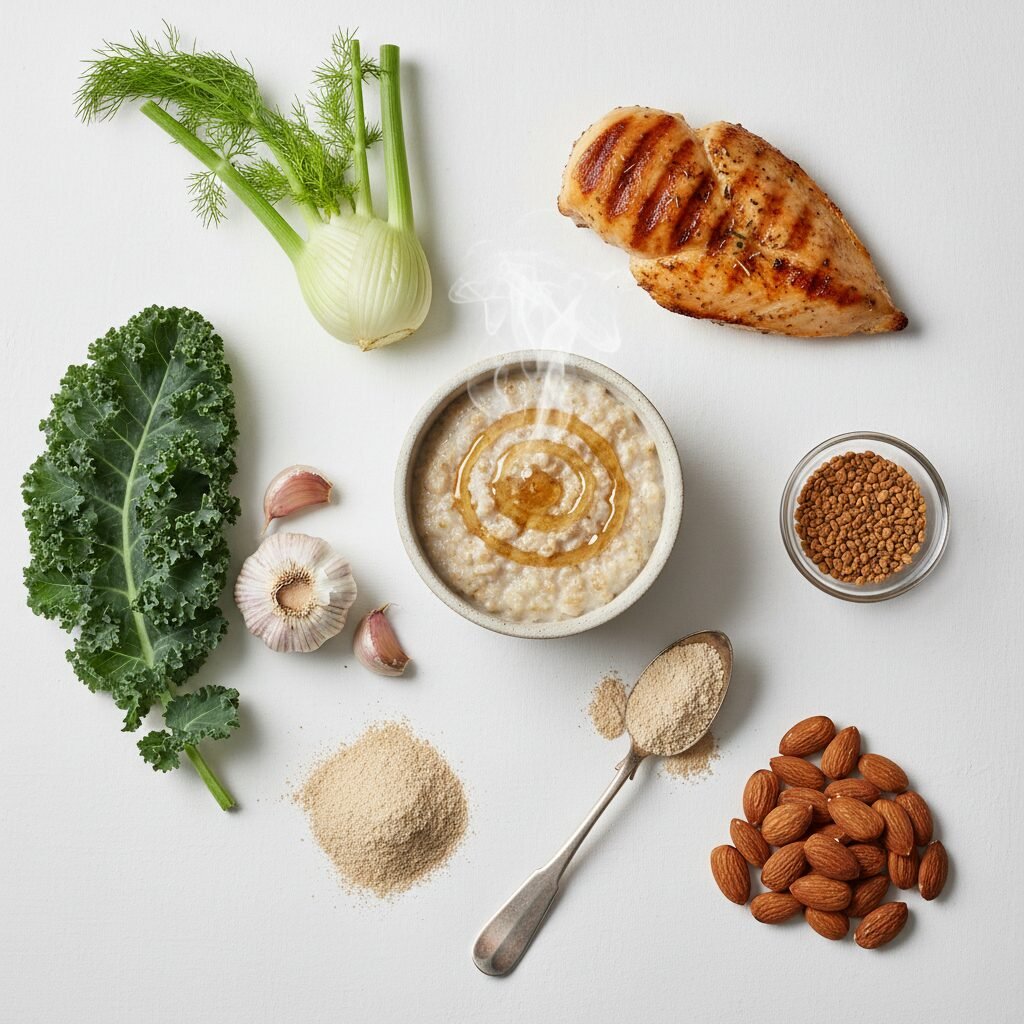
Alright, with our foundation solid, let’s get to the fun part—eating! Here are nine nutritional powerhouses that have been anecdotally celebrated by mothers for generations, with some modern science to back them up. Remember to introduce new foods slowly to monitor for any potential sensitivities in your baby.
- Oats: This is the ultimate comfort food for a reason! Oats are a fantastic source of iron. Anemia or low iron levels are a known cause of low milk supply in postpartum mothers. Oats are also packed with complex carbohydrates for slow-release energy (which you desperately need!) and beta-glucans, a type of fiber thought to increase prolactin, the milk-making hormone.
How to enjoy:
A warm bowl of oatmeal for breakfast is the classic choice. Top it with nuts and seeds from this list for an extra punch! You can also make lactation cookies, add oats to smoothies, or make overnight oats for a quick snack.
- Fenugreek: This is probably the most famous galactagogue. Fenugreek is an herb that contains phytoestrogens, plant-based compounds that mimic estrogen and are believed to stimulate milk production. Many mothers report seeing an increase in supply within 24-72 hours.
A Word of Caution: Fenugreek is powerful and not for everyone. It can cause a gassy baby, and may make you smell like maple syrup! It should be avoided by those with thyroid conditions, peanut or chickpea allergies, and during pregnancy. Always talk to a healthcare provider or IBCLC before starting a fenugreek supplement.
How to enjoy:
Most commonly taken in capsule form, but you can also drink it as a tea or use the seeds in cooking, particularly in Indian or Middle Eastern dishes.
- Brewer’s Yeast: Don’t let the name fool you! This is a nutritional superstar. It’s a fantastic source of B-vitamins, iron, protein, and chromium, which all support lactation and can help combat fatigue and the “baby blues.”
How to enjoy:
It has a strong, nutty/cheesy flavor. Start with a small amount (a teaspoon) and mix it into smoothies, sprinkle it on popcorn, or add it to your lactation cookie recipe. Look for debittered brewer’s yeast for a milder taste.
- Flaxseed: These tiny seeds are bursting with essential fatty acids (like omega-3s) and phytoestrogens. The healthy fats are crucial for your baby’s brain development and get passed through your breast milk, while the phytoestrogens support your milk-making hormones.
How to enjoy:
Your body can’t access the nutrients in whole flaxseeds, so always use ground flaxseed (flax meal). Stir it into your oatmeal, yogurt, or smoothies, or use it as an egg substitute in baking.
- Garlic: Garlic has been used for centuries for its medicinal properties and as a lactogenic food. While the exact mechanism isn’t fully understood, its potent nutritional profile is thought to support lactation. Some studies have even suggested that babies may nurse longer when their mothers have garlic, possibly due to the flavor change in the milk.
How to enjoy:
Simply add an extra clove or two to your savory dishes like pasta sauces, roasted vegetables, or soups. If you’re worried about a fussy baby, start with a small amount.
- Fennel: This licorice-flavored vegetable is another plant rich in phytoestrogens. Both the bulb and the seeds are thought to help increase milk supply. It can also have digestive benefits for both mom and baby.
How to enjoy:
You can drink fennel tea, chew on the seeds after a meal, or roast the fresh fennel bulb with other vegetables for a delicious side dish. It pairs beautifully with chicken or fish.
- Lean Meats and Poultry: Remember that iron requirement we talked about with oats? Lean red meat, pork, and dark-meat poultry are some of the most easily absorbed sources of iron. Replenishing your iron stores after birth is critical for energy and for maintaining a robust milk supply.
How to enjoy:
Incorporate a serving of lean protein into your lunch and dinner. Think grilled chicken strips on a salad, a lean beef burger, or a hearty lamb stew.
- Dark Leafy Greens: Think spinach, kale, and collard greens. These are packed with phytoestrogens, calcium, iron, and folate. They are a nutritional safety net, ensuring you’re getting a wide range of vitamins and minerals to support your own recovery and your milk production.
How to enjoy:
They are incredibly versatile! Use them as the base for a big salad, sauté them with garlic as a side dish, or blend them into a green smoothie (you won’t even taste the spinach!).
- Nuts (Especially Almonds): Raw almonds are a fantastic source of protein, calcium, and healthy fats. They provide long-lasting energy and the building blocks for rich, creamy milk. Many moms find that a handful of almonds is the perfect, easy-to-grab nursing snack.
How to enjoy:
Keep a bowl of raw almonds on your nightstand or next to your nursing chair. You can also use almond milk in your smoothies or enjoy a spoonful of almond butter on apple slices.
A Sample ‘Milk-Boosting’ Meal Plan For One Day
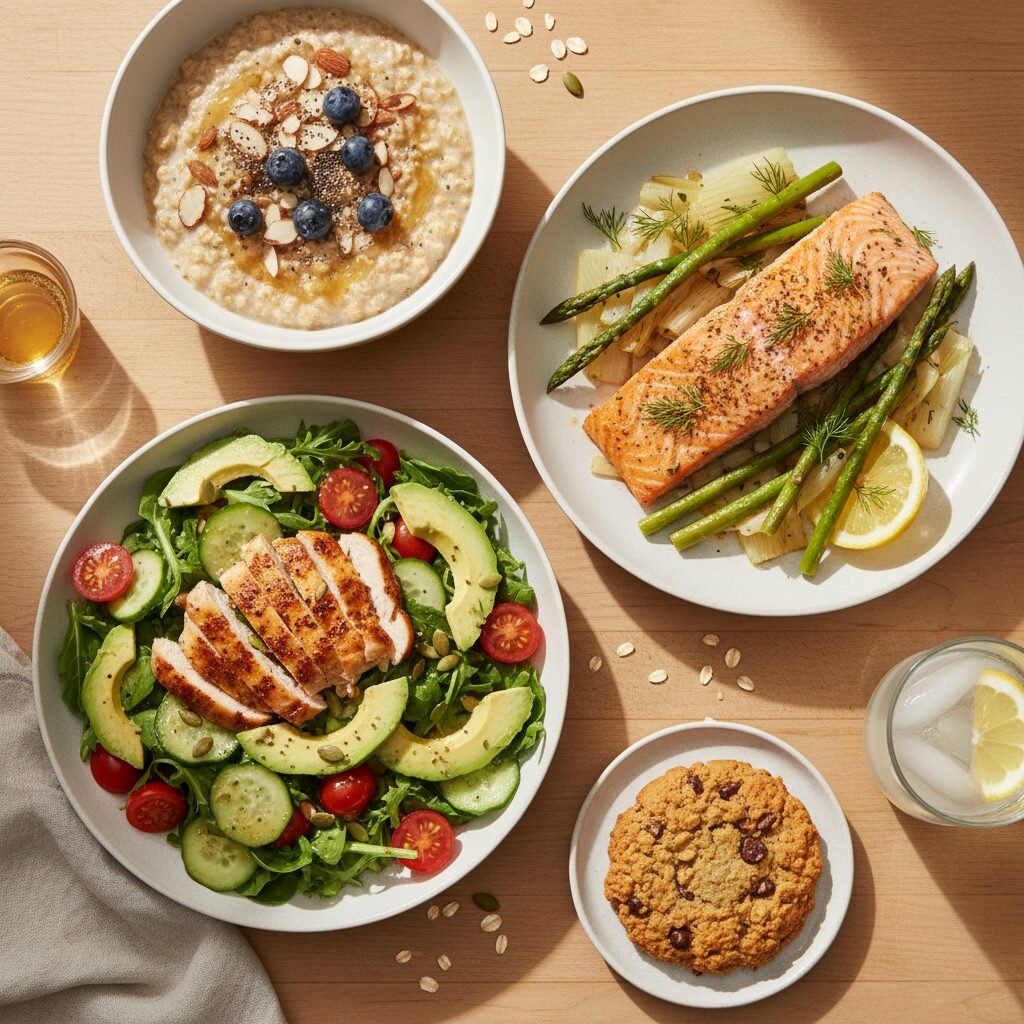
Feeling overwhelmed with how to put this all together? Don’t be! Here’s a simple, sample day of eating that incorporates many of these powerhouse foods. The goal is inspiration, not a strict regimen. Listen to your hunger cues—you’re burning an extra 300-500 calories a day just by breastfeeding!
| Meal | Delicious & Lactogenic Idea | Key Ingredients Included |
|---|---|---|
| Breakfast | A warm bowl of oatmeal made with almond milk, topped with a tablespoon of ground flaxseed and a handful of almonds. | Oats, Flaxseed, Almonds |
| Mid-Morning Snack | A homemade lactation cookie and a glass of water. | Oats, Brewer’s Yeast, Flaxseed |
| Lunch | A large spinach salad topped with grilled chicken, sliced avocado, and a lemon-garlic vinaigrette. | Leafy Greens, Lean Protein, Garlic |
| Afternoon Snack | Apple slices with a generous spread of almond butter and a cup of fennel tea. | Almonds, Fennel |
| Dinner | Baked salmon served with roasted fennel and a side of quinoa. | Fennel, Healthy Fats |
| Hydration | Keep a 32oz water bottle with you and aim to refill it 2-3 times throughout the day. | Water |
Important Considerations and When to Seek Help

While these foods can be wonderfully helpful, it’s vital to approach them with a balanced perspective. Your body and your baby are unique, and what works wonders for one person might not for another. Here are a few final, crucial points to keep in mind:
Food is a Helper, Not a Magic Fix
If you have a true underlying issue—like a tongue or lip tie, a hormonal imbalance (such as a thyroid condition), or retained placental fragments—no amount of oatmeal will solve the root problem. If you’ve tried all the fundamentals and are still struggling significantly, it’s time to dig deeper with a professional.
Watch for Allergies and Sensitivities
When you introduce a new food or herb into your diet, especially in large quantities, pay attention to your baby. Look for signs of discomfort like excessive gassiness, rash, or unusual fussiness. While rare, it’s always wise to be observant.
When to Call a Professional: Please don’t wait to get help if you’re worried. Reach out to a Board Certified Lactation Consultant (IBCLC) or your pediatrician if you notice any of these signs:
- Your baby isn’t gaining weight appropriately.
- There’s a consistent decrease in wet or dirty diapers (fewer than 5-6 wet diapers per 24 hours after the first week).
- Your baby is consistently lethargic, sleepy, or difficult to wake for feedings.
- You are experiencing significant pain during nursing.
Getting expert help is a sign of strength. An IBCLC can do a weighted feed to see exactly how much milk your baby is transferring, assess their latch, and create a personalized plan to help you meet your breastfeeding goals.
Conclusion
Navigating the world of breastfeeding is a journey filled with incredible highs and, sometimes, moments of doubt. Remember that your worth as a mother is not measured in ounces. Your primary goal is to have a healthy, thriving baby and a healthy, happy you—however that looks.
Focus first on the core principles: frequent and effective milk removal, a great latch, hydration, and rest. Then, have fun layering in these delicious, nutrient-dense foods as your support system. They can nourish your body, replenish your energy, and give you the extra boost you need to build a beautiful milk supply.
Most importantly, trust your instincts. You know your baby better than anyone. Be patient with your body, be kind to yourself, and never, ever be afraid to ask for help. You’re part of a massive community of mothers who have been right where you are. You can do this!