Don’t Wash It Off! The Magic Benefits of Vernix Caseosa
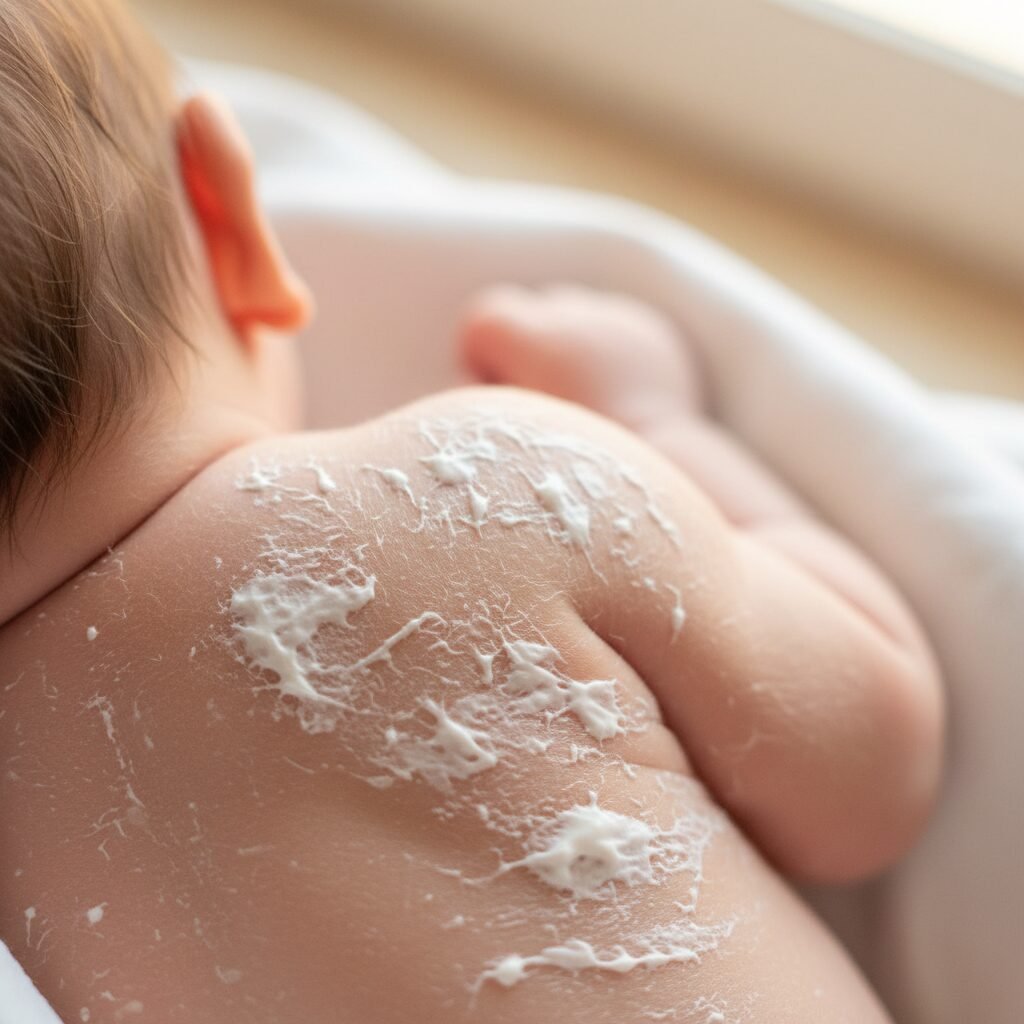
Hello, new parents, and welcome to one of the most incredible journeys of your life! As you hold your precious newborn for the first time, you’ll notice every tiny detail—their ten perfect fingers, ten perfect toes, and… wait, what’s that creamy, white, waxy stuff all over their skin? For many, the first instinct might be to clean it off. But as a pediatric nurse who has seen thousands of beautiful babies enter the world, I’m here to share a little secret: that ‘cheesy’ coating is one of the most amazing gifts nature gives your little one. It’s called vernix caseosa, and it’s essentially your baby’s first-ever spa treatment, moisturizer, and bodyguard all rolled into one.
In delivery rooms everywhere, the standard practice was once to whisk the baby away for a bath almost immediately. But thankfully, the science has caught up, and we now understand the profound benefits of leaving that magical coating right where it is. So, before you reach for a washcloth, let’s dive into the wonderful world of vernix and explore why delaying that first bath is one of the kindest first decisions you can make for your baby.
What Exactly Is That ‘Cheesy’ Stuff? Unveiling Vernix Caseosa
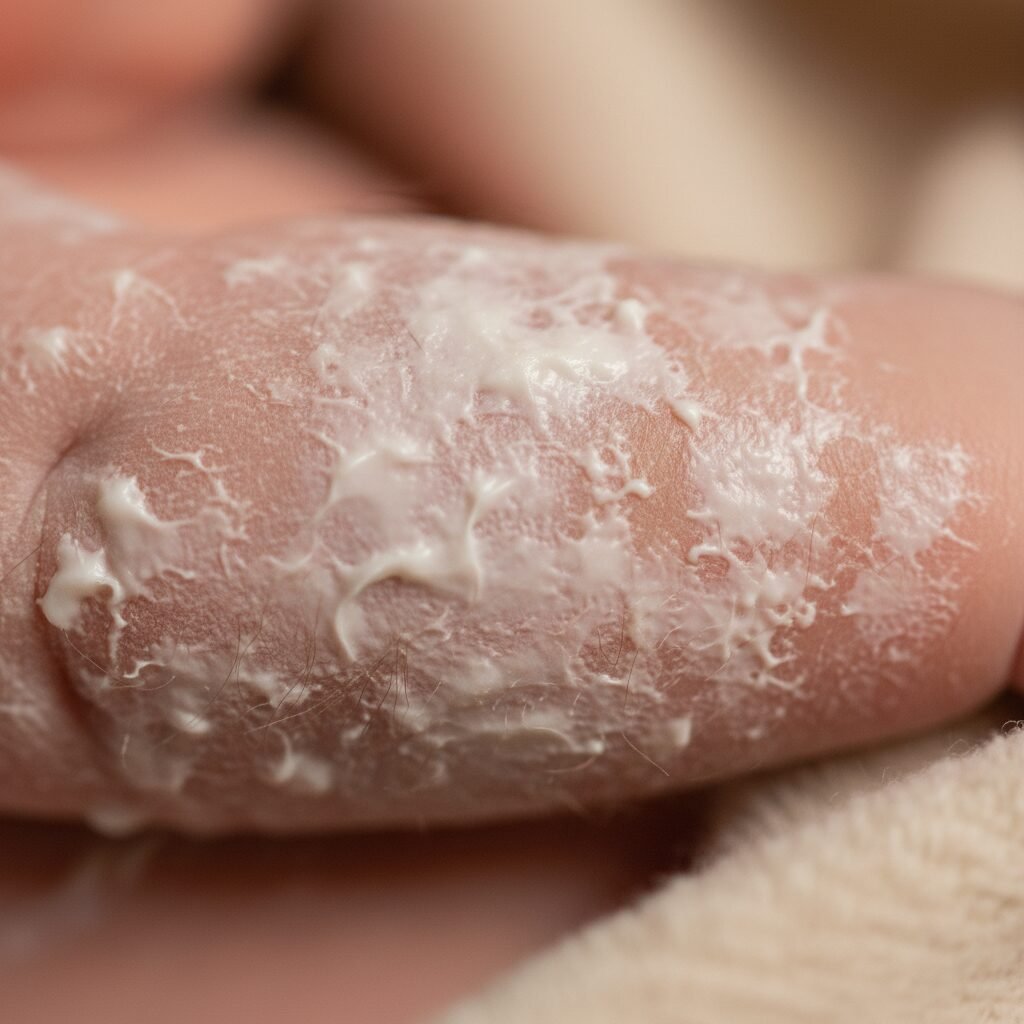
Let’s start with the basics. The term ‘vernix caseosa’ literally means ‘varnish’ and ‘cheese’ in Latin—a pretty accurate, if not super glamorous, description! This biofilm covers your baby’s skin while they’re floating around in the amniotic fluid in your womb. It typically starts to develop around the 20th week of pregnancy and is thickest around 38 weeks. If your baby arrives a little on the early side, they’ll likely have more of it, while babies born post-term might have less, as it starts to dissolve back into the amniotic fluid.
So, what’s it made of? Vernix is a brilliantly engineered substance composed of about 80% water, 10% lipids (fats), and 10% proteins. Think of it as a super-smart, waterproof cream that your body custom-makes for your baby. It contains protective enzymes, immune peptides, and fatty acids that are perfectly designed to protect their brand-new, delicate skin. It’s not dirt; it’s a meticulously crafted protective layer. It prevented their skin from getting ‘pruny’ like ours does after a long bath, and its job is far from over once they’re born.
A Nurse’s Tip: Don’t feel pressured to have a perfectly ‘clean’ baby for those first photos. The vernix tells a beautiful story of their time in the womb and is a sign of a healthy, full-term pregnancy. Embrace it!
Nature’s Smartest Multi-Tool: The Incredible Benefits of Vernix
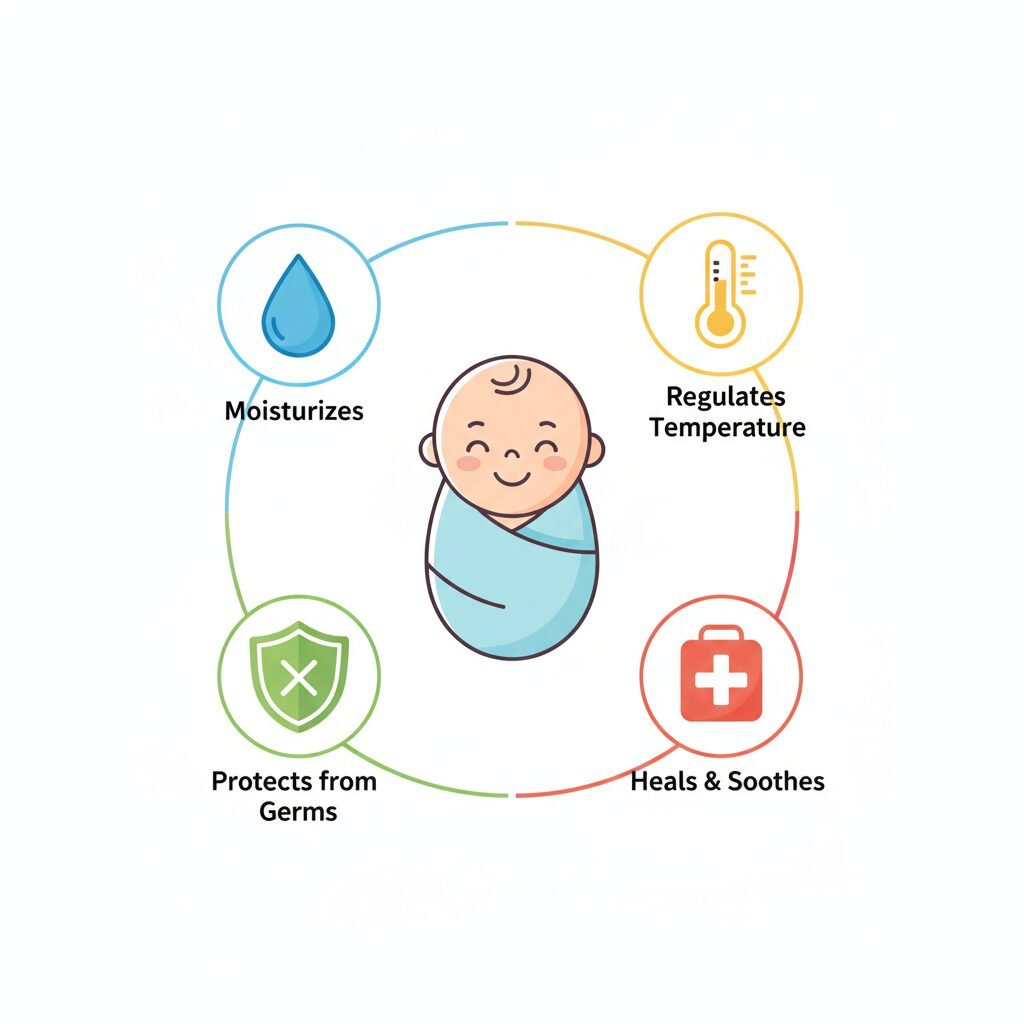
Okay, so it’s natural, but what does it actually do? This is where the magic really happens. Vernix is a powerhouse of benefits that work hard for your baby in their first hours and days of life. Here’s a breakdown of its most amazing jobs:
1. A Superior, God-Given Moisturizer
Amniotic fluid is one environment; the open air is another entirely. Vernix acts as a hydrating barrier, preventing moisture loss and keeping your baby’s skin silky soft. Newborn skin is incredibly thin and prone to drying, peeling, and cracking. Vernix is a richer, more effective moisturizer than any commercial oil or lotion, helping the skin transition to the outside world without stress.
2. A Cozy, Personal Thermostat
Newborns aren’t great at regulating their own body temperature. Leaving the vernix on, combined with immediate skin-to-skin contact, acts as an extra layer of insulation. It helps stabilize their temperature, reducing the risk of cold stress, which can cause babies to use up their precious energy and blood sugar reserves just to stay warm.
3. An Antimicrobial and Antibacterial Shield
Your baby has just traveled from the sterile environment of the womb through the birth canal, which is full of bacteria. Vernix contains antimicrobial peptides and enzymes that act as a natural antibiotic. This protective film helps shield your baby from harmful bacteria like Group B strep and E. coli, lowering the risk of skin infections as their own immune system gets up and running.
4. A Natural Wound Healer
The journey into the world can be a bit rough! Vernix is rich in antioxidants and anti-inflammatory compounds, like vitamin E. This helps soothe the skin and promotes the healing of any tiny scrapes or scratches that might have occurred during birth.
5. The Perfect pH Balancer
A baby’s skin after birth has a higher pH, making it more vulnerable. Vernix helps to lower the skin’s surface pH, creating what’s known as an ‘acid mantle.’ This acidic layer is crucial for developing a healthy skin barrier and microbiome, which will protect them for years to come.
Think of it this way: vernix is your baby’s built-in defense system, perfectly tailored to their needs. Washing it off is like wiping away a shield just before the battle begins.
The ‘When to Bathe’ Debate: Navigating Hospital Norms and Your Choices

For generations, the first bath was a hospital ritual, often happening within the first couple of hours after birth. However, leading health organizations have changed their tune based on overwhelming evidence. The World Health Organization (WHO) now recommends delaying the first bath for at least 24 hours, or even up to several days, to allow the vernix to do its job.
So, why was immediate bathing so common? It was largely a routine practice, but we now know it can interfere with crucial postpartum events. A bath can be stressful for a newborn, potentially lowering their body temperature and blood sugar. It also separates the baby from the parents during the ‘golden hour’—that critical first hour of life when skin-to-skin contact and initial breastfeeding attempts are so important for bonding and establishing a good milk supply.
How to Advocate for Your Baby
Feeling empowered to make this choice is key. Here’s how you can plan ahead:
- Add it to Your Birth Plan: Clearly state your preference: “We request that our baby’s first bath be delayed for at least 24 hours to preserve the vernix caseosa.”
- Talk to Your Doctor or Midwife: Discuss your wishes during your prenatal appointments so they are aware and can support you.
- Remind the Nursing Staff: When you arrive at the hospital and after the baby is born, politely remind your labor and delivery nurse of your preference. A simple, “We’re so excited! Just a reminder, we’d like to delay the first bath, please,” works perfectly.
Most hospitals are now very supportive of this practice, but clear communication ensures everyone is on the same page. You are your baby’s biggest advocate, and this is a simple, safe, and beneficial request to make.
Important Safety Note: The only medical exception for an immediate bath is if the mother is HIV positive or has an active herpes infection, to reduce transmission risk to the baby. In cases of meconium (the baby’s first stool) being present in the amniotic fluid, a gentle wipe-down is sufficient; a full bath is not always necessary immediately.
Caring for Your Vernix-Coated Cutie: Gentle Skincare for the First Few Days
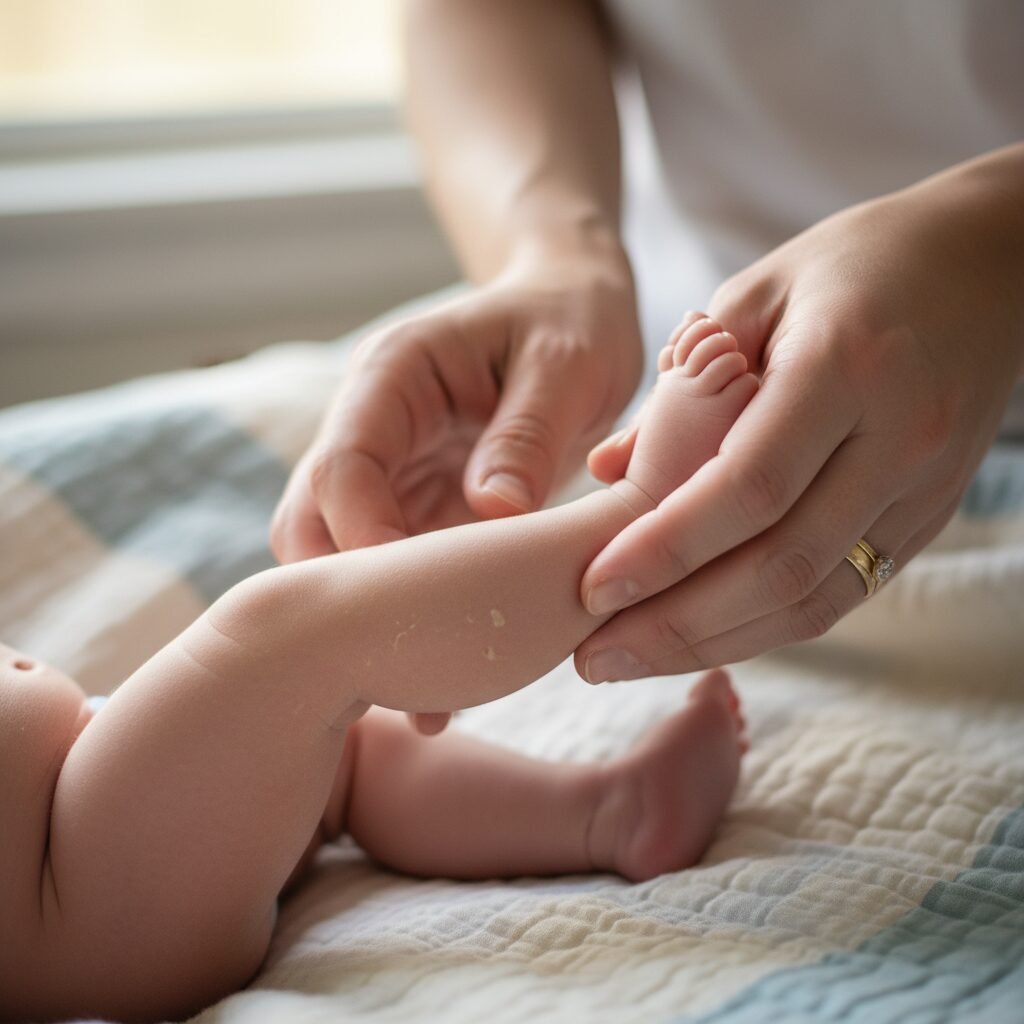
So you’ve decided to delay the bath—fantastic! Now what? How do you care for your baby’s skin during this time? The answer is beautifully simple: do very little.
Let Nature Take Its Course
There’s no need to ‘manage’ the vernix. Over the first few days, it will naturally absorb into your baby’s skin. You can enhance this process with gentle touch.
- Gentle Rubs: During skin-to-skin time or while cuddling, you can gently massage any remaining vernix into their skin, especially into the creases of their neck, elbows, and knees where it tends to collect. Think of it as a baby massage with the world’s best lotion.
- Spot Cleaning Only: For the first day or two, you only need to ‘spot clean’. Use a soft cloth with warm water to gently wipe the diaper area during changes. If there’s any spit-up, a gentle dab will do. No soaps or cleansers are necessary.
- Hands Off the Peeling Skin: It’s very common for newborns to have flaky, peeling skin on their hands and feet, especially if they were born closer to their due date. This is normal! It’s not a sign of dryness. It’s just the top layer of skin sloughing off as they adjust to the air. The vernix is helping the new, healthy skin underneath. Avoid picking at it or applying lotions.
When It’s Time for the First Bath
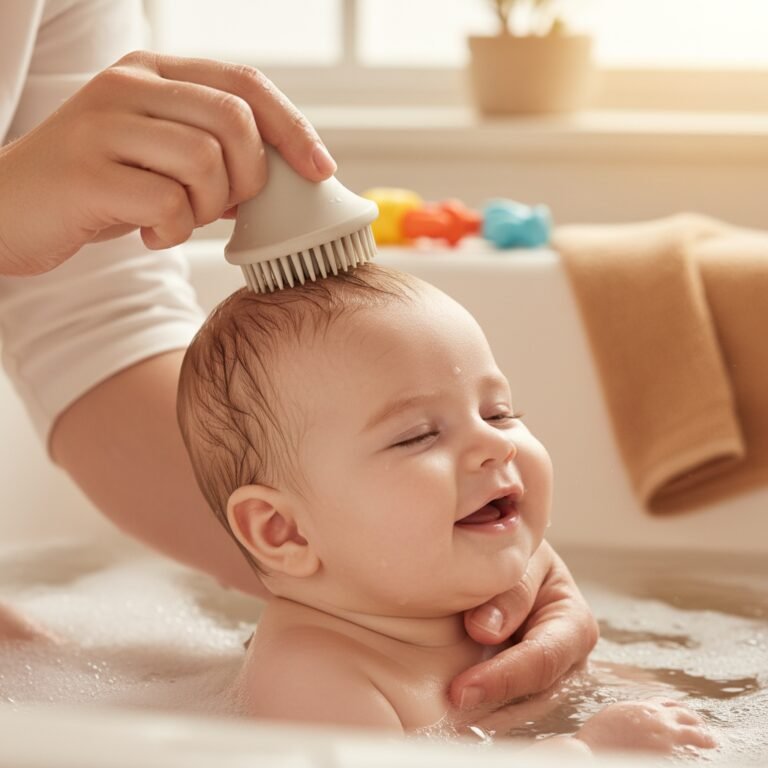
When you do decide it’s time for that first bath (whether it’s at 24 hours or a week later), keep it simple and gentle.
| First Bath Do’s | First Bath Don’ts |
|---|---|
| Use warm (not hot) water. Test with your wrist. | Don’t use harsh, perfumed soaps or bubble baths. |
| Use a mild, fragrance-free baby wash, if any. | Don’t bathe them for too long (5-10 minutes is plenty). |
| Have a warm towel and clean diaper ready to go. | Don’t scrub or rub the skin harshly. |
| Gently pat them dry, paying attention to creases. | Don’t leave your baby unattended for even a second. |
That first bath can be a special bonding experience, but there’s no rush. By waiting, you’ve given your baby an incredible head start with healthier, more resilient skin, all thanks to the magic of vernix.
Conclusion
Isn’t nature just incredible? That waxy, white coating that might have seemed a bit strange at first is actually a masterpiece of biological design. Vernix caseosa is your baby’s first line of defense, a personalized moisturizer, and a temperature-regulating blanket, all gifted to them from within the womb. By choosing to delay the first bath, you’re not just following a trend; you’re making an evidence-based decision that supports your baby’s gentle transition to the world. You’re allowing them to soak in every last drop of that natural, protective goodness.
So, embrace the ‘cream cheese’ coating! See it as a sign of health and nature’s wisdom. As you cuddle your little one, gently rubbing that vernix into their skin, know that you are giving them one of their very first and most important gifts: a foundation of healthy, protected skin. Welcome to parenthood—you’re already doing an amazing job.