
Cut Them Open! The Shocking Truth About Mold Inside Your Baby’s Bath Toys
Hey there, new parent. Let’s have a real chat. You’ve probably stumbled upon one of those viral videos. You know the one: a parent takes a pair of scissors to their child’s favorite squeaky bath toy, and a plume of disgusting black gunk oozes out. It’s the stuff of parenting nightmares, and it immediately makes you question everything. Are you a bad parent? Have you been letting your precious little one bathe with a hidden horror?
First, take a deep breath. You are not a bad parent. This is an incredibly common issue that catches almost everyone by surprise. That warm, wet, and dark environment inside a squeaky toy is basically a five-star resort for mold and bacteria. The good news is that you’re here now, and you’re learning. In this article, we’re going to walk through this together, without judgment and without panic. We’ll explore what that gunk actually is, whether it’s truly dangerous for your baby, and most importantly, provide a practical, easy-to-follow plan for cleaning, disinfecting, and choosing better, safer toys for worry-free bathtime fun.
The Perfect Storm: Why Bath Toys Become Mold Havens
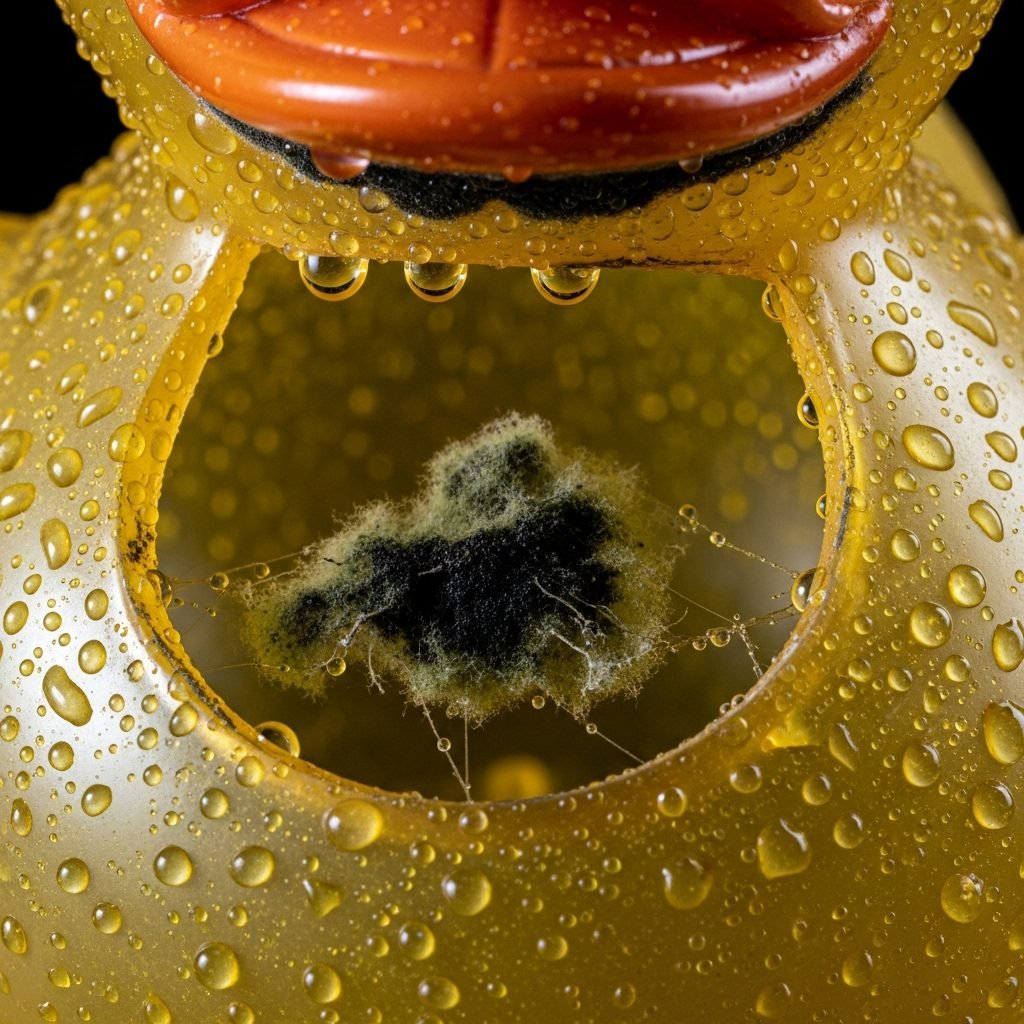
So, what’s really going on inside that adorable rubber duck? It’s simple science, really. Every time your baby squeezes that toy underwater, it sucks up a cocktail of bathwater, soap scum, skin cells, and other tiny bits of grime. The toy gets squeezed again, but it’s nearly impossible to get every single drop of water out.
That trapped water creates the perfect breeding ground for mildew and mold. It’s dark, it’s damp, and it’s warm—everything mold needs to thrive. What you see when you cut a toy open isn’t just dirt; it’s often a complex community of bacteria and fungi living together in something called a biofilm. This slimy layer sticks to the inside surface of the toy and can contain various types of mold, like Aspergillus, Penicillium, or the infamous black mold, Stachybotrys chartarum.
Think of it this way: you wouldn’t leave a wet sponge balled up in a dark corner of your kitchen for weeks, right? The same principle applies to your baby’s bath toys. That tiny hole at the bottom, designed to make a fun squeak or squirt water, is the very feature that turns it into a mini petri dish.
Should You Panic? A Nurse’s Take on Mold Exposure

Okay, this is the big question that keeps parents up at night: is this mold going to harm my baby? The internet is full of scary stories, but as a pediatric nurse, I want to give you a calm, evidence-based perspective.
For the vast majority of healthy, full-term babies, incidental exposure to the kind of mold found in bath toys is unlikely to cause serious illness. Our immune systems are designed to handle everyday encounters with common molds. A few black flecks floating in the tub or a squirt of funky water probably won’t do any harm. Your baby’s skin provides a strong barrier, and it’s unlikely they’ll ingest enough to cause a problem.
However, that doesn’t mean we should ignore it. The risk increases for certain children:
- Babies with Allergies or Asthma: Mold spores can be a significant trigger for allergic reactions or asthma attacks. If your child has a known sensitivity, you’ll want to be extra vigilant.
- Immunocompromised Children: For babies with weakened immune systems (due to a medical condition or treatment), exposure to certain molds can pose a more serious risk of infection.
- Direct Ingestion or Eye Contact: The main concern is if a child squirts the moldy water directly into their eyes or mouth, which could lead to eye infections or gastrointestinal upset.
A Reassuring Word: While the sight of mold is alarming, the risk to a healthy child is very low. The goal isn’t to create a sterile environment, which is impossible. The goal is to be informed and practice good hygiene to minimize unnecessary exposure.
If you notice persistent symptoms like skin rashes, coughing, sneezing, or irritated eyes, and you suspect bath toy mold might be a contributor, it’s always a good idea to chat with your pediatrician. But for most, this is more of a ‘yuck’ factor than a major medical crisis.
Your Action Plan: How to Inspect, Clean, and Disinfect
Ready to tackle those toys? Here’s your step-by-step guide to figuring out what to keep, what to toss, and how to maintain the keepers for a cleaner, safer bath.
Step 1: The Inspection
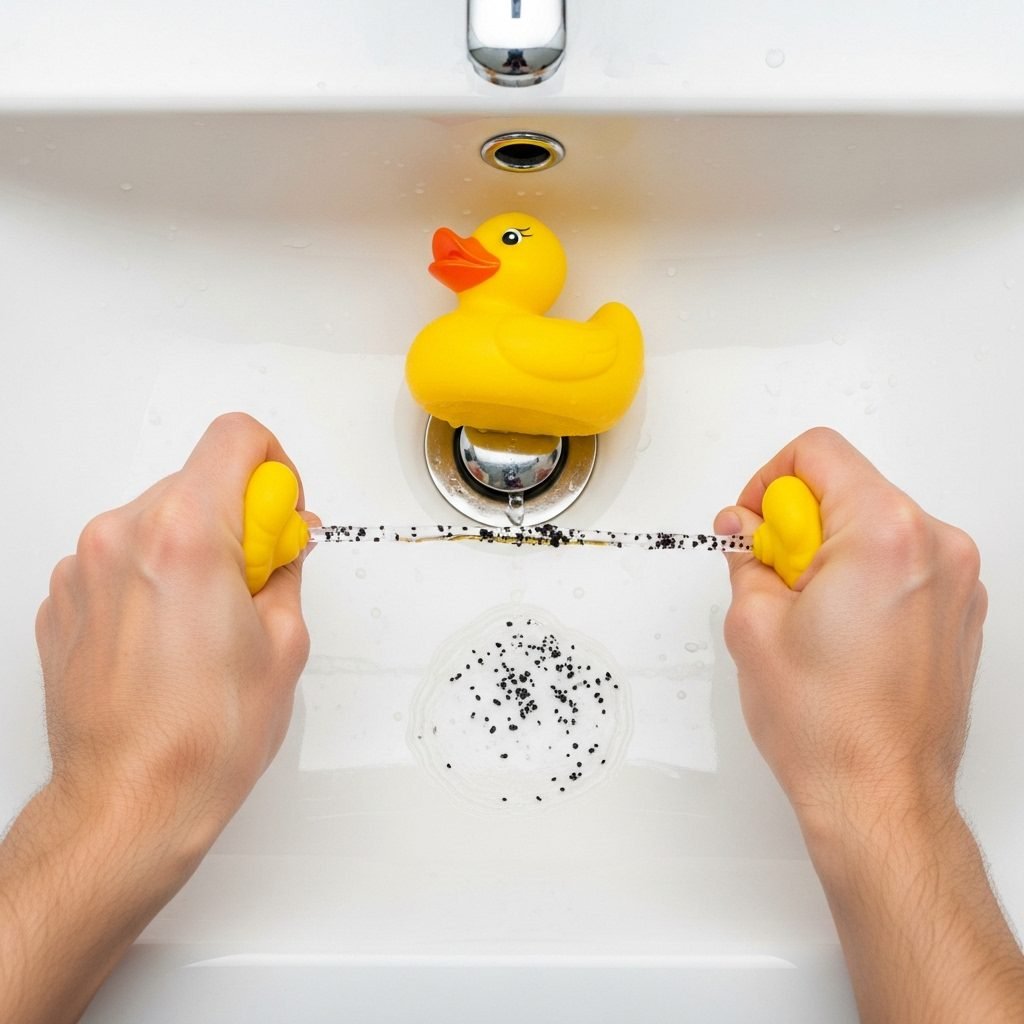
Before you start cleaning, you need to do some detective work. Squeeze each squeaky toy firmly over a white sink or a paper towel. If you see any black, brown, or green flecks come out with the water, that’s a clear sign of a well-established mold colony inside. At this point, the best and simplest course of action is to toss it. If you’re morbidly curious (and many parents are!), you can cut it open to confirm your suspicions. It’s often a very validating, if gross, experience.
Step 2: The Deep Clean (For Toys You Want to Save)
If a toy seems okay or you want to try salvaging it, a deep clean is in order. You have a couple of options:
Vinegar Soak (The Natural Method)
- Create a solution of one part white vinegar to one part hot water.
- Squeeze the air out of the toys, submerge them in the solution, and let them suck up the vinegar water until they are full.
- Let them soak for at least one hour, shaking them occasionally.
- Squeeze the toys out completely and rinse them thoroughly by sucking up and squirting out clean water several times.
Diluted Bleach Soak (The Heavy-Duty Method)
Safety First: Bleach is a powerful chemical. Use it in a well-ventilated area, wear gloves, and never mix it with other cleaners. Make sure toys are rinsed extremely well before they go back in the bath with your baby.
- Create a solution of 1/2 tablespoon of bleach per gallon of water.
- Following the same process as the vinegar soak, fill the toys with the bleach solution and let them soak for 10-15 minutes.
- This is the most important step: Squeeze them out and rinse, rinse, rinse! Submerge and fill them with clean water multiple times to ensure all the bleach is gone.
Step 3: The Crucial Drying Phase
Cleaning is only half the battle. Mold can’t grow without water, so drying is your secret weapon. After cleaning and rinsing, squeeze out as much water as physically possible. Then, place the toys in a sunny spot or a well-ventilated area to dry completely. Some parents even use a hairdryer on a cool setting to speed up the process. A mesh bag that allows for air circulation is a great storage solution.
Prevention is Key: The Ultimate Guide to Mold-Resistant Bath Toys
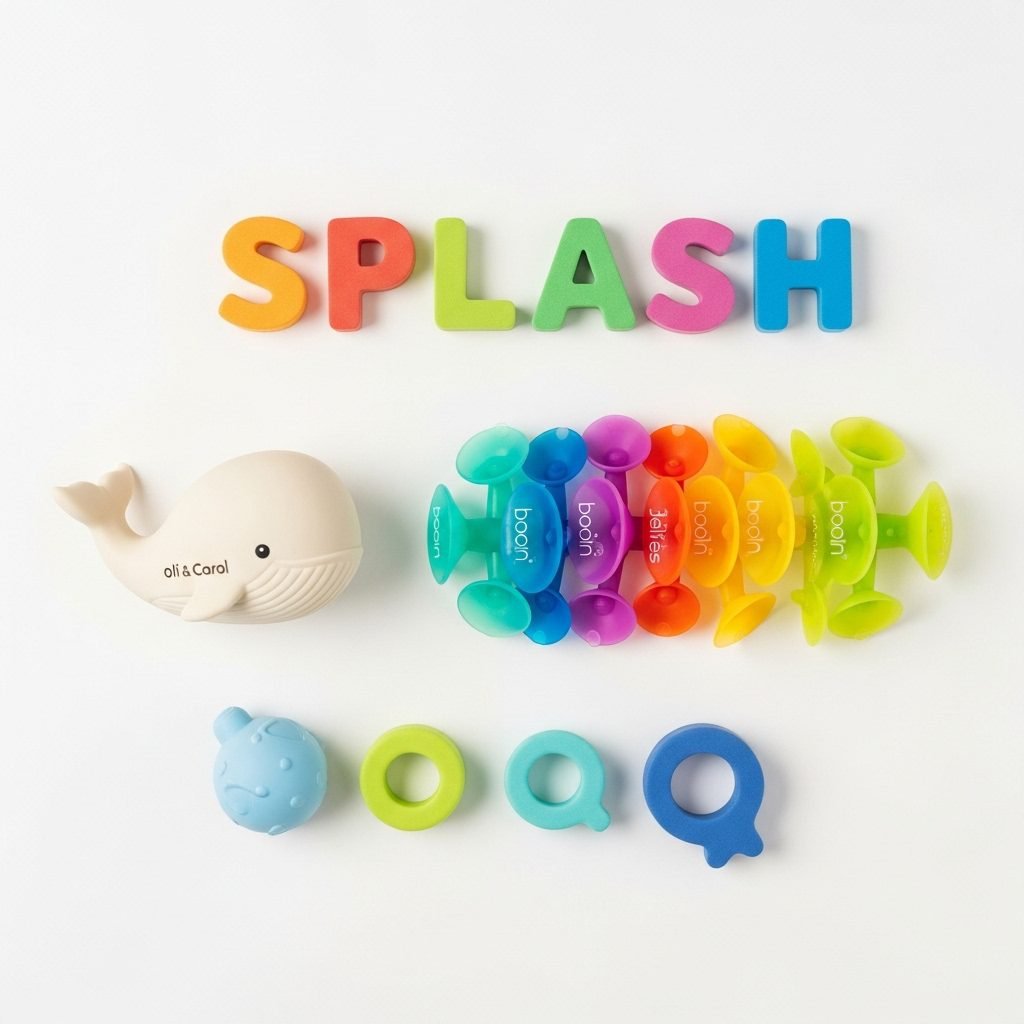
The absolute easiest way to win the war against mold is to not let it start in the first place. Thankfully, toy manufacturers have caught on to parents’ concerns, and there are now fantastic mold-free options available. Moving forward, think about replacing your old squeaky toys with smarter, safer alternatives.
Here’s a breakdown of the best types of mold-resistant toys to look for:
| Toy Type | How it Prevents Mold | Pros | Cons |
|---|---|---|---|
| Sealable/Two-Part Toys | These toys (like those from Boon) can be opened up completely, allowing you to wash and thoroughly dry every surface. | Easy to clean; Satisfying to see they are truly clean; Still provide squirting fun. | Can be more expensive; Need to remember to open and dry them after each bath. |
| Solid, Hole-Free Toys | Made from a single piece of silicone or natural rubber with no holes for water to get inside. | Zero chance of internal mold growth; Very easy to clean the surface; Durable. | They don’t squeak or squirt, which might be a downside for some kids. |
| Bath ‘Crayons’ and Paints | These are consumables that wash away, so there’s nothing left behind to grow mold. | Encourages creativity; Easy cleanup; No long-term mold risk. | Need to be repurchased; Can get a bit messy during bath time. |
| Foam Letters and Shapes | These stick to the tub walls when wet but are made of non-porous foam that dries quickly. | Educational; Inexpensive; Dry quickly when stored properly in a mesh bag. | Can be torn or bitten by teething babies, so supervision is needed. |
When you’re shopping, simply ask yourself: “Can water get trapped inside this?” If the answer is yes and you can’t easily open it to dry it out, it’s best to leave it on the shelf. Your peace of mind is worth it!
Conclusion
So, there you have it. The shocking truth isn’t that mold exists—it’s that you have all the power to manage it without stress or fear. You haven’t harmed your baby, and now you’re equipped with the knowledge to make bathtime even safer. Don’t let the fear of mold steal the joy from those precious, splashy moments.
Remember the simple plan: Inspect what you have, Clean what you can, and Choose wisely for the future. By opting for toys that are solid or can be easily opened and dried, you’re eliminating the problem at its source. You’re doing an amazing job navigating the millions of little details that come with parenthood. Give yourself credit for caring enough to read this, and go enjoy a happy, splashy, and mold-free bath with your little one tonight.