
Combo Feeding at Night: How to Get More Sleep Without Giving Up Breastfeeding
Hey there, new parent. Let’s talk. It’s probably the middle of the night, you’re scrolling on your phone with one hand while a tiny human is attached to you, and the word ‘sleep’ feels like a distant, beautiful dream. I see you, and I want you to know: you are doing an amazing job. The exhaustion of these early days is profound, and it’s okay to look for ways to make it more sustainable. That’s where we can talk about combo feeding at night.
First, let’s clear the air. Choosing to supplement with formula or pumped milk is not giving up. It’s not a failure. It’s a choice—a tool you can use to care for your baby and yourself. The idea that we have to be martyrs to be good mothers is outdated and unhelpful. A rested parent is a more present, patient, and joyful parent. This guide is all about helping you strategically use combo feeding at night to get more sleep, share the load with a partner, and most importantly, do it in a way that protects and honors your breastfeeding journey.
What is Combo Feeding and Why is it a Night-Time Game Changer?

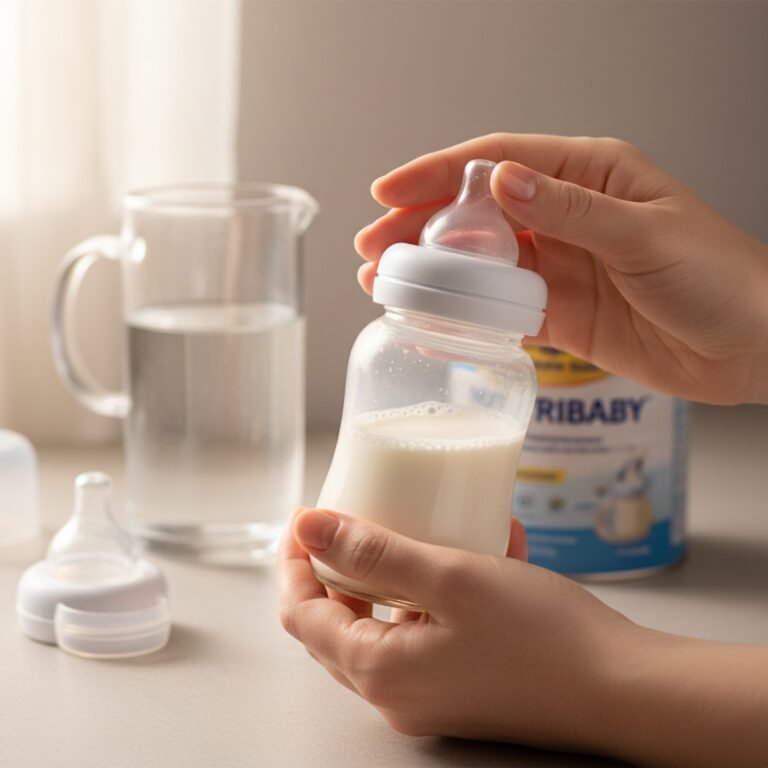
So, what are we even talking about? At its core, combination feeding, or combo feeding, simply means feeding your baby both breast milk and formula. There’s no single right way to do it. For some, it’s one bottle of formula a day; for others, it’s a more even split. Our focus here is on using it strategically at night to help everyone get more rest.
The ‘Why’ Behind the Night Bottle
The magic of the night bottle lies in two key benefits:
- Longer Sleep Stretches: Formula is made from cow’s milk proteins (casein and whey) which are more complex for a baby’s tummy to break down than breast milk. Because it digests more slowly, a baby might feel fuller for longer, potentially granting you a glorious 3- or 4-hour stretch of uninterrupted sleep. For a sleep-deprived parent, that extra hour can feel like a week-long vacation.
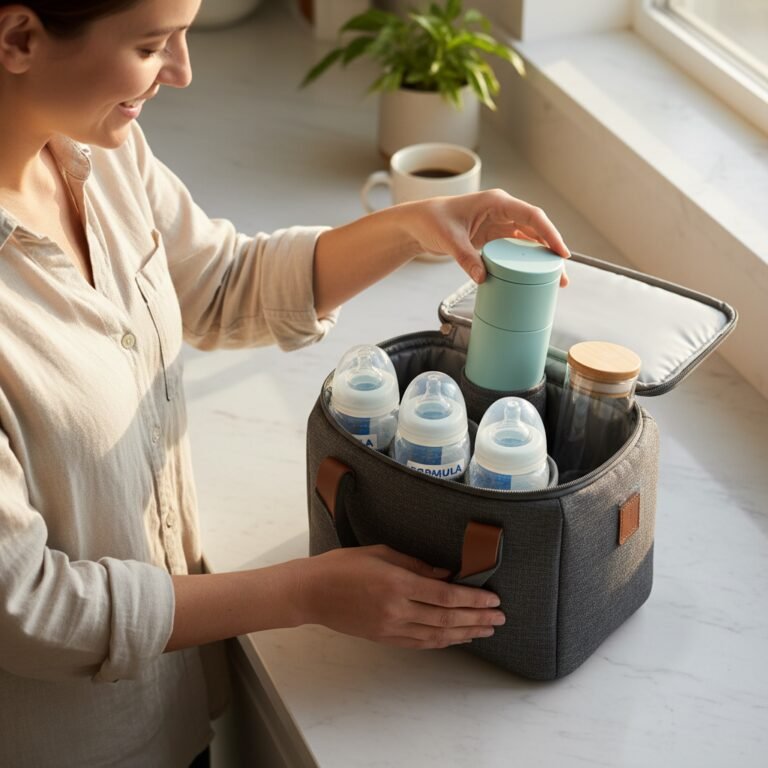
- Sharing the Workload: Breastfeeding is a beautiful bond, but it can also be a lonely, 24/7 job. Introducing a bottle at night means your partner or another support person can take over a feeding. This isn’t just about them feeding the baby; it’s about them giving you the gift of rest. That solid block of sleep while someone else is on duty can be physically and mentally restorative.
A quick reassurance: Many parents worry about ‘nipple confusion’ or their baby rejecting the breast. While this is a valid concern, it’s often manageable by introducing the bottle after breastfeeding is well-established (usually around 3-4 weeks) and using specific bottle-feeding techniques, which we’ll cover in detail.
Protecting Your Milk Supply: The Golden Rules of Combo Feeding
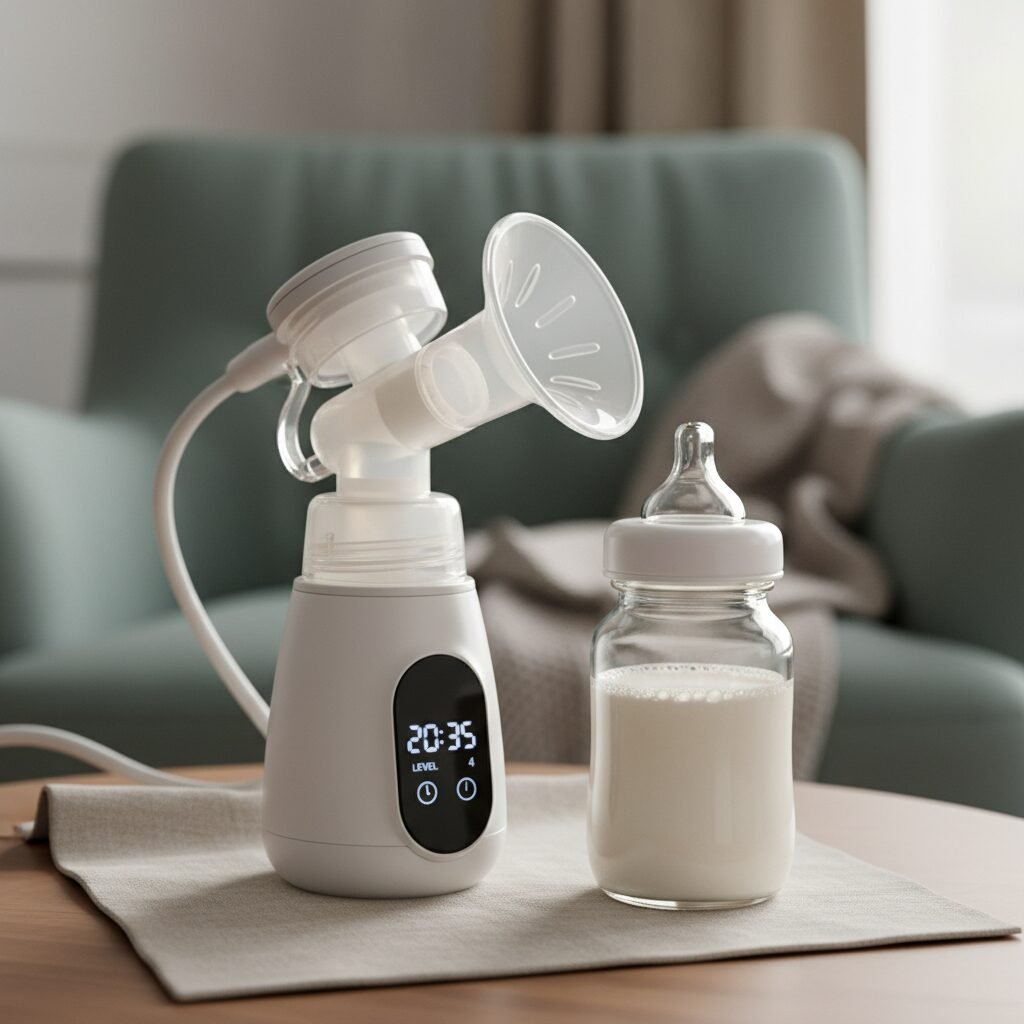
This is the most important part of the puzzle. Your goal is to get more sleep without sabotaging your milk supply. Your body is an incredible supply-and-demand machine. It makes milk based on how much milk is removed. So, if we start skipping feedings without telling our body to keep producing, our supply can dip. Here’s how we prevent that.
Rule 1: Remove Milk When Milk is Given
Especially in the first 6-8 weeks when you’re establishing your supply, it’s crucial to signal to your body to keep up production. When your partner gives the baby a bottle of formula, you should ideally pump. Think of it as placing your ‘milk order’ for the next day. A 15-20 minute pumping session during that time is perfect. Yes, it means waking up to pump, but it also means you can go right back to sleep and you’re protecting your long-term breastfeeding goals.
Rule 2: Master Paced Bottle-Feeding
Babies are smart—they love efficiency! A traditional bottle lets milk flow quickly with little effort. The breast, on the other hand, requires them to work for it. To prevent them from developing a ‘flow preference’ for the easy bottle, we use a technique called paced bottle-feeding. It mimics the rhythm of breastfeeding.
- Hold baby upright: Don’t cradle them flat on their back. Sit them up so they have more control.
- Keep the bottle horizontal: Tip the bottle just enough to fill the nipple with milk. This forces the baby to actively suck to get milk, just like at the breast.
- Let them set the pace: Watch your baby’s cues. Every 20-30 seconds of sucking, gently tip the bottle down to give them a little break.
- Use a slow-flow nipple: Always start with the slowest flow nipple available (often labeled ‘newborn’ or ‘size 0/1’).
Rule 3: Timing is Everything
Try to make the first feed of the morning (between 5-7 AM) a breastfeeding session. Your prolactin levels (the milk-making hormone) are naturally highest in the early morning hours, so feeding at this time is a powerful signal to your body to maintain a robust supply.
Your Night-Time Combo Feeding Plan: Sample Schedules
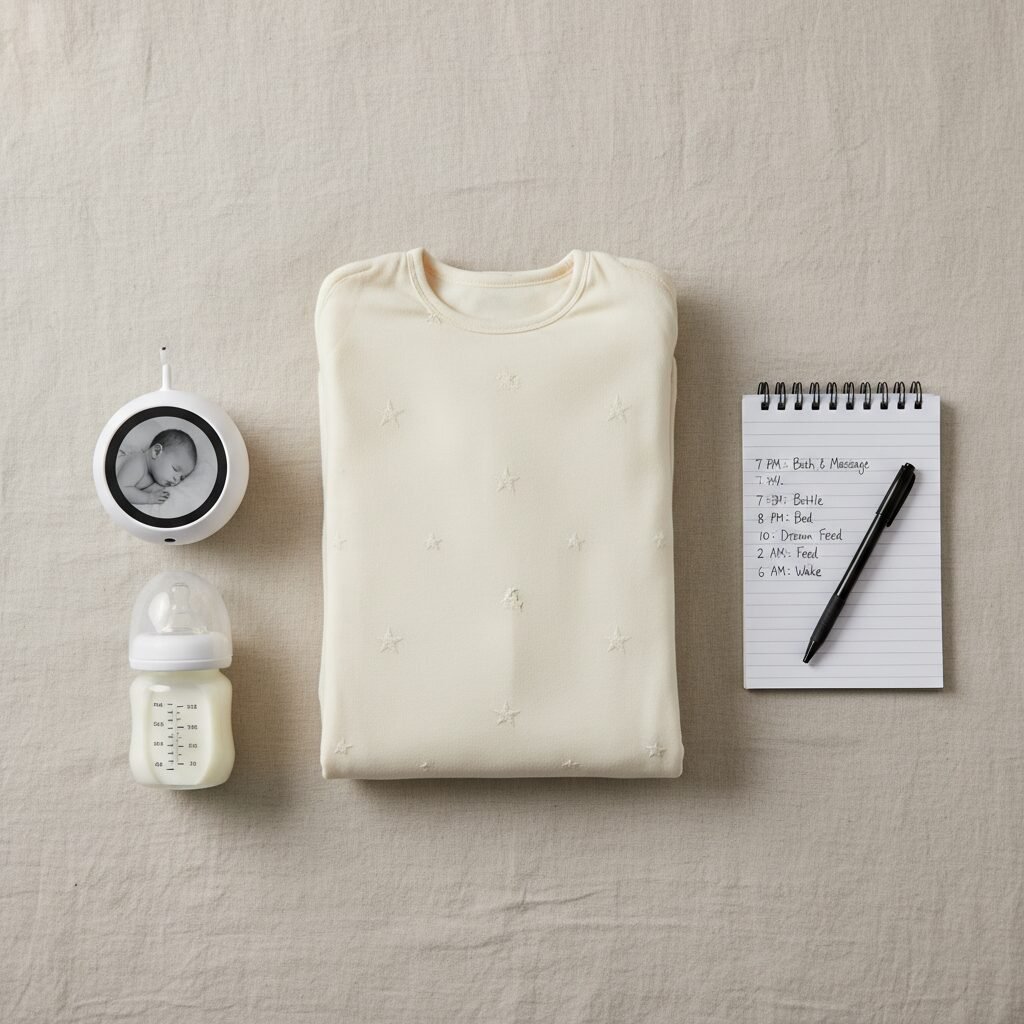
Okay, let’s get practical. How does this actually look in a 24-hour period? The key is teamwork and finding a rhythm that works for your family. Below are a couple of sample schedules. Remember, these are just templates! Your baby is the boss, so adjust based on their hunger cues.
Sample Plan 1: The ‘Divide and Conquer’ Approach
This plan is great for sharing the night shift. The breastfeeding parent gets a solid early block of sleep.
| Approximate Time | Breastfeeding Parent’s Action | Partner’s Action / Baby’s Feed | Notes |
|---|---|---|---|
| 8:00 PM | Breastfeed baby (cluster feeding is normal!) | Enjoy some downtime. | This is the ‘last call’ at the breast bar before mom’s sleep shift. |
| 10:00 PM | Go to sleep! | Offer a 2-3 oz bottle of formula or pumped milk. | This is your first, precious block of uninterrupted sleep. |
| 10:30 PM | (Still sleeping) | Settle baby back to sleep. | Partner handles the entire feed, from prep to burping to swaddling. |
| 1:00-2:00 AM | Wake up to pump for 15-20 mins. | (Sleeping) | This pump session replaces the feed you missed, protecting your supply. Go right back to sleep. |
| 3:00-4:00 AM | Wake to breastfeed baby. | (Sleeping) | Baby will likely wake for their next feed. This is your turn. |
| 6:00-7:00 AM | Breastfeed baby. | Get up and make the coffee! | The early morning feed is great for your supply. |
Sample Plan 2: The ‘One Bottle Wonder’ Approach
This plan uses just one bottle to get one longer stretch, without a complex pump schedule. It’s a good starting point.
| Approximate Time | Parent A (Breastfeeding) | Parent B (Support) | Notes |
|---|---|---|---|
| 9:00 PM | Breastfeed baby. | Prepare a bottle for later. | Get baby full and sleepy. |
| 11:00 PM | Pump right before you go to bed. | Give baby a ‘dream feed’ bottle of formula or the just-pumped milk. | A dream feed is when you gently feed a sleeping baby. This can ‘top them off’ for a longer sleep. |
| 11:30 PM | Go to sleep! | Settle baby and go to sleep. | You’ve emptied your breasts and baby is full. This is the recipe for a longer stretch. |
| 3:00-4:00 AM | Wake to breastfeed baby. | (Sleeping) | When baby wakes, you’ll feel full and ready to feed. No middle-of-the-night pump needed with this plan. |
Choosing the Right Gear: Formula and Bottles

Walking down the baby aisle can be overwhelming. Let’s simplify it.
How to Choose a Formula
For most healthy, full-term babies who are also breastfeeding, a standard, cow’s milk-based infant formula is a great place to start. These are designed to be as close to breast milk as possible.
- Standard Formulas: Brands like Enfamil, Similac, and Gerber Good Start are all excellent choices. There is no ‘best’ one; it often comes down to your baby’s tolerance and preference.
- Gentle or Sensitive Formulas: If your baby seems extra gassy or fussy with a standard formula, you might try a ‘gentle’ or ‘sensitive’ version. These have partially broken-down milk proteins that can be easier to digest.
- When to get advice: Always talk to your pediatrician before starting or switching formulas, especially if your baby has signs of a milk allergy (like rashes, hives, or bloody stools).
Safety First! Always prepare formula exactly according to the package directions. Using too much or too little water can be dangerous for your baby.
Finding a Bottle Your Breastfed Baby Will Actually Take
Ah, the million-dollar question. Some babies take a bottle with no issue, while others are… more discerning. The key is finding a bottle and nipple that complements breastfeeding.
| Feature to Look For | Why It Matters for Breastfed Babies | Popular Examples |
|---|---|---|
| Slow-Flow Nipple | This is non-negotiable. It prevents milk from flowing too fast, making the baby work a bit, similar to breastfeeding. It helps prevent flow preference. | Most brands offer a ‘Size 0’ or ‘Newborn’ flow. |
| Wide, Breast-Like Shape | A wider base encourages a wide latch, similar to the one they use at the breast. This can help with an easy transition back and forth. | Comotomo, Philips Avent Natural, Tommee Tippee |
| Venting System | Good vents (either in the nipple or the bottle itself) help reduce the amount of air the baby swallows, which can help minimize gas and fussiness. | Dr. Brown’s, MAM, Philips Avent Anti-Colic |
Don’t buy a 12-pack of one type of bottle! Buy a single bottle from a few different brands to see what your little one prefers before committing.
Troubleshooting Common Worries: Gas, Guilt, and Bottle Refusal

Introducing something new can come with a few bumps in the road. Let’s tackle the most common ones so you can feel confident.
‘My baby seems so gassy with the formula!’
This is very common. A new food requires the digestive system to adapt. Here are a few things that can help:
- Burp thoroughly: Stop the feeding halfway through and again at the end for a good burping session.
- Try ‘bicycle legs’: Gently push your baby’s knees toward their tummy to help relieve pressure.
- Keep them upright: Hold your baby in an upright position for 15-20 minutes after the feed.
- Check your bottle: Ensure you’re using a slow-flow nipple and paced-feeding techniques to reduce air intake.
‘Help! My baby won’t take the bottle!’
Bottle refusal can be frustrating. Don’t give up! Try these tricks:
- Let someone else offer it: Babies can smell mom’s milk and may wonder why they’re being offered the ‘second-best’ option when the real deal is right there. Have your partner or another caregiver offer the bottle.
- Timing is key: Offer the bottle when the baby is happy and calm, not when they are screaming with hunger.
- Check the temperature: Some breastfed babies are particular about temperature. They’re used to milk that is exactly body temperature. You may need to warm the bottle in a bowl of warm water.
‘I feel so guilty about this.’
Let’s sit with this one for a moment. Parent guilt is real, and the pressure to ‘do it all’ is immense. Please hear this: Your mental health matters. Your physical well-being matters. A feeding plan that allows you to be a more rested, present, and happy parent is not a compromise; it’s a victory. You are still providing your baby with incredible nutrients and bonding through breastfeeding during all the other feeds. Combo feeding isn’t an ‘either/or’—it’s a ‘both/and’. You can both breastfeed and get the sleep you need to thrive.
Conclusion
Navigating the world of newborn feeding is a journey, not a destination. By thoughtfully incorporating combo feeding at night, you’re not just finding a way to get more sleep; you’re building a sustainable, flexible, and resilient feeding plan for your family. You’re creating space for your partner to bond with the baby through feedings, and most importantly, you’re giving yourself the grace and rest you so deeply deserve.
Remember to be patient with yourself and your baby as you find your new rhythm. Every family’s path is unique. Whether you use one bottle a night or more, you are still a breastfeeding parent who is loving, nourishing, and showing up for your baby in every way that matters. You’ve got this, truly.