
Can Babies Drink Cold Milk? The Truth That Will Save You Hours Of Sleep
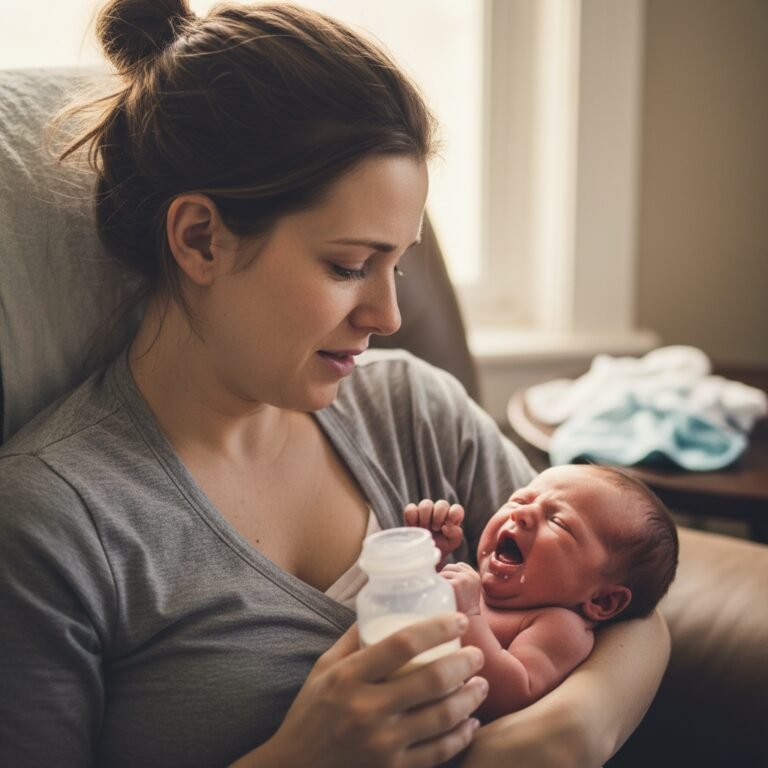
Picture this: It’s 3:17 AM. The house is silent, except for the sound of a hungry baby’s cries escalating. You stumble into the kitchen, bleary-eyed, trying to prepare a bottle. You pour the milk, screw on the top, and then comes the part that feels like an eternity—waiting for the bottle warmer to do its job. Your little one gets more and more upset, and your own stress levels skyrocket. If this sounds familiar, I want you to take a deep breath. As a pediatric nurse and lactation consultant, I’ve sat with thousands of new parents in these exact moments. And I’m here to share a secret that feels almost too good to be true, a simple question that could change everything: Can babies drink cold milk?
We’re going to dive into this topic together, busting myths and looking at what’s best for your baby and your sanity. Forget the old rules you’ve heard. Let’s talk about the science, the safety, and the surprising freedom that comes with skipping the warmer. Get ready to reclaim some peace and quiet during those late-night feeds.
The Big Question: Is Cold Milk Actually Safe for Babies?
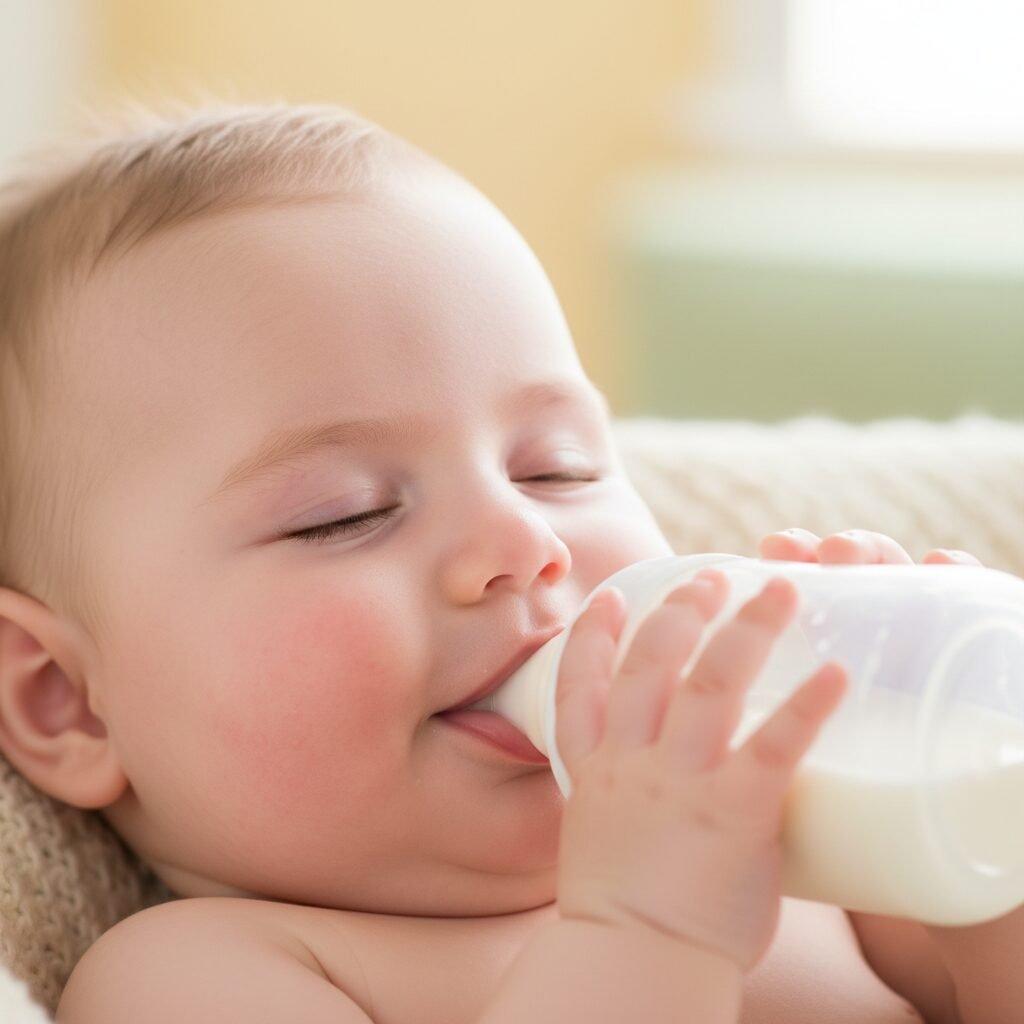
Let’s get right to it, because I know this is the answer you’re waiting for. For most healthy, full-term babies, the answer is a resounding yes, it is perfectly safe to drink cold milk. Whether it’s formula or expressed breastmilk straight from the refrigerator, there is no medical reason to warm it up. This might feel like a radical idea, especially when we’ve all seen countless images of parents carefully testing warmed milk on their wrists. But the truth is, the practice of warming milk is more about tradition and preference than it is about health or safety.
Think of it this way: your baby’s amazing little body is fully equipped to handle the temperature difference. Once the milk hits their stomach, it’s quickly warmed to body temperature. The idea that cold milk will cause a tummy ache or digestive issues is a common myth with little to no scientific backing for the average healthy infant. The American Academy of Pediatrics (AAP) confirms that it’s fine to serve milk cold, room temperature, or warm—it all comes down to what your baby prefers.
A Note of Reassurance: You are not cutting corners or being a ‘lazy’ parent by offering cold milk. You are being an efficient, smart parent who is finding a safe way to make life a little bit easier. Your baby’s well-being is your top priority, and offering them safely stored, cold milk fits perfectly within those loving boundaries.
So, where did the warming tradition come from? Let’s explore that next.
Why Do We Warm Milk Anyway? Unpacking the Tradition
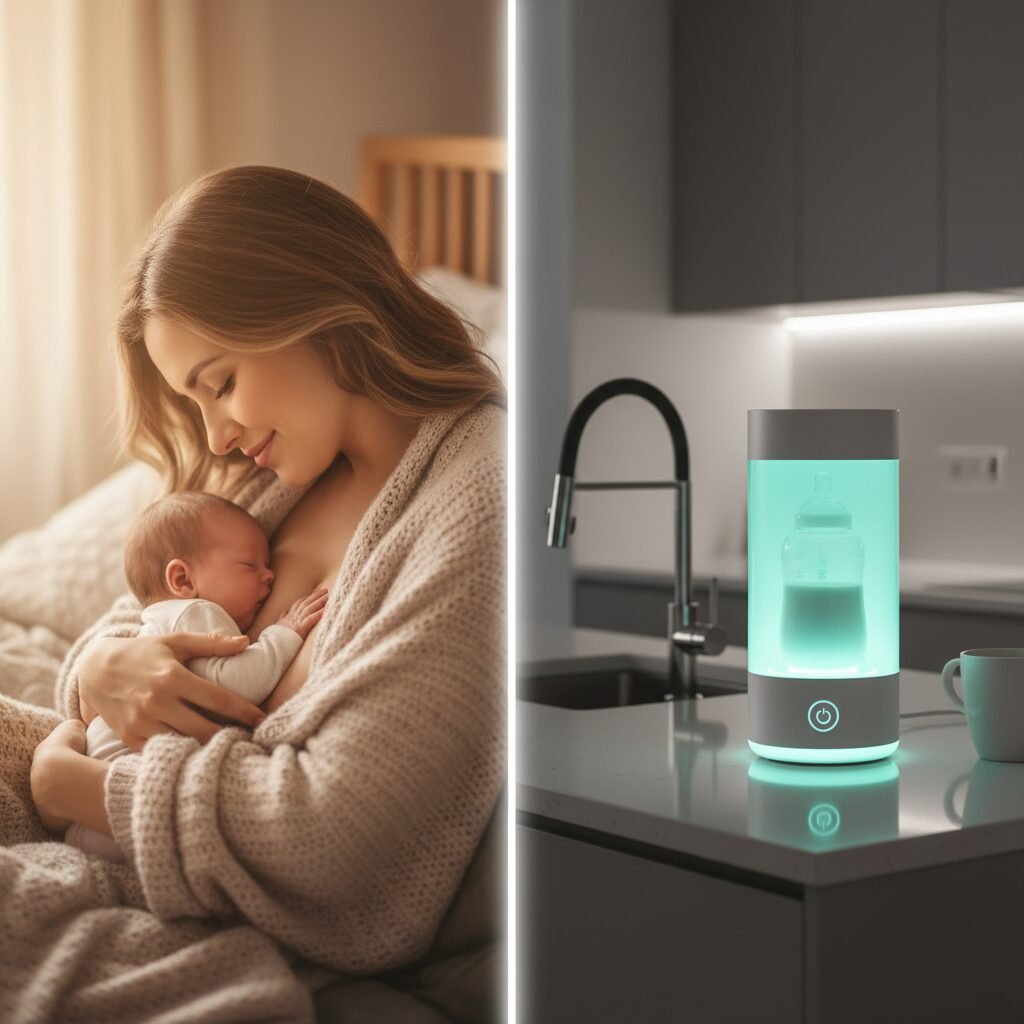
If warming isn’t medically necessary, why has it been the standard for so long? The reasoning is actually quite sweet and logical. It all goes back to mimicking the natural experience of breastfeeding.
When a baby breastfeeds, the milk they receive is naturally at body temperature, around 98.6°F (37°C). It’s warm, comforting, and exactly what they’re biologically programmed to expect. When formula and bottle-feeding became more common, the goal was to replicate that natural, nurturing experience as closely as possible. Warming the bottle was a simple and effective way to do that.
Here are a few reasons why the tradition has stuck around:
- Comfort and Closeness: For many babies, the warmth of the milk is soothing. It can feel more familiar and comforting, especially for newborns who are just getting used to the world.
- Easier Mixing: Powdered formula, particularly older versions, sometimes mixed more easily in warm water, preventing clumps that could clog the nipple. Modern formulas have improved greatly, but the habit remains.
- A Perceived Digestive Aid: Some parents believe warm milk is easier for a baby to digest. While there’s no strong evidence for this in healthy babies, the idea feels intuitive. For very fragile infants, like preemies, there can be a metabolic benefit, which we’ll discuss later.
Ultimately, warming milk became a cultural norm—an act of care passed down through generations. But as we’ve learned more about infant health and nutrition, we’ve realized that while it’s a lovely gesture, it’s not a mandatory step for a healthy, happy baby. The real key is a full tummy and a loving caregiver, not the temperature on the thermometer.
The Perks of Going Cold: More Than Just Extra Sleep!

Embracing the cold bottle can feel like unlocking a parenting superpower. The most obvious benefit is, of course, getting back to bed faster during those nighttime feedings. But the advantages don’t stop there. Giving up the warmer can streamline your routine in so many ways.
Here are some of the game-changing benefits:
- Time-Saving Convenience: This is the big one. No more waiting 3-5 minutes for a warmer to heat up while your baby fusses. You can grab a pre-made bottle from the fridge and feed them immediately. Those minutes add up to hours of saved time and reduced stress over the weeks and months.
- Effortless Outings: Packing a diaper bag becomes infinitely easier. You no longer need to haul around a thermos of hot water or a portable bottle warmer. Simply pack a chilled bottle in an insulated bag with an ice pack, and you’re ready for a day out. Feedings at the park, in the car, or at a friend’s house become stress-free.
- Consistency for All Caregivers: It simplifies instructions for grandparents, babysitters, or daycare providers. There’s no guesswork about the ‘perfect’ temperature. ‘Grab a bottle from the fridge’ is as simple as it gets, ensuring your baby gets fed consistently and safely.
- Reduces the Risk of Burns: While rare, overheating milk is a real danger. Microwaving is a major no-no as it creates dangerous ‘hot spots,’ and even bottle warmers can sometimes overheat the milk if not used correctly. Serving it cold eliminates this risk entirely.
By getting your baby accustomed to cold or room-temperature milk early on, you’re giving them (and yourself) the gift of flexibility. They’ll be less picky about temperature, making your life as a parent so much smoother.
How to Safely Introduce and Serve Cold Milk

Ready to give it a try? Fantastic! The key is to make the transition smooth and gentle. Some babies will take to a cold bottle immediately without a second thought, while others might need a little time to adjust. Here’s a simple, step-by-step guide to introducing cold milk safely.
A Gentle Transition Plan:
- Start with ‘Cool,’ Not ‘Ice-Cold’: Don’t go straight from a perfectly warmed bottle to one that’s frosty from the back of the fridge. For the first few tries, just take the chill off. You can run the bottle under lukewarm (not hot!) tap water for 30 seconds, or simply let it sit on the counter for 10-15 minutes.
- The Gradual Temperature Drop: If your baby is resistant, try a gradual approach over a few days. Warm the bottle a little less each time. This allows their palate to adjust slowly without a sudden shock.
- Offer It When They’re Hungry (But Not Starving): A baby who is frantically hungry is less likely to accept something new. Try offering the cooler bottle when they are showing early hunger cues (like rooting or sucking on their fists) but before they are crying hysterically.
- Watch Their Cues: Your baby is the expert on what they like. If they clamp their mouth shut, turn their head away, or cry after tasting it, don’t force it. You can try again at the next feeding or the next day. Patience is everything!
CRITICAL SAFETY WARNING: Never, ever use a microwave to heat breastmilk or formula. Microwaving creates uneven heating, leading to dangerous hot spots that can severely burn your baby’s delicate mouth and throat. Always swirl the bottle (don’t shake, as this can create air bubbles) and test the temperature on your inner wrist if you do warm it.
Here’s a quick guide to different milk temperatures you might encounter:
| Temperature | Description | Best For… |
|---|---|---|
| Cold (Right from Fridge) | Approx. 38-40°F (3-4°C) | Babies who have accepted it, maximum convenience. |
| Cool (Fridge + Counter) | Approx. 50-60°F (10-15°C) | A great starting point for transitioning from warm milk. |
| Room Temperature | Approx. 68-72°F (20-22°C) | Easy for on-the-go with pre-mixed formula or milk that’s been out for a short time. |
| Warm (Body Temp) | Approx. 98.6°F (37°C) | Mimics breastfeeding; the traditional comfort temperature. |
Are There Any Babies Who *Shouldn’t* Have Cold Milk?

While cold milk is safe for the vast majority of infants, there are a few important exceptions to keep in mind. In certain situations, the energy a baby’s body uses to warm up cold milk internally is energy that could be better spent on growth and development. This is why a conversation with your pediatrician is always the most important step.
When to Stick with Warm Milk:
- Premature Babies: Preemies, especially those who have spent time in the NICU, have to work much harder to regulate their own body temperature. Giving them warm milk allows them to conserve precious calories and energy for growth, which is their most important job. Hospitals almost always serve milk warmed for this very reason.
- Infants with Certain Health Conditions: Babies with specific medical or digestive issues might benefit from warmed milk. Your pediatrician or a pediatric gastroenterologist will provide specific guidance if this applies to your child.
- A Strong, Unwavering Preference: At the end of the day, some babies simply have a preference! If you’ve tried a gentle transition and your little one consistently and vehemently refuses a cold bottle, it’s okay to stick with what works. A fed baby is always the goal, and forcing the issue will only create stressful feeding times for both of you.
The bottom line is to always trust your parental instincts and your pediatrician’s advice. If your baby was born prematurely, has a low birth weight, or has any underlying health concerns, please discuss feeding practices with their doctor before making any changes to their routine. Your medical team knows your baby’s specific needs best and can give you the most personalized and safest advice for your family.
Conclusion
So, can babies drink cold milk? For most of you, the answer is a liberating ‘yes!’ We’ve seen that it’s safe, convenient, and can be a total game-changer for tired new parents. It can simplify your nights, lighten your diaper bag, and give you back precious moments you’d otherwise spend waiting by a bottle warmer.
Remember to introduce it gently, watch your baby’s cues, and never hesitate to stick with what works for your family. There is no award for ‘best bottle temperature.’ The only goal is a healthy, happy, and well-fed baby. Whether they prefer their milk warm and cozy or cool and refreshing, you’re doing an amazing job. Trust your instincts, embrace the things that make your life easier, and enjoy every precious moment with your little one. You’ve got this.