

Baby Hiccuping In Sleep? Here Is What It Actually Means
You’ve done it. After the feeding, the burping, the swaddling, and the gentle rocking, your precious little one is finally asleep. You tiptoe out of the nursery, holding your breath, and just as you start to relax, you hear it from the baby monitor: *hic!*… *hic!*… *hic!*. Your heart sinks a little. Are they okay? Are they uncomfortable? Should you go in and check?
Take a deep breath, new parent. You’re not alone in this late-night worry session. As a pediatric nurse and lactation consultant, I’ve reassured countless parents about those surprisingly loud hiccups. The good news is that in the vast majority of cases, hiccups in a sleeping baby are completely normal, harmless, and don’t bother them one bit. Let’s dive into what’s actually happening, why it’s so common, and what you can do to find peace of mind.
What’s Really Happening? The Science Behind Those Tiny Hiccups
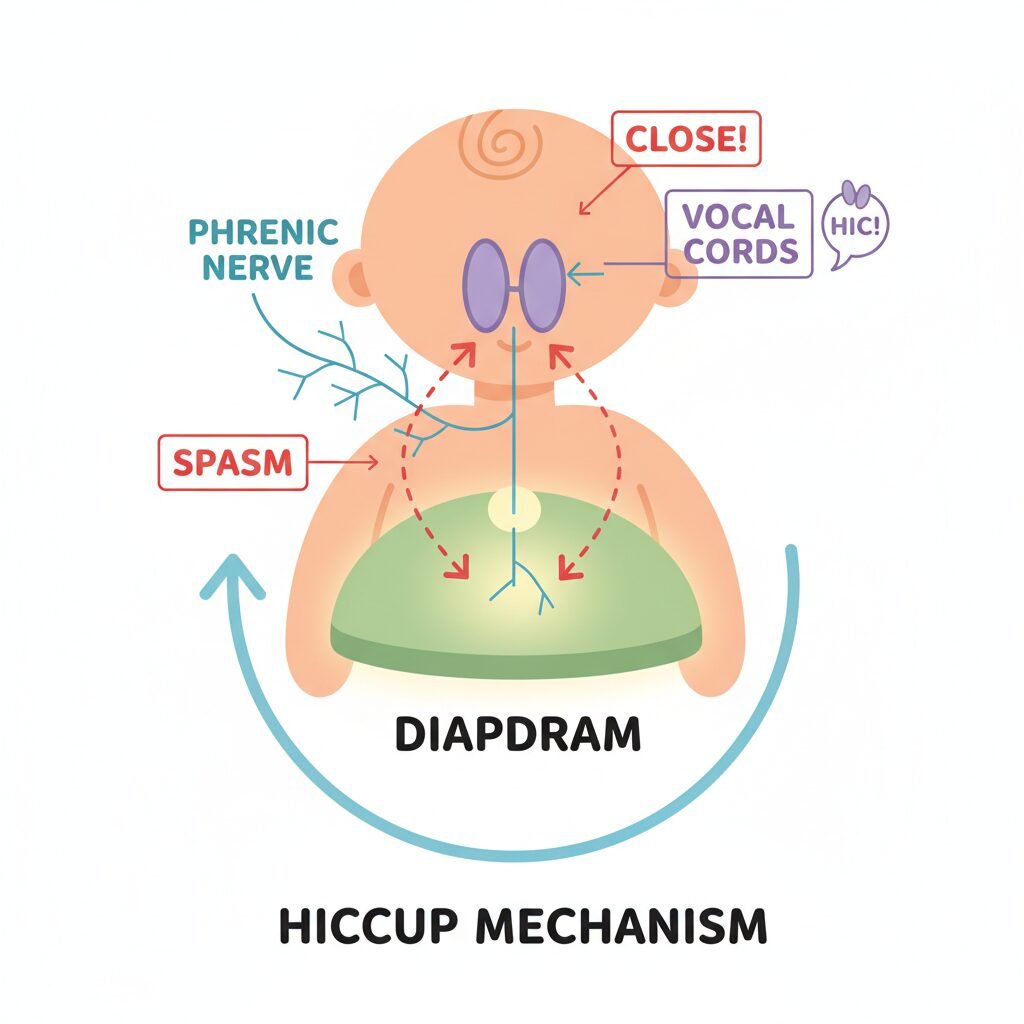
Before we go any further, let’s demystify the hiccup itself. It might sound dramatic, but a hiccup is simply an involuntary spasm of the diaphragm. The diaphragm is a large muscle at the base of the lungs that helps with breathing. When it suddenly contracts, it causes a quick intake of air, and the vocal cords snap shut, creating that classic “hic!” sound.
So, why are our little ones so prone to these diaphragm dance parties? It all comes down to immaturity.
- An Immature Nervous System: A newborn’s nervous system is still a work in progress. The nerves that control the diaphragm, especially the phrenic nerve, are still developing their rhythm. This can lead to them sending some mixed signals, causing the diaphragm to spasm easily. Think of it like a new driver learning to use a clutch—a little jerky at first, but it gets smoother with time.
- Practice for Breathing: Some researchers believe that hiccuping, even in the womb (yes, they do it in there too!), is a way for the baby to test out and strengthen their breathing muscles. It’s like a workout for their respiratory system before they’re even born.
The key takeaway here is that hiccups are a sign of a developing body, not necessarily a sign of distress. Your baby is simply fine-tuning their internal systems, and hiccups are a quirky, audible side effect of that amazing process.
Common Culprits: Why Do Babies Hiccup So Much?

Okay, so we know it’s a diaphragm spasm, but what triggers it? Especially when they’re just lying there sleeping? Most of the time, the cause is related to feeding, which often happens right before a nap or bedtime.
Feeding-Related Triggers
This is the number one cause of baby hiccups. During a feed, a few things can happen that irritate the diaphragm:
- Overfeeding: A baby’s tummy is tiny! When it gets very full, it can expand and press up against the diaphragm, causing it to spasm. This is common when a baby is particularly hungry and eats very quickly.
- Swallowing Air: This is a huge contributor. Babies can swallow excess air if they have a poor latch while breastfeeding, if the nipple flow on their bottle is too fast, or even if they cry a lot before a feeding. This trapped air can distend the stomach just like too much milk can.
- Gastroesophageal Reflux (GERD): Sometimes, hiccups can be linked to reflux. This is when stomach contents (milk and acid) come back up into the esophagus. This irritation can trigger the phrenic nerve and lead to frequent, forceful hiccups, often accompanied by spit-up and discomfort. While a little spit-up is normal (we call it ‘happy spitting’), persistent reflux might need a chat with your doctor.
Other Possible Triggers
While less common, sometimes other things can set off a bout of hiccups:
- Sudden Temperature Changes: A sudden drop in temperature, like during a diaper change or undressing for a bath, can sometimes be enough to trigger a hiccup reflex.
- Excitement or Overstimulation: A big bout of giggles or excitement can also lead to hiccups, though this is more common in slightly older infants.
Often, a baby will have a feed, get a little milk and air in their tummy, and then fall asleep. As they relax, their body starts to process the feed, and that’s when the hiccups can start. They aren’t in pain; their little body is just reacting to being full.
Gentle Solutions: How to Help a Hiccuping Baby (Without Waking Them!)

Your first instinct might be to rush in and do something. But most of the time, the best course of action is to do nothing at all. If your baby is sleeping peacefully through the hiccups, they are not bothered by them. However, if you feel you want to try something, here are some gentle, safe techniques:
- Wait it Out: Patience is your best friend. Most bouts of hiccups will resolve on their own within 5 to 10 minutes. Just observe your baby on the monitor and let their body sort it out.
- Offer a Pacifier: Sucking on a pacifier can help relax the diaphragm and stop the spasms. The rhythmic sucking motion is often enough to reset their system.
- Change Their Position: If your baby has been lying flat on their back, you can try gently picking them up and holding them in a more upright position against your shoulder for a few minutes. Gravity can help, and the position change might be enough to stop the cycle. You can then gently place them back down to sleep.
- Try a Gentle Back Rub: A slow, circular rub or a gentle pat on the back (like you do when burping) can help relax the muscles and sometimes release a trapped air bubble that might be causing the issue.
A Gentle Warning: What NOT to Do
Please, never try old wives’ tales you might find online. These are outdated and can be dangerous for an infant. Never try to startle your baby, press on their eyeballs, pull their tongue, make them hold their breath, or give them a drink of water. A baby under six months old should only have breast milk or formula.
When to Call the Doctor: Differentiating Normal Hiccups from a Sign of Concern

While we’ve established that hiccups are overwhelmingly normal, it’s also important for you to feel empowered and know when something might be amiss. Your parental intuition is powerful, so if you feel like something is wrong, it’s always worth a call to your pediatrician. Hiccups are rarely a medical emergency, but they can sometimes be a symptom of an underlying issue like GERD.
Here’s a table to help you distinguish between typical baby hiccups and hiccups that might warrant a professional opinion:
| Symptom/Behavior | What’s Typically Normal | When to Call Your Pediatrician |
|---|---|---|
| Frequency & Duration | Bouts last 5-15 minutes and can happen several times a day. | Hiccups are almost constant, last for hours at a time, or seem to be increasing in frequency and intensity over days. |
| Baby’s Mood | Baby is calm, content, or sleeping soundly through the hiccups. They don’t seem bothered at all. | Baby is fussy, crying, arching their back, or seems to be in pain during or after hiccuping episodes. |
| Feeding & Spit-Up | Baby spits up a small amount occasionally (a ‘happy spitter’). | Baby is frequently and forcefully vomiting (not just spitting up), refusing to eat, or seems to be in pain after feedings. |
| Breathing | Breathing is normal and rhythmic between hiccups. | Hiccups seem to interfere with breathing, or you notice any wheezing, coughing, or changes in skin color. |
| Weight Gain | Baby is gaining weight appropriately and has plenty of wet and dirty diapers. | Baby is not gaining weight well or is losing weight. |
Trust Your Gut.
This chart is a guide, not a diagnostic tool. At the end of the day, you know your baby best. If you are ever worried about your baby’s hiccups or any other behavior, please don’t hesitate to contact your pediatrician or a nurse advice line. There is no such thing as a silly question when it comes to your child’s health and your peace of mind.
Conclusion
So, the next time you’re on high alert and hear that familiar *hic!* from the nursery, take a moment to pause. Remember the little diaphragm doing its developmental dance. See if your baby is sleeping soundly through it—chances are, they’re perfectly fine, dreaming sweet baby dreams, completely unbothered by their own internal soundtrack.
Hiccups are a normal, albeit noisy, part of the newborn package. By understanding what causes them and knowing the gentle ways to help (if needed), you can trade worry for reassurance. You’re doing an amazing job navigating all the new sounds and experiences of parenthood. Trust your instincts, enjoy these fleeting moments, and know that soon enough, the hiccuping phase will pass, replaced by a new set of adorable quirks. You’ve got this.