

A Simple Newborn Evening Routine for Longer Sleep Stretches
Hello, dear new parent. Take a deep breath. I know you’re probably reading this on your phone in the dark, possibly with a sleeping (or stirring) baby on your chest. The exhaustion is real, and the nights can feel incredibly long. If you’re wondering if you’ll ever sleep for more than two hours at a time again, I’m here to tell you that you will. I’m a pediatric nurse and lactation consultant, and I’ve spent decades helping families just like yours navigate these hazy, beautiful, and challenging early days.
The secret isn’t a magic button or a strict, cry-it-out schedule—especially not for a tiny newborn. Instead, it’s about creating a simple, loving, and consistent evening routine. Think of it as a gentle language you and your baby create together, one that softly whispers, ‘It’s time for a long, peaceful rest.’ This routine helps regulate their brand-new internal clock (the circadian rhythm) and provides a powerful sense of security. Let’s walk through how to build a routine that works for your family, one calm step at a time.
The Magic Hour: Creating a Calm Pre-Bedtime Atmosphere
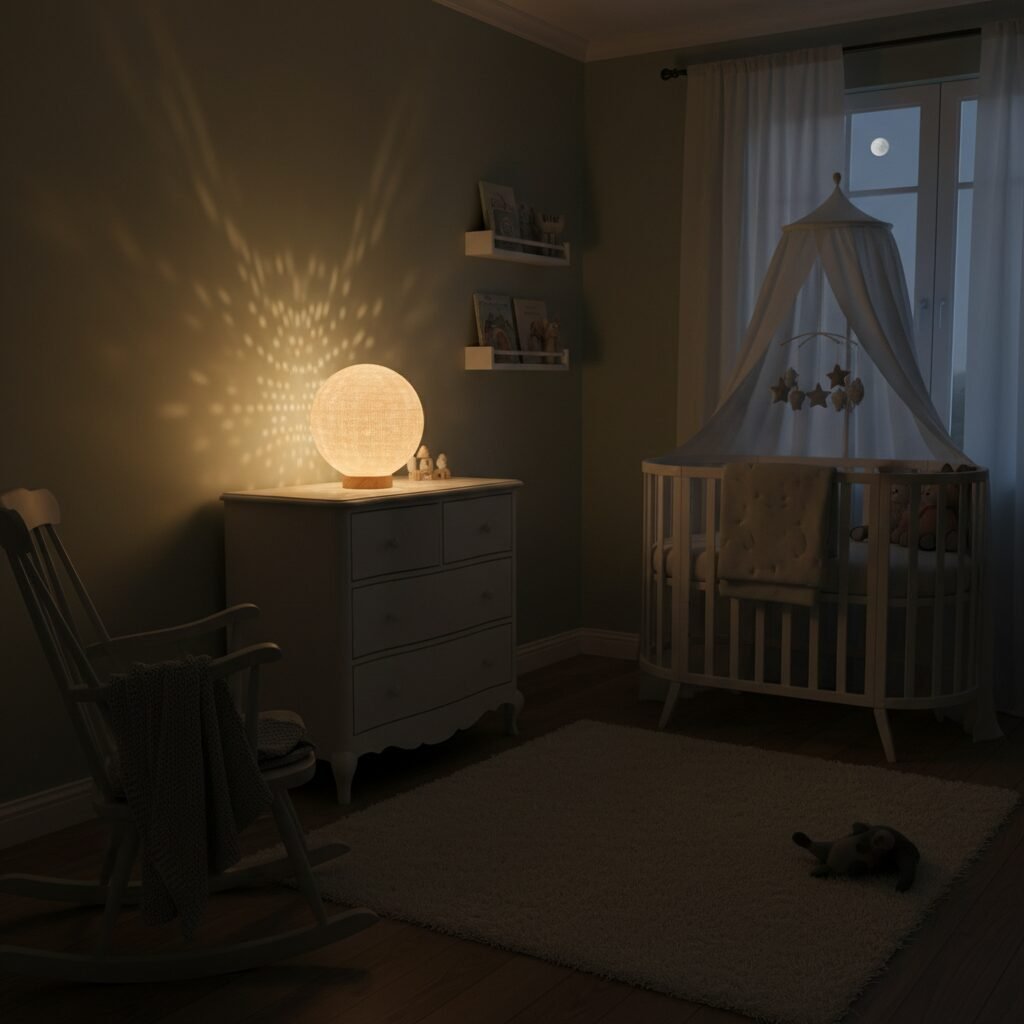
The Magic Hour: Creating a Calm Pre-Bedtime Atmosphere
About 30-60 minutes before you hope for your baby to be asleep for the night, it’s time to signal a shift in the household’s energy. Your newborn is incredibly sensitive to their environment. Bright lights, loud noises, and lots of activity tell their developing brain, ‘Stay awake! Something is happening!’ We want to send the opposite message.
Dim the Lights
This is the single most effective environmental cue you can use. Bright overhead lights, and especially the blue light from TVs, tablets, and phones, suppress the production of melatonin—the hormone that governs sleep. Dim the lights throughout the house, or at least in the room where you’ll be spending this wind-down time. Use warm-toned lamps instead of bright ceiling lights. This simple change tells everyone’s brain, ‘Daytime is over; nighttime is beginning.’
Lower the Volume
Turn off the television. Switch from upbeat music to something soft and instrumental, or enjoy the quiet. Start speaking in softer, lower tones. If you have older children, this can be their quiet reading or drawing time. The goal is to reduce stimulation. Your baby has been processing a world of new sounds all day; this is their time to decompress.
Introduce White Noise
The womb was not a quiet place! It was filled with the constant whoosh of your blood flow and the rhythm of your heartbeat. A continuous, low-rumbling white noise machine can be incredibly comforting to a newborn as it mimics that familiar environment. Turn it on during the wind-down hour and keep it running through the night. Place it across the room from the crib, not right next to it, and keep the volume at a conversational level (around 50 decibels) to protect your baby’s hearing.
A Note on Safety: Always choose a dedicated white noise machine over a phone app to avoid blue light and distracting notifications. Ensure the machine and its cord are well out of your baby’s reach.
Step-by-Step Soothing: The Bath, Massage & Dressing Routine

Step-by-Step Soothing: The Bath, Massage & Dressing Routine
With the atmosphere set, the next layer of our routine involves touch and warmth. These activities are powerful bonding moments that also serve as strong physical cues for sleep. This isn’t about scrubbing your baby clean every single night (which can dry out their delicate skin), but about the ritual itself.
- The Warm Bath: A short, warm bath can be wonderfully relaxing. The key is the slight drop in body temperature that happens when they get out of the tub, which is a natural signal for sleep. Keep the bath brief (5-10 minutes) and the water comfortably warm, not hot. Use a gentle, fragrance-free baby wash a few times a week. On other nights, just a warm water bath is perfect.
- The Gentle Massage: After the bath, pat your baby dry and lay them on a soft towel in your dimly lit, warm room. Using a bit of baby-safe, unscented lotion or oil, give your baby a gentle massage. This is a beautiful way to connect and calm them. Use slow, firm strokes:
- Start with their legs, gently stroking from thigh to ankle.
- Move to their arms, stroking from shoulder to wrist.
- Gently bicycle their legs to help release any trapped gas.
- With a flat palm, make clockwise circles on their tummy.
Talk to them in a soft, soothing voice the entire time. This physical contact releases feel-good hormones for both of you!
- Dress for Sleep: Finally, dress your baby for bed. A clean diaper and comfortable, temperature-appropriate pajamas are all they need. Avoid overdressing your baby, as overheating is a risk factor for SIDS. A good rule of thumb is to dress them in one more layer than you would be comfortable in. If the room is cool, a sleep sack over their pajamas is a safe and cozy option. For newborns who still have a strong startle reflex, this is when you would swaddle them snugly.
The ‘Top-Off’ Feed: Fueling Up for a Longer Sleep

The ‘Top-Off’ Feed: Fueling Up for a Longer Sleep
A full tummy is a sleepy tummy. The last step before you attempt to put your baby down for the night is a final, full feeding. The goal here is to make sure they are completely satiated so hunger doesn’t wake them up prematurely.
Keep it Calm and Boring
This feeding should be different from daytime feeds. Keep it all business—loving, but quiet business. Conduct the feed in the dim, quiet room where they will be sleeping. Avoid a lot of eye contact or playful chatter, which can be stimulating. We want this feed to be associated with sleep, not play.
Breastfeeding or Formula Feeding
Whatever your feeding method, ensure your baby gets a full meal. For breastfeeding mothers, you might offer both breasts. For formula-fed babies, ensure you’ve prepared a full bottle. Let your baby take the lead and stop when they signal they are full (turning their head away, looking relaxed and ‘milk drunk’).
A Thorough Burping
Trapped gas is a notorious sleep thief! Take a few extra minutes to burp your baby thoroughly after this final feed. Try different positions—over the shoulder, sitting up on your lap—to get any stubborn air bubbles out. A gassy baby is an uncomfortable baby, and an uncomfortable baby won’t sleep for long.
| Routine Element | Purpose | Parent Tip |
|---|---|---|
| Dim Lighting | Boosts natural melatonin production. | Start dimming lights 60 minutes before bedtime. |
| Warm Bath | The cool-down after the bath signals sleep. | Keep it short (5-10 mins) and not an every-night necessity. |
| Gentle Massage | Calms the nervous system and promotes bonding. | Use slow, predictable strokes and a soft voice. |
| Full ‘Top-Off’ Feed | Prevents hunger from waking the baby too soon. | Make this feed quiet and ‘boring’ to avoid stimulation. |
The Gentle Lay-Down: Mastering the Crib Transition

The Gentle Lay-Down: Mastering the Crib Transition
This can be the trickiest part of the entire routine. You’ve bathed, massaged, and fed your baby into a state of milky bliss, and now you have to transfer them to their own sleep space without waking them. It’s an art form that takes practice!
‘Drowsy But Awake’
You’ll hear this phrase a lot. The idea is to put your baby down when they are sleepy and calm, but not fully unconscious. Their eyes might be fluttering closed, they may be yawning, but they have a momentary awareness that they are being placed in their crib. This is a foundational skill for independent sleep later on. For a brand-new newborn, this might be too advanced—if they fall asleep in your arms during the feed, that’s perfectly okay! You can work on ‘drowsy but awake’ as they get a little older (around 6-8 weeks).
The Transfer Technique
If your baby is asleep, wait until they are in a deep sleep. You’ll know because their body will be limp and heavy, their breathing will be deep and regular, and they won’t flinch if you lift and drop their arm gently. Then, try this:
- Lead with their bottom: Lower them into the crib so their bottom touches the mattress first, followed by their back, and then their head. This helps prevent the Moro (startle) reflex.
- Keep a hand on them: Don’t just place them and run! Keep a comforting, firm hand on their chest or tummy for a minute or two. The pressure is reassuring.
- Sway the mattress (gently!): If they stir, you can try ever-so-gently jiggling or patting the mattress next to them to soothe them back to sleep.
Safe Sleep is Non-Negotiable: Remember the ABCs of safe sleep. Your baby should be placed Alone, on their Back, in a safe Crib or bassinet with a firm mattress and no loose blankets, pillows, bumpers, or toys.
Troubleshooting & Realistic Expectations: Grace Over Perfection

Troubleshooting & Realistic Expectations: Grace Over Perfection
This all sounds lovely, but what happens when your baby screams through the bath or wakes up the second their back hits the crib? First, know that it’s normal. This is a process, and some nights will be smoother than others.
When Things Go Off-Script
- The ‘Witching Hour’: Many newborns have a fussy period in the late afternoon or evening. If this is the case for your baby, you might need to start the routine earlier, or simply focus on soothing and survival during that time. Cuddling, wearing them in a carrier, and walking around can help. Don’t try to force a routine during a meltdown.
- They Wake on Transfer: If they wake up, don’t panic. Try to soothe them in the crib first with your hand and your voice. If they escalate, pick them up, calm them completely, and try again. It might take a few tries.
- The Routine Feels Too Long: A newborn’s wake windows are very short. If your baby is getting overtired before the routine is even over, shorten it! A quick wipe-down instead of a bath, a 2-minute massage, pjs, feed, and bed. The key is consistency in the *order* of events, not the duration.
What Does ‘Longer Sleep’ Mean for a Newborn?
It’s crucial to have realistic expectations. A newborn’s stomach is tiny, and they need to eat frequently, day and night. ‘Sleeping through the night’ is not a realistic or safe goal for a baby under 4-6 months old. Success in these early weeks looks like this:
| Age | Typical ‘Longest’ Sleep Stretch | What to Expect |
|---|---|---|
| 0-4 Weeks | 2-3 hours | Waking frequently to eat is normal and necessary for growth. |
| 4-8 Weeks | 3-5 hours | You might start seeing one longer stretch emerge at the beginning of the night. |
| 8-12 Weeks | 4-6 hours | Sleep is starting to consolidate as their circadian rhythm matures. |
Remember, the goal of this routine is not to force a baby to sleep longer than they are developmentally ready for. The goal is to create predictable cues that help them feel safe, calm them during fussy periods, and maximize their natural ability to connect sleep cycles, giving you those precious 3, 4, or even 5-hour stretches of restorative sleep.
Conclusion
My dear, tired parent, please remember to be kind to yourself. Establishing a routine is a dance, not a military operation. There will be nights when you do all the steps and your baby still decides to party at 2 a.m. That is okay. The goal is not perfection; it’s consistency and connection. Every calm bath, every gentle massage, every quiet song is an investment in your baby’s sense of security.
Focus on the rhythm: atmosphere, soothing, feeding, and bed. Over time, your baby will learn these cues, and those longer stretches of sleep will come. And in the meantime, know that you are doing the most important work in the world. You are your baby’s safe place. You’ve got this. Now, go get some rest whenever you can.