
Why You Must Clean Your Newborn’s Gums Before Teeth Even Appear
Hey there, new parents! Welcome to the wild, wonderful world of newborn care. You’ve probably spent months researching car seats, mastering the perfect swaddle, and debating diaper brands. But there’s one tiny task that often gets overlooked, one that might even sound a little strange at first: cleaning your baby’s gums. I know what you’re thinking—‘Clean their gums? But there aren’t any teeth yet!’
As a pediatric nurse and lactation consultant for over two decades, I’ve held countless tiny hands and answered thousands of questions from tired, loving parents just like you. And I’m here to let you in on a little secret: establishing oral hygiene from day one is one of the simplest, yet most profound, gifts you can give your child. It’s about so much more than just preparing for that first toothy grin. It’s about setting the foundation for a lifetime of health, preventing common (and uncomfortable) issues, and creating another beautiful bonding moment between you and your little one. So grab a cup of coffee (or let’s be real, reheat it for the third time), get cozy, and let’s talk about why this quick, easy step is a non-negotiable part of your new routine.
The ‘Why’: More Than Just a Gummy Smile
The ‘Why’: More Than Just a Gummy Smile
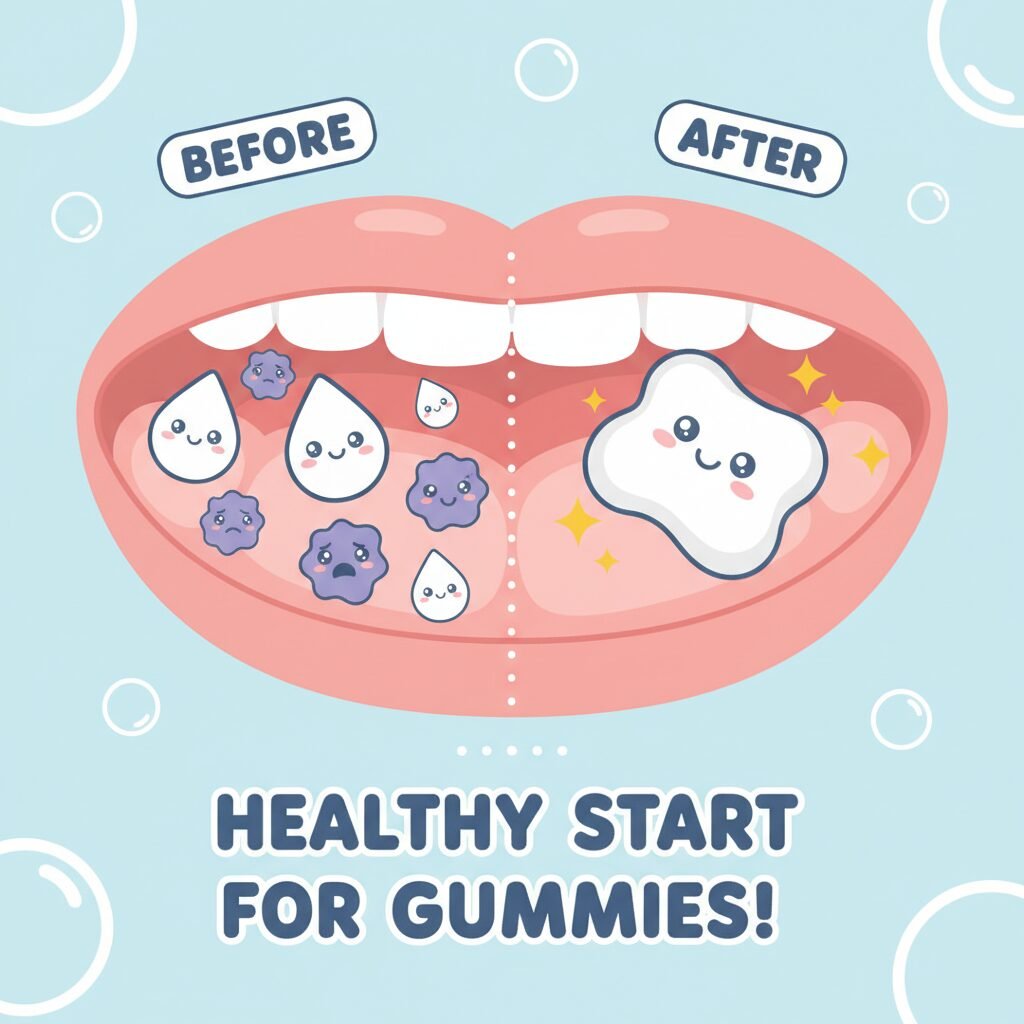
It’s completely logical to wonder why you’d need to clean an empty mouth. But your baby’s adorable, gummy smile is a bustling little ecosystem. Every time they enjoy a feed, whether it’s breast milk or formula, a thin film of milk residue is left behind. Both breast milk and formula contain natural sugars, and just like in our mouths, these sugars can create a welcoming environment for bacteria to thrive.
Preventing Bacterial Buildup and Thrush
The primary reason for cleaning your newborn’s gums is to remove this milky residue. When left to sit, the sugars can feed naturally occurring yeast, potentially leading to an overgrowth known as oral thrush (candidiasis). Thrush presents as white, cottage cheese-like patches on the gums, tongue, and inside of the cheeks that can’t be easily wiped away. It can be quite uncomfortable for your baby, making them fussy and sometimes interfering with feeding. For breastfeeding mothers, thrush can even be passed to your nipples, causing significant pain. A simple daily wipe-down drastically reduces the sugars that yeast feeds on, making thrush much less likely to develop.
Paving the Way for Healthy Teeth
Think of your baby’s gums as the soil in a garden where their future teeth will grow. You want that soil to be as healthy and clean as possible! The same bacteria that can cause issues now are the ones that will later cause tooth decay (cavities) when teeth do emerge. By cleaning the gums, you are physically removing these bacteria and preventing them from forming plaque. When those first little teeth do decide to pop through, they will be erupting into a cleaner, healthier environment, giving them the best possible start.
Getting Your Baby Comfortable with Oral Care
Have you ever tried to introduce something new to a toddler? It can be… a challenge. One of the most brilliant, long-term benefits of cleaning your baby’s gums is desensitization. You are gently and lovingly introducing them to the sensation of having their mouth cleaned. When you make this a normal, everyday part of their routine from the very beginning, it becomes familiar and comforting. By the time you need to switch to a toothbrush and toothpaste, it won’t be a strange or scary new battle. Your child will already be accustomed to the process, making the transition to toddler tooth-brushing infinitely smoother. You’re not just cleaning their gums; you’re building a lifelong habit.
Gathering Your Gentle Gum-Cleaning Arsenal
Gathering Your Gentle Gum-Cleaning Arsenal
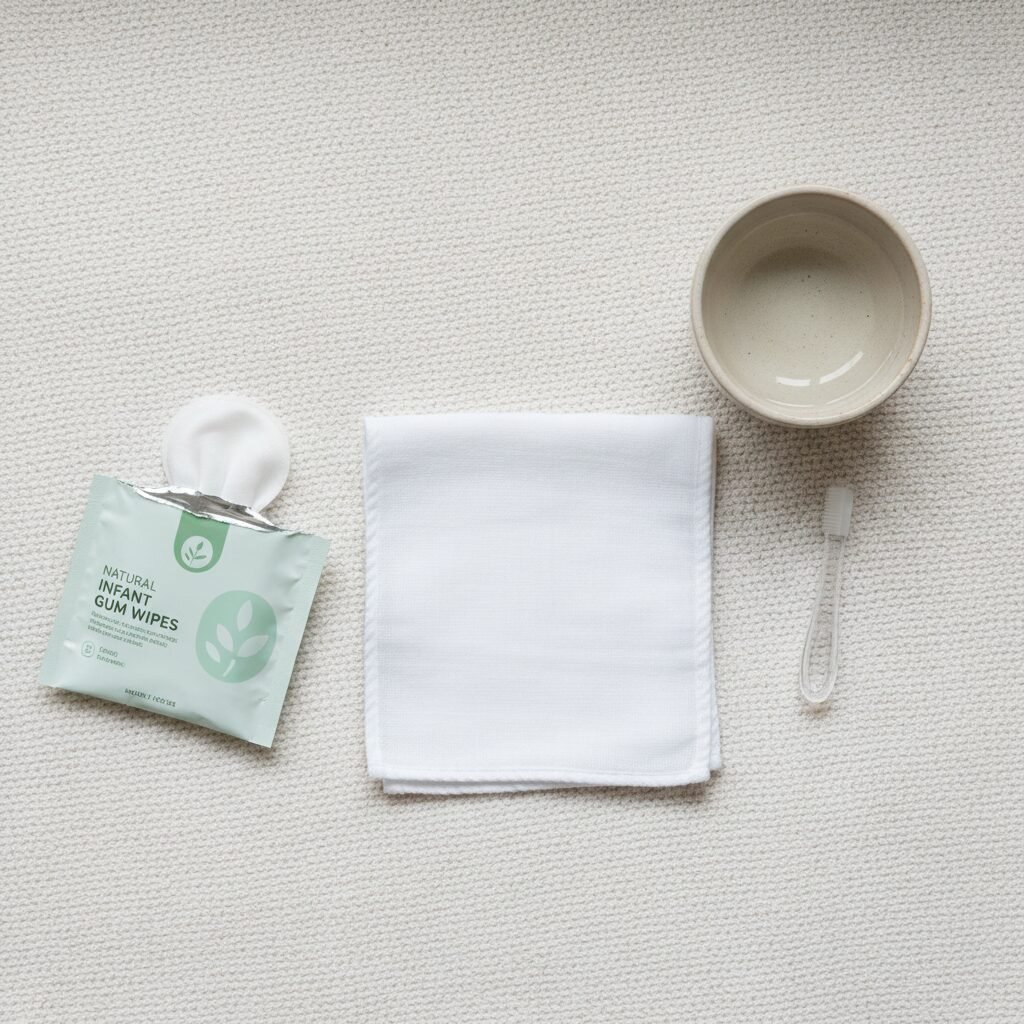
Okay, so you’re convinced! But what do you actually need for this task? The good news is, you don’t need a cart full of fancy equipment. Simplicity is key, especially when it comes to your delicate newborn. Here’s a breakdown of your options, from the simplest to the more specialized.
The Gold Standard: A Soft Cloth and Water
This is all you truly need, and it’s my personal recommendation for starting out. It’s effective, cheap, and gentle.
- What you need: A clean, soft washcloth (choose one dedicated just for this purpose), a piece of sterile gauze, or a muslin cloth.
- How to use it: Simply dampen the cloth with warm (not hot!) water. Make sure it’s not sopping wet; you just want it moist. That’s it! You’re ready to go.
Specialized Tools: Finger Brushes and Wipes
As your baby gets a little older or if you prefer a more modern tool, there are a couple of other great options available.
| Tool | Description | Best For |
|---|---|---|
| Silicone Finger Brush | A small, thimble-like brush made of soft, BPA-free silicone that fits over your index finger. It has tiny, soft bristles on one side. | Babies 3+ months, especially when they start teething. The bristles can provide gentle, soothing pressure on sore gums. |
| Infant Gum Wipes | Pre-moistened, disposable wipes, often made from bamboo or cotton and sometimes flavored with xylitol, which is known to inhibit bacteria. | Convenience, especially when you’re on the go, traveling, or for a quick clean after a middle-of-the-night feed. |
What to AVOID at All Costs
This is just as important as what to use. Your baby’s mouth is incredibly sensitive, and their system is still developing.
Safety First: Never, ever use toothpaste, mouthwash, or any product containing fluoride on a baby who cannot spit on command. Swallowing fluoride toothpaste can be harmful, and other ingredients in adult products are too harsh for your little one.
Stick to plain water until their first teeth appear. Once you see that first pearly white, you can consult your pediatrician or pediatric dentist about introducing a rice-grain-sized smear of baby-safe fluoride toothpaste.
Your Step-by-Step Guide to a Happy Gum Cleaning
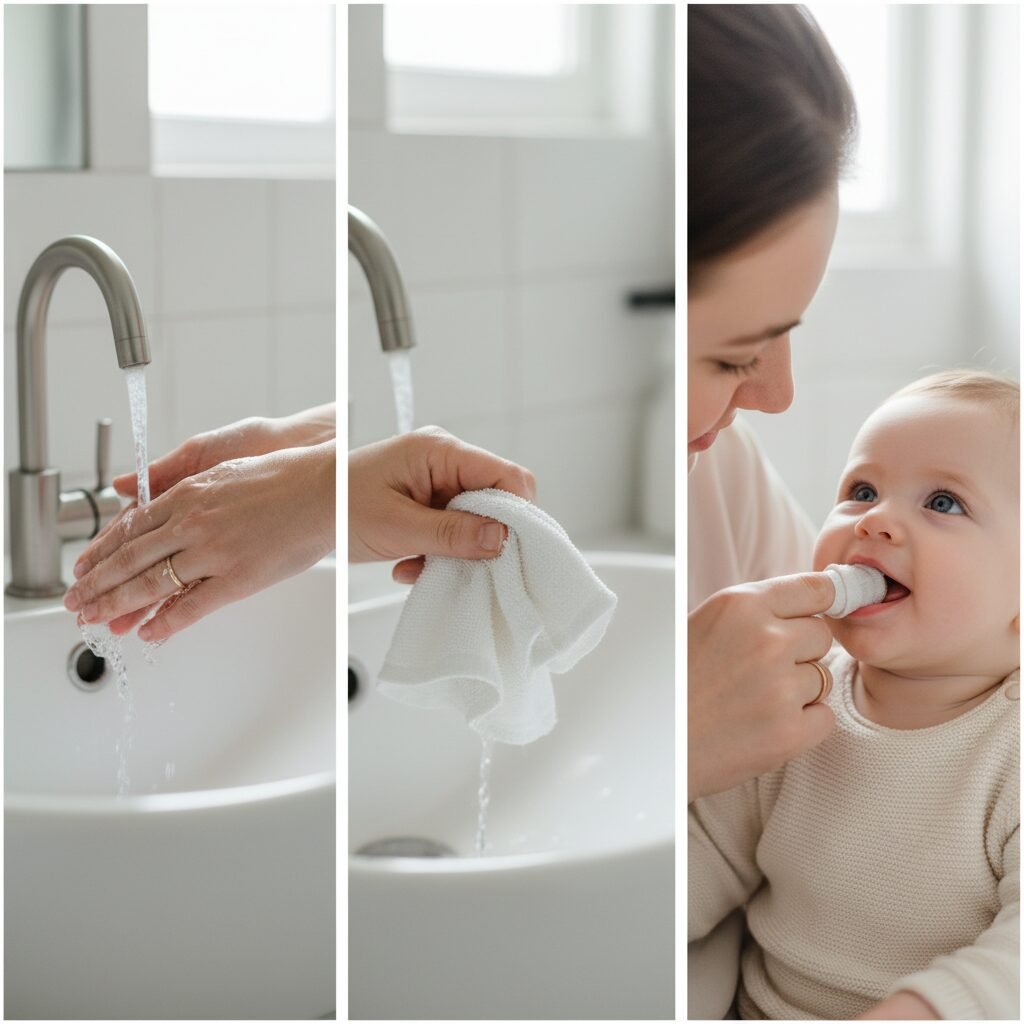
Your Step-by-Step Guide to a Happy Gum Cleaning
This whole process should take less than a minute. The goal is to be gentle, quick, and positive. Turn it into a sweet moment of connection rather than a chore. Here is a simple, step-by-step approach to make it easy and stress-free for both of you.
- Wash Your Hands Thoroughly: This is the most important first step! Always start with clean hands to avoid introducing any unwanted germs into your baby’s mouth. Use soap and warm water and scrub for at least 20 seconds.
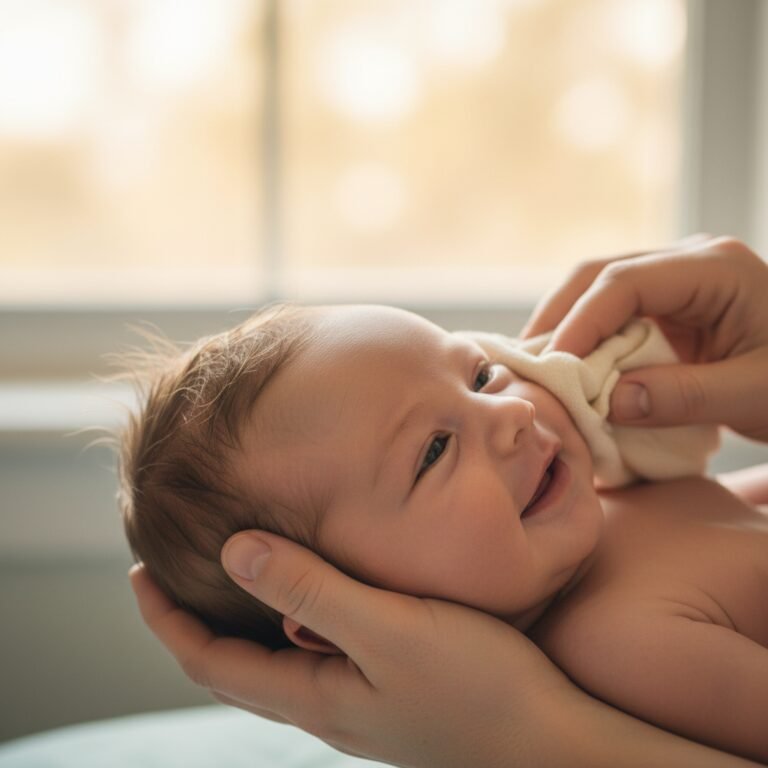
- Get Comfortable and Secure: Find a position where your baby feels safe and you have good access to their mouth. Cradling them in the crook of your arm, with their head resting against your body, works wonderfully. You can also lay them on your lap, with their head near your knees and their feet towards your tummy. This gives you a great view and a loving, face-to-face connection.
- Prepare Your Tool: If you’re using a cloth or gauze, dip it in warm water and wring out any excess. You want it damp, not dripping. Wrap the cloth securely around your index finger, so it forms a smooth, gentle surface.
- Gently Open Baby’s Mouth: Most babies will naturally open their mouth if you gently touch their lip, a reflex tied to feeding. You can make it a game, saying “Aaaah” in a soft, playful voice. Never force their mouth open. A little tickle on the cheek or a soft song can often do the trick.
- Wipe with a Gentle Touch: Once their mouth is open, use your cloth-covered finger to gently but firmly massage their gums. Use a circular motion. Be sure to wipe the lower and upper gums. Don’t forget to give a quick, soft swipe over their tongue and the inside of their cheeks to remove any lingering milk residue.
- Keep it Positive and Quick: Smile, sing a little song, or talk to your baby throughout the process. Tell them what you’re doing in a happy, reassuring tone. The entire cleaning should only take 30-60 seconds. The goal is to build a positive association. When you’re done, reward them with a big cuddle and praise!
Troubleshooting a Fussy Baby
What if your baby isn’t a fan at first? Don’t worry, that’s totally normal. Try these tips:
- Turn it into a game: Make silly faces or use a puppet to ‘help’ you.
- Let them chew: If they are old enough to grasp, you can let them hold and chew on a clean, damp washcloth themselves (under your supervision, of course).
- Try a different time: If they are fussy after a feed, maybe they’re too full and sleepy. Try doing it before a bath when they are often relaxed and happy. Consistency is key, but the exact timing can be flexible.
The Perfect Timing: When and How Often to Clean

The Perfect Timing: When and How Often to Clean
Now that you know the why and the how, let’s nail down the ‘when.’ Like so many things in parenting, the key is finding a routine that works for your family. Consistency is more important than perfect timing.
Finding Your Rhythm
The general recommendation is to clean your baby’s gums at least once a day. However, aiming for twice a day—once in the morning and once before bed—is the ideal goal to set them up for a lifetime of great oral health. This mimics the brushing schedule they’ll adopt as they grow older.
- The Bedtime Clean: If you can only manage once a day, make it after the last feed of the night. This is the most crucial cleaning because it removes the sugars that would otherwise sit in their mouth all night long while saliva production decreases during sleep.
- The Morning Clean: A quick wipe in the morning helps to freshen their mouth and clear away any bacteria that may have multiplied overnight.
Building it Into Your Daily Routine
The easiest way to remember is to ‘bundle’ this new habit with an existing one. This is a classic habit-forming trick that works wonders for busy, sleep-deprived parents!
Consider these opportunities:
- During Bath Time: Bath time is often a relaxed and playful time for babies. While you’re washing their face with a soft cloth, simply use a different, clean corner of it (or a separate cloth) to quickly wipe their gums.
- As Part of the Bedtime Routine: This is my favorite recommendation. Your routine might be: bath, pajamas, feeding, story, gum cleaning, and then a final cuddle before being laid down to sleep. Making it the last step before bed reinforces its importance.
- After a Diaper Change: Link the habit to their morning or evening diaper change. Once they are clean and fresh on the changing table, take 30 seconds to clean their gums while they are lying down and relaxed.
Remember, this isn’t about rigid schedules. It’s about finding a consistent moment in your day to dedicate to your baby’s oral health. Some days will be chaotic, and you might forget—and that is okay! Just pick it back up at the next opportunity. You’re doing a great job.
Your Questions Answered: A Nurse’s FAQ

Your Questions Answered: A Nurse’s FAQ
Over the years, I’ve heard every question and concern in the book. Let’s tackle some of the most common ones I hear from new parents about gum care. Chances are, you’ve been wondering about these, too!
‘What if my baby cries or fusses every time?’
This is so common! It’s a new sensation for them. First, ensure you’re being extremely gentle. If the fussiness continues, try distracting them. Sing a special ‘gummy-gum’ song, make funny faces in a mirror, or try it when they are a little drowsy and relaxed. Also, check the temperature of the water—make sure it’s pleasantly warm. Keep the interaction short and positive, and always follow up with a cuddle or praise. They will get used to it over time, I promise.
‘Is it really necessary if I’m exclusively breastfeeding?’
Yes, absolutely! This is a fantastic question. While breast milk is nature’s perfect food and has incredible antibodies, it still contains lactose, which is a form of sugar. That milk residue can still create an environment for bacteria to grow. So, whether your baby is breastfed, formula-fed, or combination-fed, the recommendation to clean their gums remains the same.
‘I think my baby has thrush. Does cleaning help get rid of it?’
If you suspect your baby has thrush (remember those stubborn, white patches), your first call should always be to your pediatrician. Thrush often requires an antifungal medication for both baby and, if you’re breastfeeding, for you as well. While cleaning the gums is a wonderful preventative measure because it removes the food source for the yeast, it will not cure an active infection. Continue to clean their gums gently during treatment as advised by your doctor.
‘When should I schedule my baby’s first dental visit?’
The American Academy of Pediatric Dentistry recommends that a child’s first dental visit should be scheduled within six months of the first tooth erupting, or by their first birthday, whichever comes first. This ‘well-baby checkup’ for their teeth allows a dentist to ensure everything is developing correctly and gives you a chance to ask questions and establish a ‘dental home’ for your child. It’s all part of the same proactive, preventative care you’ve already started by cleaning their gums!
Conclusion
See? It’s not so strange after all. That simple, one-minute ritual of cleaning your baby’s gums is a powerful act of preventative care and love. You’re not just wiping away a bit of milk; you’re fighting off bacteria, preventing discomfort like thrush, and laying the groundwork for a lifetime of healthy habits and beautiful smiles. You are teaching your child from their very first days that caring for their body is a normal, gentle, and positive part of life.
So, tonight, when you’re going through your bedtime routine, add this one tiny step. As you gently trace your finger along those perfect, tiny gums, know that you’re doing something amazing for your baby’s future. You’ve got this. Welcome to the club of proactive, gum-cleaning parents!