Stop Washing Your Baby’s Hair Daily! (Here is The Correct Schedule)
Welcome to parenthood! You’ve probably spent countless hours making sure every little thing is perfect for your new arrival, from the softest onesies to the safest car seat. It’s natural to want to keep your precious baby perfectly clean, and that often includes a daily bath with a gentle hair scrub. But what if I told you that this common practice might be doing more harm than good? It sounds counterintuitive, I know!
As a pediatric nurse and lactation consultant who has supported thousands of new families, I want to let you in on a little secret: your baby’s hair doesn’t need to be washed every day. In fact, scaling back is one of the best things you can do for their delicate scalp and hair. Over-washing can strip away natural, protective oils, leading to dryness, irritation, and even making common issues like cradle cap worse.
So, take a deep breath and let go of any guilt. You’re not just saving time and water; you’re actually providing better care for your little one. In this guide, we’ll walk through everything you need to know, from the science behind why less is more to the perfect washing schedule for your baby’s first year, a tear-free washing technique, and how to handle those pesky scalp woes. Let’s dive in and make bath time a simple, joyful, and healthy routine.
The Surprising Reasons to Skip the Daily Suds
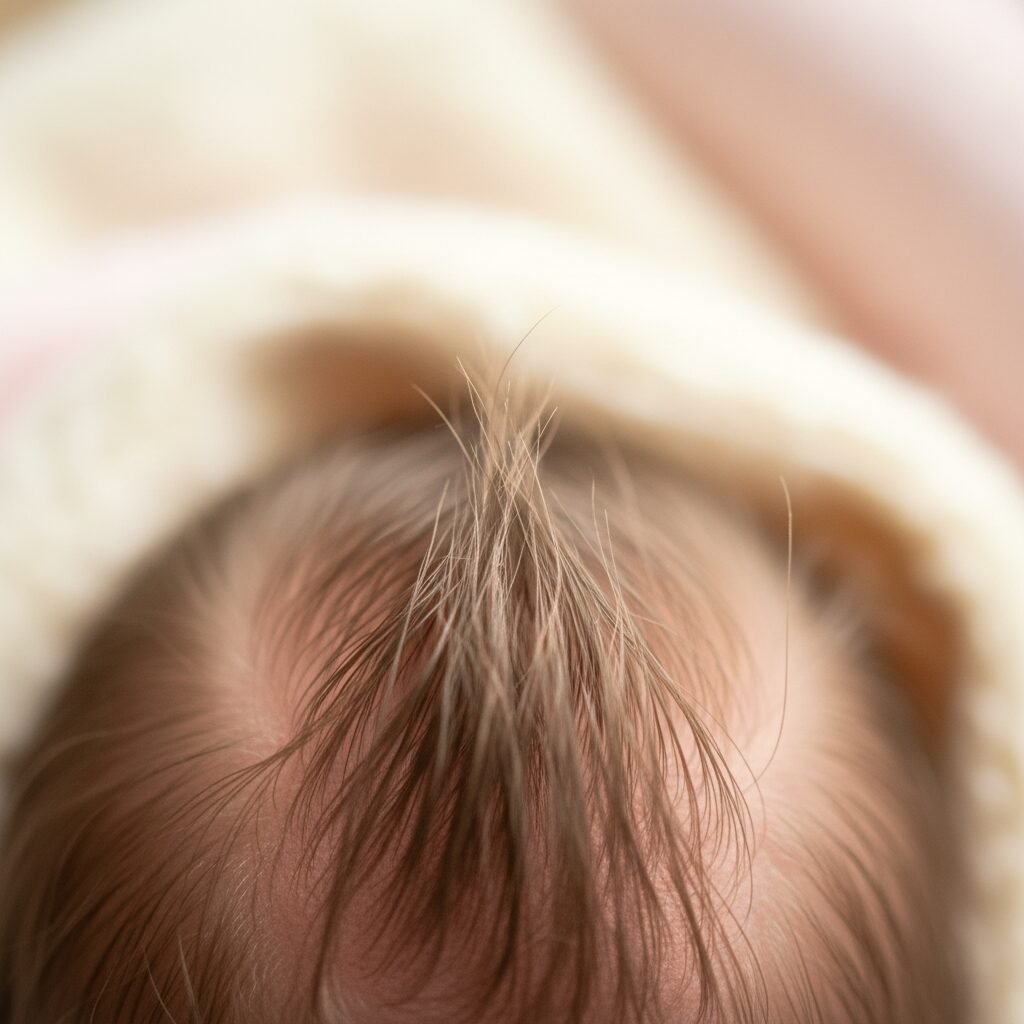
Why Daily Hair Washing is a No-Go for Your Little One
Your baby’s skin is brand new, incredibly soft, and oh-so-delicate. The skin on their scalp is no exception! It’s much thinner and more sensitive than adult skin. Nature has equipped it with a perfect little defense system: natural oils, primarily a substance called sebum. This isn’t the same as the greasy hair you might experience; for a baby, sebum is a protective barrier that keeps the scalp moisturized and healthy.
Protecting Those Precious Natural Oils
When you wash your baby’s hair every day with shampoo, even the gentlest kind, you wash away that protective layer of sebum. What happens next? The scalp can become dry, flaky, and sometimes even red and irritated. It’s like washing your own hands a hundred times a day—eventually, they get dry and cracked. Your baby’s scalp is just as susceptible.
The Cradle Cap Connection
Here’s a twist that surprises many parents: sometimes, over-washing can actually make cradle cap (those flaky, yellowish scales) worse. When the scalp is constantly stripped of its oils, it can go into overdrive to compensate, producing even more oil. This excess oil can contribute to the buildup of skin cells that causes cradle cap. By washing less frequently, you allow the scalp to find its natural balance, which can often help prevent or improve the condition.
A Note on Vernix: In the first few days of life, you might notice a waxy, white substance on your baby’s skin and scalp called vernix caseosa. This amazing coating protected your baby’s skin in the womb. It’s incredibly moisturizing and has protective properties, so we recommend leaving it on and letting it absorb naturally rather than scrubbing it off during the first baths.
Ultimately, when it comes to your baby’s hair, a ‘less is more’ approach is truly the gold standard. You’re not being neglectful by skipping a day (or two, or three!); you’re actively preserving the natural, healthy state of your baby’s scalp.
Finding Your Rhythm: A Gentle Hair Washing Schedule

The Perfect Hair Washing Schedule for Your Baby’s First Year
Okay, so daily washing is out. The next logical question is, “How often should I be washing my baby’s hair?” The answer changes a bit as your baby grows and gets into more (adorable) messes. Think of this as a flexible guide, not a strict rulebook. You know your baby best!
Here’s a simple breakdown by age to help you find the perfect rhythm for your family.
| Baby’s Age | Recommended Hair Washing Frequency | Helpful Tips |
|---|---|---|
| Newborns (0-3 Months) | 1 to 2 times per week | Focus on sponge baths. On non-wash days, you can gently wipe the scalp with a warm, damp cloth if needed. Water-only rinses are perfectly fine. |
| Infants (3-6 Months) | 2 to 3 times per week | As your baby gains head control and might be spitting up more, a slight increase can be helpful. This is often when tub baths become more common. |
| Older Babies (6-12+ Months) | 2 to 3 times per week | Once your baby starts solids, things can get messy! You might need to adjust based on how much spaghetti ends up in their hair. On especially hot and sweaty days, an extra wash might be needed. |
Listen to Your Baby’s Scalp
Beyond age, a few other factors can influence your schedule:
- Climate: If you live in a hot, humid climate, your baby might get sweatier, warranting more frequent washes.
- Hair Type: Babies with very thick hair might benefit from slightly more frequent washing than babies with fine, sparse hair.
- Skin Conditions: If your baby has eczema or very sensitive skin, your pediatrician might recommend an even more spaced-out schedule.
Remember, the goal is cleanliness without irritation. If you notice your baby’s scalp seems dry, try spacing the washes out even more. If it seems a little oily or has a slight odor, it might be time for a gentle wash.
The Ultimate Tear-Free Hair Washing Technique
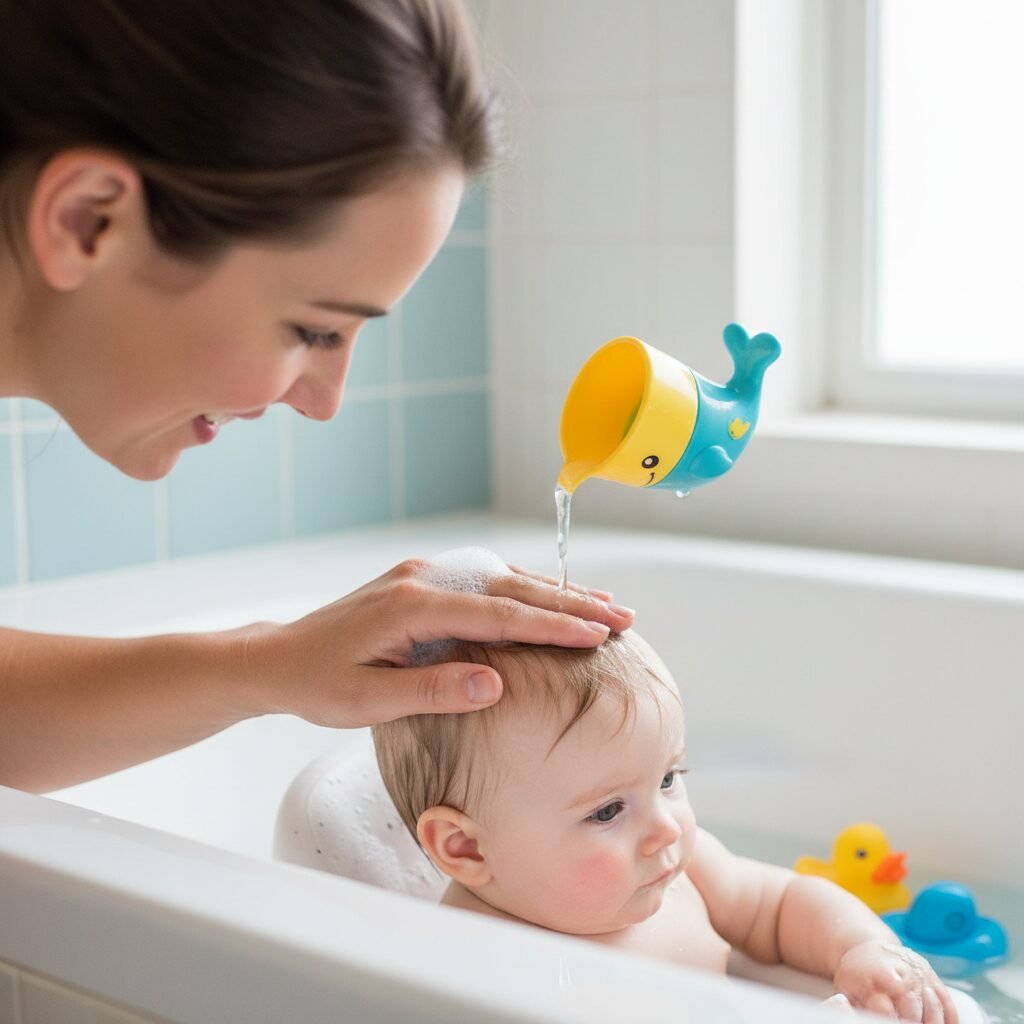
Your Step-by-Step Guide to a Tear-Free Hair Wash
The thought of getting soap and water near your baby’s eyes can be stressful for any parent. But with the right technique, hair washing can be a calm and even enjoyable experience for both of you. It’s all about preparation and a gentle touch.
- Gather Your Supplies: Before you even get the baby near the water, have everything within arm’s reach. You’ll need a tear-free, baby-specific shampoo, a soft washcloth, a cup for rinsing, and a clean, dry hooded towel.
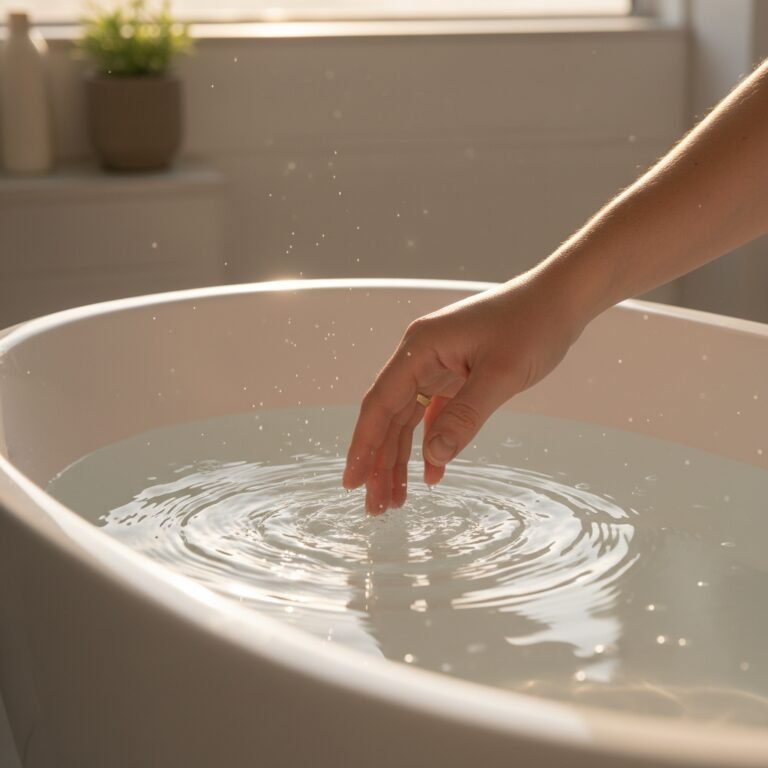
- Check the Temperature: The bathwater should be comfortably warm, not hot. A good target is around 100°F (38°C). If you don’t have a bath thermometer, use the inside of your wrist or elbow to test it; it should feel pleasantly warm.
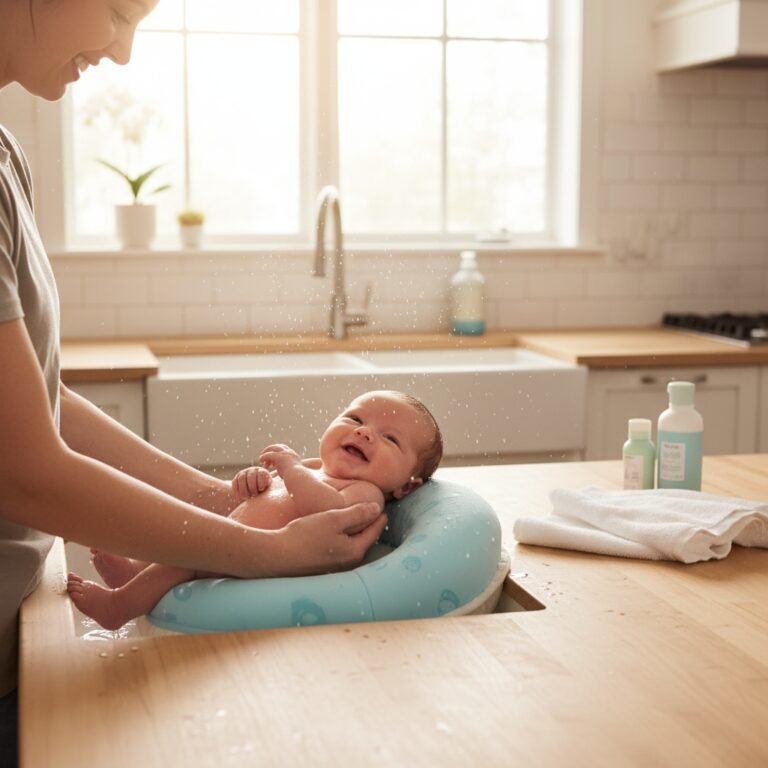
- The ‘Football Hold’ for Newborns: For tiny babies, it’s often easiest to wash their hair separately from the bath. Swaddle them in a towel, hold them securely under your arm (like a football!), and lean them over the sink or baby tub. This keeps their body warm and secure while you just focus on their head.
- A Little Lather Goes a Long Way: You only need a tiny, pea-sized amount of shampoo. Rub it between your wet hands first, then gently massage it onto your baby’s scalp using your fingertips (not your nails). Talk to them in a calm, soothing voice as you do this.
- Rinse with Care: This is the crucial part! To avoid getting water in their eyes and ears, tilt their head back slightly. Use a rinsing cup or a saturated washcloth to gently pour or wipe water over their scalp, directing the flow away from their face. You can also use your other hand to shield their forehead.
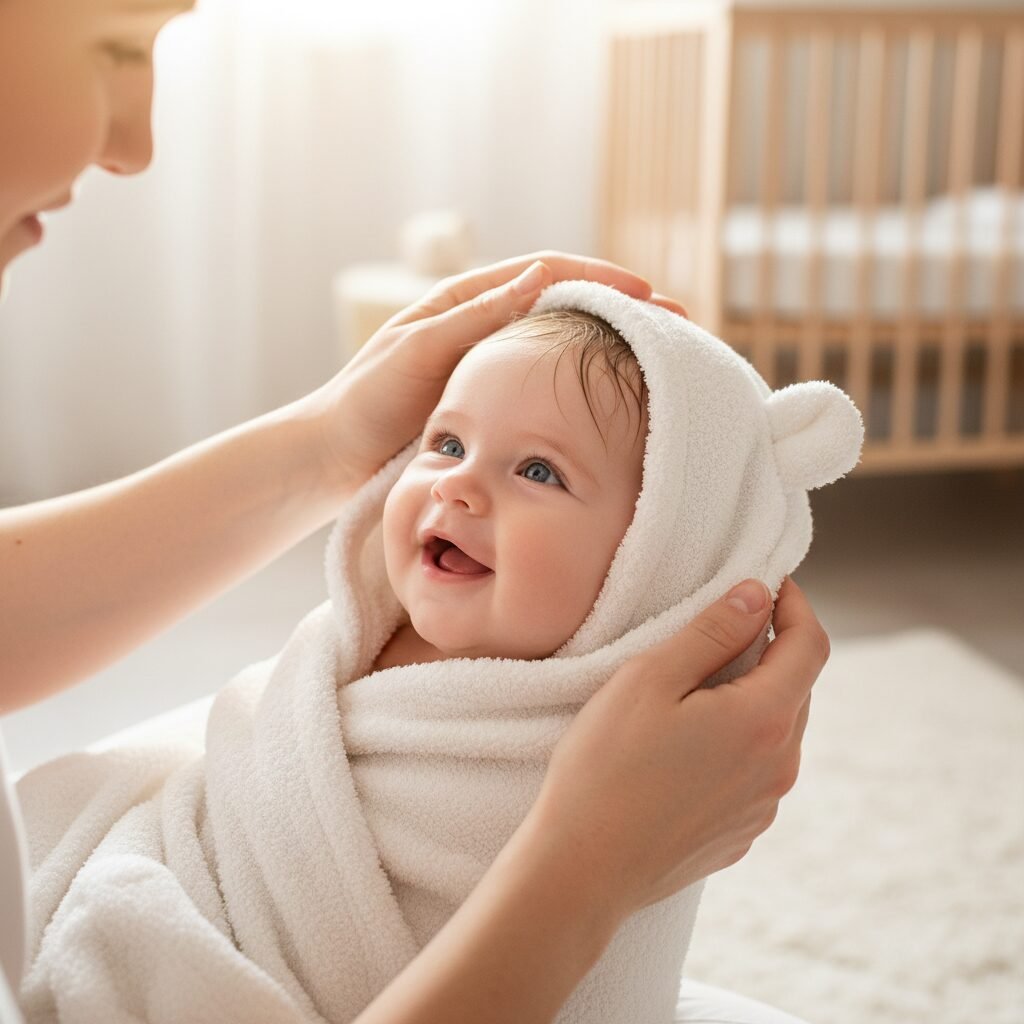
- Pat, Don’t Rub: Once rinsed, gently lift your baby out and wrap them in the hooded towel immediately. Don’t rub their delicate scalp and hair. Instead, gently pat it dry to absorb the moisture.
Safety First, Always: This is the most important step of all. Never, ever leave your baby unattended in or near water, not even for a second. If you forget something, wrap your baby in a towel and take them with you.
With a little practice, this routine will become second nature, and bath time can be a wonderful bonding experience for you and your little one.
Decoding Your Baby’s Scalp: A Guide to Cradle Cap and Dryness
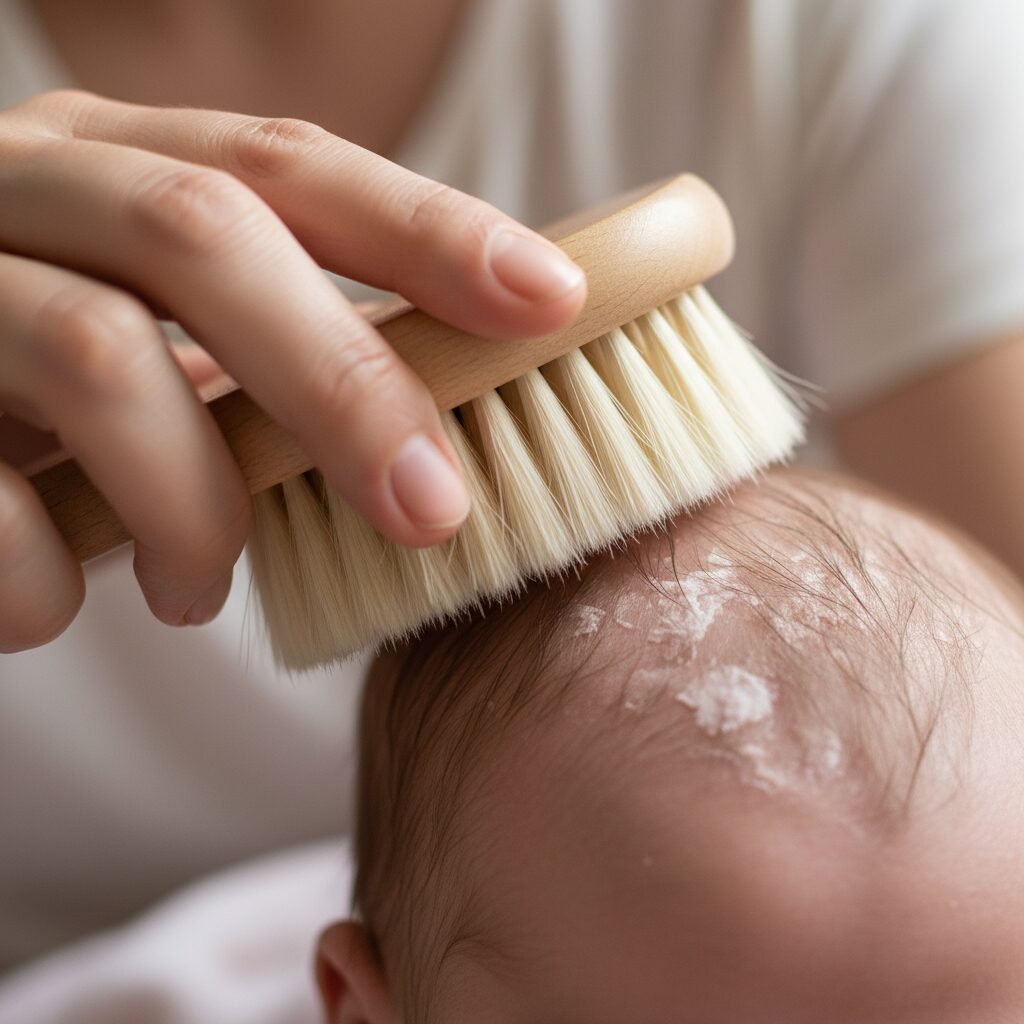
Tackling Common Scalp Woes: Cradle Cap and Dryness
Even with the perfect washing schedule, you might still encounter a few common scalp issues. Don’t worry, this is completely normal! Let’s break down the two most common culprits: cradle cap and general dryness.
What is Cradle Cap (Seborrheic Dermatitis)?
If you see thick, crusty, or oily patches on your baby’s scalp that can be yellowish or white, you’re likely looking at cradle cap. It might look a bit alarming, but it’s very common and is not painful or itchy for your baby. It’s not a sign of poor hygiene, either! It’s thought to be caused by hormones from the mother that linger after birth, causing an overproduction of oil in the oil glands and hair follicles.
Gentle Home Care for Cradle Cap
You can usually manage cradle cap easily at home with these steps:
- Soften the Scales: About 15-30 minutes before a bath, gently massage a small amount of an edible, natural oil (like coconut, olive, or almond oil) onto the affected areas of the scalp. This helps to soften and loosen the scales.
- Brush Gently: After letting the oil sit, use a super soft-bristled baby brush or a special cradle cap comb to gently brush the scalp. The goal is to loosen the flakes, not to scrub them off.
- Wash and Rinse: Proceed with washing your baby’s hair as usual with a mild baby shampoo, making sure to rinse all the oil and loose flakes away.
- Be Patient: Never pick or force the scales off, as this can cause irritation and break the skin. It might take a few treatments for the cradle cap to fully clear up.
Soothing a Dry, Itchy Scalp
If your baby’s scalp seems more dry and flaky than crusty and oily, you’re likely dealing with simple dryness. This can be caused by dry air (especially in winter), over-washing, or a sensitivity to a product. To help:
- Stick to the Schedule: Recommit to washing only 1-3 times per week.
- Humidify the Air: Running a cool-mist humidifier in your baby’s room can add moisture to the air and help combat dry skin.
- Check Your Products: Ensure you’re using fragrance-free, hypoallergenic shampoos and lotions designed for sensitive baby skin.
When to Call the Pediatrician: While most scalp issues are harmless, it’s always best to check in with your doctor if the area looks very red or inflamed, if it starts to spread to the face or other parts of the body, if it seems to be bothering your baby, or if it isn’t improving with gentle home care.
Conclusion
Navigating the world of newborn care can feel like you’re learning a whole new language, and it’s easy to get overwhelmed by all the ‘rules.’ But when it comes to washing your baby’s hair, the main takeaway is simple and freeing: less is truly more.
By scaling back to just a few washes a week, you’re protecting your baby’s delicate scalp, preventing dryness and irritation, and allowing their skin to maintain its natural, healthy balance. You’ve learned how to create a gentle schedule, master a tear-free washing technique, and confidently handle common issues like cradle cap. More than that, you’ve replaced a potentially stressful daily chore with a simple, manageable routine.
So, give yourself permission to skip the daily hair wash. Embrace the simplicity. Enjoy those extra snuggles instead. You’re doing an amazing job, and trusting both your instincts and these gentle guidelines will make the beautiful journey of parenthood just a little bit easier.