That Pink Slime In Your Humidifier Is Making Baby Sick
You’ve done everything to create the perfect, serene nursery for your new baby. The crib is assembled, the blackout curtains are hung, and the white noise machine is ready. You even added a humidifier to keep the air comfortable for those tiny nasal passages. But then you spot it during a refill: a strange, pinkish-orange film lurking in the water tank. Your heart sinks. What is that? And is it harming my baby?
Take a deep breath, you’re in the right place. My name is [Nurse’s Name], and as a pediatric nurse and lactation consultant, I’ve seen this exact scenario play out with countless new parents. That unsettling pink slime is more common than you think, but your concern is completely valid. A baby’s developing immune system is delicate, and the air they breathe needs to be as clean as possible. In this guide, we’ll walk through exactly what that slime is, how it can affect your baby, and a simple, safe plan to get rid of it for good.
Unmasking the Culprit: What Is That Pink Slime in Your Humidifier?
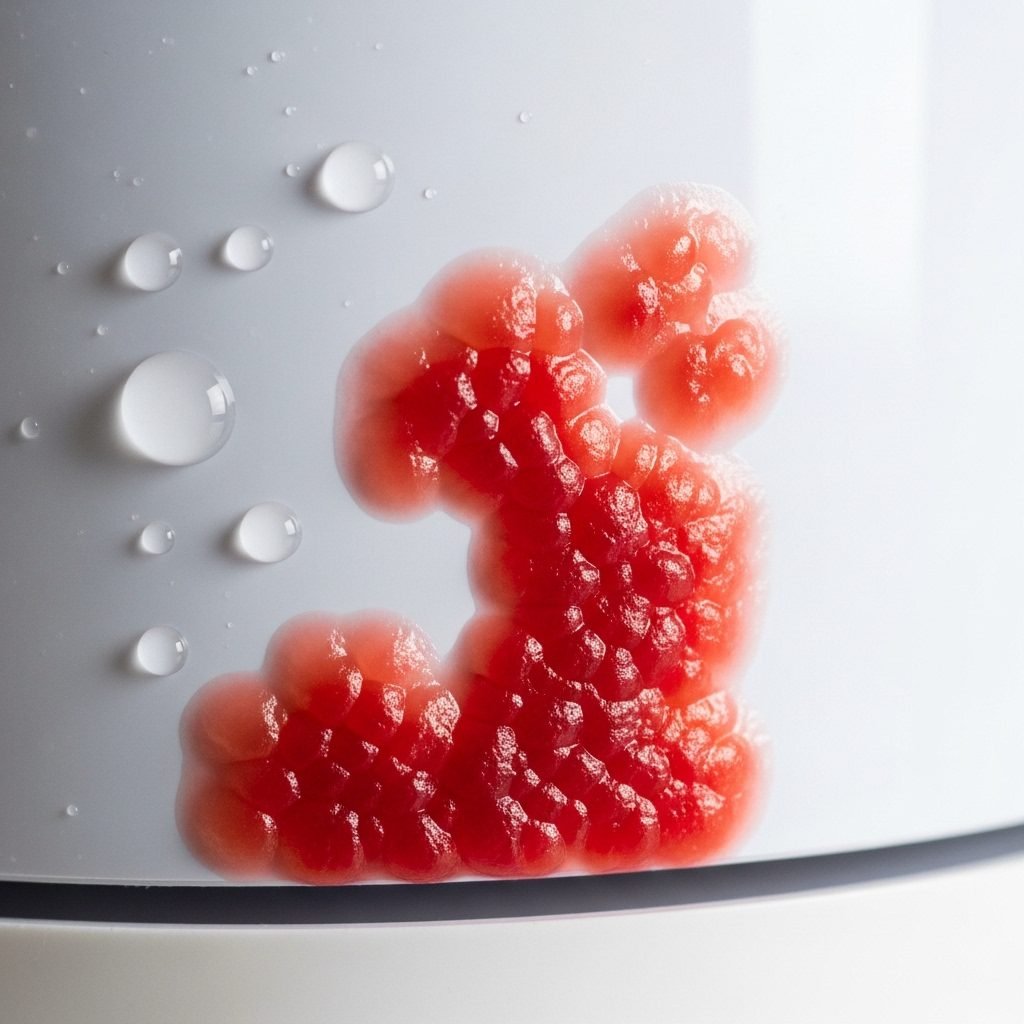
That pink or orange-hued gunk isn’t mold, as many parents fear. It’s actually a biofilm created by a very common airborne bacterium called Serratia marcescens. If that name sounds scientific and scary, don’t worry. This bacterium is found practically everywhere – in soil, dust, and even on our own bodies. It absolutely loves damp, stagnant environments, which is why you’ve probably seen its handiwork before in a shower grout line, on a forgotten wet sponge, or around a sink drain.
So, why has it set up camp in your baby’s brand-new humidifier? Because a humidifier is basically a dream resort for this type of bacteria. It offers:
- Constant Moisture: The water in the tank is the perfect breeding ground.
- Stagnant Water: If the water isn’t changed daily, it sits still, allowing bacteria to multiply.
- Nutrients: Tap water contains minerals that can act as a food source for the bacteria.
Seeing this slime is not a reflection of your housekeeping skills. It simply means the conditions were right for this opportunistic bacterium to thrive. The key isn’t to feel guilty, but to understand what you’re dealing with so you can effectively manage it.
Why It’s a Concern: How Humidifier Slime Can Affect Your Baby’s Health
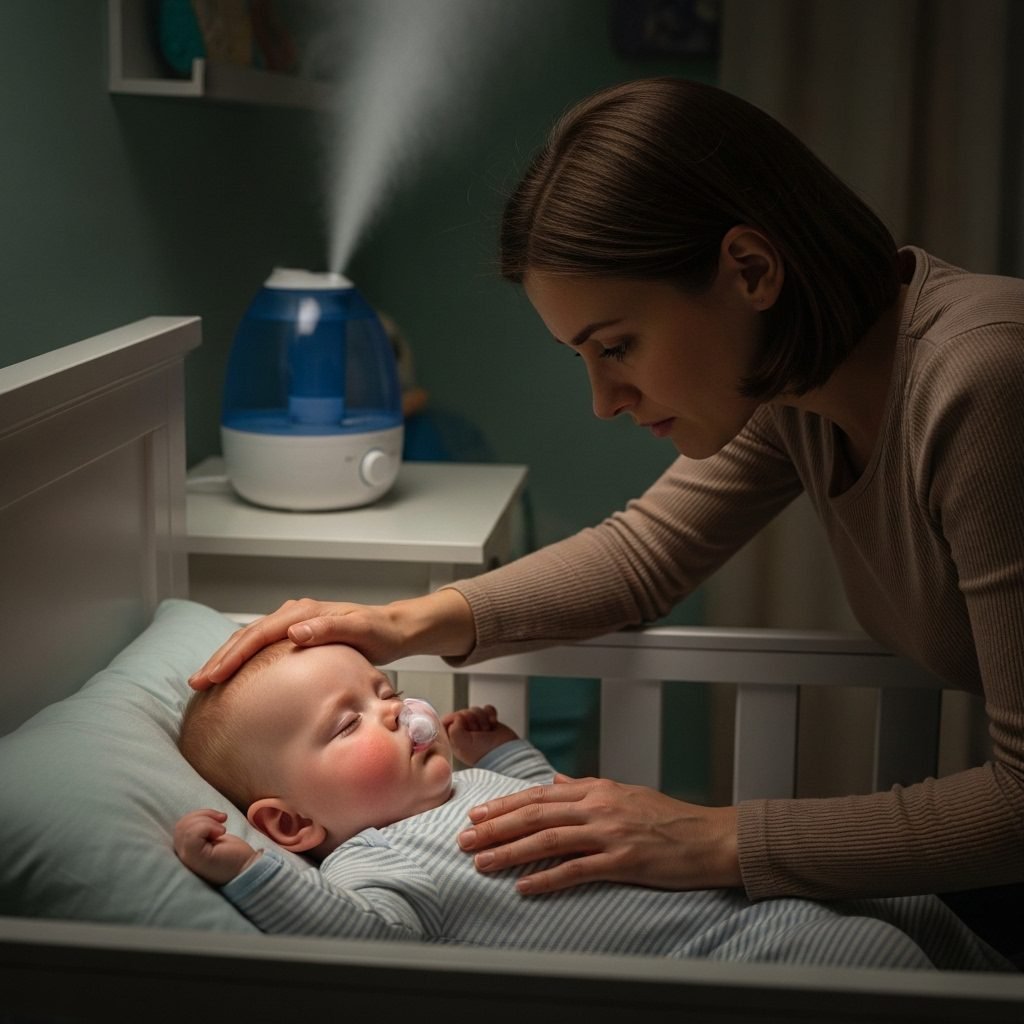
While Serratia marcescens is generally harmless to healthy adults, it’s a different story for our little ones. Babies, especially newborns, have immature immune and respiratory systems. They are simply more vulnerable to environmental irritants.
The main problem with a contaminated humidifier is that it doesn’t just add moisture to the air; it aerosolizes everything in its water tank—including bacteria and their waste products. Your baby then breathes this contaminated mist directly into their delicate lungs. This can lead to a range of issues, from mild irritation to more significant problems.
Symptoms to Watch For in Your Baby:
- Increased Congestion or Runny Nose: If your baby seems stuffier than usual when the humidifier is running.
- Persistent Coughing or Wheezing: A new or worsening cough could be a sign of respiratory irritation.
- Red, Watery, or Irritated Eyes: The aerosolized particles can irritate sensitive eye tissues.
- Skin Irritation: In some cases, contact with the contaminated mist can cause mild rashes.
- Exacerbation of Allergies or Asthma: For babies with a predisposition to these conditions, poor air quality can trigger symptoms.
A Nurse’s Safety Note: While most symptoms will be mild, it’s crucial to monitor your baby’s breathing. If you ever notice them breathing rapidly, flaring their nostrils, or see the skin pulling in around their ribs (retractions), turn off the humidifier and call your pediatrician or seek medical attention immediately. These are signs of respiratory distress.
Your Action Plan: A Step-by-Step Guide to Safely Cleaning Your Humidifier
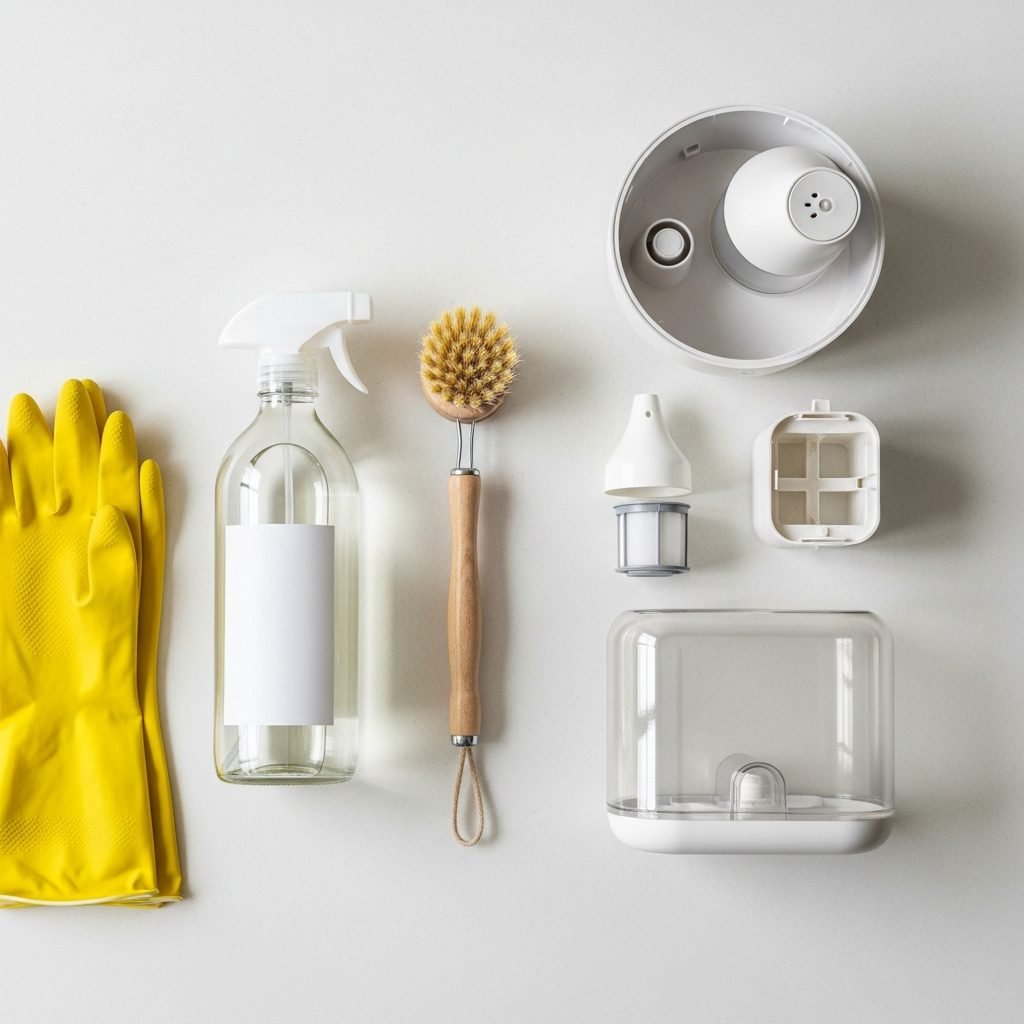
Okay, time to roll up our sleeves and evict that pink slime. A thorough cleaning is non-negotiable. Don’t just rinse it out—that won’t be enough to kill the bacteria. Here’s a safe and effective protocol I recommend to all parents.
Supplies You’ll Need:
- Distilled white vinegar (at least 5% acidity)
- Warm water
- A soft-bristled brush or a dedicated bottle brush
- Clean cloths or sponges
- Rubber gloves (optional, but recommended)
The Deep Cleaning Process (Perform Weekly):
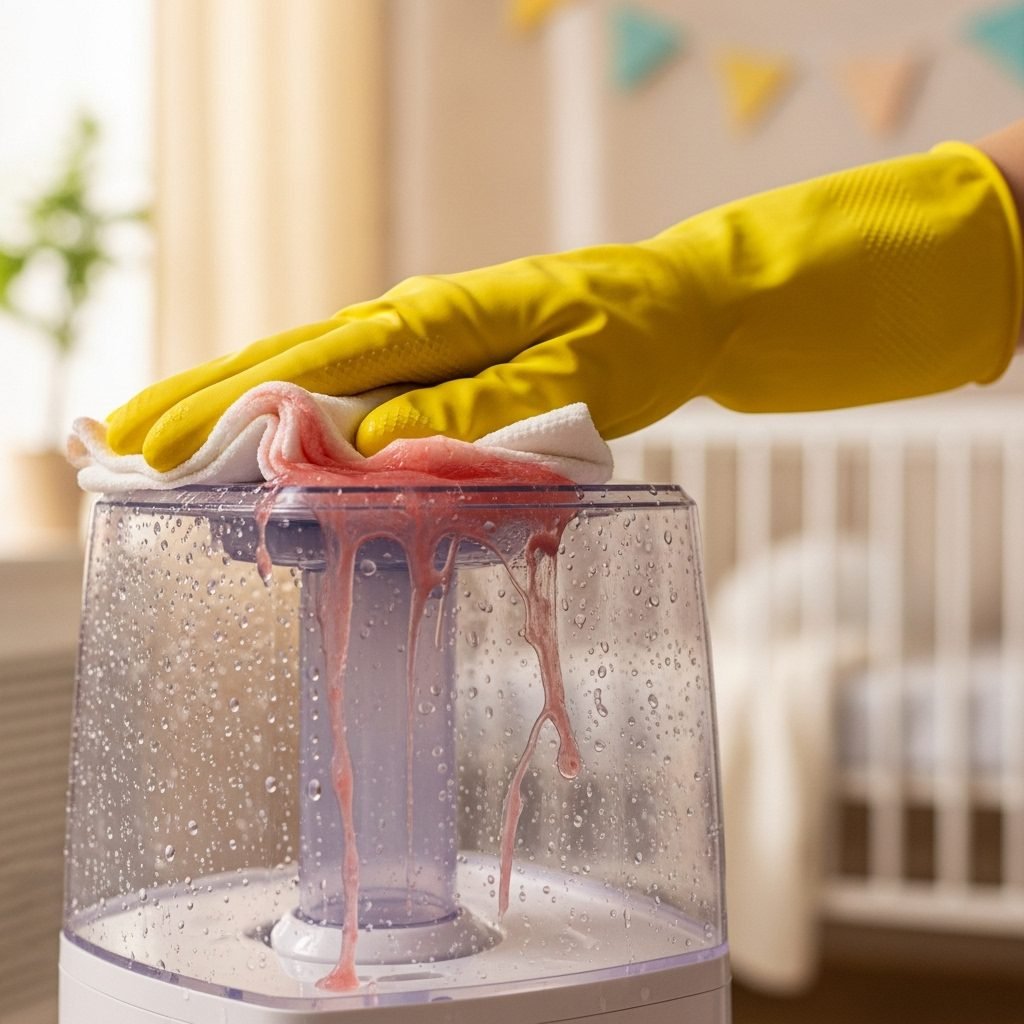
- Unplug and Disassemble: Safety first! Always unplug the unit from the wall. Take the humidifier apart completely—separate the tank, the base, the cap, and any other removable pieces.
- The Vinegar Soak: Create a solution of one part white vinegar to one part warm water. Fill the tank with this solution and let it sit for at least 30-60 minutes. Pour some of the solution into the base as well, making sure to cover all areas where water usually sits.
- Scrub Away: After soaking, use your soft brush to scrub every single surface. Pay special attention to corners, nozzles, and any little nooks where slime can hide. The vinegar will have loosened the biofilm, making it easier to scrub off.
- Rinse, Rinse, Rinse: This step is critical. You need to rinse every component thoroughly with clean water to remove all traces of vinegar and dislodged grime. You don’t want your baby breathing in vinegar fumes.
- Air Dry Completely: Do not reassemble the humidifier while it’s wet! Lay all the pieces out on a clean towel and let them air dry completely. A damp environment is what got us into this mess, so a dry reassembly is key.
Important Tip: Avoid using bleach or other harsh chemical cleaners. While they are effective disinfectants, they can leave behind toxic residues that can be aerosolized and are dangerous for your baby to inhale. White vinegar is a safer, yet still highly effective, choice.
Prevention Power: How to Keep Your Humidifier Clean and Slime-Free
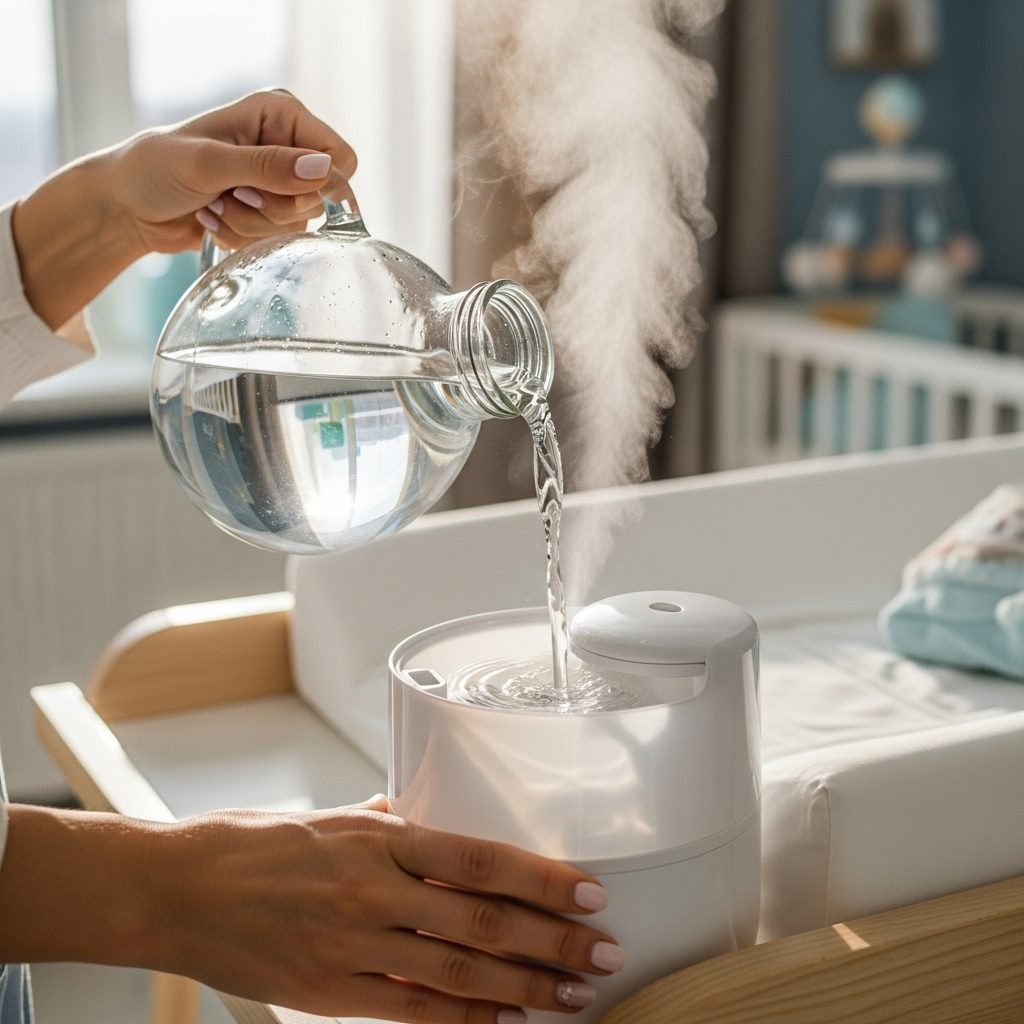
You’ve deep-cleaned the unit, and it’s sparkling. Now, let’s keep it that way. Consistent maintenance is far easier than dealing with another bacterial bloom. By incorporating a few simple habits into your daily routine, you can prevent that pink slime from ever making a comeback.
Daily Habits for a Healthy Humidifier:
- Always Use Distilled Water: This is my number one tip! Tap water is full of minerals that bacteria love to feed on. Distilled or demineralized water has these minerals removed, creating a much less hospitable environment for biofilm growth. It also prevents the white mineral dust you sometimes see from humidifiers.
- Empty and Rinse Daily: Never top off old water. At the start of each day, empty any remaining water from the tank and base, give them a quick rinse with clean water, and wipe them dry before refilling with fresh distilled water.
- Let it Dry Out: If you aren’t going to run the humidifier for a day or two, empty and dry it completely before storing.
To make it even easier, here is a simple schedule to follow. You could even print this out and tape it to the back of the humidifier!
| Frequency | Task | Why It’s Important |
|---|---|---|
| Daily | Empty, rinse, wipe dry, and refill with fresh distilled water. | Prevents water from becoming stagnant and removes the food source for bacteria. |
| Weekly | Perform the full vinegar-soak deep clean. | Disinfects the unit and removes any budding biofilm you can’t see yet. |
| As Needed | Check and replace the filter or wick per manufacturer’s instructions. | A dirty filter can harbor bacteria and mold and reduce the unit’s efficiency. |
When to Call Your Pediatrician: Recognizing Red Flags

You’ve cleaned the humidifier and are following the prevention plan, but you’re still worried about the symptoms your baby was having. As parents, our intuition is a powerful tool. It’s always better to be overly cautious when it comes to your baby’s health.
While mild congestion from the slime is common, you should contact your pediatrician if your baby exhibits any of the following symptoms, as they could indicate a more serious respiratory infection:
- A Fever: For a baby under 2 months, any temperature of 100.4°F (38°C) or higher is an emergency. For older babies, consult your doctor’s guidelines, but generally, a persistent or high fever is a reason to call.
- Labored Breathing: This includes fast breathing, flaring nostrils with each breath, wheezing that you can hear easily, or retractions (the skin sucking in between the ribs or at the neck).
- A Persistent, Hacking Cough: A cough that lingers or sounds deep in the chest warrants a check-up.
- Lethargy or Extreme Fussiness: If your baby is unusually sleepy, difficult to wake, or inconsolably fussy, it’s a sign that something is wrong.
- Refusal to Eat or Signs of Dehydration: Fewer wet diapers, a dry mouth, or no tears when crying are all reasons to call the doctor immediately.
Remember, you know your baby best. If you feel in your gut that something is off, please don’t hesitate to call your pediatrician’s office. Their job is to help and reassure you. There is no such thing as a ‘silly question’ when it comes to your child’s well-being.
Conclusion
Discovering that pink slime in your baby’s humidifier can be alarming, but now you are armed with knowledge and a solid action plan. You know that it’s a common bacterium, not a sign of failure, and you understand the importance of keeping that machine meticulously clean for your baby’s health.
By committing to a simple routine—using distilled water, rinsing daily, and cleaning weekly—you transform the humidifier from a potential hazard into a helpful tool for your baby’s comfort. You’re doing an amazing job navigating the ups and downs of parenthood. Tackling this issue is just one more way you’re creating a safe, loving, and healthy environment for your little one to thrive. Breathe easy, you’ve got this.