A Panic-Free Guide To Giving Your Newborn Their First Sponge Bath
Welcome, new parent! Take a deep breath. You’re about to embark on one of the many ‘firsts’ with your precious little one: the first bath. If the thought of it makes your palms a little sweaty, please know that’s completely normal. We imagine this tiny, fragile human and worry about everything from the water temperature to how to hold them. But I’m here to tell you, as a pediatric nurse who has guided thousands of parents through this exact moment, that you can do this. The first bath isn’t about scrubbing them squeaky clean; it’s a gentle, loving introduction to a new sensation and a beautiful opportunity for bonding. We start with a sponge bath for a very important reason—to protect that healing belly button. This guide will take all the guesswork out of the process, leaving you feeling confident, calm, and ready to make this a sweet memory.
When Is the Right Time for Baby’s First Sponge Bath?

Before you even get out a washcloth, let’s talk about timing. In the hospital, your baby likely received their very first bath from a nurse, but the at-home routine is a little different. The golden rule for starting sponge baths at home is to wait until your baby’s umbilical cord stump has fallen off and the area is completely healed. This is crucial for preventing infection.
So, what does that timeline look like? Typically, the stump will dry up and fall off on its own anywhere from 1 to 3 weeks after birth. Until that happens, you can simply ‘spot clean’ your baby with a damp cloth, focusing on the diaper area, neck folds, and any other little creases that might get milky or messy. There’s no rush!
How Often Should I Bathe My Newborn?
This might surprise you, but newborns don’t need a bath every day. Their skin is incredibly delicate and sensitive, and too much bathing can strip away natural oils, leading to dryness or irritation. For the first few months, 2-3 sponge baths a week is plenty to keep them clean and fresh. On non-bath days, a quick wipe-down of their face, hands, neck, and diaper area is all they need. Remember, this phase is short, so focus on gentle care rather than a strict schedule.
Setting Up for Success: Your Sponge Bath Toolkit
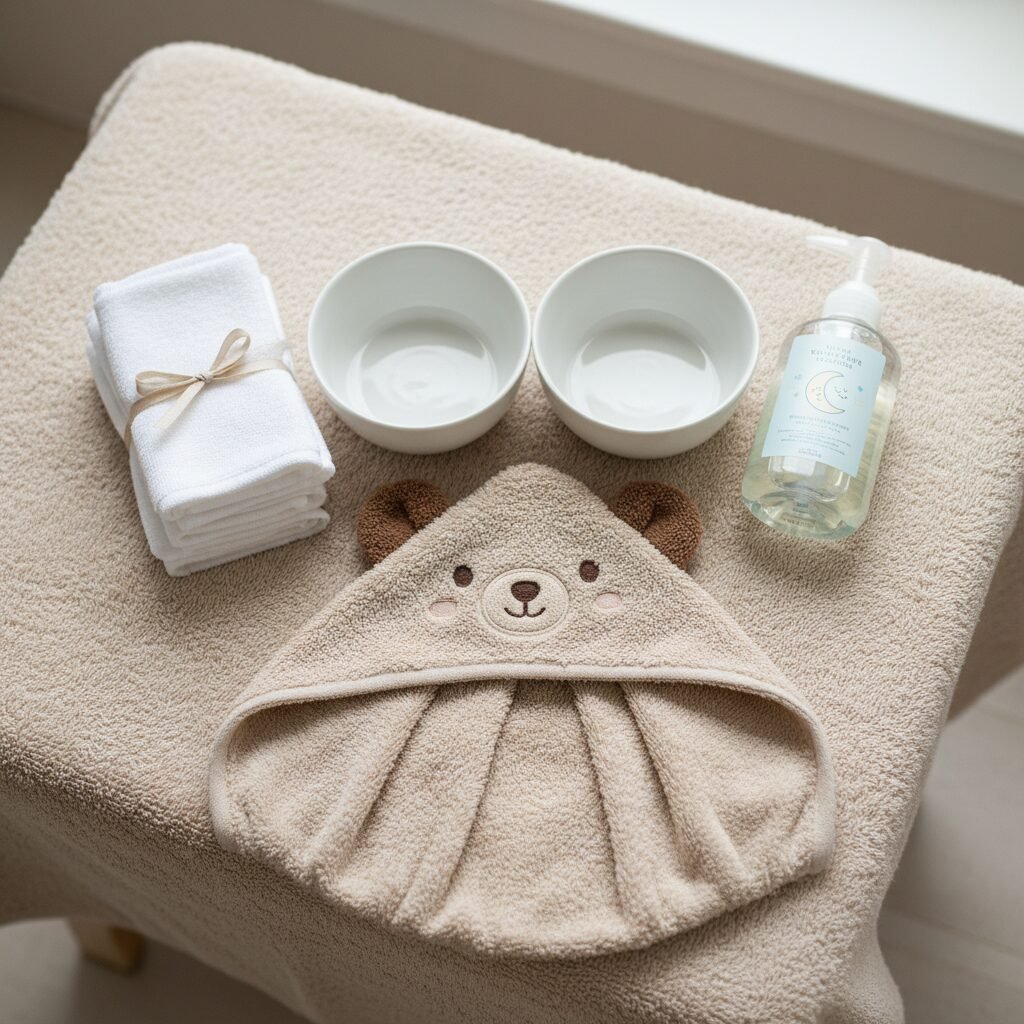
The secret to a ‘panic-free’ bath is having everything you need within arm’s reach before you begin. A calm setup leads to a calm baby (and a calm parent!). Find a warm, draft-free room—aim for about 75-80°F (24-27°C)—and lay out your supplies on a safe, flat surface like a changing table or a bed covered with thick towels.
Here’s your checklist for a seamless sponge bath:
- A Safe Surface: A changing pad with a security strap or a thick layer of towels on the floor or a bed.
- A Soft Landing: A clean, hooded baby towel to lay your baby on and another one for drying.
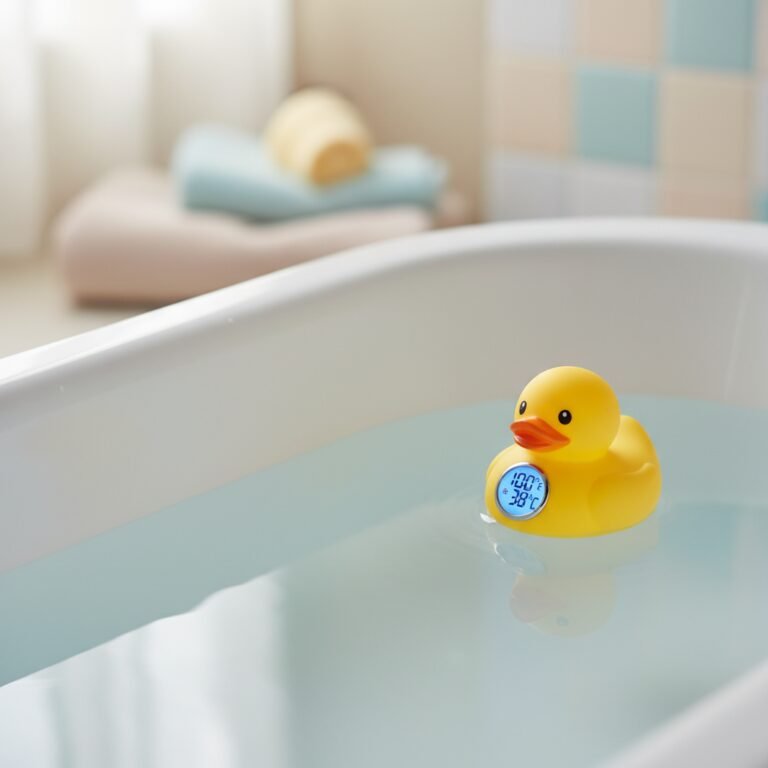
- Warm Water Basins: You’ll want two. One for soapy water and one for clean rinsing water. Small plastic tubs or even clean bowls work perfectly. Test the water with your wrist or elbow; it should feel comfortably warm, not hot (around 100°F or 38°C).
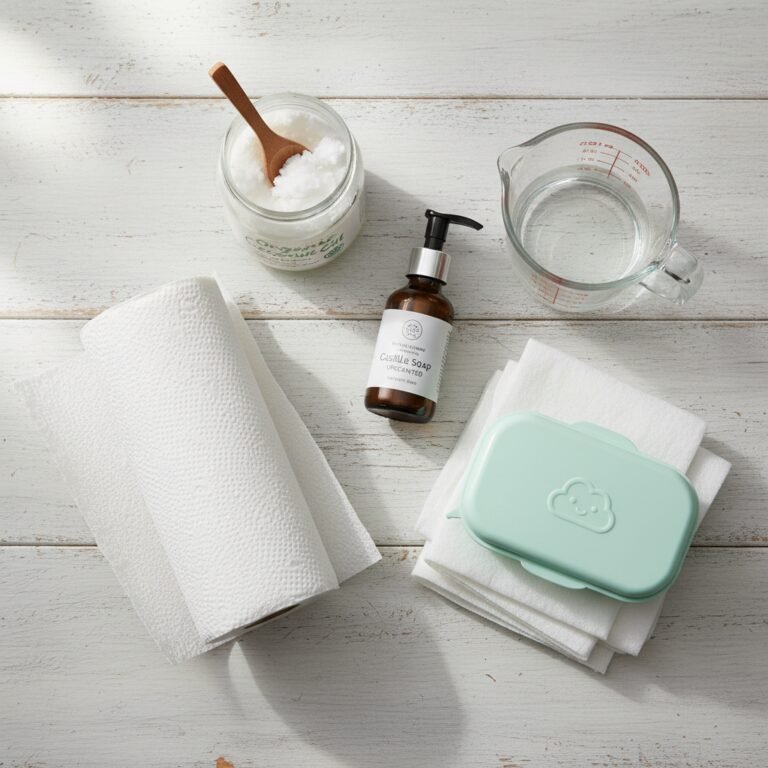
- Gentle Cleansing Tools: A couple of soft baby washcloths or natural sea sponges.
- Mild Baby Cleanser: Choose a mild, fragrance-free, tear-free soap. Honestly, for the first few weeks, warm water is often all you need.
- The After-Bath Essentials: A fresh diaper, a clean set of clothes or pajamas, and if you use it, a gentle baby lotion or cream.
A Critical Safety Reminder: Once your baby is on the changing surface, one hand should remain on them at all times. Never, ever turn away or leave your baby unattended, not even for a single second, near water or on a high surface. If you forget something, wrap your baby securely in a towel and take them with you.
Your Step-by-Step Guide to a Calm and Gentle Sponge Bath
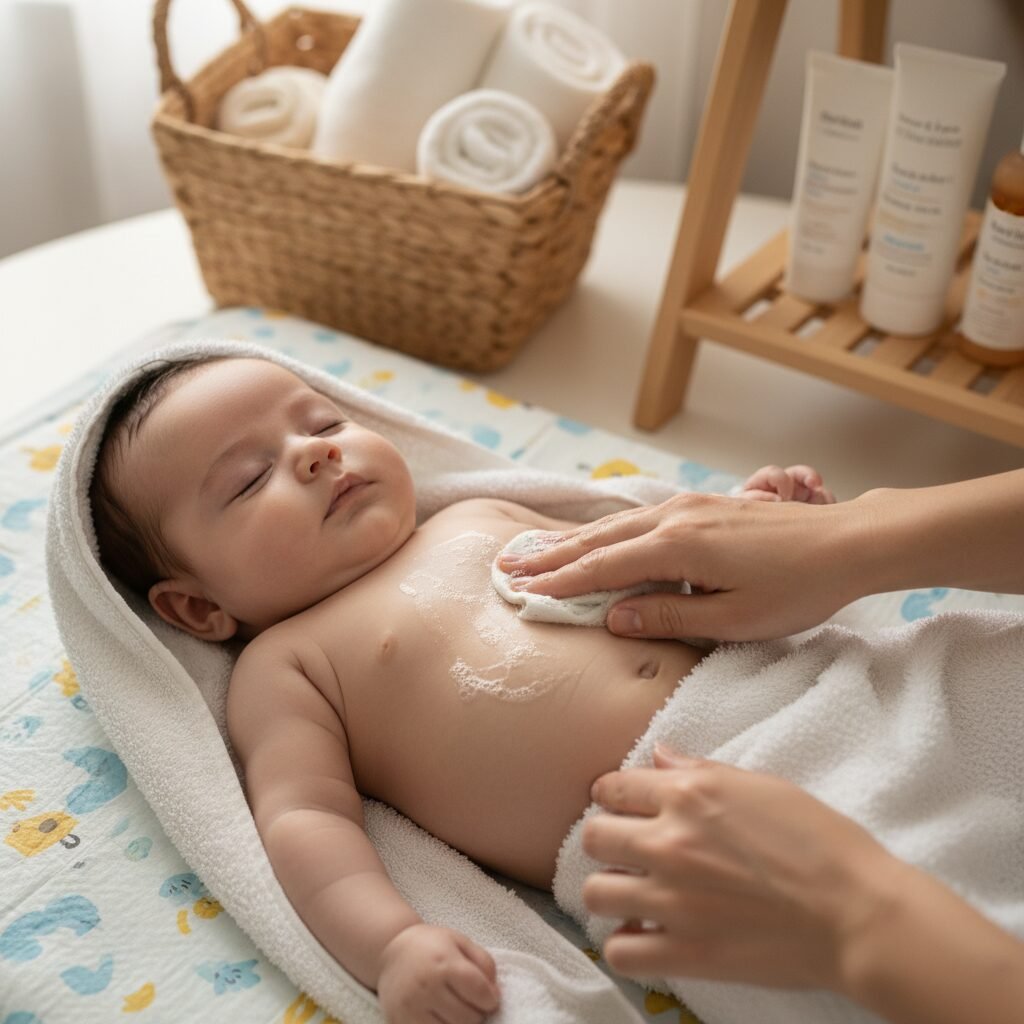
Alright, you’re all set up and ready to go! Keep your voice soft and reassuring as you talk your baby through the steps. Your calm energy is contagious. Here’s how to do it, from top to toe:
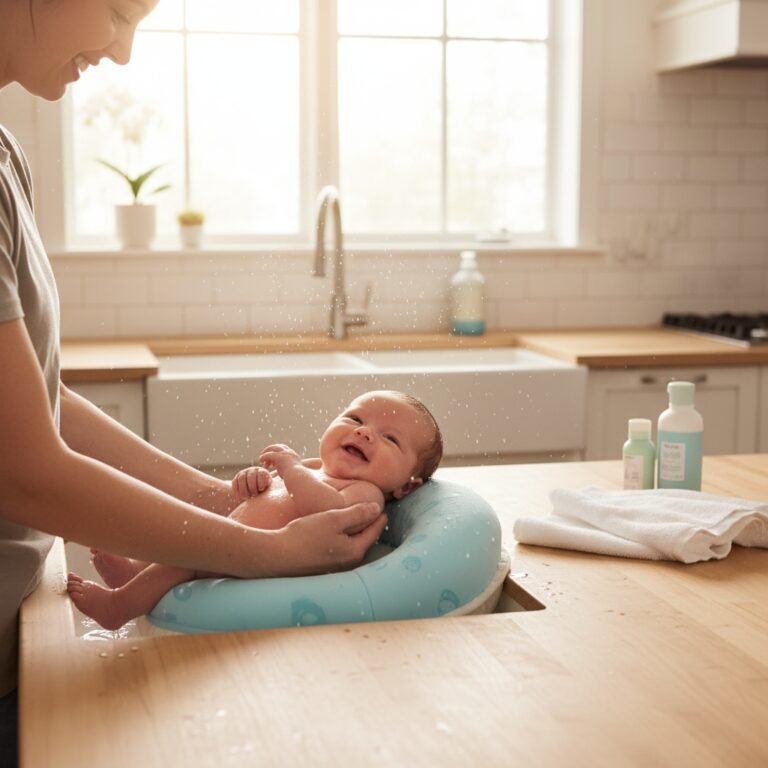
- Get Baby Comfy: Lay your baby down on the prepared towel. Undress them, but immediately re-wrap them snugly in the towel. You’ll only expose the part of their body you are actively washing to keep them warm and secure.
- Start with the Face: Dip a clean washcloth in the plain warm water (no soap for the face!). Wring it out well. Gently wipe around their mouth and nose. To clean their eyes, wipe from the inner corner outward, using a clean section of the cloth for each eye to prevent spreading any potential germs.
- Wash the Hair and Scalp: If your baby has hair, you can wash it now. Support their head and neck, and use a damp, soapy washcloth to gently massage their scalp. Rinse carefully with the clean-water washcloth, cupping your hand over their forehead to shield their eyes from drips. Pat the head dry immediately to prevent heat loss.
- Cleanse the Body: Unwrap the top half of your baby’s body, keeping their legs covered. Dip your other washcloth into the soapy water and gently wash their neck (get into those adorable folds!), chest, tummy, back, and arms. Pay special attention to the creases under the arms and behind the ears. Quickly rinse with the clean-water washcloth and pat the area dry before re-wrapping the top half.
- Finish with the Diaper Area: Now, unwrap the bottom half. Wash their legs and feet, getting between their tiny toes. Clean the diaper area last. For baby girls, always wipe from front to back to prevent urinary tract infections.
- The Final Dry-Off: Once every part is washed and rinsed, gently lift your baby onto the dry, hooded towel. Pat them dry thoroughly, paying extra attention to all those little skin folds to prevent moisture from getting trapped, which can cause irritation.
- Cuddle and Dress: This is the best part! Apply a gentle lotion if needed, put on a fresh diaper, and dress them in their clean outfit. Follow up with a warm, skin-to-skin cuddle to end the experience on a loving, positive note.
Pro Tips for a Safe, Cozy, and Tear-Free Experience

Even with the best plan, babies can be unpredictable. Here are a few extra tips from my years in the nursery to help make bath time a smooth and happy routine for both of you.
What If My Baby Cries?
First, don’t panic! It’s very common for newborns to cry during a bath. It’s a strange new sensation, and they can get cold quickly. If they start to fuss, try these things:
- Check the Temperature: Is the room warm enough? Is the water still warm?
- Offer a Pacifier: If your baby takes one, it can be very soothing.
- Sing or Talk to Them: The sound of your voice is the most comforting thing in the world to them. Narrate what you’re doing in a soft, happy tone.
- Keep it Quick: Don’t linger. Work efficiently but gently to get them washed, dried, and bundled up again.
Making it a Routine
Babies thrive on routine. While you don’t need to bathe them daily, you can try to give sponge baths around the same time on bath days. Many parents find that a bath in the evening can be a calming ritual that signals the start of winding down for the night. It can be a lovely part of your bedtime routine, followed by a feed, a story, and sleep.
Embrace Imperfection
Please hear me on this: you do not need to be perfect. If you forget to wash behind an ear, it is okay. If the bath is over in three minutes, that’s okay, too. The goal is a reasonably clean, safe, and loved baby. You are learning together, and every bath will get easier. Give yourself grace and focus on the connection you’re building.
Graduating to the ‘Big Tub’: What’s Next After Sponge Baths?

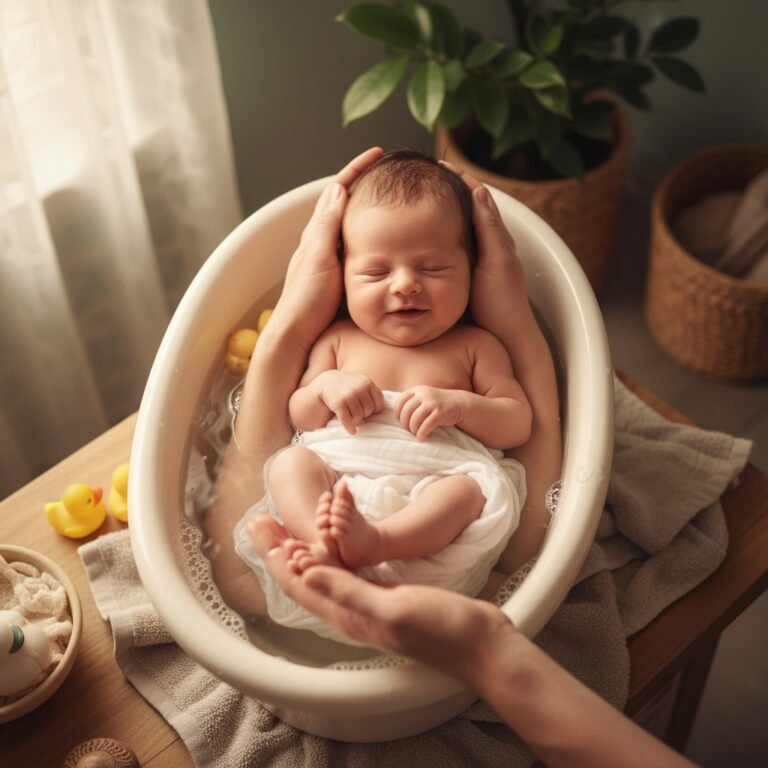
The sponge bath era is a sweet but short one. Once that umbilical stump is a distant memory and the area is fully healed (and for circumcised boys, the circumcision site is also healed), you can ‘graduate’ to an immersion bath. This doesn’t mean the big family bathtub just yet, but rather a dedicated infant tub.
An infant tub is a small, plastic tub designed to safely support your baby. You’ll only need to fill it with about 2-3 inches of warm water—just enough to keep them warm and allow you to wash them. The principles remain the same: have all your supplies ready, never leave them unattended, and support their head and neck at all times.
Moving to the infant tub is a new adventure. Your baby may love the feeling of the water on their skin! It opens up a new world of gentle splashing and sensory play. Think of the sponge bath phase as your training wheels. You’ve built your confidence and learned your baby’s cues. You’re more than ready for this next exciting step in your parenting journey.
Conclusion
You did it! You’ve navigated the why, when, and how of your baby’s first sponge bath. See? It wasn’t so scary after all. Remember that preparation is your best friend, safety is your top priority, and connection is the ultimate goal. Each gurgle, splash, and post-bath snuggle is a precious memory in the making. Cherish these quiet, simple moments of care. You are your baby’s safe place, and by providing this gentle, loving care, you’re reinforcing that bond with every wipe of the washcloth. You’ve got this, and you’re doing an amazing job.