Scary First Bath? How To Bathe A Newborn With An Umbilical Cord Safely
That first bath with your tiny, precious newborn. It’s supposed to be a sweet, picture-perfect moment, right? But for so many new parents, the reality is a mix of excitement and pure, undiluted panic. You’re worried about the water temperature, their slippery little body, and that delicate umbilical cord stump. If you’re feeling a little overwhelmed, take a deep breath. You are absolutely not alone, and I’m here to tell you that you’ve got this.
As a pediatric nurse, I’ve held the hands of countless nervous parents as they navigated this exact milestone. The key is to forget everything you’ve seen in movies about a baby splashing in a big tub. For these first few weeks, your new best friend is the sponge bath. It’s the safest, gentlest, and most recommended way to keep your baby clean while their umbilical cord stump heals and falls off naturally. This guide will walk you through everything, step-by-step, from gathering your supplies to knowing what’s normal with the cord. Let’s turn that bath time anxiety into a confident, bonding experience for you and your little one.
Understanding the Umbilical Cord Stump: Your Baby’s First ‘Scab’
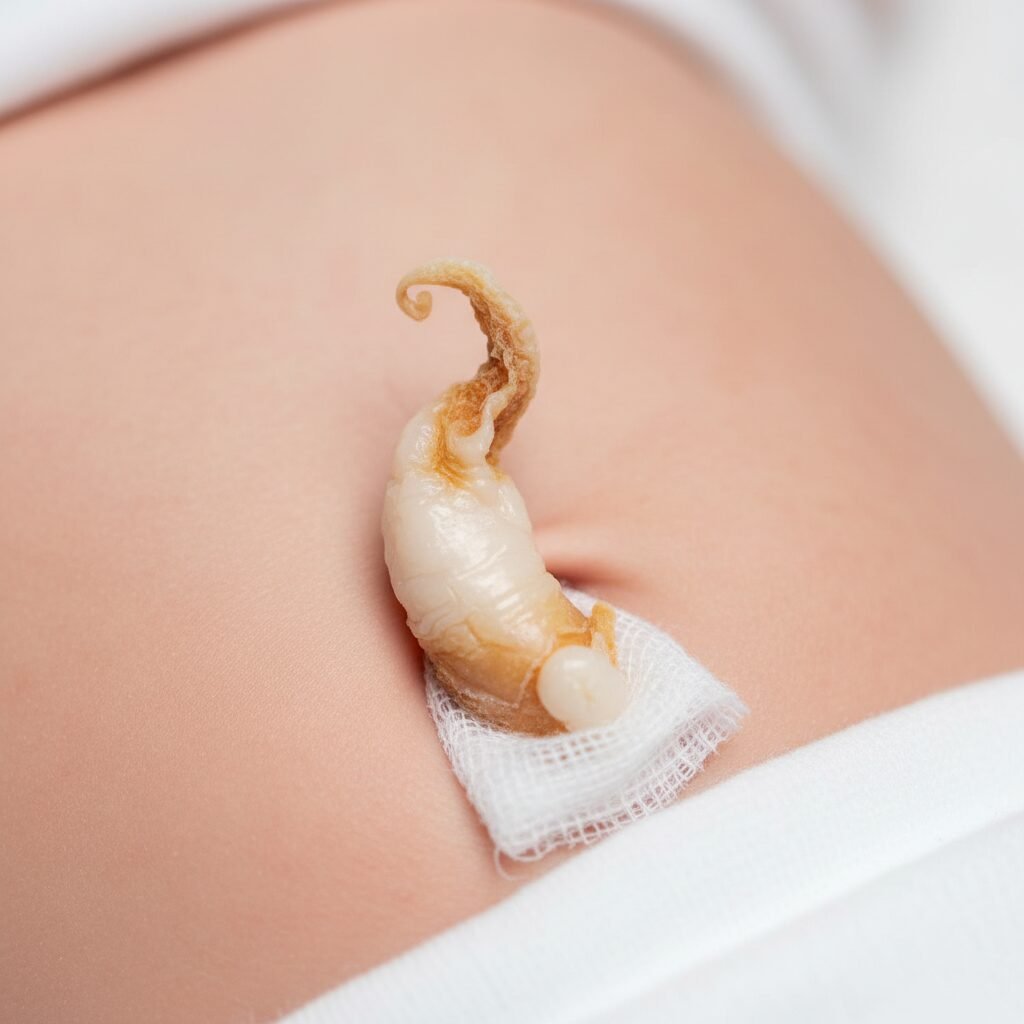
Before we even get to the water, let’s talk about that little stump. It might look a bit strange, but it’s a completely normal part of your baby’s journey. Think of the umbilical cord as the amazing lifeline that connected you and your baby for nine months. After birth, it’s clamped and cut, leaving behind a small stump that needs to dry out and heal, just like a scab.
The most important rule for umbilical cord care is simple: Keep it clean and, most importantly, keep it DRY. This is why we avoid submerging your baby in a tub of water. Moisture can slow down the healing process and create a breeding ground for bacteria, which could lead to an infection. Your goal is to allow air to circulate around the stump as much as possible.
What to Expect as it Heals
The stump will change in appearance over the first couple of weeks. It will go from being yellowish-green and a bit damp to brown, black, and very dry as it shrivels up. This is all part of the natural process! It doesn’t have any nerve endings, so it doesn’t hurt your baby. Most stumps will fall off on their own somewhere between one to three weeks after birth. Resist the urge to pull or wiggle it, even if it’s hanging by a thread! Let nature take its course.
A Gentle Reminder: Your baby’s body knows exactly what to do. Your job is simply to provide a clean, dry environment to help the healing process along. No special ointments or alcohol swabs are needed unless specifically recommended by your pediatrician.
Gather Your Supplies: Creating a Calm & Safe Bath Station
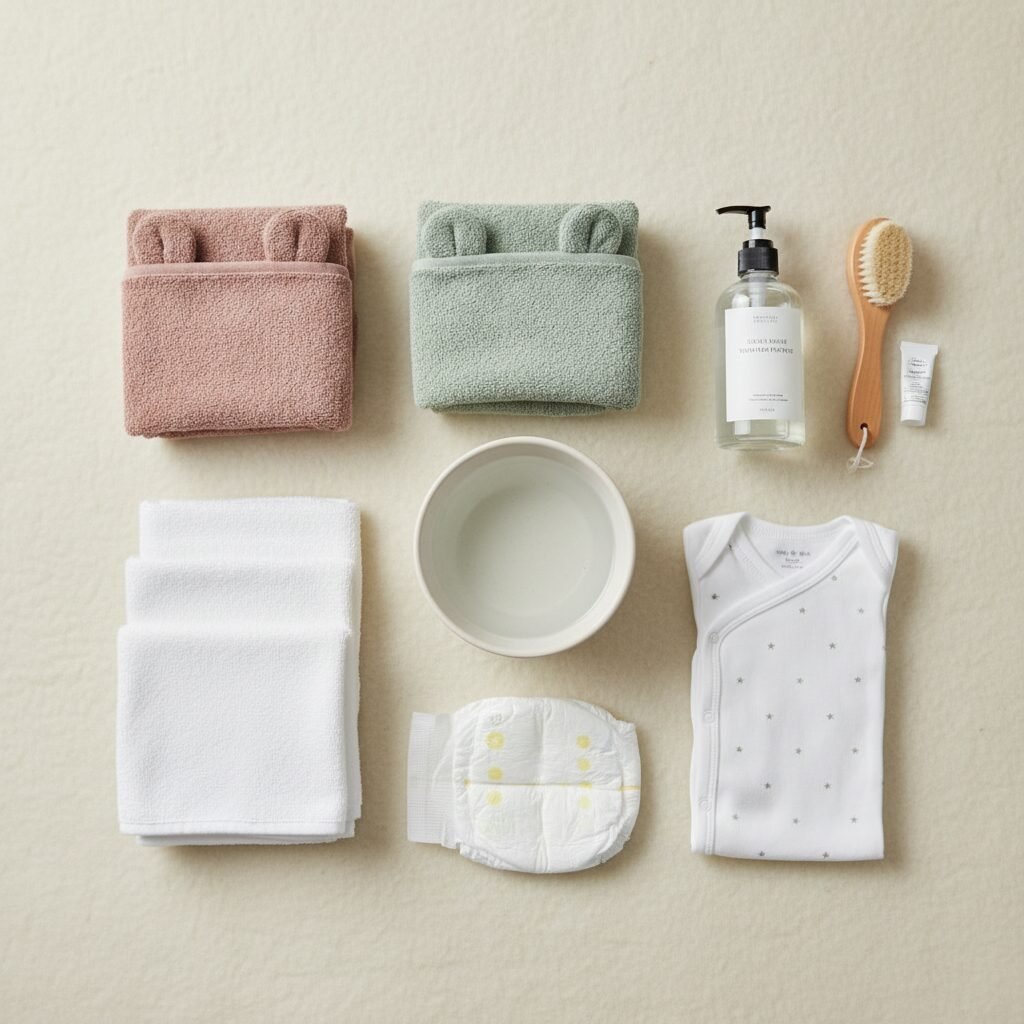
A successful, stress-free bath starts with having everything you need within arm’s reach. The last thing you want is to realize you forgot a towel while holding a wet, slippery baby! Set up your ‘bath station’ in a warm, draft-free room. The kitchen counter (with a plush towel on it) or a changing table works perfectly.
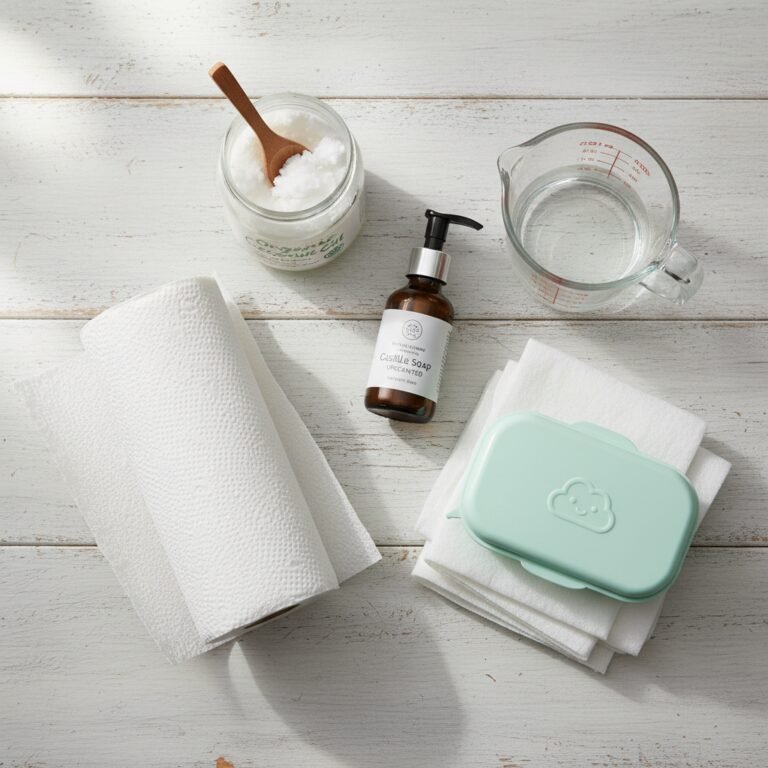
Your Sponge Bath Toolkit
- Two soft, clean towels: One to lay your baby on, and one for drying them off. Hooded towels are extra cozy!
- A warm, safe space: A changing pad on the floor or a towel-lined countertop works well. Never leave your baby unattended, not even for a second.
- A basin of warm water: You don’t need a special baby tub yet. A clean sink or a simple plastic basin is perfect.
- Soft washcloths or cotton balls: You’ll want a few for different parts of the body.
- Mild, fragrance-free baby soap (optional): For the first few weeks, plain water is often enough. If you do use soap, make sure it’s designed for newborns.
- A clean diaper and outfit: Have them ready to go so you can get your baby warm and dressed quickly after the bath.
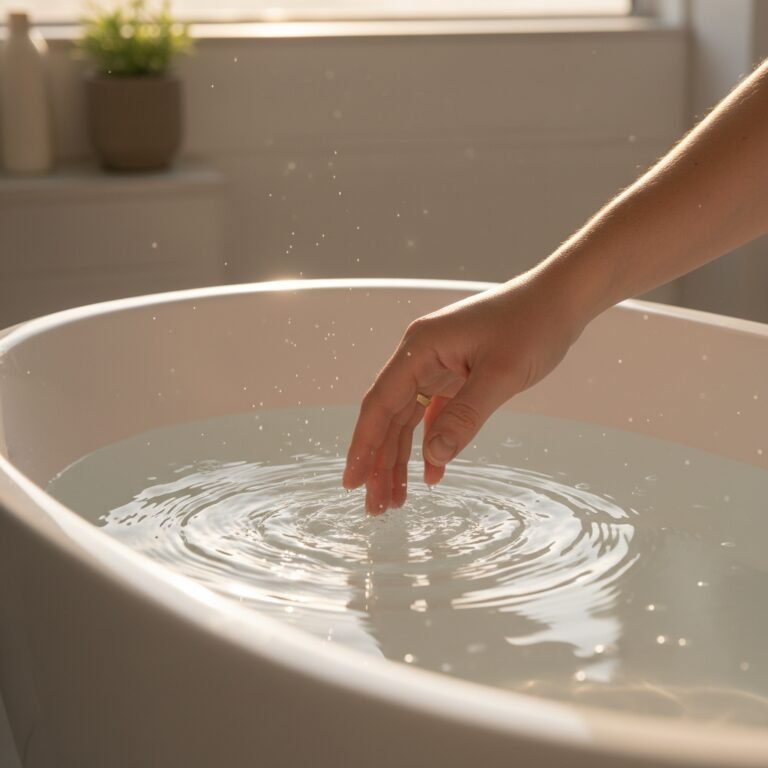
Safety First! Water temperature is key. It should feel comfortably warm, not hot, on the inside of your wrist or elbow. A good target is around 100°F (38°C). If you’re unsure, a simple bath thermometer can provide peace of mind.
Your Step-by-Step Guide to a Gentle Sponge Bath
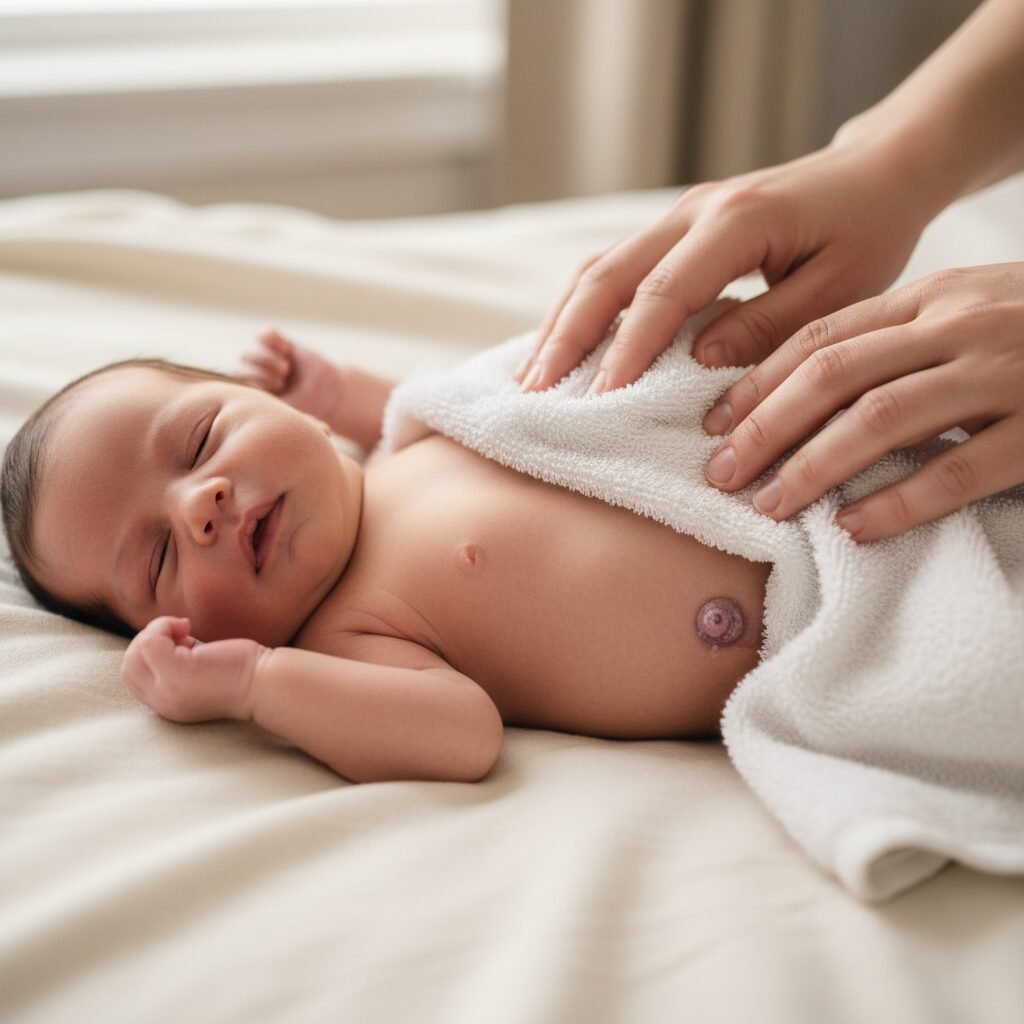
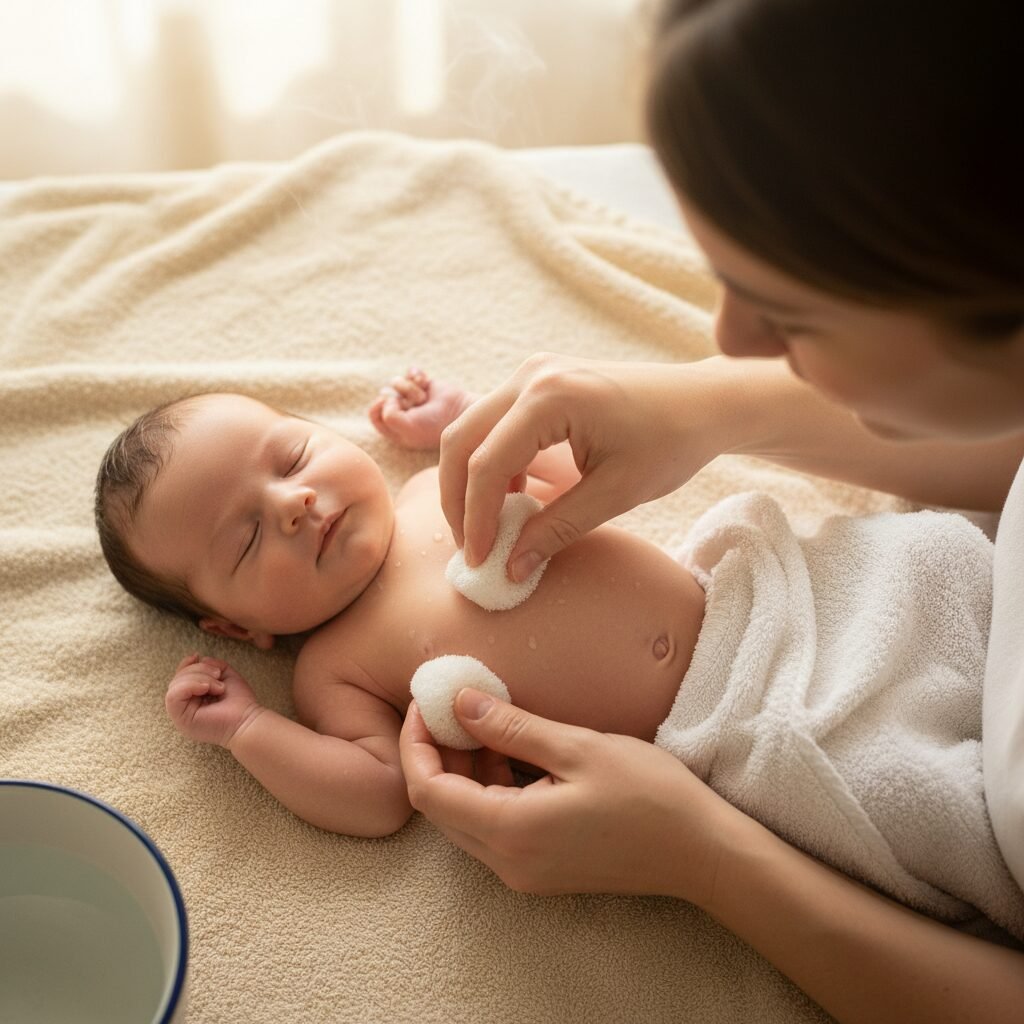
Alright, you’re prepped and ready! Remember, the goal isn’t a deep scrub; it’s a gentle cleaning. Keep your baby swaddled or wrapped in a towel, exposing only the part of the body you are washing at that moment. This keeps them warm and feeling secure.
- Start with the Face: Dip a clean cotton ball or the corner of a washcloth in the warm water (no soap for the face). Gently wipe each eye from the inner corner outward, using a fresh cotton ball or a new corner of the cloth for each eye. Then, gently wipe around their mouth, nose, and the rest of their face. Pat dry with a soft towel.
- Wash the Hair: If your baby has hair, you can wash it now or save it for last. Support their head and neck over the basin. Use a wet, soap-free washcloth to dampen their hair. If needed, apply a tiny drop of baby shampoo, lather gently, and rinse thoroughly by wiping with a clean, wet washcloth. Dry their head and hair immediately to prevent them from getting cold.
- Clean the Body: Unwrap the top half of your baby, leaving their legs and diaper area covered. Dip your washcloth in the water, wring it out, and add a tiny bit of soap if you’re using it. Gently wash their neck (get into those adorable milk dribble creases!), chest, tummy, back, and arms. Pay special attention to the folds under their arms and neck. Pat the top half completely dry.
- The Umbilical Cord Area: This is the easy part! You don’t need to do much. Simply wash the skin around the stump. Do not wash the stump itself. The goal is to keep it as dry as possible. After the bath, you can gently pat the area around the base with a soft, dry cloth if any water splashed on it.
- Finish with the Diaper Area: This is always the last step. Unwrap their legs, remove the dirty diaper, and wash their legs, feet, and the diaper area thoroughly. For baby girls, always wipe from front to back.
- Dry and Dress: Quickly and gently pat your baby dry, paying extra attention to all those little creases and folds where moisture can hide. Apply a barrier cream if needed, put on a clean diaper (remember to fold it down!), and dress them in their clean outfit.
The Golden Rule of Baby Bathing: NEVER, ever leave your baby alone on a changing table or near water, not even for a split second. If you need to grab something, wrap your baby in a towel and take them with you.
Post-Bath Cord Care & Signs to Watch For
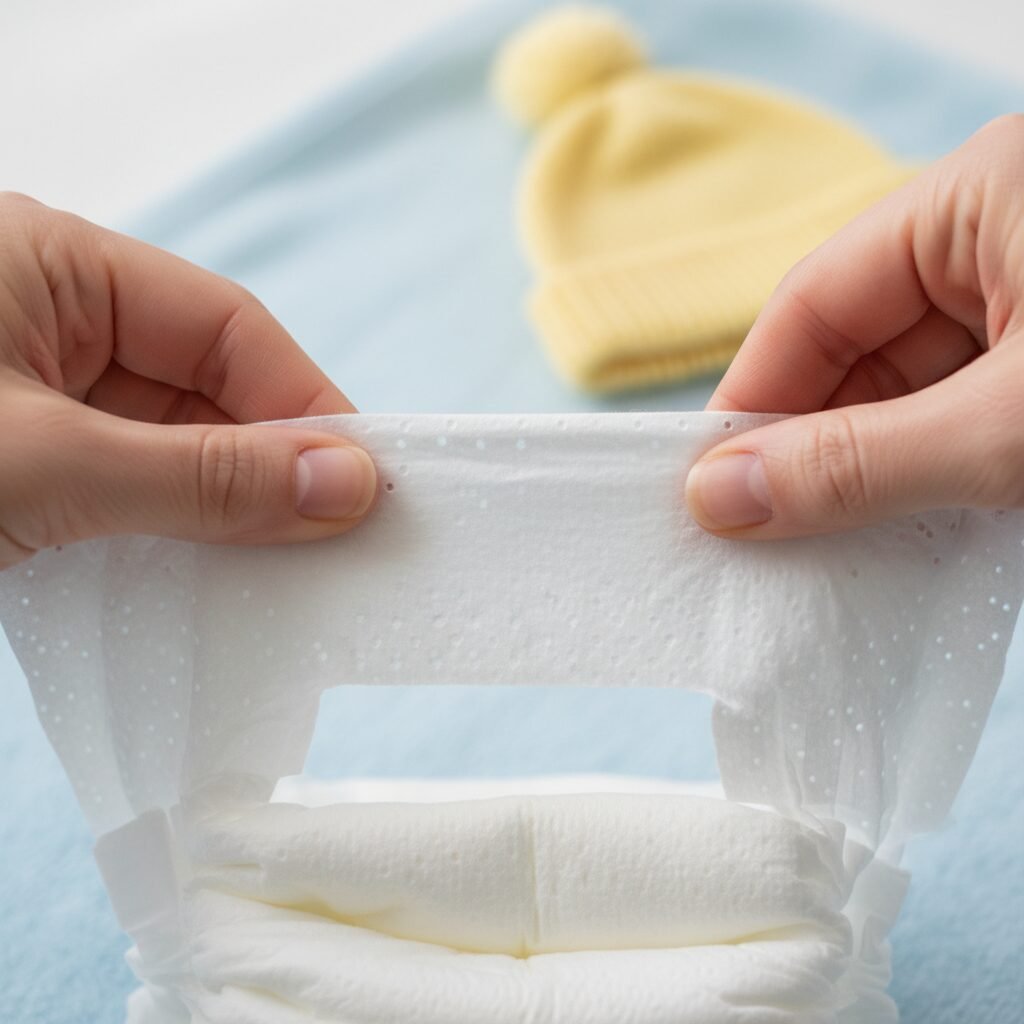
Great job! The bath is over, and you both survived. Now, the focus returns to keeping that stump dry to promote healing. One of the best ways to do this is by giving it some air time. When you put on a fresh diaper, fold the top edge down and away from the stump. This prevents the diaper from rubbing against it and allows air to circulate freely.
It’s normal to see a little bit of crusted blood at the base of the stump, or even a tiny drop of blood on the diaper when the stump finally falls off. This is just part of the healing process. But it’s also important to know the signs of a possible infection, which is rare but requires a call to your pediatrician.
When to Call the Doctor
Trust your parental instincts. If something seems off, it’s always best to get it checked out. Contact your pediatrician if you notice any of the following signs:
| Symptom to Watch For | What It Could Mean & What to Do |
|---|---|
| Pus or Foul-Smelling Discharge | A yellow or green, smelly discharge from around the base of the cord is a primary sign of infection. |
| Redness and Swelling | The skin at the base of the cord appears red, swollen, or feels tender to the touch. |
| Continuous Bleeding | While a drop or two of blood is normal when the stump falls off, active or continuous bleeding is not. |
| Fever or Lethargy | If your baby develops a fever (100.4°F or 38°C or higher), seems unusually fussy, or is very sleepy and difficult to wake, it could signal a more widespread infection. |
Conclusion
You did it! You’ve navigated the first of many baby baths. See? Not so scary after all. Remember that every ‘first’ with your new baby is a learning curve, and it’s okay to feel a little unsure. The most important things are to keep your baby safe, warm, and to keep that little umbilical stump clean and dry.
In just a few short weeks, that stump will be a thing of the past, and you’ll be moving on to splashy, fun-filled tub baths. For now, cherish these quiet, gentle sponge baths as a special time for bonding. You are doing an amazing job, and your baby is so lucky to have you. Keep trusting your instincts—you know your little one best.