
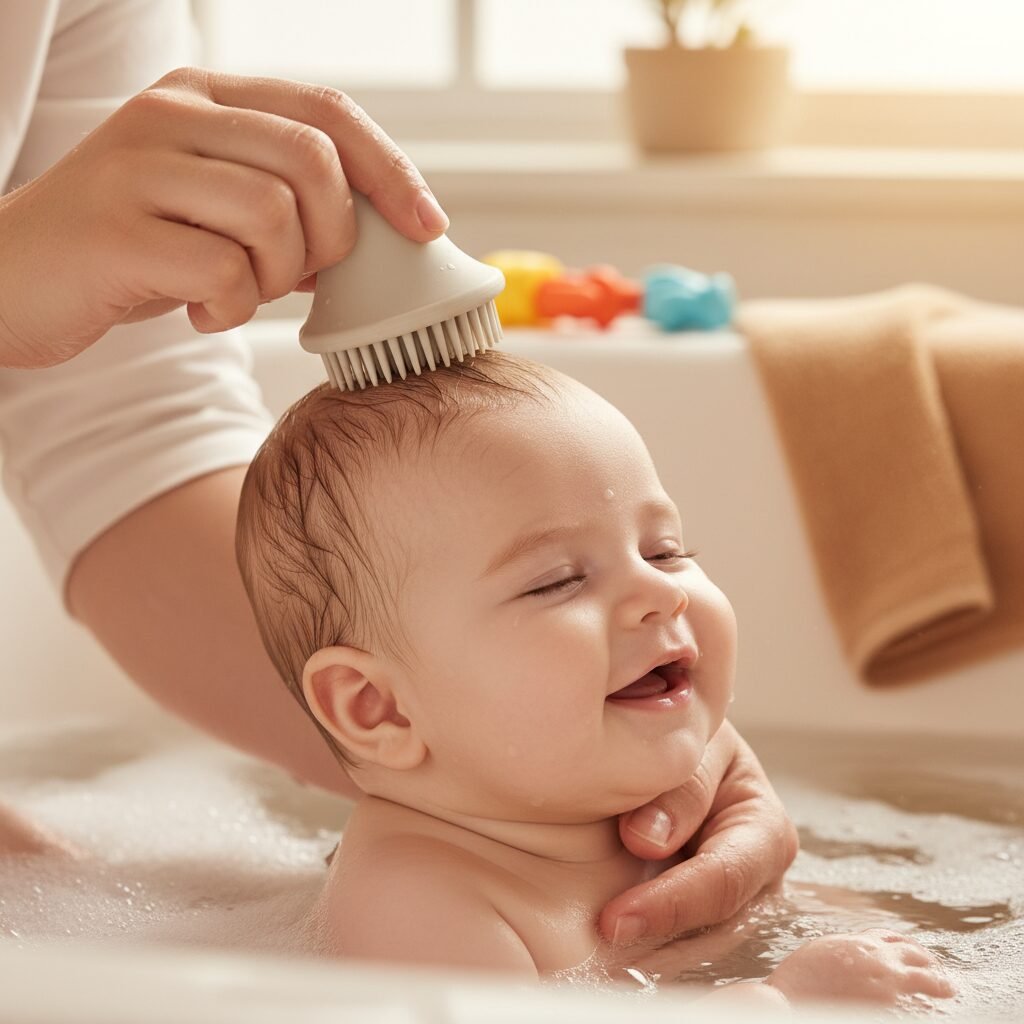
This $6 Cradle Cap Brush Removed All Flakes In One Bath
Welcome to parenthood! It’s a world filled with incredible highs, heart-melting cuddles, and… mysterious flaky stuff on your baby’s scalp? If you’ve noticed oily, yellowish, or scaly patches on your little one’s head, you’ve likely encountered the very common and very normal condition known as cradle cap. My name is [Nurse’s Name], and as a pediatric nurse and lactation consultant, I’ve reassured thousands of new parents about this exact issue.
First, let’s take a collective deep breath. Cradle cap, or infantile seborrheic dermatitis if you want to get fancy, is not a reflection of your hygiene habits. It’s not an allergy, it’s not contagious, and it typically doesn’t bother your baby one bit. It’s simply a temporary and harmless skin condition.
The internet is flooded with advice, from old wives’ tales to complicated routines. But what if I told you the most effective solution I’ve seen in my career is a simple, gentle tool that costs less than a fancy cup of coffee? It’s true. We’re going to walk through everything you need to know about cradle cap and how a humble $6 brush can be your secret weapon to restoring that perfectly smooth baby scalp, sometimes in just one bath.
What Exactly *Is* Cradle Cap, Anyway?

Understanding Those Flakes
Before we talk about getting rid of it, let’s demystify what cradle cap actually is. Think of it as baby dandruff on steroids. It’s caused by overactive oil glands (sebaceous glands) in your baby’s skin, likely influenced by the hormones passed from mom just before birth. These glands produce an excess of oil, or sebum, which can cause old skin cells to stick to the scalp instead of flaking off naturally.
The result? You might see:
- Scaly Patches: These can be thick or thin and might look crusty.
- Color Variation: The scales are often yellowish or white, but the skin underneath can sometimes look a bit red.
- Oily or Dry Appearance: It can look greasy, waxy, or dry and flaky.
- Location: While it’s most famous for appearing on the scalp (hence the ‘cap’), it can sometimes show up on the eyebrows, eyelids, ears, armpits, or groin area.
A key thing to remember: This condition is cosmetic, not contagious or uncomfortable for your baby. Your little one is blissfully unaware of their flaky fashion statement!
Most cases are mild and resolve on their own within a few months. However, many parents prefer to gently manage it to keep their baby’s scalp clean and clear, and that’s where the right technique and tools make all the difference.
The Gentle Giant: Why a Silicone Brush is Your Best Friend
Choosing Your Tool Wisely
When you see those flakes, your first instinct might be to pick at them. Please resist this urge! Your baby’s scalp is incredibly delicate, and picking can lead to irritation or even break the skin, creating an opening for infection. Likewise, a brush with stiff bristles can be too harsh.
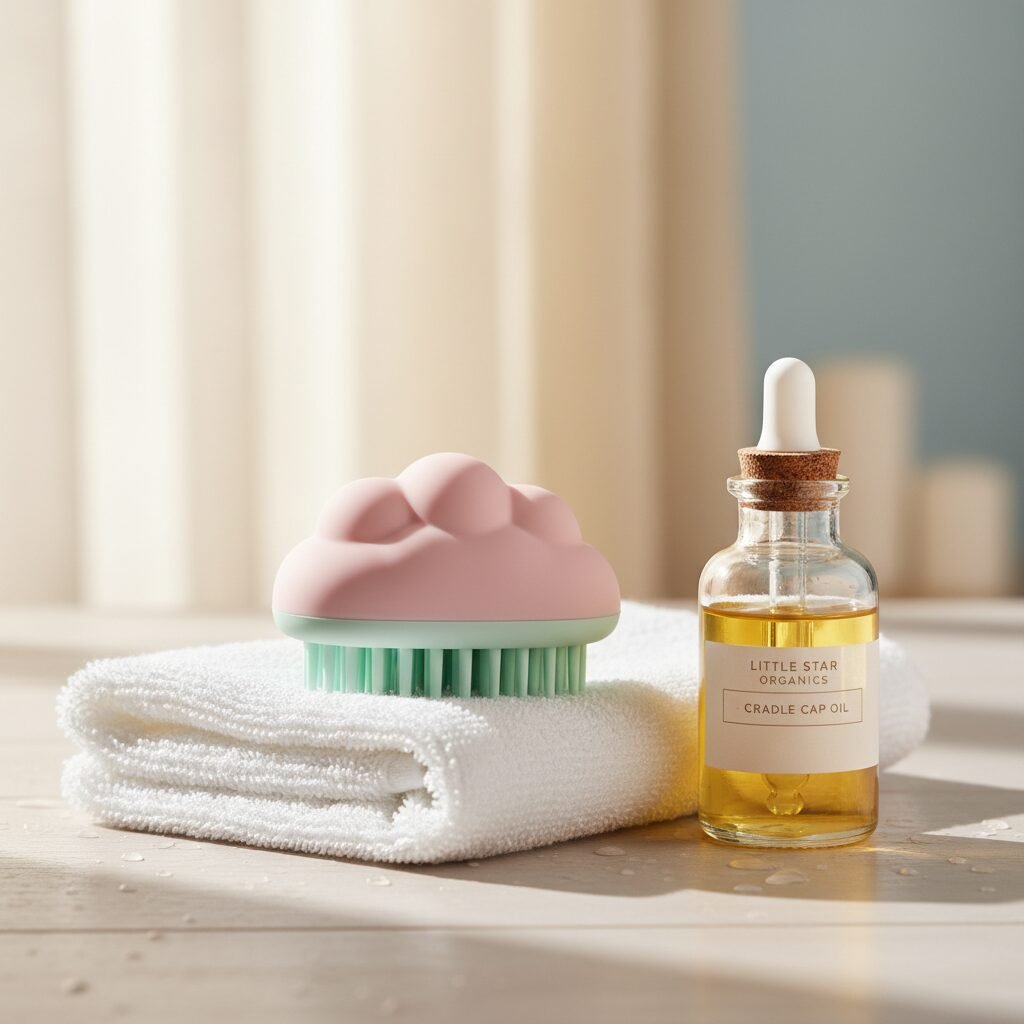
This is where the magic of a dedicated cradle cap brush, specifically one made of soft, flexible silicone, comes into play. Here’s why it’s the perfect tool for the job:
- Ultra-Gentle Bristles: The silicone nubs are soft and pliable. They are designed to loosen the flakes without scratching or irritating the sensitive skin underneath. Think of it as a tiny, soothing scalp massage for your baby.
- Effective Exfoliation: When used on a pre-softened scalp (more on that in a minute!), the bristles get under the edges of the scales and gently lift them away from the skin and hair.
- Hygienic and Easy to Clean: Silicone is non-porous, which means it resists bacteria buildup. You can easily wash it with soap and water after each use, ensuring it’s always clean and safe for your baby.
- Ergonomic Design: Most of these brushes are designed to fit comfortably in your hand, giving you excellent control even when dealing with a slippery, wiggly baby in the tub.
- Incredibly Affordable: As the title suggests, these are not expensive, high-tech gadgets. They are simple, effective, and budget-friendly tools that deliver amazing results.
You’re not just buying a brush; you’re investing in a safe, gentle, and stress-free solution. It turns a potentially frustrating problem into a simple part of your bath time routine.
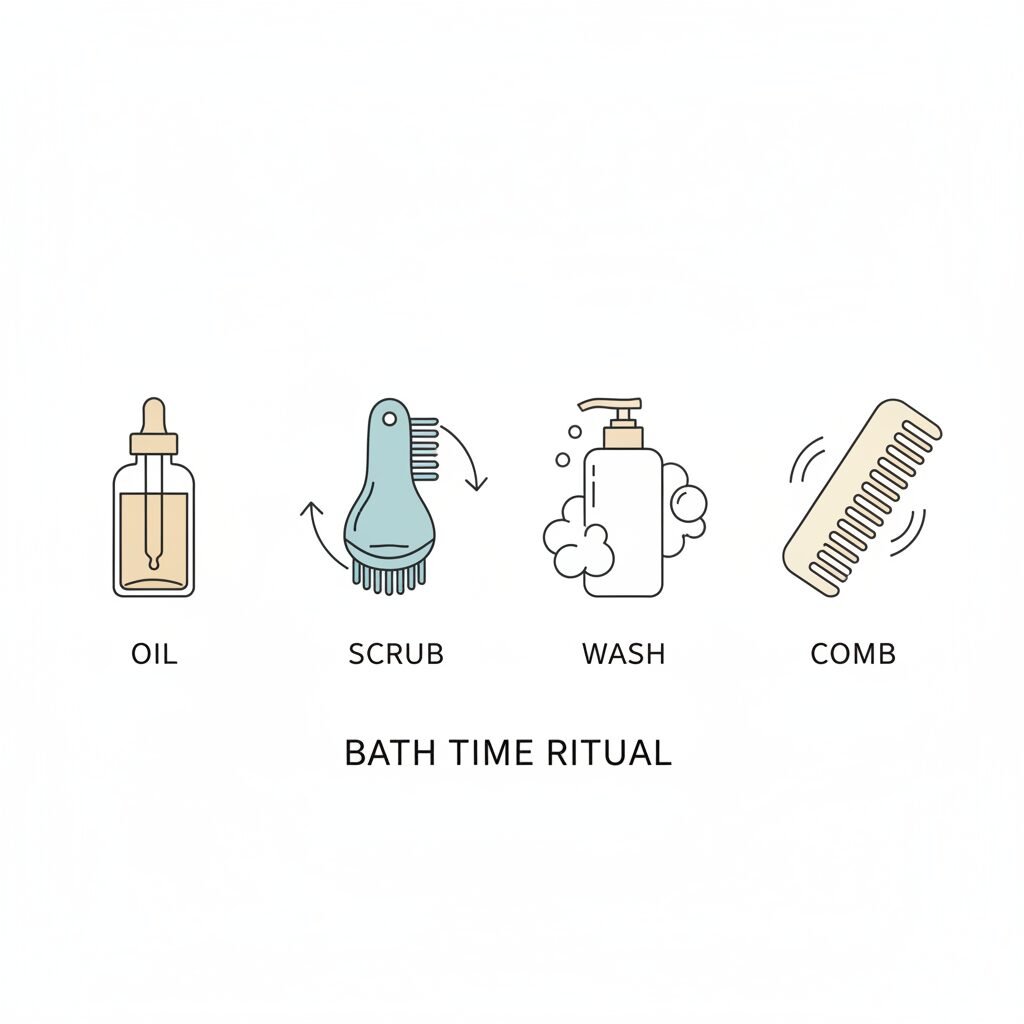
Your Step-by-Step Guide: Banishing Flakes in 4 Simple Steps
The One-Bath Wonder Routine
Ready to see that brush in action? Here is a simple, nurse-approved routine that you can incorporate right into bath time. The key is to soften the scales first, making them easy to brush away without any force.
-
Step 1: Prep & Soften
About 15-30 minutes before bath time, apply a gentle, baby-safe oil to the affected areas on your baby’s scalp. You don’t need to saturate it, just a thin layer will do. You can use coconut oil, olive oil, or a commercially available baby oil. Gently massage it in. This step is crucial—it softens and loosens the crusty scales, preparing them for easy removal.
-
Step 2: Gentle Massage with the Brush
Once you’re in the bath, get your baby’s hair and scalp wet. Apply a small amount of mild baby shampoo. Now, take your silicone cradle cap brush and, using very light pressure, massage the scalp in small, gentle circular motions. Focus on the flaky patches. You should see the softened scales start to lift away easily. This should be a pleasant, massage-like experience for your baby, not a scrub.
-
Step 3: Wash & Rinse Thoroughly
After you’ve massaged the entire scalp, it’s time to rinse. Use a cup or a gentle shower sprayer to rinse all the shampoo, oil, and loosened flakes from your baby’s hair. A thorough rinse is important to ensure you’re not leaving behind any oily residue that could clog the pores.
-
Step 4: Pat Dry & Gently Comb
After the bath, gently pat your baby’s head dry with a soft towel. You might notice some remaining flakes caught in the hair strands. Use a fine-toothed baby comb to gently brush them out. And that’s it! You’ll likely be amazed at how much clearer your baby’s scalp looks after just one session.
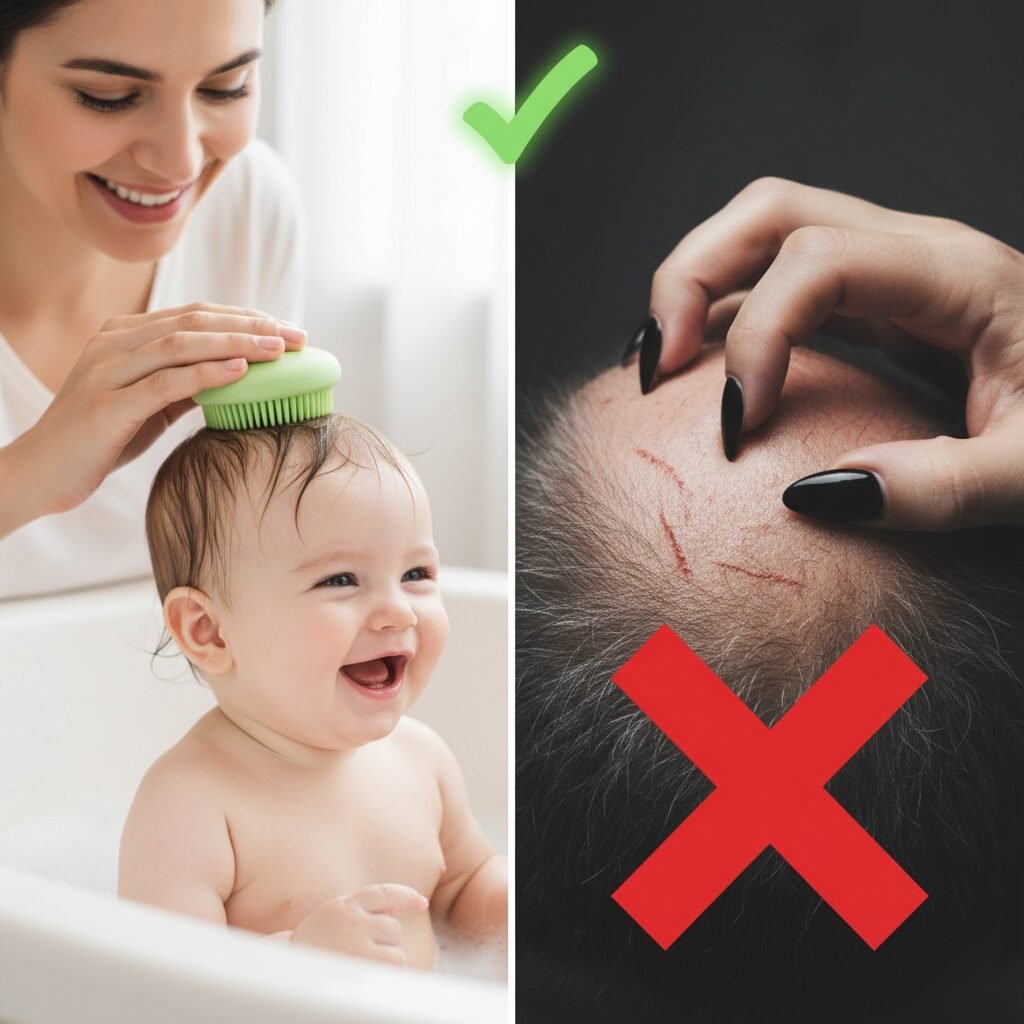
Cradle Cap Dos and Don’ts: A Quick Cheat Sheet
Your Go-To Guide for a Healthy Scalp
When you’re a tired new parent, sometimes you just need the highlights. Here’s a quick-reference table to keep your cradle cap care on track.
| Do This 👍 | Don’t Do This 👎 |
|---|---|
| Be Consistent. Wash your baby’s hair every 2-3 days with a mild shampoo to prevent oil buildup. | Over-wash. Washing every single day can sometimes dry out the scalp and make the oil glands work even harder. |
| Use a softening agent. Always apply oil before brushing to soften the scales and protect the skin. | Pick or Scratch. Never use your fingernails or any sharp object to remove the flakes. This can cause pain and lead to infection. |
| Brush Gently. Let the soft bristles and the softened scales do the work. The goal is to lift, not to scrub. | Use Harsh Products. Avoid adult dandruff shampoos or any products not specifically formulated for babies unless directed by your pediatrician. |
| Be Patient. While one bath can make a huge difference, cradle cap can sometimes recur. Simply repeat the gentle routine as needed. | Worry Excessively. Remember, this is a very common and harmless condition. You are doing a great job! |
When to Pick Up the Phone (And Not the Flakes)

Knowing When to Call Your Pediatrician
In the vast majority of cases, cradle cap is a simple issue you can easily manage at home. However, there are a few situations where it’s always best to check in with your child’s doctor. Peace of mind is priceless, and their guidance is your best resource.
Give your pediatrician’s office a call if you notice:
- The condition seems to be spreading beyond the scalp to the face or other parts of the body.
- The patches become very red, inflamed, or start to weep or bleed.
- Your baby seems itchy or uncomfortable, or is trying to scratch at the area.
- The cradle cap isn’t improving or seems to be getting worse after a couple of weeks of consistent home treatment.
- You notice any kind of foul odor or signs of a possible infection.
Safety First: Your pediatrician can confirm the diagnosis and, if necessary, prescribe a medicated shampoo or cream for more stubborn cases. Never hesitate to reach out if you’re concerned!
Trust your parental instincts. A quick phone call can provide reassurance and ensure your baby gets the right care if something more is going on.
Conclusion
Navigating the world of newborn care can feel like a series of puzzles, and cradle cap is just one of the first you’ll encounter. But as we’ve seen, it’s a puzzle with a very simple and satisfying solution. Those stubborn flakes that seem so persistent are no match for a little bit of oil, a gentle touch, and the right tool for the job.
Remember that you’re not just clearing away flakes; you’re turning a potential worry into a moment of gentle care and connection with your baby during bath time. This small, inexpensive silicone brush is more than just a piece of plastic—it’s a problem-solver that brings peace of mind and proves that sometimes, the simplest solutions are truly the best.
So, take a deep breath, add that little brush to your cart, and look forward to seeing that beautiful, flake-free baby scalp. You’ve got this!