Is It Acne? How To Identify Those White Bumps On Baby’s Face
Welcome to parenthood, where every tiny dot and new noise can send you down a rabbit hole of late-night internet searches. If you’ve recently noticed little white bumps scattered across your baby’s nose or cheeks, you’re not alone. It’s one of the most common concerns I hear from new parents. Your heart says, ‘Is my baby okay?’ while your mind races with questions. Is it acne? A rash? Did I do something wrong?
Let me put your mind at ease right from the start: most of the time, these little bumps are completely normal and harmless. They are simply your newborn’s skin adjusting to a whole new world outside the womb. In this guide, we’ll walk through the most common culprits, from the pearly white dots of milia to the slightly redder pimples of neonatal acne. We’ll talk about why they happen, the best (and simplest) ways to care for your baby’s delicate skin, and, most importantly, the signs that mean it’s time to give your pediatrician a call. So grab a cup of tea (or coffee, we don’t judge!), and let’s decode those cute little bumps together.
First Up: Are They Tiny, Pearly White Dots? Meet Milia.
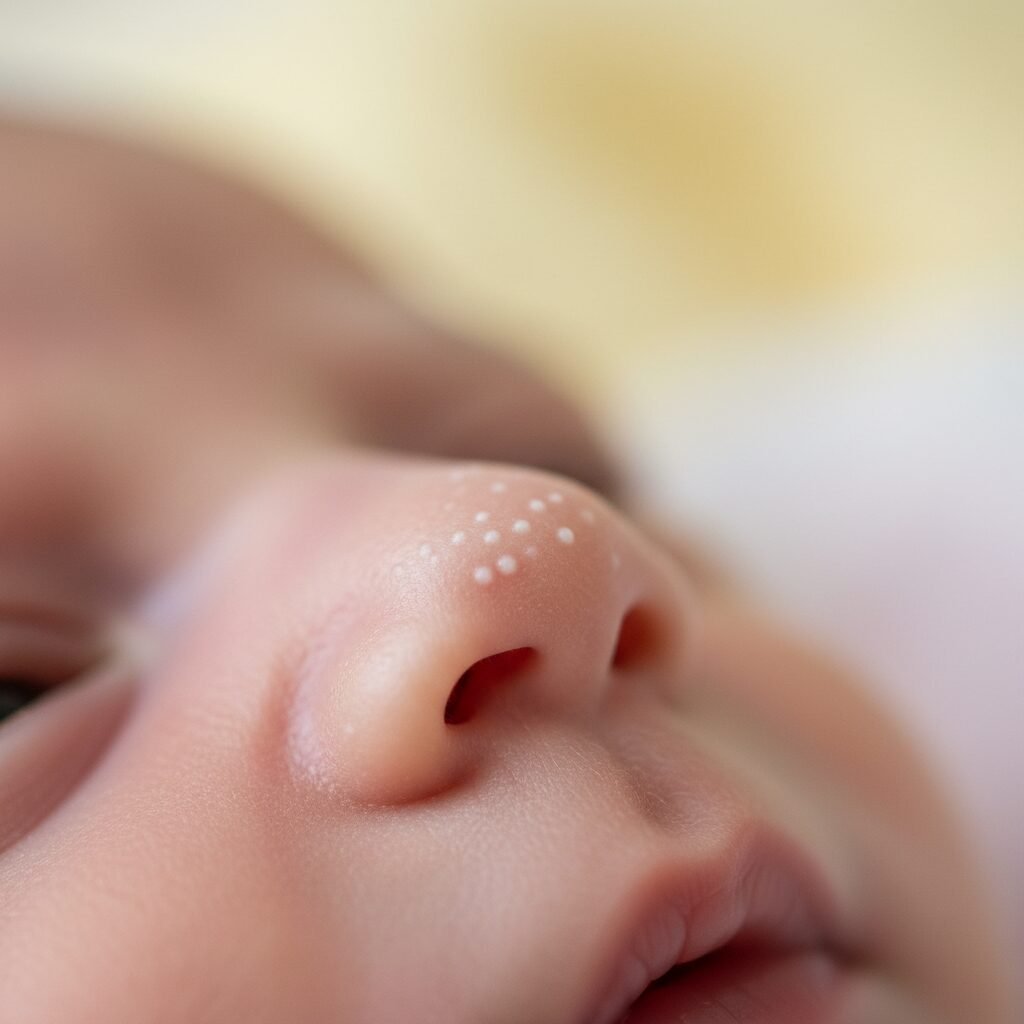
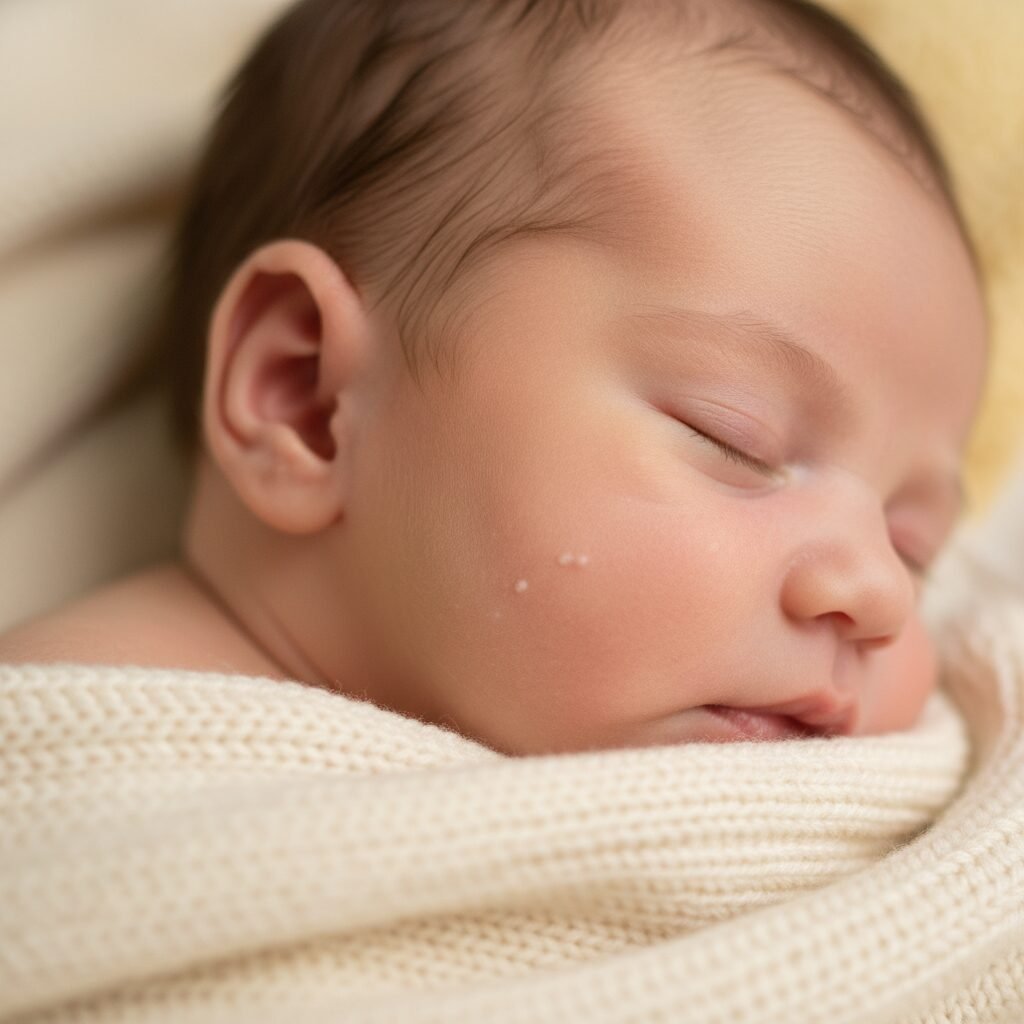
If you’re looking at your baby and seeing teeny-tiny, firm, pearly white bumps, you’re most likely looking at milia. Think of them as miniature pearls on your baby’s skin. They are incredibly common—affecting up to half of all newborns!—and are often concentrated on the nose, cheeks, and chin, though they can appear elsewhere.
What Exactly Are Milia?
Milia are not pimples. They’re tiny cysts filled with keratin, a protein that’s a key building block for skin, hair, and nails. Essentially, small flakes of skin get trapped in little pockets near the surface. They aren’t itchy or painful for your baby in any way. They are simply a sign that your baby’s sweat glands are still developing.
Why You Shouldn’t Squeeze Them
I know, I know. The temptation to pop or squeeze any kind of bump can be strong. But when it comes to milia, please resist! Their little faces are not meant for popping. Squeezing can lead to irritation, scarring, and potential infection on their brand-new, sensitive skin. The absolute best course of action for milia is patience.
A Gentle Reminder: Your baby’s skin is incredibly delicate. The best treatment for milia is no treatment at all. They will resolve on their own in a few weeks or months as your baby’s skin matures.
Think of milia as a temporary, and completely harmless, part of the newborn package. They require nothing more than your regular, gentle cleansing routine and a whole lot of kisses.
Or Is It Red and Pimple-like? A Closer Look at Baby Acne
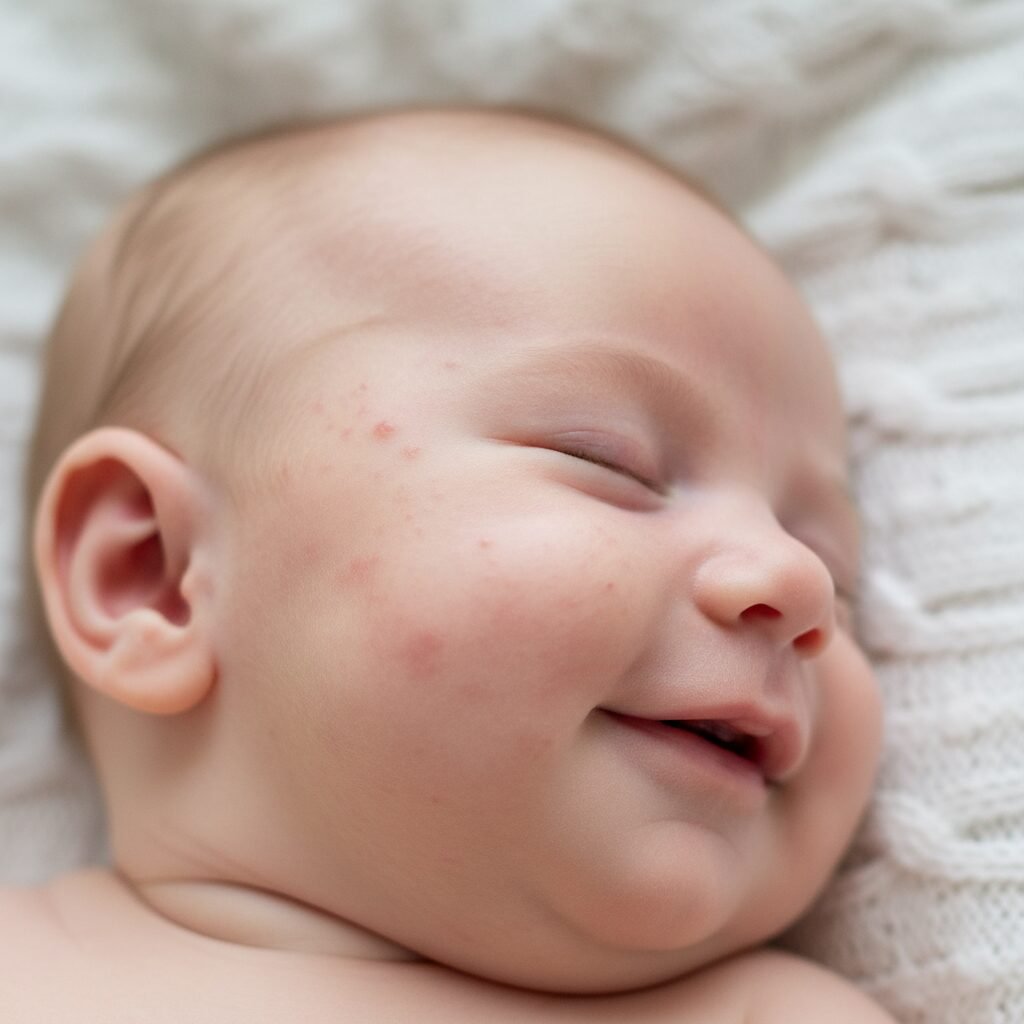
Now, let’s talk about the other common contender: neonatal acne, or baby acne. If the bumps on your baby’s face look more like the pimples you remember from your teenage years—small, red, and sometimes with a whitehead in the center—this is likely what you’re seeing. Baby acne typically crops up between 2 and 4 weeks of age and is usually found on the cheeks, forehead, and chin.
What Causes Baby Acne?
This isn’t your fault, and it has nothing to do with dirt or your laundry detergent! Baby acne is thought to be caused by the transfer of maternal hormones from you to your baby toward the end of pregnancy. These hormones stimulate your baby’s oil-producing glands, leading to these temporary breakouts. It’s just another part of the amazing process of your baby adjusting to life on the outside.
Milia vs. Baby Acne: How to Tell the Difference
It can be tricky to tell them apart, but here’s a simple way to think about it:
| Characteristic | Milia | Baby Acne (Neonatal Acne) |
|---|---|---|
| Appearance | Tiny, firm, pearly white bumps. Not red or inflamed. | Red pimples, sometimes with whiteheads. Surrounding skin can be red. |
| Texture | Feels like a tiny, hard seed under the skin. | Can be a mix of red bumps and pustules. |
| Typical Location | Most common on the nose, chin, and cheeks. | Most common on the cheeks, forehead, and chin. |
| Inflammation | None. | Yes, there is redness and inflammation. |
Just like with milia, baby acne is temporary and typically clears up on its own within a few months without leaving any scars. The key is gentle care and avoiding the urge to treat it like adult acne.
Gentle Care for Your Baby’s Delicate Skin: The ‘Less Is More’ Rule
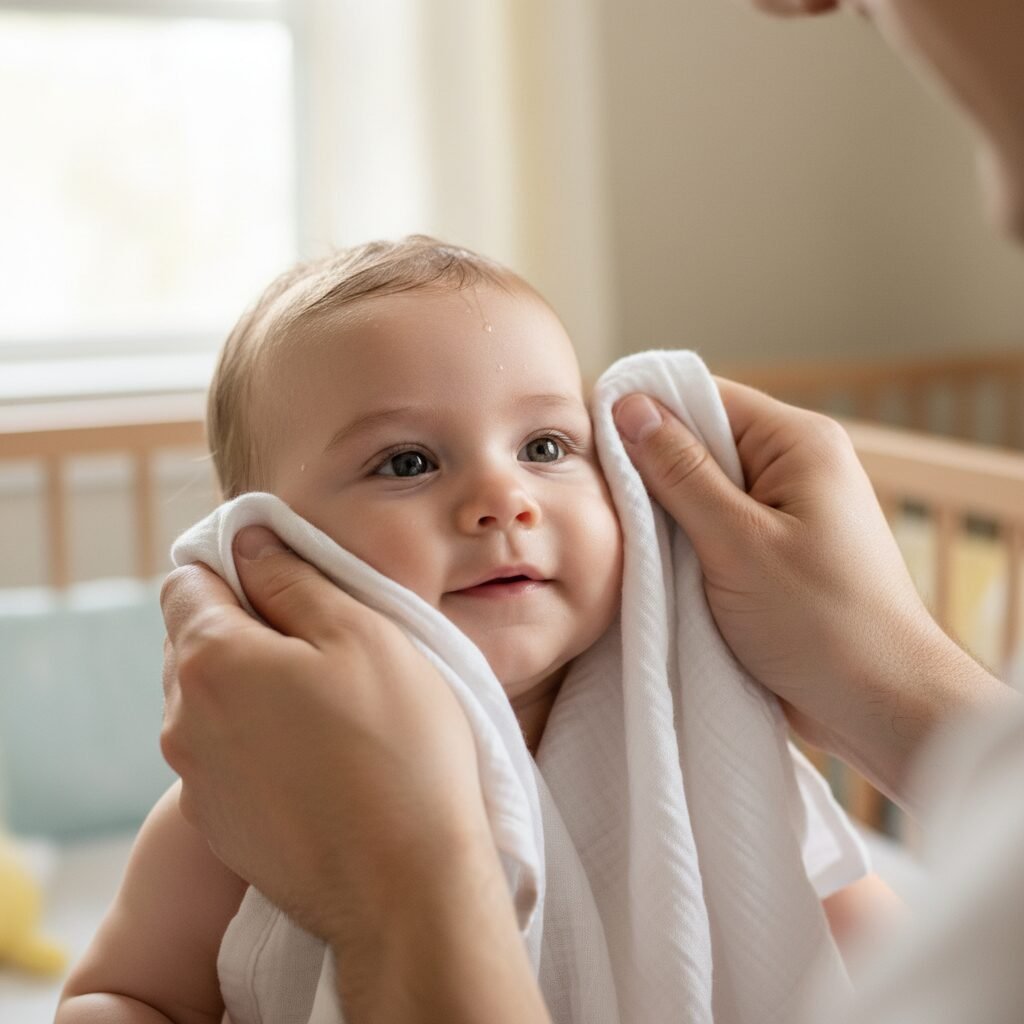
Whether your little one has milia or baby acne, the care routine is pretty much the same: be gentle and keep it simple. Your baby’s skin has a natural barrier that you want to protect, not strip away. Over-washing or using harsh products can make things worse.
Your Daily Skincare Checklist:
- Cleanse Gently: Once a day, wash your baby’s face with lukewarm water. If you feel you need a little more, use a mild, fragrance-free baby soap. A soft washcloth is all you need.
- Pat, Don’t Rub: After washing, gently pat your baby’s skin dry with a clean, soft towel. Rubbing can cause irritation.
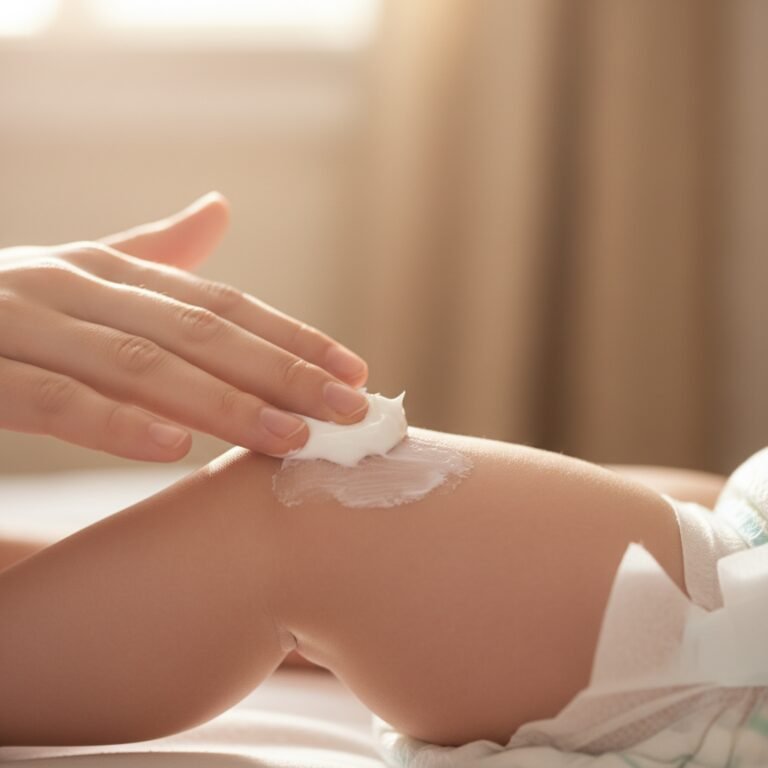
- Skip the Lotions: Avoid applying oily creams or lotions to the affected areas. These can clog pores and potentially worsen baby acne. If your baby’s skin is dry elsewhere, apply lotion there, but try to keep their face clear.
- Hands Off!: This is the most important rule. Do not scrub, pick, or pop the bumps. This can lead to infection and scarring.
Safety First: Never, ever use over-the-counter adult acne medications, washes, or creams on your baby. Their skin is far too sensitive and these products can be harmful.
Remember, these conditions are cosmetic, not medical emergencies. They bother us way more than they bother our babies! Your gentle, loving care is the best medicine.
Could It Be Something Else? Other Common Newborn Rashes
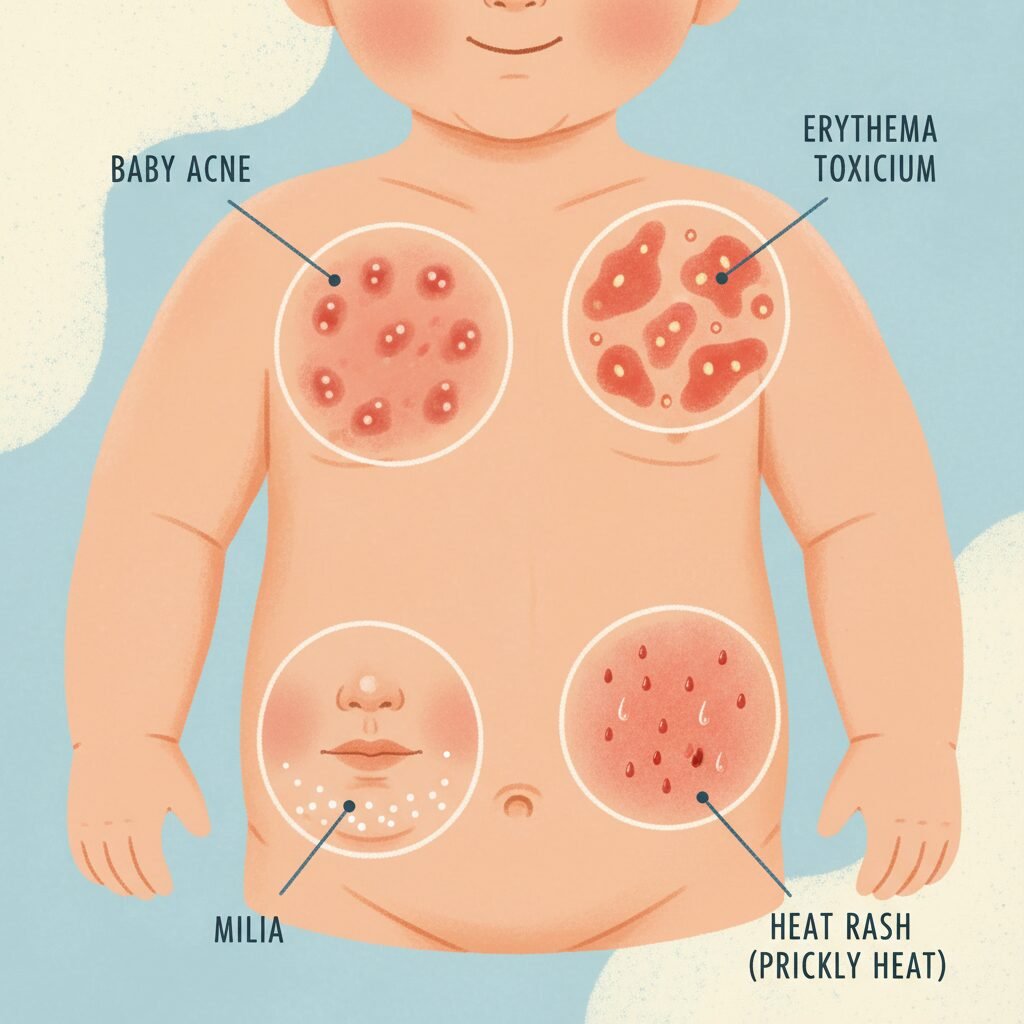
While milia and baby acne are the most common culprits for facial bumps, there are a couple of other normal newborn rashes that can pop up. Knowing about them can save you some unnecessary worry!
Erythema Toxicum Neonatorum (ETN)
This one has a very scary-sounding name for something completely harmless! Often called ‘newborn rash,’ ETN looks like red blotches with tiny, yellowish-white bumps in the center. It can look a bit like flea bites. The key feature of ETN is that it’s migratory—it can appear on one part of the body, disappear, and then pop up somewhere else within hours. It usually shows up in the first few days of life and resolves on its own within a week or two.
Heat Rash (Miliaria)
Heat rash happens when sweat ducts get blocked, trapping perspiration under the skin. It looks like a cluster of tiny, clear, or red bumps and often appears in areas that get hot and sweaty, like the neck, armpits, diaper area, or even the forehead if your baby wears hats often. The solution is simple: keep your baby cool and dry. Dress them in light, breathable layers and avoid overheating.
Both of these conditions are, like milia and baby acne, self-resolving and require no special treatment other than keeping the skin clean and dry.
Red Flags: When It’s Time to Call Your Pediatrician

As a nurse, I always tell parents to trust their gut. You know your baby best. While most baby bumps are perfectly normal, there are certain signs that indicate it’s time to check in with your doctor for a professional opinion. Peace of mind is priceless, and it’s always better to be safe.
Call Your Doctor If You Notice:
- Signs of Discomfort: If the bumps seem to be painful, itchy, or are bothering your baby (e.g., they are fussier than usual or trying to scratch at them), it’s worth a call.
- Blisters or Pustules: If the bumps look like blisters filled with clear fluid or cloudy pus (especially yellowish pus), this could be a sign of a bacterial or viral infection, such as herpes simplex, which requires immediate medical attention.
- A Fever: A rash or bumps accompanied by a fever (a rectal temperature of 100.4°F or 38°C or higher in a newborn) is always a reason to call the doctor right away.
- The Bumps Are Spreading Rapidly or Getting Worse: If the rash is spreading quickly across the body or looks significantly worse despite gentle care, it’s best to have it looked at.
- It Doesn’t Look Right to You: If the bumps just don’t match the descriptions of milia, baby acne, or the other common rashes, or if you’re simply worried, please call. Your pediatrician is your partner in this journey and is there to help you.
A Reassuring Note: Calling your pediatrician is never an overreaction. We are here to support you and answer your questions, no matter how small they may seem. You are your baby’s best advocate!
Conclusion
Navigating the world of newborn skin can feel like a pop quiz you didn’t study for. But when it comes to those little white or red bumps on your baby’s face, the answer is usually simple: they are a normal, temporary part of your baby’s beautiful journey into the world. Whether it’s the pearly dots of milia or the fleeting blush of baby acne, these spots are almost always harmless and will fade with time, patience, and gentle care.
Remember the golden rule: less is more. Cleanse gently with water, pat dry, and keep your hands off. And most importantly, trust your instincts. If something feels off or you’re worried, your pediatrician is just a phone call away. Now, go back to what’s most important—snuggling that sweet baby and soaking in every precious moment. Those little bumps will be a distant memory before you know it.