Don’t Panic: How to Safely Use a Rectal Thermometer on a Newborn
Hello, new parent. Take a deep breath. I know that looking at that tiny, precious baby of yours fills you with a love so fierce it almost hurts, and a sense of responsibility that can feel, frankly, terrifying. One of the first scary moments many parents face is the first time they suspect their baby has a fever. Your pediatrician says you need to take a rectal temperature, and your mind starts racing. ‘I have to do what?! Won’t I hurt them?’
As a pediatric nurse and lactation consultant who has supported thousands of new families, I want to tell you something important: you can do this. Not only can you do it, but you can do it safely and confidently. For infants under three months old, a rectal temperature is the most accurate and reliable method—it’s the gold standard that we rely on in hospitals. It gives us the truest picture of what’s happening inside their little body.
This guide is here to be your calm, experienced friend. We’re going to walk through everything, step-by-step, from gathering your supplies to understanding what that number on the screen really means. Let’s take the panic out of the process and replace it with empowerment.
Gathering Your Supplies: Setting Up for Success
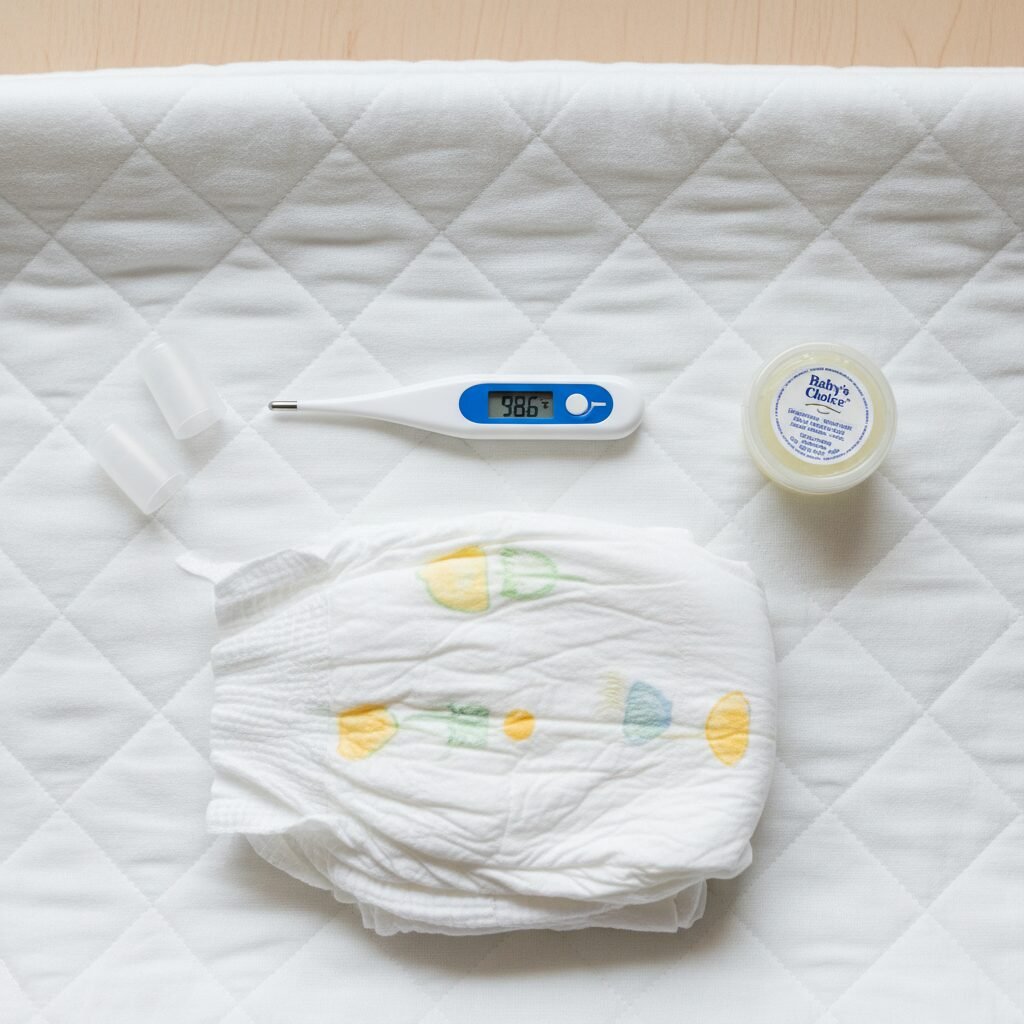
Before you even pick up your baby, let’s get everything you need ready and within arm’s reach. Fumbling for supplies with a wiggly baby is a recipe for stress, so a little prep work makes all the difference. Think of it as your temperature-taking toolkit.
What You’ll Need:
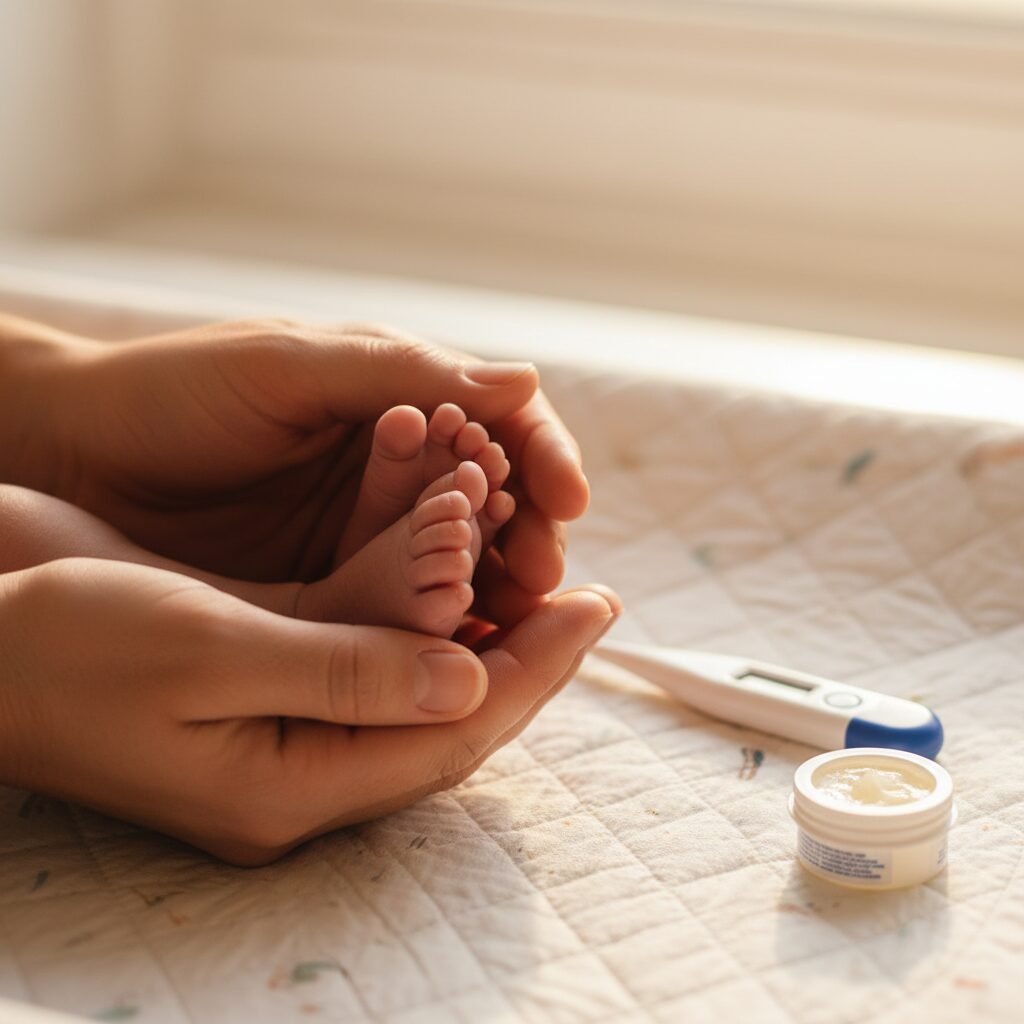
- A Digital Rectal Thermometer: This is non-negotiable. Please, never use an old mercury thermometer. Digital thermometers are faster, safer, and easier to read. Look for one with a flexible, short tip specifically designed for rectal use. Many baby-specific models have a wider base to prevent you from inserting it too far.
- Lubricant: A small dab of petroleum jelly (like Vaseline) or a water-soluble lubricant (like K-Y Jelly) is essential. Do not try to do this without lubricant; it makes the process uncomfortable for your baby and more difficult for you.
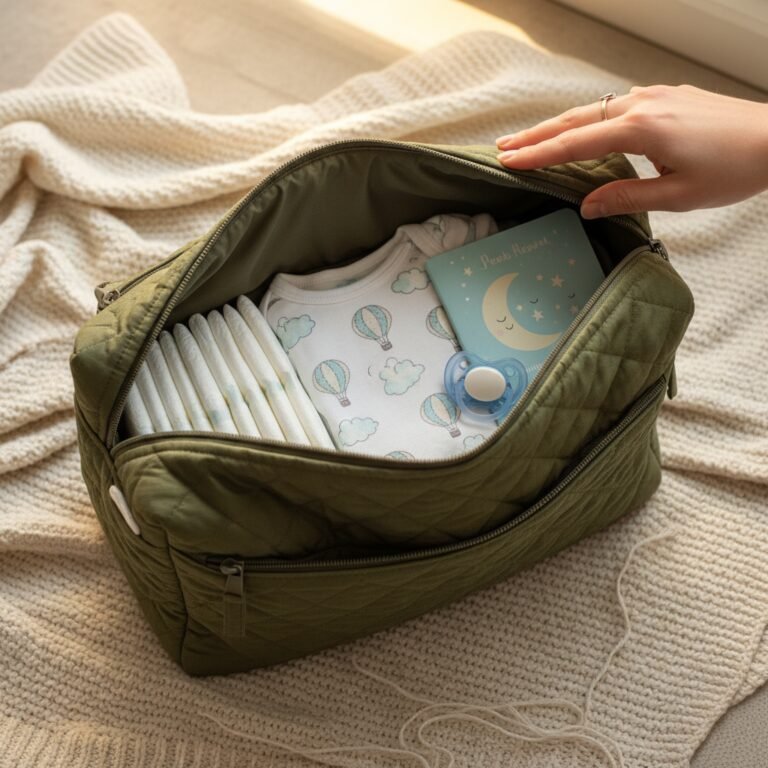
- A Clean Diaper and Wipes: Have these ready for a quick cleanup and a fresh diaper change right after you’re done.
- A Protective Cover (Optional but Recommended): Some thermometers come with disposable probe covers. If yours does, use a new one each time. If not, don’t worry—we’ll talk about cleaning in a moment.
- A Calm and Safe Space: A changing table with a safety strap or a soft towel on the floor are great options. Make sure the room is warm and you won’t be interrupted.
Safety First: Label this thermometer clearly! You should have a dedicated thermometer for rectal use that is never used for taking an oral temperature. A simple piece of tape or a permanent marker on the body of the thermometer works perfectly.
Your Step-by-Step Guide to Taking a Rectal Temperature
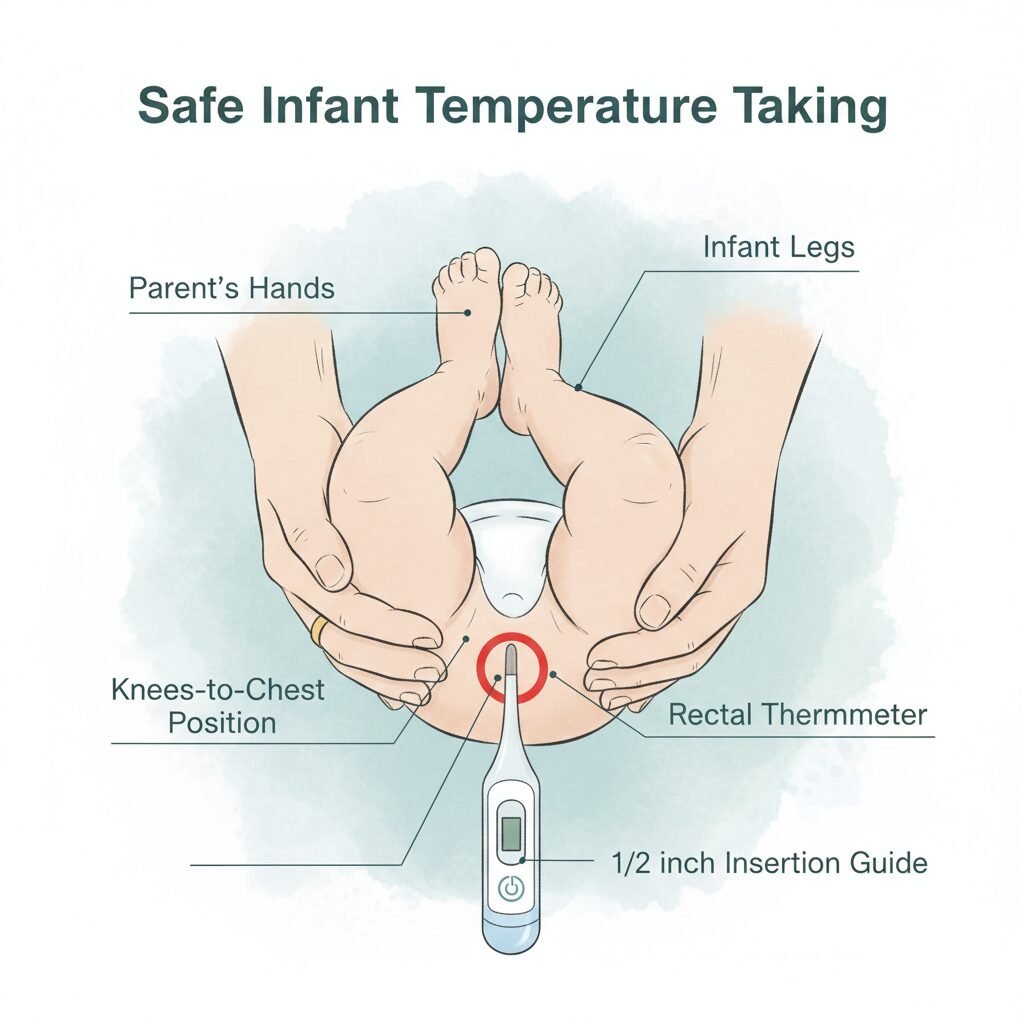
Alright, you’ve got your supplies and you’ve taken a calming breath. Now for the main event. Remember, the goal is to be quick, gentle, and calm. Your baby will pick up on your energy, so a relaxed approach is best for everyone.
- Wash Your Hands & Clean the Thermometer: Start with good hygiene. Wash your hands thoroughly with soap and water. Then, clean the thermometer tip with rubbing alcohol or soap and water. Rinse it with cool water and dry it completely.
- Prepare the Thermometer: If you’re using a disposable probe cover, put it on now. Squeeze a small amount of petroleum jelly or lubricant onto a clean tissue or your fingertip and apply a thin layer to the silver tip of the thermometer.
- Position Your Baby: The key here is to find a position that is secure for the baby and gives you easy access. There are two great options:
Option 1: On Their Back
Lay your baby on their back on the changing table or floor. Gently lift their legs up towards their chest, as if you were changing their diaper. You can hold both of their ankles together with one hand. This position is often the easiest for new parents.
Option 2: On Your Lap
Lay your baby tummy-down across your lap. Their bottom will be slightly elevated, which gives you a clear view. Use one hand to place a steady, gentle pressure on their lower back to keep them from wiggling too much.
- Gently Insert the Thermometer: With your free hand, turn on the thermometer. Once it’s ready, gently and slowly insert the lubricated tip into your baby’s rectum.
CRITICAL SAFETY WARNING: Do not insert the thermometer more than 1/2 to 1 inch into the rectum. Many baby thermometers have a flared base to prevent over-insertion. Never force it. If you feel any resistance, stop immediately.
- Hold Steady: Gently hold the thermometer in place between your fingers. Rest your hand against your baby’s bottom to help stabilize it and prevent it from going in any deeper if they wiggle. Keep holding your baby securely. It will only take a few seconds to a minute for the thermometer to beep.
- Remove, Read, and Clean: Once you hear the beep, gently slide the thermometer out. Read the temperature on the screen and make a note of it (time and temperature). Then, immediately clean the thermometer thoroughly with soap and water or rubbing alcohol, dry it, and put it away.
- Comfort and Cuddle: All done! Finish up with a clean diaper, a swaddle, and lots of cuddles. Reassure your little one with your calm voice. You both did a great job!
Understanding the Reading: What’s a Fever in a Newborn?
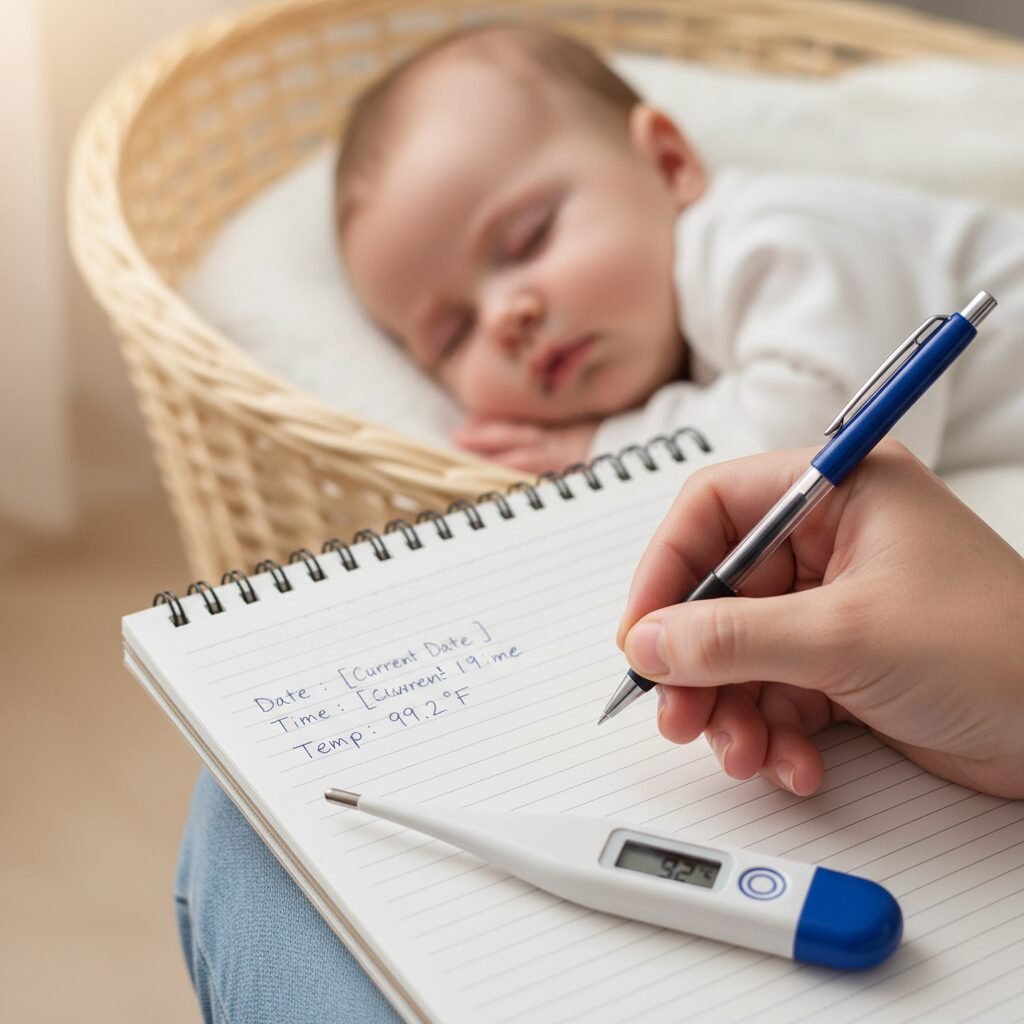
You’ve got the number. Now, what does it mean? It’s crucial to know that what constitutes a fever in a newborn is very different from that in an older child or adult. Their immune systems are still developing, so we take any sign of fever very seriously.
The Magic Number: For any baby younger than 3 months old, a rectal temperature of 100.4°F (38°C) or higher is considered a fever and requires an immediate call to your pediatrician or a trip to the emergency room. This is not something to wait on. Call right away, even if it’s the middle of the night.
Sometimes parents worry about a low temperature as well. A baby’s temperature can drop if they are unwell or in a cold environment. A persistent temperature below 97.5°F (36.4°C) is also a reason to call your doctor.
Here’s a simple chart to help you understand the ranges:
| Temperature Range (Rectal) | What It Means | Action to Take |
|---|---|---|
| 97.5°F – 100.3°F (36.4°C – 37.9°C) | Normal Range | No action needed. Continue to monitor your baby for any other symptoms. |
| 100.4°F (38°C) or Higher | Fever | For babies under 3 months: Call your doctor or go to the ER immediately. Do not give any fever-reducing medication unless specifically instructed by a doctor. |
| Below 97.5°F (36.4°C) | Low Temperature (Hypothermia) | First, try skin-to-skin contact and add a layer of clothing or a blanket. Re-check in 15-20 minutes. If it’s still low, call your doctor. |
When to Call the Doctor: Listening to Your Gut

The thermometer is a tool, but you are the expert on your baby. Your parental instincts are powerful, and it’s important to trust them. A fever is a clear sign to call for help, but there are other symptoms that warrant a call to the pediatrician, even without a high temperature. Trust what you’re seeing and feeling.
Call Your Doctor If Your Newborn Shows Any of These Signs:
- Changes in Feeding: If your baby is refusing to eat, feeding poorly, or showing little interest in the breast or bottle, it’s a concern.
- Extreme Lethargy or Irritability: Is your baby much sleepier than usual and difficult to wake up for feedings? Or are they inconsolable and crying in a way you’ve never heard before? Both are reasons to call.
- Signs of Dehydration: Fewer than six wet diapers in a 24-hour period, a dry mouth, or crying without tears are all signs of dehydration.
- Difficulty Breathing: Watch for rapid breathing, flaring nostrils, or a grunting sound with each breath. If you see their chest or neck muscles pulling in with each breath (retractions), seek emergency care.
- Unusual Rash: Any new or unexplained rash, especially if it’s accompanied by a fever, needs to be checked out.
- Vomiting or Diarrhea: While spit-up is normal, forceful (projectile) vomiting or frequent, watery stools are not.
Remember, you are never bothering your pediatrician by calling with a concern about your newborn. They want to hear from you. It is always, always better to call and be told everything is fine than to wait and wish you had called sooner. You are your baby’s most important advocate.
Conclusion
See? You did it. Taking a rectal temperature might never be your favorite parenting task, but hopefully, it’s no longer a source of panic. By preparing your space, following the steps gently, and understanding what the numbers mean, you’ve mastered a crucial skill in caring for your infant. More importantly, you’ve learned to trust the data from the thermometer and the instincts in your heart.
Parenting a newborn is a journey of learning and growing, for both you and your baby. Every diaper change, every feeding, and yes, every temperature check, is an act of love. Be gentle with yourself, trust your gut, and never hesitate to reach out for professional help when you need it. You’re doing a wonderful job. You’ve got this.