

Sunken Soft Spot? Critical Signs of Dehydration Every Parent Misses
Hey there, new parent. Take a deep breath. You’re doing an amazing job. I know that in these early months, every little change in your baby can feel like a huge, flashing question mark. One of the most common worries I hear about from parents is the ‘soft spot’ on their baby’s head. What is it? Is it okay to touch? And the big one: what does it mean if it looks sunken in?
As a pediatric nurse and lactation consultant for over two decades, I’ve held thousands of babies and reassured just as many parents. That little soft spot, officially called the fontanelle, is a normal and important part of your baby’s development. But it can also be a tiny window into their hydration levels. A sunken fontanelle is one of the classic signs of dehydration, a condition that can become serious very quickly in infants. The good news is that when you know what to look for, you can catch it early. In this guide, we’ll walk through it all together—what’s normal, what’s not, the other sneaky signs of dehydration you might be missing, and your clear, step-by-step action plan. Let’s empower you with the knowledge to care for your little one with confidence.
First Things First: What Exactly Is That ‘Soft Spot’?

Before we dive into the warning signs, let’s get friendly with the fontanelle. It sounds delicate, but it’s a wonderfully designed feature of your baby’s anatomy. Every baby is born with two main soft spots on their head:
- The Anterior Fontanelle: This is the larger, diamond-shaped one you probably notice on the top of the head. It’s the one we’ll be focusing on. It typically closes anytime between 9 and 18 months of age.
- The Posterior Fontanelle: This is a smaller, triangular spot at the back of the skull. It’s often harder to feel and usually closes much earlier, by about 2 to 3 months.
So, why are they there? These soft spots are gaps between the bony plates of your baby’s skull, covered by a very tough, protective membrane. They serve two brilliant purposes. First, they allowed the skull plates to overlap so your baby could fit through the birth canal. Second, they provide the space your baby’s brain needs for its incredible growth spurt during the first year of life. When you gently touch the fontanelle, it should feel soft and relatively flat against the skull. It might curve inward just a tiny bit, which is perfectly normal. You may even see it gently pulsating in rhythm with your baby’s heartbeat—also completely normal! It’s just a sign of the blood flow through the vessels near the surface. So please don’t be afraid to gently wash your baby’s hair or touch their head. That spot is much tougher than you think.
When the Soft Spot Dips: Recognizing a Sunken Fontanelle
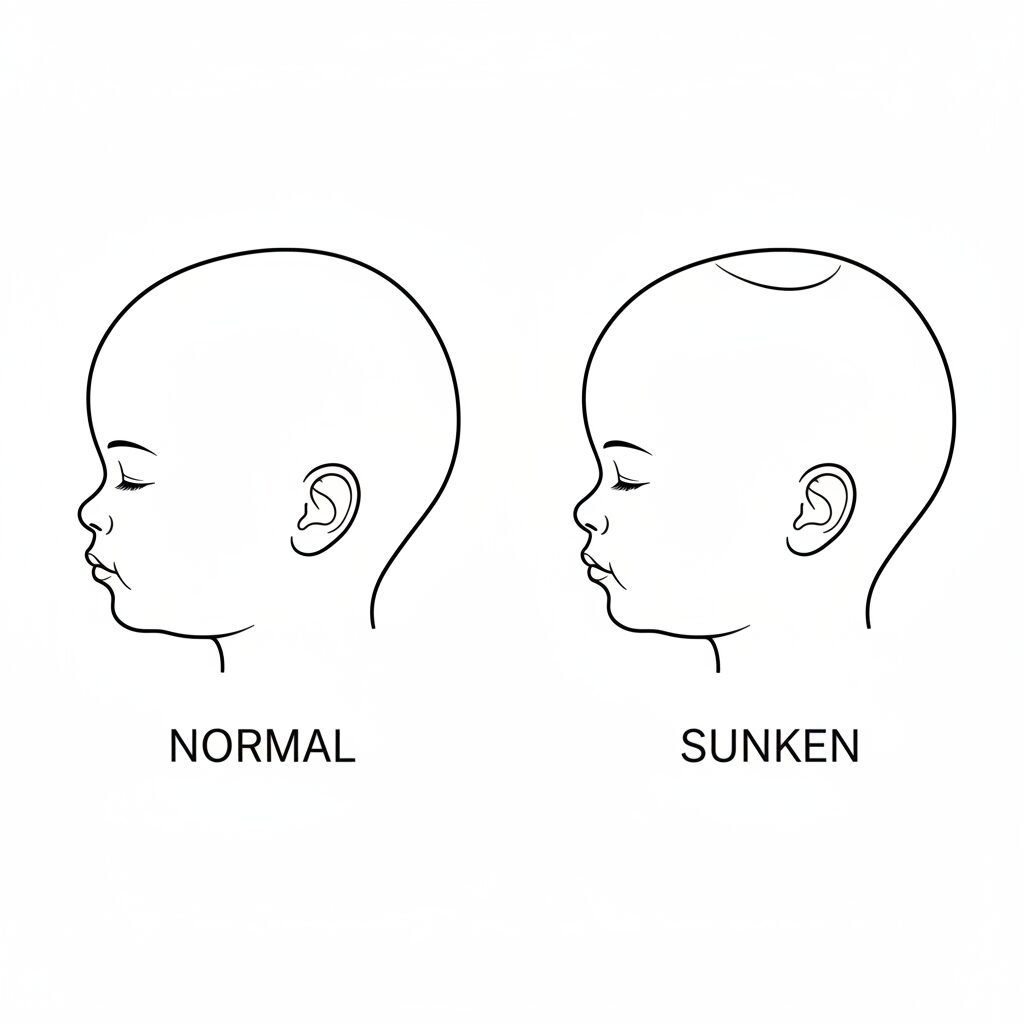
Now, let’s talk about the change that brings many parents to Google at 3 a.m.: the sunken fontanelle. A truly sunken fontanelle will look and feel like a noticeable dip or indentation on your baby’s head. It’s more pronounced than the normal slight inward curve. The best way to check is when your baby is calm and sitting upright. If they are lying down or crying, it can temporarily change the appearance of the fontanelle, so it’s not a reliable time to assess it.
Why does it sink? Think of it like a water level indicator. Your baby’s body is a tiny system that needs a precise balance of fluids to function. When they lose more fluids than they take in, they become dehydrated. This fluid loss reduces the volume of fluid throughout the body, including the cerebrospinal fluid that cushions the brain. This decrease in pressure can cause that tough membrane of the fontanelle to dip inward, creating that sunken look. While it is a very specific and important sign of moderate to severe dehydration, it’s crucial to remember it’s rarely the first or only sign. By the time the fontanelle is sunken, your baby has likely been showing other, more subtle signs that they need more fluids.
More Than Just a Dip: The Subtle (and Not-So-Subtle) Signs of Dehydration
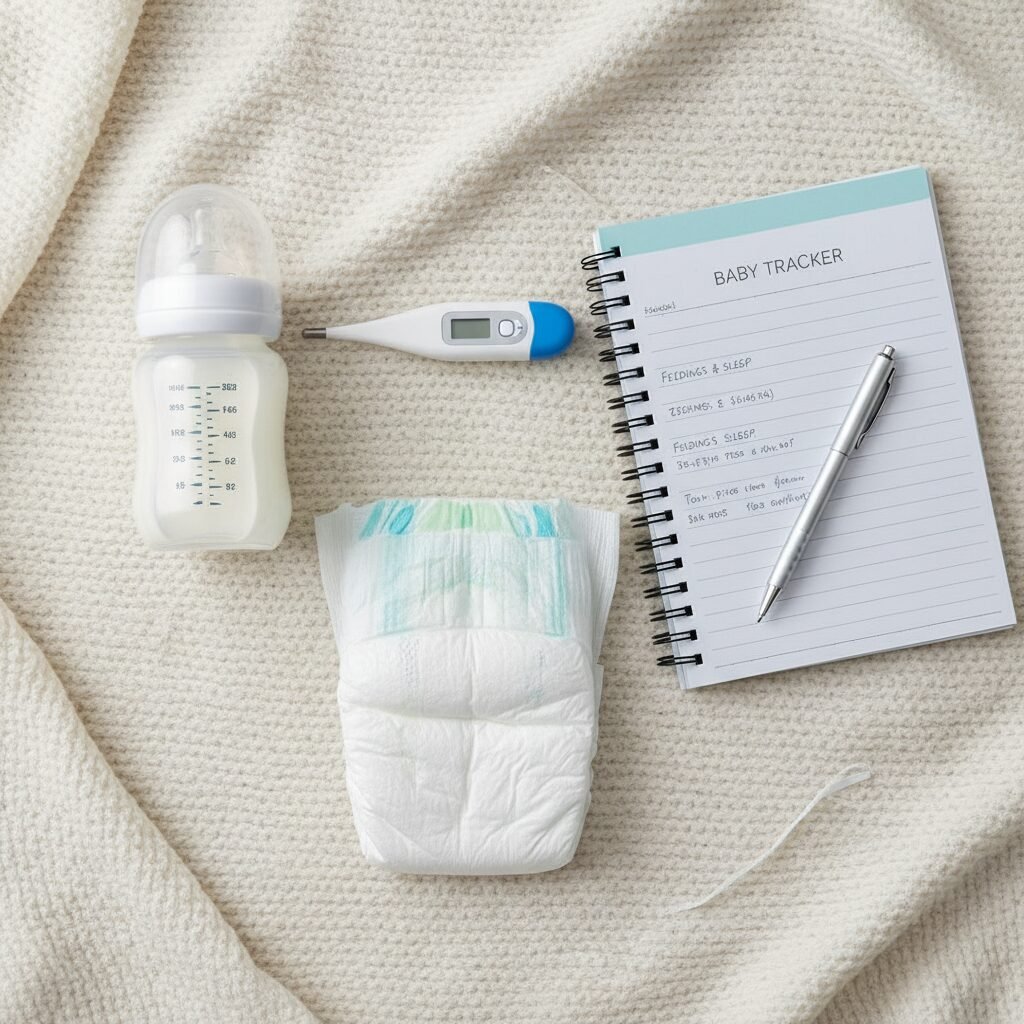
Your baby gives you clues long before the fontanelle looks sunken. Learning to read these early signs is your superpower in preventing dehydration from becoming serious. Let’s break them down into categories.
Early to Moderate Signs to Watch For:
- Fewer Wet Diapers: This is your number one clue! A well-hydrated baby is a peeing machine. A sudden drop in the number of wet diapers is a red flag. We’ll look at a chart for this.
- Dark, Strong-Smelling Urine: When your baby is hydrated, their urine should be pale yellow or nearly clear. Dark, concentrated urine that smells strong (like apple juice) means the body is conserving water.
- Dry Mouth and Lips: Gently touch the inside of your baby’s mouth. Does it feel sticky or dry instead of slick and wet? Are there few or no tears when they cry? These are classic signs.
- Lethargy or Unusual Sleepiness: Is your baby sleepier than usual? Harder to wake for feedings? Or, conversely, are they unusually irritable and fussy? A significant change in their energy level can indicate they don’t feel well and are dehydrated.
Keeping track of diapers can feel like a chore, but it’s the most reliable data you have. Here’s a general guide:
| Baby’s Age | Minimum Wet Diapers in 24 Hours |
|---|---|
| First 5 Days | One for each day of life (e.g., 3 on day 3) |
| After Day 5 | 6 to 8+ heavy, wet diapers |
| Concern Level | Fewer than 4 wet diapers in 24 hours |
Severe Signs That Require Immediate Medical Attention:
If you see any of the early signs along with the following, it’s time to go to the emergency room. These indicate severe dehydration:
- Sunken Eyes: Your baby’s eyes may appear dark and sunken into their sockets.
- Cool, Blotchy Hands and Feet: Their extremities may feel cold to the touch, and their skin might have a mottled, purplish appearance.
- Excessive Sleepiness or Limpness: Your baby is extremely difficult to wake, seems floppy or limp, and is unresponsive.
- Rapid Heartbeat or Breathing: They may be breathing very quickly or have a racing heart.
Why Does Dehydration Happen? Common Causes in Infants

Babies have a much higher percentage of water in their bodies than adults, and their tiny systems turn over fluids and electrolytes very quickly. This makes them much more vulnerable to dehydration. It doesn’t take much to throw their delicate balance off. The most common culprits are:
- Illness (Vomiting or Diarrhea): This is the big one. A stomach bug can cause a baby to lose a tremendous amount of fluid and electrolytes in a very short time.
- Fever: When your baby has a fever, their body uses more water to try and cool down, both through breathing and sweating.
- Inadequate Fluid Intake: Sometimes the issue is on the ‘in’ side, not the ‘out’ side. This can happen if a baby is having trouble breastfeeding or latching, isn’t taking enough formula, or is too sleepy or sick to eat well.
- Overheating: A baby who is overdressed or in a very hot environment can lose significant fluid through sweating. Always dress your baby in one more light layer than you are wearing, and be mindful of car seat temperatures.
A Critical Note on Water: Please remember that babies under 6 months old should not be given plain water. Their nutritional and hydration needs should be met entirely by breast milk or formula. Giving water can interfere with their body’s ability to absorb nutrients and, in rare cases, can lead to a dangerous condition called water intoxication.
Your Action Plan: How to Respond and When to Seek Help

Okay, you’ve assessed the situation and you’re concerned. What do you do now? Here is your clear, step-by-step plan.
For Mild Signs (e.g., slightly fewer diapers, a little fussy):
Your goal is to increase fluids. The best way to do this is to simply offer more of what they already drink.
- Offer the Breast or Bottle More Frequently: Don’t wait for your baby’s usual feeding cues. Offer a feeding every 1.5 to 2 hours. Even a short ‘snack’ feeding can help boost their fluid levels.
- Monitor Diapers Closely: This is your progress report. As they rehydrate, you should see an increase in the number of wet diapers and their urine should become lighter in color.
- Consider an Oral Rehydration Solution (with guidance): Products like Pedialyte are specifically designed to replace fluids and electrolytes. However, you should always call your pediatrician’s office before giving it to an infant to get advice on if it’s needed and how much to give.
When to Call Your Pediatrician Immediately:
Trust your gut. If you are worried, a phone call is never the wrong choice. You should call your doctor’s office right away if your baby:
- Has a sunken soft spot.
- Has had repeated episodes of vomiting or diarrhea.
- Has gone more than 6-8 hours without a wet diaper.
- Has a dry, sticky mouth and is refusing to breastfeed or take a bottle.
- Has a fever in addition to any of these other signs (especially if under 3 months old).
When to Go to the Emergency Room:
This is not the time to wait for a call back. If your baby is showing any of the signs of severe dehydration we discussed, they need immediate medical care. Go directly to the nearest emergency room or call 911 if your baby is extremely lethargic, limp, unresponsive, difficult to wake, has sunken eyes, or has cool, mottled skin.
Conclusion
Being a new parent is a journey of learning a whole new language—the language of your baby. A sunken fontanelle, while frightening to see, is just one of their more urgent ways of telling you something is wrong. By learning to spot the earlier, quieter signs like fewer wet diapers and a dry mouth, you can respond long before it becomes an emergency. Remember to trust your intuition. You are with your baby day in and day out, and you are the expert on what’s normal for them. Never hesitate to reach out to your pediatrician. Asking for help and seeking reassurance is not a sign of weakness; it’s a sign of a loving, attentive, and wonderful parent. You’ve got this.